
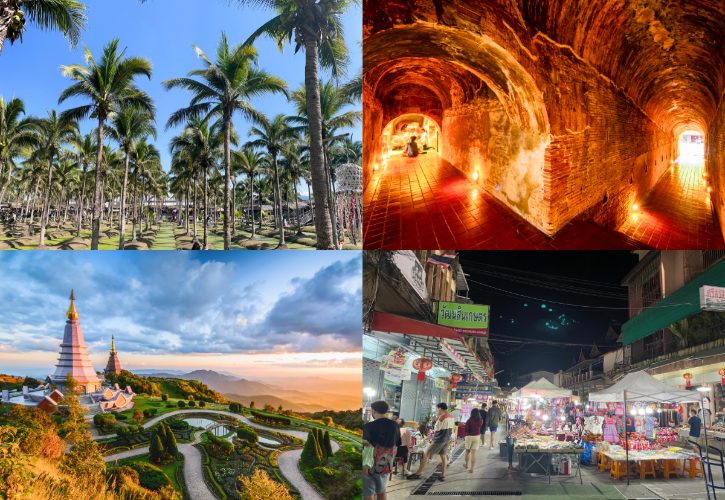
Chiang Mai is Northern Thailand’s cultural heart, and it moves at a pace that just feels right.
Think ancient temples next to trendy cafes, buzzing night markets beside peaceful forest monasteries, and some of the best street food you’ll find anywhere in the country.
It’s slower and more relaxed than Bangkok, but just as exciting once you start exploring. Here are 17 must-visit spots to make the most of your trip.
1. Coconut Market
a. Why Visit
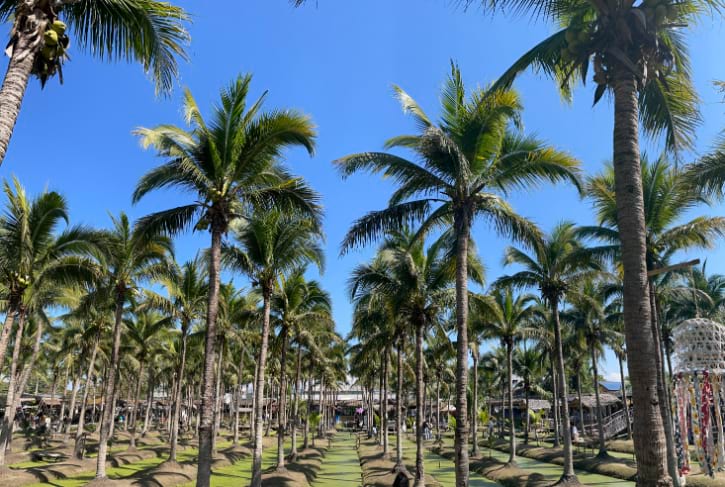
Set inside a working coconut grove in the Fa Ham district, this market feels like a different world despite being just a short drive from the city center.
Bamboo bridges, shaded walkways over little waterways, and decorated photo corners make it one of the most photogenic morning markets in the region.
b. What to Do Here
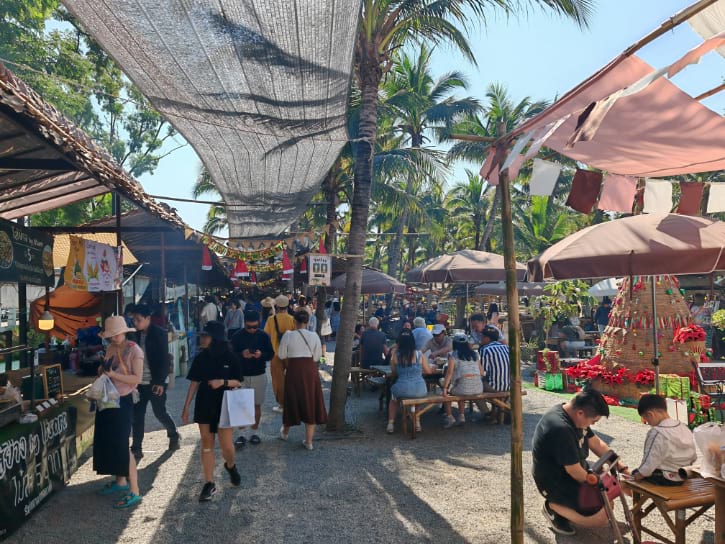
- Stroll through the palm trees and try fresh coconut ice cream, smoothies, and traditional Thai desserts made to order with coconut milk and palm sugar.
- Snap photos at the themed corners and visit the small animal pen where you can feed goats and sheep.
- Enjoy the live acoustic music from local guitarists for a relaxed weekend morning vibe.
Good to know: Open Friday, Saturday, and Sunday from 8:00 AM to 3:00 PM. Arrive early to beat the heat and the crowds that roll in after 10:00 AM.
2. Jing Jai Market Chiang Mai
a. Why Visit
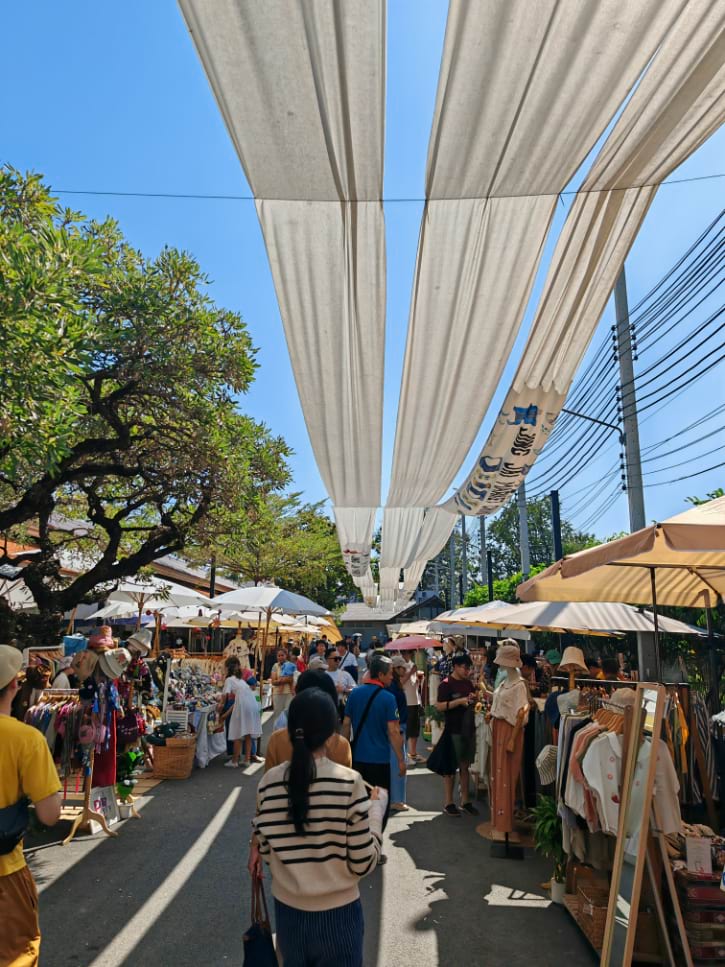
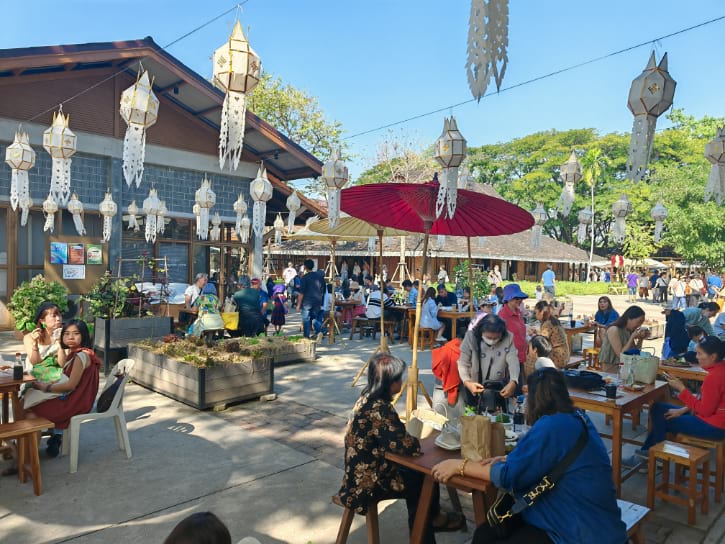
Jing Jai Market is one of those places that just feels good to be in.
It’s a thoughtfully designed market district that blends organic produce, handmade goods, and a creative community feel.
If you like your markets clean, curated, and rooted in local makers, this is your spot.
b. What to Do Here
- Sample iconic Northern dishes like Khao Soi and Sai Oua in a plastic-free eco food court.
- Browse one-of-a-kind items including handmade jewelry, pottery, and indigo-dyed clothing, often sold directly by the artists.
- Look for the “blue noodles” colored with butterfly pea tea and enjoy live jazz under massive rain trees.
Good to know: The market is dog-friendly with wide, paved paths. Easy to navigate for families with strollers too.
3. Wat Lok Moli
a. Why Visit
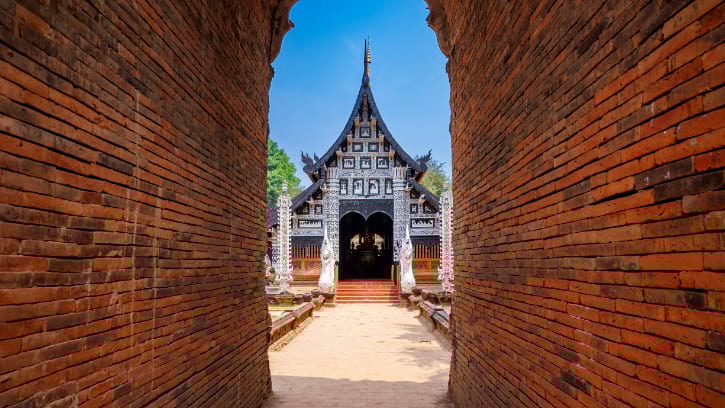
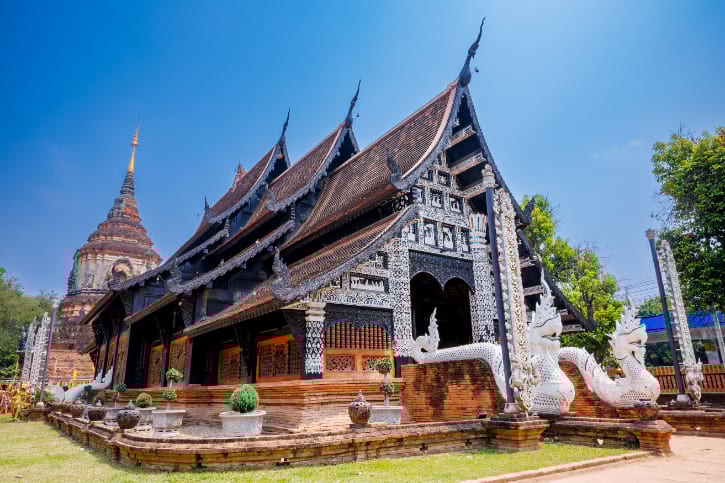
Wat Lok Moli is a quieter temple with a big presence, known for its large brick chedi and classic Northern Thai character.
If you want the beauty of Chiang Mai’s temple culture without the biggest crowds, this is a strong pick.
b. What to Do Here
- Admire the intricate wood carvings on the main viharn and explore the grand chedi in its rare, ungilded brick form.
- Hang a wish on the “Wishing Tree” using small silver or gold-colored leaves.
- Visit during Yi Peng festival when the temple transforms into a luminous field of lanterns.
4. One Nimman
a. Why Visit
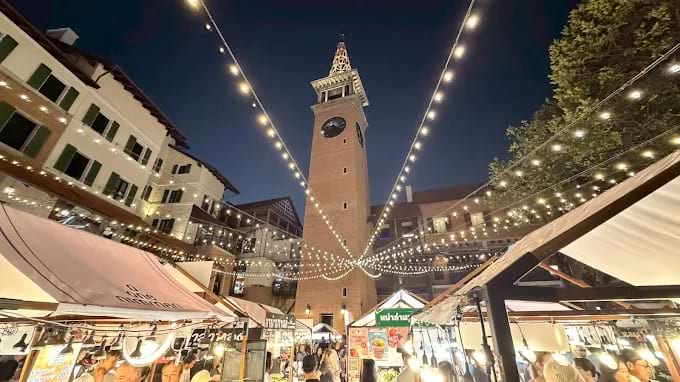
One Nimman is Chiang Mai’s modern side, a stylish hub in the Nimman neighborhood that pairs shopping and cafés with design-forward architecture.
There’s often pop-up energy here, with exhibitions and small cultural events happening regularly. It’s lively but still relaxed.
b. What to Do Here
- Browse local designer boutiques and the “One Nimman Select” upper floor for unique souvenirs.
- Try hands-on workshops like incense making or textile dyeing.
- Eat your way through the curated food hall, featuring some of Chiang Mai’s best street food vendors in a clean, modern setting.
5. Wat Phra Singh Woramahawihan
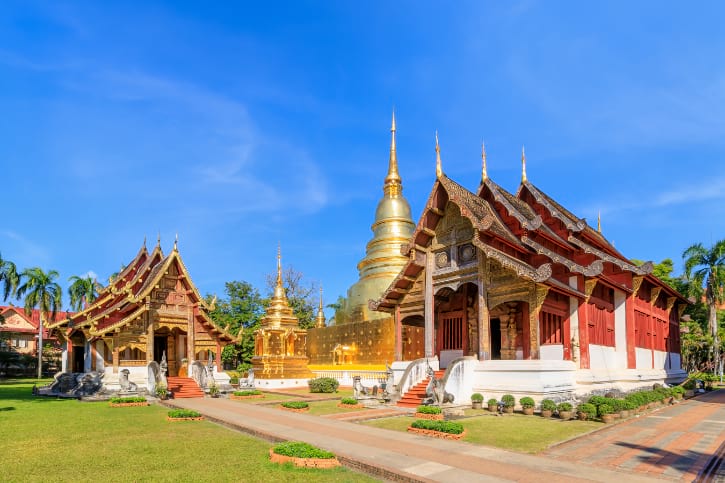
a. Why Visit
If you only visit one temple in Chiang Mai, make it this one.
Wat Phra Singh is a revered Lanna temple complex with a calm, polished beauty that makes the city’s spiritual side feel immediate.
It balances artistry, devotion, and atmosphere in a way that stays with you.
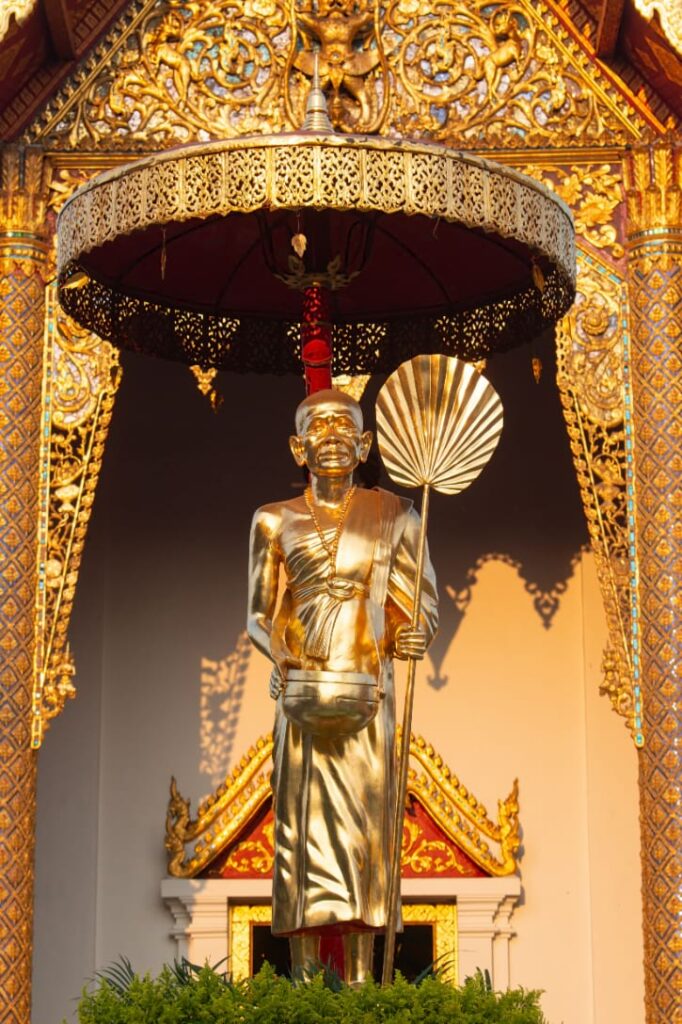
b. What to Do Here
- See the gold-leaf murals in Viharn Lai Kham, depicting 19th-century local life. These are considered some of the best-preserved examples in the country.
- Explore the ornate library (Ho Trai) and notice the multi-tiered “Lanna-style” roof designed to protect against heavy monsoon rains.
Good to know: This is an active monastery. Cover your shoulders and knees before entering the assembly halls.
6. Tha Pae Walking Street
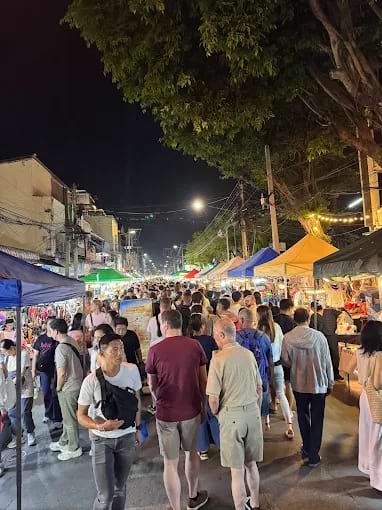
a. Why Visit
The Sunday Walking Street is the biggest and best weekly market in Chiang Mai.
Every Sunday evening, the road transforms into a massive stretch of colors, crafts, and flavors from Tha Phae Gate to Wat Phra Singh.
Unlike the daily Night Bazaar, this market strictly favors locally made products.
b. What to Do Here
- Browse stalls selling hill tribe textiles, hand-painted umbrellas, block printing, and watercolor postcards.
- Experience the “temple food courts” where historic temples open their courtyards with vendors, flickering candles, and incense.
- Graze on coconut pancakes, grilled meats, and other Northern Thai street food.
Good to know: A one-way pedestrian system is often in place to manage the huge crowds. Arrive early for the most comfortable experience.
7. Wat Chedi Luang
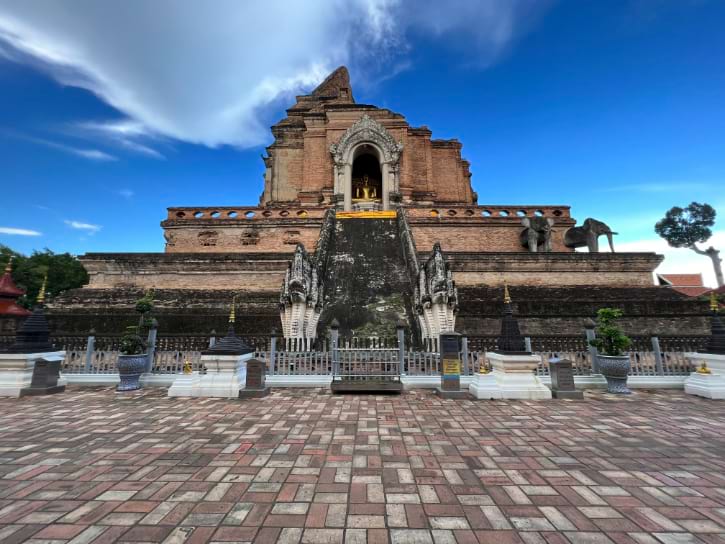
a. Why Visit
Home to one of the Old City’s most powerful silhouettes, Wat Chedi Luang features a massive, timeworn chedi that still dominates the temple complex.
It feels grand and grounded at the same time. Trust me, it’s the kind of place that makes you stop talking for a minute and just take it in.
b. What to Do Here
- Walk a full loop around the chedi to appreciate its scale and the shifting views from each side.
- Visit the City Pillar Shrine within the grounds. It helps you understand why this temple matters beyond its architecture.
8. Tha Phae Gate
a. Why Visit
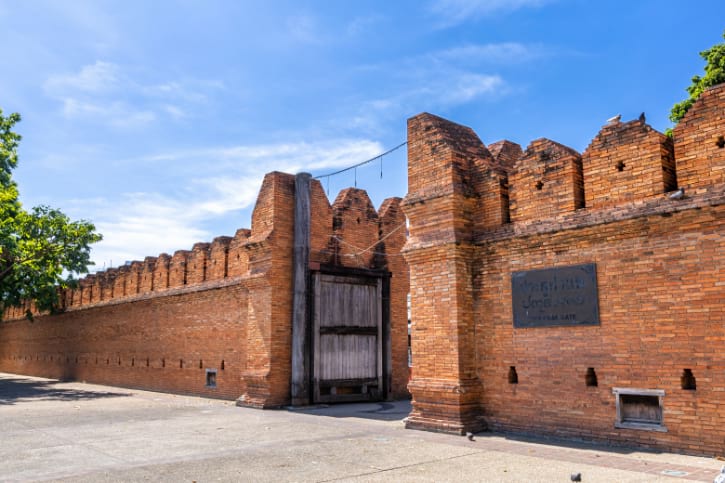
Tha Phae Gate is Chiang Mai’s most iconic Old City landmark, and it’s the perfect spot for orienting yourself in the city.
It’s especially atmospheric at sunrise or golden hour, when the brickwork glows and the moat-side air feels cooler.
b. What to Do Here
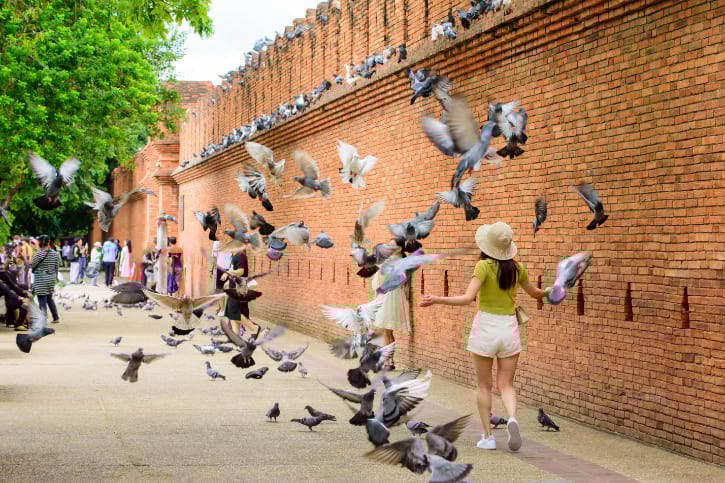
- Take the classic photo with the red brick walls and the flocks of pigeons in the plaza.
- Visit at sunrise for dramatic shadows on the brickwork, or at sunset when street food carts fire up.
- Time your visit with Yi Peng (November) when thousands of lanterns and candles decorate the plaza.
Good to know: No entry fee. Accessible 24/7 and most vibrant around sunset.
9. Waroros Market
a. Why Visit
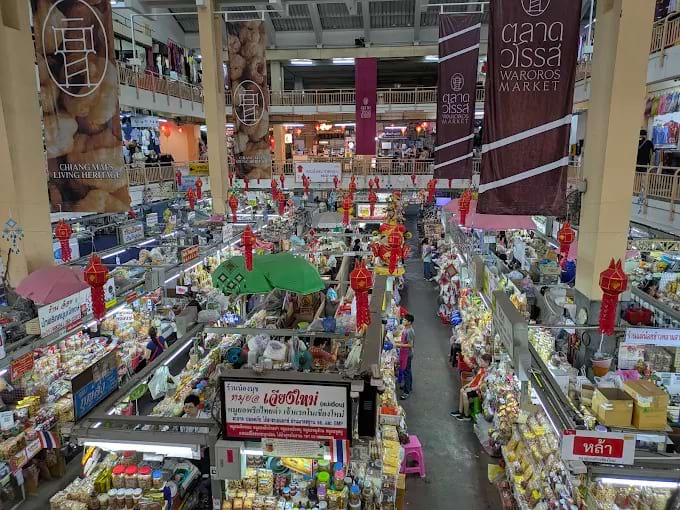
This is where Chiang Mai feels most everyday, most local, and most delicious.
If you love food culture, Warorot Market is the right place for edible souvenirs and Northern Thai flavors you rarely notice on the tourist-heavy streets.
b. What to Do Here
- Sample Northern Thai staples like Sai Oua and Nam Prik Num from famous local vendors.
- Browse three floors of fresh produce, prepared food, textiles, and household goods.
- Visit the adjacent Ton Lamyai flower market, a 24-hour display of jasmine garlands and exotic blooms.
Good to know: Arrive early morning for the liveliest atmosphere and the freshest produce.
10. Chiang Mai Night Bazaar
a. Why Visit
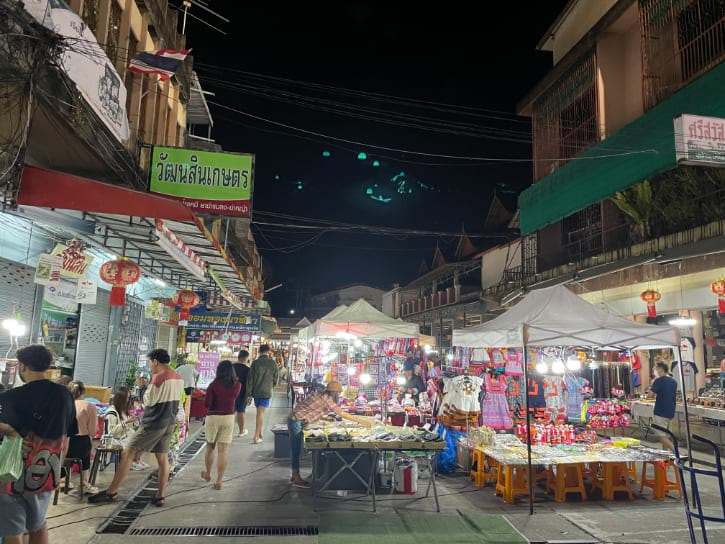
The Night Bazaar is a classic Chiang Mai evening activity with an energetic, every-night feel that’s easy to drop into.
It’s a great “first night” option when you want shopping, snacks, and atmosphere without committing to a full plan.
b. What to Do Here
- Head to Anusarn Market for fresh seafood, Thai hotpot, and cabaret shows in a covered area that’s great on rainy evenings.
- Try Ploen Ruedee Night Market for a modern food-truck vibe with live bands and cocktails.
- Practice your bargaining skills at hundreds of stalls along the main road.
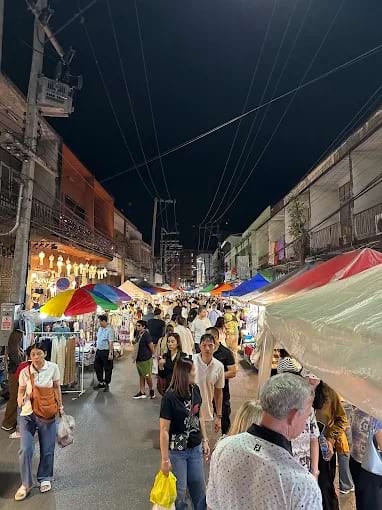
11. Wua Lai Walking Street Saturday Market
a. Why Visit
The Saturday Walking Street on Wua Lai Road highlights the silver-making heritage of a community that goes back over 200 years.
It’s a more intimate alternative to the Sunday market, and the quality of handmade goods here is noticeably higher than at the Night Bazaar.
b. What to Do Here
- Watch silversmiths demonstrate their craft and buy hand-beaten jewelry, engraved plates, and lacquerware.
- Eat charcoal-grilled squid and coconut pancakes from excellent street food stalls.
- Combine your visit with Wat Sri Suphan Browse the market in the afternoon, then see the Silver Temple’s evening light show.
Good to know: Starts around 5:00 PM every Saturday from Chiang Mai Gate.
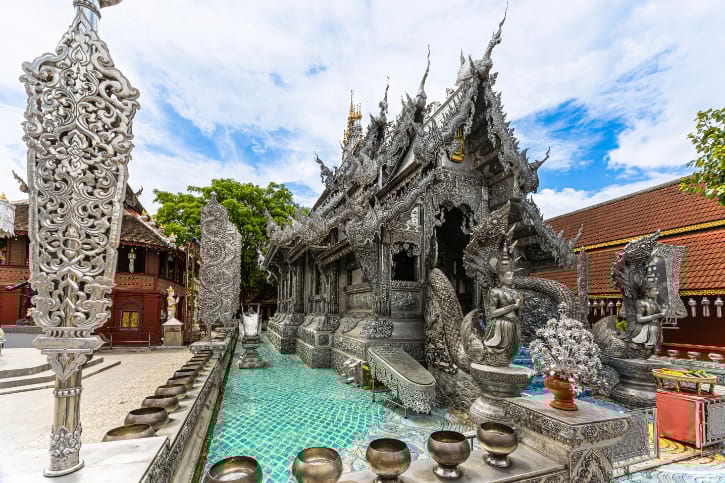
12. Wat Sri Suphan (The Silver Temple)
a. Why Visit
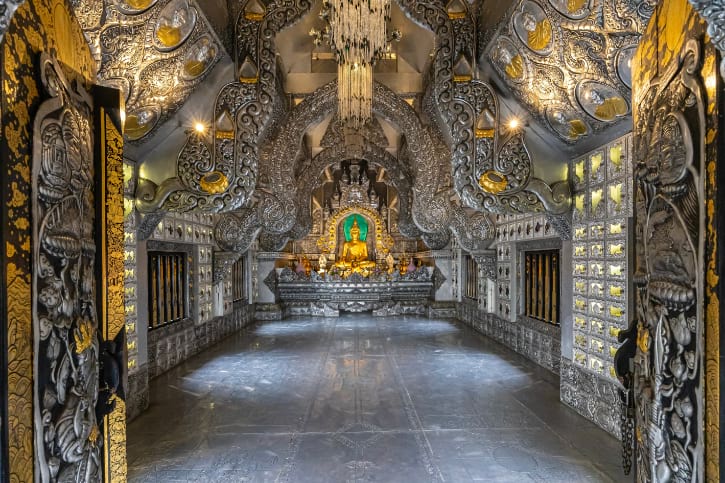
Wat Sri Suphan is one of the most distinctive temples in Chiang Mai, known for its silver-toned ordination hall covered in intricate metalwork.
It’s a beautiful intersection of spirituality and craftsmanship, tied directly to the city’s silver-making heritage.
b. What to Do Here
- Circle the silver ordination hall slowly and study the relief work up close. It rewards careful attention, especially in good light.
- Look for artisan elements on-site that connect the temple to living craftsmanship traditions.
Good to know: A traditional Lanna rule prevents women from entering the main silver hall. The rest of the complex is open to everyone.
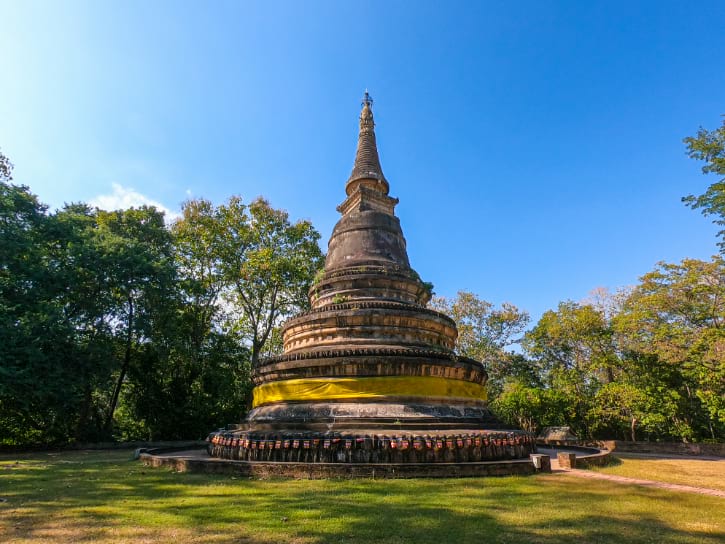
13. Wat Umong Suan Putthatham
a. Why Visit
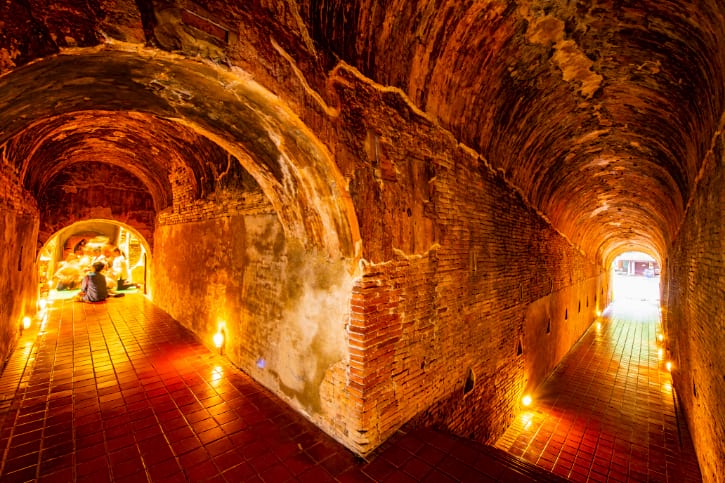
Wat Umong is a forest temple with a contemplative mood, famous for its tunnels and a feeling of being completely tucked away from the city.
If you want to experience quiet, reflective Buddhism rather than spectacle, this is one of the best places in Chiang Mai to do it.
b. What to Do Here
- Explore the dimly lit brick tunnels to find Buddha shrines and faded murals.
- Walk the forest paths lined with “talking trees” carrying Buddhist proverbs in Thai and English.
- See the open-air collection of broken Buddha heads rescued from abandoned temples.
14. Baan Kang Wat
a. Why Visit
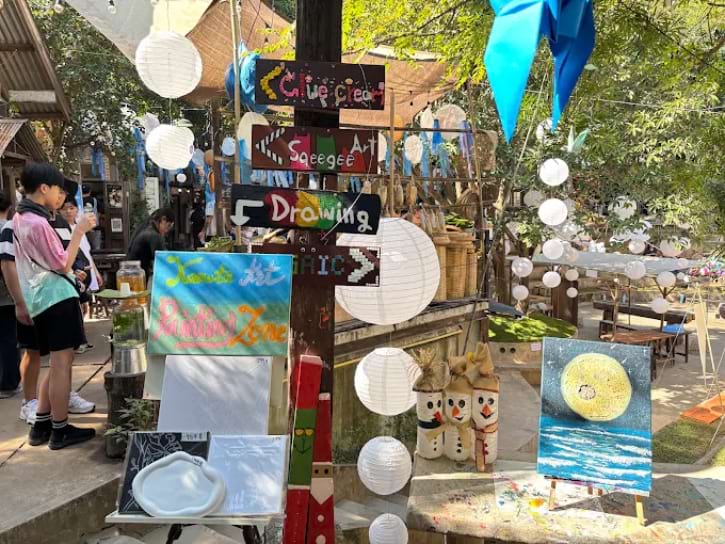
Baan Kang Wat is a leafy artist village where Chiang Mai’s slow creativity comes alive through studios, tiny shops, and hands-on workshops.
It’s ideal when you want something gentler and more personal than the Old City, but still rich in local culture.
b. What to Do Here
- Join a DIY session like pottery or craft-making, so you leave with something you actually created.
- Browse small artisan shops for ceramics, stationery, textiles, and gifts that feel personal, not mass-produced.
15. Wat Phra That Doi Suthep
a. Why Visit
This is Chiang Mai’s most famous mountain temple, and for good reason.
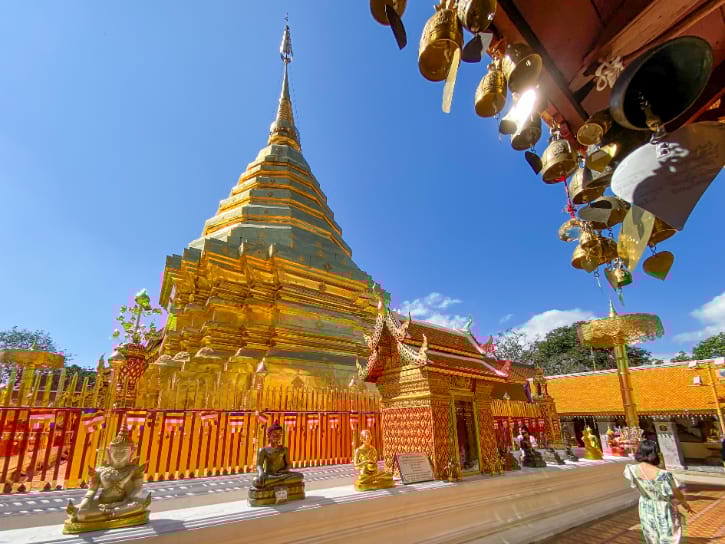
The golden chedi, the sacred atmosphere, and the wide city views from the mountainside make it feel like a true pilgrimage experience, even if you’re visiting casually.
b. What to Do Here
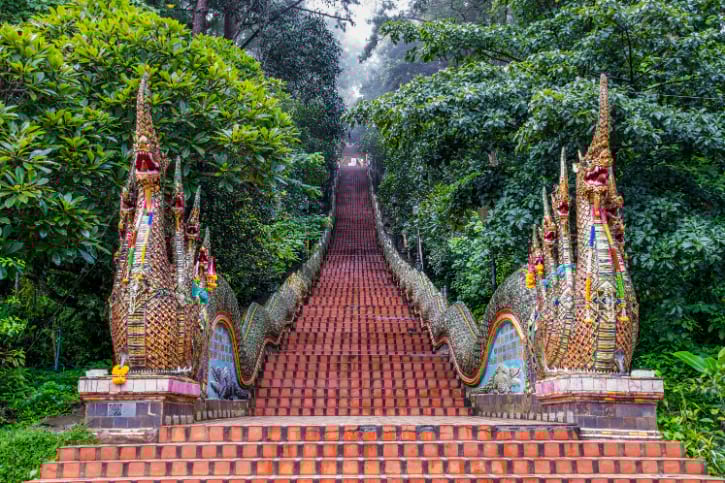
- Climb the 309-step staircase flanked by Naga serpents (or take the funicular).
- Circle the golden chedi holding a lotus flower for a merit-making ritual, and stay for the evening chants.
- Take in the sunrise views from the platform overlooking the entire province.
Good to know: Arrive at dawn for the most powerful experience. The view alone is worth the early wake-up.
16. Doi Inthanon National Park
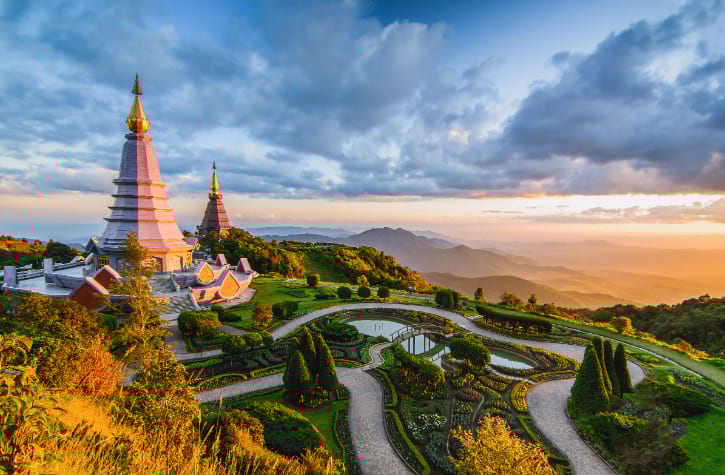
a. Why Visit
Doi Inthanon is home to Thailand’s highest peak and a gateway to waterfalls, cool-climate trails, and some of the region’s best nature scenery.
If you’re craving fresh air and a change from temples and markets, this is Chiang Mai’s most rewarding day trip.
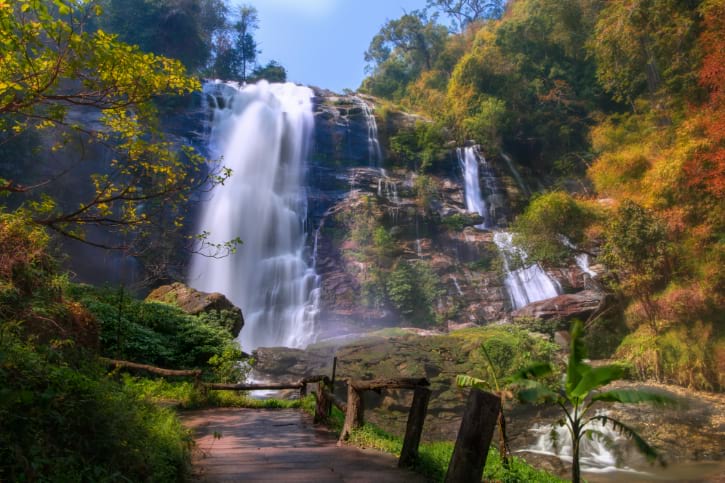
b. What to Do Here
- Visit Wachirathan Waterfall, a massive cascade that creates rainbows in the afternoon light.
- Walk the Ang Ka Nature Trail through mossy, prehistoric-looking forests.
Good to know: Bring a jacket. The temperature difference from the city is significant.
17. Bua Tong Sticky Waterfall
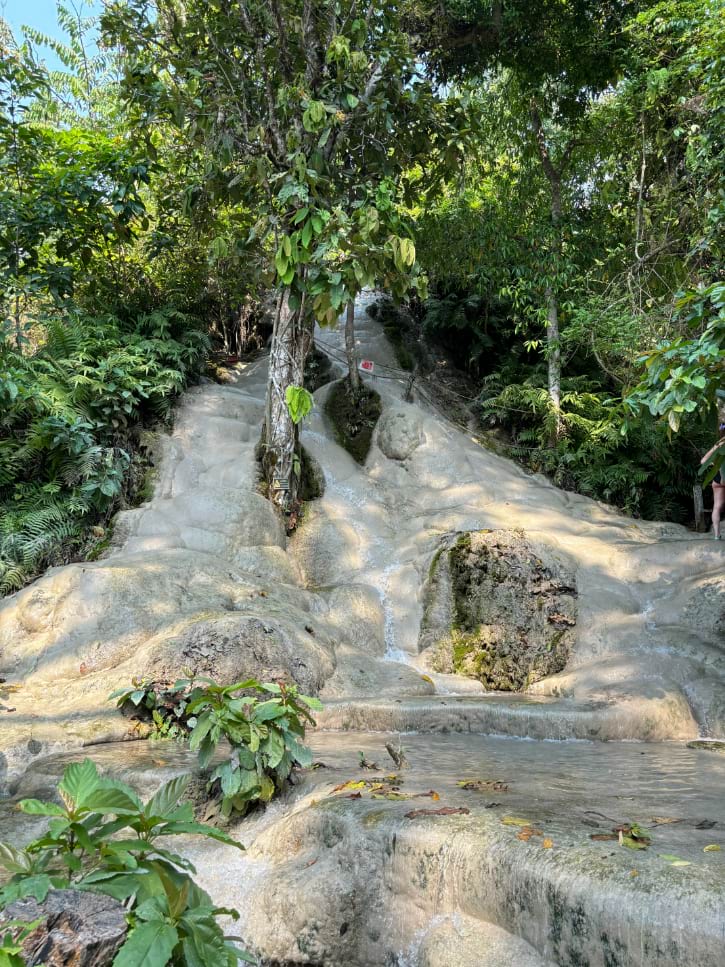
a. Why Visit
Here’s the fun part. Bua Tong is a rare “climbable” limestone waterfall where the rock texture gives you surprising grip, turning what looks like a regular cascade into a playful adventure.
It’s one of the most unique nature experiences near Chiang Mai, and it feels totally unlike any other waterfall you’ve visited.
b. What to Do Here
- Scramble up the three main tiers barefoot, using the occasionally installed ropes for support.
- Walk to the “Fountain of Seven Colors”, a sacred spring with vivid blue and green mineral pools.
- Cool off in the shallow pools at the base or pack a picnic for the shaded forest areas.
Good to know: Located about 60 km north of Chiang Mai. No entrance fee. Visit on a weekday morning for a quieter experience.