
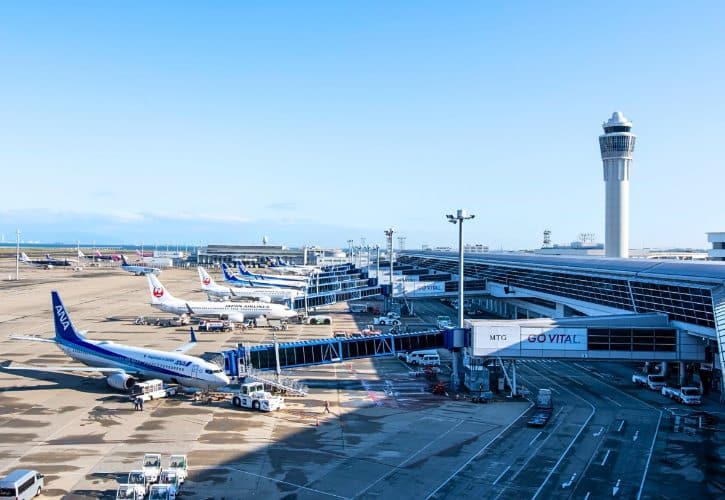
Japan is about to get more expensive and more regulated for international visitors.
Starting in 2026 and continuing through 2028, the Japanese government is introducing a wave of new policies designed to manage overtourism and ensure travelers contribute to the infrastructure they use.
The good news? Most of these changes haven’t kicked in yet.
If you’ve been dreaming of visiting Japan, the next 12 to 18 months offer a sweet spot before costs rise and new requirements take effect. Here’s everything you need to know. 😊
1. Mandatory Travel Insurance

a. What’s Changing
Japan plans to require all foreign tourists to have private health insurance coverage during their stay.
You will need to show proof of valid insurance when you arrive. No coverage? You could be turned away at the border.
Think of it like a passport, but for your health. Without it, you will not get in.
b. Why Japan Is Doing This
The problem comes down to unpaid medical bills.
In 2024, about 0.8% of foreign patients in Japan left without paying, totaling over ¥60 million (roughly $425,000) in debt. That might sound small, but it adds up quickly.
Hospitals and taxpayers have been footing the bill. This policy ensures visitors can cover their own medical costs if something goes wrong.
c. Timeline
- Status: Proposed, not yet in force
- Expected: Sometime in 2026, once legal and logistical arrangements are finalized
- Note: Could be activated on short notice once formally adopted
d. How It Affects Travelers
- You will need to purchase travel health insurance before your trip
- Carry proof of coverage (digital or printed)
- Immigration officials may ask to see your insurance documents at the border
- Expect a small increase in trip costs due to insurance premiums
- Visitors with previous unpaid medical bills may be flagged and denied entry
2. Departure Tax Likely to Triple
a. What’s Changing
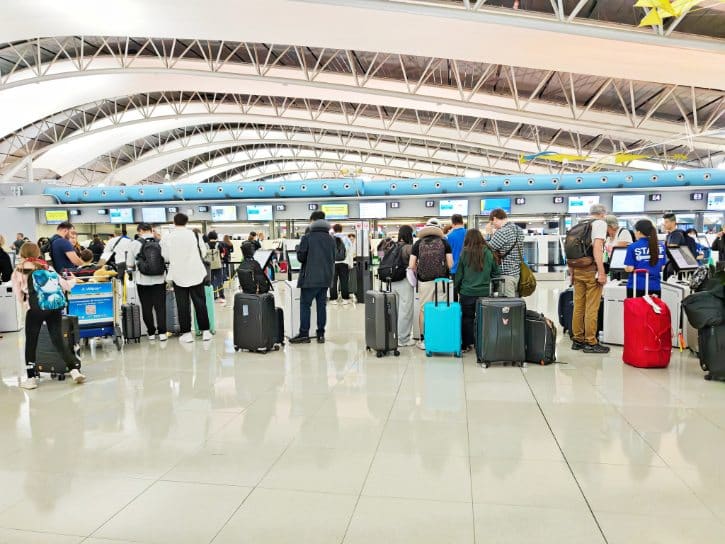
Japan’s departure tax (the “sayonara” exit fee) is expected to jump from ¥1,000 to ¥3,000 per person. That is about $20 instead of the current $7.
Flying business or first class? There is talk of a higher rate around ¥5,000 (about $32) for premium cabin passengers.
b. Why Japan Is Doing This
Tourism has bounced back in a big way, and with it comes crowding, wear on facilities, and local frustration.
The extra revenue will fund transportation infrastructure, environmental protection, and overtourism solutions.
Japan’s current tax is also quite low compared to other countries.
The US charges around $33, and Hong Kong about $26. A ¥3,000 ($20) fee brings Japan closer to international norms.
c. Timeline
- Currently: Tax remains at ¥1,000 ($7)
- Late 2025: Final decision during fiscal 2026 tax reform discussions
- Target: Implementation within fiscal year 2026 (April 2026 to March 2027)
d. Travel Impact
- The tax is collected automatically through your airline ticket, so no action needed at the airport
- A family of four would pay ¥12,000 ($80) instead of ¥4,000 ($28) on departure
- Premium cabin flyers may pay an extra ¥2,000 ($12) on top of the base increase
- The fee is unlikely to deter most travelers, but families and budget travelers will feel the difference
3. Tokyo Set to Introduce a 3 Percent Hotel Tax

a. What’s Changing
Tokyo is completely overhauling its accommodation tax. The current flat-rate system (¥100 or ¥200 per night regardless of room price) is being replaced with a percentage-based model.
The new structure:
- 3% tax on your room rate
- Tax-free threshold raised from ¥10,000 ($65) to ¥13,000 ($84) per night
This means budget accommodations under ¥13,000 ($84) per night pay nothing, while luxury stays see a significant increase.
b. Why It’s Being Introduced
The old system was seen as unfair. Someone paying ¥300,000 per night at a five-star hotel paid the same ¥200 tax as someone at a business hotel.
The new percentage model ensures high-end visitors contribute proportionally more.
These funds will go toward maintaining tourist sites and improving city services.
c. Timeline
Implementation targeted for 2027.
d. Impact on Travelers
Budget travelers: Good news. If your nightly rate is under ¥13,000 ($84), you pay nothing. Most capsule hotels (typically ¥4,000 to ¥8,000) and budget accommodations fall below this threshold.
Mid-range travelers: Moderate impact. A ¥20,000 ($130) per night hotel adds ¥600 ($3.90) per night in taxes.
Luxury travelers: Here’s where it hits hard.
- ¥15,000/night for 3 nights: Current tax ¥600 ($3.90), new tax ¥1,350 ($8.70)
- ¥50,000/night for 3 nights: Current tax ¥600 ($3.90), new tax ¥4,500 ($28.90)
- ¥100,000/night for 3 nights: Current tax ¥600 ($3.90), new tax ¥9,000 ($57.80)
Important: This covers minpaku (Airbnb-style rentals) and capsule hotels too, as long as they meet the price threshold.
Heads up: Kyoto is implementing an even more aggressive tax structure starting March 2026, with rates potentially reaching ¥10,000 ($64) per night for ultra-luxury stays.
4. JESTA Pre-Entry Screening
a. What’s Changing
Japan is introducing JESTA (Japan Electronic System for Travel Authorization), a digital pre-screening system modeled on the US ESTA and the EU’s upcoming ETIAS.
This applies to travelers from the 74 countries currently enjoying visa-free entry, including the United States, United Kingdom, Australia, Canada, and EU nations.
b. Why Japan Is Doing This
- Security screening: Identify individuals on watchlists before they board a plane to Japan
- Immigration control: Flag people suspected of working illegally during “tourist” visits
c. Timeline
Target launch: End of fiscal year 2028
Originally planned for 2030, the project has been accelerated.
d. How It Affects Travelers
The process:
- Apply online before your trip
- Provide biographical data and travel plans
- Pay a fee (likely $10 to $20)
- Receive authorization valid for 2 to 3 years for multiple entries
What this means:
- No more truly “spontaneous” trips to Japan from visa-waiver countries
- You’ll need to apply and receive approval before booking flights
The upside: Physical entry at the airport should be faster since most screening happens beforehand.
5. Increased Visa Fees
a. What’s Changing
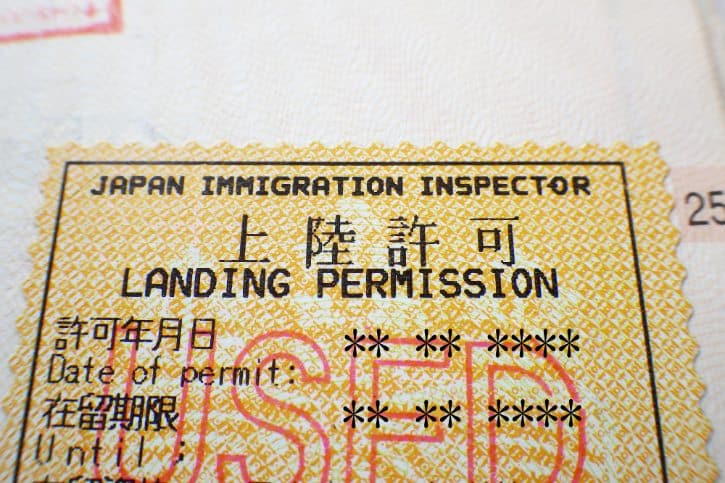
Japan is raising visa fees for the first time in about 45 years. Currently, a single-entry tourist visa costs ¥3,000 (about $20), and a multiple-entry visa costs ¥6,000 (about $40).
Under the new plan, fees could increase five to six times. That means single-entry visas may cost around ¥15,000 (about $100) or more.
b. Why Japan Is Doing This
The government needs to recover administrative costs from processing surging visa applications, particularly from China, Vietnam, and the Philippines. Revenue also funds the rollout of e-Visa systems.
c. Timeline
- Status: Confirmed in principle
- Expected: Sometime in 2026
d. Impact on Travelers
This affects visitors from countries that require a visa, including China, India, the Philippines, Indonesia, Vietnam, and much of Africa and the Middle East.
If you need a visa, expect to pay significantly more starting in April 2026. A family of four could pay ¥60,000 (about $400) or more in visa fees alone.
Travelers from visa-exempt countries (like the US or EU) are not affected by this change, though they will need JESTA later on.
Final Thoughts
Let me be honest with you. Japan is still absolutely worth visiting, even after these changes roll out. The country is magical, and a few extra fees will not change that.
But if you have been on the fence, there is a real financial argument for going sooner rather than later.
For a two-week trip, these savings could easily add up to hundreds of dollars, especially for families or travelers who plan to shop.
Beyond the money, there is something to be said for visiting before the crowds are priced out and the bureaucracy gets more complex.
Japan is adapting to its tourism boom, and that is understandable. But the simpler, more spontaneous Japan travel experience? It is fading.
If Japan has been on your bucket list, trust me, do not wait. Book your trip, pack your bags, and experience it before the new rules kick in.
You will thank yourself later.
Related Posts

Photo Credit:
Photos by PIXTA