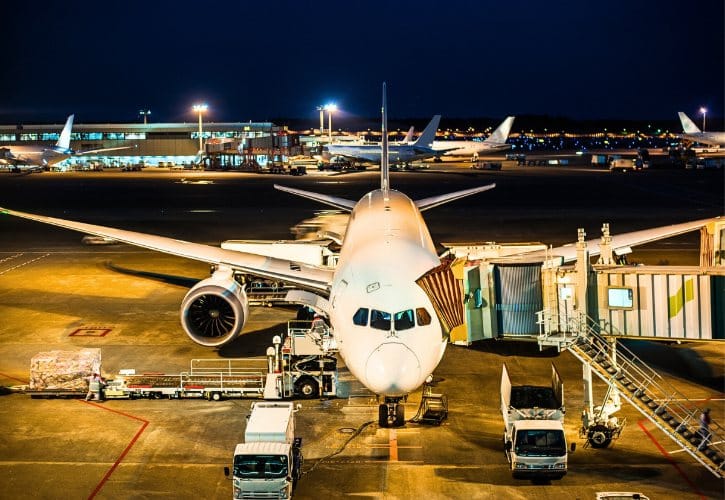
If you’re planning a trip to Thailand from Europe or the U.S., there’s a good chance your flight connects through a major Middle Eastern hub. Dubai, Doha, and Abu Dhabi are popular stopover points for good reason.
But when regional conflicts flare up, these routes can be disrupted. Flight paths change, schedules shift, and connections get tricky.
This guide walks you through what’s happening right now and what you should know before you fly.
1. Why Many Flights to Thailand Pass Through the Middle East
a. The Hub-and-Spoke System
Most airlines don’t fly direct between every city. Instead, they route passengers through major hubs. This keeps flights frequent and fares competitive, even from smaller cities.
For travelers heading to Thailand from Europe or the U.S., the Middle East sits in a sweet spot geographically.
It’s right between Western origins and Southeast Asian destinations, making it ideal for long-haul connections.
b. The Big Three Hubs
Here are the main transfer points you’ll likely encounter when flying to Bangkok or Phuket:
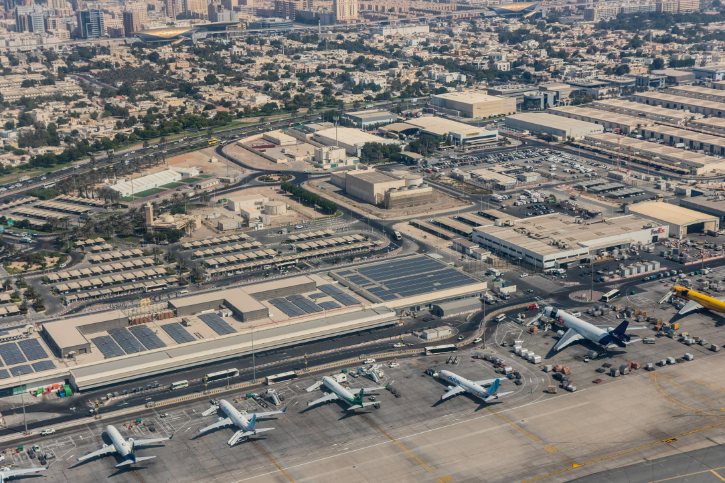
- Dubai International Airport: The home base for Emirates, offering frequent service to Bangkok and Phuket.
- Hamad International Airport (Doha): Qatar Airways’ hub, connecting passengers worldwide through Doha to Thailand.
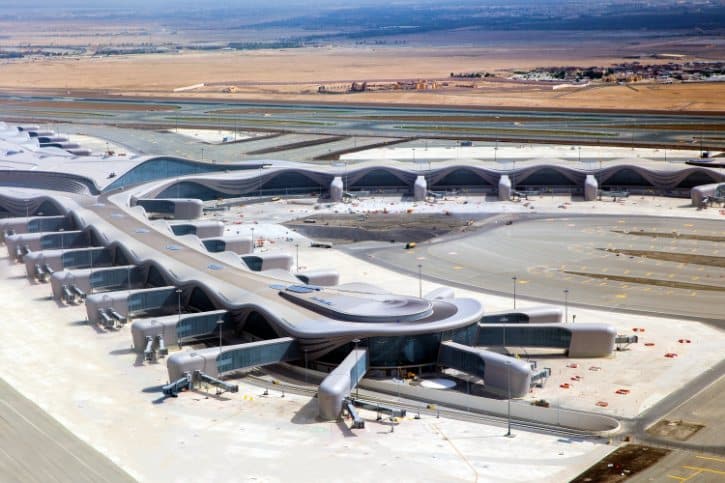
- Zayed International Airport (Abu Dhabi): Etihad Airways’ base, with Bangkok connections from a wide network of origin cities.
- Istanbul Airport: A key alternative at the crossroads of Europe and Asia, used by Turkish Airlines for flights to Bangkok and Phuket.
These hubs create convenient one-stop options from secondary cities across Europe and the U.S. to Thailand, often at competitive prices.
2. What Is Happening in the Middle East Right Now
a. The Current Security Situation
The aviation disruptions you’re seeing are tied to an evolving security environment involving Iran and neighboring countries.
On 28 February 2026, the United States and Israel conducted military strikes within Iranian territory. Iran announced retaliatory attacks shortly after.
b. Aviation Warnings in Effect
The European Union Aviation Safety Agency (EASA) has issued a high-severity conflict zone warning. It assesses a “high risk to civil aviation” and recommends airlines avoid flying at any altitude over multiple regions.
The affected airspace includes:
- Bahrain
- Iran
- Iraq
- Israel
- Jordan
- Kuwait
- Lebanon
- Oman
- Qatar
- United Arab Emirates
- Saudi Arabia
c. Government Travel Advisories
Official travel advisories are also flagging disruption risks:
- The S. Department of State updated its UAE advisory on 3 March 2026, citing threats of armed conflict and “significant disruptions to commercial flights”.
- The UK Foreign Office warns of regional escalation and travel disruption in Qatar, advising travelers to check airline updates before departing.
d. What Airlines Are Saying
Airlines have confirmed that airspace constraints are already affecting operations:
- Qatar Airways has temporarily suspended scheduled operations due to the closure of Qatari airspace. Operations will resume only after authorities announce a safe reopening.
- Emirates is operating a reduced schedule following a partial reopening of regional airspace. Transit through Dubai is only possible if your onward connection is operating.
3. How This Affects Flights to Thailand
a. The Core Impact
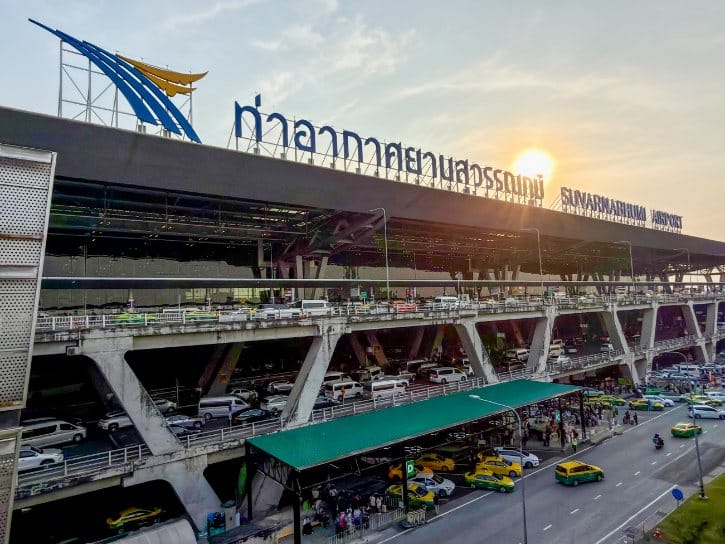
Here’s the key point: the conflict isn’t in Thai airspace. Thailand itself remains safe and open to travelers.
However, the disruption affects the corridors and hubs many travelers use to get there.
b. Airspace Avoidance and Rerouting
When large portions of airspace are closed or restricted, airlines plan alternative routes.
These detours go around affected areas, which means longer flight paths and more complex coordination with air traffic control.
c. What This Means for You
These changes can create ripple effects that directly impact your journey:
- Longer flight times: Detours increase fuel burn and extend travel time. Airlines may adjust schedules or payload to compensate.
- Missed connections at hubs: When airlines run reduced schedules or flights arrive late due to rerouting, connection banks break down. Rebooking cascades can multiply quickly at busy transfer hubs.
- Temporary suspensions: Airlines may pause services entirely when national airspace closes, or operate limited schedules while safe corridors are established.
d. The Risk Depends on Your Route
Your exposure to disruption largely depends on whether your itinerary passes through the Middle East:
- If you’re flying via Doha, Dubai, or Abu Dhabi: Your trip depends on whether the hub airport is operating, whether your airline is running flights, and whether safe air corridors exist. Both Qatar Airways and Emirates have described reduced or suspended operations tied to airspace status.
- If you’re flying nonstop from Europe or connecting within Europe: You may still experience route detours and longer flight times depending on your airline’s routing choices. For example, KLM confirms it is avoiding Iranian, Iraqi, and Israeli airspace and has canceled affected Middle East services.
Even when Thailand-bound flights operate, expect possible schedule changes, late arrivals, and aircraft or crew being out of position. Lufthansa explicitly warns that schedules may change at short notice.
4. Which Airports and Airlines Are Most Affected
a. Airports with the Biggest Impact
These major transfer hubs are most relevant if you’re flying to Thailand:
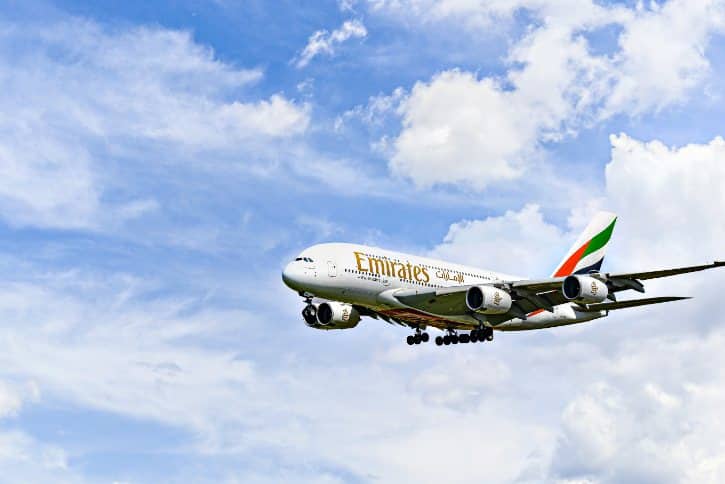
- Dubai International Airport: Emirates’ primary hub for Bangkok and Phuket service. When Emirates runs reduced operations, it directly limits Europe/U.S. to Dubai to Thailand connection options. Emirates warns transit is only possible when the next leg is operating.
- Hamad International Airport (Doha): Qatar Airways relies on connections via Doha. When Qatari airspace is closed, it doesn’t just affect Qatar-bound passengers. It also strands transfer passengers mid-journey.
- Zayed International Airport (Abu Dhabi): An important hub for Etihad connections to Bangkok. Etihad has resumed limited operations and urges passengers to check flight status before traveling.
- Istanbul Airport: Can serve as an alternative connection point when Gulf routes are disrupted. Turkish Airlines operates nonstop flights from Istanbul to Bangkok and Phuket.
Other airports to note: Muscat International Airport has been used as a safer staging point for some movements. However, Muscat has restricted additional private jet traffic to manage congestion and prioritize commercial flights.
b. Airlines Most Affected
Via-Hub Connectors (most exposed to Gulf disruption):
- Emirates (Dubai): Operating a reduced schedule with transit limited to cases where onward connections are running. Rebooking and refund options are available for affected bookings.
- Qatar Airways (Doha): Scheduled operations temporarily suspended due to Qatari airspace closure. Will resume after safe reopening is announced.
- Etihad Airways (Abu Dhabi): Limited operations resumed. Travelers should verify flight status before heading to the airport. Flexible rebooking and refund policies are in place.
- KLM: Avoiding Iranian, Iraqi, and Israeli airspace. Middle East routes are canceled until airspace is confirmed safe. Rebooking and refund options available.
- Lufthansa: Has suspended service to multiple Middle East destinations. Schedules may change at short notice. Lufthansa has also shifted capacity toward higher-demand Asian routes, including Bangkok.
Direct Europe-Thailand Operators (less dependent on Gulf hubs):
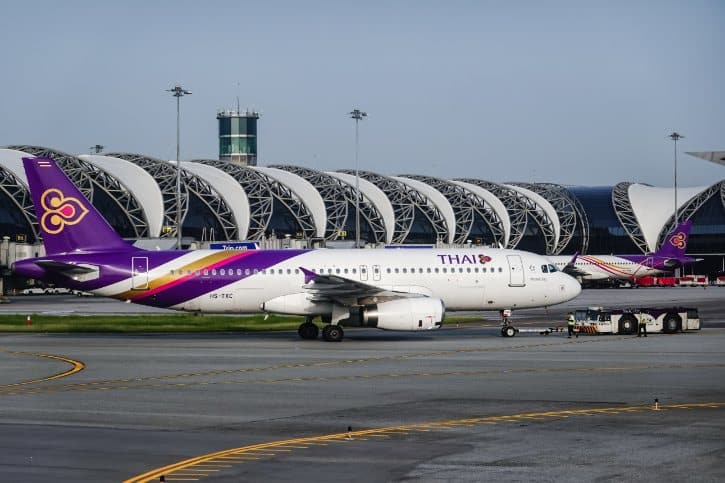
- Thai Airways: Markets an 11-city Europe network from Bangkok, offering multiple nonstop links that may become more attractive when Middle East transfers are constrained.
- British Airways: Has announced Bangkok schedule plans with increased service in upcoming seasons, indicating continued UK-Thailand capacity.
- Air France: Describes Bangkok as a key long-haul route from Paris Charles de Gaulle in its winter schedule planning.
5. What Travelers Should Do Before Flying
a. Check Airline Guidance First
Multiple carriers advise passengers not to go to the airport without a confirmed booking.
Always check your flight status before leaving home, as schedules can change quickly during airspace disruptions.
Emirates, Etihad, and Lufthansa all publish this type of operational guidance in their official updates.
b. Treat Middle East Connections as High-Variance
If your ticket routes through Dubai, Doha, or Abu Dhabi, build flexibility into your plan:
- Allow longer connection times
- Be willing to overnight if needed
- Have a contingency route in mind, such as rerouting via a European gateway nonstop to Bangkok
c. Know Your Rebooking and Refund Options
Airlines have published special policies tied to this disruption:
- Emirates: Rebooking to alternate flights and refund options for affected bookings.
- Etihad: Fee-free rebooking within a defined period for eligible tickets.
- KLM: Rebooking and refund options for canceled flights.
d. Monitor Travel Advisories for Your Transit Points
Don’t just check Thailand. If you’re transiting through the Gulf, advisories may change quickly and can affect airport access, consular support, and insurance coverage.
- The S. State Department references ongoing threats and “significant disruptions to commercial flights” in the UAE. It points travelers to FAA aviation notices.
- The UK Foreign Office warns of regional escalation in Qatar and advises checking airline updates.
e. Confirm Your Documentation and Transit Requirements
If disruptions force a reroute or an unplanned overnight stop, you may suddenly need entry permission you didn’t plan for.
The UK Foreign Office explicitly advises travelers to ensure passports are up to date, including any visas required for onward travel.
f. Review Your Travel Insurance
Government advisories emphasize the importance of coverage:
- The S. State Department encourages purchasing travel insurance and checking evacuation and trip cancellation coverage.
- The UK Foreign Office advises obtaining appropriate travel insurance that covers itinerary changes and emergency expenses.
Final Thoughts
Thailand remains a wonderful destination, and flights are still operating. But if your route passes through the Middle East, it’s worth taking a few extra steps to prepare.
Check your airline’s updates, build flexibility into your plans, and keep an eye on travel advisories for your transit points. A little preparation goes a long way toward a smoother journey.
Safe travels, and enjoy Thailand. 😊