Thailand is one of the easiest and most welcoming places to visit. But even seasoned travelers sometimes overlook a few entry rules that can turn into unexpected headaches.
The good news? These slip-ups are simple to avoid once you know about them.
A little preparation before your flight means smooth sailing through immigration and more time enjoying your trip.
Here are five common mistakes worth knowing before you go. 😊
1. Carrying Excess Duty-Free Tobacco or Alcohol

That tempting duty-free shop at your departure airport? It could cost you big time in Thailand.
Many travelers assume “duty-free” means they can bring in whatever they bought. Wrong. Thailand has strict limits, and exceeding them triggers fines that can reach thousands of dollars.
a) The Official Limits
Per person:
- Cigarettes: 200 (one standard carton)
- Loose tobacco, cigars, or pipe tobacco: 250 grams total
- Alcohol: 1 liter (regardless of type or strength)
b) The “Pooling” Trap
This is where most families and groups get caught.
If you are traveling with your partner and you carry both cartons of cigarettes in your bag, Thai Customs sees you as holding 400 cigarettes. That is double the limit.
The law does not recognize “group ownership”. Each adult must physically carry their own allowance.
c) The Penalties
- Fines: Up to four times the value of the goods plus duties. A few extra cartons can easily result in a ฿35,000 fine (around $1,000 USD).
- Confiscation: They take everything, including your legal allowance.
d) How to Avoid It
- Carry your own: Every adult in your group should hold their own allowance separately.
- Use the drop box: If you accidentally packed too much, look for the disposal bin before Customs. Dropping excess items there is penalty-free.
- When in doubt, declare: Use the Red Channel if you are unsure. Trying to sneak through the Green Channel and getting caught makes everything worse.
Read More: 10 Essential Preparations Before Flying to Thailand
2. Lacking Proof of Onward Travel or Funds
Showing up with just a one-way ticket and a banking app on your phone? That might not get you in.
Thailand can deny entry to anyone who cannot prove they have the means to support themselves and a plan to leave.
a) Proof of Onward Travel
Immigration officers want to see a confirmed flight ticket showing you are leaving Thailand within your allowed stay period.
- Visa exemption (60 days): Departure ticket must be within 60 days.
- Visa on Arrival (15 days): Departure ticket must be within 15 days.
Open-ended tickets or vague travel plans often get rejected. Airlines may even deny you boarding before you leave home.
b) Proof of Funds
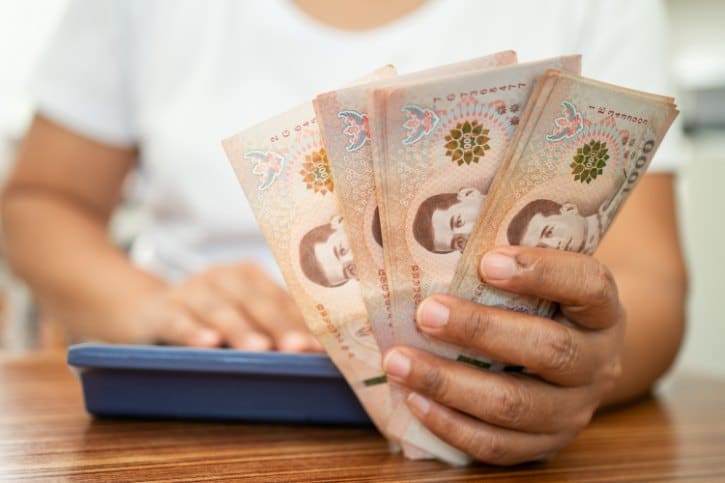
Officers can ask to see cash. Here is what they expect:
Visa Exemption:
- Individual: ฿20,000
- Family: ฿40,000
Visa on Arrival:
- Individual: ฿10,000
- Family: ฿20,000
Tourist Visa:
- Individual: ฿20,000
- Family: ฿40,000
Important: They want to see physical cash or equivalent foreign currency (USD, EUR, GBP). Showing a banking app balance on your phone usually does not count.
c) What Happens If You Fail
- Denial of boarding: Airlines check this before you fly. No ticket out means no flight.
- Denial of entry: Immigration can refuse you, detain you in a holding area, and send you home on the next flight at your expense.
- Future complications: A rejection goes on record and can affect future visa applications.
d) How to Avoid It
- Carry cash: Bring at least ฿20,000 in a major currency. Yes, even if you prefer cards.
- Book a confirmed outbound flight: Decide where you are heading next after Thailand and book your flight ticket before you arrive. This satisfies the immigration requirement and keeps your travel plans on track.
- Keep documents ready: Print your flight itinerary and hotel booking. Having them on hand shows you are prepared.
Read More: 10 Gorgeous Islands in Thailand
3. Forgetting the Thailand Digital Arrival Card (TDAC)
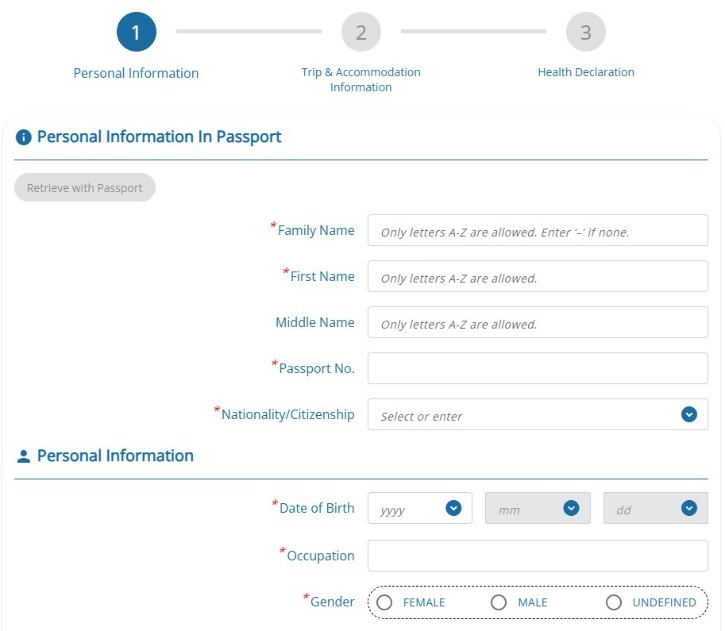
Thailand requires all foreign visitors to complete the Thailand Digital Arrival Card (TDAC) before arrival.
This is not optional. Skip it, and you will face delays at the airport.
a) Who Needs to Register
Everyone entering Thailand except Thai nationals and transit passengers who do not leave the airport.
This applies to all entry points: air, land, and sea.
b) Key Details
- When to register: Within 72 hours (3 days) before your arrival. Not earlier.
- Official website: immigration.go.th
- User guide: https://tdac.immigration.go.th/manual/en/index.html
- Cost: Any site asking for payment is a scam.
c) What Happens Without It
- Long delays: You will need to complete the form on your phone or a public kiosk before joining the immigration queue. Expect 1-2 hours of waiting, especially during busy periods.
- Biometric issues: Errors in your TDAC data can trigger secondary screening and questions about your travel intentions.
d) How to Avoid It
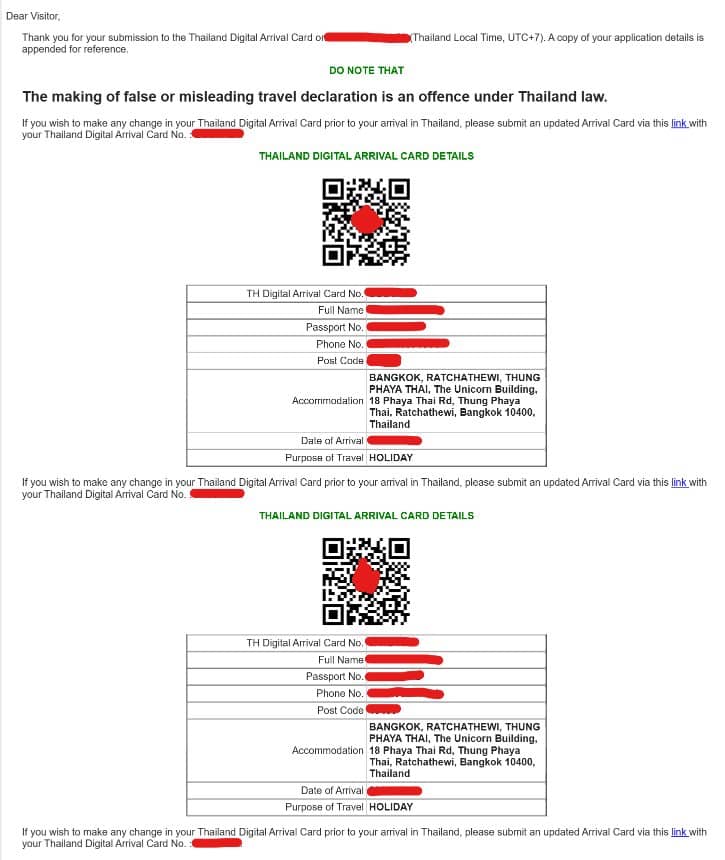
- Set a reminder: Add a calendar alert for 72 hours before your flight.
- Use only the official site: Go directly to immigration.go.th. Do not click on paid “visa agent” ads.
- Save a backup: Screenshot your QR code and print a copy. If your phone dies or the airport wifi fails, you will still get through quickly.
- Register your group together: Use the “Add Other Travelers” feature to generate codes for everyone in one session.
Trust me, taking five minutes to do this at home saves a lot of stress at the airport.
4. Assuming Credit Card Insurance is Enough
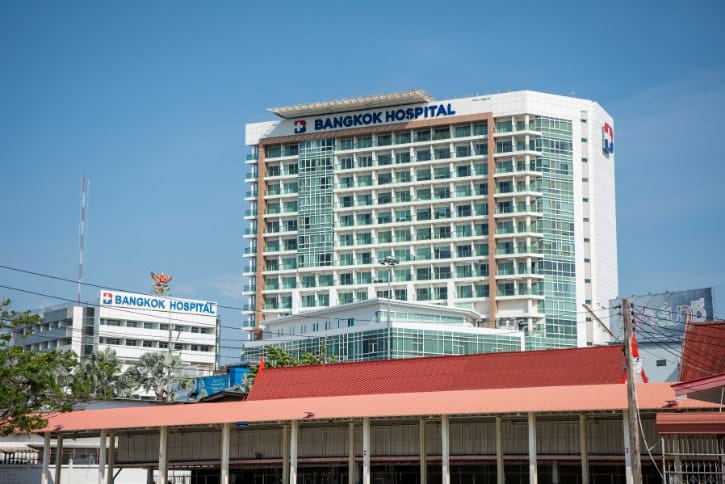
Your credit card probably includes some travel insurance. But in Thailand, that coverage might leave you stranded.
Here is the problem: most credit card policies work on a “pay first, claim later” model.
Thai private hospitals want payment upfront. If your insurer cannot guarantee payment immediately, you may be denied treatment or asked for a massive cash deposit.
a) How Thai Hospitals Work
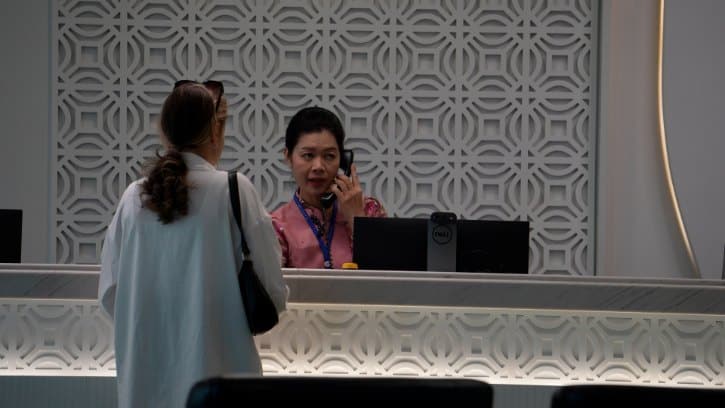
Private hospitals (the ones most tourists prefer) require proof of payment ability before admission.
- ICU admission: ฿50,000 to ฿100,000 per day
- Surgery: ฿200,000 to over ฿1,000,000
- No deposit, no treatment: If you cannot pay or your insurance cannot issue a Guarantee of Payment (GOP), non-emergency treatment may be refused.
b) The Motorbike Trap
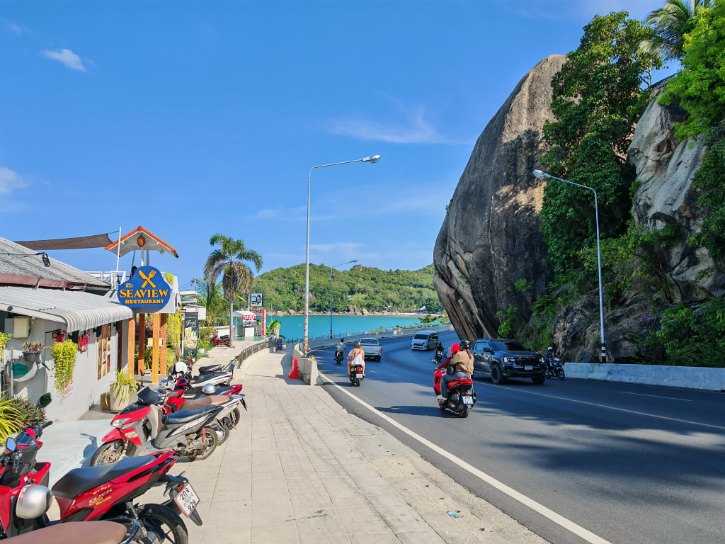
This catches a lot of travelers.
Riding a scooter in Thailand without a valid motorcycle license from your home country and an International Driving Permit (IDP) is illegal.
If you crash while riding illegally, most insurance policies will not cover you. You pay 100% of medical costs out of pocket.
c) How to Avoid It
- Buy standalone travel insurance: Choose a policy with “direct billing” that pays hospitals directly, not one that requires you to pay first.
- Check coverage limits: Aim for at least ฿3,000,000 ($100,000 USD) in medical coverage.
- Read the exclusions: Make sure your policy covers motorcycling, water sports, or any activities you plan to do.
- Carry your documents: Keep a printed copy of your insurance certificate and emergency hotline number in your wallet. Showing this at the ER immediately triggers the payment guarantee process.
- Get an IDP before you go: If you plan to ride a scooter, obtain an International Driving Permit in your home country first.
5. Carrying Restricted Medications Without a Permit

Many common medications from other countries are controlled substances in Thailand.
This includes certain painkillers, anti-anxiety medications, sleeping pills, and ADHD medications.
Without the right permit, your medication may be confiscated and you could face serious trouble at the airport.
a) Medication Categories and Limits
Normal Prescribed Medications (not classified as narcotics or psychotropics):
- Up to 30 days supply: No permit required
- Recommended to carry a prescription or medical document from your doctor
Narcotic Drugs (Category 2 and 3):
- Examples: Codeine, Morphine, Fentanyl, Methadone
- Up to 90 days supply allowed with a permit (Form IC-2)
- Must apply at least 15 days before arrival
Psychotropic Substances (Category 2, 3, 4):
- Examples: Alprazolam (Xanax), Diazepam (Valium), Zolpidem (Ambien), Methylphenidate (Ritalin)
- Up to 30 days supply: No permit required, just carry your prescription or medical certificate
- 31 to 90 days supply: Requires a permit from Thai FDA
Prohibited (Category 1):
- Amphetamines (including Adderall) are banned entirely and cannot be imported
b) The Consequences
- Criminal prosecution: Importing controlled substances without a permit can be treated as drug trafficking.
- Confiscation: Your medication will be seized, leaving you without treatment for your entire trip.
- Detention: You may be held at the airport while authorities test unidentified pills.
c) How to Avoid It
- Check your medication: Use the “Check the Drug” tool on the Thai FDA website to see if your medication is controlled.
- Apply for permits early: Submit your application at least 15 days before travel.
- Keep original packaging: Carry medications in their original pharmacy bottles with labels matching your passport name. Bring your doctor’s letter too.
- Declare at the Red Channel: If you have permits and controlled drugs, go through the Red Channel and present everything openly. Transparency protects you.