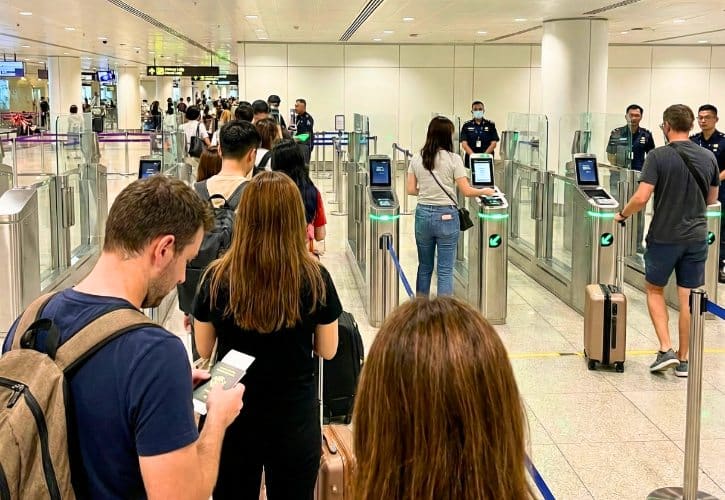
Singapore is one of the easiest destinations in Asia. English is widely spoken, the city is clean, and everything runs like clockwork.
But here’s the thing: Singapore also has strict laws and unique rules that catch unprepared travelers off guard. From power plugs to chewing gum bans, a little prep goes a long way.
This guide covers the 10 essential things you need to do before your flight, so you can skip the stress and enjoy the Lion City with complete peace of mind. 😊
1. Get a Travel Adapter (Type G)
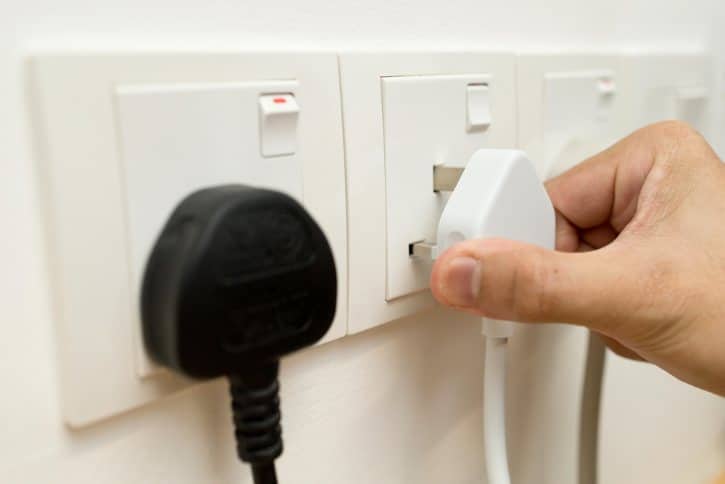
a. Singapore’s Power Plug System
Singapore uses Type G plugs, the same three-pin rectangular plugs you’ll find in the UK.
If you’re coming from the US, Europe, or most of Asia, your plugs won’t fit. You’ll need an adapter.
b. Voltage: Why It Matters
Singapore runs on 230V, 50Hz. Most phone and laptop chargers are dual-voltage (110–240V), so they’ll work fine.
But single-voltage devices like some hair dryers or curling irons from North America (110V only) can get fried. Check the label on your device before plugging in.
c. Common Adapter Mistakes
- Forgetting to pack an adapter and paying tourist prices at the airport
- Bringing a European (Type C) adapter, thinking all of Asia uses the same plugs
- Assuming the hotel will provide one (many do, but not all)
- Plugging a 110V-only device into 230V without a converter
d. Smart Charging Tips
- Buy a quality universal adapter with USB ports before your trip
- Bring a compact power strip (rated for 230V) to charge multiple devices
- Pack two adapters as backup
- Test your adapter in the hotel socket when you arrive
2. Purchase Travel Insurance

a. Is Travel Insurance Required?
No, Singapore does not require travel insurance for entry. But that doesn’t mean you should skip it. Singapore’s healthcare is world-class, but foreigners pay out-of-pocket, and bills add up fast.
b. Healthcare Costs That Catch Tourists Off Guard
A simple clinic visit can cost hundreds of dollars. A hospital stay? Thousands.
If you need emergency evacuation, you could be looking at tens of thousands. Travel insurance protects you from these financial shocks.
c. Minimum Coverage That Makes Sense
- Medical coverage: At least $100,000–$250,000
- Emergency evacuation: Included for air ambulance or transport home
- Trip interruption: Covers cancellations and delays
- Adventure activities: Add extra coverage if you plan scuba diving or bungee jumping
d. Common Insurance Mistakes
- Traveling without insurance to save money, then facing a massive hospital bill
- Buying the cheapest policy without checking what it actually covers
- Forgetting to declare pre-existing conditions (this can void your coverage)
- Assuming your credit card’s travel insurance is automatic
- Waiting until the last minute to buy (you won’t be covered for events that already happened)
e. Documents to Keep on Your Phone
- A copy of your insurance certificate
- Your policy number
- The insurer’s 24-hour emergency contact number
3. Ensure Passport Has 6 Months Validity
a. The 6-Month Rule Explained
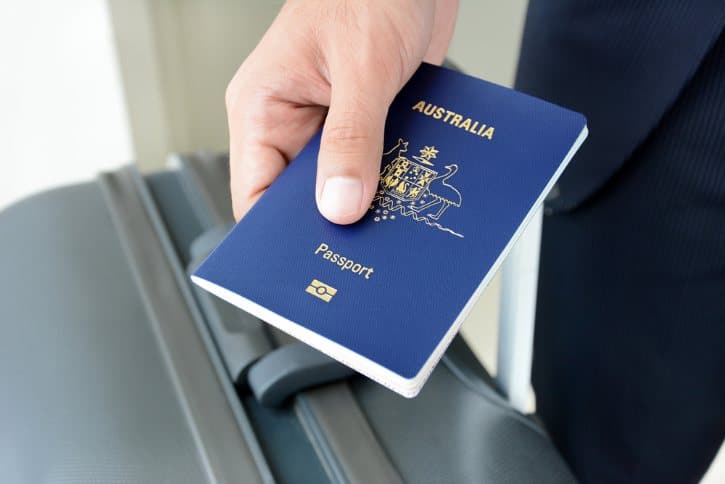
Singapore requires your passport to have at least 6 months’ validity from your date of entry.
This means if you arrive on January 1, your passport must be valid through at least July 1.
b. How Airlines Enforce This
Airlines check your passport at check-in. If you don’t meet the 6-month rule, they will deny you boarding. Singapore immigration will also refuse entry if you somehow make it through.
c. Passport Condition and Blank Pages
- Your passport must be in good condition (no torn or damaged pages)
- Have at least two blank pages for immigration stamps
d. Common Passport Mistakes
- Waiting until the last minute to check your passport, then not having time to renew
- Thinking the rule is flexible or not enforced (it absolutely is)
- Confusing the requirement: it’s 6 months from entry date, not departure date
- Forgetting to check children’s passports (they often have shorter validity)
e. When to Renew
Check your passport as soon as you start planning. If it expires within 6–7 months of your trip, start the renewal process immediately. Many countries offer expedited services if you’re short on time.
4. Bring Essential Medications

a. Medications You Should Bring
Pack all prescription medications and essential over-the-counter drugs in your carry-on luggage.
Bring enough to cover your entire trip, plus a little extra in case of delays.
b. Singapore’s Strict Drug Laws
Singapore has very strict regulations on medications. Some drugs that are perfectly legal at home may be controlled substances here.
This includes: codeine-based painkillers, certain sleeping pills, ADHD medications, and some anxiety medications.
c. Controlled vs Non-Controlled Medications
- Non-controlled: Common medications for diabetes, blood pressure, cholesterol, and contraception can be brought in for up to 3 months’ supply without approval
- Controlled: Medications containing opioids, benzodiazepines, or stimulants require prior HSA approval
d. When HSA Approval Is Required
If your medication contains controlled substances, you must apply online through the Health Sciences Authority (HSA) before your trip.
Apply at least 14 working days in advance. The application is free.
e. How to Pack Medications Properly
- Keep medications in their original packaging with pharmacy labels
- Carry a doctor’s letter listing your medications, dosages, and your name
- Use generic drug names on documentation when possible
- If you have HSA approval, carry the approval letter with you
f. Common Medication Mistakes
- Assuming drugs legal at home are fine to bring (they may not be)
- Not bringing enough and thinking you can buy it in Singapore
- Putting pills in unmarked containers without original packaging
- Forgetting to check HSA requirements for controlled substances
5. Submit the SG Arrival Card (SGAC)
a. What the SG Arrival Card Is
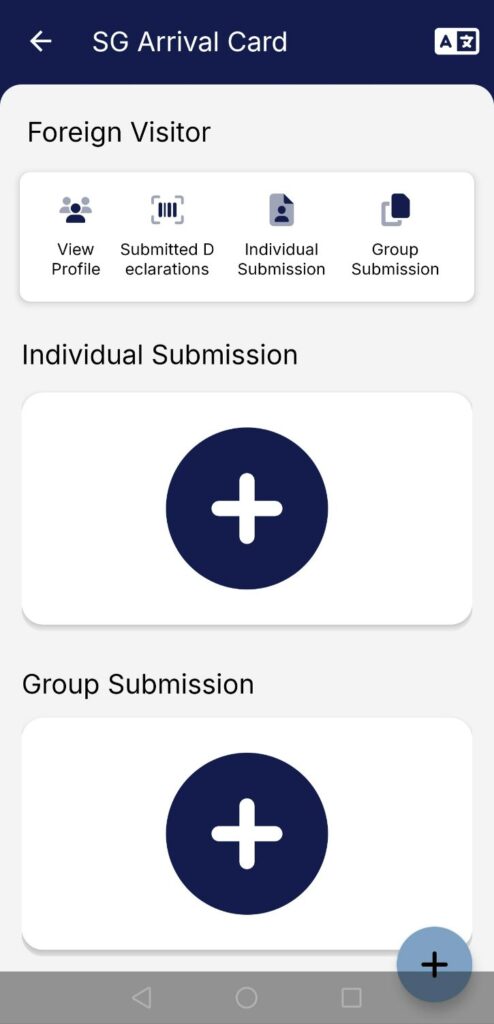
The SG Arrival Card is a mandatory electronic declaration that replaces the old paper arrival form. It includes your personal details, travel information, and a health declaration.
b. Who Must Submit It
All travelers entering Singapore must submit the SGAC, including foreign visitors and returning residents.
The only exception: passengers transiting through Singapore without clearing immigration.
c. The 3-Day Submission Window
You must submit the SGAC within 3 days before arrival. This includes your arrival day.
Example: If your flight lands on May 10, you can submit from May 8 onwards. Don’t submit earlier, or it won’t be valid.
d. Information You’ll Need
- Passport details (number, expiry date, nationality)
- Flight number
- Your accommodation address in Singapore (hotel name is fine)
- Health declaration answers
e. Common SGAC Mistakes
- Forgetting to submit and scrambling at the airport without WiFi
- Using unofficial websites that charge money (the official SGAC is free)
- Making typos in passport number or flight number
- Submitting too early (outside the 3-day window)
f. How to Submit
Submit via the official ICA website or the MyICA Mobile app.
After submitting, you’ll receive an email confirmation. Save or screenshot it. The app also allows group submissions for families traveling together.
6. Download Grab
a. Why Grab Is Essential
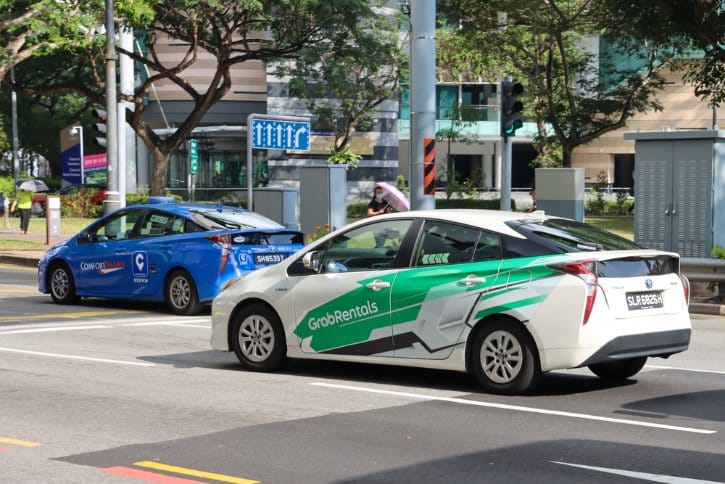
Grab is Southeast Asia’s ride-hailing app, and it’s everywhere in Singapore. Think of it like Uber (which doesn’t operate in Singapore anymore).
After a long flight, you’ll appreciate being able to book a car to your hotel with a few taps.
b. Setting Up Before You Leave
- Download the Grab app from the App Store or Google Play
- Create an account with your email and phone number
- Add a credit card as your payment method
- Do this at home while you have reliable WiFi
c. Airport Pickup Rules
At Changi Airport, Grab pickups happen at designated ride-hailing zones, not the regular taxi stands.
Follow signs for “Arrival Pick-up (Ride Booking)” and match the car’s license plate with what the app shows. Airport rides to the city typically cost S$25–45.
d. Grab vs Regular Taxis
- Grab: Upfront pricing, no haggling, cashless payment option
- Regular taxis: Metered fares, can be hailed on the street or at taxi stands
- Both are safe and regulated. Grab is often more convenient, especially when you don’t know the area.
e. Payment and Surcharges
- Grab accepts credit cards and cash
- Airport pickup surcharge: S$6–8 depending on time
- Peak hour and ERP (toll) charges are added automatically and shown in the fare
f. Common First-Time Mistakes
- Waiting until you land to download and set up the app
- Going to the regular taxi stand instead of the ride-hailing zone
- Not having mobile data activated to use the app
- Using a credit card that triggers fraud alerts for overseas transactions
7. Arrange Mobile Data (SIM Card or eSIM)
a. Why Mobile Data Is Essential
You’ll need mobile data for maps, Grab, translation apps, and staying connected.
Don’t rely solely on WiFi. Having data on your phone from the moment you land makes everything easier.
b. Prepaid SIM vs eSIM vs Roaming
- Prepaid SIM: Buy at the airport, great value (around S$12–30 for 7–10 days with lots of data)
- eSIM: Buy online before you travel, activate when you land (requires eSIM-capable phone)
- Roaming: Convenient but can be expensive. Check with your carrier for international packages.
c. Where to Buy SIM Cards at Changi

Look for Singtel, M1, or StarHub counters in the arrival halls. You can also buy SIMs at convenience stores like 7-Eleven and Cheers. Bring your passport for registration.
d. SIM Registration Rules
- Singapore requires passport registration for prepaid SIMs
- Limit: 3 prepaid SIMs per person
- Tourist SIMs registered with foreign passports typically cap at 30 days
e. Data Validity and Limits
Tourist SIMs often come with generous data, plus some local calls and texts. Check the validity period matches your trip length.
f. Common Connectivity Mistakes
- Waiting until you desperately need data to figure out your options
- Using home roaming without a plan and getting bill shock
- Forgetting to unlock your phone before leaving (locked phones won’t accept foreign SIMs)
- Losing your home SIM after swapping it out (store it safely)
8. Clear Your Bag of Chewing Gum

a. Singapore’s Chewing Gum Ban
Yes, it’s true. Chewing gum is illegal to import or sell in Singapore.
The ban has been in place since 1992 to keep public spaces clean. No sticky gum on sidewalks or train doors.
b. What’s Completely Prohibited
Regular sweetened gum, bubble gum, and other chewing gums are prohibited imports.
c. Penalties and Enforcement
Customs can confiscate your gum. If you bring in large quantities (which looks like you plan to sell), you could face significant fines.
Spitting gum on the street falls under littering, which carries a S$300 fine.
d. Common “I Didn’t Know” Mistakes
- Thinking “it’s just one pack, they won’t care”
- Forgetting about gum in a bag pocket or purse
- Using gum for ear pressure on the flight and forgetting to toss the rest
e. Simple Alternatives
Pack mints, breath strips, or candy instead. These are completely fine and widely available in Singapore.
9. Learn the “Tray Return” Rule
a. What the Tray Return Rule Is
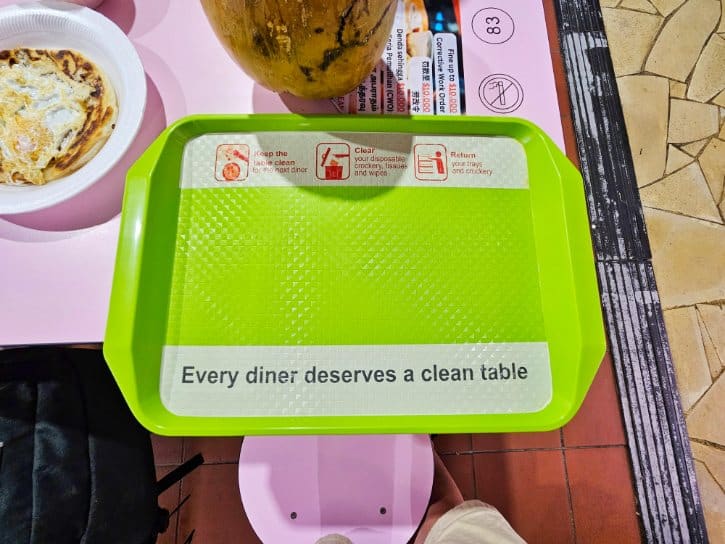
When you eat at Singapore’s famous hawker centres and food courts, you are legally required to return your tray and clear your table.
b. Where the Rule Applies
- Hawker centres (open-air food markets)
- Food courts
- Kopitiam (coffee shop food stalls)
c. Legal Penalties
- First offense: Written warning
- Second offense: S$300 fine
- Third and beyond: Court summons with potential fines up to S$2,000 or more
d. How Enforcement Works
Enforcement officers patrol hawker centres. Some wear plainclothes, so you might not even realize you’re being observed. They will take down your details if they catch you leaving without clearing your table.
e. Common Tourist Misunderstandings
- Thinking cleaners will do it for you (they sanitize tables, not bus every meal)
- Leaving behind “small” items like tissues or chicken bones (this still counts as littering)
- Not knowing where the tray return station is (look for signs or ask a cleaner)
- Assuming you’ll just get a warning every time
f. How to Do It Right
- When you finish eating, gather all dishes onto your tray
- Pick up any trash (tissues, napkins, drink cans)
- Take everything to the tray return station (usually centrally located)
- Leave the table as you’d hope to find it: clean and ready for the next person
10. Know Local Laws & Penalties
a. Why Singapore’s Laws Surprise Visitors
Singapore is famous for its strict legal system. What might earn a warning back home can result in heavy fines, caning, or jail time here. The rules are real, and enforcement is consistent.
b. Zero-Tolerance Drug Laws
Drug possession or trafficking carries severe penalties, including the death penalty for trafficking.
Random urine tests do happen. Do not bring or use any illegal drugs.
c. Smoking, Alcohol, and Public Behavior
Smoking: Banned in most indoor and many outdoor public areas. Look for designated smoking areas (yellow boxes). Fine: up to S$1,000.
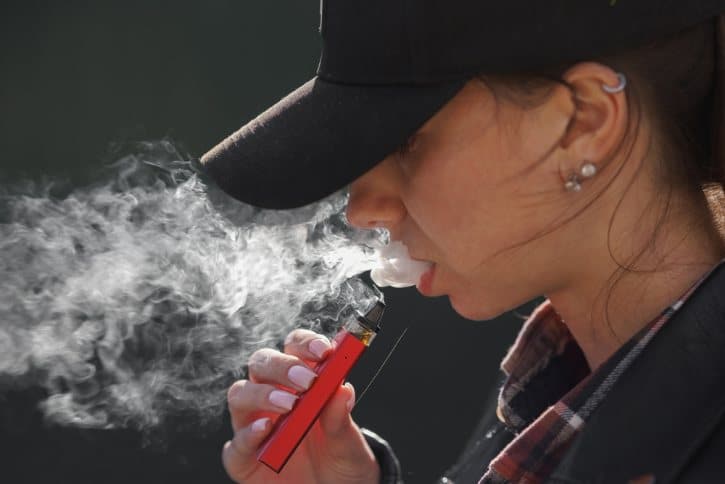
Vaping: E-cigarettes are completely banned. Importing or possessing them can result in fines over S$2,000.
Alcohol: Drinking in public is illegal between 10:30 PM and 7 AM. Drink at licensed establishments or in your hotel.
d. Public Transport Fines
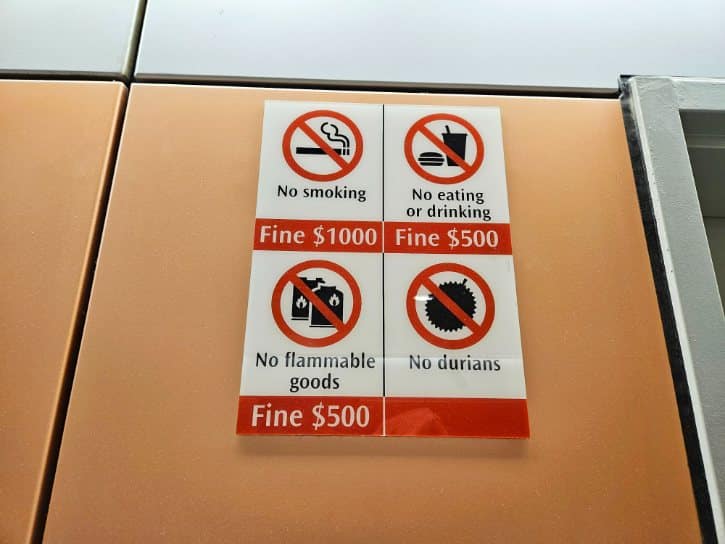
- No eating or drinking on MRT trains: Fine up to S$500
- No durians on public transport: The smell is considered offensive
- No flammable goods: Fine up to S$500
e. Littering, Jaywalking, and Minor Offenses
- Littering: S$300 on-the-spot fine. Repeat offenses can lead to court fines and community cleaning duty.
- Jaywalking: Illegal to cross within 50m of a crossing without using it. Fine: S$50–100.
- Vandalism: Includes graffiti. Punishable by caning and jail in serious cases.
- Not flushing public toilets: Yes, there’s technically a fine for this too.
f. How to Stay Compliant Without Stress
The good news? If you’re a generally law-abiding person, Singapore’s rules won’t affect your trip.
- Follow signs and posted rules
- Use crosswalks and wait for the green light
- Dispose of trash properly
- Keep alcohol consumption to bars, restaurants, and your hotel
- Don’t bring anything questionable through customs
Singapore’s strict rules are why the city is so clean, safe, and orderly. Enjoy the benefits, and you’ll have a fantastic trip.