Planning a trip to Thailand in 2026? Before you book that flight or pack your bags, there are some important changes you need to know about.
Some of these updates could affect your budget. Others might change how you enter the country or where you can go. And one is a brand new attraction you won’t want to miss.
Whether you’re a first-time visitor or a Thailand regular, these updates will help you travel smarter. Check out the details below. 😊
1. Massive 53% Airport Tax Hike
Here’s one that will hit your wallet directly.
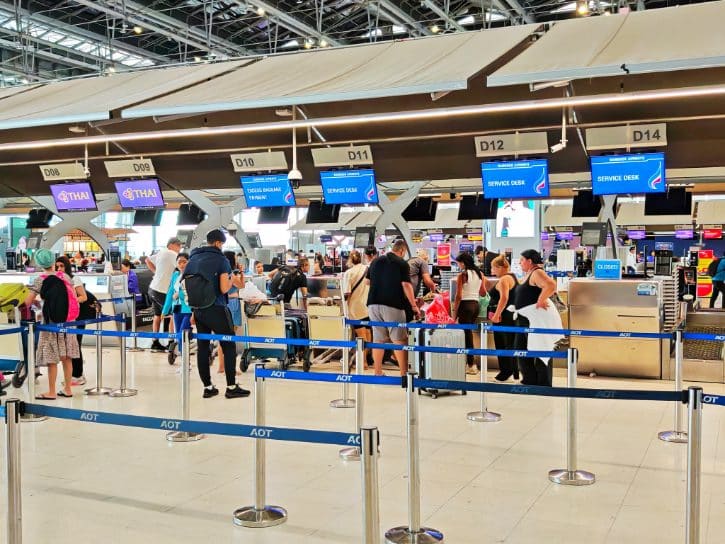
Starting in early 2026, the airport departure tax at Thailand’s major international airports is jumping from ฿730 to ฿1,120. That’s a 53% increase.
This fee applies to all international departures from the six main airports, including Suvarnabhumi (BKK), Don Mueang (DMK), Phuket, and Chiang Mai.
a) Who Pays This Tax
Everyone. Thai citizens, tourists, business travelers. If you’re flying out of Thailand internationally, you pay it.
The good news? This fee is almost always included in your ticket price. You won’t pay cash at the airport. But you will see it in your ticket’s tax breakdown.
b) What You Should Do
- Check tickets booked for early 2026 and beyond. Look for the tax breakdown on your e-ticket receipt. If it still shows ฿730, you might face a surcharge later.
- Budget accordingly for groups. A family of four will pay about ฿1,560 more than before. That’s roughly $50 USD extra just for leaving the country.
- Watch aggregator pricing carefully. During the transition month, some booking sites might show the old rate to make fares look cheaper. Always check the final checkout page.
c) The Bottom Line
At about $36 USD, this fee is still competitive compared to airports like London Heathrow. But it’s now one of the higher departure taxes in Southeast Asia.
The money goes toward upgrading Suvarnabhumi’s infrastructure. You won’t see immediate improvements, but future travelers will benefit.
2. Stricter Checks on Visa Exemptions & Extensions
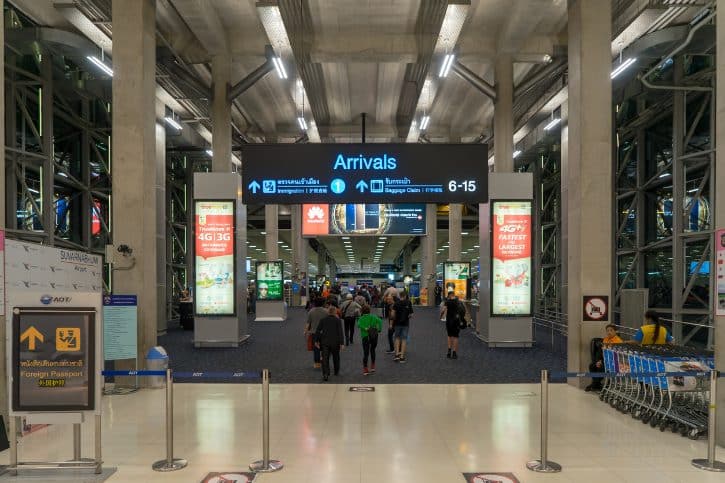
This is the update that catches many travelers off guard.
Thailand’s visa exemption policy still exists. Nationals from 93 countries can still enter without a visa and stay for 60 days. But the enforcement has changed dramatically.
Immigration officers have been cracking down hard on “serial tourists” and “visa runners”.
a) Who Should Pay Attention
If you’ve been entering Thailand multiple times in a row on visa exemptions, and extending your stay repeatedly, you’re now on their radar.
Immigration officers are flagging travelers who:
- Make more than two consecutive visa-exempt entries without returning home
- Show a pattern of “living” in Thailand on tourist entries
- Do repeated border runs to reset their stay
Regular tourists on a 2 to 3 week holiday? You’ll be fine. This targets people trying to stay indefinitely without proper visas.
b) What You Should Do
Be prepared at entry. Officers may ask for:
- Proof of onward travel (return flight)
- Accommodation details
Limit your visa-exempt trips. Don’t attempt more than two back-to-back visa-free entries. If you need to stay longer, apply for a proper tourist visa from a Thai embassy before your trip.
Don’t overstay. This is not the time to push your luck. Overstaying even one day means a ฿500 daily fine. Longer overstays can result in detention and multi-year bans.
c) The Real Numbers on Extensions
Let’s clear up a common myth. Here’s how visa exemptions actually work now:
- You get 60 days on arrival.
- You can extend once for 30 days at an immigration office (costs ฿1,900).
- After 90 days total, you must leave.
That “7 days” you might read about in forums? That’s actually a rejection stamp given when an extension is denied. It’s not a bonus. It leaves a negative mark on your record.
3. Mandatory Thailand Digital Arrival Card (TDAC)
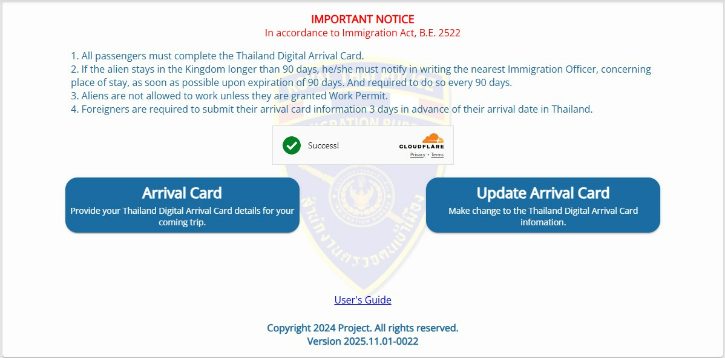
If you’ve been to Thailand before, you might remember filling out that little paper arrival card on the plane.
That’s gone now. Replaced by a digital version you must complete before you arrive.
The Thailand Digital Arrival Card (TDAC) is now mandatory. It’s not optional, and showing your confirmation at immigration is required.
a) Who Needs to Complete It
All foreign nationals entering Thailand, regardless of how you’re arriving. This includes:
- Tourists on visa exemptions
- Travelers with tourist visas
- Long-term visa holders (LTR, Elite, DTV)
- Anyone arriving by air, land, or sea
Exemptions: Thai passport holders, transit passengers not clearing immigration, and specific border pass holders for local trade.
b) How to Complete the TDAC
- Submit within 72 hours of arrival. Not earlier. The system wants current information.
- Use only the official portal: https://tdac.immigration.go.th
- It’s completely free. Any site charging you a fee is a scam.
You’ll need:
- Passport details (number, expiry, nationality)
- Flight number or vehicle registration
- Your first night’s accommodation address
- A health declaration
After submission, you’ll get a QR code. Save it to your phone and print a backup copy. Trust me, you don’t want to deal with a dead phone battery at immigration.
c) What Happens If You Forget
No TDAC, no smooth entry.
You’ll be directed to a separate area to complete the form on your phone or a public kiosk before joining the immigration queue. During busy arrival times at Suvarnabhumi, this can add 30 to 60 minutes to your wait.
d) Quick Note on the ETA
You might have read about Thailand implementing an Electronic Travel Authorization (ETA) like Europe’s ETIAS. That’s been postponed indefinitely. The TDAC is the only digital pre-arrival requirement right now.
4. Border Situation Still Affects Regional Travel Advice
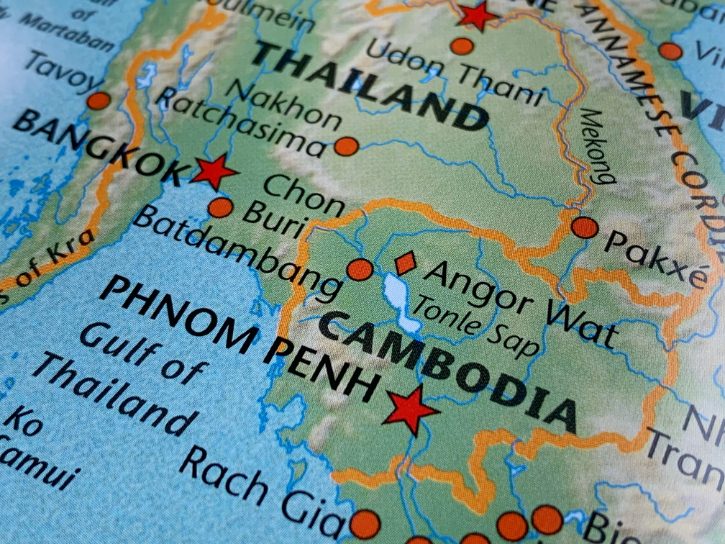
This one is important if you’re planning to visit Northeast Thailand (Isan) or cross overland to Cambodia.
Armed conflict along the Thailand-Cambodia border escalated in December 2025. While a ceasefire was agreed on December 27, the situation remains fragile.
a) What This Means for Travelers
Foreign governments have issued elevated travel advisories for specific border provinces. The UK, US, and Australia all currently advise avoiding travel within 50km of the Thailand-Cambodia border.
The affected provinces include:
- Si Sa Ket
- Surin
- Buriram
- Ubon Ratchathani
- Sa Kaeo (where the main Aranyaprathet/Poipet crossing is located)
- Chanthaburi
- Trat
b) Planning a Trip to Angkor Wat
If you were planning to travel overland from Bangkok to Siem Reap, here’s what you should know:
- Flying is the safest option. Flights from BKK or DMK to Siem Reap bypass the land border entirely.
- The main checkpoint at Aranyaprathet may be open, but it sits in a heightened security zone. Border closures can happen with zero notice if skirmishes restart.
c) The Insurance Problem
This is critical. Most standard travel insurance policies exclude coverage for “Acts of War” or travel to regions under government “Do Not Travel” advisories.
If you’re injured within the 50km exclusion zone, even in a motorbike accident unrelated to the conflict, your insurer may deny your claim.
d) Keep This in Perspective
Bangkok, Chiang Mai, Phuket, Krabi, and the islands are completely unaffected. These major tourist destinations are hundreds of kilometers from the conflict zone.
Don’t cancel your Thailand trip because of this news. Just avoid the specific border areas until advisories are lifted.
5. Bangkok Reflection at Akara Sky Hanuman
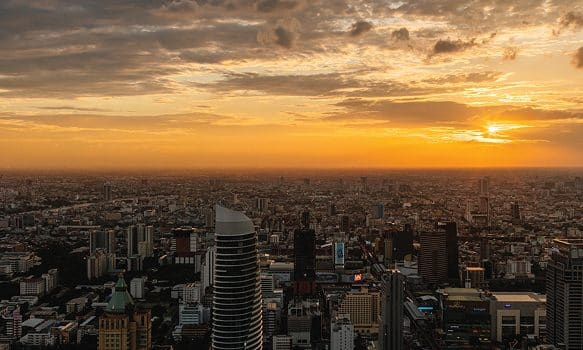
Now for something exciting. Bangkok has a stunning new attraction you’ll want to add to your itinerary.
Bangkok Reflection opened on September 9, 2025, and it’s quickly becoming a must-visit.
Located atop the One City Centre skyscraper in Phloen Chit, this multi-level experience combines breathtaking 360-degree views with Thai culture and interactive art.
a) What Makes It Special

Mirrored Observatory (Levels 58-59): Floor-to-ceiling mirrors create incredible reflections of the Bangkok skyline. At night, glowing “helium balls” float through the space and light up when you touch them.
Sky Observation Deck (Level 61): The highest point with panoramic city views.
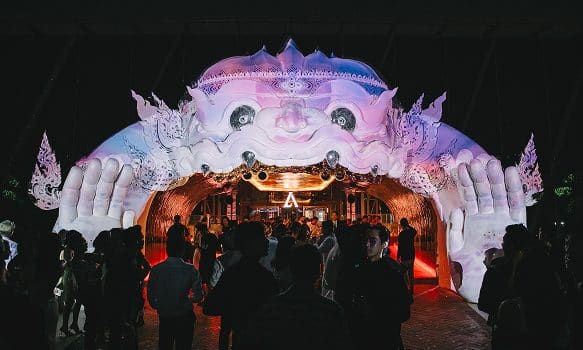
Hanuman Sky Bar (Level 61): Thai-inspired cocktails under a giant Hanuman statue that comes alive with projection mapping.
Sky Night Market (Level 61): A rooftop Thai night market with street food stalls and old-school games. Opens after 4:30 PM.
b) Visiting Details
Hours: 11:00 AM to 1:00 AM daily
Location: One City Centre, Phloen Chit. Five-minute walk from Phloen Chit BTS Station.
Tickets:
- Day Pass (before 3:30 PM): Around ฿1000
- Night Pass (after 4:00 PM): Around ฿1,500 to ฿1,500
Dress code: Smart casual. Skip the flip-flops and tank tops, especially for evening visits.
c) Tips for Your Visit
- Sunset is popular. Arrive by 5:30 PM to catch both daylight and city lights.
- Book online to secure your preferred time slot, especially for evening visits.
- Budget 1.5 to 2 hours to explore all the zones.
- Bring your camera. The mirrored floors and installations are incredibly photogenic.
This is one of Bangkok’s freshest attractions, and it offers something you won’t find anywhere else: a blend of Thai cultural elements with modern skyline views. Definitely worth your time.