
Tokyo’s train system is one of the best in the world, but it can feel overwhelming the moment you step inside your first station.
Many travelers make the same handful of mistakes without even realizing it.
Those mistakes lead to wasted time, surprise charges, and unnecessary stress that could easily be avoided.
Here are 10 things you should know before you ride, so you can navigate Tokyo’s rails like a pro. 😊
1. The “Exit Number” is More Important Than the Station
a. What Most Travelers Get Wrong
Most visitors think the hard part is over once they arrive at the right station. They step off the train, pick any exit, and head up to street level.
But in Tokyo, arriving at the correct station is only half the job. The exit number is what actually gets you where you need to go.
b. Why It Causes Problems
Major stations are massive underground networks that stretch across multiple city blocks.
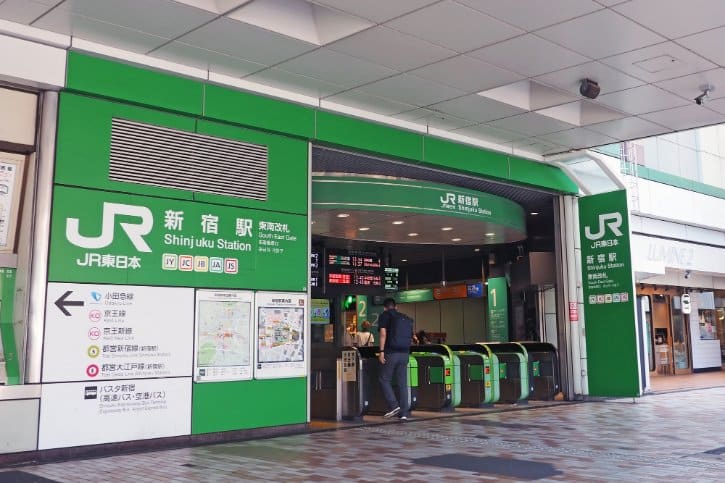
Shinjuku Station has over 200 exits and handles around 3.5 million passengers daily.
Tokyo Station is split into two completely different sides, Marunouchi (west) and Yaesu (east), connected by a maze of underground corridors.
Pick the wrong exit and you could end up a full kilometer from your destination. That is 10 to 15 minutes of unnecessary walking at street level.
c. What You Should Do Instead
- Look up your exit number before you get off the train. It will be listed as a code like “A1”, “B6”, or “C3”.
- Check the yellow “Exit Information” boards on platform pillars. These signs list nearby landmarks and buildings alongside the closest exit numbers.
- Follow the yellow exit signs (marked 出口, “deguchi”) from the moment you step off the train.
Trust me, knowing your exit number saves you a lot of walking.
2. The “Subway” isn’t One Single System
a. What Most Travelers Get Wrong
Many visitors assume Tokyo’s trains are all run by one company. They buy a ticket, hop on, transfer to another line, and expect everything to work seamlessly.
b. Why It Causes Confusion
Tokyo’s rail network is run by multiple separate companies, each with its own fares and ticket gates:
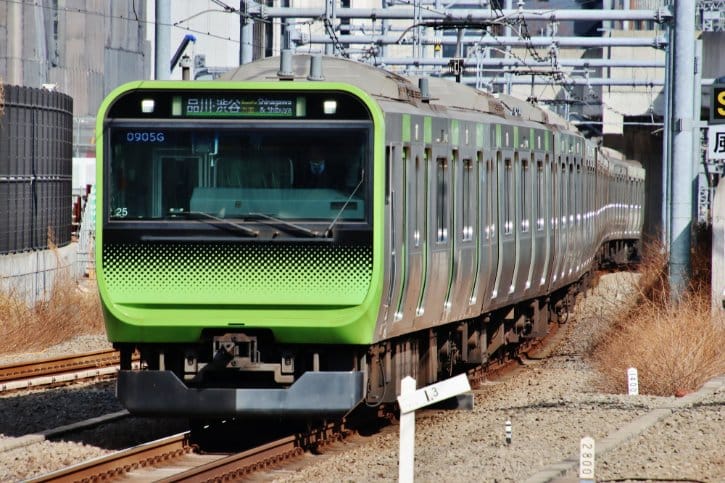
- JR East: Runs major above-ground lines like the Yamanote Loop Line and the Chuo Line. The Japan Rail Pass works here.
- Tokyo Metro: The larger subway operator with nine lines, including the Ginza and Marunouchi lines. The Japan Rail Pass does not work here.
- Toei Subway: Run by the city government with four lines, including the Oedo and Asakusa lines. The Japan Rail Pass does not work here either.
When you transfer between these systems, you are ending one trip and starting a new one. That means you could be charged twice if you are not careful.
c. What You Should Do Instead
- Get an IC card like Suica or PASMO. These prepaid cards let you tap in and out of any system, with fares and transfer discounts calculated automatically.
- Standard Suica cards are available again at most JR East stations as of 2025. Short-term visitors can grab a Welcome Suica, which expire after 28 days.
- iPhone users can add a digital Suica to Apple Wallet and top it up with an international credit card.
An IC card is honestly the single best thing you can get for train travel in Tokyo.
3. The “Last Train” Isn’t 24/7
a. What Most Travelers Assume
Tokyo is one of the biggest cities on earth, so many visitors assume the trains run all night. They plan a late dinner or night out without checking the schedule.
b. What Actually Happens
Tokyo’s trains stop running every night, usually between 11:30 PM and 1:00 AM. After that, the system shuts down for maintenance until around 5:00 AM.
The part that catches people off guard: the last train might not go to the final stop on the line. It could end at a junction halfway through the route, leaving you stranded somewhere unfamiliar.
Miss the last train and you are looking at a taxi with a 20% late-night surcharge (10:00 PM to 5:00 AM).
A ride that costs 200 yen by train can easily run 8,000 yen or more by cab. For example, a late-night taxi from Shibuya to Ikebukuro (about 9 km) costs around 4,500 to 5,500 yen.
c. What You Should Do Instead
- Use Google Maps or Jorudan and search for the “Last Train” option. It shows the exact final connection you need.
- Set an alarm 30 minutes before your last possible departure. Transfers between lines often require leaving earlier than you think.
- Download a ride-hailing app like GO, S.RIDE, or Uber as a backup for clear pricing and digital payment.
4. Not Understanding Express vs Local Trains
a. What Most Travelers Get Wrong
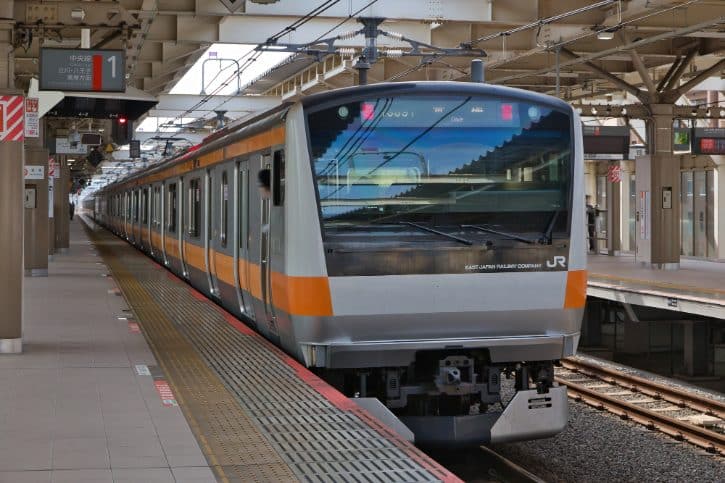
First-time riders often jump on the first train that arrives at the platform, assuming every train on the same track goes to the same stops.
b. What the Differences Actually Mean
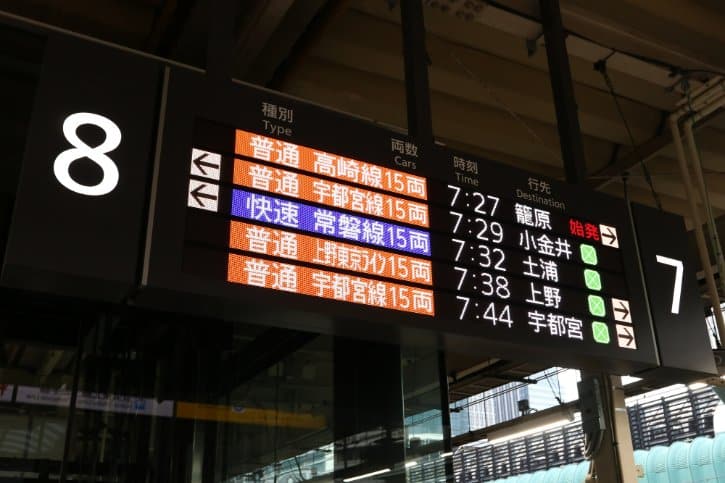
Multiple train types share the same tracks but stop at very different stations:
- Local (普通): Stops at every station. Slowest, but guaranteed to reach smaller stops.
- Rapid (快速): Skips minor stations. No extra fare.
- Express (急行): Stops only at major hubs. No extra fare on most lines.
- Limited Express (特急): Fastest option, key stations only. Requires a surcharge ticket on most lines.
Board an express when you needed a local, and you could fly right past your stop.
c. What You Should Do Instead
- Check the electronic display above the platform before boarding. It shows the train type, destination, and departure time in Japanese and English.
- Match the text color on the display to the stripe on the train for a quick visual shortcut.
- If you board the wrong type, get off at the next stop and catch a local train heading back.
Here is what most people do not realize: a “Rapid” train and a “Local” train can arrive at the same platform just minutes apart. Always read the sign before you step on.
5. Underestimating Transfer Time Inside Stations
a. What Most Travelers Expect
Most people picture a transfer as a quick walk across the platform. Two or three minutes at most.
b. Reality Inside Major Stations
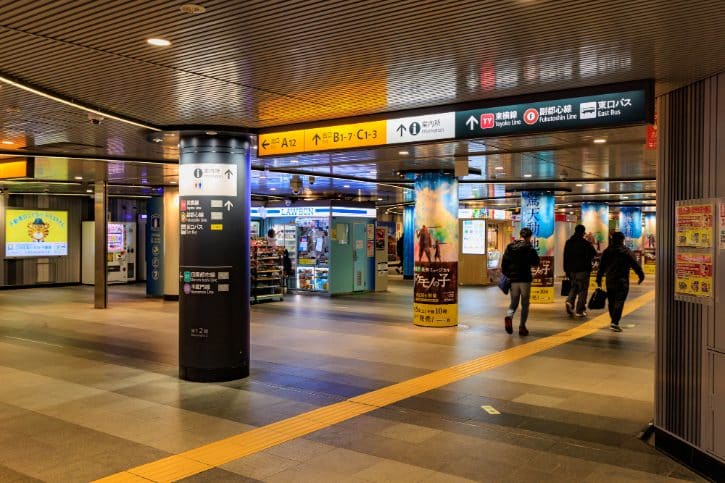
Some transfers are basically a full walk through an underground city:
- Tokyo Station (to the Keiyo Line): The platforms for Tokyo Disneyland access are about 500 meters from the main JR platforms. That is 10 to 15 minutes with luggage.
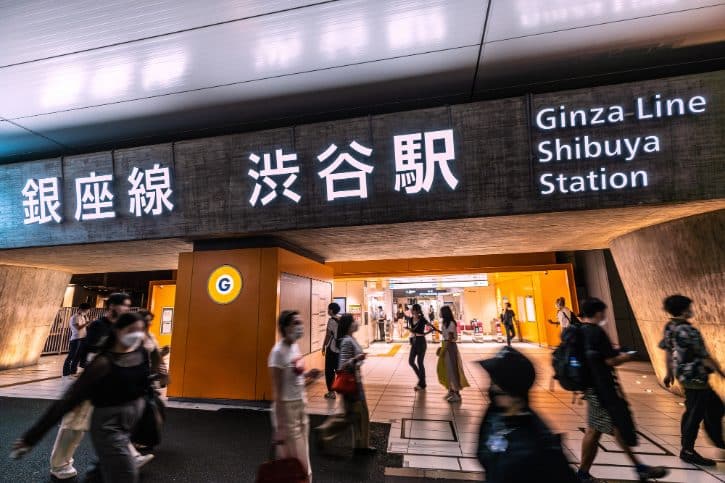
- Shibuya Station (Ginza to Fukutoshin Line): One is on the third floor, the other is four levels underground. Expect about 10 minutes of walking.
- Otemachi Station: Serves five subway lines. Some transfers require several hundred meters of corridor walking.
Watch out for the “Orange Gate” rule at certain Tokyo Metro stations. Some transfers require you to exit through a special orange gate, walk through a public area, and re-enter another gate.
Use a regular gate by mistake and your ticket gets consumed. You have 60 minutes to complete these external transfers before the system charges you a new fare.
c. What You Should Do Instead
- Add 15 to 20 minutes for any transfer at a major hub, especially with luggage or kids.
- Look for orange transfer gates when transferring between Tokyo Metro lines.
- Use transit apps to check estimated transfer times. Never assume a quick walk.
6. Standing in the Wrong Spot on the Platform
a. What Most Travelers Do
Many visitors walk onto the platform, stand wherever feels right, and wait. They do not notice the markings on the floor.
b. Why It Slows You Down
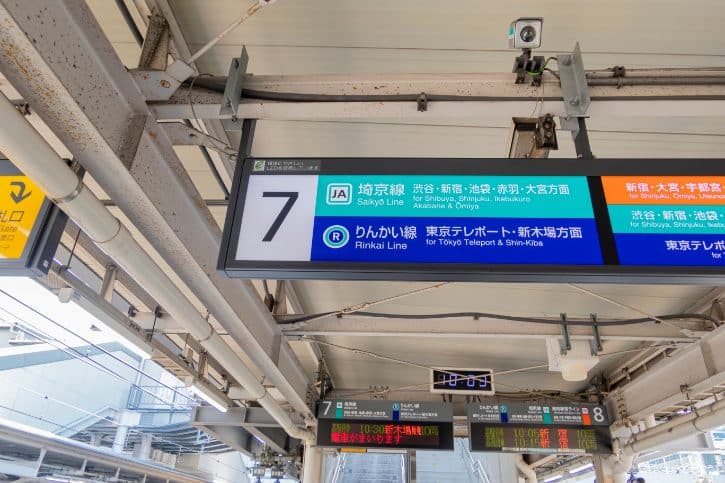
Tokyo’s trains stop at the exact same spot every time. The floor markings organize the entire boarding process:
- Circles, triangles, and squares correspond to different train types. The overhead display tells you which symbol to line up behind.
- Car number markers show where each car will stop, important if you have a reserved seat.
- Queue lines indicate where to form neat rows. Cutting the line is considered very rude.
During morning rush hour (roughly 7:30 to 9:30 AM), many lines designate the first or last car as Women-Only Cars, marked with pink signs. Male travelers who board by mistake should move to another car at the next stop.
c. What You Should Do Instead
- Stand behind the correct floor symbol for your train type.
- Use the car diagrams on platform pillars. They show which car lines up with exits, escalators, and transfers at your destination. A little planning here saves minutes when you arrive.
- Let exiting passengers off first. Stand to the sides of the doors and wait for the car to clear.
7. Thinking All Stations Are “Close Enough”
a. What Most Travelers Assume
If two stations share the same name, they must be in the same place, right? And if two names sound alike, they are probably near each other.
Not in Tokyo.
b. Why This Becomes a Problem
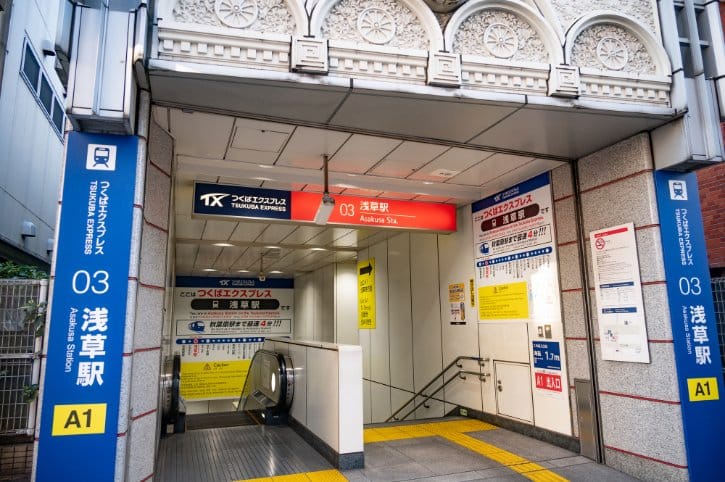
The Asakusa district has four stations all called “Asakusa Station”, run by different companies.
Three are clustered together, but the Tsukuba Express Asakusa station is about 600 meters away, roughly a 10-minute walk.
Agree to meet at “Asakusa Station” without specifying the operator and you could end up on opposite sides of the district.
Then there is the phonetic trap. “Akasaka” and “Asakusa” sound similar but are completely different neighborhoods in different parts of the city.
c. What You Should Do Instead
- Always specify the operator when giving directions. Say “Asakusa, Tokyo Metro”, not just “Asakusa Station”.
- Double-check station names carefully, especially similar-sounding ones.
- Consider walking instead of transferring. Walking from JR Shinjuku to Seibu-Shinjuku takes about 5 minutes, much quicker than finding a connecting train.
8. GPS “Ghosting” in Underground Hubs
a. What Most Travelers Rely On
Most of us depend on Google Maps to get around. Open the app, follow the blue dot. That works fine on the street.
Underground, it is a different story.
b. Why GPS Fails Underground
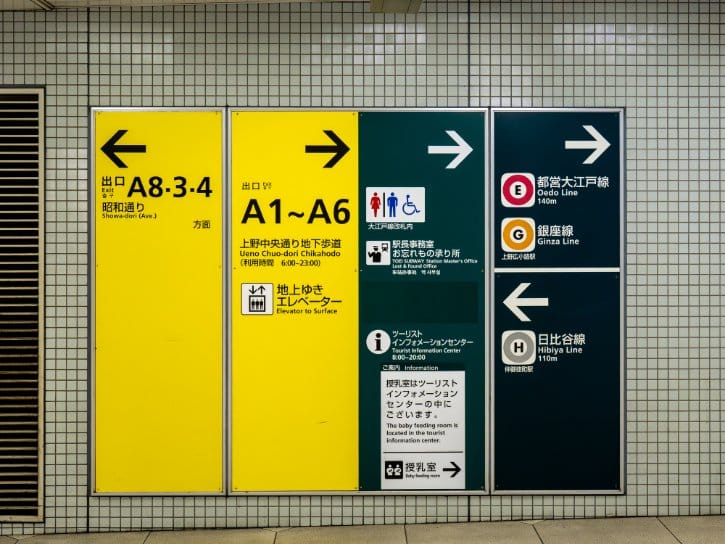
GPS needs a clear line of sight to satellites. Inside deep stations like the Toei Oedo Line (up to 40 meters below ground), all that concrete and steel blocks the signal entirely. Your blue dot freezes, jumps to a random street, or spins in circles.
c. What You Should Do Instead
- Follow station signs, not your phone. Tokyo’s stations are clearly signposted in Japanese and English. The yellow exit signs will get you there faster than a confused GPS.
- Download offline maps of Tokyo before your trip for basic orientation in tunnels.
- Use Google Maps “Live View” once you are above ground. The AR feature recognizes buildings and projects real-time directions.
- Recalibrate your compass by moving your phone in a slow figure-8 motion if the heading seems off.
When you are underground, put the phone away and look up. The signs are always right.
9. The “Backpack Pivot”
a. What Most Travelers Do
You are on a crowded train wearing your backpack on your back. Every time you turn, your bag swings into someone behind you.
This is the “Backpack Pivot”, one of the most common etiquette mistakes visitors make.
b. Why It’s Considered Bad Etiquette
A backpack adds 20 to 30 centimeters to your depth. On a packed Yamanote Line train, that extra space keeps others from boarding and means you are bumping people every time you move.
Railway surveys in Japan consistently rank bags on backs as one of the most annoying train behaviors.
c. What You Should Do Instead
- Wear your backpack on your chest. This lets you see your bag and stops it from bumping others.
- Use the overhead rack. Most trains have metal shelving above the seats for larger bags.
- Place your bag between your feet if standing and you cannot reach the rack.
A few more etiquette basics:
- Keep your phone on silent (“Manner Mode”) at all times.
- Avoid phone calls and loud conversations. Trains are treated as quiet spaces.
- Check your headphone volume. If others can hear your music, it is too loud.
10. Bringing Big Luggage During Rush Hour
a. What Most Travelers Do
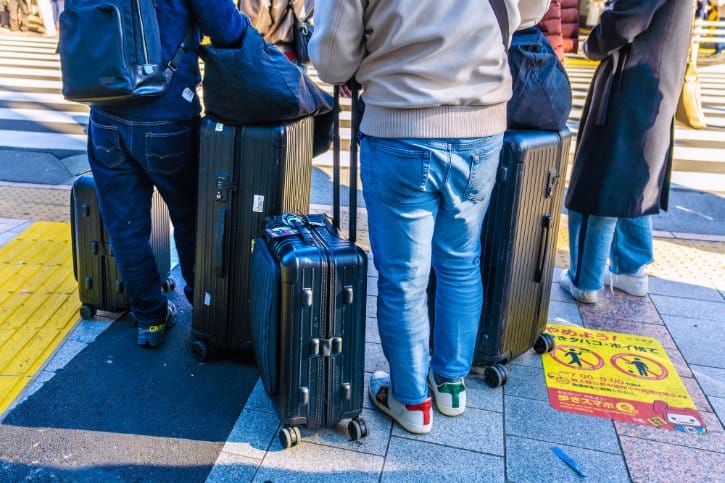
Some travelers try to drag large suitcases onto trains during peak commuting hours. They have a flight to catch, and the train seems like the most logical option.
b. Why It Causes Problems
During rush hour, Tokyo trains are packed to the point where there is no room for oversized luggage.
Forcing a suitcase on board can block doors, cause delays, and injure other passengers.
The busiest windows:
- Morning rush: 7:30 to 9:30 AM (peak: 8:00 to 8:30 AM)
- Evening rush: 5:30 to 7:30 PM
c. What You Should Do Instead
1. Use Takkyubin (luggage forwarding). Japan’s incredible delivery service ships suitcases between hotels, airports, and cities for a very reasonable price.
- Major providers: Yamato Transport (look for the black cat logo), Sagawa Express, Japan Post.
- A large bag costs 2,500 to 3,700 yen, roughly the price of a modest meal.
- Drop it at your hotel front desk, a 7-Eleven, or FamilyMart. Most hotels fill out the forms for you.
- Same-day and next-day delivery options are available.
2. Book through Klook for same-day delivery. If you do not want to be separated from your luggage overnight, Klook partners with services like LuggAgent and Airporter that offer same-day delivery between airports, hotels, and Tokyo Station.
3. Take airport express trains if you must travel with luggage. The Narita Express (N’EX) and Keisei Skyliner have large luggage racks and reserved seating.
4. Travel outside rush hour. Departing before 7:30 AM or after 9:30 AM makes a big difference.
Takkyubin is one of Japan’s best-kept secrets for tourists. Once you try it, you will wonder why every country does not have this.
Related Posts

Photo Credit:
Photos by PIXTA