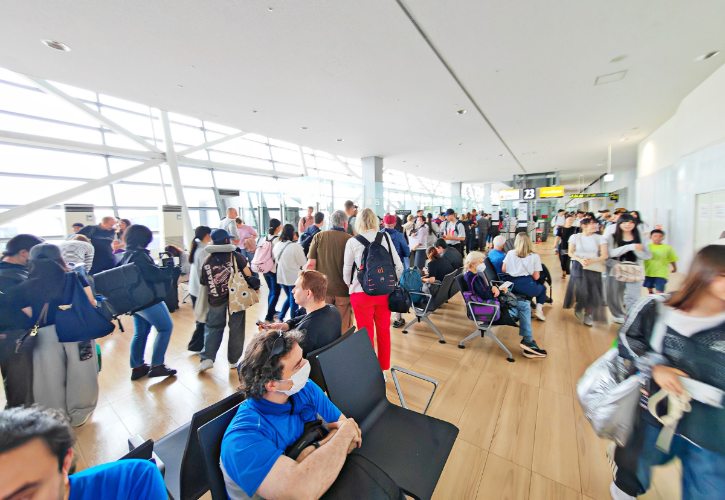
You’ve been planning your Japan trip for months. The temples, the food, the Shinkansen rides. Then you check your inbox and see it: flight schedule change.
If you’re flying to Japan in 2026, there’s a real chance your flight could be rerouted or even cancelled.
Ongoing tensions in the Middle East have triggered airspace closures that are disrupting flight routes across the globe, and Japan-bound flights are caught in the middle.
Most flights are still operating, and there are plenty of ways to stay ahead of the chaos. Here’s everything you need to know.
1. Why Flights to Japan Are Being Affected
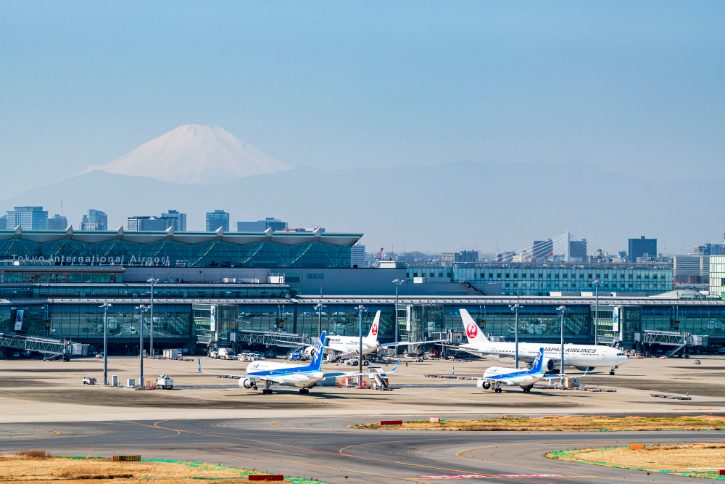
To understand what’s going on, it helps to picture how flights actually get from Europe and the Middle East to Japan.
For decades, airlines used a corridor that flew over Russia to connect European cities like London, Paris, and Helsinki to Tokyo. It was the fastest, most fuel-efficient path. Think of it as the highway between Europe and East Asia.
When Russian airspace closed to many international carriers in 2022, airlines shifted their routes south, sending thousands of flights through Middle Eastern airspace instead, passing over Iraq, Iran, and the Gulf states.
That worked fine for a while. But in early 2026, escalating military activity involving US, Israeli, and Iranian forces triggered a new wave of airspace closures across Syria, Iraq, Jordan, and parts of Saudi Arabia.
So now both main corridors are either blocked or heavily restricted.
What’s left is a narrow strip of airspace through the Caucasus region (Armenia, Georgia, and Azerbaijan), squeezed between Russian and Iranian restricted zones. It’s only about 100 miles wide in some areas, and it’s getting congested fast.
If that corridor becomes too crowded or conditions change, airlines may have no choice but to cancel flights or take even longer detours over the Indian Ocean or the Pacific.
Airspace Closures at a Glance (March 2026)
Russian airspace closed to many Western and Japanese carriers due to long-term sanctions. This blocks the shortest routes from Europe to Japan.
Iran and Iraq airspace restricted due to active military conflict. This cuts off the main transit corridor for Gulf-based airlines.
Qatari airspace temporarily closed for safety. This limits Qatar Airways’ ability to maintain its Japan schedule.
Caucasus corridor still open but narrow and increasingly congested. It’s now the last remaining link between Europe and Asia for many carriers.
2. Which Flights Are Most Likely to Be Affected
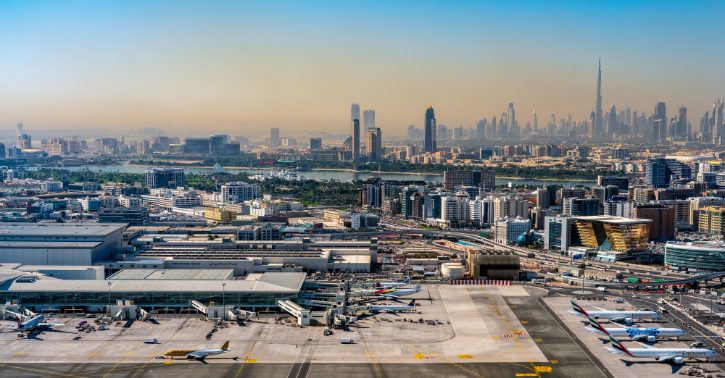
Not all flights to Japan are affected equally. Where you’re flying from, and which airline you’re using, makes a big difference.
a. Europe to Japan Flights
Direct flights from London Heathrow, Paris Charles de Gaulle, Frankfurt, and Helsinki are seeing the most significant changes.
These routes used to fly directly over Russia. Without that option, flight times have increased by two to four hours. Finnair’s Helsinki to Tokyo route, once a nine-hour flight, now regularly exceeds 13 hours.
The longer flight times create a domino effect. Aircraft arrive late, crews hit their maximum legal working hours, and the next scheduled departure gets scrubbed.
This is what the industry calls “rolling cancellations”, and it’s becoming more common on Europe-Japan routes.
b. Flights Transiting via Middle East Hubs
If you booked through Emirates, Qatar Airways, or Etihad, you’re in the most vulnerable position right now.
These airlines operate from hubs in Dubai, Doha, and Abu Dhabi. When surrounding airspace closes at short notice, the entire network can stall.
In early March 2026, over 1,000 flights were cancelled across the region, with around 3,000 passengers stranded daily.
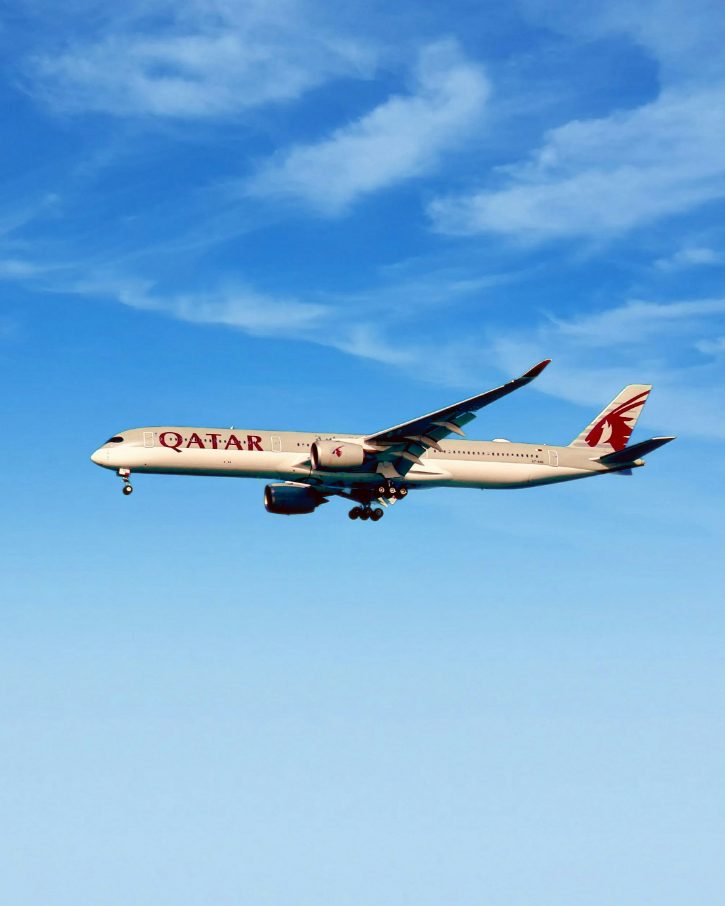
Qatar Airways has been running on a sharply reduced schedule for its Tokyo Haneda, Narita, and Osaka Kansai services, with many flights replaced by limited “safe corridor” operations.
c. Some Asia-Europe Connecting Routes
There’s a ripple effect hitting Japan’s domestic network too. When international flights are delayed or diverted, it throws off the schedules for domestic connections.
Major airports like Fukuoka, New Chitose (Sapporo), and Kagoshima have reported hundreds of delays and dozens of cancellations tied to these international disruptions.
Regional carriers like Air Do and ANA Wings have had to consolidate flights to Hokkaido and the southern islands because the flow of international passengers and aircraft has become unpredictable.
3. Airlines Already Making Changes
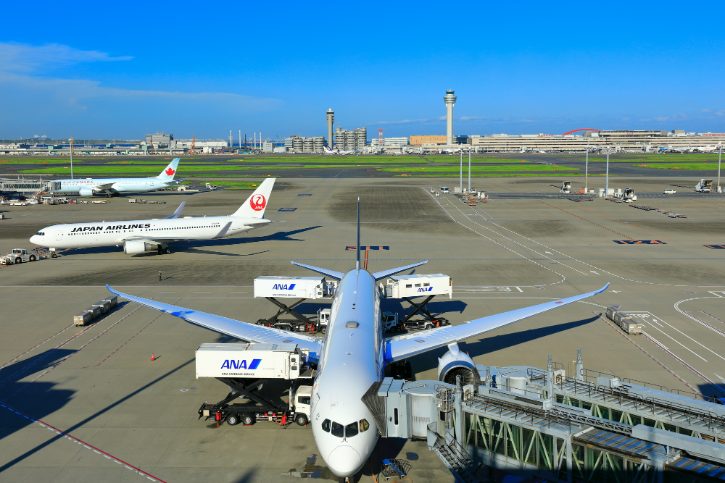
Airlines have moved past the “wait and see” phase and are now actively restructuring routes. Here’s what’s confirmed as of mid-March 2026.
a. Gulf Carriers
- Qatar Airways has officially acknowledged that scheduled operations remain temporarily suspended as of March 15, 2026, due to Qatari airspace closures. They’re attempting to maintain limited service between March 18 and March 28 using approved “safe corridors”.
- Emirates and Etihad have also reported limited operations, with many flights to Tokyo and Osaka being cancelled or rerouted at short notice to avoid northern Saudi and Iraqi airspace.
b. JAL and ANA
- Japan Airlines (JAL) has extended the suspension of its Tokyo-Doha nonstop service through at least mid-to-late March 2026. On a more positive note, JAL is temporarily increasing its Helsinki service from five to seven weekly flights starting June 2026 to accommodate travelers shifting away from Middle Eastern routes.
- All Nippon Airways (ANA) is rebalancing its capacity by retiming European departures to account for longer flight durations and consolidating domestic flights where passenger numbers have dropped due to missed international connections.
c. Other Notable Changes
- Air Japan (ANA’s low-cost subsidiary) is scheduled to cease all commercial operations by March 29, 2026. Aircraft and crews are being reallocated to strengthen ANA’s main international network.
- Air India has introduced a fuel surcharge of $50 per ticket on international routes starting March 18, 2026, to offset the extra costs of flying longer detour routes.
4. What “Rerouted” vs “Cancelled” Means for Travelers
These two words sound similar, but they mean very different things for your trip.
a. Rerouted
A rerouted flight still operates. It just takes a longer path to get there.
- Your flight from London to Tokyo that used to take 12 hours might now take 14 to 15 hours
- You’ll still arrive at your destination, but you could miss your onward Shinkansen connection or hotel check-in
- In some cases, the extended time in the air can push flight crews past their legal working limits, which means an unscheduled stop to swap crews
The bottom line: you’ll get to Japan, but plan for delays and build extra buffer time into your first day.
b. Cancelled
A cancelled flight is removed from the schedule entirely. In the current situation, many cancellations happen with less than 24 hours’ notice as airlines react to rapidly changing airspace conditions.
- Rebooking: Qatar Airways and Emirates are offering waivers for travel between February 28 and March 28, 2026, allowing two complimentary date changes to a new travel date up to April 30, 2026.
- Refunds: Under US Department of Transportation rules and similar international regulations, you’re entitled to a full cash refund if your flight is cancelled, even if the cause is geopolitical. However, many airlines are prioritizing vouchers or rebooking over cash refunds during this high-volume period.
5. What Travelers Might Experience
Here’s a realistic picture of what flying to Japan looks like right now.
Longer flight times. Expect an extra two to five hours on most routes involving Europe or the Middle East. JAL’s Tokyo to London detour over the Pacific and Canada, for example, adds around 4.5 hours.
Higher fares. Global airline capacity dropped by about 10% in early March 2026. That means fewer seats and higher prices. Last-minute rebookings can cost 50% to 100% more than original ticket prices. If you’re using points or miles, expect even fewer reward seats available on rerouted flights.
Last-minute changes. Airlines are using rolling schedule changes, where a flight might be delayed two hours, then four, and then cancelled altogether. Some travelers have reported only finding out about cancellations after arriving at the airport.
Missed connections. A delay on your first leg can easily cause you to miss your connecting flight. This is especially common right now for anyone transiting through Middle Eastern hubs.
Unexpected layovers. If your original connection breaks, you may end up spending a night at a transit hotel you didn’t plan for.
6. What You Should Do Before Your Flight
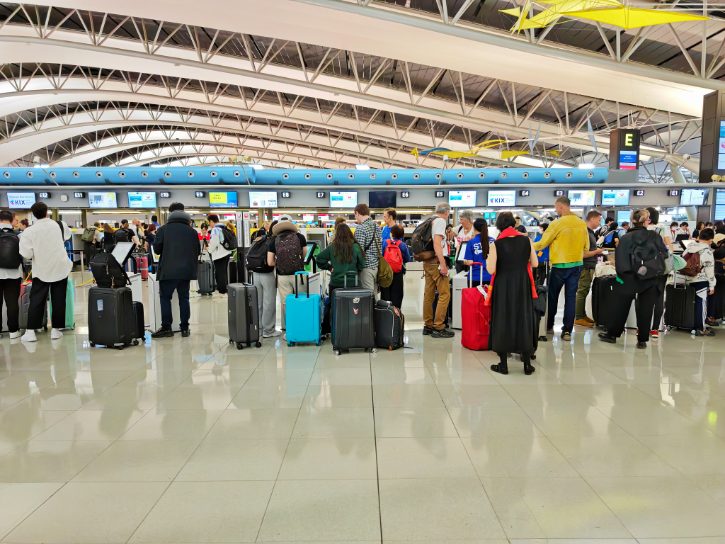
Being proactive is your best defense right now.
a. Check Your Flight Status Regularly
Start monitoring your flight status at least 48 hours before departure, and check every six hours. Your airline’s mobile app is the most reliable source since airline systems get updated before third-party tracking sites.
Also make sure your contact details (email and mobile number) are up to date in the airline’s “Manage Booking” portal. This ensures you receive automated alerts the moment anything changes.
b. Understand Your Insurance Coverage
Here’s something many travelers don’t realize: standard travel insurance often has “war and conflict” exclusions. That means if your flight is cancelled because of a missile strike or airspace closure, your non-refundable hotel in Tokyo might not be covered.
Consider a “Cancel For Any Reason” (CFAR) upgrade when buying travel insurance.
These usually increase the premium by 40% to 50%, but they’re often the only way to get partial reimbursement (typically 50% to 75%) if you decide to cancel due to the situation.
c. Build in Connection Buffers
Avoid tight connections. The recommended minimum transit time at Middle Eastern or Asian hubs right now is three to four hours.
This gives you a buffer for the longer flight times from rerouting and the increased security processing times at major international airports.
d. Book Flexible Tickets When Possible
In 2026, the cheapest fare isn’t always the best value. Choosing fares that allow free date changes or cancellations can save you a lot of stress and money if things go sideways.
Many airlines are currently offering these features as standard on premium seats.
7. Smart Booking Tips for 2026 Travelers
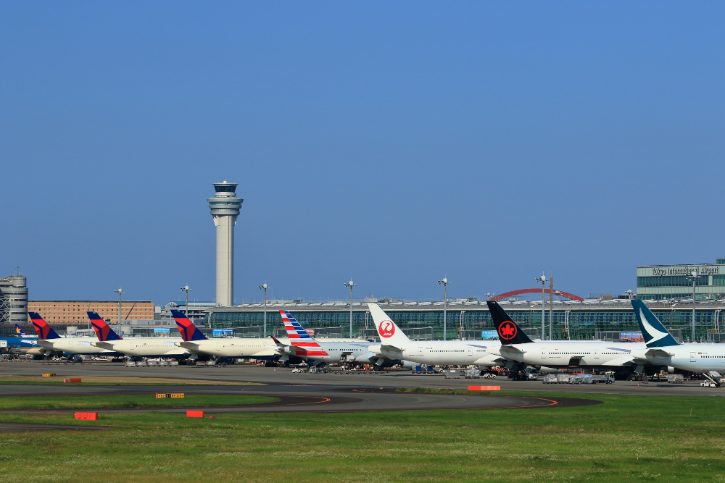
A little strategy goes a long way when booking flights to Japan right now.
a. Choose Airlines with Stable Routing
Airlines that bypass the Middle East entirely are your safest bet.
ANA and JAL (for transpacific and polar routes), Singapore Airlines, Cathay Pacific, and Korean Air are all solid options that avoid the Gulf corridor.
United Airlines, which flies transpacific from Newark and San Francisco to Tokyo, reported record bookings on March 10, 2026, specifically because their routes are far from the conflict zones.
b. Book Direct Flights Where Possible
Every connection point you add to your itinerary in 2026 is a potential failure point.
If an airspace restriction affects that particular hub, your whole trip could unravel. Non-stop flights reduce that risk significantly.
c. Consider Booking One-way Tickets Separately
This might sound counterintuitive since round-trips are traditionally cheaper.
But in a volatile environment, if the outbound leg of a round-trip ticket gets cancelled, the entire booking can be compromised.
Separate one-way bookings give you the flexibility to find an alternative route home on a different carrier if needed.
d. Allow Buffer Time Between Connections
If you do need to connect, give yourself generous layover time. Three to four hours minimum at any transit hub.
e. Stay Flexible with Travel Dates
If your schedule allows it, being open to shifting your departure by a day or two can make a big difference in both availability and pricing.
8. Are Flights to Japan Still Safe?
Let’s be clear about this: yes, flying to Japan is still safe.
The reason flights are being cancelled or rerouted in the first place is precisely because airlines and aviation authorities prioritize safety above everything else.
If a route is considered to have even a moderate risk of conflict-related activity, it’s designated as restricted or “no fly” airspace.
Airlines voluntarily avoid these regions, even when they’re not legally required to, to make sure there’s zero risk to passengers.
Organizations like the FAA and EASA are working more closely than ever to provide real-time safety updates to pilots.
Modern aircraft also carry advanced navigation and communication systems designed for exactly these kinds of complex routing situations.
What we’re dealing with here is a logistics disruption, not a safety issue. The planes flying to Japan right now are following routes that have been carefully vetted and approved.
9. Should You Delay Your Trip?
This depends entirely on your specific situation.
a. Reasons to Go Ahead
- Most flights to Japan are still operating. If you’re flying a transpacific route from North America, or a direct route from a stable Asian hub like Singapore or Seoul, your risk of major disruption is relatively low.
- Japan itself is fully operational. The Shinkansen is running on time (as always), hotels are open, and tourist destinations are welcoming visitors as usual.
b. Reasons to Reconsider
- Your itinerary depends on a Middle Eastern hub connection. If you’re transiting through Dubai, Doha, or Abu Dhabi in late March or early April 2026, be prepared for possible delays or last-minute rebooking.
- You don’t have financial or schedule flexibility. If a 48-hour delay or a significant fare hike for a last-minute alternative flight would cause serious stress, the current environment might not be ideal for leisure travel.
c. The Bottom Line
The disruptions are real but situational. Keep an eye on official government travel advisories and your airline’s latest updates.
For most travelers, the longer flight time and possible rescheduling are a manageable part of getting to Japan right now, as long as you’re prepared with the right insurance and a flexible mindset.
Japan is absolutely worth the trip. A little extra planning goes a long way. 🙂