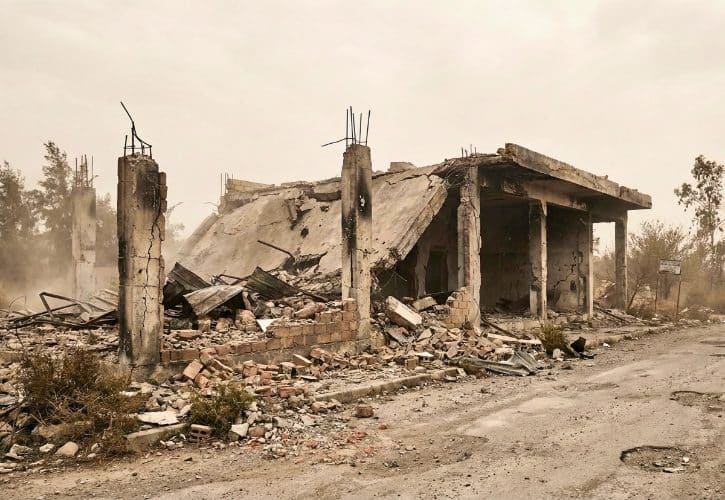
If you’ve been scrolling through headlines lately, you might think Thailand has turned into a war zone. It hasn’t.
Thailand remains one of the world’s most visited destinations. But recent clashes along the Thailand-Cambodia border have sparked confusion and panic online.
Here’s the truth: the conflict is real, but it’s happening in remote border areas that most tourists never visit.
This guide breaks down what’s actually going on, which areas to avoid, and what it means for your trip. 😊
1. What’s Actually Happening Right Now in Thailand
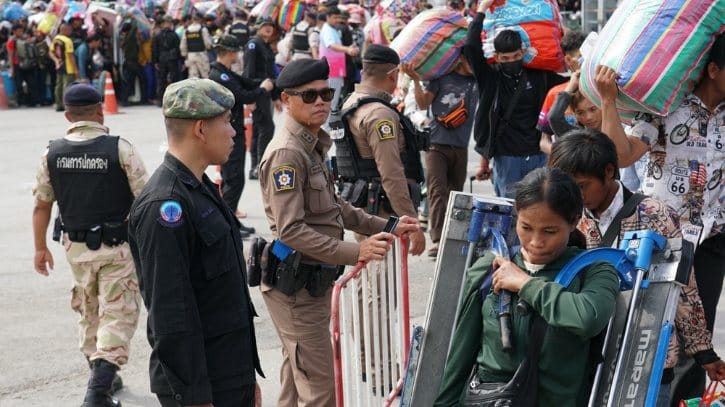
Fighting broke out along the Thailand-Cambodia border in early December 2025. This isn’t new tension. The two countries have disputed this border for years, but things escalated sharply in 2025.
Here’s the timeline:
- May 2025: A deadly skirmish near Preah Vihear temple reignited old tensions.
- July 2025: Four days of heavy fighting displaced over 300,000 people on both sides.
- October 2025: A peace deal was signed.
- November 2025: The peace deal collapsed after a Thai soldier was injured by a landmine.
- December 2025: Thailand launched a military offensive called “Operation Sattawat”, including airstrikes.
As of now, fighting continues. Thailand has deployed F-16 jets and heavy artillery. Seven eastern provinces are now under martial law.
The key point: This conflict is concentrated along a remote 817-kilometer border, far from where tourists typically go.
2. Which Areas Are Affected and Which Are Not
This is where most online coverage gets it wrong. The fighting is happening in remote, rural border regions that most tourists have never heard of.
a. Affected Areas (Stay Away)
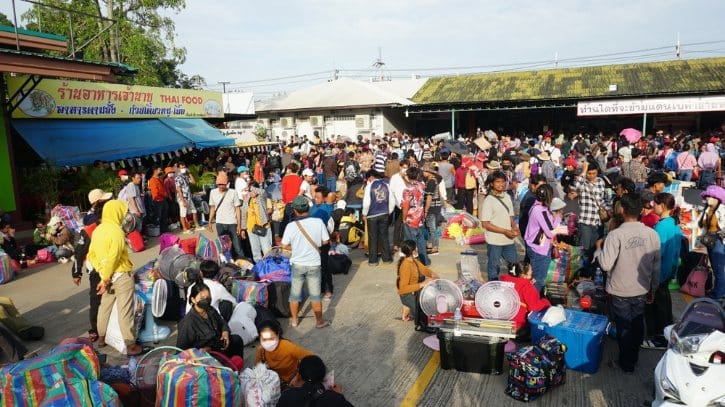
The Thai provinces under conflict alert are:
- Ubon Ratchathani (Northeast)
- Si Sa Ket (Northeast, near Preah Vihear temple)
- Surin (Northeast)
- Buriram (Northeast)
- Sa Kaeo (East, includes the Aranyaprathet-Poipet crossing)
- Chanthaburi (Southeast)
- Trat (Far southeast coast, mainland border areas only)
Within these provinces, the danger zones are typically within 50km of the actual border. Martial law and curfews are in effect in several border districts.
Specific closures include:
- Khao Phra Wihan National Park (Preah Vihear temple area)
- Ta Muen Thom and Ta Kwai temples near Surin
- All land border crossings (Aranyaprathet-Poipet, Ban Hat Lek, and others)
- Rong Kluea border market
Landmine risk: These border zones are also hazardous due to landmines, both old and reportedly some newly planted ones.
b. A Special Note on Koh Chang, Koh Kood, and Koh Mak
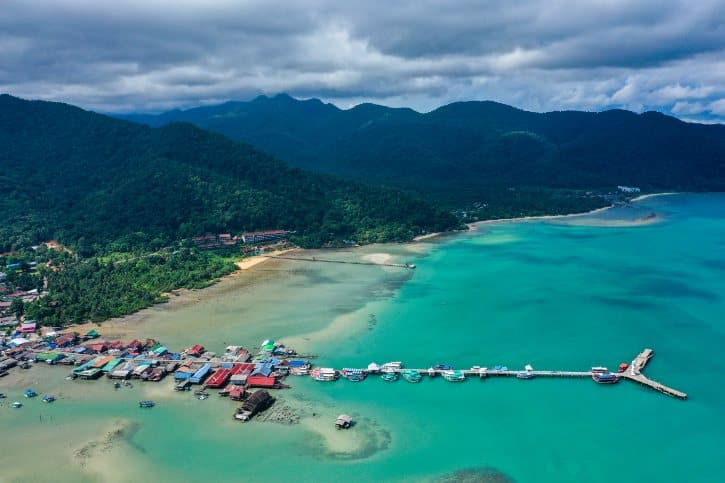
These popular islands sit in Trat province, which is technically under conflict alert. This has caused confusion among travelers with bookings there.
Here’s what you need to know:
The UK Foreign Office has given these islands a separate, less severe advisory. While mainland Trat border areas fall under “Advise Against All Travel”, Koh Chang and Koh Kood are under “Advise Against All But Essential Travel”. Koh Mak falls into the same island group.
What does this mean practically?
- The islands themselves are not conflict zones. No fighting has occurred there.
- They are physically separated from the mainland border areas by water.
- However, they are closer to the Cambodian border than other Thai beach destinations.
- Some governments advise extra caution or reconsideration for travel to these islands.
If you have existing bookings on Koh Chang, Koh Kood, or Koh Mak:
- Check your specific government’s advisory for the latest guidance.
- Contact your travel insurance provider to confirm coverage status.
- The islands are accessible and operating, but you should make an informed decision based on your comfort level.
- Consider whether rebooking to islands further from the border (like Koh Samui or Phuket) gives you more peace of mind.
If you’re planning a new trip: You may want to choose beach destinations further from the conflict zone, simply to avoid any complications with insurance or last-minute advisory changes.
c. Unaffected Areas (Safe for Tourism)

The vast majority of Thailand’s tourist destinations are nowhere near the conflict. Here’s some perspective:
- Bangkok is roughly 250 to 300km from the nearest conflict zone. The city is operating completely normally.
- Chiang Mai is over 600km away in the far north, bordering Myanmar (not Cambodia).
- Phuket is about 800km away on the southwest coast, facing the Andaman Sea.
- Krabi, Koh Samui, Koh Phangan, Pattaya, Hua Hin, Ayutthaya, Kanchanaburi are all far from the Cambodian border with no disruptions.
Flights are operating normally. Bangkok’s Suvarnabhumi and Don Mueang airports, plus Phuket and other major airports, are unaffected.
Even flights between Thailand and Cambodia (Bangkok to Phnom Penh or Siem Reap) continue on schedule.
Domestic trains and buses have made minor adjustments in border regions. The Bangkok-to-Aranyaprathet train now terminates at Aranyaprathet town instead of the border station. But transport elsewhere in Thailand runs as usual.
To put it simply: If your Thailand itinerary includes Bangkok, Chiang Mai, Phuket, the southern islands, or any of the popular tourist circuits, you won’t be affected by the border conflict. Travelers in Phuket won’t hear gunfire.
3. What This Means for Your Thailand Travel Plans
No major Western or regional government is telling people to cancel travel to Thailand entirely.
a. Here’s what the official advisories actually say:
- United Kingdom: Advises against all travel within 50km of the Thailand-Cambodia border. Koh Chang and Koh Kood are under a separate “all but essential travel” advisory. Rest of Thailand remains under normal precautions.
- United States: Level 2 (Exercise Increased Caution) for Thailand overall. Level 4 (Do Not Travel) specifically for areas within 50km of the border.
- Australia: “Exercise a High Degree of Caution” overall. “Do Not Travel” to areas within 50km of the border in seven provinces.
- Canada: “Exercise a High Degree of Caution” overall. “Avoid all travel” within 50km of the border.
- Singapore: Urges citizens to defer all non-essential travel to conflict areas along the border. No general warning against Thailand as a whole.
The pattern is clear: Stay out of the border zone, but the rest of Thailand is fine.
b. Who Can Proceed as Planned
If your trip focuses on Bangkok, Chiang Mai, Phuket, Krabi, Koh Samui, Pattaya, Ayutthaya, or other popular destinations, you can proceed.
These areas are far from the conflict. Exercise normal precautions as you would anywhere.
c. Who Should Reroute
If your plans included any of these, you’ll need to adjust:
- Overland travel from Thailand to Cambodia: The Poipet land crossing is closed. You’ll need to fly instead.
- Visiting Preah Vihear temple from the Thai side: The area is closed and unsafe.
- Exploring border temples in Isaan: Now is not the time. Consider Phimai or Ayutthaya ruins instead.
- Trekking in the Dangrek Mountains: Avoid anything near the border.
- Crossing to Cambodia via Ban Hat Lek (near Koh Chang): This border checkpoint is closed.
d. Who Should Reconsider
If you have bookings on Koh Chang, Koh Kood, or Koh Mak, weigh your options carefully.
The islands are operating normally and are not conflict zones.
However, they fall under a cautionary advisory from some governments, and your travel insurance situation may be affected.
If flexibility allows, consider whether alternative beach destinations further from the border would give you greater peace of mind.
4. The Truth About Travel Insurance Tourists Aren’t Being Told
Here’s what most travelers don’t realize: standard travel insurance probably won’t cover anything related to this conflict.
a. What Most Policies Exclude
War and civil unrest: Almost all policies exclude coverage for war or acts of war. If your claim arises from the Thailand-Cambodia hostilities, the insurer can deny it.
Traveling against official advice: Many policies void coverage if you travel to a region under your government’s “Do Not Travel” warning. The border areas are under exactly this type of advisory. If you ignore it and something happens, your insurance likely won’t pay.
“Known events”: Insurance covers unexpected events. Once something becomes foreseeable, new policies won’t cover it. The Thailand-Cambodia conflict is now a known event. If you bought insurance after the conflict started, you likely have no coverage for related claims.
Trip cancellation due to fear: Standard trip cancellation coverage typically does not list “fear of conflict” or government advisories as covered reasons. If you decide you’re too nervous to go, a normal policy won’t reimburse you.
b. What About Koh Chang, Koh Kood, and Koh Mak?
This is where things get tricky. These islands fall under a “cautionary” advisory in some countries, not a full “do not travel” warning.
Check with your insurer specifically about these islands. Coverage may depend on:
- Your country’s exact advisory level for the islands
- Your policy’s specific wording about advisory zones
- When you purchased your policy relative to when advisories were issued
Get clarification in writing before you travel.
c. What to Check in Your Policy
Pull out your policy document and look for:
- General Exclusions: Find words like “war”, “hostilities”, “civil war”, or “insurrection”. These are likely excluded.
- Trip Cancellation Coverage: Check the list of “Covered Reasons”. If “act of war” or “government travel warning” isn’t listed, it’s not covered.
- Travel to Unsafe Areas Clause: Some policies reference official advisories. If you travel to a “Do Not Travel” area, coverage may be void.
- Emergency Evacuation: See if your policy covers political or security evacuation, and under what conditions.
d. What You Should Do
- Contact your insurer directly. Ask specific questions: “If the conflict causes me to change plans, is that covered? What about travel to Koh Chang? What exclusions apply?” Get answers in writing.
- Consider upgrading. If you haven’t left yet, you might add Cancel For Any Reason (CFAR) coverage if it’s still available. This typically reimburses 50 to 75% of costs for any cancellation reason.
- Document everything. If something goes wrong, you’ll need evidence. Keep news articles, government advisories, and airline communications.
The bottom line: Assume any issue directly caused by the border conflict is not covered by standard travel insurance. Traveling into “Do Not Travel” zones can void your coverage entirely. The safest approach is to stay out of excluded areas and follow official guidance.
Final Verdict: Is Thailand Safe to Travel Right Now?
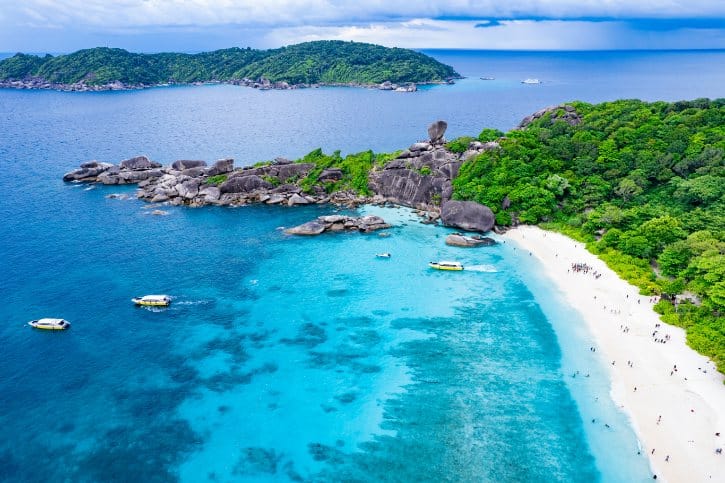
Yes, Thailand is safe for tourism in the vast majority of its territory.
The critical caveat: avoid the Cambodia-border conflict areas.
If your itinerary includes Bangkok, Chiang Mai, Phuket, Krabi, Koh Samui, Pattaya, or the southern beaches, you can proceed with your plans. These destinations are far from the conflict and operating normally.
What about Koh Chang, Koh Kood, and Koh Mak? These islands are not conflict zones and remain accessible. However, they fall under cautionary advisories from some governments. Check your specific country’s guidance and confirm your insurance coverage before traveling.
The bottom line: Thailand is safe for ordinary tourism right now. Stay informed, steer clear of the border zone, and you’ll find Thailand as welcoming as ever.