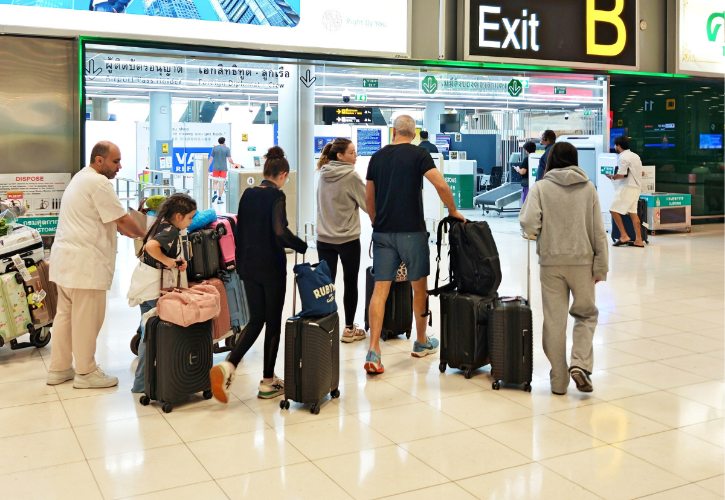
Planning a trip to Thailand? There have been some major changes recently that’ll impact your visit.
Here are the 5 biggest updates you need to know before you go.
1. Thailand’s Alcohol Rules Just Changed Twice
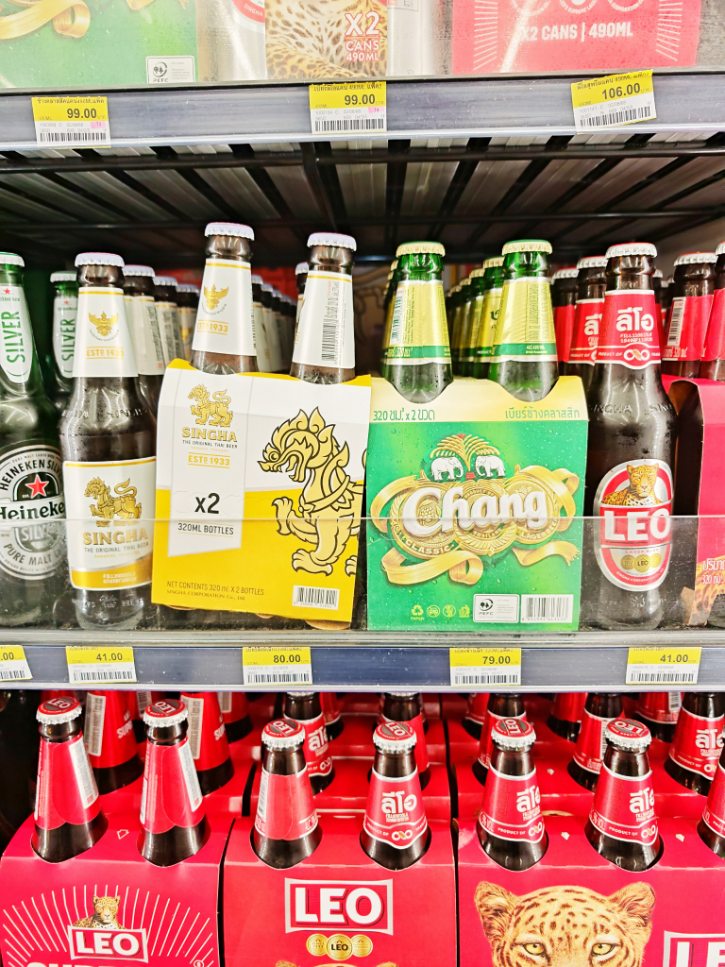
a. What Exactly Changed
Thailand shook up its alcohol laws in late 2025, and after a lot of back and forth, the rules have finally settled down.
On November 8, 2025, a new law did something Thailand had never done before. It started fining drinkers, not just sellers.
You could be fined up to 10,000 baht (about $310) for drinking during restricted hours at a bar, restaurant, or shop. Even tourists. On top of that, the old 2 PM to 5 PM sales ban was still in place, which left everyone confused.
b. The Afternoon Ban Is Now Gone for Good
Here is the good news. That awkward 2 PM to 5 PM sales gap is finished.
Thailand first suspended it on a trial basis in December 2025. Then, on May 29, 2026, the government made it permanent. Alcohol can now be sold from 11 AM to midnight, with no afternoon break.
Officials admitted the old rule, which dated back to 1972, no longer made sense. It was originally meant to stop government workers from drinking during office hours, and that reasoning stopped applying a long time ago.
c. Hours When Drinking Is Still Restricted
Important: The midnight to 11 AM ban stays in place. During those hours, regular shops, restaurants, and bars cannot sell alcohol, and you can still be fined up to 10,000 baht (about $310) for drinking at a licensed venue during restricted hours.
Here is what is allowed now:
- 11 AM to midnight: You can buy and drink alcohol freely
- Midnight to 11 AM: No alcohol sales at regular venues (some licensed places are exempt, more on that below)
One more thing worth knowing. Thailand is still in a transition period while it finalizes the finer details of the new law. For now, authorities have said they are leaning toward warnings rather than instant fines for first-time slip-ups. Still, do not count on a warning. Play it safe.
d. Who These Rules Affect Most
Everyone needs to pay attention to this, but it hits some groups harder:
- Late-night party-goers: That after-midnight drink could cost you
- Early morning travelers: No airport beers before 11 AM at regular restaurants
- Beach lovers: Morning drinks by the beach are off-limits
e. Where You Can Always Drink: The Exceptions
Good news. Some places have 24-hour exemptions, but let me be specific about what counts and what does not:
International Airport Passenger Areas
- YES: Bars and restaurants after security and immigration checkpoints
- YES: Airline lounges in the departure area
- NO: Restaurants in the public arrival hall
- NO: Convenience stores before check-in counters
- Example: That beer at the airport bar while waiting for your 3 AM flight? Totally fine. But the 7-Eleven outside arrivals follows regular rules.
Licensed Hotels (Must Be Registered Under the Hotel Act)
- YES: Hotel bars, restaurants, and poolside service
- YES: Room service at any hour
- YES: Minibars in your room
- NO: Small guesthouses (even if they call themselves “hotels”)
- NO: Hostels and homestays
- Tip: Major chains like Marriott, Hilton, or established Thai hotels like Centara are covered. That family-run “hotel”? Probably not.
Entertainment Venues with Official Entertainment Act Licenses
- YES: Proper nightclubs in designated zones (like RCA in Bangkok)
- YES: Licensed go-go bars in Patpong, Nana, Soi Cowboy
- NO: Regular bars without entertainment licenses
- NO: Beach bars (unless part of a licensed hotel)
- Important: Just because a place stays open late does not mean it has this exemption.
Where You Cannot Drink During Restricted Hours (Midnight to 11 AM)
- All convenience stores (7-Eleven, Family Mart, Lawson)
- Supermarkets (even 24-hour ones like Tesco or Big C)
- Street food stalls and food courts
- Regular restaurants (unless inside a licensed hotel)
- Beaches and public spaces
New for 2026: Thailand has also banned selling and drinking alcohol on public transport and at stations, terminals, and piers. That covers trains, buses, and ferries. So no cracking open a beer on the train, whatever the time of day.
f. Practical Tips to Avoid Fines as a Visitor
Let me save you some trouble:
- Set a phone reminder for 11:50 PM if you are out drinking
- Ask your hotel if their bar has the proper license for 24-hour service
- Do not assume convenience stores will sell you alcohol just because they are open
- Keep your receipt if you buy alcohol close to restricted times
g. Bottom Line for Travelers
The afternoon gap is gone for good, which makes day drinking simpler. But that midnight cutoff is serious business. The 10,000 baht (about $310) fine is real.
Trust me, you do not want to explain to your travel companions why you just lost $310 over a late-night beer.
2. Thailand’s Digital Arrival Card (TDAC) Is Now Mandatory
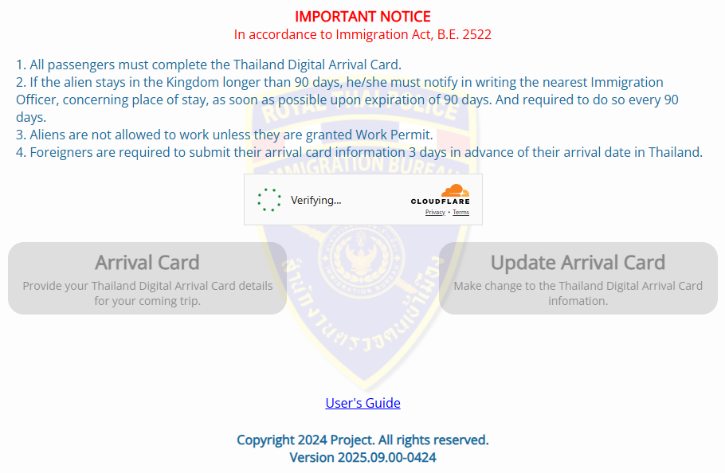
a. Thailand’s New Digital Arrival Card Is Mandatory
The paper arrival card is now history. Thailand has gone fully digital, and everyone entering the country must complete the online TDAC form before arrival. No exceptions for tourists.
This isn’t optional. Without it, you’ll face delays at immigration.
b. When You Need to Complete It
Within 3 days (72 hours) before arrival
Not a week before. Not at the airport. Exactly within that 72-hour window.
c. Step by Step: How to Fill Out the TDAC
Here’s exactly what to do:
- Visit the official site: https://tdac.immigration.go.th/
- Click “Arrival Card” (it’s free, ignore any sites charging fees)
- Fill in:
- Passport details
- Flight number
- Hotel address in Thailand
- Purpose of visit
- Basic health questions
- Submit and check your email
- Save the QR code to your phone
- Show it at immigration when you arrive
d. What Happens If You Forget
Forgot to do it? Some major airports have kiosks:
- Suvarnabhumi (Bangkok)
- Don Mueang (Bangkok)
- Phuket
- Chiang Mai
- Hat Yai
But using airport kiosks means longer queues. Do yourself a favor and complete it beforehand.
e. Who Does Not Need to Do This
Only two groups skip the TDAC:
- Transit passengers who don’t go through immigration
- Border pass holders (for local border crossings)
Everyone else, including children, needs their own TDAC.
f. Meet THIM, Thailand’s New Immigration App
Here is the newest piece of the puzzle. Thailand has launched an official immigration app called THIM, short for Thailand Immigration Management.
Right now THIM is in a testing phase, but it is already free to download on the App Store and Google Play. A full, mandatory rollout is planned for August 2026.
What can it do today? You can use THIM to fill out and submit your TDAC straight from your phone. You scan your passport, add your trip details, and the app creates your arrival QR code. The handy part is that it saves your passport details, so on future trips you only update your flight and hotel.
A few things to keep in mind:
- It does not replace the TDAC. THIM is just another way to submit it. Until officials say otherwise, completing your TDAC before you fly is still required.
- It is free. If any site or app asks you to pay, it is a scam. Only use the official THIM app.
- It is still new. Early users have reported bugs, so if the app gives you trouble, just use the TDAC website instead.
- More is coming. Later in 2026, THIM is expected to add features like 90-day reporting and immigration appointments, which mostly help long-stay visitors.
For a simple one-time trip, the TDAC website is still the easiest route. If you visit Thailand often, THIM could be worth setting up.
3. Ride Hailing Apps Like Grab and Bolt Now Have Stricter Rules
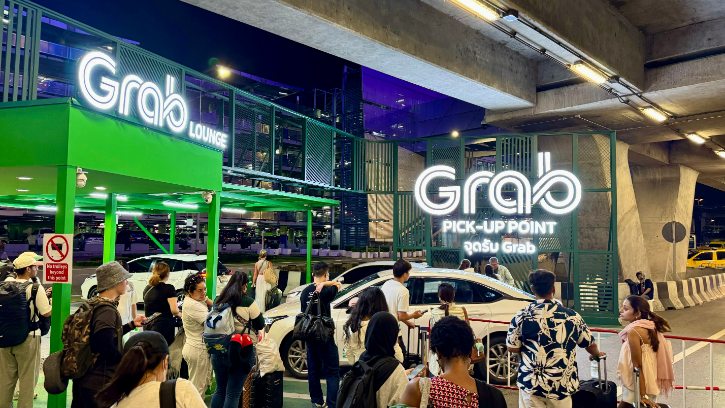
a. What Changed with Ride-Hailing Apps
Thailand rolled out its first real rulebook for app-based rides, with enforcement starting March 31, 2026. The goal is safer, more accountable rides. Every driver now needs:
- A public driving license (not just a regular one)
- Proper public vehicle registration (with vehicle age and inspection rules)
- Regular identity checks, including facial recognition, to stop drivers from sharing accounts
The apps themselves must show you the driver’s full name, photo, license details, and the exact fare before you book. No more surprises.
b. Why This Is Actually Good News
I know it sounds like red tape, but this actually solves real problems tourists have been complaining about for years:
- Better safety: Every driver has to be properly licensed and verified
- Accountability: Drivers can no longer share accounts or hand rides to someone else
c. What You Will Notice as a Passenger
The good news for you is that booking a ride works pretty much the same as before. You will not have to jump through new hoops yourself. The main differences are on the driver’s side, and here is what you will see:
More Information Upfront
- Full driver name and photo
- Driver’s public license details
- Vehicle registration details
Possibly Longer Wait Times
- Fewer drivers currently meet the new requirements
- This should ease as more drivers get licensed
- Peak hours might mean a noticeably longer wait than usual
d. Tips for Using Grab and Bolt
Make your ride-hailing experience smoother:
- Download and set up the apps before arriving in Thailand
- Set up your account when you have good WiFi at your hotel, not at a busy airport
- Book rides earlier during peak times, as driver availability might be limited
- Screenshot your booking details in case of connectivity issues
- Save your hotel address in Thai in the app for easy returns
4. Tourists Can Now Use PromptPay in Thailand
a. Thailand’s QR Code Payment System Explained
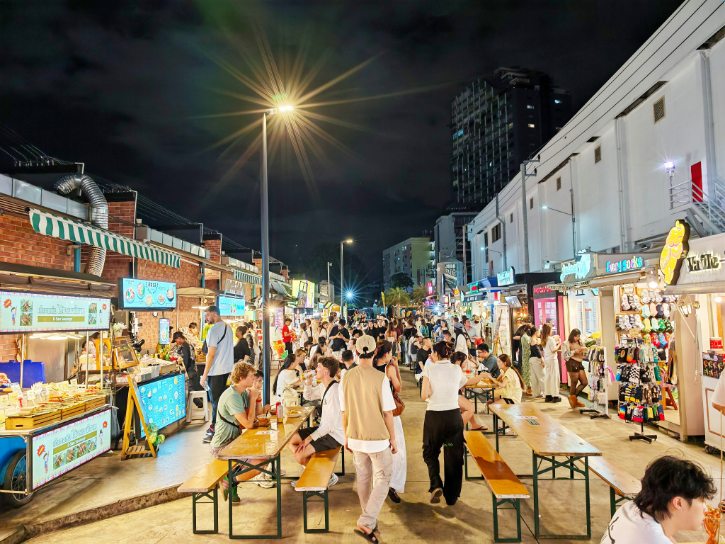
PromptPay is everywhere in Thailand. Street food vendors, taxi drivers, massage shops, everyone uses those QR codes for payment.
But here is the thing. This system was designed for Thai bank account holders only. Tourists could only watch locals pay instantly while they fumbled for cash.
That has finally changed. Thailand has opened up its cashless payment system to international visitors, and there are a couple of ways in.
Option 1: If Your Country Has a QR Link with Thailand
Visitors from China have it easiest. You can use:
- Alipay
- WeChat Pay
- UnionPay
Just scan Thai QR codes with your regular app. It converts automatically. Simple as that.
Thailand also has these cross-border QR links with several other Asian countries, including Malaysia, Singapore, and more. If you are traveling from one of them, check whether your usual bank or wallet app can already scan a Thai PromptPay code before you look for anything else.
Option 2: Everyone Else Uses the TAGTHAi App
For everyone else (Americans, Europeans, Australians, and so on), there is the TAGTHAi app with its “Easy Pay” feature:
- Download the TAGTHAi app (the official tourism app)
- Get and register a PAY&TOUR prepaid card at a KBank Foreign Exchange booth
- Load money onto the card and link it in the app
- Scan any PromptPay QR code to pay
b. How This Changes Your Travel Experience
This seriously improves your Thailand experience:
- Street food: No more fumbling for exact change
- Markets: Bargain first, then pay instantly
- Taxis and tuk-tuks: Many now prefer QR payment
- Small shops: Even tiny stores often accept it
But here is the reality check: Not everyone takes digital payments yet. Some places still only accept cash:
- Some traditional markets and rural vendors
- Temple donations and entrance fees at smaller temples
- Street performers and tips
- Emergency situations when the internet is down
My advice: Use digital payments where you can, but always carry backup cash. I would suggest having at least 1,000 to 2,000 baht in small bills on you. Trust me, you do not want to be stuck without cash when that perfect street food stall does not have a QR code.
c. What You Need to Set It Up
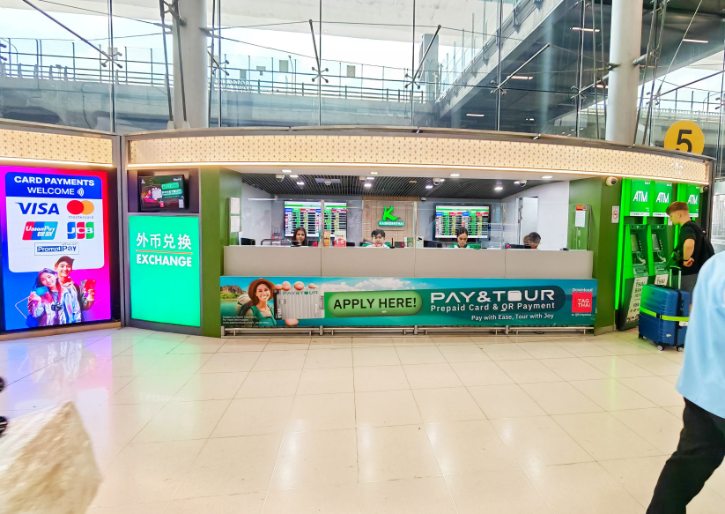
- Visit a KBank FX booth: You must physically go to a KASIKORNBANK Foreign Exchange booth (found at airports and major tourist areas)
- Bring foreign cash: You will need your home currency in cash (USD, EUR, AUD, and so on) to exchange and load onto the card
- Important: You cannot use Thai Baht for the initial setup. It must be foreign currency that gets exchanged
- For more details on how to register for TAGTHAi Easy Pay, you can check their official website here
Good to know: When you leave Thailand, you can usually convert any leftover balance back to your home currency. Ask about the exact buyback terms and rate when you sign up at the booth.
Practical tip: Set this up at the airport when you arrive, or find a KBank FX booth in tourist areas like Siam Square or major shopping malls.
5. White Temple (Wat Rong Khun) Entry Fee Doubles for Foreigners

a. What Is Changing at Wat Rong Khun
The famous White Temple in Chiang Rai doubled its entrance fee for foreign visitors on January 1, 2026:
- Before January 2026: 100 baht
- Since January 2026: 200 baht
- Thai citizens: Still free
b. Why the Temple Is Increasing Prices
The temple needs the money for maintenance. This is not a government site. It is privately owned by artist Chalermchai Kositpipat, and maintaining those intricate white structures costs a fortune.
The new ticket also includes the “Cave of Art”, and the temple is managing millions of visitors every year.
c. When the New Price Takes Effect
The 200 baht fee took effect on January 1, 2026.
If you are planning a visit, budget for the new price of 200 baht per person.
d. What You Will Pay, and What Locals Pay
Here is the breakdown:
- Foreign tourists: 200 baht (about $6.20)
- Thai citizens: Free
- Free for everyone: Visitors aged 70 and above, and children under 120 cm tall, regardless of nationality
Your ticket now includes the Cave of Art, and free sarong loans are available at the entrance if you need to cover up. Yes, dual pricing exists throughout Thailand. This is normal at many attractions.
e. Is It Still Worth Visiting
Absolutely. Even at 200 baht, the White Temple remains one of Thailand’s most stunning attractions. Where else can you see contemporary Buddhist art this unique?
Consider this. It is still cheaper than a coffee at Starbucks back home, and you are supporting the preservation of incredible art.
Final Thoughts
Thailand is modernizing fast, and these changes reflect that. Some make things easier (digital payments, clearer ride-hailing rules), while others add steps to your planning (the TDAC and the new alcohol rules).
The key is knowing about them before you go. Now you do. Have an amazing trip, and remember, Thailand remains one of the most welcoming destinations in the world.
Safe travels!