
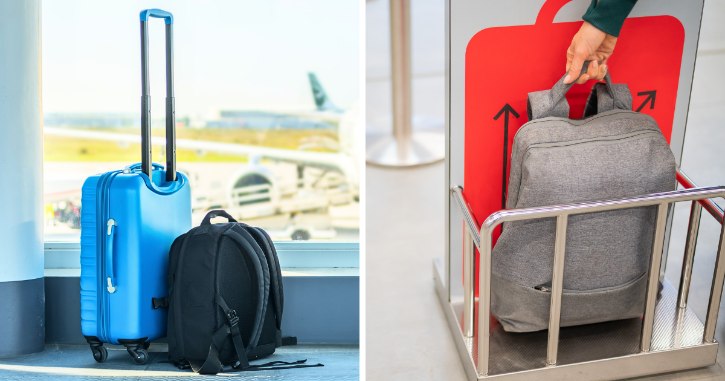
Airlines across the U.S. are enforcing carry-on rules more strictly than ever.
If you haven’t checked the latest policies, you might be in for a surprise at the gate.
To save you time (and stress), I’ve put together this guide covering carry-on size limits, airline-specific policies, and the security rules you need to know before your next flight.
Let’s get into it. 😊
1. The Two-Item Rule
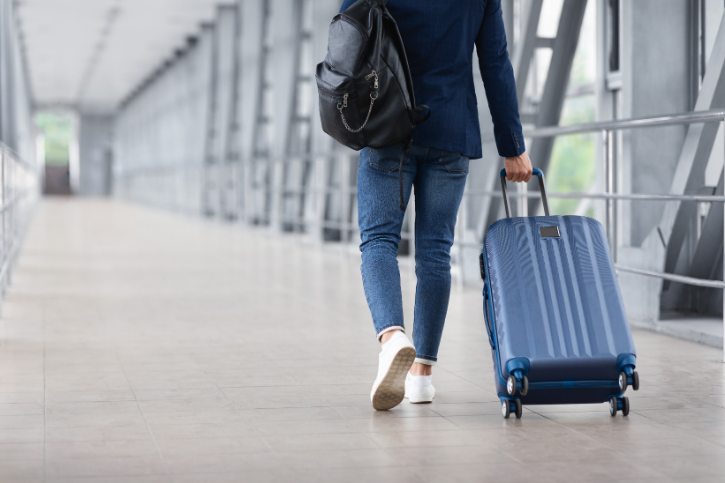
Most U.S. airlines allow you to bring two items into the cabin for free:
- One carry-on bag that fits in the overhead bin (like a rolling suitcase or large backpack)
- One personal item that fits under the seat in front of you (like a purse, laptop bag, or small backpack)
That’s it. Two items, no more.
a. What’s Changed
Airlines are cracking down on this rule harder than before.
Southwest Airlines, for example, now specifies that cameras, briefcases, laptops, and even blankets count as your personal item.
They say it’s not a new policy, just a “clarification”, but many travelers are being caught off guard.
b. Exceptions Worth Knowing
A few things generally don’t count toward your carry-on limit:
- Jackets or coats
- Umbrellas
- Assistive devices (wheelchairs, canes, crutches)
- Strollers and car seats (for ticketed children)
- Diaper bags and breast pumps
- Items purchased after the security checkpoint
These allowances can vary by airline, so double-check before you fly.
2. Know the Size Limits
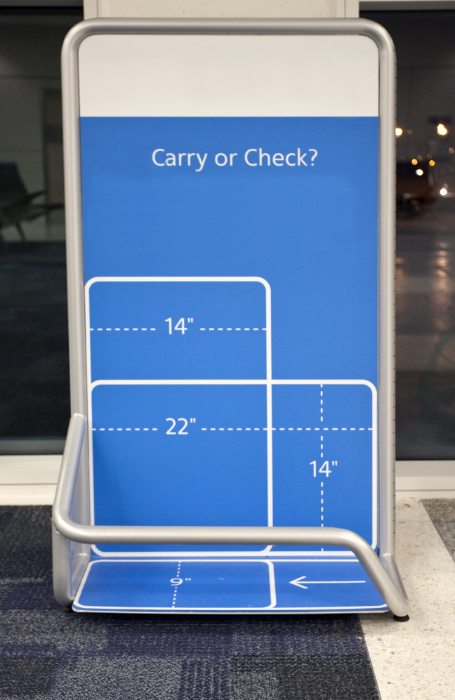
Most airlines allow carry-on bags up to 22 x 14 x 9 inches (including handles and wheels).
a. Carry-On Bag
The standard carry-on size for most major U.S. airlines is 22 x 14 x 9 inches, including handles and wheels.
Some budget carriers allow slightly larger bags (up to 24 x 16 x 10 inches), but you’ll often pay extra for that overhead bin space.
b. Personal Item
Personal item limits vary more across airlines. Most fall in the range of 17 x 13 x 8 inches to 18 x 14 x 8 inches, though some airlines simply say it must fit under the seat.
c. A Quick Tip
Measure your bags at home before you head to the airport. Always include handles and wheels in your measurements.
Trust me, finding out your bag is an inch too big at the gate is not a great way to start a trip.
3. United Airlines Basic Economy: A Special Note
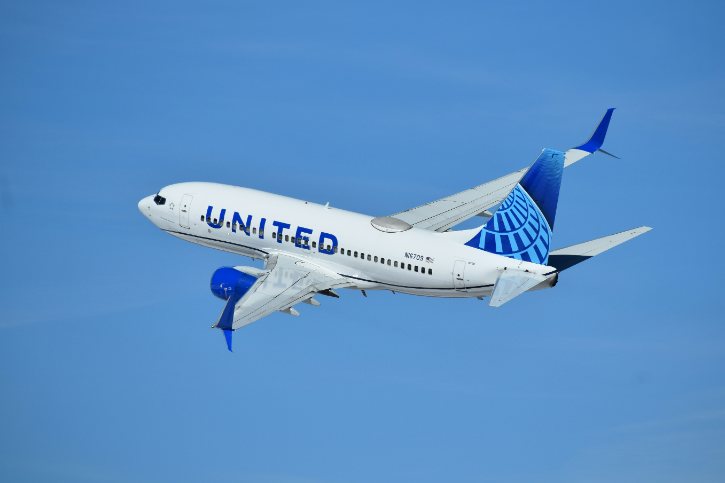
If you’re flying United Airlines on a Basic Economy ticket, be aware of a significant restriction.
- Domestic flights (within the U.S.) and short-haul international routes (to and from Canada, Mexico, the Caribbean, and Central America): You are limited to one personal item only. No full-size carry-on is allowed in the cabin.
- Long-haul international flights (transatlantic, transpacific, South America): A carry-on is included even in Basic Economy.
What this means for you: If you’re booking Basic Economy for a domestic or short-haul flight, everything you bring on board needs to fit under the seat. Plan ahead to avoid a surprise fee at the gate.
Exceptions apply for MileagePlus Premier members and qualifying United credit card holders, who may bring a carry-on regardless of fare class.
4. Why the Rules Are Getting Stricter
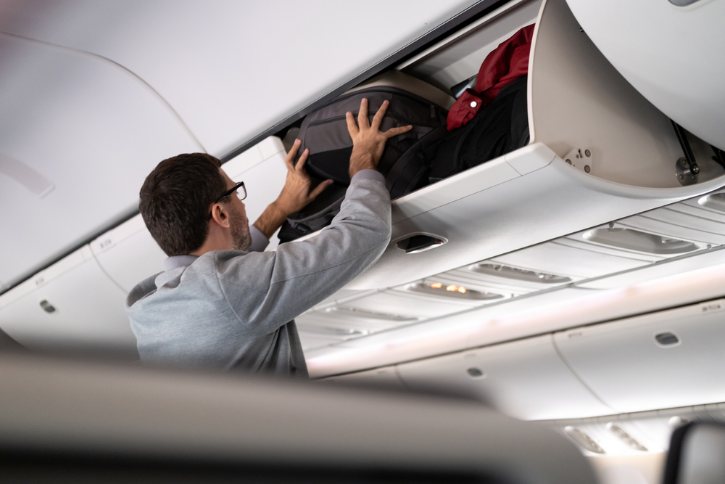
You might be wondering why airlines are tightening enforcement. It comes down to two things:
Overhead bin space is limited. More travelers are choosing to carry everything on board to avoid checked bag fees. That means overhead bins fill up quickly, especially on full flights and smaller aircraft.
Airlines want faster boarding. Passengers struggling to fit oversized bags into the bins is one of the biggest causes of boarding delays. Stricter enforcement helps keep things moving.
5. What Happens If Your Bag Doesn’t Comply
If your carry-on doesn’t meet the size or weight requirements, here’s what you can expect:
a. Gate-checking. Your bag may be checked at the gate. On some airlines, this is free. On others, you’ll pay the standard checked bag fee, and on budget carriers, gate fees can be significantly higher than pre-purchasing.
b. Additional fees. You may be charged for a checked bag on the spot.
c. Denied boarding. In rare cases, refusing to comply with baggage requirements could prevent you from boarding.
The best strategy is simple: know your airline’s limits before you pack.
6. Quick Reference: Major U.S. Airlines’ Carry-On Policies
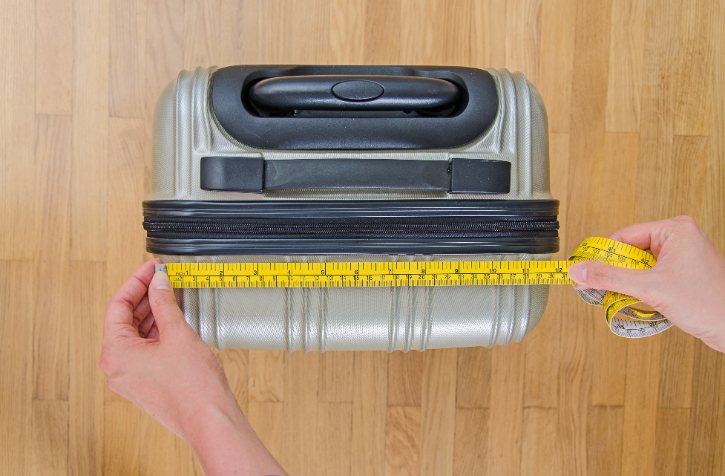
Here’s a snapshot of current carry-on rules for major domestic airlines. Policies can change, so always verify on the airline’s official website before your trip.
1. Alaska Airlines
- Carry-on size: 22 x 14 x 9 inches – No weight limit
- Personal item: One item such as a purse, briefcase, or laptop bag that fits under the seat
2. Allegiant Air
- Carry-on size: 22 x 16 x 10 inches – No weight limit
- Personal item: 18 x 14 x 8 inches
Note: No free carry-on bags. Carry-on fees range from about $10 to $75 depending on route and when purchased. Buying at booking is cheapest.
3. American Airlines
- Carry-on size: 22 x 14 x 9 inches – No weight limit
- Personal item: 18 x 14 x 8 inches
4. Delta Air Lines
- Carry-on size: 22 x 14 x 9 inches – No weight limit
- Personal item: Must fit under the seat in front of you (purse, laptop bag, or similarly sized item)
5. Frontier Airlines
- Carry-on size: 24 x 16 x 10 inches – Capped at 35 pounds
- Personal item: 18 x 14 x 8 inches
Note: No free carry-on bags. Fees are route-dependent and vary by when you purchase, starting around $60 or more. Buying at booking is always cheapest. Gate fees are significantly higher.
6. Hawaiian Airlines
- Carry-on size: 22 x 14 x 9 inches – Capped at 25 pounds (11 kg)
- Personal item: A purse, briefcase, laptop bag, or small backpack that fits under the seat
7. JetBlue
- Carry-on size: 22 x 14 x 9 inches – No weight limit
- Personal item: 17 x 13 x 8 inches
8. Southwest Airlines
- Carry-on size: 24 x 16 x 10 inches – No weight limit
- Personal item: 16 x 13 x 8 inches
Important update: As of May 28, 2025, Southwest ended its long-standing “Bags Fly Free” policy for most travelers. Checked bag fees now apply for Basic, Choice, and Choice Preferred fares. Carry-on and personal item allowances remain free.
9. Spirit Airlines
- Carry-on size: 22 x 18 x 10 inches – No weight limit
- Personal item: 18 x 14 x 8 inches
Note: No free carry-on bags. Fees vary by route and timing. Pre-purchasing at booking is the cheapest option.
10. Sun Country Airlines
- Carry-on size: 24 x 16 x 11 inches – Capped at 35 pounds
- Personal item: 17 x 13 x 9 inches
Note: No free carry-on bags. Fees vary. Pre-purchasing is recommended.
11. United Airlines
- Carry-on size: 22 x 14 x 9 inches – No weight limit
- Personal item: 17 x 10 x 9 inches
Note: Basic Economy passengers on domestic and short-haul international flights are limited to a personal item only. No full-size carry-on is permitted.
Bonus tip: Most airlines also let you bring a few extra items at no charge, including a jacket or coat, an umbrella, strollers, car seats, diaper bags, and breast pumps. These don’t count toward your carry-on limit.
7. How to Breeze Through the Airport
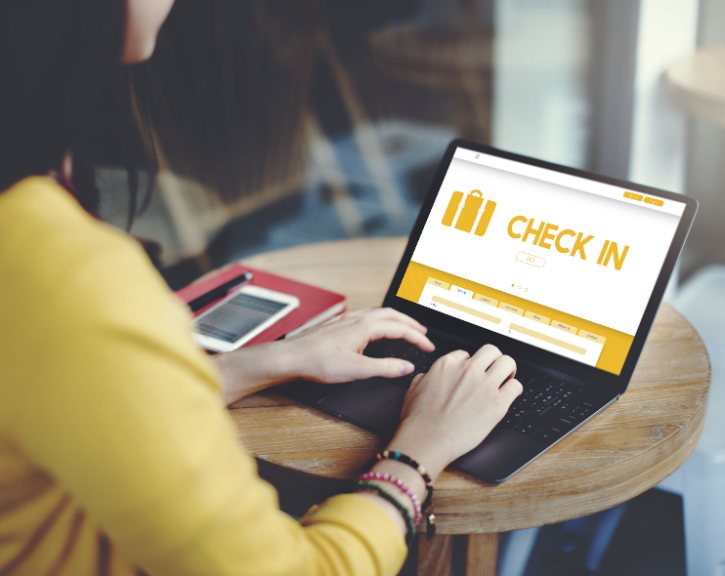
A few practical tips that can make your airport experience smoother:
a. Check In Online
Skip the counter when you can. Checking in online or through the airline’s app means you can head straight to security.
The fewer touchpoints, the less chance your bags get scrutinized.
b. Choose Soft-Sided Bags
Soft bags can compress into tight overhead bins and under-seat spaces. They also tend to look less bulky, which means less attention from gate agents.
c. Always Be Prepared for Gate-Checking
Even if your bag meets the size requirements, full flights can run out of overhead space.
Keep your essentials (passport, wallet, medications, phone, charger) in your personal item so they stay with you if your carry-on gets checked at the gate.
Consider bringing a packable tote or foldable bag in case you need to pull out valuables before handing your bag over.
8. The 3-1-1 Rule for Liquids
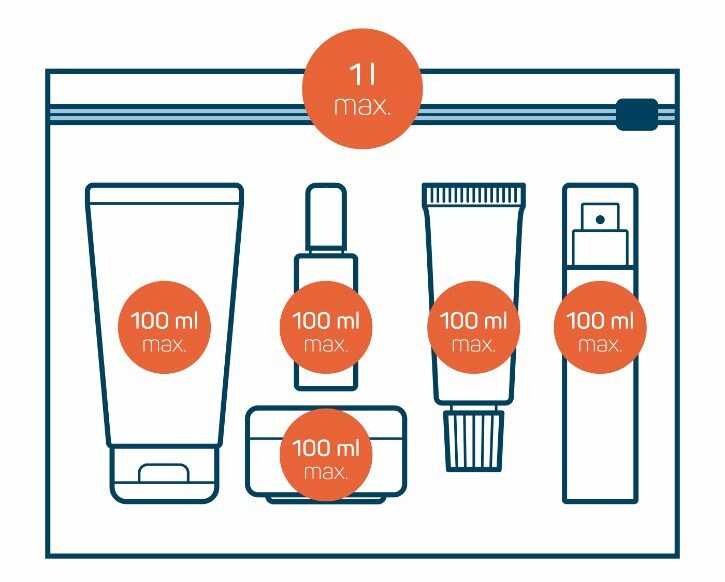
The TSA’s 3-1-1 rule is still in effect at all U.S. airports. Here’s the breakdown:
- 4 ounces (100 ml) or less per container
- All containers must fit inside one quart-sized, clear, resealable plastic bag
- One bag per passenger
This applies to liquids, gels, aerosols, creams, and pastes. Yes, that includes toothpaste, shampoo, and even peanut butter.
a. What’s Exempt
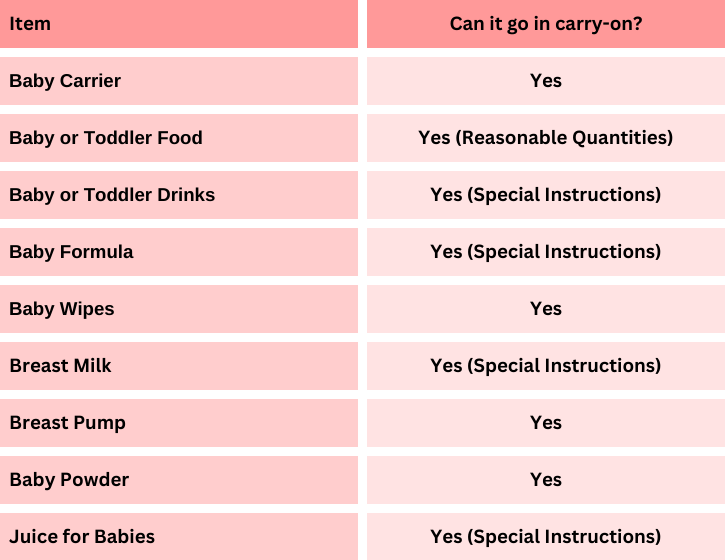
A few items don’t need to follow the 3.4-ounce limit, though they must be declared to the TSA officer:
- Prescription and over-the-counter liquid medications
- Baby formula, breast milk, and toddler drinks (you don’t need to have the child with you to carry breast milk)
- Medically necessary liquids
b. What’s New with CT Scanners
TSA has been rolling out advanced CT scanners at major U.S. airports.
At checkpoints equipped with these scanners, you may no longer need to remove your liquids bag or laptop from your carry-on.
However, not all airports or checkpoints have them yet, so the safest approach is to follow the traditional rules unless you know your checkpoint has been upgraded.
c. Quick Tips for Security
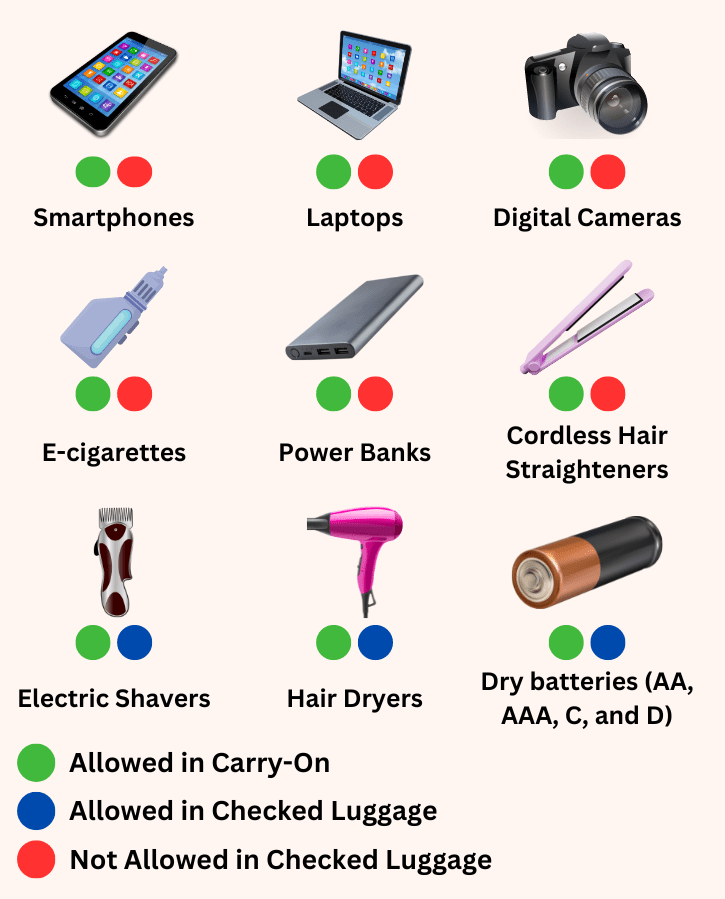
- Place your liquids bag in an easy-to-reach outer pocket.
- Keep laptops and large electronics accessible, as you may still need to remove them at some checkpoints.
- Organize cords and chargers neatly so they don’t look suspicious on the X-ray.
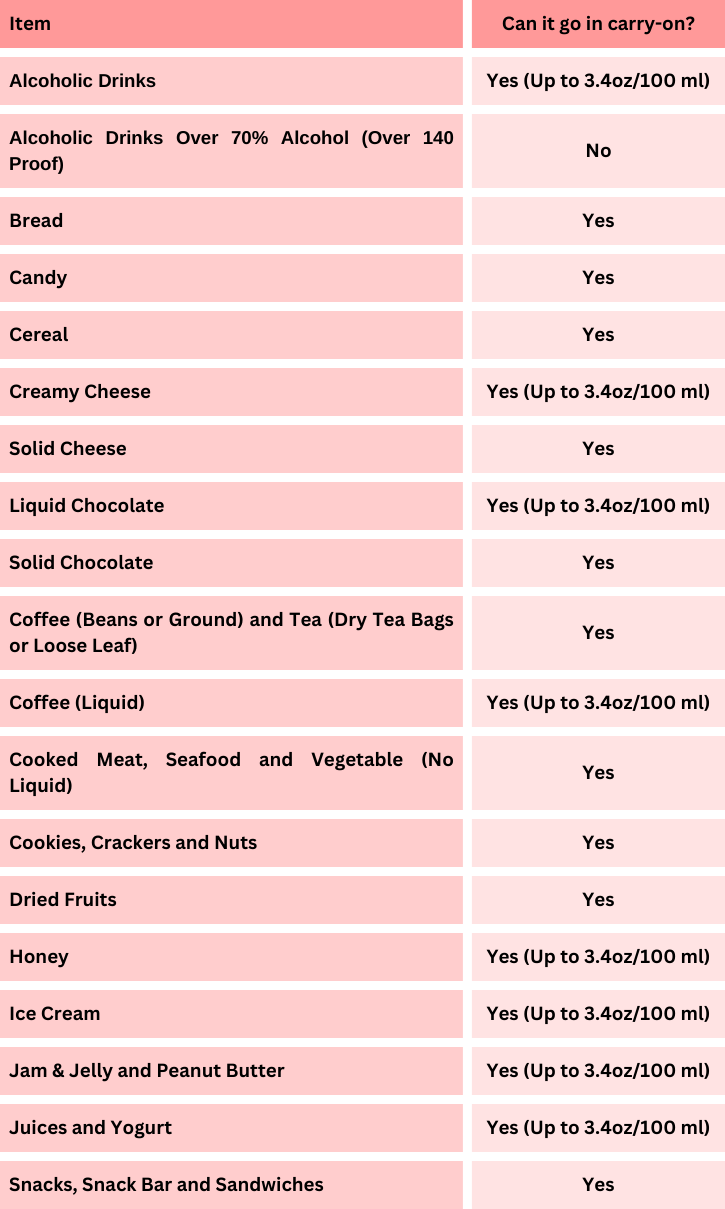
Items that commonly trigger extra screening: spreadable foods (peanut butter, hummus, honey), items wrapped in aluminum foil, and metal objects that block the scanner’s view.
d. Shoes Off? Not Anymore.
As of July 2025, TSA eliminated the mandatory shoe removal requirement. Most travelers can now keep their shoes on during screening, though TSA officers may still request removal in certain situations.
9. Packing Tips to Maximize Space
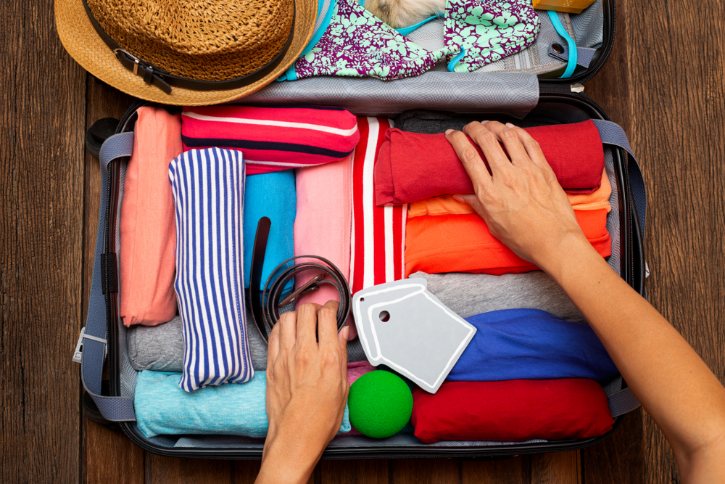
a. Roll Your Clothes
Rolling saves space, reduces wrinkles, and lets you see everything at a glance when you open your bag. It works especially well for t-shirts, jeans, and casual wear.
b. Use Packing Cubes
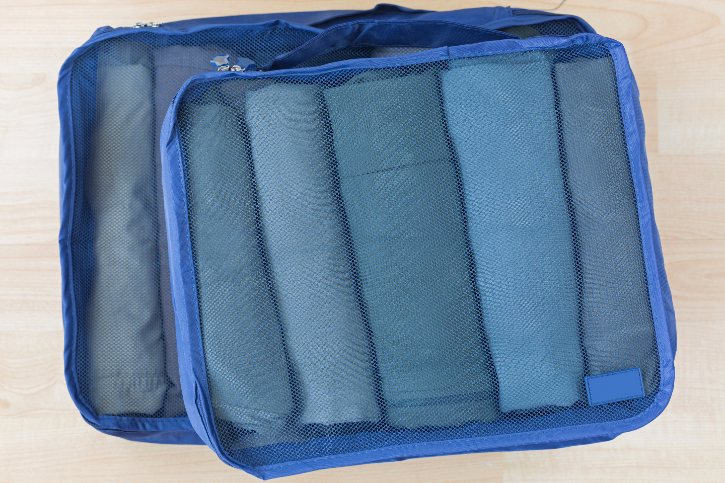
Packing cubes are a game-changer. Use different sizes for shirts, pants, and underwear.
Roll your clothes first, then place them in the cubes. They compress your items and keep everything organized.
c. Wear Your Bulkiest Items
Save suitcase space by wearing your heaviest clothing through the airport:
- Boots or sneakers
- Jackets or coats
- Jeans
- Sweaters or hoodies
d. Try Compression Bags
These are great for bulky items like sweaters, jackets, and towels. They also work well for dirty laundry on the return trip.
e. Pick a Spacious Personal Item
Choose a personal item bag designed to fit under the seat but with enough room to carry a lot. A well-designed under-seat bag can hold more than you’d expect.
f. Use Your Pockets
Wear a jacket or vest with multiple pockets and use them for small items like your phone, earbuds, snacks, and documents. It lightens your bags and keeps essentials within reach.
10. Secure Your Bags with TSA-Approved Locks
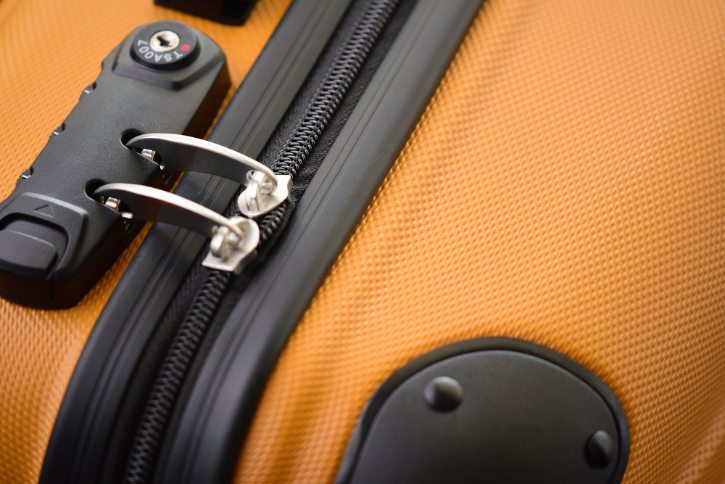
Even if you plan to keep your carry-on with you, a TSA-approved lock is a smart investment.
- Protect your belongings. If you’re asked to gate-check your bag, a lock helps prevent theft.
- Smooth security screening. TSA-approved locks can be opened by security officers with special tools, so they won’t break your lock if they need to inspect your bag.
- Peace of mind. A small thing, but knowing your bag is secured goes a long way.
11. Label and Photograph Your Carry-On
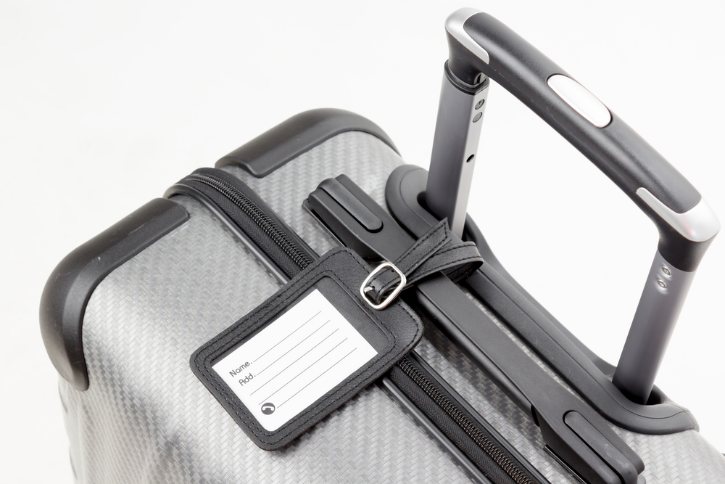
This might seem like overkill, but it can save you real headaches.
a. Why It Matters
Sometimes your carry-on gets gate-checked unexpectedly.
On full flights, bags can get mixed up during boarding or deplaning. A clear label and a quick photo on your phone can speed up recovery if anything goes missing.
b. How to Do It
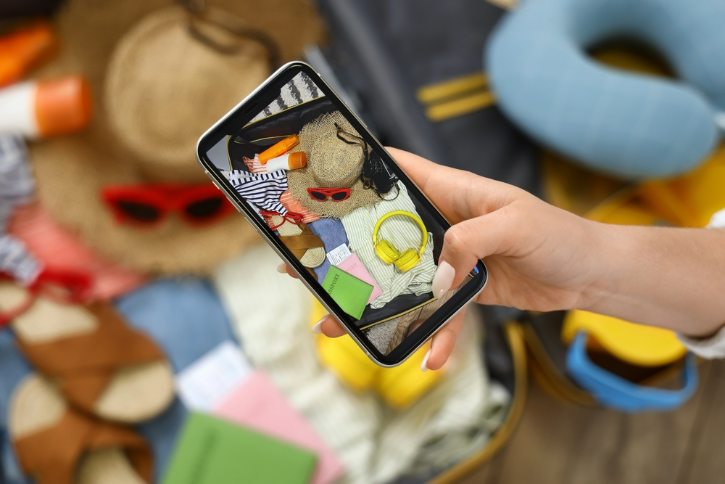
- Take photos of the exterior and contents, especially if you’re carrying valuables.
- Attach a sturdy luggage tag with your name, phone number, and email address.
- Place an ID card inside as a backup.
- Add something distinctive like a colorful luggage strap, ribbon, or sticker so you can spot your bag quickly.
It takes two minutes, and you’ll be glad you did if anything goes sideways.

One airline recently forced me to check my soft small carry on (that does fit under the seat!) because it has small wheels as well as shoulder straps!