If you’re planning a trip to Thailand in the coming months, there’s something you need to know.
The Thai government is actively discussing changes to how long you can stay in the country without a visa.
These talks are happening right now, and they could reshape your travel plans.
Nothing is set in stone yet. But staying informed could save you a lot of headaches. Here’s what we know so far.
1. What Is Being Proposed
Thailand’s Cabinet met on February 10, 2026, and acknowledged a proposal that would cut the visa-free stay from 60 days to 30 days.
This affects the “Por. 60” visa exemption scheme. That’s the rule that currently lets travelers from 93 countries enter Thailand for tourism or short business trips without applying for a visa beforehand.
Here’s what we know so far:
- The proposal comes from the Ministry of Foreign Affairs and the Ministry of Tourism and Sports
- A special committee is now reviewing the details
- Key stakeholders have already agreed in principle to the change
- The committee is expected to finalize everything “as quickly as possible”
This isn’t a sudden policy flip. The government is framing it as closing loopholes in the current system.
But make no mistake. This is a significant shift for anyone who likes the flexibility of that 60-day window.
2. Current Rule Still Applies (For Now)
Here’s the good news. Nothing has changed yet.
As of now, the 60-day visa-free entry is still the active rule. No official start date for the reduction has been announced.
What’s still in place right now:
- 60-day stamp on arrival at all international airports and land borders
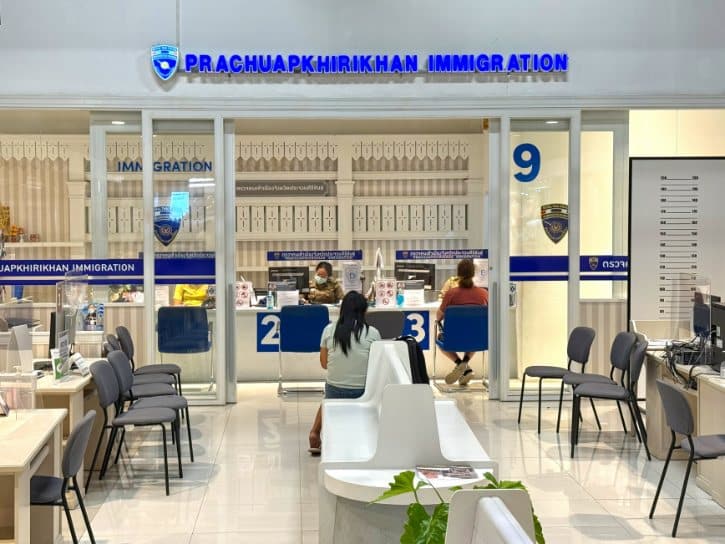
- 30-day extension available at local immigration offices (for a total of 90 days)
- Thailand Digital Arrival Card (TDAC) required within 72 hours of entry
- Airlines are still boarding passengers based on the 60-day rule
The Permanent Secretary for Tourism and Sports confirmed on February 12 that travelers who want to stay longer than 30 days can still apply for extensions “as normal”.
So, if you’re flying in the next few weeks, expect to receive the 60-day stamp. Just keep an eye on the news.
3. Why Thailand Is Making This Change
This proposal didn’t come out of nowhere. The government has been building toward it since the 60-day policy launched in mid-2024.
a. Security Concerns
Since the longer stay window took effect, the Immigration Bureau has noticed a rise in transnational crimes. Think scams and unauthorized work.
By cutting the initial stay to 30 days, authorities can screen travelers earlier if they want to extend.
b. Protecting the Local Job Market
Thai tourism associations have been pushing for this change since 2025. Their concerns include:
- Illegal work by tourists posing as visitors (tour guiding is reserved for Thai nationals)
- Nominee businesses set up by foreigners without proper permits
- Illegal short-term condo rentals that hurt the legitimate hotel industry
c. Most Tourists Don’t Need 60 Days Anyway
Research from the Ministry of Tourism shows the average foreign tourist stays around 21 days.
Long-haul visitors typically stay 14 to 21 days. Short-haul travelers from nearby countries average just seven days.
The government sees the 30-day limit as a way to tighten oversight without affecting the vast majority of genuine tourists.
4. Who Could Be Affected If Implemented

The proposed change would apply to all 93 countries currently enjoying the 60-day visa exemption.
That includes:
- Europe: UK, Switzerland, Austria, Sweden, Spain, Belgium, France, Germany, Norway, Russia
- North America: United States, Canada
- Asia-Pacific: Japan, South Korea, China, India, Australia, New Zealand
- ASEAN: Malaysia, Singapore, Indonesia, Philippines, Vietnam, Laos
- Middle East: UAE, Saudi Arabia, Qatar, Bahrain, Oman
Here’s who would feel it most:
- Typical vacationer (under 21 days): Minimal impact. Most trips fall well within the 30-day window.
- Digital nomads working informally: High impact. You’ll likely need to switch to the DTV (180-day) visa.
- “Visa runners” doing repeat entries: Significant impact. Shorter stay cycles mean more immigration scrutiny on each entry.
- Sabbatical travelers (31 to 60 days): Moderate impact. You’ll need to visit immigration in person and pay the 1,900 THB extension fee.
- Retirees exploring long stays: Indirect impact. The government is also reviewing long-stay retiree visa criteria separately.
If you’re someone who likes to stay longer and reset with border runs, expect more scrutiny.
Immigration officers will have more chances to question travelers who appear to be living in Thailand without a long-term visa.
5. Can You Extend the 30 Days
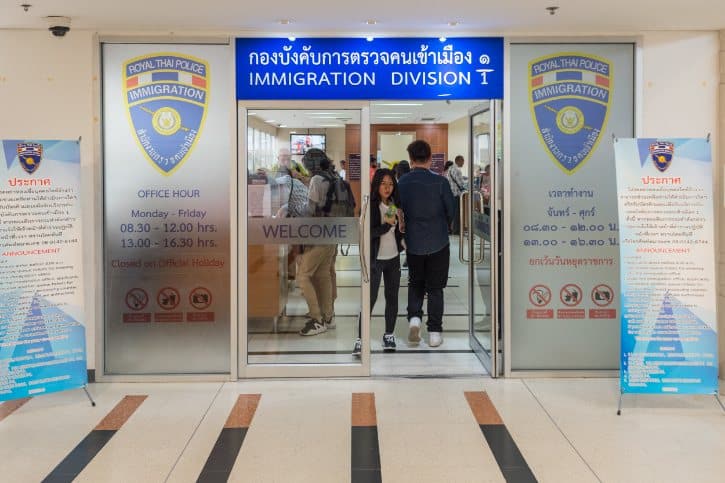
Yes. And this is important.
The government has confirmed that extension privileges will remain in place.
Here’s how it would work under the new 30-day rule:
- Extension duration: 30 days
- Total possible stay: 60 days (30 initial + 30 extended)
- Fee: 1,900 THB (no change announced)
- Process: Apply in person at a local immigration office with TM.7 form and proof of accommodation (TM.30)
The key difference? You’d need to visit immigration after 30 days instead of 60.
This moves the “verification point” forward. The government wants to screen travelers earlier without turning away those who have legitimate reasons for a two-month stay.
6. What Travelers Should Do Now
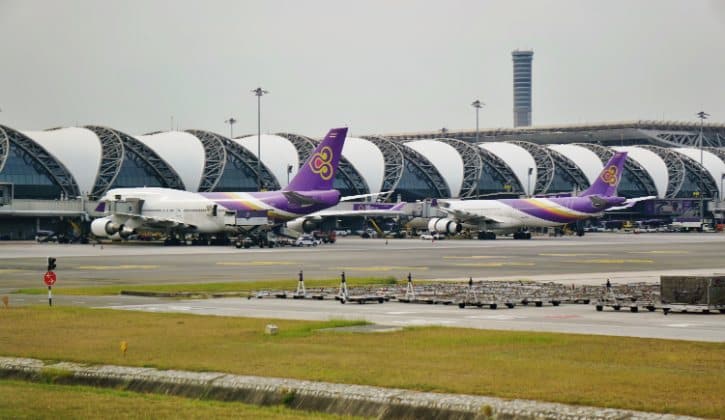
No need to panic. But it’s smart to stay prepared.
Here’s what makes sense right now:
- Trips under 30 days: No changes needed. Plan as usual.
- Trips between 30 and 60 days: Be ready to apply for an extension at a Thai embassy before you travel.
- Arriving in the next few weeks: Expect the 60-day stamp. The government has said more discussions are needed before any change takes effect.
Always carry these documents at immigration:
- Proof of onward or return travel
- Proof of accommodation
- Evidence of sufficient funds (20,000 THB in cash or equivalent)
Random checks are increasing, so it’s better to be prepared.
Don’t forget the TDAC. Complete your Thailand Digital Arrival Card online within 72 hours of travel. It’s mandatory for all arrivals.