Bangkok delivers year-round. The temples, the street food, the rooftop bars, the chaotic markets. It’s all waiting for you.
But here’s the thing. Your experience can feel completely different depending on when you go. The heat, the rain, the crowds, the festivals. They all shift with the seasons.
This guide breaks down the best and worst months to visit Bangkok, so you can plan a trip that actually works for you. 😊
1. Understanding Bangkok’s Weather
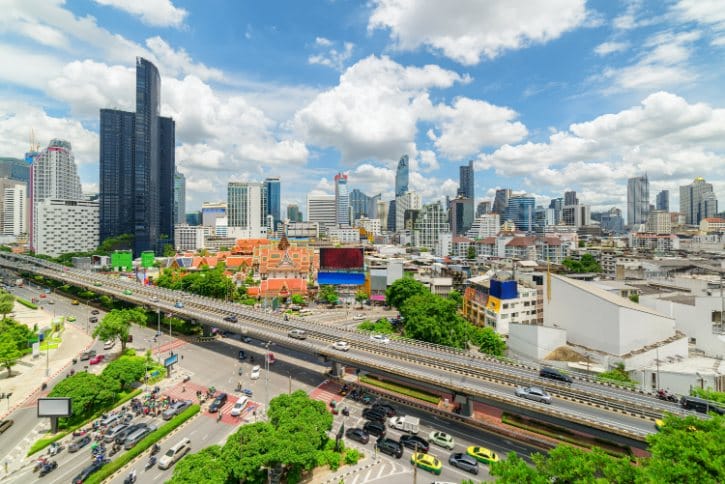
Bangkok runs on three seasons. Once you understand them, everything else makes sense.
a. Cool Season (November to February)
This is Bangkok at its most comfortable.
- Temperatures hover around 27 to 29°C
- Rainfall is rare, with only 1 to 5 rain days per month
- Skies are clearer, with sunshine lasting 7 to 9 hours daily
December and January are the coolest months, with average lows around 21°C. That’s as “cold” as Bangkok gets.
The trade-off? This is peak tourist season. Expect higher prices and bigger crowds at popular spots like the Grand Palace.
One thing to know. Air quality often dips during these months. Pollution levels tend to rise from late December through February, so keep an eye on the air quality index if that matters to you.
b. Hot Season (March to May)
This is when Bangkok earns its reputation for heat.
- Temperatures climb to 30 to 31°C on average, with daily highs often exceeding 35°C
- April is the hottest month, with heat indices that can feel intense if you’re not used to tropical climates
- Sunshine remains strong, around 7 to 8 hours daily
Walking around temples and outdoor markets during midday can feel exhausting. Plan your outdoor activities for early morning or late afternoon.
The bright side? This is when Songkran happens. Thailand’s famous water festival in mid-April turns the city into a giant, refreshing water fight.
c. Rainy Season (June to October)
The monsoon arrives, and Bangkok transforms.
- Rainfall increases dramatically, with September seeing rain on about 18 days out of 30
- Rain days jump to 12 to 18 per month
- Temperatures actually cool slightly, averaging 29 to 30°C
Here’s what most guides won’t tell you. The rain usually comes in short, heavy bursts, often in the late afternoon or evening. Mornings are frequently clear.
The upside? This is when hotel prices drop, crowds thin out, and the air quality improves. The rain literally washes the pollution away.
2. The Best Months to Visit Bangkok

November, December, January, and February are widely considered the best months to visit Bangkok.
Here’s why they work so well.
- The weather is as comfortable as it gets, with lower humidity and pleasant evenings
- Rainfall is rare, so you can plan outdoor activities with confidence
- Major festivals like Loy Krathong (November) and Chinese New Year (January or February) add cultural richness
- The city feels alive, with a buzz of travelers and locals enjoying the cooler weather
December and January stand out as the top picks for first-time visitors. You get the clearest skies, the most manageable temperatures, and the easiest conditions for exploring temples, markets, and neighborhoods on foot.
November is a smart choice if you want slightly fewer crowds while still catching great weather. Plus, Loy Krathong is one of the most beautiful festivals you’ll ever see.
February works well too, though temperatures start warming up toward the end of the month.
Keep in mind. These months are the most popular, so book your hotel early. Prices peak during this window, especially around Christmas, New Year, and Chinese New Year.
3. The Worst Months to Visit Bangkok
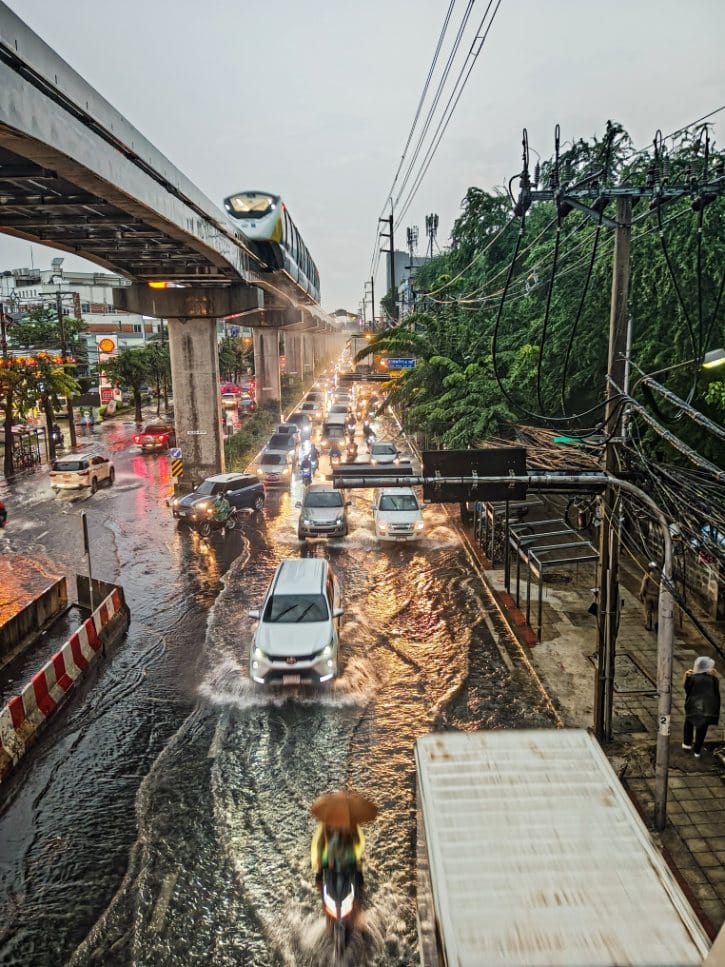
September and October are often considered the most challenging months for visitors.
Here’s what makes them tough.
- September sees rain almost every other day, averaging 18 rain days out of 30
- Flooding risk increases, especially in low-lying districts like Chatuchak, Don Mueang, and parts of Sukhumvit
- Traffic disruptions can turn a 30-minute trip into a two-hour ordeal when heavy rain hits
- Humidity sits at its highest, making even short walks feel sticky
April also ranks among the worst months for outdoor exploration. The heat can feel oppressive, with temperatures regularly exceeding 35°C. If you’re not comfortable in extreme heat, temple-hopping and market strolls will feel exhausting.
March has its own challenge. Air quality tends to peak during this month, with pollution levels that can affect sensitive travelers.
That said. If you can handle the rain or heat, these months offer the lowest hotel prices of the year. Some travelers specifically target these windows for luxury stays at budget-friendly rates.
4. Best Months for Specific Travel Experiences
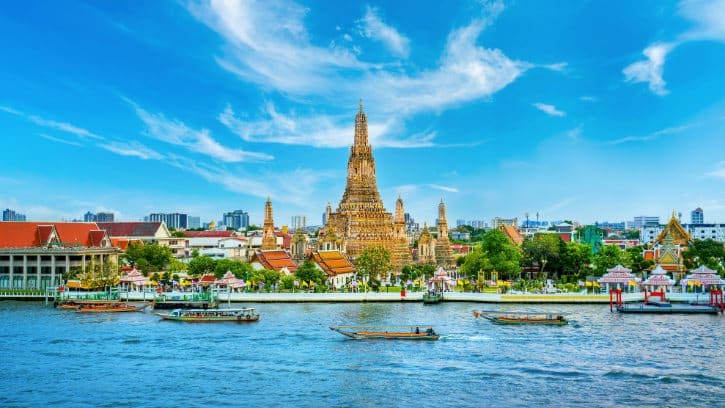
a. Best Months for Sightseeing
November through February is the sweet spot for outdoor exploration.
- Cooler temperatures make walking comfortable, even during midday
- Lower humidity means less fatigue
- Clearer skies are better for photography
- Evenings are pleasant for rooftop bars and riverside dining
If you’re planning to hit the Grand Palace, Wat Arun, Talat Noi, Song Wat Road, and Chinatown, these months give you the best conditions.
b. Best Months for Festivals
Bangkok’s festival calendar has two major highlights.
Songkran (April 13 to 15)

- Thailand’s New Year celebration turns the city into a massive water fight
- The energy is electric, with locals and tourists splashing water everywhere
- Hotels fill up fast, so book at least 80 days in advance
- Yes, it’s hot. But the water keeps you cool.
Loy Krathong (November, full moon)
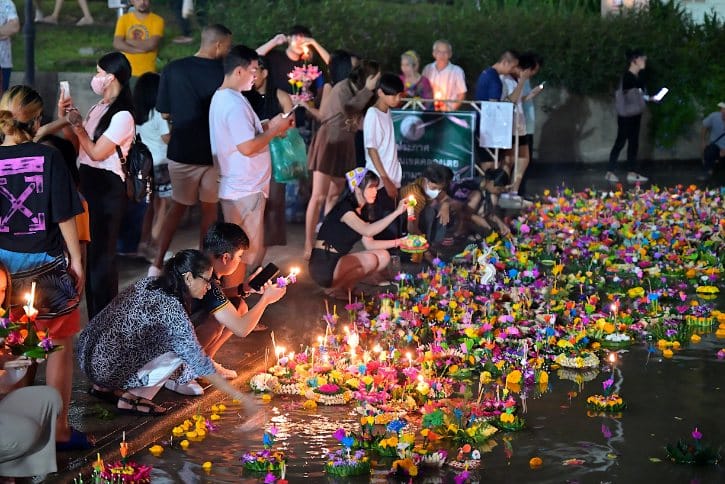
- One of Thailand’s most beautiful festivals
- Locals float decorated baskets on rivers to release negativity and honor water spirits
- The atmosphere is serene and photogenic
- Pairs perfectly with comfortable cool-season weather
Chinese New Year (January or February) also brings vibrant celebrations, especially in Yaowarat (Chinatown).
c. Best Months for Cheap Hotels
June, September, and October offer the best hotel deals.
- Room rates can drop by 30 to 40% compared to peak season
- Luxury properties often run aggressive promotions to fill rooms
- September typically records the lowest average rates of the year
d. Best Months to Avoid Crowds
If your goal is shorter lines, less traffic at major attractions, and more hotel availability:
- May to early June is often a sweet spot. Demand softens as rain increases, but the wettest peak hasn’t arrived yet.
- September tends to be lower-demand for leisure travelers precisely because it’s the wettest month.
5. When Hotel Prices Are Highest and Lowest

Here’s a quick breakdown of Bangkok’s hotel pricing patterns.
Highest prices
- December and January, driven by holiday demand and cool weather
- Mid-April during Songkran festival week
- Chinese New Year period (varies by year)
Lowest prices
- September, with rates averaging 35 to 40% below peak
- June and early July
- Late May
What this means for you. If budget matters, target the shoulder months of May, June, or late October. You’ll still get decent weather while paying far less for accommodation.
If you want the best experience regardless of cost, book December or January early. Prices climb as availability drops.
6. Should You Avoid Bangkok During the Rainy Season?
You don’t need to automatically rule it out. But you should match the rainy-season months with the kind of trip you’re taking.
a. Advantages of Visiting in the Rainy Season
A rainy-season Bangkok trip can be a smart choice if you want value and flexibility.
- Better hotel leverage. Lower-demand months bring lower rates and more promotions
- Fewer crowds. Occupancy is lower in wet months than during the year-end peak
- Bangkok is rain-resilient. The city has a huge inventory of indoor activities, including malls, museums, food courts, massage shops, and rooftop venues that operate between showers. You can often pivot plans without losing the day.
b. Possible Travel Inconveniences
The rainy season is less about constant drizzle and more about frequency and disruption risk.
- More rain days. June to October commonly involve 12 to 18 rainy days per month
- Flood risk is real. Bangkok’s low elevation and location in the Chao Phraya basin make late-monsoon flooding a recurring concern
c. Who May Still Enjoy Bangkok in This Period
Rainy-season Bangkok tends to work well for:
- Budget-focused travelers who treat weather as a tradeoff for better hotel value
- Food, nightlife, and indoor-culture travelers whose must-do list isn’t entirely outdoors
- Longer stays (5 to 7+ days) where you can schedule outdoor highlights on clearer mornings and leave buffer days for storms
The bottom line. The rainy season isn’t for everyone. But if you’re flexible, budget-conscious, or sensitive to air quality, it can actually be a smart time to visit.
Trust me, Bangkok doesn’t stop being incredible just because it rains.