
Thailand’s islands are gorgeous, but visit at the wrong time and you could face choppy seas, canceled ferries, and murky snorkeling.
The secret? It is not about picking the right island. It is about picking the right month.
The good news is Thailand has two coasts with different weather patterns. When one side gets rough, the other is usually calm and sunny.
Here’s everything you need to know to pick the right island at the right time. 😊
1. Why Timing Matters More Than Which Island
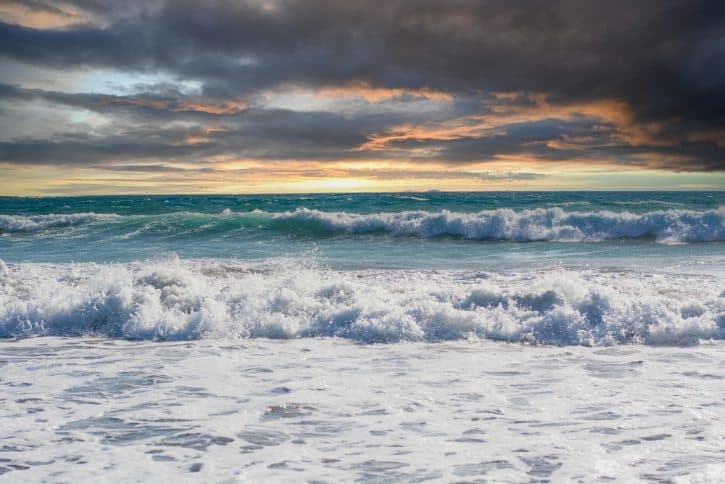
Most travelers spend hours comparing islands but barely think about timing. That is a mistake.
The biggest factor is not rain. It is sea conditions.
Rain in Thailand usually falls in short, heavy bursts lasting an hour or two, often in the afternoon. You will still get sunny mornings on most days. What actually ruins plans is when monsoon winds stir up the ocean.
When that happens, ferries get delayed, snorkeling visibility drops, island-hopping tours get rerouted or canceled, and some smaller islands shut down entirely.
A less-famous island during calm weather will always beat a popular island during a stormy stretch. The month you visit matters more than the island you choose.
2. Andaman Sea Islands: Months to Be Careful
The Andaman coast follows a strict seasonal schedule. May through October is the risk window, with September and October being the worst.
a. Phuket, Krabi, and Nearby Islands
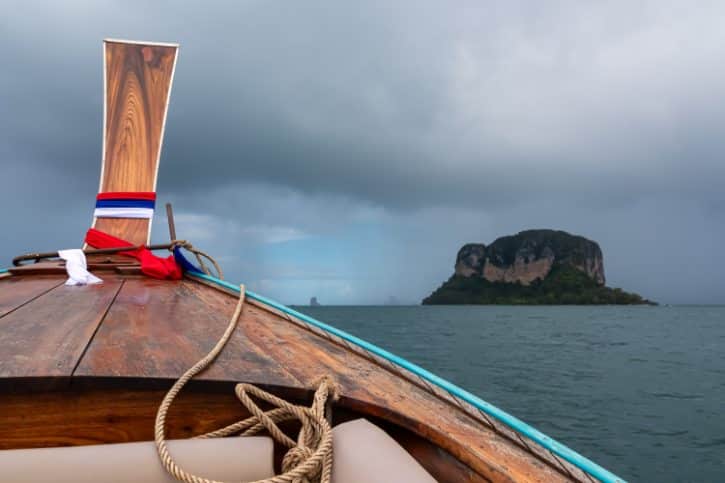
Phuket and Krabi are the main gateways. During the monsoon, west-facing beaches like Patong and Kata become dangerous due to rip currents. June alone can bring 20 to 23 rainy days.
Surrounding islands are heavily affected too. Koh Racha Yai and Koh Racha Noi (south of Phuket) see boat trips become unreliable from June.
James Bond Island tours in Phang Nga Bay get canceled on heavy monsoon days.
Koh Yao Noi and Koh Yao Yai have reduced ferry schedules from June to October.
Day-trip islands like Koh Poda and Koh Hong off Krabi are frequently inaccessible when seas get too rough for longtail boats.
Read More:
b. Koh Phi Phi and Maya Bay
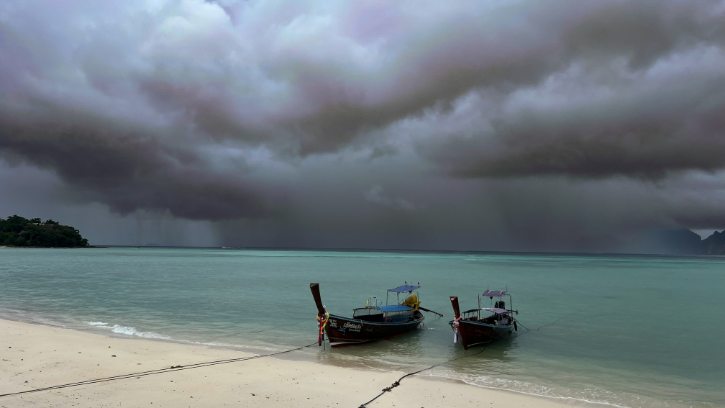
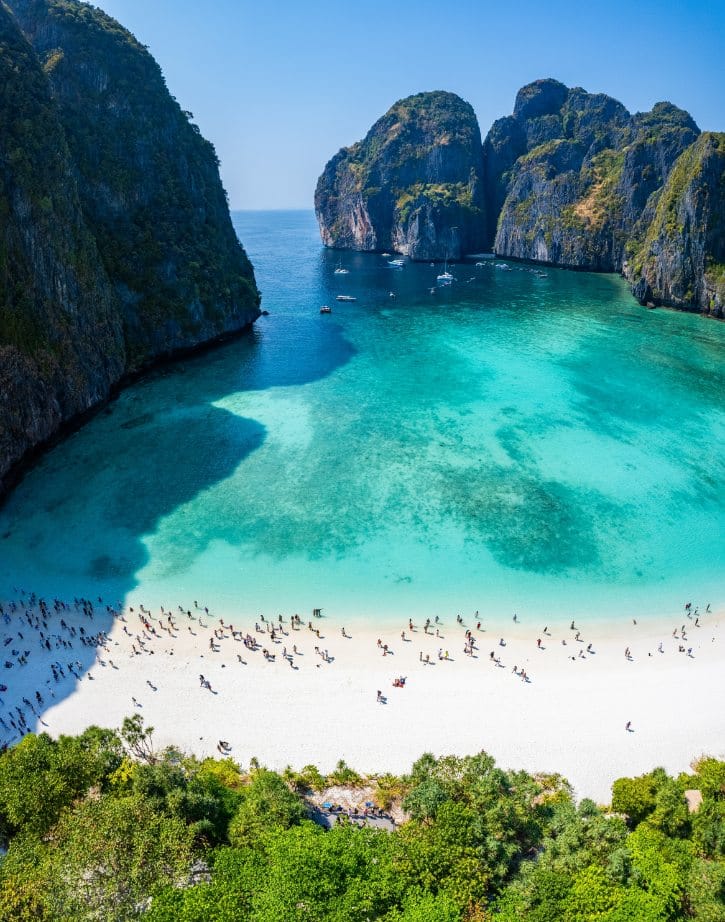
Phi Phi sits right in the monsoon’s path. Maya Bay closes every August and September for coral restoration. Outside those months, boat transfers are still choppy and snorkeling quality drops.
c. Koh Lanta and the Southern Islands
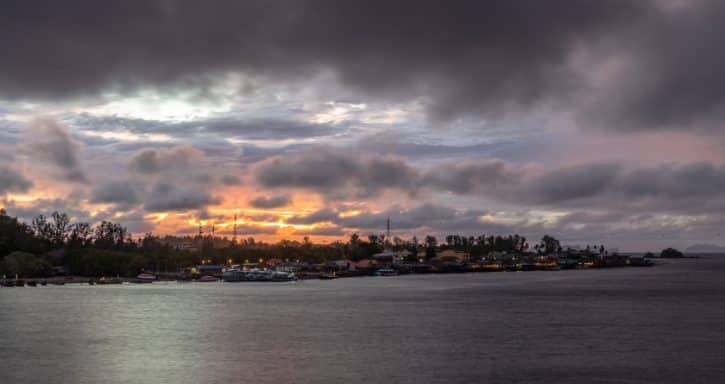
The monsoon hits harder further south. Koh Lanta turns lush in its “Green Season”, but swimming moves to sheltered eastern coves only.
Smaller islands like Koh Ngai, Koh Mook, and Koh Kradan go very quiet during this time. Ferry services become limited, and most resorts take a break from around September to October as the seas get too rough for regular boat transfers.
Koh Phayam, off the coast of Ranong, is one of the most exposed Andaman islands. It faces the open Indian Ocean with little shelter, and boat services become limited from June through October.
Read More: 7 Hidden Islands in Thailand That Are Pure Paradise
d. Koh Lipe
Thailand’s southernmost island stays open year-round, but getting there is the problem.
Speedboats from Pak Bara get canceled frequently during monsoon months.
Worse, you might reach Koh Lipe during a clear window, then a storm moves in and all boats stop.
Travelers call this the “island trapping” effect, and it’s a real risk if you have a mainland flight to catch.
e. Similan and Surin
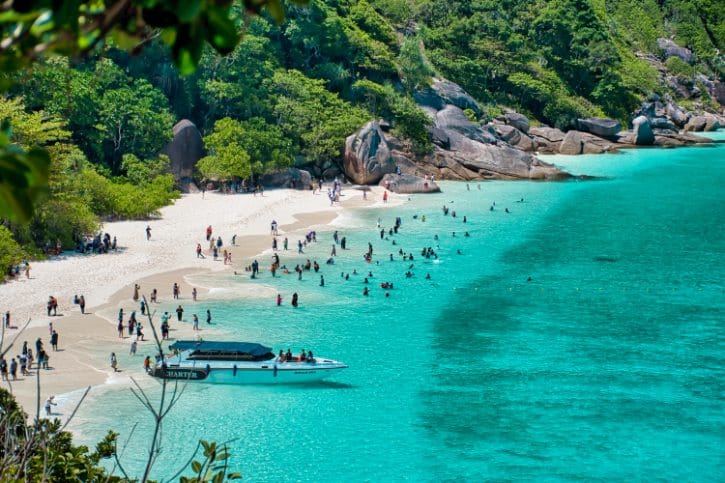
The strictest closures. Both the Similan and Surin National Parks close completely from May 16 to October 14. No exceptions.
Andaman Quick Guide:
- January to March: Peak season. Calm seas, clear skies, all parks open.
- April: Hottest month, but seas still calm. Fully operational.
- June to July: Wet but manageable. Limited island hopping.
- August: Heavy rain, frequent cancellations.
- September to October: Peak rainfall, rough seas, major closures.
- November: High season returns.
- December: Dry skies, calm seas, peak season in full swing.
3. Gulf of Thailand Islands: Different Rules, Different Timing
The Gulf follows a completely different weather cycle, and this is where many travelers get caught off guard.
The Gulf’s worst months are October to December, especially November.
a. Koh Samui, Koh Phangan, and Koh Tao
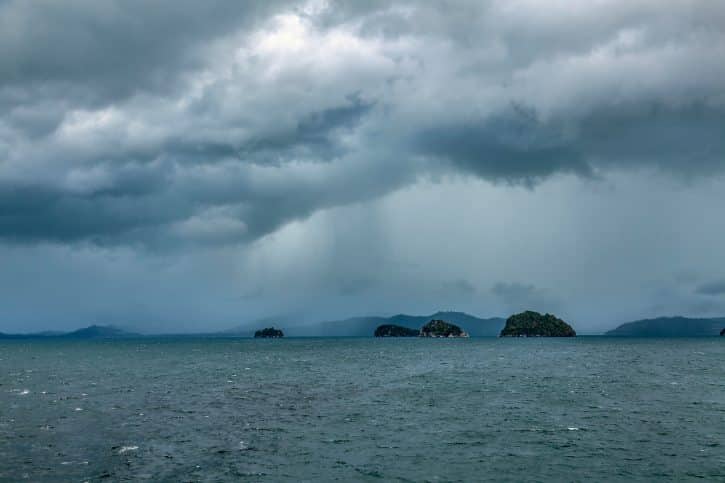
These islands get their heaviest rain between October and December.
November is the wettest month, with Koh Samui getting enough rain to feel like it barely stops for days at a time.
Ferries from the mainland can be suspended, which is particularly frustrating for Full Moon Party travelers heading to Koh Phangan.
Koh Tao and Koh Nang Yuan (the stunning triple island just off Koh Tao) are diving favorites, but visibility drops from 30 meters in April to under 5 meters in November as rain washes sediment into the bays.
The flip side? From June to August, these islands are a great pick. Calm seas, mostly brief afternoon showers, and far less rain than the Andaman side.
b. Koh Chang, Koh Kood, and Koh Mak
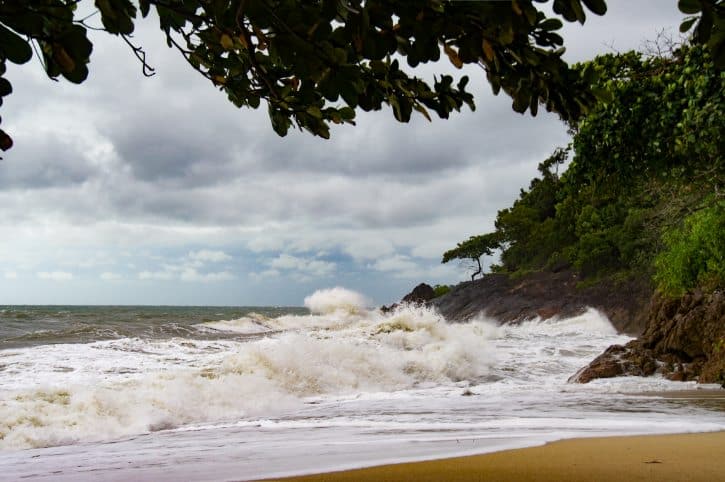
These eastern Gulf islands near Cambodia break the rules. They follow the Andaman pattern because they’re exposed to the Southwest Monsoon.
Koh Chang is one of Thailand’s wettest spots. In September, it rains so heavily and so often that outdoor plans can be wiped out for days.
Koh Kood and Koh Mak are nearly as wet, with August and September bringing relentless downpours that keep the islands soaked.
Read More: 5 Thailand Islands Travelers Can’t Miss
c. Koh Samet and Koh Larn
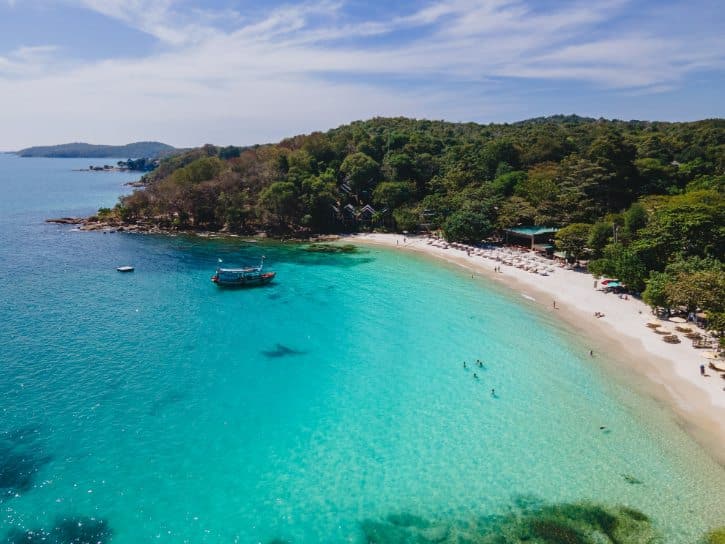
The exceptions. Koh Samet sits in a rain shadow closer to shore, so it gets less rain and boats run more consistently.
Koh Larn off Pattaya is similar, remaining accessible most of the year. If you want a beach during the wetter months without going far from Bangkok, these two are your safest bets.
Gulf Quick Guide:
- January to April: Sunny, dry, excellent diving visibility.
- May to August: Strong pick. Calm seas, brief showers. Great Andaman alternative.
- October: Getting rough. Heavy rain picking up.
- November: Peak monsoon. Worst rainfall, worst visibility, ferry disruptions.
- December: Improving but still wet early in the month.
4. What Actually Happens During the “Bad Months”
It’s not just “a bit rainy”. Here’s what travelers actually deal with:
- Boat cancellations and strandings. Port authorities issue boat warnings at 30-knot winds with little notice. All transit can stop suddenly.
- Rough speedboat rides. Speedboats slam into waves at high speed on routes like Koh Lanta to Koh Lipe, causing injuries and severe seasickness. Always choose large catamarans over speedboats during monsoon months. If you do end up on a smaller boat, sit at the center-back where the bumps are weakest.
- Poor visibility. Monsoon wind stirs up the ocean floor, making snorkeling disappointing even on dry days.
- Beach trash. Seasonal tides wash plastic and debris onto west-facing Andaman beaches. Resorts clean daily in high season, but secondary beaches go unmaintained in low season.
- Red flags and swimming bans. Rip currents on Andaman beaches are genuinely dangerous from June to October. If the red flag is up, stay out.
5. Are These Months Always a Bad Idea?
Not necessarily. Low season has real perks if you go in with the right expectations:
- Lower prices on hotels, flights, and tours
- Fewer crowds at normally packed beaches and dive sites
- Lush green scenery, especially on jungle-covered islands
- Rain isn’t constant, usually just an hour or two in the afternoon
But you need flexible bookings, a willingness to stick to larger islands with more options, and acceptance that some activities won’t be available.
Low season works best for relaxed, go-with-the-flow travelers.
Read More:
- 10 Best Hotels in Phuket
- Only 7 Resorts in Krabi Worth Staying At
- Only 7 Beachfront Resorts in Koh Samui Worth Booking
6. Best Alternatives If You Are Traveling During Those Months
a. Switch Coasts
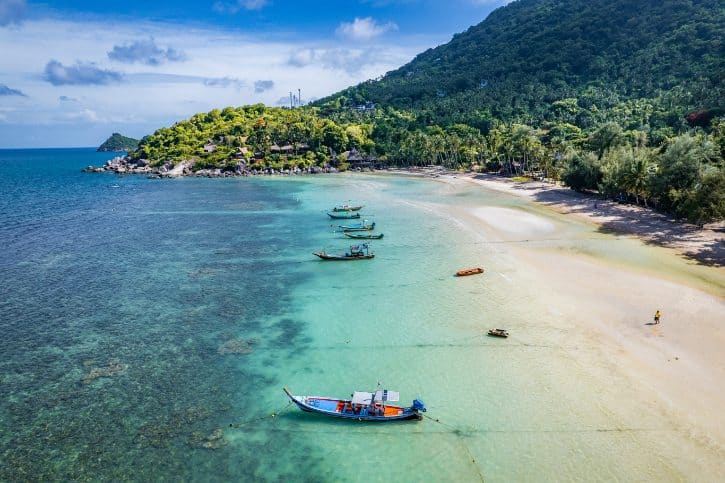
The simplest fix. Visiting June to August? Skip the Andaman, head to the Gulf. Visiting in November? Flip to the Andaman, which will be entering peak season.
b. Switch Islands
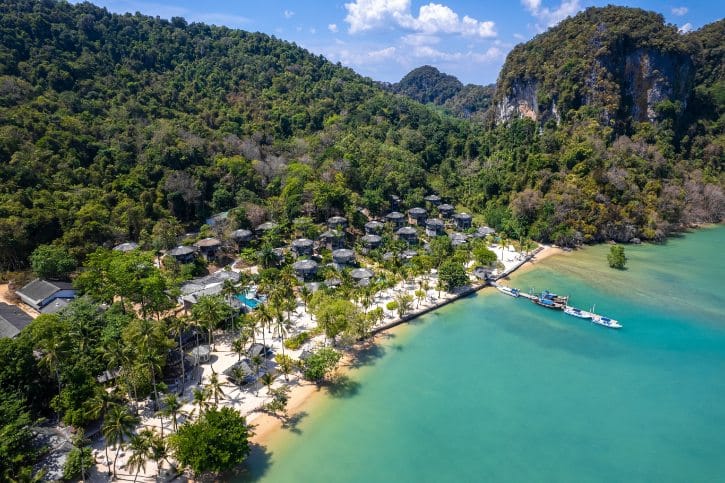
Koh Samet is famously dry even in rainy season. Within the Andaman, Phang Nga Bay (Koh Yao Noi, sheltered side of Phi Phi Don) offers calmer waters.
c. Mix in City Time
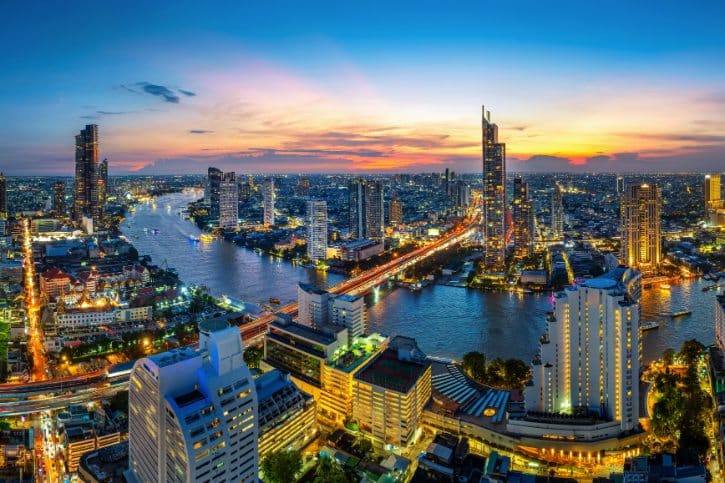
Bangkok, Chiang Mai, and other cultural regions are great in the rainy season. Splitting your trip between a city and an island gives you the best of both.
d. Plan for Flexibility
Book refundable hotels, avoid pre-booking too many tours, and build free days into your schedule.
7. The Best Months for Thailand Islands
- Andaman Coast (Phuket, Krabi, Phi Phi, Lanta, Lipe): Best November to April. Avoid September and October.
- Gulf Coast (Koh Samui, Koh Phangan, Koh Tao): Best February to September. Avoid November.
- Eastern Gulf (Koh Chang, Koh Kood, Koh Mak): Best November to April. Avoid August and September.
- Year-round options (Koh Samet, Koh Larn): Good most of the year, driest November to February.
- Overall sweet spot: January to March, when both coasts are dry and everything is open.
8. Common Mistakes Travelers Make When Choosing Dates
a. Booking non-refundable rooms on remote islands during monsoon. Port closures happen suddenly. Always book refundable or get insurance covering weather disruptions.
b. Choosing speedboats over ferries in rough seas. A large catamaran handles swells that would ground a speedboat fleet. In the Green Season, always pick the bigger boat.
c. Tight connections between island transfers and flights. Build a 48-hour buffer during monsoon months between your last island transfer and your international flight.
d. Ignoring beach red flags. Drownings happen every year because travelers underestimate monsoon rip currents. Red flag means stay out. No exceptions.
e. Assuming all Gulf islands share the same weather. Koh Chang, Koh Kood, and Koh Mak follow the Andaman pattern, not the Gulf pattern.
f. Cramming too many islands into a short trip. One storm day can create a domino effect of missed connections. Aim for 2 to 3 key locations instead.
g. Overlooking park closures. The Similan Islands close May to October, Ang Thong closes November to mid-December. Check dates before you book.
h. Assuming “rainy season” means nonstop rain. It usually means short showers with sunshine in between. The real issue is sea conditions.