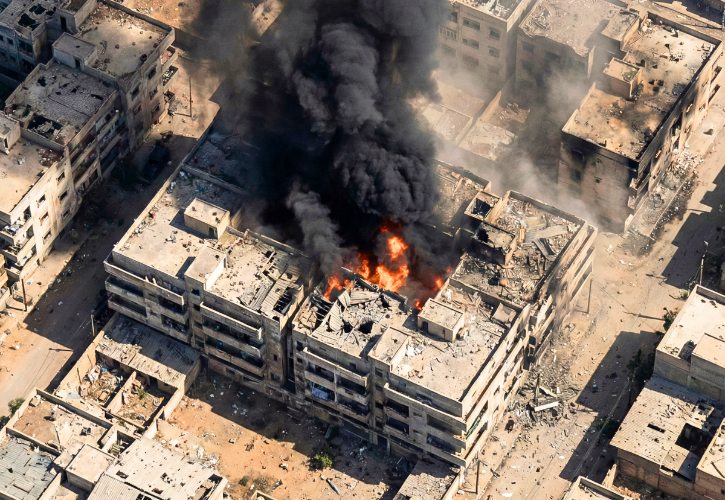
If you’ve been reading headlines about Thailand lately, you’re probably confused.
Reports vary wildly, and it’s hard to know what’s actually happening versus what’s being exaggerated.
The reality? There’s crucial context that most coverage simply isn’t providing.
This guide cuts through the noise and gives you the full picture so you can plan your trip with confidence. 😊
1. Understanding the Border Tensions
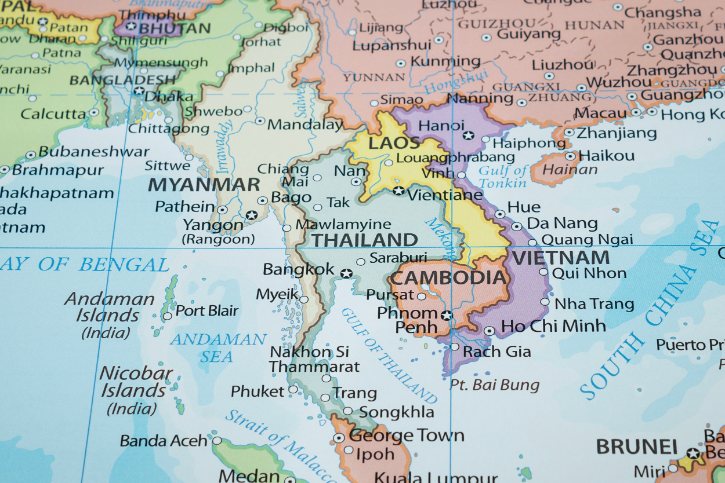
A military conflict has erupted between Thailand and Cambodia along their shared border. These two nations have disagreed about this territory for decades, but 2025 saw a significant escalation.
Here’s how events unfolded:
Phase 1: The Initial Spark (May to June 2025)
- May 28: A brief firefight near Preah Vihear Temple killed one Cambodian soldier, the first deadly border clash in years.
- June 7: Thailand moved more troops into Surin and Si Sa Ket provinces after detecting Cambodian military activity nearby.
- June 15: A leaked phone call between Thai PM Paetongtarn Shinawatra and Cambodia’s Hun Sen created political chaos in Bangkok, rapidly souring relations between both nations.
- June 18: Diplomatic ties crumbled quickly. Cambodia banned Thai imports and broadcasts, while Thailand cut internet and power links to border casinos.
Phase 2: The July War (July 2025)
- July 23: Five Thai soldiers were wounded by landmines in Ubon Ratchathani. Thailand blamed Cambodia for planting new explosives and pulled its ambassador.
- July 24: Heavy fighting broke out at Ta Muen Thom and Ta Kwai temples. Thai F-16s struck Cambodian artillery positions in an operation called “Yuttha Bodin”.
- July 25 to 27: Combat spread to a dozen border sites. Both sides used heavy artillery and rockets. At least 48 people died and over 300,000 civilians fled their homes.
- July 28: Under pressure from ASEAN and the United States, both countries signed a ceasefire in Kuala Lumpur.
Phase 3: The Fragile Peace (August to October 2025)
- August 7: Military leaders met in Malaysia to create a buffer zone, though minor clashes kept occurring.
- October 26: US President Donald Trump helped broker a formal peace agreement in Kuala Lumpur, including plans to mark borders clearly and pull back heavy weapons.
Phase 4: Collapse and Escalation (November to December 2025)
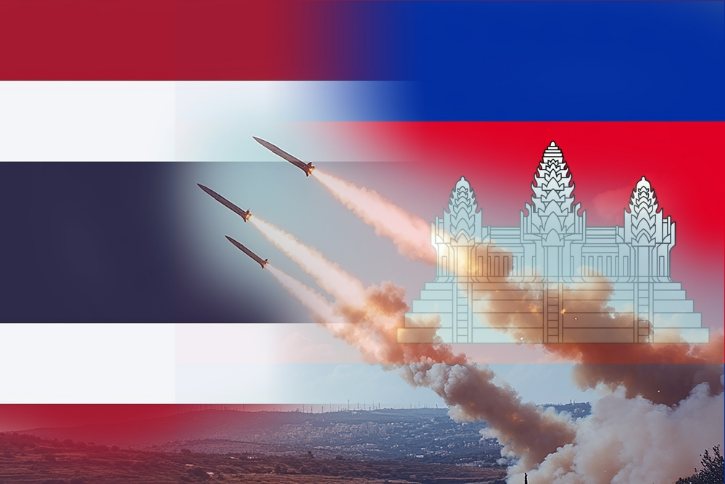
- November 15: A Thai patrol hit a landmine near the border. Thailand called this a violation and suspended the peace deal.
- December 7 to 8: A 30-minute gunfight at Phu Pha Lek restarted hostilities. Thailand launched “Operation Sattawat” to capture strategic hilltops.
- December 14: Cambodia closed every border crossing with Thailand. Reports surfaced of Thai airstrikes near Poipet and Pursat province.
- December 19 to 21: Fighting reached the Gulf of Thailand. The Thai Navy began stopping ships and declared maritime risk zones. Cambodia reported drones flying over its oil platforms.
What most reports fail to mention: All of this is unfolding along a remote border region, far from areas most tourists ever visit.
2. Sorting Out Safe Zones from Restricted Areas
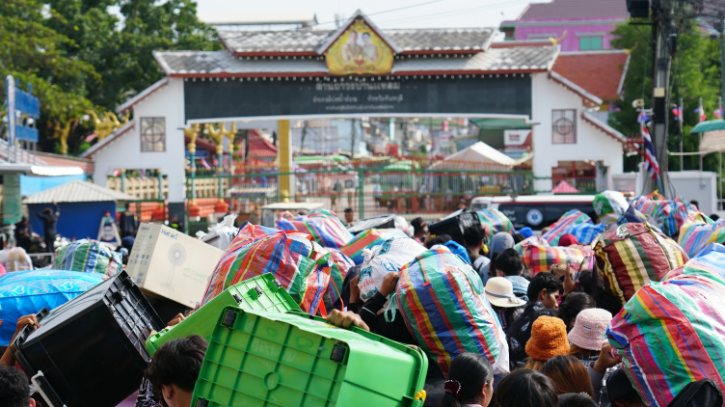
Here’s where online information tends to miss the mark. The actual combat zones are in isolated rural communities that rarely appear on any tourist itinerary.
a. Regions Currently Off-Limits
Seven Thai provinces have active conflict warnings:
- Ubon Ratchathani (northeastern region)
- Si Sa Ket (northeastern region, adjacent to Preah Vihear)
- Surin (northeastern region)
- Buriram (northeastern region)
- Sa Kaeo (eastern region, home to the Aranyaprathet-Poipet checkpoint)
- Chanthaburi (southeastern region)
- Trat (southeastern coast, mainland sections near the border only)
Risk areas generally fall within 50km of the actual frontier. Authorities have imposed curfews and martial law in multiple border districts.
Currently closed locations:
- Khao Phra Wihan National Park (the Preah Vihear temple vicinity)
- Ta Muen Thom and Ta Kwai temple sites near Surin
- Every overland crossing point (including Aranyaprathet-Poipet and Ban Hat Lek)
- Rong Kluea market at the border
Explosive hazards: Unexploded ordnance and landmines pose additional dangers throughout these border districts, including both legacy devices and reportedly some recently placed ones.
b. Clearing Up Confusion About Koh Chang, Koh Kood, and Koh Mak

These beloved islands technically belong to Trat province, which carries a conflict alert.
This technicality has sparked widespread worry among visitors who already booked trips there.
Here’s the reality:
- Zero combat has taken place on any of these islands.
- Open water separates them from the mainland border regions.
- Their location does put them nearer to Cambodia than other Thai beach spots.
- Certain governments recommend additional caution for visitors to these islands.
British authorities have issued a distinct advisory for these islands. Mainland Trat border zones carry an “Advise Against All Travel” designation, while Koh Chang and Koh Kood fall under “Advise Against All But Essential Travel”.
Already have reservations on these islands?
- Look up your home country’s current advisory for specific guidance.
- Reach out to your insurance company to verify your coverage status.
- Resorts and services continue operating, but weigh the decision against your personal comfort level.
- Think about whether switching to islands farther away (such as Koh Samui or Phuket) would feel better for you.
Still in the planning stages? Picking beach destinations farther from the disputed zone helps you sidestep potential insurance headaches or sudden advisory updates.
c. Tourist Hotspots Operating Without Any Disruption
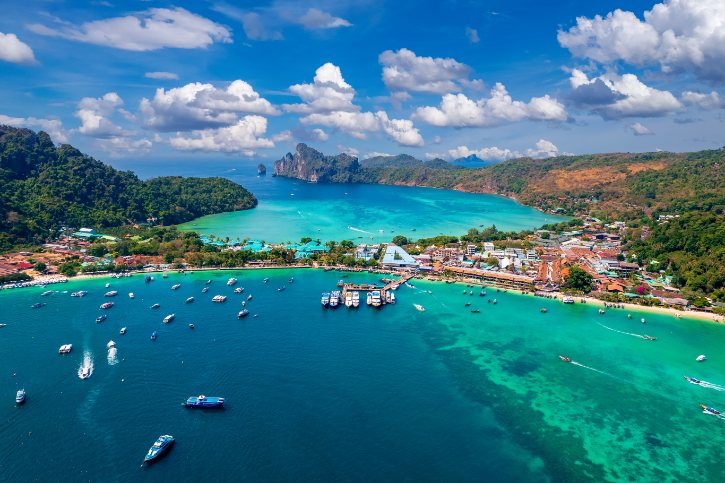
Nearly all of Thailand’s beloved destinations sit hundreds of kilometers from any trouble. Some perspective helps here:
- Phuket rests about 800km away on the Andaman coast, facing west toward open sea.
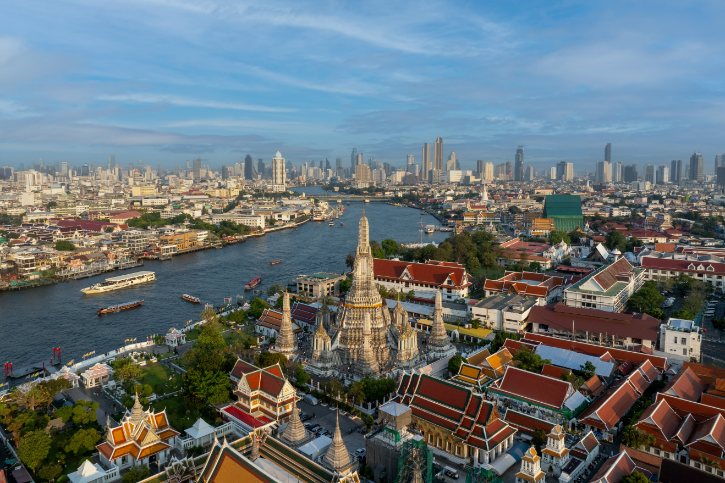
- Bangkok lies about 250 to 300km from the closest affected area. Daily life continues without interruption.
- Chiang Mai sits more than 600km north, sharing its border with Myanmar rather than Cambodia.
- Krabi, Koh Samui, Koh Phangan, Pattaya, Hua Hin, Ayutthaya, and Kanchanaburi all remain completely unaffected by border tensions.
Air travel continues normally. Suvarnabhumi, Don Mueang, Phuket International, and other major airports see no disruptions.
Surprisingly, even Bangkok-to-Phnom Penh and Bangkok-to-Siem Reap flights maintain regular schedules.
Ground transportation has seen small tweaks only in border areas.
Trains heading to Aranyaprathet now stop in town rather than continuing to the frontier station. Everywhere else, buses and trains run their usual routes.
Here’s the simple version: Planning to visit Bangkok, Chiang Mai, Phuket, the southern islands, or any classic Thai tourist circuit? The border situation won’t touch your trip at all.
3. What This Means for Your Upcoming Trip
Not a single major government has advised canceling Thailand travel altogether.
a. Breaking Down Official Government Warnings
Country-by-country guidance looks like this:
- United States: Thailand overall carries Level 2 status (use increased caution). Border zones within 50km receive Level 4 (avoid travel entirely).
- United Kingdom: Warns against traveling within 50km of the Cambodian border. Koh Chang and Koh Kood have a separate “essential travel only” notice. Standard precautions apply everywhere else.
- Canada: Recommends “high degree of caution” for Thailand generally. Says “avoid all travel” to areas within 50km of the frontier.
- Australia: General advice suggests “high degree of caution” nationwide. Border zones within 50km in seven provinces carry “do not travel” warnings.
- Singapore: Asks citizens to postpone non-essential visits to border conflict zones. Issues no broader warning about Thailand itself.
The message across all advisories: Keep away from border regions, but enjoy the rest of Thailand.
b. Green Light for Popular Destination Itineraries

Heading to Bangkok, Chiang Mai, Phuket, Krabi, Koh Samui, Pattaya, or Ayutthaya? Go ahead with your plans.
These places sit far from any conflict. Just use the same common sense you would traveling anywhere.
c. Itineraries That Need Rethinking
Original plans involving these activities require changes:
- Traveling overland into Cambodia: The Poipet checkpoint remains closed. Flying is now your only option.
- Seeing Preah Vihear temple via Thailand: This zone is shut down and dangerous.
- Temple hopping in the Isaan border region: Skip it for now. Phimai or Ayutthaya offer excellent alternatives.
- Hiking the Dangrek Mountain range: Stay clear of anything approaching the frontier.
- Using the Ban Hat Lek crossing near Koh Chang: This checkpoint is not operating.
d. Deciding What to Do About Trat Island Bookings
If you’ve reserved accommodations on Koh Chang, Koh Kood, or Koh Mak, take time to think it through.
These islands welcome guests normally and have experienced no conflict whatsoever.
Still, some governments have flagged them with cautionary notices, which could complicate your insurance situation.
When your schedule allows flexibility, ask yourself whether beaches farther from the disputed area might offer more peace of mind.
4. What Your Travel Insurance Probably Won’t Tell You

Most travelers assume their policy will protect them. Here’s the uncomfortable truth: standard coverage almost certainly excludes anything connected to this conflict.
a. Typical Policy Gaps
Armed conflict and unrest: Nearly every policy contains exclusions for war and warlike actions. Claims stemming from the Thailand-Cambodia situation give insurers grounds for denial.
Ignoring government warnings: Plenty of policies become void when you enter regions under official “do not travel” advisories. Border areas carry exactly this designation. Entering anyway and running into trouble? Your insurer can refuse payment.
Foreseeable situations: Insurance protects against surprises. Known risks don’t qualify. Since this conflict made headlines before you might have purchased coverage, related claims likely won’t be honored.
Canceling because you’re worried: Regular cancellation coverage lists specific qualifying reasons. Anxiety about conflict or government warnings typically doesn’t make that list. Backing out because you feel uneasy won’t trigger reimbursement.
b. Coverage Questions for the Trat Islands
This gets complicated. Koh Chang, Koh Kood, and Koh Mak carry “cautionary” status from certain governments rather than outright travel bans.
Speak directly with your insurance provider about these specific islands. Your coverage could hinge on:
- The precise advisory level your home country has assigned to these islands
- Exact language in your policy regarding advisory classifications
- Whether you bought coverage before or after advisories went into effect
Request written confirmation before departing.
c. Key Terms to Find in Your Policy Documents
Dig out your coverage paperwork and search for:
- General Exclusions: Watch for terminology like “war”, “armed conflict”, “civil unrest”, or “insurrection”. These situations typically receive no coverage.
- Unsafe Destination Provisions: Some policies specifically mention government advisories. Visiting “do not travel” zones could invalidate your entire policy.
- Cancellation Terms: Review the list of approved cancellation reasons. Missing items like “acts of war” or “government travel advisories” mean those scenarios won’t qualify.
- Emergency Removal Coverage: Check whether political or security-related evacuations are included, and note any conditions attached.
d. Smart Moves to Make Now
- Call your insurance company. Pose direct questions: “Does my policy cover changes caused by this conflict? What about stays on Koh Kood? Which exclusions apply to my situation?” Always get responses in writing.
- Look into upgrades. Still haven’t departed? Adding Cancel For Any Reason (CFAR) coverage might still be possible. This option typically returns 50 to 75 percent of costs regardless of why you cancel.
- Keep records of everything. Problems require proof. Save news articles, screenshots of government advisories, and any communications from airlines or hotels.
The essential takeaway: Expect that standard travel insurance excludes anything directly tied to the border conflict. Entering “do not travel” zones can cancel your coverage completely. Playing it safe means avoiding restricted areas and heeding official recommendations.
5. Putting It All Together
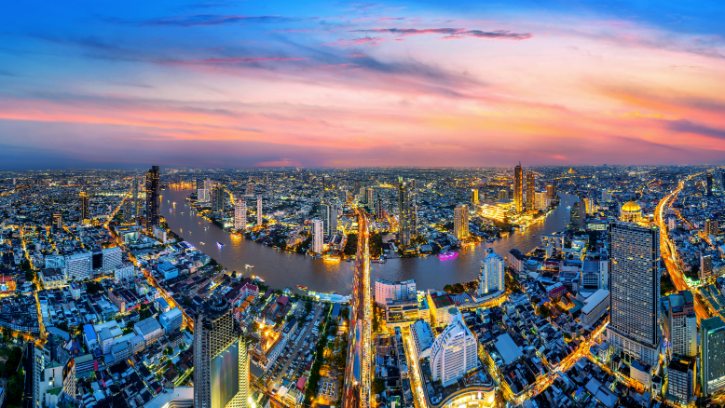
Thailand welcomes tourists safely across the overwhelming majority of the country.
One important exception: Stay away from the Cambodia border conflict zone.
Does your itinerary feature Bangkok, Chiang Mai, Phuket, Krabi, Koh Samui, Pattaya, or southern Thailand beaches? Proceed without worry. These destinations operate normally, far removed from any hostilities.
Wondering about Koh Chang, Koh Kood, and Koh Mak? These islands see no conflict and continue serving visitors.
That said, some governments have issued cautionary notices about them. Review your country’s specific guidance and sort out insurance coverage before booking.
Thailand continues welcoming millions of visitors with open arms. Keep yourself informed, respect the border restrictions, and you’ll discover the same incredible destination travelers have loved for decades.