
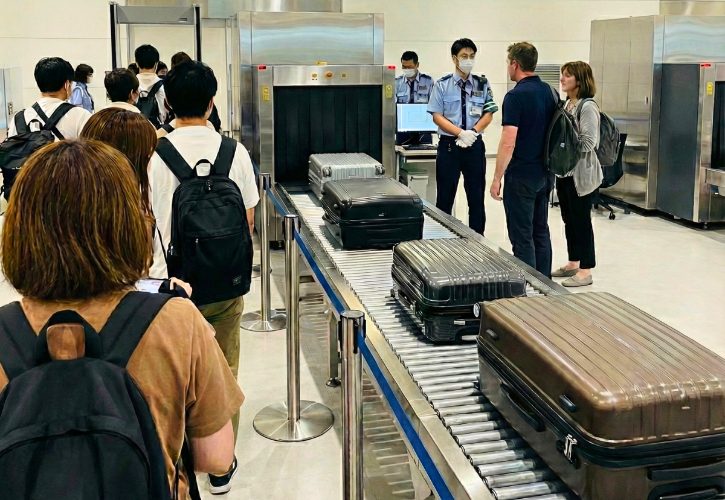
Japan is one of the easiest countries to travel. The trains run on time. Everything is clean. People are helpful even when you don’t speak the language.
But there are a few small things that catch tourists off guard.
They’re the kind of details you only learn after making the mistake yourself, or hearing it from someone who’s been there.
I hope this guide helps you skip the learning curve and enjoy Japan from day one. 😊
1. Packing Heavy
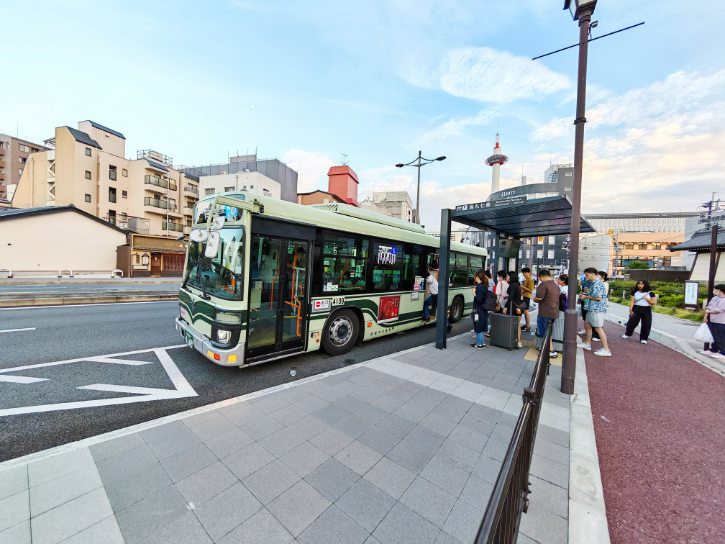
Large, heavy luggage becomes a real problem in Japan. The country’s travel infrastructure isn’t built for oversized suitcases.
Some cities are even stricter now. Kyoto has started banning travelers from bringing large luggage on city buses.
Why large luggage causes problems:
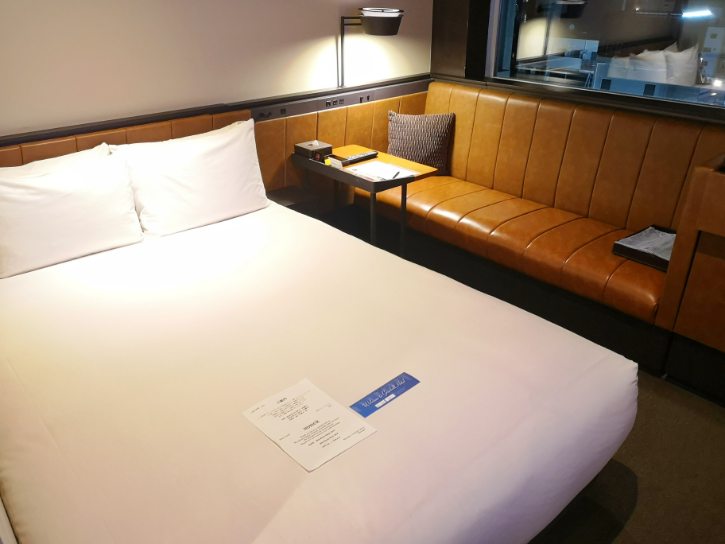
- Hotel rooms are small. Many rooms are only 15-20 square meters. A giant suitcase can barely fit on the floor. If you plan to bring large luggage, book a bigger room size to give yourself space.
- Stations require lots of walking. Elevators exist but can be far from where you need to go.
- Shinkansen has size rules. Bags over 160 cm total dimensions require a special seat reservation. Bags over 250 cm aren’t allowed at all.
- Unreserved oversized bags can result in a ¥1,000 fee from the conductor.
Physical and logistical stress:
- Wrestling your bag up and down stairs in crowded stations
- Blocking doorways on trains
- No space to open your suitcase in tiny hotel rooms
- Exhaustion from hauling weight through compact spaces
Smarter packing strategies:
- Aim for one medium suitcase under 20 kg and within 160 cm total dimensions. Avoid bringing large luggage if you’re booking a small room.
- Pack for 5-6 days and use coin laundries. Check if your hotel has laundry facilities before you book.
- Use luggage forwarding services. Your suitcase can be delivered to your next hotel while you travel with just a daypack. You can easily book this through Klook.
- Remember that toiletries and basics can be bought in Japan
- Leave room for souvenirs
Read More:
- 10 Essential Items to Pack for a Japan Trip (and 3 to Avoid)
- 10 Best Hotels in Tokyo for Easy Travel
- 10 Best Hotels in Osaka
- 10 Best Hotels in Kyoto
2. Bringing Banned Medications

Japan has strict drug import laws. Many common medications that are perfectly legal elsewhere are illegal or restricted in Japan.
Common medicines that are illegal or restricted:
- Adderall and Dexedrine and other amphetamine-based ADHD medications (completely banned)
- Sudafed, Actifed, and Vicks inhalers containing pseudoephedrine
- Tylenol with Codeine, Nurofen Plus and other codeine-containing painkillers
- CBD oil and products containing any THC
- Ambien and some sleep medications (restricted, may require prior approval)
Why prescriptions from home don’t protect you:
Japan doesn’t recognize foreign prescriptions for banned substances. If a medication contains a prohibited ingredient, having a prescription makes no difference at the border.
What happens if customs finds prohibited medication:
- At minimum, the drugs will be confiscated
- You may be held for questioning
- You’ll be without your medication for the entire trip
How to check medication legality in advance:
- Review Japan’s Ministry of Health (MHLW) guidelines
- Check if your medication’s active ingredients are on the prohibited list
- Contact Japan’s Narcotics Control Department if you’re unsure
What to do if you need special approval:
- Talk to your doctor about switching to a permitted alternative for your trip
- For medications like strong sedatives, anxiety medications, or narcotic painkillers, apply for a Yunyu Kakunin-sho (Import Confirmation Certificate) for at least a month before travel
- Bring a doctor’s note listing your medications and conditions
- Keep medicines in original packaging with your name on the label
- Only bring what you truly need (up to one month’s supply for prescription meds)
Read More: 10 Carry-On Rules in Japan
3. Dragging Massive Suitcases on Rush-Hour Trains
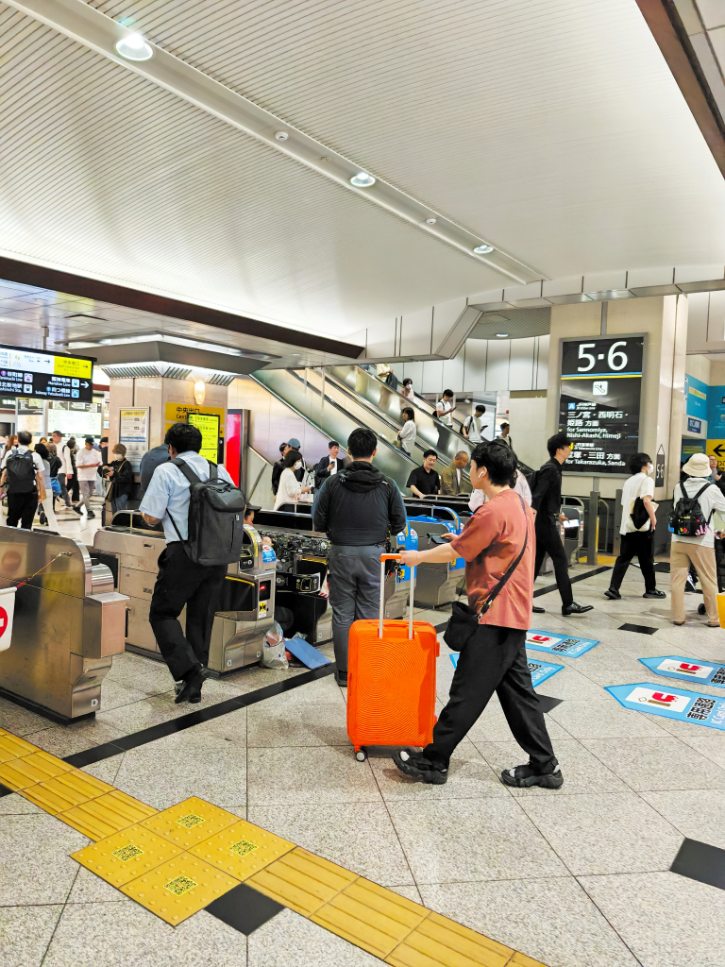
Tokyo and Osaka rush hours (roughly 7:30-9:30 AM and 5:00-7:00 PM on weekdays) are intense. Trains can fill to over 180% capacity. This is not the time for large luggage.
What rush hour is really like:
- Shoulder-to-shoulder crowds with no room to move
- Trains so packed that even a small backpack feels cumbersome
- Station platforms crowded with commuters who know exactly where to stand
Why trains aren’t designed for large luggage:
- No dedicated luggage storage on most commuter trains
- Overhead racks are small and won’t fit large suitcases
- You’ll block doors and walkways
Social and safety issues:
- People may trip over your bag
- You’ll block exits and delay other passengers
- You’ll receive frustrated looks (or worse, be stuck unable to exit at your stop)
Better timing strategies:
- Plan airport transfers for late morning or early afternoon
- Time hotel checkouts after 9:30 AM when crowds thin
- If you must travel during rush hour, stand near the door and stay out of the way
Read More:
- Narita Airport to Tokyo: Fastest & Cheapest Options
- Haneda Airport to Tokyo City: The Fastest and Cheapest Ways
- Kansai Airport to Osaka: The Fastest Ways to Get There
When luggage delivery is the better option:
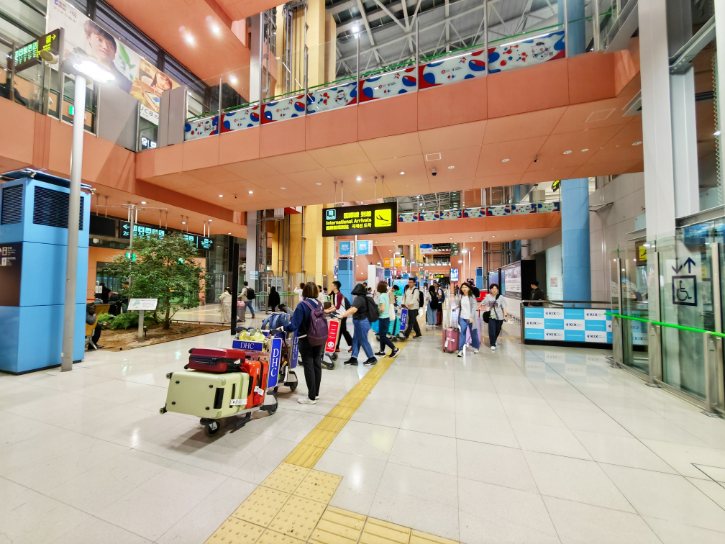
- Send your suitcase from the airport to your hotel. Just search for “[city name] airport luggage delivery” on Klook to book.
- Forward bags between cities (Tokyo to Osaka, for example)
- Travel with just a daypack on busy trains
Shifting your ride by even an hour can make a huge difference.
4. Not Checking the Correct Station Exit
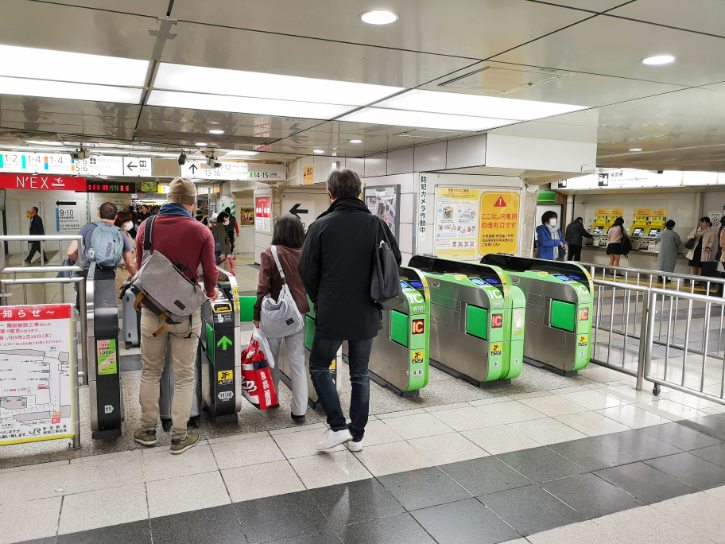
Major Japanese stations can have dozens of exits. Shinjuku Station alone has over 200 exits when you count subway connections.
Coming out the wrong exit can put you on the opposite side of a massive station complex.
Why this wastes time and energy:
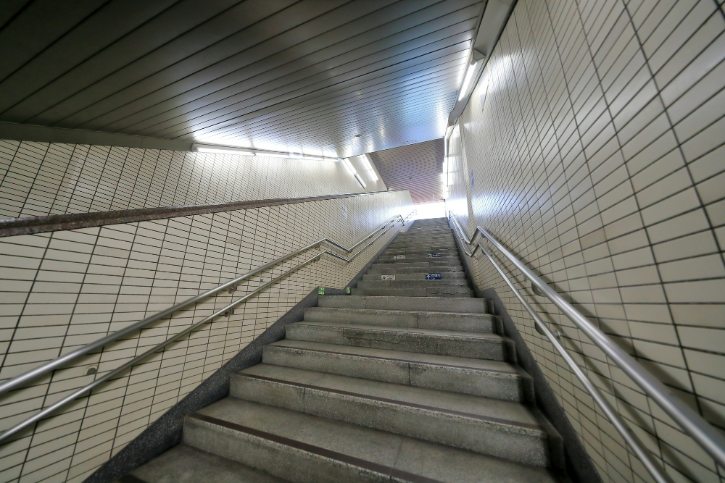
- Exiting the wrong side might mean a 10-15 minute walk to get where you need to be
- You may need to re-enter the station and navigate through again
- Not all exits have elevators or escalators. If you choose the wrong exit, you may have to carry your suitcase up the stairs.
- With luggage, this becomes exhausting
How station exits are organized:
- Exits are labeled with letters and numbers (A1, A2, B1, B2, etc.)
- Letter groups often correspond to different sides of the station
- Signs show which exits lead to which landmarks and districts
The problem with Google Maps:
Google Maps works great for getting you to the station, but GPS signals don’t penetrate underground. Once you’re in the subway, your “blue dot” jumps around or stops updating entirely.
Using maps and signage effectively:
- Before you arrive, check your hotel’s website for the specific exit (e.g., “Exit C4” or “Marunouchi North Gate”)
- Look up your destination’s nearest exit before you arrive (Google Maps often specifies which exit)
- Check which exits have elevators or escalators, especially if you have luggage. Station maps mark these with icons.
- Check the large station maps posted near ticket gates
- Follow signs inside the station before going up any stairs
- Ask station attendants if you’re unsure. They have area maps and can point you in the right direction.
One correct exit choice changes your experience. Spending an extra minute inside the station to find the right exit saves you fifteen minutes of wandering outside, or worse, dragging your bags up a staircase.
5. Standing on the Wrong Side of the Escalator

In Japan, the custom is to stand on one side of the escalator and leave the other side open for people who want to walk. The twist? The side changes depending on where you are.
The Tokyo vs Osaka rule:
- Tokyo (and most of Japan): Stand on the left, pass on the right
- Osaka (and Kansai region): Stand on the right, pass on the left
- Kyoto: Generally follows Osaka’s pattern
How to quickly read the situation:
- Watch what people in front of you are doing
- Follow the flow
- Look for signs on escalators showing the proper standing side
Small habits that help you blend in:
- Keep your luggage neatly on the correct side
- If you’re unsure, wait a moment and observe
- Hold the handrail
- Stations in Saitama and Nagoya are now asking everyone to stand still on both sides for safety. If you see those signs, follow them.
This is a small courtesy that makes a big difference in crowded stations. Follow the locals and you’ll move smoothly.
Related Posts

Photo Credit:
Photos by PIXTA