
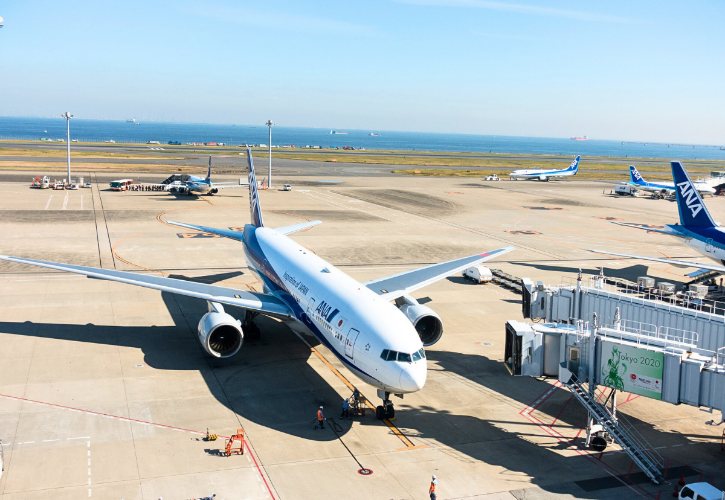
Most trip problems don’t happen in Kyoto or Tokyo. They happen on Day One, right at the airport, the train station, or your first hotel.
The good news? These problems are easy to avoid when you know what to expect.
This guide covers the small but critical details that trip up first-time visitors and even returning travelers.
Get these right, and your arrival will be smooth from the start. 😊
1. Skipping the “Visit Japan Web” Registration
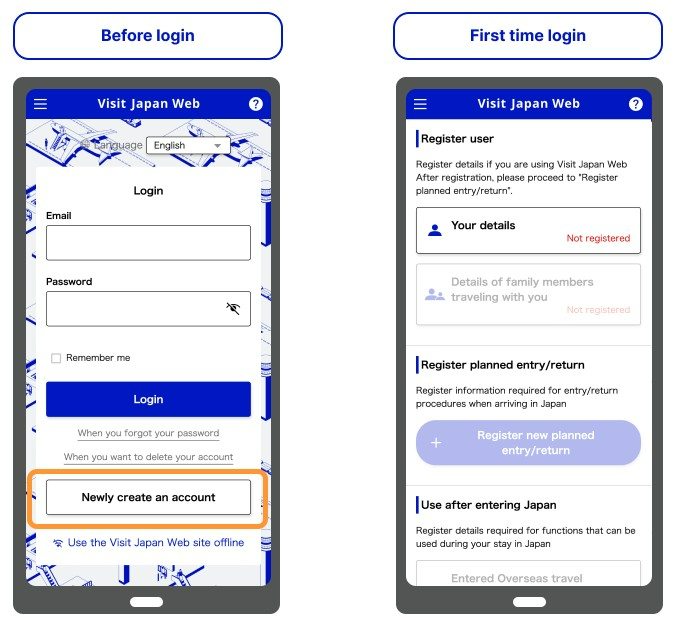
Visit Japan Web is Japan’s official online service for pre-registering your arrival information.
You can submit your passport details, flight information, immigration card, and customs declaration before you fly.
Once complete, you get QR codes to use at immigration and customs instead of filling out paper forms.
a. Why travelers skip it:
- They don’t know it exists
- They assume paper forms will be available on the plane
- They think it’s optional and won’t make much difference
b. What happens if you don’t register:
- You’ll need to fill out paper forms on arrival or at airport kiosks
- You can’t use the faster electronic customs gates
- During busy arrival times, you’ll fall behind other passengers who have their QR codes ready
- The process takes longer when you’re already tired from the flight
c. How to do it right:
- Create your account at Visit Japan Web a few days before departure
- Upload your passport information and answer the immigration and customs questions
- The whole process takes about 15 minutes
- Save or print your QR codes and have them ready with your passport
- Each traveler, including children, needs their own QR codes
Trust me, this saves you time. Walk straight to the immigration officer, have your QR code scanned, and move through without dealing with paperwork.
2. No Proof of Onward Travel
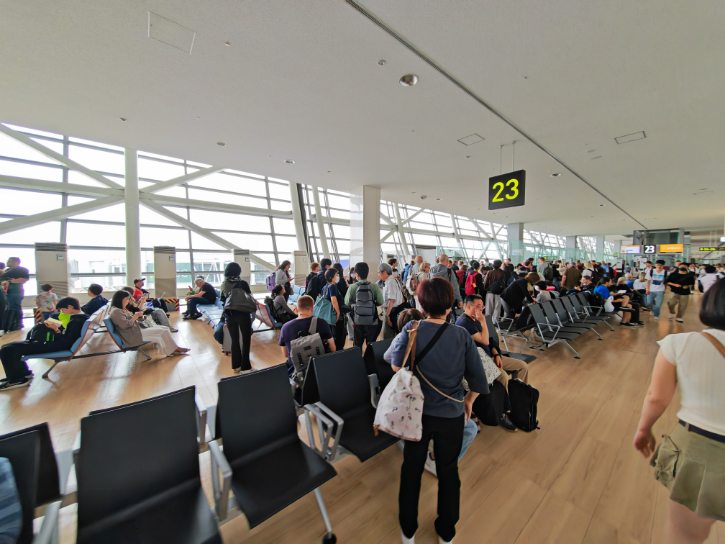
Japan requires visa-free visitors to show a confirmed ticket leaving the country within their allowed stay period. This isn’t a suggestion. It’s an entry requirement.
a. Common misunderstandings:
- Thinking Japan doesn’t actually check for return tickets
- Assuming a one-way ticket is fine for short visits
- Believing the airline won’t ask before boarding
b. What can happen:
- The airline may stop you at check-in before your flight even departs
- Immigration officers may pull you aside for questioning
- You could be asked to purchase a return ticket on the spot at the airport
- In worst cases, you could be denied entry and sent back home
c. Simple ways to avoid this:
- Book a round-trip ticket or a flight to another country after Japan
- Make sure your departure is within your allowed stay period (usually 90 days)
- Keep a printed copy or screenshot of your e-ticket ready to show
- If you prefer flexibility, book a fully refundable return ticket
This is one of the easiest problems to prevent. Have your departure plans ready before you go.
3. Relying Only on Credit Cards
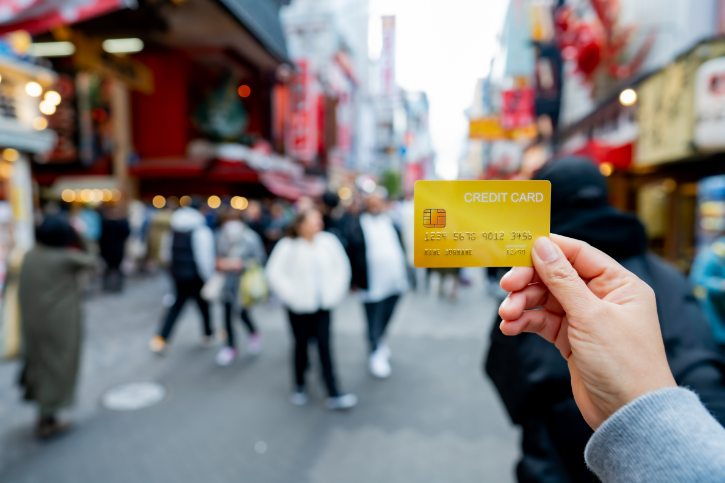
Japan is not fully cashless. While credit cards work at most hotels, department stores, and chain restaurants, many smaller businesses still only accept cash.
a. Where credit cards usually work:
- Hotels and large chains
- Shinkansen ticket counters
- Department stores and major shopping centers
- Convenience stores
b. Where cash is still required:
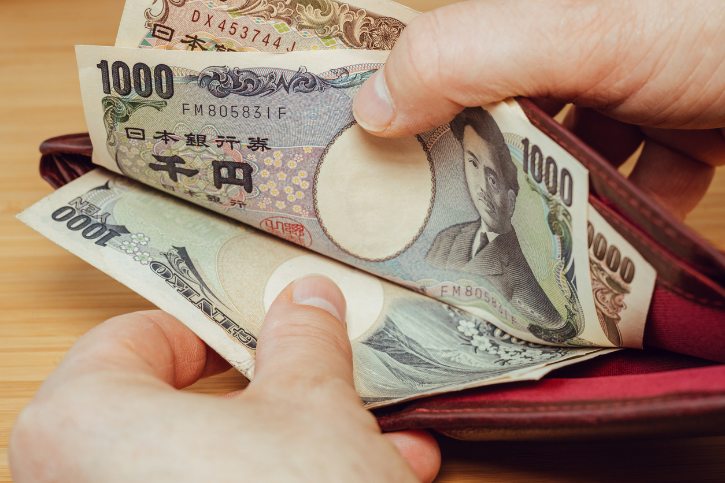
- Small restaurants and ramen shops
- Local buses and trains in rural areas
- Temples and shrines
- Goshuin (calligraphy seals) and omamori (charms)
- Many taxis outside major cities
c. ATM issues foreign travelers run into:
- Some Japanese ATMs don’t accept foreign cards
- Certain overseas card networks like Cirrus or Maestro aren’t widely supported
- Late-night arrivals can be tricky if you can’t find a working ATM
d. How much cash to carry:
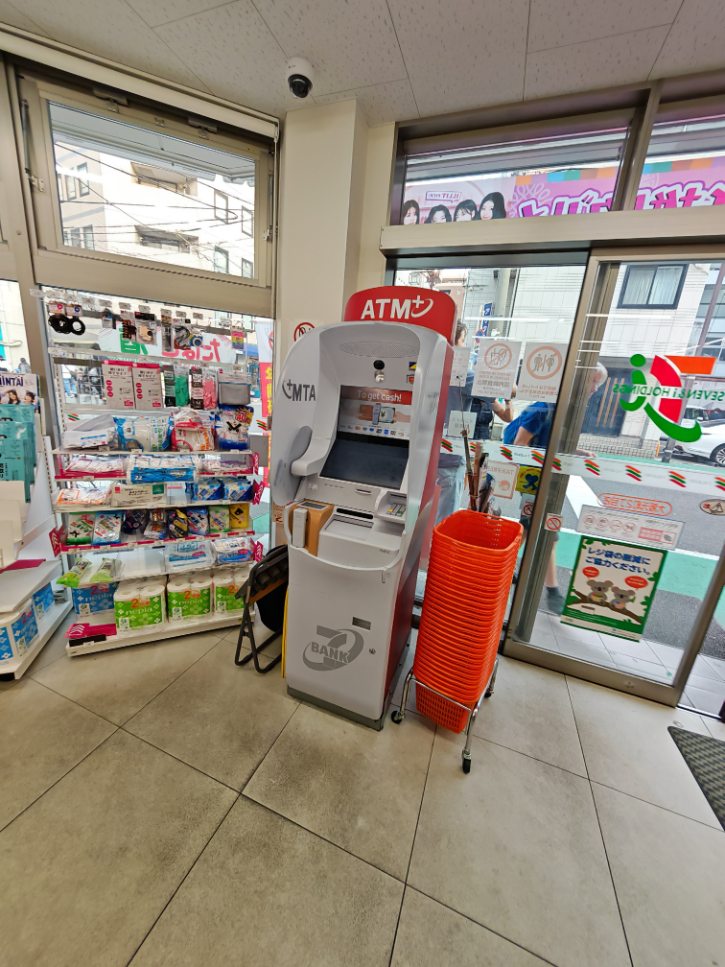
- Start with around ¥20,000 to ¥50,000 for your first week
- Keep about ¥10,000 in smaller bills and coins for daily use
- Withdraw more as needed from 7-Eleven or Japan Post Bank ATMs, which reliably accept foreign cards
e. Smart balance:
- Use your credit card at hotels and big purchases
- Carry cash for everyday spending
- Get a prepaid IC transit card (Suica or Pasmo) and load it with yen for trains and many shops
The key is balance. Cards work sometimes, but cash works everywhere.
4. Only Considering Flights to Narita Airport
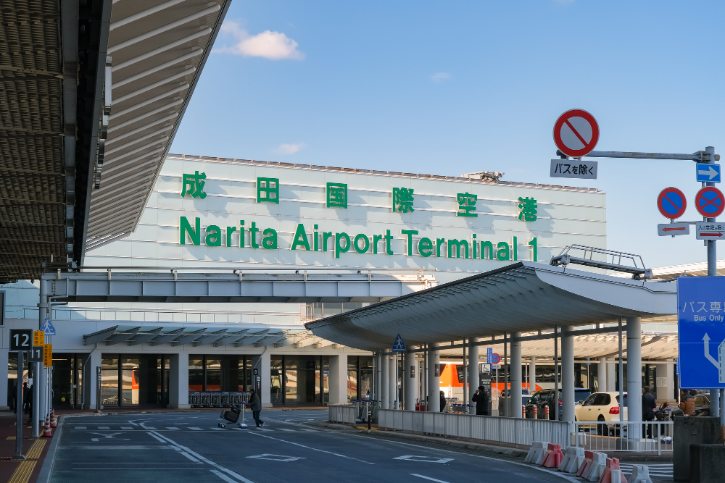
Many travelers automatically book flights to Narita because it’s what they know.
But Tokyo has two major airports, and choosing the wrong one can cost you hours and significant money on your first day.
a. The basics:
- Haneda (HND): About 15-20 km from central Tokyo. It’s actually within the city.
- Narita (NRT): About 60-70 km from central Tokyo, out in Chiba Prefecture.
b. How airport choice affects your first day:
Narita Airport:
- About 60-70 km from central Tokyo
- 60-90 minutes transit time to the city
- Train costs ¥2,500 or more
- Taxi runs ¥25,000-30,000
Haneda Airport:
- About 15-20 km from central Tokyo
- 30-50 minutes transit time to the city
- Train costs under ¥700
- Taxi runs ¥1,0000-12,000
That’s a big difference when you’re tired from a long flight.
Narita train options:
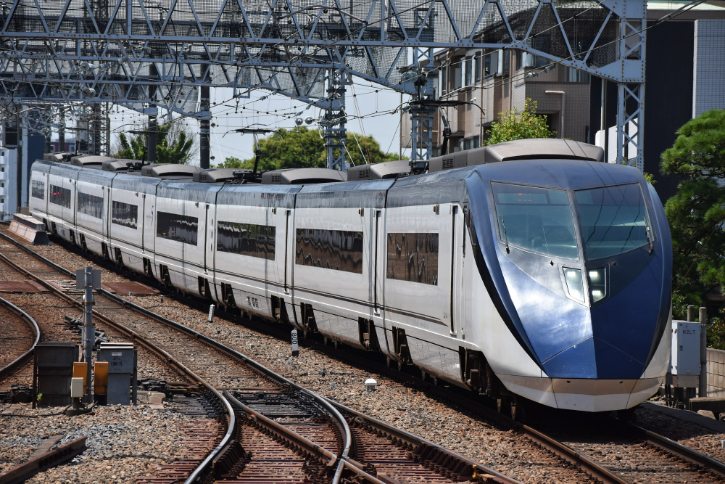
- Keisei Skyliner: Fastest at 50 minutes, but it only goes to Ueno and Nippori. Great if you’re staying in Asakusa or Ueno, less convenient for Shinjuku or Shibuya.
- Narita Express (N’EX): Slower (60-90 minutes) but runs directly to Tokyo Station, Shibuya, and Shinjuku. Covered by the Japan Rail Pass.
- Limousine Bus: Good for families with heavy luggage, but Tokyo traffic can push travel time to two hours.
c. When Narita still makes sense:
- Your airline only flies there
- You found a significantly cheaper fare
- You’re staying near Narita or heading to Chiba
d. When to choose Haneda:
- You’re staying in Tokyo and want the fastest arrival
- You have a late-night arrival or early-morning departure
- You want to spend less time and money on transfers
e. For other destinations:
- Heading to Osaka or Kyoto? Look at flights to Kansai International Airport (KIX)
- Visiting Hokkaido or Kyushu? Check for direct international flights to those regions
Your vacation time is valuable. Don’t spend more of it in transit than necessary.
5. Not Carrying a Trash Bag
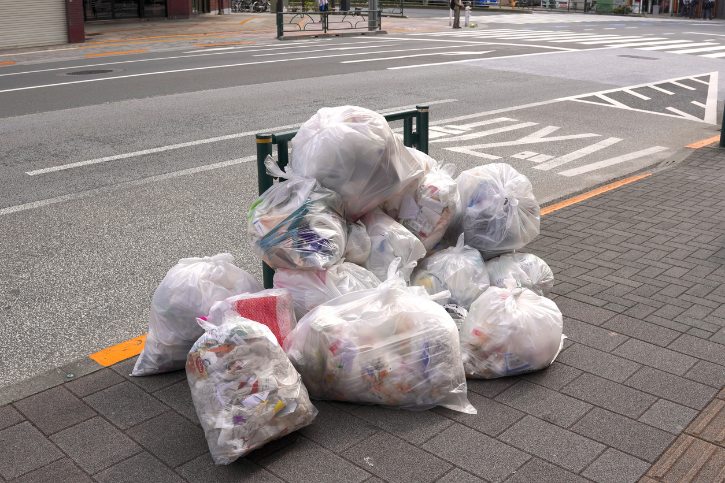
Public trash bins are extremely rare in Japan. You won’t find garbage cans on street corners like you might expect.
Japan’s clean streets come from a simple cultural rule: your trash is your responsibility.
a. Why public trash bins are rare:
- Many were removed for security reasons after the 1995 subway attacks
- The culture expects people to carry their trash until they find a proper place to dispose of it
b. What travelers are expected to do:
- Hold onto your trash until you find a bin
- Never leave garbage on ledges, in restrooms, or on the ground
- Carry a small bag to collect your waste throughout the day
c. Easy places to dispose of trash properly:
- Your hotel room
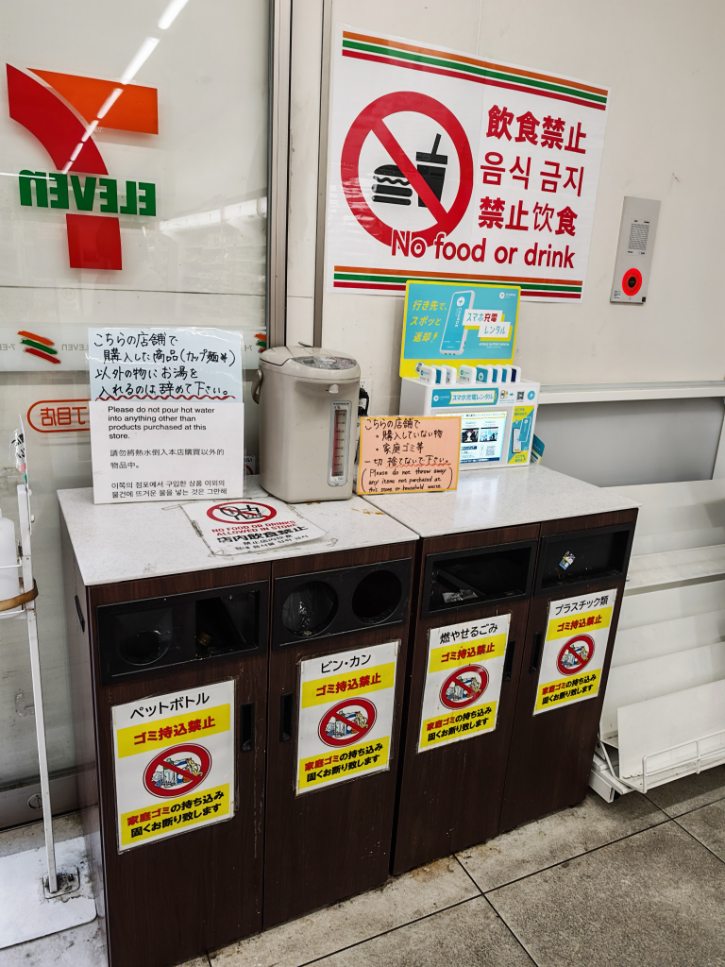
- Convenience stores (they have bins just inside or outside, meant for items bought there but usually fine for small amounts of personal trash)
- Some train stations have bins near vending machines
- Parks sometimes have garbage cans
d. What happens if you don’t plan ahead:
- You’ll be carrying empty bottles and wrappers for hours
- Sticky wrappers end up shoved in your pockets or backpack
- You’ll spend mental energy worrying about where to dump things instead of enjoying your trip
e. Simple habit that makes your day easier:
Tuck a small plastic bag or ziplock in your daypack each morning. When you have garbage, stash it in your bag. Dispose of it later at your hotel or a convenience store.
This is one of those small Japan travel tricks that makes everything smoother once you know it.
Related Posts

Photo Credit:
Photos by PIXTA