If a trip to France is on your radar, here’s a little heads-up from one traveler to another.
A few things have quietly changed lately, and they touch the everyday parts of any trip more than you might expect.
None of it is hard to handle once you know what to look for, and a bit of planning ahead makes the whole experience feel easier and more relaxed. Think of this as a friendly catch-up before you go.
Here are the updates worth knowing, so you can travel with confidence and let nothing catch you by surprise. 😊
1. Biometric Entry and Exit System (EES)
a. What it is
- The Entry/Exit System (EES) is a digital border system that tracks short-stay arrivals, departures, and refused entries across the Schengen Area.
- France uses it as a full Schengen member.
- Manual passport stamps are now gone, replaced by automated digital records.
b. Where it stands now
- The system is now fully active across all Schengen countries, including France.
- It runs automatically at the border, so there is nothing to set up in advance.
c. Who it affects
- All non-EU and non-EEA travelers on short stays of up to 90 days in any 180-day period.
- This includes visa-exempt visitors from the US, UK, Canada, Australia, New Zealand, Singapore, and Japan.
- Exempt: holders of long-stay (D-type) visas and residence permits, such as a French carte de séjour.
d. What happens at the border
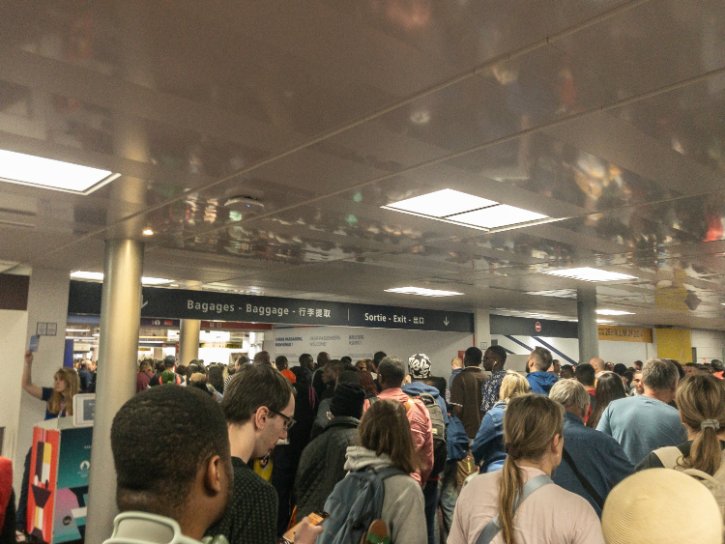
- Registration happens at your first entry into the Schengen zone, at air, sea, rail, and land borders, including Eurostar terminals and ferry ports.
- You complete biometric enrollment at a kiosk or desk, giving a facial scan, four fingerprints, and your passport data.
- There is no fee and no need to register before travel.
- Your data is stored for three years from your last exit, or five years if you overstay.
- Eurostar passengers use dedicated kiosks (49 in London, 18 in Paris) before check-in, and first-time departures still need manual validation by border guards.
- The PARAFE e-gates at French airports cannot handle first-time registration, so UK and US travelers must enroll manually first, then use the gates on later visits.
e. Practical tips
- Use the same passport for the whole trip, since your record is tied to that document.
- Check your passport is in good condition, as a worn chip can cause a kiosk to reject your scan.
- Track your days with the European Commission’s short-stay calculator.
2. ETIAS Travel Authorisation, Now Expected in 2027
a. What it is
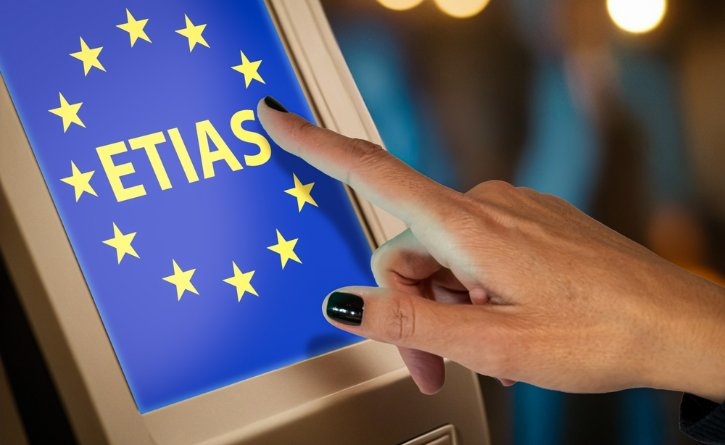
- ETIAS is a pre-travel screening check, not a visa.
- It applies to France and 30 European countries in total.
b. When it starts
- It is not active yet.
- The launch has been delayed again. In mid-2026 the EU removed the “late 2026” date from its official site, and a 2027 start is now the most likely outcome. No exact date is confirmed, and the EU has promised to announce one several months in advance.
- The application portal is not open yet, so watch for the official announcement before making any plans around it.
c. Who needs it and what it costs
- It becomes mandatory for around 60 visa-exempt nations, including the US, Canada, Australia, UK, Singapore, and New Zealand.
- Cost: €20 per application.
- Free for travelers under 18 or over 70.
- Valid for up to 3 years, or until your passport expires, whichever comes first.
d. How the launch works
- There will be a transitional period of at least six months, when you should get authorization but will not be turned away if you meet other entry conditions.
- A further grace period follows before ETIAS becomes fully mandatory for everyone.
- Approval is usually automated within minutes, but can take up to 30 days if a manual review is needed.
e. Practical tips
- You cannot apply yet. Wait for the official portal to open.
- When it is live, use the official europa.eu/etias site only, and apply before booking flights.
- You will need basic passport and travel details to complete the short online form.
- Remember that ETIAS does not guarantee entry, since a border officer still makes the final call.
- Avoid copycat websites that overcharge or steal data, so always check the address ends in europa.eu.
3. Full Phase-Out of Paper Metro Tickets
a. What’s changing
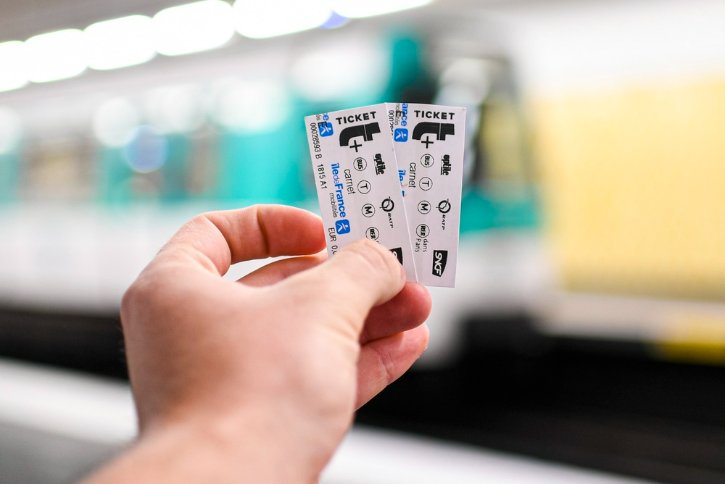
- The old cardboard metro ticket is being retired across Paris and Île-de-France.
- Sales of single-use cardboard “t+” tickets have already ended.
b. Key dates
- Buses and trams: cardboard tickets are no longer valid.
- Rail (metro, RER, trains): they lose all validity in autumn 2026.
- You can exchange unused paper tickets at RATP or SNCF counters until September 1, 2026, up to 20 per day.
c. What to use instead
- Navigo Easy card is the main option for tourists. It is an anonymous plastic card costing €2, sold at any metro or RER station, with no photo or ID
- It holds up to 30 single fares, day passes, or the Paris Visite pass.
- You can also buy fares on your phone using the Bonjour RATP or Île-de-France Mobilités
d. One rule to remember
- Every traveler needs their own card or device. You cannot load several tickets on one card and share it across your group.
e. Practical tips
- Buy a Navigo Easy at your first station or the airport so you are ready to ride.
- Ticket machines have an English option, so select that first to avoid the wrong ticket.
- The biggest mistake is assuming old paper tickets still work, so switch to digital from day one.
4. New Flat-Fare Tickets for Paris Public Transport
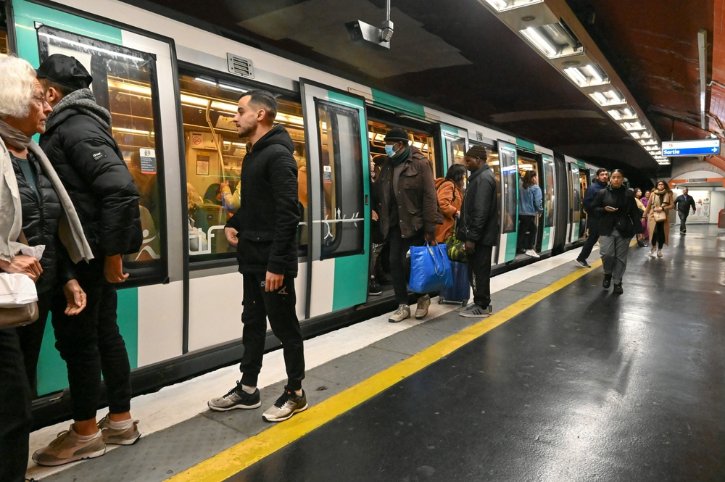
a. What changed
- Paris replaced its old zone-based pricing with simple flat fares.
- You no longer need to puzzle over zones for most trips.
b. The latest fares
- Metro, train, and RER: €2.55 (€1.30 for ages 4 to 9), excluding airport stations.
- Bus and tram: €2.05 (€1.05 reduced).
- To and from CDG and Orly: €14.00 (€7.00 reduced). Airports are not in the standard flat fare.
- Children under 4 travel free.
c. Passes worth knowing
- Navigo Jour (day pass): €12.30, unlimited daily travel, excluding airports.
- Navigo Semaine (weekly): €32.40, unlimited Monday to Sunday, including airports.
- Paris Visite: €30.60 for 1 day or €78.00 for 5 days, including airport rail links.
- The flat rail fare lets you transfer freely between metro and RER for up to 2 hours, as long as you do not exit the gates. You cannot switch between rail and bus on a single fare.
d. Airport travel
- The Orlybus has closed, since Metro Line 14 now reaches Orly in about 25 minutes.
- The Roissybus has also closed. For CDG, use RER B, a taxi, a private transfer, or the new bus line 9517 to Saint-Denis-Pleyel for Metro Line 14.
- Versailles, Disneyland Paris, and La Défense are covered by the standard €2.55 rail ticket.
e. Practical tips
- Short city trips: buy single fares on your phone or Navigo Easy card.
- A full week: the Navigo Semaine weekly pass is excellent value, covering all zones and airports.
- Always carry a valid ticket, since riding without one risks a fine.
5. Higher Paris Tourist Tax
a. What it is
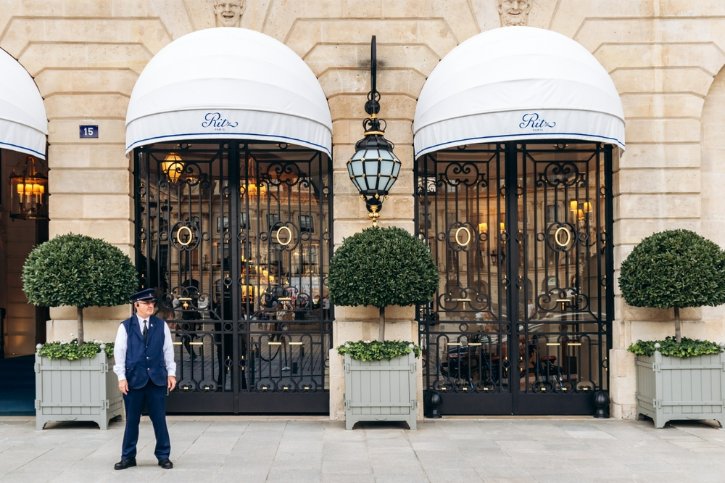
- The tourist tax (taxe de séjour) is a per-night charge added to your accommodation.
- A 200% regional surcharge was added to fund transport projects, pushing the total up.
- The higher rates are now in force, charged per adult, per night.
b. The latest rates
- Palace hotels: €15.93
- 5-star: €11.38 to €11.70
- 4-star: €8.45
- 3-star: €5.53
- 2-star: €3.25
- 1-star, hostels, guest rooms: €2.60
- Campsites: €0.65 to €1.95
c. Who pays and who’s exempt
- Children under 18 are exempt across all categories.
- For Airbnb and unclassified rentals, the tax is 5% of the pre-tax nightly cost per person, capped at €15.93 per adult, per night.
d. How it’s charged
- By law, the tax must be shown separately on your invoice.
- Hotels and booking sites often collect it separately at check-out, so it may not be in the room price you saw online.
e. Practical tips
- Estimate before you book. For example, two adults at a 4-star hotel for 5 nights adds about €84.50 in tax.
- Expect your final bill to be higher than the headline rate.
- Since under-18s are exempt, families pay tax only for the adults.
6. Higher Museum Entry Fees for Non-EU Tourists

a. What changed
- France introduced dual pricing at major sites, with higher fees for non-EU and non-EEA visitors.
- The EEA is the 27 EU countries plus Iceland, Liechtenstein, and Norway.
- The policy is site by site, and more sites may adopt it.
b. The latest prices
- These show the EEA rate versus the non-EEA rate:
- Louvre: €22 / €32
- Versailles: €22 / €25 in winter, €32 / €35 in summer
- Sainte-Chapelle: €16 / €22, or €23 / €30 for the combined ticket with the Conciergerie
- Château de Chambord: €21 / €31
c. Who still gets a break
- Everyone under 18 enters free, regardless of nationality.
- EEA residents and citizens under 26 also enter free.
- Free-entry days still exist, such as the Louvre on the first Friday of each month after 6:00 PM (not July or August).
d. Proof you may need
- To claim the lower EEA rate, bring valid proof of address, a European national ID, or a long-stay visa showing residency.
- This matters if you live in the EEA but are not an EU citizen.
e. Practical tips
- Budget extra if you are a non-EU visitor, since headline sites now cost around €10 more per person.
- Pre-book timed entry online through official channels, as queues are long.
- Buy only from official museum websites, since fake tickets get you turned away.
7. Ban on Disposable Vapes and Sweet Flavours

a. What’s banned
- Disposable single-use vapes, known as “puffs”, are banned. This covers sale, distribution, manufacture, and free offering.
- This applies to any device that is pre-filled and cannot be refilled, even with a rechargeable battery.
b. What’s still allowed
- Refillable and reusable devices remain legal.
- Sweet flavours such as candy and fruit are set to face restrictions, though these limits are planned rather than fully in force.
c. Rules for travelers
- You may bring refillable devices and e-liquids for personal use, following airline carry-on battery rules and customs limits.
- Keep devices in your carry-on.
- Vaping is banned indoors in public spaces, workplaces, and transport.
d. Where vaping stands outdoors
- Vaping is currently exempt from the nationwide outdoor smoking ban.
- Local municipalities can still set stricter rules, so watch for local signs.
e. Practical tips
- It is safest to avoid disposable vapes in France entirely.
- Refillable products are treated more leniently than disposables.
- When in doubt, leave questionable items at home to avoid an accidental breach.
8. Ban on Nicotine Pouches and Similar Oral Nicotine Products
a. What’s banned
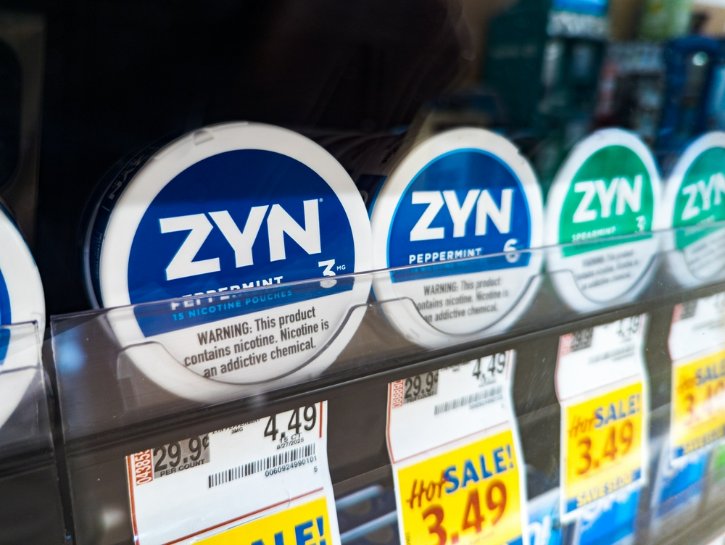
- Under Decree No. 2025-898, non-medicinal oral nicotine products are banned.
- This covers tobacco-free nicotine pouches, gums, beads, and lozenges, including brands like ZYN and VELO.
- The ban applies to import, possession, use, and sale, including items in your personal baggage.
b. What’s exempt
- Only chewing tobacco and licensed pharmacy nicotine replacement products such as gums and patches are exempt.
- A court challenge paused parts of the rule on manufacture and export, but the bans on import, possession, and use remain active.
c. Why it matters at customs
- Carrying a tin of pouches in your pocket or luggage is an infraction under the Customs Code.
- Penalties include confiscation and fines, with a theoretical maximum of one year imprisonment and €15,000.
d. Who should pay extra attention
- Travelers from the UK, US, and Scandinavia, where pouches are common and legal, are most likely to get caught out.
- The ban also covers ordering online to a French address, not just carrying them in.
- Traditional chewing tobacco is treated differently and stays legal.
e. Practical tips
- Leave nicotine pouches at home. Do not pack them, even for personal use.
- If you need nicotine replacement, approved pharmacy products are available in France.
- Check official French health or customs guidance before traveling with any nicotine product.
9. Nationwide Outdoor Smoking Ban

a. What changed
- France introduced a wide outdoor smoking ban that applies nationwide.
- It focuses on outdoor spaces where children are often present.
b. Where it applies
- Public parks, gardens, and state forests
- Public beaches by bathing waters
- Bus shelters, covered waiting areas, and train platforms
- The surroundings of libraries, pools, stadiums, and sports complexes
c. Key points
- These zones are marked “Espaces Sans Tabac” (Tobacco-Free Spaces).
- Breaking the rule carries a €135 fine.
- Café, bar, and restaurant terraces are currently exempt.
- Vaping is not covered by this outdoor ban, though it stays banned indoors.
d. How it’s enforced
- Enforcement is handled by municipal and judicial police.
- Local cities can add stricter rules of their own, so the picture can vary by area.
- Busy Paris tourist areas are covered wherever these spaces apply.
e. Practical tips
- Treat beaches and parks as smoke-free, even without a sign.
- Café terraces remain a legal option for now.
- If you are near a school, park, or beach with no sign, assume smoking is banned to stay safe.
10. Tighter Security and ID Checks in Public Areas
a. The overall picture
- France sits at a standard increased caution level because of the general terrorism risk, the same kind of advice that applies to many countries.
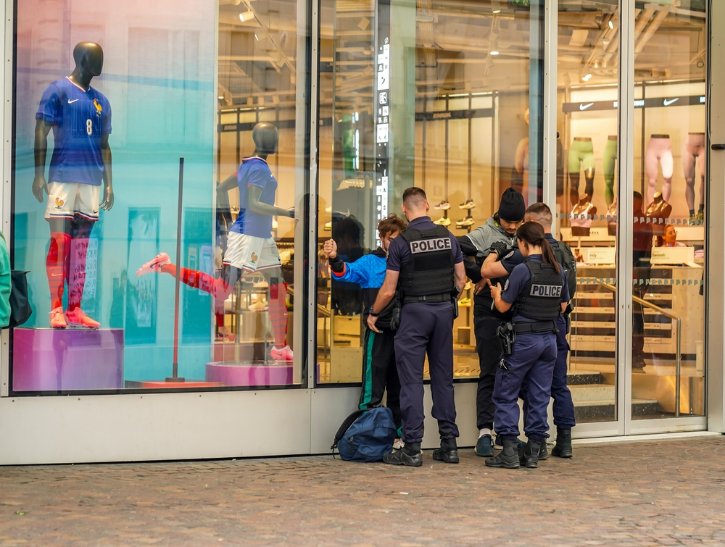
- In practice this mostly means you will see more police and soldiers patrolling busy public areas, which is routine.
- It is a normal part of visiting and not a reason to feel uneasy.
b. Security and bag checks
- Expect quick bag and security checks at the entrances to museums, monuments, big stores, and large events.
- They are routine and usually take only a moment.
- Arrive a little early at popular sites so the checks do not eat into your timed entry.
c. Carrying your ID
- It is a good idea to keep a photo ID on you, such as your passport, when you are out and about.
- Police can run random ID checks, most often near borders, and having ID on you keeps things quick.
- If you prefer to leave your passport at your accommodation, carry another photo ID and keep a clear photo of your passport on your phone.
d. A few good-sense rules
- Do not fly recreational drones in Paris or over crowds, airports, and similar areas.
- Steer clear of protests and strikes, which happen often and can disrupt transport.
- Do not leave bags unattended at airports or stations, since this can prompt a security response.
e. Practical tips
- Carry a photo ID and keep a digital copy of your passport as a backup.
- Treat security and bag checks as a normal, quick part of visiting popular places.
- Have a quick look at your government’s France travel advice before you go, such as your foreign ministry or state department page.