
Where you base yourself in Osaka can quietly make or break your trip. The right neighborhood puts food, trains, and sights within easy reach, while the wrong one adds hours of backtracking.
A few areas are calm and polished. Others buzz with neon and street food, fun to enjoy but worth a little extra awareness after dark.
Osaka is widely regarded as a safe major city for visitors. Still, no city area is completely risk free. Here is how to choose well.
1. Umeda
The Feel of the Area
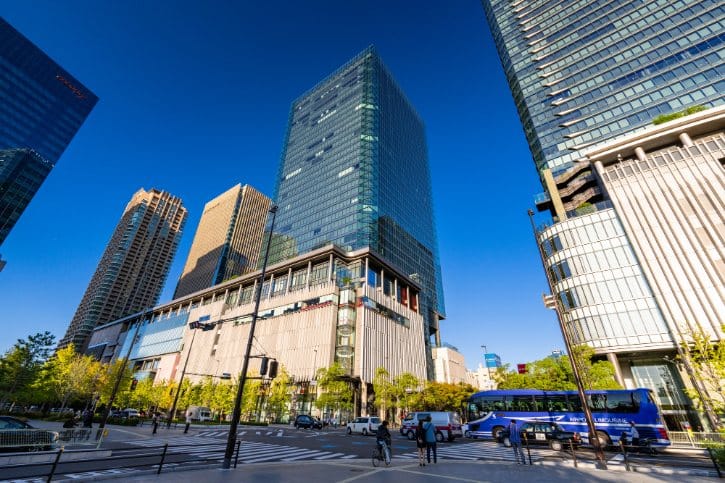
Umeda sits in Osaka’s northern Kita district and is one of the most practical, comfortable bases in the city.
It is a major business, shopping, and transport hub, with clean streets, tall towers, and an organized feel. That suits first time visitors, families, shoppers, couples, and business travelers.
It is comfortable and convenient, though the daily crowds still call for normal city awareness.
Why It Works as a Base
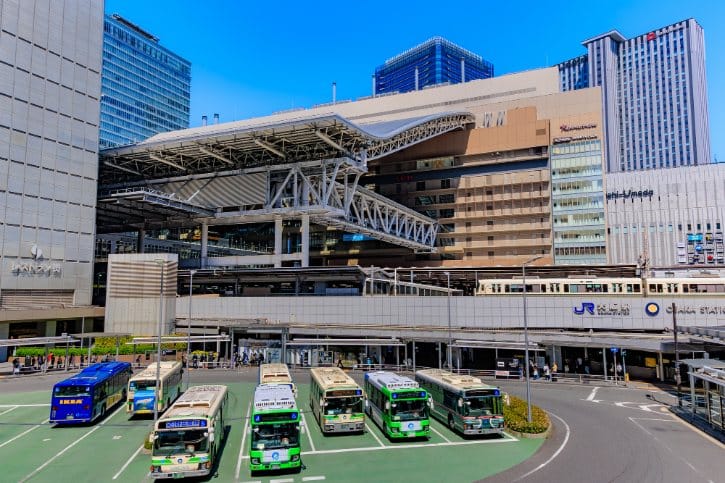
Umeda is anchored by JR Osaka Station, a huge junction that links many rail networks. From here you can reach Kyoto, Kobe, Nara, Shin Osaka, and Universal Studios Japan with ease.
Official municipal tourism data describes Umeda as Osaka’s primary upscale business and shopping gateway, with calmer evenings than the southern nightlife zones.
If you want convenience and quieter nights, it fits.
Getting Around
Main stations to know:
- JR Osaka Station
- Osaka Metro Umeda Station
- Hankyu Osaka Umeda Station
- Hanshin Osaka Umeda Station
- Higashi Umeda and Nishi Umeda
JR Osaka Station serves the JR Osaka Loop Line, the JR Kyoto Line, and routes toward Kobe and western Japan. The Midosuji Line runs straight south to Namba, and the Hankyu and Hanshin lines reach Kyoto, Kobe, and nearby prefectures.
The cluster is very convenient, but switching between operators can confuse first time visitors at peak hours.
Getting To and From the Airport
Umeda links directly to Kansai International Airport:
- JR Limited Express Haruka, the fastest rail option, about 45 minutes.
- JR Kansai Airport Rapid Service, about 65 minutes.
- Airport Limousine Bus, about 60 to 70 minutes. As of January 27, 2026, the main Umeda bus terminal moved to the Hankyu Third Avenue Express Bus Terminal.
Umeda is slightly less direct than Namba, but it stays a strong pick for day trips and northern Osaka.
What to See, Eat, and Do
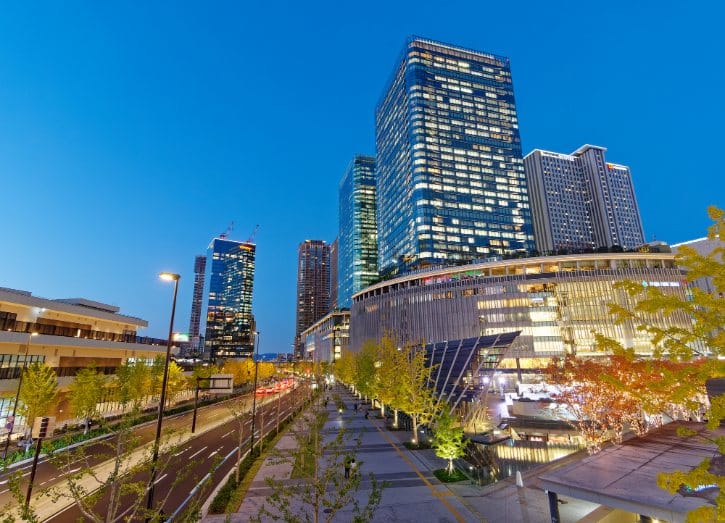
Within walking distance you’ll find the Umeda Sky Building, Grand Front Osaka, LUCUA Osaka, HEP FIVE with its Ferris wheel, and the Hankyu and Hanshin department stores.
The basement food halls, known as depachika, are full of prepared meals and local treats. KITTE Osaka, opened in July 2024 inside JP Tower Osaka, adds the “Umeyoko” dining alley.
Convenience stores and casual restaurants are dense around the hotel zones.
Who It Suits Best
Umeda is ideal for first time visitors, families, shoppers, couples, and business travelers who want a clean, organized base with quieter evenings.
It is especially strong for anyone planning day trips to Kyoto, Kobe, Nara, Himeji, or Universal Studios Japan, thanks to its rail links.
Day and Night
By day, Umeda has the energy of a major business district. In the evening, department store restaurants and basement dining alleys come alive.
Later at night, it grows quieter as commuters leave, with main streets staying well lit and routine. Upscale nightlife pockets like Kitashinchi are lively but well regulated.
Where to Book Your Hotel
Aim for a hotel within a short walk of JR Osaka Station or Osaka Metro Umeda Station, ideally near Grand Front Osaka or the Umekita area on the northern or western side.
Hotels built into commercial towers let you go from train to room without stepping outside. Light sleepers should avoid the late night corridors of Kitashinchi.
2. Namba
The Feel of the Area
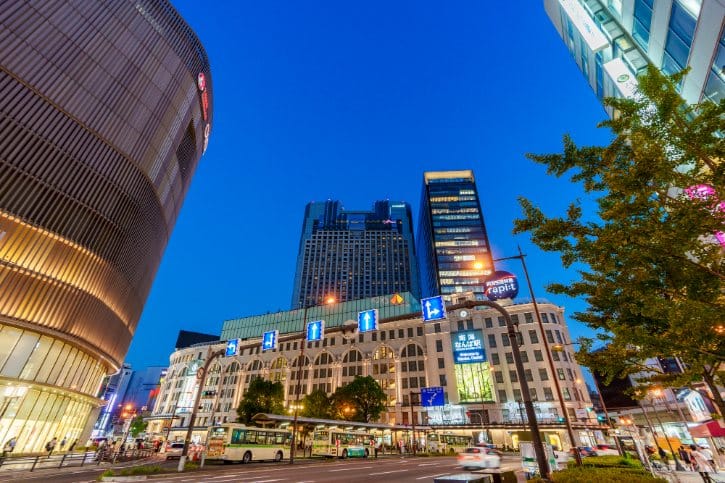
Namba sits in Osaka’s southern Minami district and is one of the best bases for food, shopping, nightlife, and airport access.
It is a central entertainment and tourist hub full of street level energy. For first time visitors who want walkable access to the big sights, it is often the top pick.
It is exciting but busier and more nightlife focused than Umeda, so keep normal awareness at night.
Why It Works as a Base
Namba lets you step out of your hotel straight into Osaka’s street culture, with key spots within walking distance. You are close to Dotonbori, Shinsaibashi, Kuromon Market, Hozenji Yokocho, and Namba Yasaka Shrine.
It is also the premier gateway to southern Kansai and Kansai International Airport through Nankai Namba Station.
Food lovers and first time visitors tend to love it here.
Getting Around
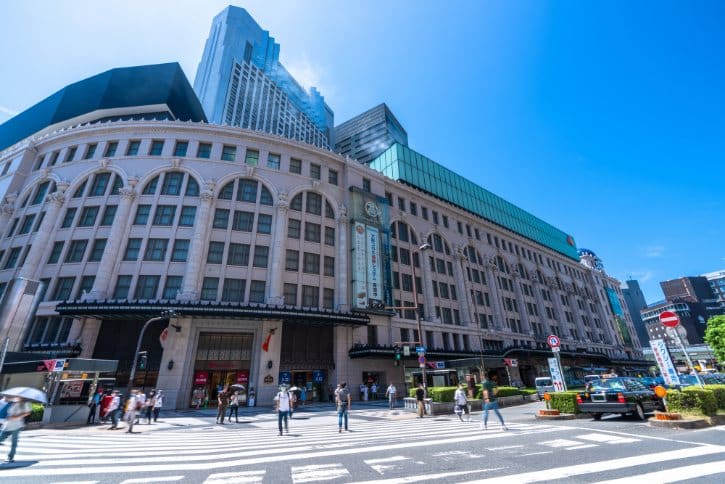
Main stations:
- Nankai Namba Station, with trains to Kansai Airport and Wakayama
- Osaka Metro Namba Station, with the Midosuji, Sennichimae, and Yotsubashi lines
- Osaka Namba Station, with the Hanshin and Kintetsu lines toward Kobe and Nara
- JR Namba Station, slightly west inside the OCAT complex
- Nearby Nipponbashi and Shinsaibashi
Because the stations are distinct but linked underground, confirm the exact station name before you travel.
Getting To and From the Airport
Namba has some of the fastest links to Kansai International Airport:
- Nankai Limited Express Rapi:t, a premium reserved express, about 34 to 40 minutes.
- Nankai Airport Express, a non reserved service, about 43 to 45 minutes.
- Airport Limousine Bus to the OCAT terminal, about 50 to 60 minutes, with no transfer.
This makes Namba one of the easiest bases for late arrivals, early departures, and heavy bags.
What to See, Eat, and Do
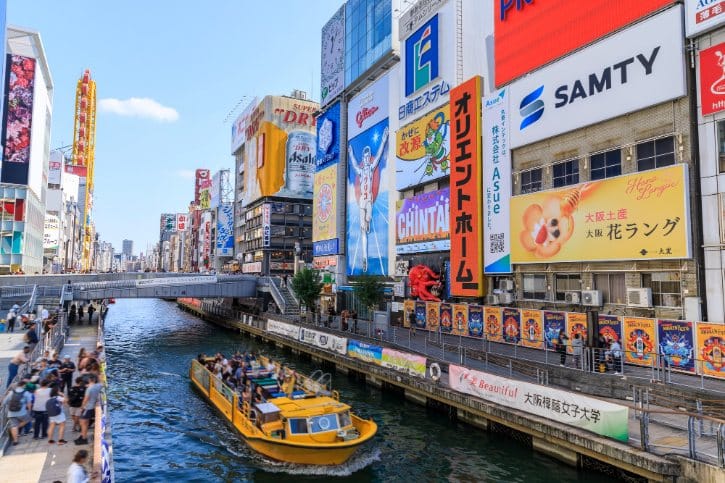
You are surrounded by famous spots: Dotonbori just to the north, the Shinsaibashi Suji arcade, Kuromon Market for seafood, Den Den Town for electronics, Hozenji Yokocho‘s stone alleys, and Namba Yasaka Shrine.
Namba Parks, Namba City, and Takashimaya cover modern retail. Food runs from takoyaki and ramen to izakaya and late night dining, at many price levels, with convenience stores near the hotel zones.
Who It Suits Best
Namba is best for food lovers, solo travelers, couples, and shoppers who want classic Osaka energy with nightlife nearby.
It is also a smart choice if you value fast, direct airport access at the start or end of a trip.
Day and Night
By day, expect shopping crowds and street food along the covered arcades. In the evening, the neon comes on and the lanes around Dotonbori and Sennichimae get very crowded.
Late at night, the main avenues stay secure and busy, while some narrow side streets and nightlife corners grow rowdier.
Where to Book Your Hotel
For a quieter stay, look at the southern or southeastern side of Nankai Namba, or near Namba Parks, which is calm and modern yet about five minutes from the airport lines.
Shinsaibashi offers great retail access, but avoid hotels right on the busiest canal facing or nightlife streets. Light sleepers should check listings for soundproofing.
3. Tennoji
The Feel of the Area
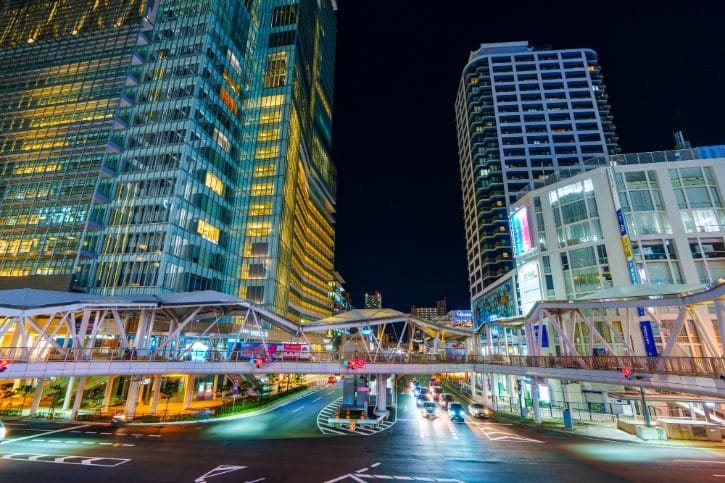
Tennoji, in Osaka’s southeastern sector, is a practical, balanced base that blends modern attractions with parks and temples.
You get towers like Abeno Harukas alongside historic temples and green space. It often offers better value, with quality hotels frequently cheaper than in Umeda or Namba.
The modern Abeno side is very comfortable, while the western fringes feel less polished, especially late at night.
Why It Works as a Base
Modern redevelopment has made Tennoji clean and family friendly, with malls, department stores, and casual dining right by the station.
It gives strong value, often letting you book larger rooms for less. You also have easy reach to Abeno, Shinsekai, Tennoji Park, and Shitennoji Temple, which appeals to families, repeat visitors, and culture lovers.
Getting Around
Main stations:
- JR Tennoji Station
- Osaka Metro Tennoji Station
- Kintetsu Osaka Abenobashi Station
The JR Osaka Loop Line gives direct access to Umeda and Namba. The JR Hanwa Line heads to Wakayama and the Yamatoji Line to Nara, while the Midosuji and Tanimachi lines reach central destinations with few transfers.
For Shinsekai, the nearby Dobutsuen Mae and Shin Imamiya stations are useful access points rather than places to base your stay.
Getting To and From the Airport
Tennoji links directly to Kansai International Airport:
- JR Limited Express Haruka, with Tennoji the first major city stop, about 30 to 35 minutes.
- JR Kansai Airport Rapid Service, about 52 minutes.
That short, direct ride makes Tennoji very convenient, on par with the easiest bases, and handy if you are watching your budget.
What to See, Eat, and Do
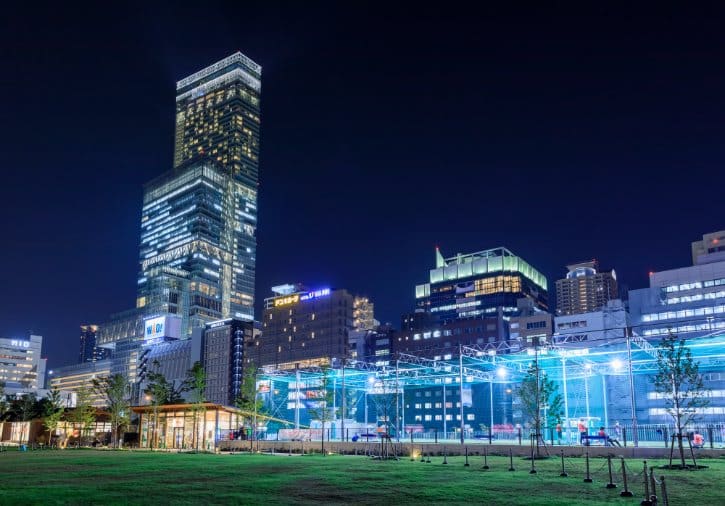
The district is anchored by Abeno Harukas, Japan’s tallest skyscraper, home to the HARUKAS 300 Observatory on floors 58 to 60, open daily from 09:00 to 22:00.
Next to the station is Tennoji Park and its Tenshiba plaza, full of cafes and family restaurants, plus Tennoji Zoo. The historic Shitennoji Temple is a short walk north, while Abeno Q’s Mall and the Kintetsu Department Store cover shopping and dining.
Who It Suits Best
Tennoji is ideal for families, budget conscious travelers, repeat visitors, and culture lovers who want parks, temples, and shopping without premium prices.
It is also a practical pick for travelers who value fast, direct airport access and a calmer overnight base.
Day and Night
By day, it is active with shoppers and families heading to the park and zoo. In the evening, the area around the station stays lively at the malls and Tenshiba.
Later at night, after the malls close around 21:00 to 22:00, it becomes much quieter than Namba or Dotonbori. Walking west toward Nishinari late at night calls for practical awareness.
Where to Book Your Hotel
For comfort, prioritize the Abeno side, near Kintetsu Osaka Abenobashi or the southern exits of JR Tennoji, or near the Tenshiba park entrance, where routes are clean and well lit.
Check the exact address and walking path before booking, making sure it does not run west through dark streets toward Dobutsuen Mae.
4. Careful: Dotonbori
The Feel of the Area
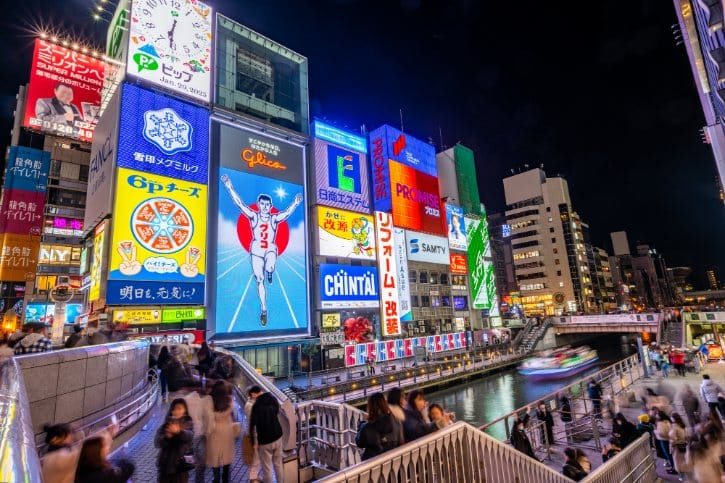
Do not skip Dotonbori. It is one of Osaka’s most iconic neon canal districts, and a real highlight you can enjoy with a little awareness.
It is famous for glowing signs, canal views, photo spots, and a buzzing nightlife scene. It is popular, crowded, and nightlife focused, so stay a bit more alert at night and in the crowds.
The risks here are not violent crime, which stays extremely rare. They come from dense crowds, late night drinking, and a few financial scams.
Why People Love It
Dotonbori is the heart of Osaka’s kuidaore spirit, the idea of eating until you drop.
The scene is anchored by the historic Glico Running Man sign and the giant animated crab signs of Kani Doraku. Stalls serve local dishes like takoyaki and okonomiyaki, alongside ramen shops and izakayas.
The canal promenade offers great photos and captures the fast, fun essence of Osaka.
Read More: Dotonbori Osaka: 17 Best Street Foods You Must Try Out
Why to Stay Alert
The challenges come straight from the popularity and density. The walkways draw tens of thousands of visitors a day, and it is easy to get distracted while taking photos or queuing for food.
That mix creates chances for minor, opportunistic theft.
As the evening goes on, drinking and nightlife promotion pick up, which calls for more awareness than a quiet residential area.
What to Watch For
- Crowd distractions. Narrow walkways and queues can lead to bumped bags. Keep belongings zipped and carried in front.
- Some late night bars and “girls’ bars” get around Osaka’s anti touting rules. Touts may promise cheap drinks, then lead you to “bottakuri” venues with steep charges.
- Tourist pricing. Some canal stalls charge elevated rates. Check menus before ordering.
- Dark side alleys. The main canal is bright and secure, but unlit back streets nearby feel less comfortable late at night.
The Best Time to Visit
From late morning through early evening, Dotonbori is welcoming and family friendly, the easiest time for most visitors. Weekends and holidays bring bigger crowds.
After 23:00, when family venues close, the area shifts toward nightlife, with more intoxicated patrons and more active touts.
Visit in the afternoon or early evening and leave before the late drinking hours, or go with a group if you stay out late.
What to Avoid
- Do not follow street touts or anyone offering “special” bar deals.
- Do not leave bags open or keep phones in back pockets in food queues.
- Do not enter bars without checking prices, reviews, and cover charges.
- Do not leave drinks unattended.
- Do not block narrow walkways for photos.
- Do not take dark back alleys as shortcuts late at night, or carry more cash than you need.
How to Enjoy It Safely
- Visit for late afternoon photos and early evening dining, when the neon is lit but crowds stay manageable.
- Stick to the bright canal promenade and the main covered streets.
- Choose established restaurants with printed menus and good reviews over street touts.
- Keep belongings zipped and close, and plan your route back before heading out.
- If you stay out late, travel in pairs and use nearby stations or a taxi.
Avoiding touts and checking prices prevents most common problems here.
Day Trip or Overnight?
There are hotels right by the canal, but staying in the middle of the entertainment zone is rarely ideal for families or light sleepers. Late night noise, neon glare, and early deliveries can disrupt sleep.
A better plan is to treat Dotonbori as an evening destination and base your stay slightly outside the noise, such as the calmer Namba Parks sector or the organized Umeda district.
5. Careful: Shinsekai
The Feel of the Area
Shinsekai is not a place to avoid. It is a retro, characterful neighborhood that rewards a visit with a little awareness.
Built in 1912 with a design partly inspired by Paris and New York, it offers a nostalgic glimpse of Showa era Japan. Compared with Umeda or modern Abeno, it feels older, more local, and a bit rougher around the edges.
People come for the food, the photos, Tsutenkaku Tower, and kushikatsu. Timing and your walking route matter here.
Why People Love It
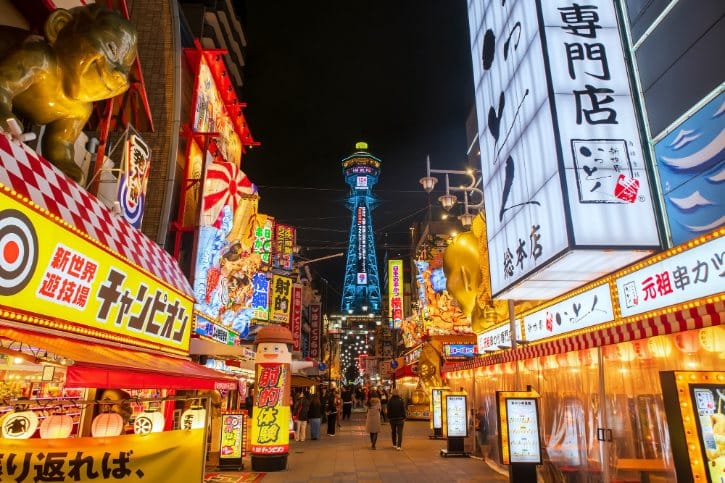
Shinsekai is loved for its retro look and authentic local food. It is centered on Tsutenkaku Tower, a major symbol of Osaka’s history.
The covered Janjan Yokocho arcade has narrow lanes lined with historic kushikatsu restaurants, shogi parlors, and retro game arcades. Bright signs and the historic Billiken statues capture the working class energy of old Osaka.
It is statistically secure and visited by thousands of travelers daily.
Why to Stay Alert
The need for awareness comes mainly from geography. The central streets around Tsutenkaku are lively and secure, but the neighborhood sits right next to Nishinari Ward, which contains the historical Airin (Kamagasaki) day laborer district.
The adult entertainment district of Tobita Shinchi is a short distance southeast.
Walking a few blocks off the main paths can quickly change the feel, from bright streets to quiet, unlit blocks.
What to Watch For
- The Nishinari border. The area west of the JR tracks is home to aging day laborers and homeless individuals. It is statistically safe from physical crime, but poorly lit, with common public drinking, which can feel less comfortable late at night.
- Tobita Shinchi photography rules. This active red light district southeast of Shinsekai is strictly an adult zone. Operators enforce a strict ban on any photos or video, and breaking it can lead to stressful confrontations.
- Quiet late night streets. Once the restaurants close, the pathways become very quiet and desolate.
The Best Time to Visit
Shinsekai is best in the day and early evening. Between 11:00 and 19:00, the central streets are busy with tourists, local diners, and families, and the mood is bright and secure.
Late at night, after the main venues close, foot traffic drops sharply and the streets can feel gritty.
Families and first time visitors should plan for lunch or an early dinner and leave before the late hours.
What to Avoid
- Do not take photos or video in Tobita Shinchi.
- Do not wander alone west toward Airin late at night.
- Do not book cheap accommodations without checking that the route from the station is well lit and on a main road.
- Do not follow street touts or accept unsolicited drink offers.
- Do not carry too much cash while drinking, or leave valuables on restaurant tables.
How to Enjoy It Safely
- Visit in the afternoon to climb Tsutenkaku Tower, explore Janjan Yokocho, and try a kushikatsu lunch.
- Stick to the main streets near Tsutenkaku.
- Pair the trip with nearby Tennoji Park, Tennoji Zoo, or Abeno Harukas for a balanced day.
- Enter and exit through practical stations, such as Osaka Metro Ebisucho at the northern entrance or JR Shin Imamiya a short walk south.
- When using Shin Imamiya, stay on the main northern streets and avoid dark alleys to the west.
Day Trip or Overnight?
For most travelers, families, and first time visitors, Shinsekai works best as a daytime or early evening trip rather than an overnight base.
It has budget guesthouses, but the sharp late night drop in foot traffic and the nearby unpolished blocks can feel uncomfortable if you do not know the area.
For more peace of mind, base your stay in the secure, modern sectors of neighboring Tennoji or central Namba.
Related Posts

Photo Credit:
Photos by PIXTA