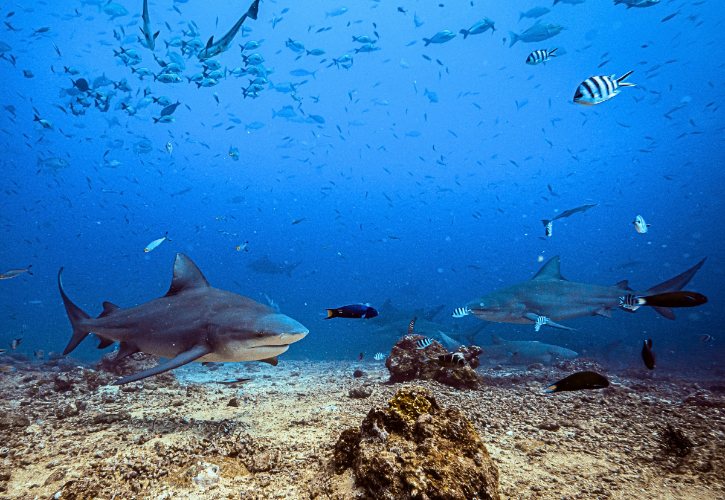
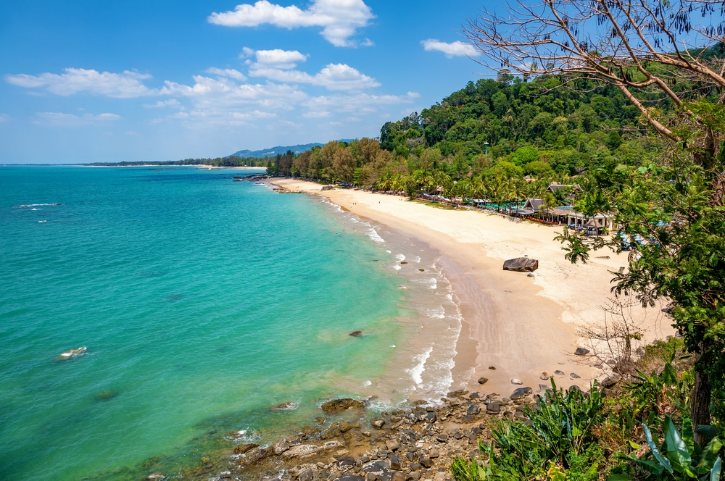
Thailand’s islands are famous for their soft white sand, clear turquoise water, and some of the best snorkeling and diving in the world.
Most visitors come for the beaches and the reefs. What many never stop to think about is the marine life living just beneath the surface.
Yes, there are sharks in these waters. But the real story is calmer, more fascinating, and a lot more reassuring than most tourists expect.
Here is what you actually need to know before you go. 😊
1. Are There Sharks Around Thailand’s Islands?
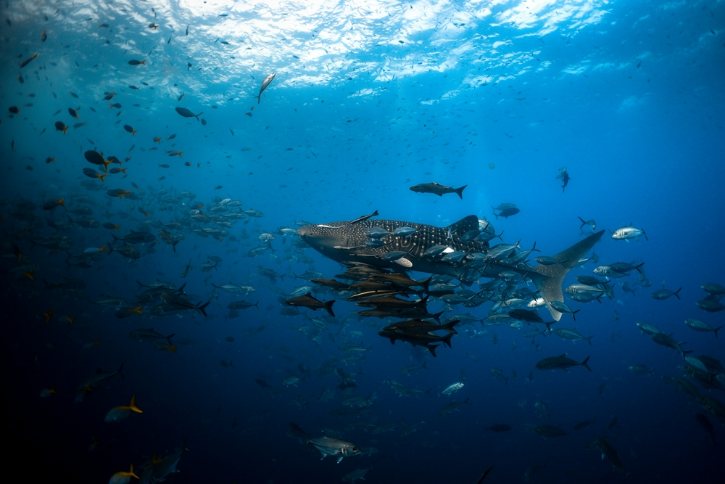
Yes, sharks are a natural and healthy part of Thailand’s seas. They live on both sides of the country: the Andaman Sea along the west coast and the Gulf of Thailand along the east coast.
Here’s the important part. These two seas are quite different from each other, so the sharks you might find in each are different too.
- Andaman Sea (west): Deep water, steep underwater drop-offs, and rich nutrients. This makes it very biodiverse, with both open-water sharks and reef sharks.
- Gulf of Thailand (east): Shallower, warmer, and more enclosed in shape. It supports healthy reef sharks but has fewer deep-water species.
For most travelers, the question that really matters is simple. Who actually sees sharks?
- Sharks are mostly seen by scuba divers and snorkelers who deliberately visit protected reefs, deep pinnacles, and marine national parks.
- Casual beach swimmers at busy resort beaches rarely meet sharks. The species that live close to shore are shy and tend to keep away from loud human activity.
This is where tourists should relax a little. Sightings are never guaranteed. Whether you see a shark depends on the location, the underwater visibility, the season and tides, the time of day, and the local conservation rules. Spotting one is a lucky moment, not a daily certainty.
2. Main Types of Sharks Tourists May Hear About in Thailand
a. Blacktip Reef Sharks
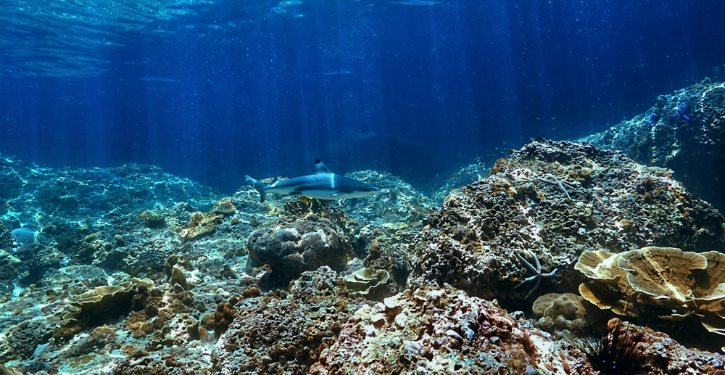
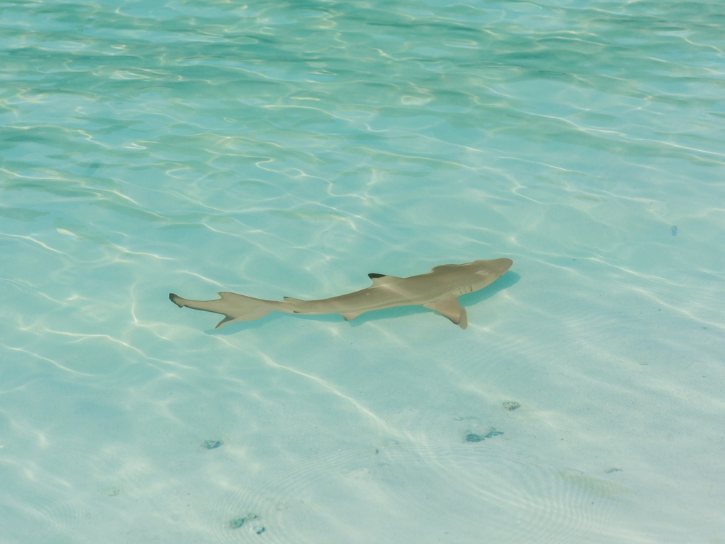
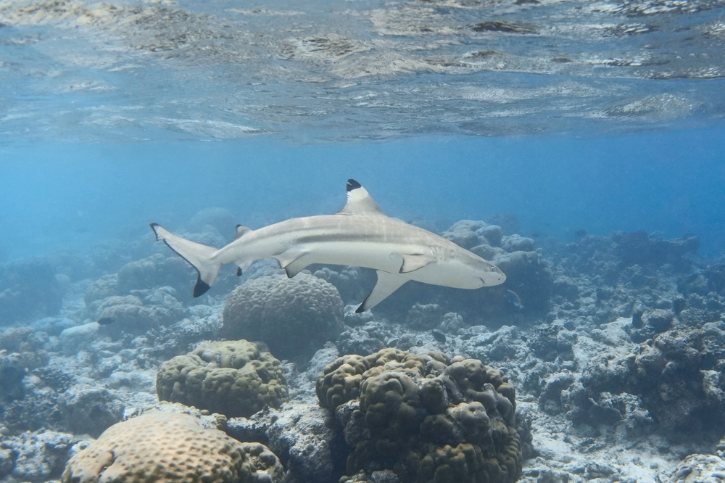
The blacktip reef shark is the one you are most likely to hear about, and the one most commonly seen in shallow coastal water.
- You can spot them by the clear black tips on their fins. They average around 1.6 meters in length.
- They live in shallow coral reef flats, clear bays, and mangrove areas.
- They hunt small fish, crustaceans, and squid, which helps keep the reef balanced and healthy.
- Here’s the part that surprises people. They are extremely shy. They usually dart away the moment a swimmer or diver comes near.
So while the name sounds bold, these are timid animals that would much rather avoid you than approach you.
b. Leopard Sharks or Zebra Sharks
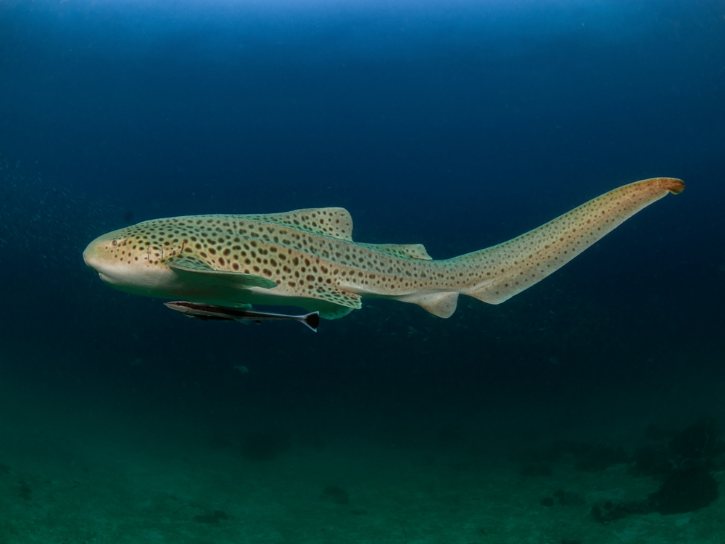
You may hear two names used for the same animal, so let’s clear up the confusion right away.
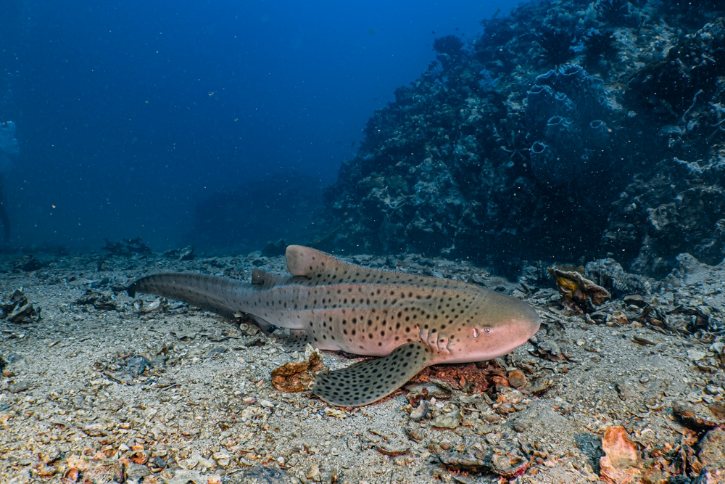
The leopard shark is also called the zebra shark, and it is a single species. Young ones have stripes, which is where the zebra name comes from, and as they grow up those stripes turn into dark spots on a sandy-colored body.
- They are docile, slow-moving, and live near the bottom. They can reach about 2.5 meters.
- During the day they like to rest on sandy seabeds close to coral reefs.
- Sadly, overfishing and habitat loss caused their numbers to fall sharply, which led to a serious recovery effort in Thailand.
c. Whale Sharks
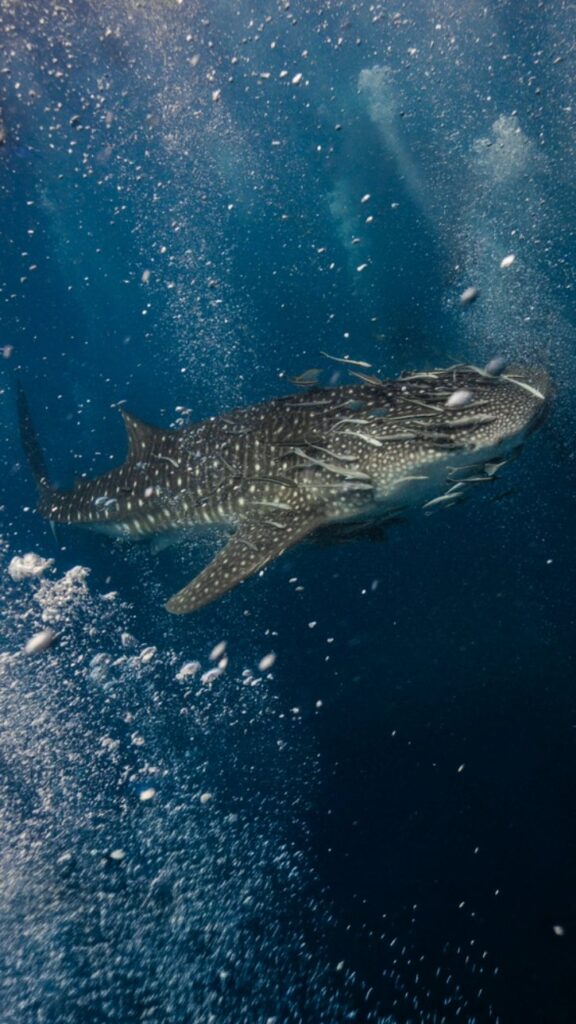
The whale shark is the largest fish in the entire ocean, growing up to 12 to 15 meters. The size sounds intimidating, but there is genuinely nothing to fear.
- Whale sharks are harmless filter feeders. They eat plankton, krill, and tiny fish, not people.
- They travel enormous distances, which makes sightings seasonal and very unpredictable. They follow plankton blooms wherever those blooms appear.
If you are lucky enough to share the water with one, please treat the moment with respect. Marine conservation groups ask everyone to:
- Keep a clear distance and never crowd the animal.
- Never touch it.
- Avoid flash photography.
d. Other Shark Species
A handful of other sharks live in Thai waters, but most stay in deeper or remote areas and are rarely seen by tourists.
- Whitetip reef sharks: Slim, active at night, and resting in crevices during the day.
- Grey reef sharks: Found along deeper reef slopes.
- Nurse sharks: Docile bottom-dwellers that shelter in caves.
- Bamboo sharks: Small, harmless carpet sharks that tuck themselves under coral ledges.
- Bull sharks and tiger sharks: Larger predators that prefer deeper open water and are very rarely near tourist beaches.
- Hammerhead, thresher, and silvertip sharks: Deep-water species that recreational divers almost never see.
And one fact that settles a common worry. Great white sharks are not found in Thailand. Marine scientists confirm the tropical water here is simply far too warm for them.
3. Where Sharks Are Most Commonly Associated With Thailand Island Tourism
Shark sightings tend to cluster around a few specific island groups. Each one has its own rules and seasons, so here’s a region-by-region look at where the action is.
a. Phi Phi Islands and Maya Bay Area
This is the most famous shark-related area in all of Thailand.
- Shallow bays around Phi Phi Leh and Phi Phi Don, such as Palong Bay and Bida Nok, hold healthy populations of blacktip reef sharks.
- The whole area is carefully managed under Hat Noppharat Thara-Mu Ko Phi Phi National Park, which limits boats and visitor movement to protect these habitats.
b. Phuket and Nearby Islands
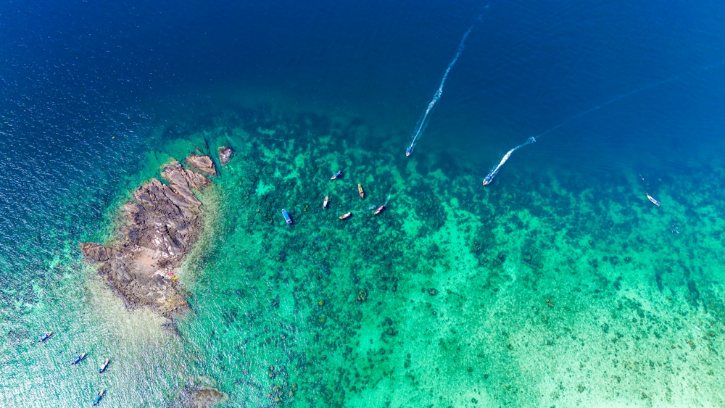
Phuket is the main launching point for marine trips in the Andaman Sea. It’s where most snorkeling, diving, and island-hopping tours begin.
- Sightings from Phuket’s main resort beaches are
- However, specialized diving day-trips to offshore sites like Shark Point, Racha Yai, and Racha Noi give reliable chances to see leopard sharks and bamboo sharks resting on the sand.
So if you’re based in Phuket and hoping to see sharks, book a dedicated dive trip. The beach in front of your hotel is not where it happens.
c. Similan Islands and Surin Islands
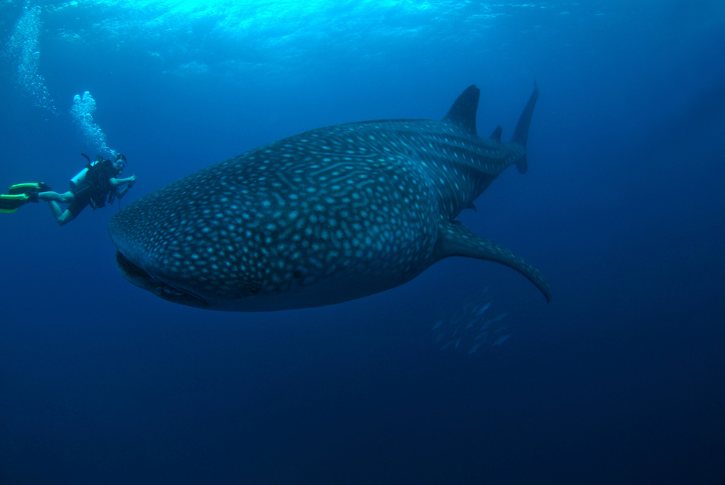
These remote islands are premier deep-water diving destinations.
- They are linked with open-water species such as whale sharks, blacktip reef sharks, and grey reef sharks.
- Here’s a key planning detail. These national parks close completely to all tourists from mid-May to mid-October every year, because of rough seas and strong winds during the southwest monsoon.
If these islands are on your wish list, check the calendar carefully before you book flights.
d. Koh Tao and the Gulf of Thailand
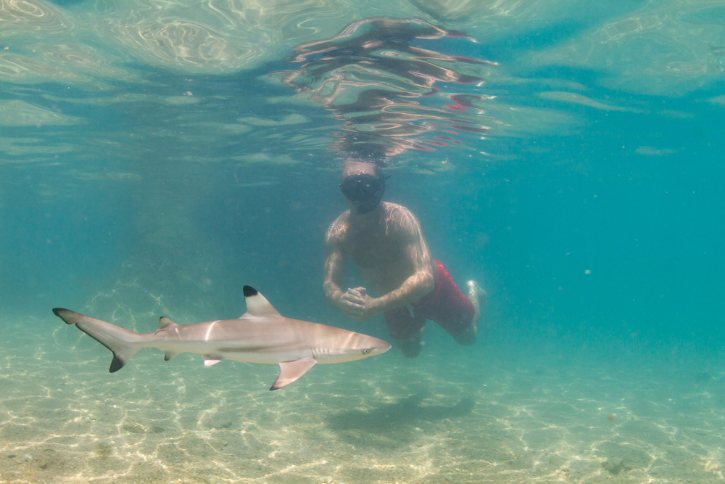
Koh Tao is loved for its easy, accessible snorkeling and diving.
- At Shark Bay (Thian Og Bay) and Aow Leuk Bay, snorkelers can swim straight from the beach to see blacktip reef sharks in shallow water.
- For divers, offshore pinnacles like Chumphon Pinnacle offer seasonal sightings of whale sharks and the occasional bull shark.
- Sighting chances tend to peak from March to May, during the local spawning and plankton season.
e. Koh Lanta, Krabi, and Trang Area
These southern Andaman sites are aimed at more experienced divers.
- Spots like Koh Haa and the twin submerged pinnacles Hin Daeng and Hin Muang offer excellent deep diving.
- These high-current areas can bring whale sharks, manta rays, and deep-water nurse sharks.
- Because of the depth and strong currents, these dives are best suited to advanced scuba divers
4. Maya Bay and Blacktip Reef Sharks: Why This Story Matters

Maya Bay is one of the best conservation success stories anywhere in the world, and sharks are right at the heart of it.
After the movie The Beach came out in 2000, Maya Bay was overwhelmed by tourism. At its worst, it received up to 5,000 visitors a day and 200 speedboats, which destroyed more than 80% of the bay’s coral reef.
To stop the damage before it became permanent, Thai authorities closed Maya Bay indefinitely in June 2018.
During the closure, marine biologists replanted corals. With no people in the water, blacktip reef sharks returned and reclaimed the bay as a nursery area.
So what is a shark nursery? In simple terms, it’s a shallow, sheltered place where pregnant sharks give birth and young pups spend their first years of life, safely protected from larger ocean predators.
The recovery was confirmed in a striking way. On July 3, 2025, researchers used drones and underwater cameras to record a single group of 158 blacktip reef sharks swimming in the bay’s shallow water. That number tells you just how well the recovery worked.
To protect this fragile comeback, Maya Bay now runs under strict rules for 2025 and 2026:
- No boat entry. Tour boats are banned from entering Maya Bay. They must land at Loh Samah Bay on the opposite side of the island.
- Controlled access. Visitors walk across a wooden boardwalk to reach the beach.
- Capacity and time limits. Access is capped at 375 visitors per hour, with a maximum stay of 1 hour, open from 7:00 AM to 5:00 PM.
- Swimming is banned. You may only wade knee-deep in small marked zones. Rangers enforce this, and fines run from 5,000 to 10,000 Thai Baht.
- Seasonal closure. The bay closes completely for two months each year, typically August 1 to September 30.
The takeaway is simple. Follow the ranger instructions and the signs. Those rules are the exact reason the sharks and the reef are thriving again.
5. Are Sharks in Thailand Dangerous to Tourists?
This is the question on almost everyone’s mind, so let’s answer it calmly and clearly.
There is a big difference between sharks being present and sharks being dangerous. The facts show that sharks in Thailand are not a major danger to travelers.
- The species you are most likely to meet, like blacktip reef sharks and leopard sharks, are non-aggressive and not capable of causing serious injury.
- The risk of a shark bite is extremely small when compared to far more common ocean hazards.
In reality, you are much more likely to be hurt by:
- Strong rip currents
- Rough monsoon waves
- Seasonal box jellyfish stings
- Sharp coral cuts
- Boat traffic
- Simply getting tired or overestimating your swimming ability
Here’s the balanced truth. The ocean is never completely risk-free, but panic helps no one. The few defensive bites that have happened were usually in murky water, where a shark mistook a foot or a leg for its natural prey.
And you can lower that already-tiny risk even further with one simple habit: never feed, touch, chase, corner, or crowd marine wildlife.
6. How Many Shark Attack Incidents Have Happened in Thailand in the Past?
Let’s look at the actual record, calmly and without drama. Numbers are far more reassuring than rumors.
a. What the Records Actually Show
- The International Shark Attack File, kept by the Florida Museum of Natural History, lists only 4 unprovoked shark attacks in Thailand since the year 1580. That is across more than four centuries.
- Other global records add a few modern, non-fatal cases. Together they bring the historical total to under a dozen confirmed or strongly suspected incidents.
- Most of these modern cases follow the same pattern: non-fatal exploratory bites, often in cloudy water close to shore.
b. The One Fatal Case on Record
- January 4, 2000, Phang Nga Islands. A German scuba diver suffered severe injuries in what was described as a highly unusual deep-water encounter, with a tiger shark suspected.
- This is the only fatal case in the modern record, and it stands out precisely because it was so rare and so different from the shallow-water bites that followed.
c. Modern Non-Fatal Bites
Each of these was non-fatal, and several happened in murky, wavy water near the shore:
- August 11, 2001, Laem Mae Pim, Rayong. A man fell off a banana boat and received deep leg cuts, with a bull shark suspected.
- September 1, 2015, Karon Beach, Phuket. An Australian wading in the surf received a foot and ankle bite from a small bull or reef shark in turbid water.
- April 15, 2018, Sai Noi Beach, Hua Hin. A Norwegian swimmer needed 19 stitches after a bite from a juvenile bull shark. The case led to a temporary beach closure and safety nets.
- January 12, 2020, Nang Thong Beach, Phang Nga. A 75-year-old German swimmer received deep calf cuts during a morning swim near a hotel, with a bull shark of about 1.5 meters suspected.
- May 1, 2022, Kamala Beach, Phuket. An 8-year-old playing in the surf received a calf bite in murky water at low tide, from a blacktip reef or bull shark.
- November 29, 2024, Khao Lak Beach, Phang Nga. A 57-year-old German swimmer received a leg wound in chest-deep water. The incident led to red flags and resort warnings.
d. A Provoked Incident
- July 23, 2021, Kung Krabaen Bay. A 55-year-old man received lower leg cuts while moving a captive shark inside a research facility.
- This one matters because it was provoked, not a random encounter in open water. It’s a reminder that handling sharks is what creates real risk.
e. What This Means for You Today
- Almost every modern case was non-fatal, and most happened in cloudy water near shore.
- Millions of people swim in Thailand every single year without any incident at all.
- The practical lesson is reassuring. The water stays safe when you practice normal ocean awareness, avoid murky surf zones, and respect beach warnings.
7. What To Do If You See a Shark While Swimming, Snorkeling, or Diving
Seeing a shark can be a thrill rather than a threat, as long as you respond calmly. The right move depends a little on what you’re doing.
a. For Swimmers and Snorkelers
- Stay calm. Avoid thrashing or sudden splashing, which can mimic an injured fish and draw curiosity.
- Keep your eyes on the shark. Let it know it has been seen. Sharks prefer the element of surprise, so eye contact takes that away.
- Stay in your group. A tight group looks bigger and far less interesting to a shark.
- Exit slowly. Move smoothly toward the boat or shore, staying flat at the surface as much as you can.
b. For Scuba Divers
- Stay neutrally buoyant. Hover quietly and avoid dropping to the bottom, which can disturb resting sharks.
- Never corner or block it. Always leave the shark a clear path to open water.
- Skip the close-up photos. Don’t chase a shark for a selfie. Aggressive filming stresses the animal and can trigger defensive behavior.
One more tip for everyone. Carrying food or bait in the water raises the risk, so keep it out of the water entirely.
8. What Tourists Should Avoid Around Sharks and Marine Life
Good behavior keeps both you and the animals safe. Here’s what to avoid.
Prohibited in-water behaviors:
- Feeding or baiting. Never bring food, bread, or fish bait into the water. Feeding teaches sharks to link humans with food and raises the chance of bites.
- Touching and chasing. Contact with any shark is not allowed. Even gentle species like bamboo or nurse sharks will bite if grabbed, held, or pulled by the tail.
- Crowding or cornering. Don’t surround a single animal. If a whale shark appears, boats should coordinate so it is never boxed in.
National park rules and ocean signs:
- Protect the coral. Never step, kick, or stand on live coral. It’s the shelter and hunting ground that reef sharks rely on.
- Obey beach flags and signs. Red flags mean dangerous conditions, big surf, or recent marine activity. Listen to lifeguards and boat crew every time, no exceptions.
Ignoring these warnings can harm both you and the marine life around you. When in doubt, follow your guide.
9. Snorkeling vs Diving: Who Is More Likely To See Sharks?
Your choice between snorkeling and diving shapes which sharks you might meet.
Snorkeling:
- You stay at the surface, above shallow reefs and bays.
- This is ideal for spotting young blacktip reef sharks, which stay in very shallow water of about 0.5 to 3 meters.
- Beach-entry snorkeling at Shark Bay in Koh Tao, or boat trips to Phi Phi’s shallow bays, can be very rewarding for seeing small sharks.
- The trade-off: surface chop, drifting currents, and poor visibility can get in the way. Loud splashing from big groups also scares these timid sharks off.
Diving:
- You descend into deeper reefs, channels, and pinnacles, often 10 to 40 meters down.
- This gives a much higher chance of seeing mature blacktip sharks, whitetip sharks, resting leopard sharks, and whale sharks.
- Because divers move quietly, they can watch sharks behaving naturally and at close range.
And casual beach swimmers? They are the least likely of all to have any meaningful shark encounter.
Safety advice for everyone:
- Weak swimmers, beginners, and non-swimmers should never snorkel or swim in open water without a proper, well-fitted life jacket.
- Beginners should join guided tours, stay close to the boat, and keep clear of strong currents and boat traffic.
- Be a little wary of operators who promise guaranteed sightings. Wild sharks move on their own schedule, not on a tour timetable.