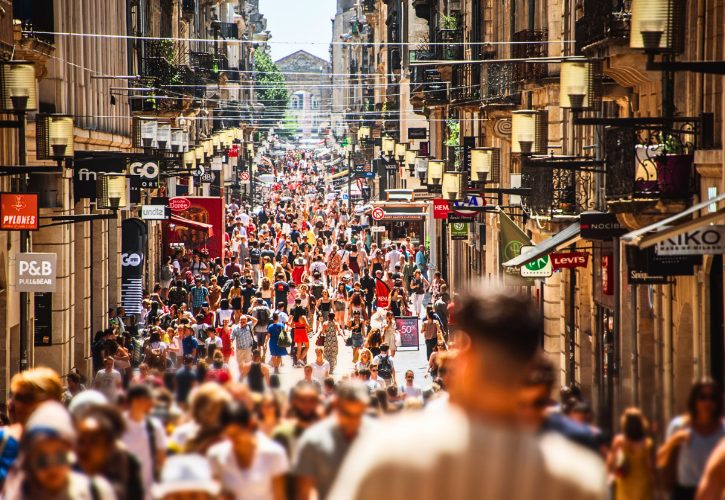
Most people assume summer is the obvious time to visit France. The truth is more interesting.
The month you pick shapes hotel prices, crowds, weather, seasonal closures, and the everyday feel of local streets.
It also decides whether the beaches are open, the ski lifts are running, and which festivals are happening, plus how reliable the trains and roads will be.
Choose the right month for the right region, and France gets far easier to enjoy. 😊
1. France Has Four Climate Zones, Not One
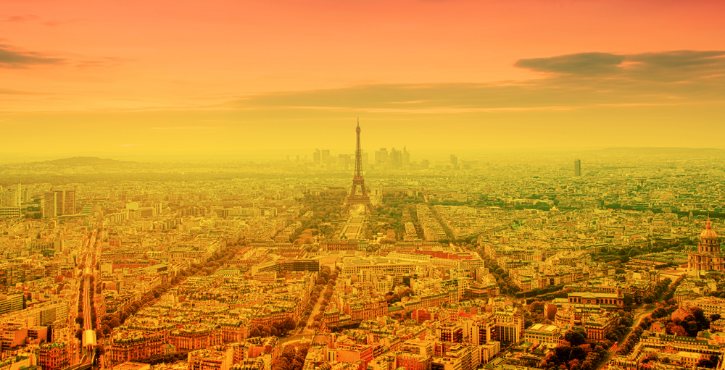
Treating France as a single weather destination is a common mistake. The same month can feel comfortable in one region and difficult in another.
The four zones:
- Oceanic (Paris and the Île-de-France, Brittany, Normandy, the Loire Valley, the Atlantic coast): Mild and damp, with steady rain year-round and gentle winters. Summers are usually comfortable, though heatwaves have become more common in recent years.
- Continental (Champagne, Burgundy, Alsace): Cold winters with frost, and hot, humid summers.
- Mediterranean (Provence, the Côte d’Azur, Occitania, the southern coast): Hot, dry summers and mild winters. Autumn and spring can bring brief but heavy downpours.
- Mountain (the Alps, the Pyrenees, the Massif Central): Heavy snow from late autumn through spring for skiing, with cool, clear summers.
Why this matters:
A “bad” month in one place can be a great month in another. November may bring grey skies and rain to Paris and Normandy, while at the same time it means stable snow in high-altitude ski resorts and mild, crowd-free sightseeing on the Mediterranean coast.
2. How Seasons, Crowds, and Prices Work
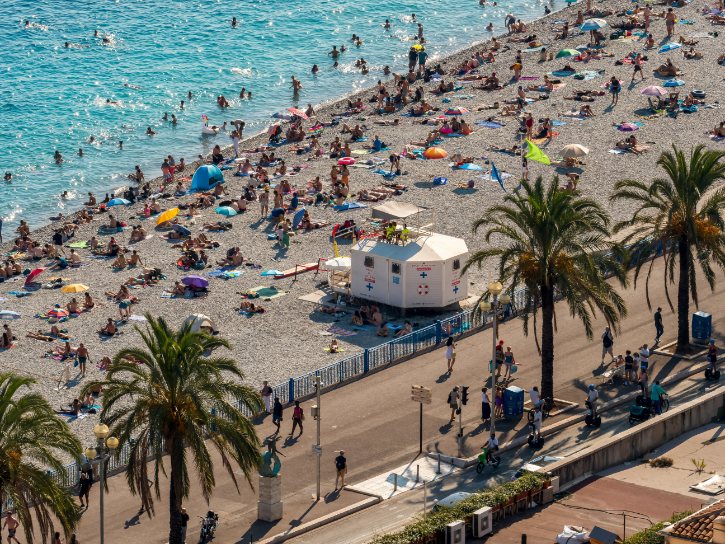
The three travel seasons
- High season (July and August): Peak crowds and prices everywhere. Coastal hotels on the Riviera and in Brittany hit their annual high, and waits at the Louvre and Versailles get long.
- Shoulder season (May, June, September, October): Usually the best balance of good weather, lower prices, and manageable crowds.
- Low season (November to February): The cheapest flights and hotels, apart from ski resorts and Christmas market towns. The trade-off is short days and reduced schedules.
The August closure effects
French workers get generous paid leave, much of it taken in one block in August. While the coast is packed, residential areas in cities like Paris, Lyon, and Bordeaux go quiet.
Many family-run restaurants and small shops close for a few weeks, mostly in residential neighborhoods, while tourist areas and chains stay open.
One Paris exception
September is not cheap in Paris. Business travelers, trade fairs, and Paris Fashion Week push hotel prices to their highest of the year.
School holiday zones
To spread out demand, France splits schools into three zones (A, B, and C) with staggered holiday dates. These matter most during the February winter holidays and the spring holidays, when train fares rise and seats sell out fast. Book early if you travel then.
3. Public Holidays That Affect Your Trip
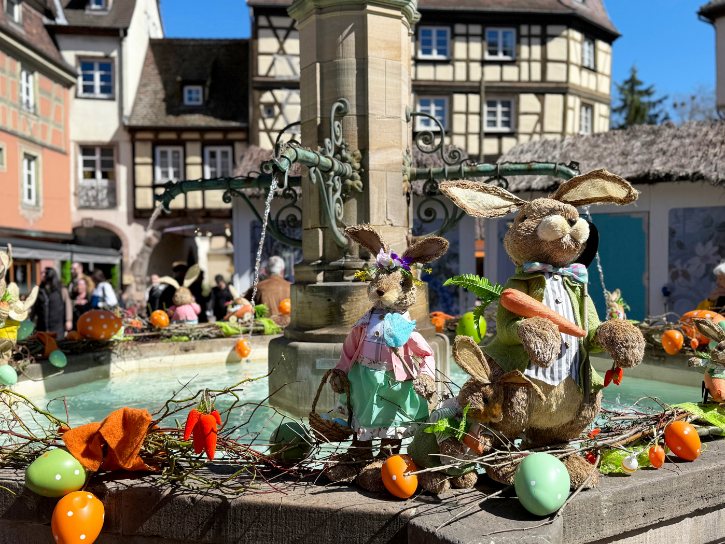
France has eleven national public holidays. On these days, banks, post offices, and many small businesses close completely.
Why May is tricky
May is packed with holidays. When one falls on a Tuesday or Thursday, many French workers take the gap day off too, creating a four-day weekend called faire le pont, or “making the bridge”. During these stretches, trains fill up, roads get busy, and regional hotels charge more.
Key dates to know
Some holidays fall on the same date every year. A few move with Easter and shift annually.
- Easter Monday: The Monday after Easter Sunday, in late March or April
- Labour Day: May 1
- Victory in Europe Day: May 8
- Ascension Day: A Thursday in May, 39 days after Easter
- Whit Monday: A Monday in late May or early June, 50 days after Easter
- Bastille Day: July 14
- Assumption Day: August 15
- All Saints’ Day: November 1
- Armistice Day: November 11
- Christmas Day: December 25
The three movable holidays, Easter Monday, Ascension Day, and Whit Monday, change each year, so confirm the exact dates before you travel.
Alsace-Moselle has two extras
The northeastern region of Alsace-Moselle observes Good Friday and St. Stephen’s Day (December 26) as well. Shops in Strasbourg, Colmar, and Metz that stay open elsewhere may be closed on these dates.
A reminder: Holidays hit small towns, markets, and pharmacies hardest. Check whether your visit lands on one, and confirm dates with an official calendar before you travel.
4. School Holidays and What They Mean
French school holidays move millions of families at once, which strains transport and hotels. There are five main periods.
The five holiday periods
- All Saints’: Late October to early November. Busy at Loire châteaux, the D-Day beaches, and theme parks.
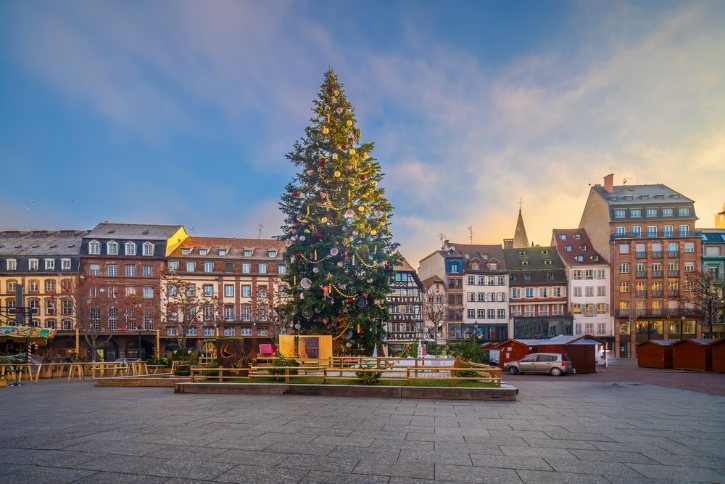
- Christmas: Late December to early January. Peak pricing in Alsace’s markets and in the Alps and Pyrenees ski resorts.
- Winter: Staggered through February and early March. The absolute peak of the ski season.
- Spring: April and early May. Families head to the coast in Brittany, Normandy, and the Mediterranean.
- Summer: Begins in early July. The start of peak crowds, full campsites, and busy highways.
What gets busy
- Beaches and coastal towns: Parking shortages and crowded restaurants in Normandy and Brittany.
- Ski resorts: Maximum congestion, long lift queues, and premium prices in February.
- Trains: SNCF routes sell out weeks ahead, with discount fares almost gone.
- Roads and hotels: Peak motorway traffic on summer departures, and higher hotel and campsite prices across all five periods.
A reminder: Dates change every year. Check the latest calendar from education.gouv.fr before planning.
5. The Best Months
a. May, The Consensus Favourite
May brings comfortable spring warmth and long evenings for sightseeing.
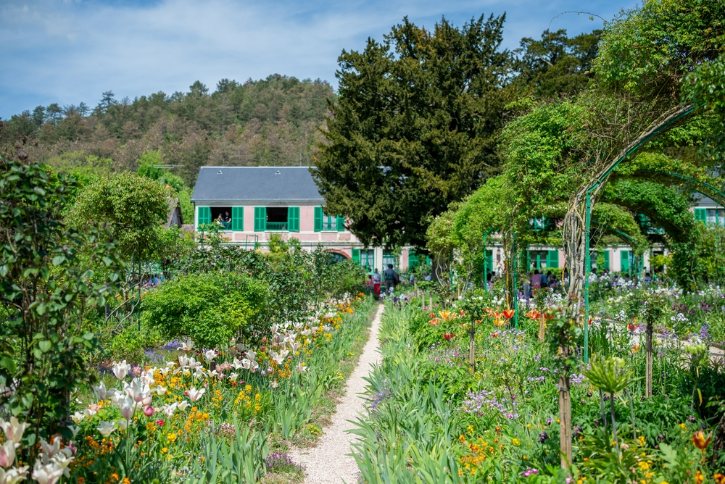
- Gardens shine: Spectacular blooms in the Loire Valley châteaux and at Giverny.
- Provence before the heat: Lush, green countryside that is ideal for hiking and cycling.
- Watch out: Several public holidays can mean closures, and the Cannes Film Festival in mid-to-late May spikes Riviera hotel rates.
Best for: Paris, the Loire Valley, Burgundy, and general cultural travel. The south is warm, while Normandy and Brittany can still feel brisk.
b. June, Best Balance for Most Travellers
School holidays do not start until early July, so June gives you full summer operations without the crush.
- Everything is open: Extended museum hours, active ferries, and open beach clubs.
- Early lavender: Lower fields on the Valensole Plateau bloom from mid-to-late June, before the July crowds.
- Beaches and trails: The Riviera sea warms enough to swim, and high alpine hiking trails open.
- The main risk: Rail and airport strikes ahead of the summer rush.
Best for: The Côte d’Azur, Provence, Loire cycling, and early alpine hiking.
c. September, The Smart Traveller’s Pick
On September 1, the Rentrée sends families back to work and school, and the coast empties out almost overnight.
- Warm sea, fewer people: Mediterranean water stays at its warmest, and the south stays sunny and stable.
- Harvest season: The grape harvest begins in Bordeaux, Burgundy, and Alsace.
- The Paris exception: Business travel and Fashion Week make Paris hotels their priciest of the year.
Best for: Riviera beaches, Bordeaux wine, Alsace, Burgundy, the Dordogne, and the countryside.
d. October, Autumn Colours and Value
Flight and hotel prices drop noticeably compared with September.
- Autumn colour: Vineyards in Burgundy, Alsace, the Dordogne, and the Loire turn gold and amber.
- Food festivals: The Fête des Vendanges in Montmartre and the Dijon Gastronomic Fair get going.
- Indian summer: The Mediterranean often stays mild and sunny.
- Heads up: Smaller museums, châteaux, and rural offices start moving to shorter winter hours.
Best for: Food and wine in Burgundy, Dordogne villages, photography, and budget trips to southern cities.
6. The Trickiest Months
a. August, The Paradox Month
August is the most popular month, yet the hardest for international visitors.
- Crowds and prices: Extreme waits at the Eiffel Tower, the Louvre, and Versailles, with coastal hotels at their annual peak.
- Local closures: Bakeries, pharmacies, and family bistros close as locals leave, especially in smaller towns and residential neighborhoods.
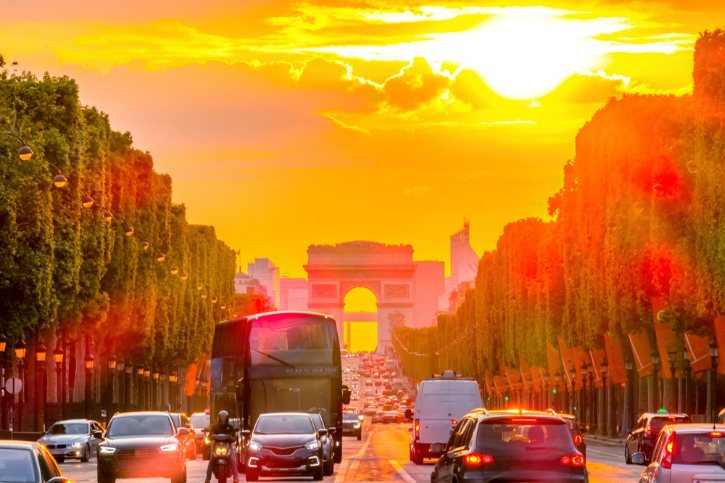
- Heat and gridlock: Paris and inland France can see intense heatwaves, and highways jam on the first and last weekends.
Where August still works:
- The breezy Atlantic coast, Brittany, Biarritz, and La Rochelle
- High-altitude hiking in the Alps
- Occitania’s Mediterranean coast
- The Riviera, if you book early
- Cities for museum-going, since national museums stay open and traffic eases
One note: Individual business closures are not listed anywhere central, so check specific shops and restaurants directly.
b. January and February, Cold, Quiet, and Cheap Except the Alps
Across most of mainland France, these are the cheapest months.
- Quiet museums: The Louvre and Musée d’Orsay are calm in Paris.
- The downside: Short, grey, damp days, and rural tourism nearly stops. Many Loire châteaux and rural restaurants close or run limited hours.
- The mountain exception: February is peak ski season, so resorts are crowded and expensive.
- The Riviera exception: Nice Carnival and the Menton Lemon Festival lift coastal crowds and prices in February.
Best for: Paris museums, budget city breaks, Lyon and Bordeaux food trips, and early January skiing before the holiday crowds.
c. November, Rainy but Underrated
November is statistically the greyest, rainiest, and quietest month across most of France.
- Where it shines: Indoor culture, such as Paris museums and Lyon’s famous bouchons dining scene.
- Holiday impacts: All Saints’ Day on November 1 brings brief travel spikes, and Armistice Day on November 11 means major closures, with ceremonies in Normandy, Verdun, and Paris.
- Markets: Alsace’s Christmas markets usually open only in the final week of November.
Less suited to: Outdoor activities, beaches, or reliable sunshine.
d. March, Unpredictable Shoulder Month
March is a volatile transition month, swinging from spring sunshine to sudden cold rain and high winds.
- The upside: Low prices and thin crowds.
- The catch: Many seasonal attractions, including gardens and boat tours, stay closed or on winter schedules until Easter.
- North versus south: Provence and Occitania are often pleasant, while the north still needs winter layers.
Best for: Budget city breaks and early spring travel in southern France.
7. Best and Worst Months by Region
The best month depends on where you go. Here is a quick guide.
a. Paris
- Best: May, June, September, and October.
- Worst: August (heat, closures, queues) and January (damp, short days).
- Tips: Tourist sights stay open in August even as local shops close. September prices spike for trade fairs and Fashion Week. The Louvre is closed Tuesdays and Versailles on Mondays.
b. French Riviera, Côte d’Azur
- Best: June and September, for hot weather and open beach clubs without the worst crowds.
- Worst: November through February, when many hotels, beach clubs, and restaurants close.
- Tips: July and August bring peak beach weather but peak prices. February is the big exception, thanks to Nice Carnival and the Menton Lemon Festival.
c. Provence
- Best: June (mid-to-late, for early lavender on the Valensole Plateau) and September (harvest and mild weather).
- Worst: July and August, with scorching heat, wildfire risk, and congested roads.
- Tip: Many rural inns and restaurants close from November through March.
d. Loire Valley
- Best: May, June, and September, for the gardens and the harvest.
- Worst: January and February, when gardens are bare and smaller châteaux close.
- Tip: The Chaumont-sur-Loire International Garden Festival runs from late April through November 1. Confirm dates on the official site.
e. Normandy and Brittany
- Best: June to September, with the lowest rainfall and mildest weather for coastal towns and D-Day beaches.
- Worst: November to March, with Atlantic gales, shuttered boutiques, and reduced ferries.
- Tips: D-Day commemorations around June 6 cause heavy congestion near Bayeux and Caen. May, June, and September give Brittany a better balance of weather and crowds.
f. The French Alps
- Best: January (good snow, fewer crowds), February (guaranteed snow but crowded and pricey), and July and August (alpine hiking).
- Worst: May and November, when lifts are closed and villages feel deserted.
- Tip: Opening dates vary by altitude and resort, so check individual resort websites.
g. Bordeaux
- Best: May to June (spring vineyards) and September to October (the harvest).
- Worst: January and February, when vines are bare and the weather is damp.
- Tip: The harvest runs in phases, from white grapes in late August through Sauternes late into October.
h. Alsace
- Best: September and October (vineyard foliage and harvest) and December (the Christmas markets in Strasbourg and Colmar).
- Worst: January and February, the region’s quietest months after the festive lights come down.
- Tip: Markets open in late November and push hotel prices up. Remember the extra local holidays on Good Friday and December 26.
i. Burgundy
- Best: May, June, September, and October, with golden vineyards and the Dijon Gastronomic Fair in autumn.
- Worst: November through February, with damp chill and restricted cellar hours.
- Tip: Summer can bring heat, crowds, and higher prices.
j. Occitania
- Best: May, June, September, and October, for Toulouse, Montpellier, Nîmes, and Carcassonne without the summer heat.
- Worst: July and August on the coast, where beach towns like Sète and Collioure get crowded and expensive.
- Tip: The Pyrenees offer winter skiing and summer hiking. Watch for brief but heavy autumn downpours.
k. Dordogne
- Best: May, June, September, and October. Autumn is wonderful for the walnut harvest and mushroom season.
- Worst: November to March, when many cave sites run restricted hours and river canoeing stops.
- Tip: Lascaux IV needs pre-booked tickets, and its hours shift between winter and summer. Confirm before visiting.
8. Events Worth Planning Around
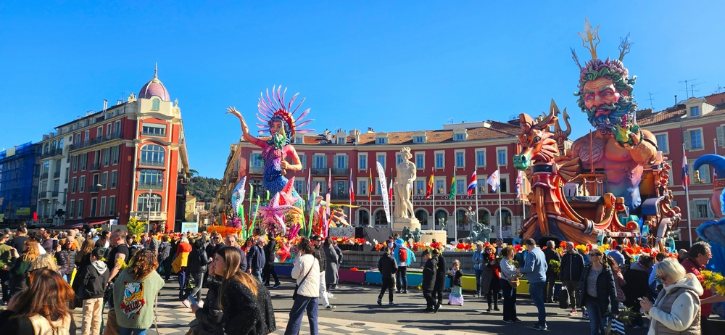
Timing a trip around an event takes a little planning. Here are the highlights.
- February: Nice Carnival and the Menton Lemon Festival run together over about two weeks, lifting coastal crowds and prices.
- April: Easter brings closures on Easter Monday, and Chartres en Lumières begins its nightly light show.
- May: The Cannes Film Festival drives Riviera prices up, and the European Night of Museums opens museums free, late into the night.
- June: The Normandy Impressionist Festival runs through late September, and the Fête de la Musique fills streets with free music on June 21.
- July: Bastille Day on July 14 brings parades and fireworks, and the Valensole Lavender Festival peaks mid-month.
- September: The Braderie de Lille is Europe’s largest flea market, and European Heritage Days open historic buildings for free tours.
- October: The Fête des Vendanges de Montmartre and the Dijon Gastronomic Fair celebrate the harvest.
- Late November to December: The Strasbourg and Colmar Christmas markets open, Paris fills with festive displays, and the Lyon Festival of Lights lights up early December.
Important: Exact dates shift every year. Verify them on official festival websites.
9. Disruptions to Watch
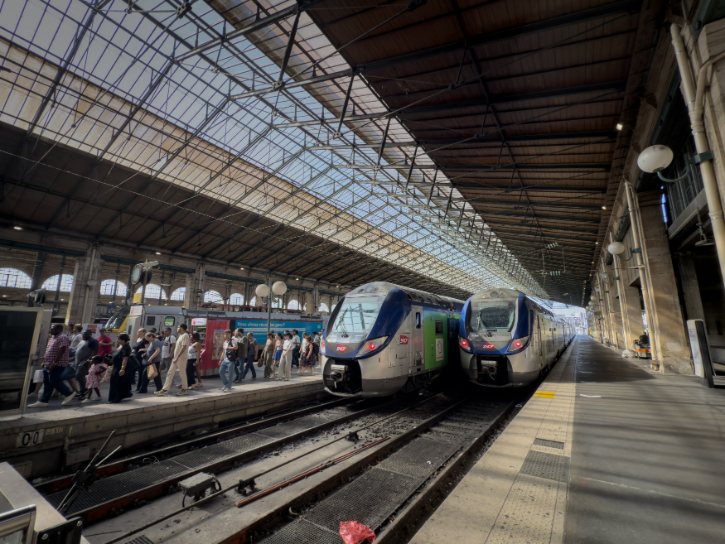
A few practical disruptions catch travelers off guard. Knowing about them helps.
Transport strikes
Strikes can affect SNCF trains, the Paris RER and Metro, and flights at Charles de Gaulle and Orly. They tend to peak in late spring and early summer, around June, before the busy season.
Road congestion
The worst gridlock comes on the swap-over weekends in late July and early August, when vacationers change places. The A7 through the Rhône Valley and the A10 toward Bordeaux can jam badly. Avoid driving on these peak weekends.
May bridges and August closures
The May bridge weekends can close pharmacies, banks, and bakeries for several days, and August closures mean you should confirm specific business hours directly.
How to reduce your risk
- Book flexible, refundable train tickets, especially for the TGV.
- Avoid the peak late-July and early-August travel weekends.
- Check live road forecasts from Bison Futé before any summer drive.
- Follow updates through SNCF Connect and the Paris airport websites.
The right month for France is really the right month for your France. Match the season to the region and the experience you want, check the details before you go, and you will sidestep the crowds, the closures, and the surprises that catch most travelers off guard.