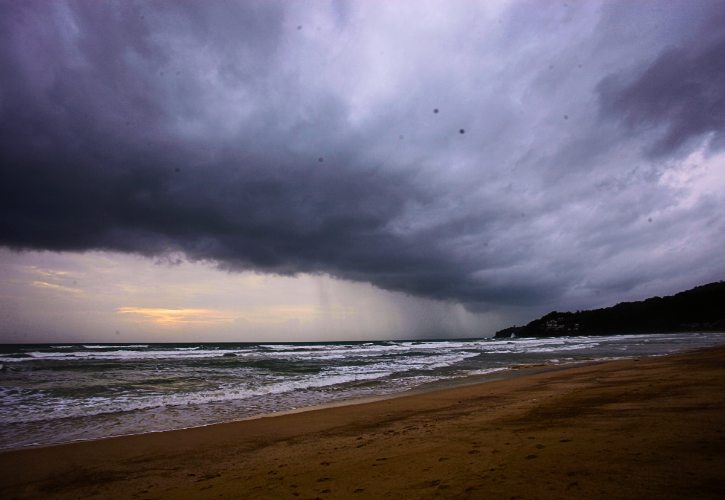
Phuket may look like a year-round paradise, but the month you choose can change everything.
The same beach can be calm and golden in February and rough and stormy in September.
Weather, sea conditions, hotel prices, crowds, island tours, and beach safety all shift with the seasons.
Choosing the right month is more than a comfort decision. It protects your budget, your plans, and your safety.
Here is what to expect across the year, so you can travel with confidence. 😊
1. Understanding Phuket’s Two Seasons
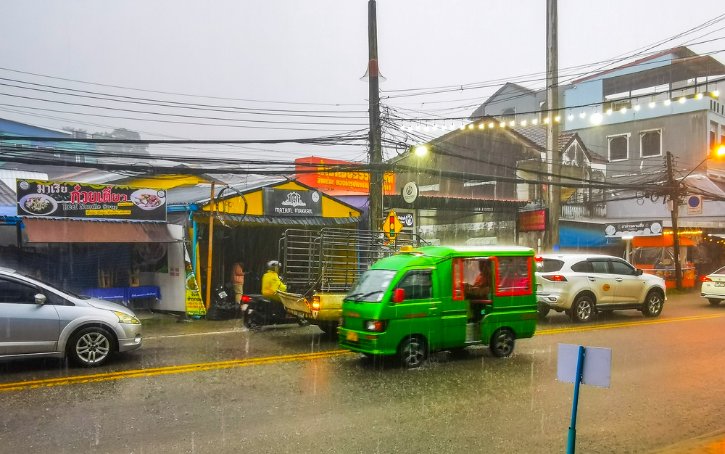
Before looking at each month, it helps to see the big picture. Phuket’s weather is driven by two monsoon wind systems, and they create two very different seasons. Knowing how they work makes every other decision easier.
a. The Two Monsoons at a Glance
- The dry season runs from December through March, when cool, dry air brings gentle breezes, calm seas, low humidity, and clear skies. This is peak tourism time.
- The wet season runs from June to October, when warm, moist air from the Indian Ocean brings frequent rain and rough seas.
b. Why “Wet Season” Can Mislead You
- The wet season does not mean rain all day, every day.
- Most rain comes as short, heavy showers or thunderstorms, often in the late afternoon or overnight, with sunshine in between.
- Now and then a tropical depression settles in and brings a few days of grey skies and steady rain.
c. West Coast Versus East Coast
- The popular west coast beaches, such as Patong, Kata, Karon, Kamala, and Bang Tao, face the open ocean and take the full force of monsoon swell.
- The east coast and sheltered southern bays, like Ao Yon and Panwa, stay much calmer along the shore all year.
d. Not the Same as the Gulf Islands
- Phuket sits on the Andaman coast and gets the heaviest rain from May to October.
- The Gulf islands, like Koh Samui, Koh Phangan, and Koh Tao, are sheltered during those months and see their wettest weather later, around November and December.
e. A Smart Habit Before You Book
- Conditions can shift quickly, so build one simple habit.
- Check the Thai Meteorological Department forecast before booking marine trips or finalising your plans.
Read More: Thailand Island Hopping Tours: Essential Tips for Tourists
2. A Month-by-Month Weather Overview
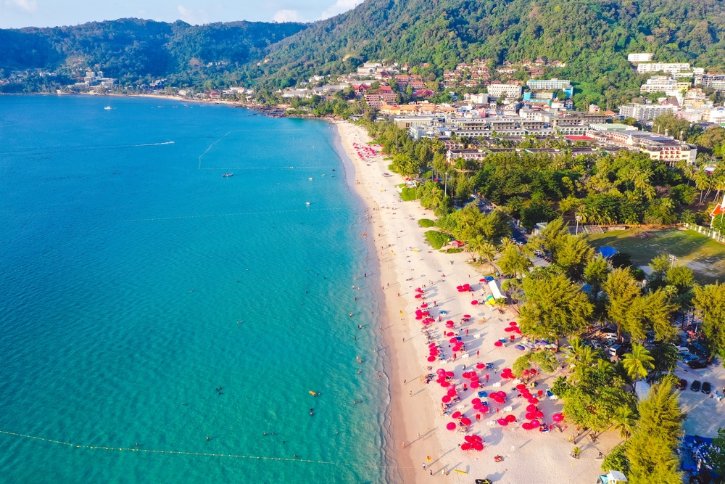
The figures behind the seasons are historical averages, not promises, so think of this as a feel for each month rather than a guarantee. Here is how the year usually unfolds, from the clearest skies to the heaviest rain.
a. December to February: Dry and Sunny
- This is Phuket at its most reliable, with the clearest skies and calmest seas of the year.
- January brings the clearest skies, while February is the driest and most reliable month for beach weather.
- The trade-off is simple. This is peak season, so great weather comes with higher prices and bigger crowds.
b. March and April: Hot and Humid
- The dry season ends and the heat climbs. March and April are the hottest months in Phuket.
- March is often the hottest on paper, but April can feel even hotter because the humidity is so high.
- You can still enjoy good beach days, though April turns cloudier with short afternoon heat showers.
c. May to August: The Early Wet Season
- May is usually the turning point, when the weather becomes wetter and less predictable.
- The tourism industry calls this the “green season”, but expect frequent showers, more cloud, and rougher seas, especially on the west coast.
- The upside is cheaper hotels and fewer crowds. The downside is less reliable beach and island-trip conditions.
d. September to November: Wettest, Then Clearing
- September is the wettest month and the hardest for a standard beach holiday, with grey skies and rough seas.
- October improves as it goes. Early October is often still stormy, while late October starts to clear.
- November becomes a transition month, with rain easing and conditions improving as high season approaches.
e. A Quick Weather Reminder
- Phuket has a tropical climate, so a passing shower can happen even in the best months.
- Use monthly patterns to plan the shape of your trip, then check the latest forecast before booking tours and beach days.
3. Sea Conditions and Beach Safety
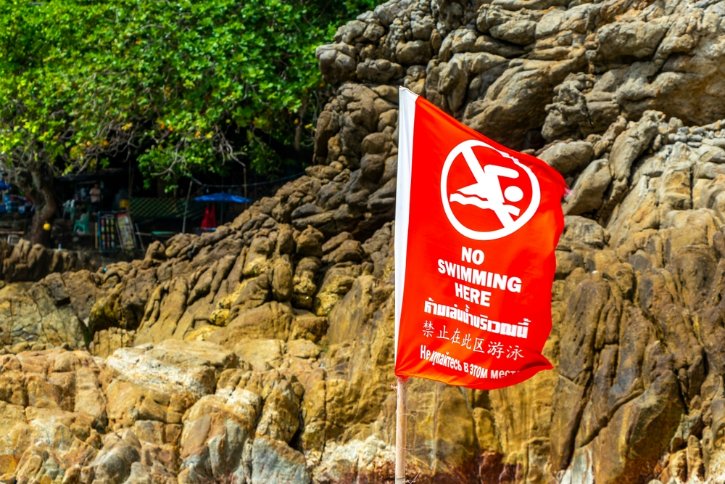
This section matters more than any other, especially for families and anyone who is not a strong swimmer. Rough seas cause drownings in Phuket every year, often because visitors do not understand the local hazards. A little knowledge keeps you safe.
a. The Beach Flag System
- Green flag: Calm and safe for swimming.
- Yellow flag: Moderate surf and currents. Take care, and weak swimmers should stay close to shore.
- Red flag: Dangerous conditions. Swimming is not allowed.
- Double red flag: The beach is closed. Stay out of the water.
- Red and yellow flag: A safe zone watched by lifeguards. Swim between these flags.
b. When the Sea Turns Rough
- The west coast sees a sharp rise in red flags from May to October, during the southwest monsoon.
- Powerful swells during these months create strong rip currents along exposed beaches.
c. Understanding Rip Currents
- A rip current is a narrow, fast channel of water that pulls straight out to sea.
- It can look deceptively calm, since the waves are not breaking there.
- If caught in one, stay calm, float, and swim parallel to the shore until you escape, then ride the waves back in.
d. The Safest and Roughest Months
- Calmest for swimming: December through April, with low swell and clear water on the west coast.
- Roughest for swimming: July, August, and September, when waves and rip currents peak.
- Major beaches like Patong, Kata, and Karon have lifeguards, but smaller, remote beaches often have none.
e. Extra Care for Families
- On west coast beaches, the sandy bottom can drop off suddenly and sweep a child into deep water.
- During the low season, pools or sheltered lagoons are the safest choice for young children.
- The sea changes quickly, so always follow the flags and never assume it is safe.
4. Island Trips: Phi Phi, Phang Nga, and James Bond Island
Island-hopping is one of the best parts of any Phuket trip, but whether it actually works depends on the month. Calm seas keep the boats running. Rough seas cancel them. Here is when each trip is at its best.
a. Phi Phi Islands
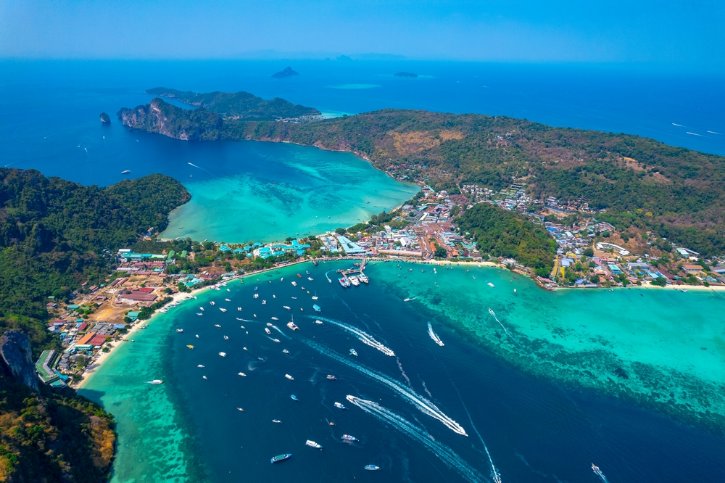
- Best months: November to April, when seas are usually calm and snorkeling visibility is great.
- Harder months: May to October, when rough crossings can cause seasickness, delays, or cancellations.
b. The Maya Bay Closure
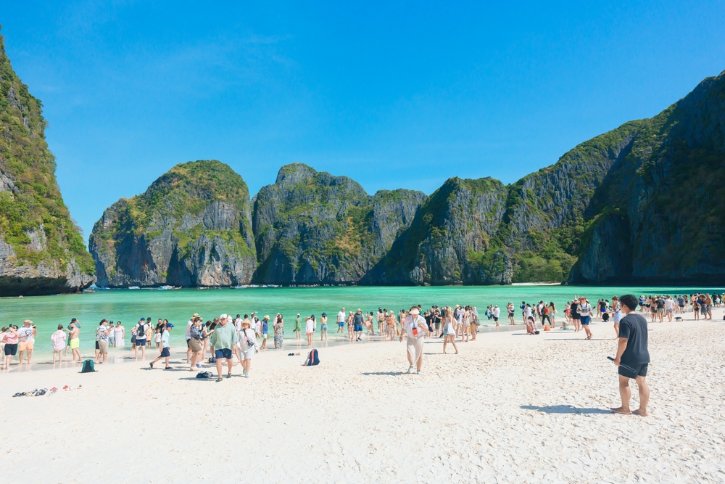
- Maya Bay closes every year from August 1 to September 30 to let its ecosystem recover.
- These dates can be adjusted, so confirm the current dates before booking.
c. Similan Islands
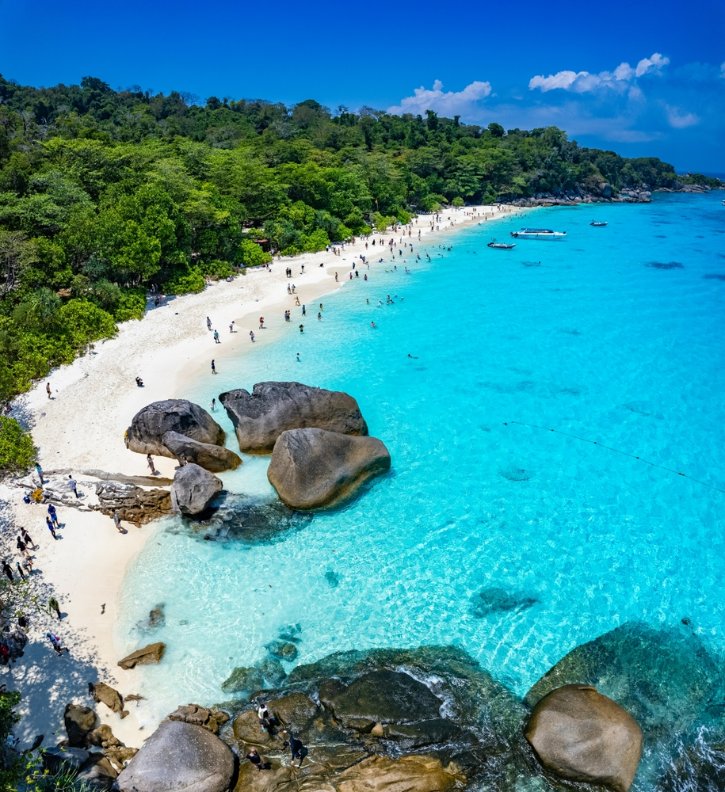
- The park is open from October 15 to May 15 and closed for the rest of the year.
- The best months to visit are January through April, with calm seas and clear water.
- Book national park e-tickets and speedboats from Thap Lamu Pier in Khao Lak well in advance, and confirm the exact dates first.
d. Phang Nga Bay and James Bond Island
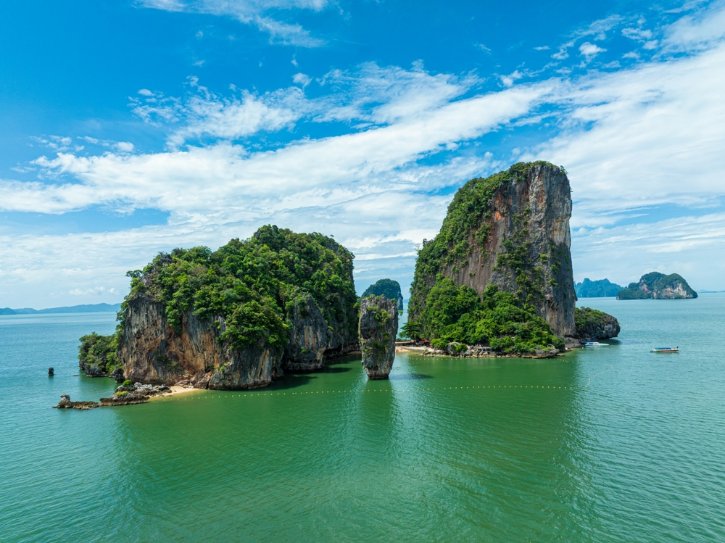
- These tours run year-round, since Phuket’s landmass shelters the bay from open-ocean swell.
- December through April brings the best light and calmest water for kayaking through the sea caves.
- In the low season, tours still run, but expect afternoon downpours.
Read More: 10 Best Islands to Visit from Phuket
5. Diving and Snorkeling Through the Year
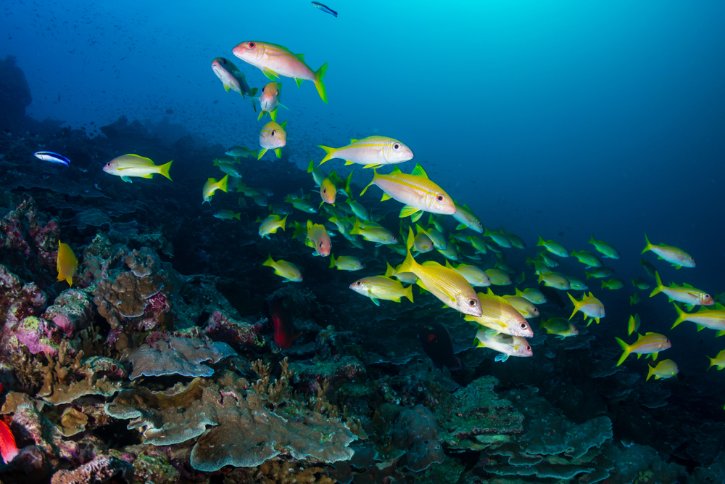
If you plan your trip around what is happening underwater, timing makes a real difference. Diving conditions in Phuket are very seasonal, with clear, calm water in the dry months and tougher conditions during the monsoon.
a. High Season: November to April
- This is the peak window for diving in the Andaman Sea, with comfortable water and the best visibility.
- The Similan and Surin parks are open, and this is prime time for liveaboard trips to sites like Richelieu Rock and Koh Bon.
- The main downside is busier dive sites.
b. Best Months for Big Marine Life
- February to April is the best window for spotting whale sharks and giant manta rays around Richelieu Rock and Koh Bon.
- Warming waters bring plankton that attract them, though sightings are never guaranteed.
c. Month-by-Month Highlights
- January: Excellent clarity and calm conditions, great for beginners and experienced divers alike.
- February: The dry peak, with the clearest water and steady currents for drift diving.
- March: Warmer water and more nutrients begin attracting large marine life.
- Mid-May: The last month to access the Similan and Surin parks before they close.
d. Low Season: Local Dive Sites
- The Similan and Surin parks close from May 16 to October 14.
- Diving shifts to local, sheltered sites like the Racha Islands, Koh Doc Mai, and the King Cruiser Wreck, though visibility drops.
- Prices fall and sites are quiet. Book only with licensed PADI or SSI operators who cancel trips in unsafe weather.
6. Surfing Season: When the Waves Arrive

This surprises many first-time visitors. In Phuket, the wet low season is the surf season. The same monsoon that roughs up the beaches also sends consistent swell onto the west-facing coast, turning quiet shores into a surfer’s playground.
a. When to Surf
- May and June bring smaller, cleaner waves that suit intermediate surfers.
- July to September brings the biggest, most powerful waves of the year.
- October sees the swell taper off, and November is an unpredictable transition month.
- December to April is the flat season, with calm, glassy, surf-free water.
b. Where to Surf
- Kata Beach is the heart of Phuket’s surf scene, with surf schools, board rentals, and lifeguards.
- Kata Noi, Kalim Reef, Kamala Beach, and Nai Harn offer other reliable breaks across the west coast.
c. Spots by Skill Level
- Beginners: Kata Beach, with gentle beach breaks over a sandy bottom.
- Experienced surfers: Kata Noi, with faster, more powerful waves.
- Advanced surfers only: Kalim Reef, a sharp reef break that handles large swells.
d. Staying Safe in the Water
- Watch out for strong rip currents, shallow sandbars, and submerged reefs.
- Do not surf alone, especially on stormy days.
- Check swell forecasts like Windguru or Surfline before you paddle out, since waves are never guaranteed.
7. Hotel Prices Across the Seasons
Phuket hotels use demand-based pricing that tracks the weather closely. Prices climb when conditions are best and fall when the rain arrives, so a little timing can save you a lot of money. Here is how the year breaks down for your budget.
a. Peak Season: December to February
- This is the most expensive time to visit, with occupancy regularly above 80%.
- Great weather and the Northern Hemisphere winter holidays push room rates to their highest.
b. Christmas and New Year
- The absolute peak runs from mid-December to early January.
- Many resorts add premium rates, minimum stays, and compulsory New Year’s Eve dinners.
- Book 3 to 6 months ahead for this period.
c. Shoulder Season
- In April to June and October to November, rates typically drop 20% to 35% from peak prices.
- Mid-April Songkran brings a short price spike, and November climbs steadily toward high-season rates.
d. Low Season Deals
- July to September offers the best value, with rates cut 30% to 50%.
- Luxury resorts often add perks like spa treatments, dining credits, or airport transfers.
- Some small guesthouses and restaurants may reduce hours or close during the slowest months.
e. A Booking Tip
- Prices change constantly with demand, events, and exchange rates.
- Compare com and Agoda, then check the hotel’s own website for lower direct rates.
8. Crowds and Tourist Traffic by Month
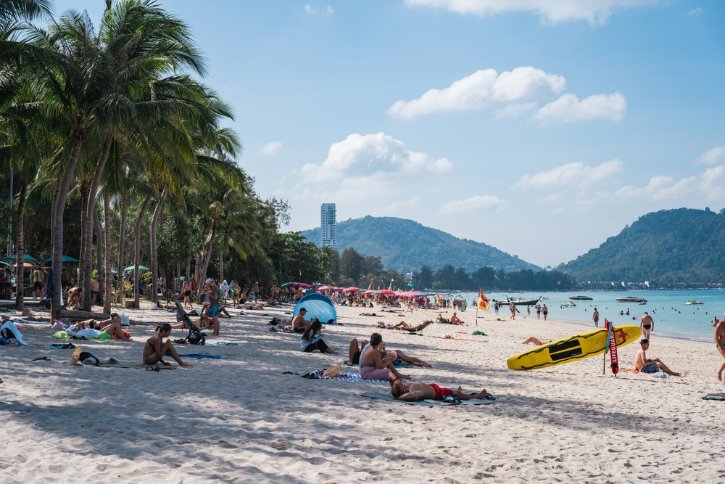
If avoiding crowds matters to you, this section shows when Phuket is busy and when it breathes. The island is one of the most visited in Southeast Asia, and the difference between a packed beach and an empty one often comes down to timing.
a. The Busiest Months
- December and January are the busiest, driven by holiday travellers.
- Beaches like Patong, Karon, and Kata get crowded, and traffic on the coastal roads can double your travel time.
- Landmarks like the Wat Chalong and Old Phuket Town see long queues.
b. The Quietest Months
- May, June, September, and October are the quietest, lining up with the peak of the wet season.
- Beaches are calm, queues nearly vanish, and popular restaurants rarely need reservations.
c. The Best Balance Months
- Late April and November are the sweet spots for good weather with fewer people.
- By late April, the big Songkran crowds have left and prices begin to soften.
- In November, the weather is clearing, but heavy crowds do not arrive until mid-December.
d. Book Ahead in Peak Season
- From December to February, book island tours, popular restaurants, and rental cars 2 to 4 weeks in advance.
9. Festivals and Local Events
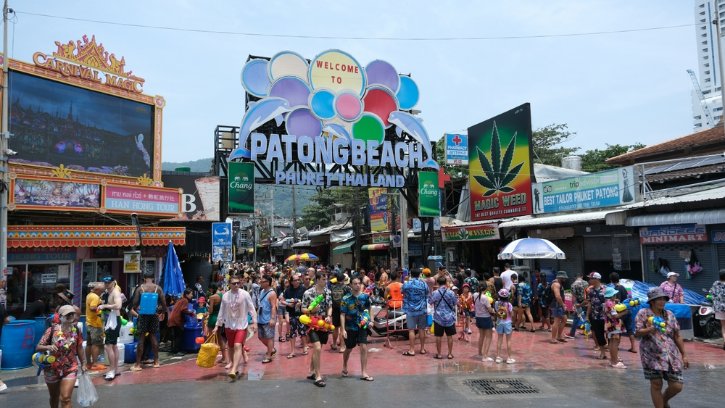
Timing your trip around a festival can add something special, as long as you plan for the crowds and prices that come with it. Phuket’s calendar mixes lively water fights, deep spiritual traditions, and quiet local rituals.
a. Songkran (Thai New Year)
- Dates: April 13 to 15. Expect island-wide water fights and street processions.
- Patong (Bangla Road) and Phuket Town are the main hubs, running from morning until late at night.
- Hotel and flight prices rise, and traffic can grind to a halt, so allow extra airport buffer time.
b. Phuket Vegetarian Festival
- When: Follows the Chinese lunar calendar, usually falling in late September or October. A nine-day Taoist celebration centered on Phuket Town’s Chinese shrines.
- Famous for spirit mediums, body piercings, and firewalking, with vegan food marked by Jay
- Wear white, keep a respectful distance during rituals, and bring ear protection for the firecrackers. Dates shift each year.
c. Por Tor (Hungry Ghost Festival)
- When: Held on the 15th day of the seventh lunar month, usually in August or September. A Chinese festival of ancestor worship at Phuket Town shrines.
- Families make offerings of Ang Ku, red turtle-shaped cakes symbolising longevity.
- This festival feels very local, with little tourist commercialisation.
d. Loy Krathong
- When: Held on the November full moon. People float decorative baskets at sunset to release negativity.
- Popular spots include Nai Harn Lake, Karon Beach, Patong Beach, and the Saphan Hin lagoon.
- It overlaps with the start of high season, so prices and crowds are usually rising.
e. Phuket Bike Week
- When: Held in mid-April. Southeast Asia’s largest motorcycle gathering, centered on Loma Park, Patong Beach.
- Expect custom bikes, beach parties, and live concerts.
- Because it overlaps with Songkran, mid-April in Patong means intense crowds and premium prices.
Important reminder: Festival dates tied to the lunar calendar change every year. Always confirm exact dates with the Tourism Authority of Thailand.
10. Choosing Your Best Month
There is no single best month for Phuket. The right answer depends on what you care about most, whether that is calm seas, big surf, low prices, fewer crowds, or a lively festival. Use this guide to match your travel style with the right time of year.
a. Best Months by Travel Style
- Weather and beaches: January and February, with February the driest and most reliable.
- Diving and snorkeling: January to April, when the Similan and Surin Islands are open.
- Surfing: May to October, with Kata Beach as the safest hub.
- Budget travel: July to September, when prices fall sharply.
- Island-hopping: December to April, with calm, comfortable boat trips.
b. The Months to Approach with Care
- Worst for beach holidays: September and early October, with the heaviest rain and frequent red flags.
- Worst for island trips: May 16 to October 14, when marine parks are closed and crossings are rough.
c. Final Reminders Before You Book
- Pack light rain gear if you travel in the transition or wet months.
- Verify festival dates with the Tourism Authority of Thailand before booking.
- Always follow the beach flags, and never swim when a red flag is flying.
- Compare hotel prices across multiple platforms, since rates change constantly.
- Check the Department of National Parks Thailand for marine park closures before planning trips.