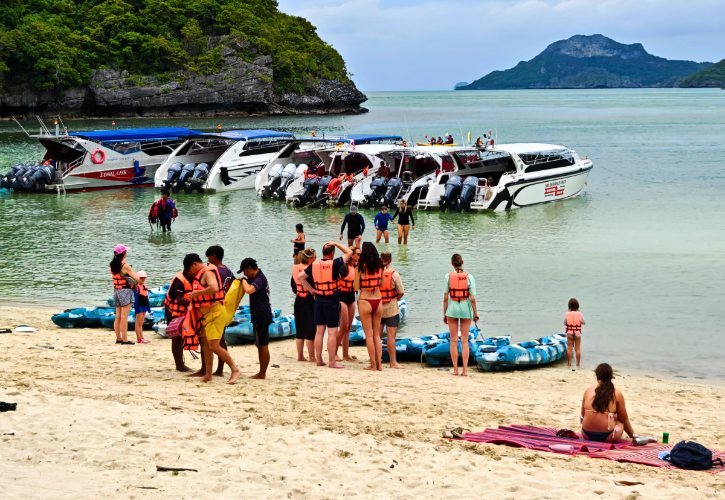
Turquoise water, limestone cliffs, white sand, and an easy boat ride between famous bays. That is the Thailand island hopping tour you see in the photos, and it is real.
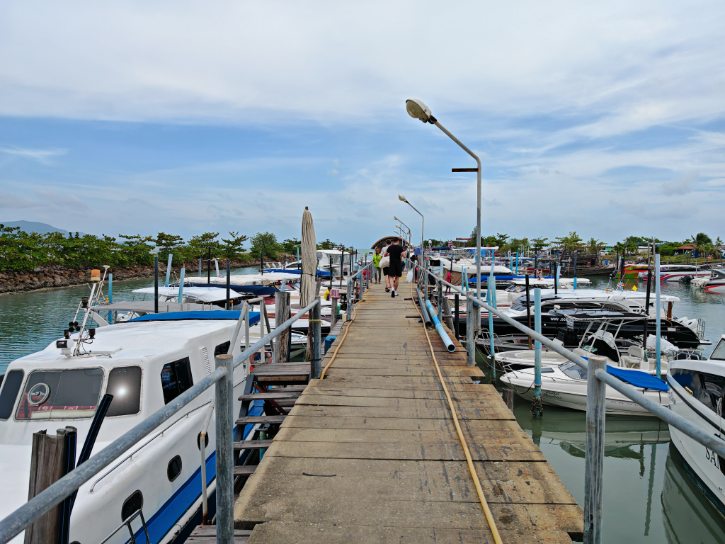
But there is another side that many tourists only discover on the day. Crowded piers, rough water, a rushed schedule, and hidden fees at the pier.
None of this means you should skip the tour. It just means you should check the real details first. Here is what to look for before you book.
1. The Best-Looking Tour Photos Can Be Misleading
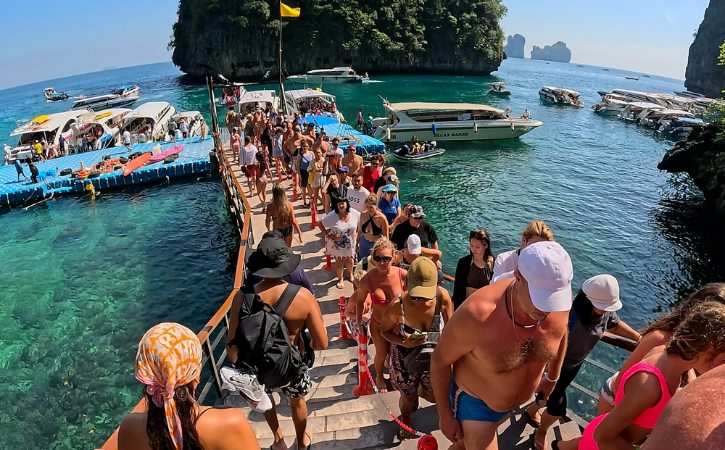
Island hopping tours are sold through beautiful images, but those images often show the best possible version of a place. A normal paying tourist on a busy day may see something very different.
Many of the names you already know fall into this gap. Maya Bay, the Phi Phi Islands, James Bond Island, the Hong Islands, Phang Nga Bay, and the Krabi Four Islands route are all genuinely beautiful.
They are also among the most visited stops in the south, so the calm, empty look in a brochure rarely matches a normal tour day.
Why the photos look so perfect
- Calm sea and clear blue sky
- Soft sunrise or sunset light
- Quiet, low-crowd moments
- Off-season timing or a private tour
- Carefully chosen camera angles
The same beach can change completely
- Crowd level and time of day
- Weather, wind, and tide
- Sea visibility for snorkeling
- Whether boats can land or only stop offshore
Know what kind of stop you are getting
- Photo stop, where you stay on the boat
- Snorkeling stop in the water
- Beach stop with time on land
- Offshore stop with no landing
- Real free time versus a quick pass-by
Check it yourself
- Look at recent traveler photos, not only company shots
- Choose photos from the same season you will visit
- Compare Google Maps, TripAdvisor, and recent social posts
2. The Weather Can Change the Whole Experience
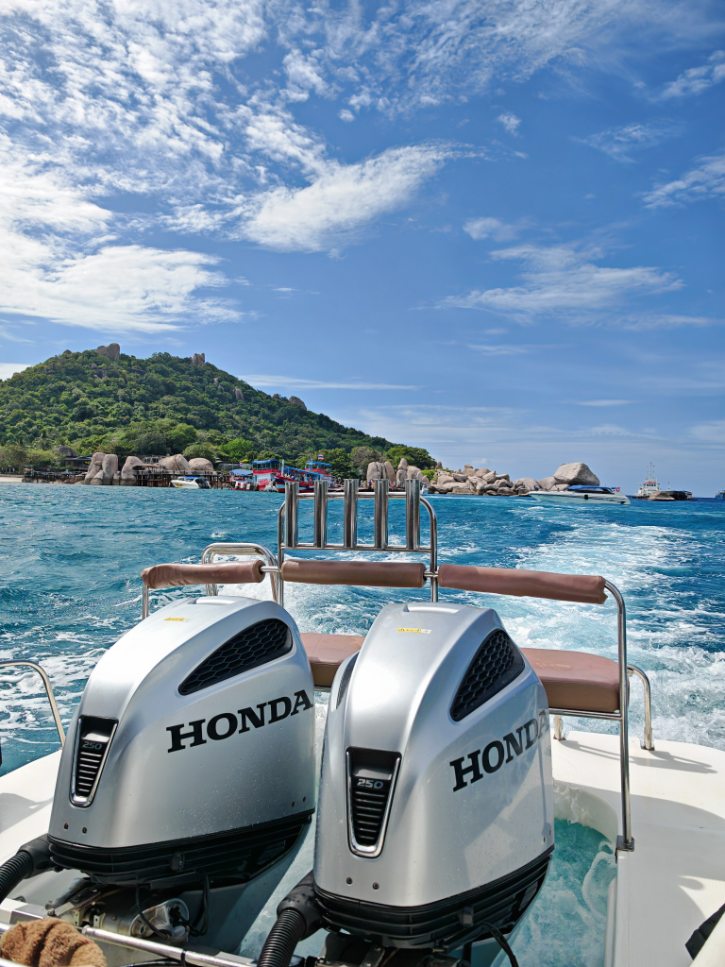
Weather is one of the biggest factors in any island hopping tour, because boats depend on sea conditions and the captain’s safety calls.
There is no single best season for the whole country, since southern Thailand has two coasts that follow different patterns.
Two coasts, two seasons
- Andaman side (Phuket, Krabi, Phi Phi, Phang Nga, Similan, Surin, Koh Lanta) is best roughly November to April
- Gulf side (Koh Samui, Koh Phangan, Koh Tao) is often best in June, July, and August
- Always check the exact coast, not just “Thailand weather”
The season trade-offs
- High season brings better weather but bigger crowds
- Shoulder months mean fewer tourists but less predictable seas
- Low season brings lower prices but more cancellation risk
What weather can affect
- Snorkeling visibility and boat comfort
- Photo quality and beach color
- The order of stops and arrival timing
- Whether the tour runs at all
Seasonal park closures to know
- Maya Bay closes around August 1 to September 30
- Similan and Surin close roughly May 15 to October 15
- Ang Thong closes around November 1 to December 15
Before you book
- Check the Thai Meteorological Department forecast
- Use a wind and swell tool to read sea conditions
- Confirm refund and route-change rules in writing
- Avoid booking a major boat tour on your final day in Thailand
- Keep one flexible day in your plans when you can
3. Crowds Can Be the Biggest Surprise
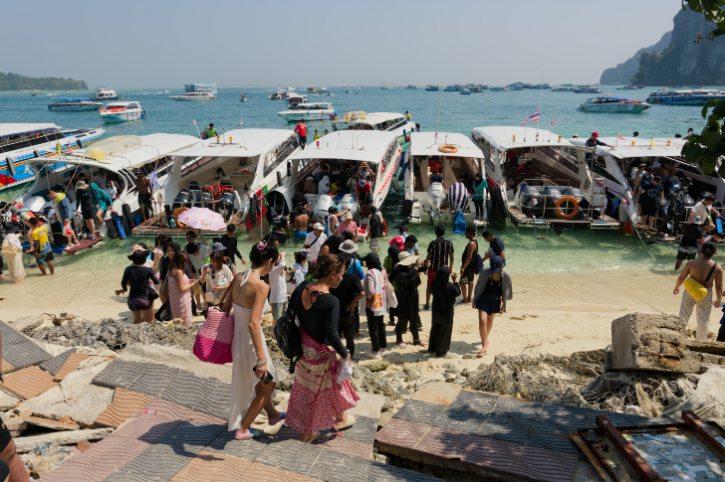
Many tourists picture a peaceful, empty island, then arrive at a packed pier and a famous bay shared with many other boats.
The reason is simple. There are only so many iconic stops, and many companies sell the same routes at similar times.
Why famous routes get busy
- A small number of iconic stops
- Many companies selling the same routes
- Easy day trips from Phuket, Krabi, and Koh Samui
- Social media photo spots and peak season demand
The most crowded stops
- Phi Phi Islands and Maya Bay
- Pileh Lagoon
- James Bond Island and the Hong Islands
- Krabi Four Islands and short Koh Khai tours
How crowds change the day
- Less swimming space and lower snorkeling visibility
- Longer bathroom and boarding queues
- A busier lunch stop
- A rushed, less relaxing feeling
Ways to beat the crowds
- Choose early-bird tours, around 6:30 to 7:30am
- Pick smaller, private, or semi-private tours
- Avoid peak holidays and consider shoulder season
- Stay overnight on Phi Phi for more timing flexibility
Read More: 5 Thailand Islands Travelers Can’t Miss
4. Boat Type Matters More Than Many Tourists Realize
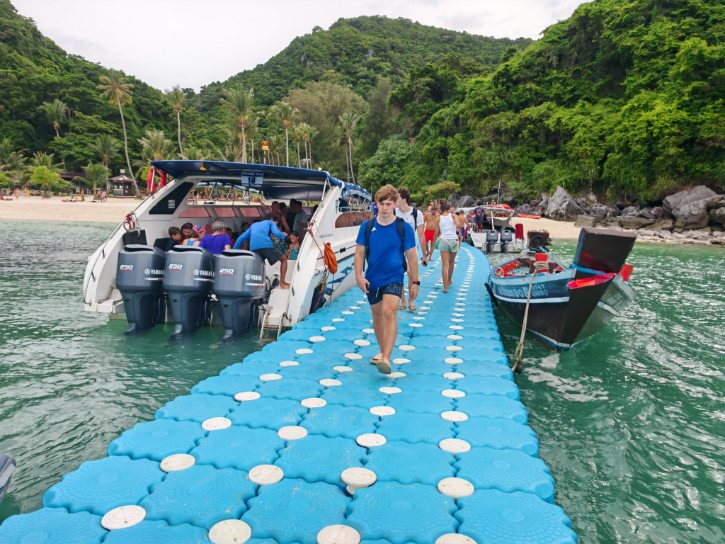
The boat is not a small detail. It shapes comfort, safety, speed, seasickness risk, shade, and the whole mood of the day. The wrong boat for the conditions can turn a good route into a hard one.
The main boat types
- Longtail: traditional and cheap, but slow and exposed, best for short inshore hops
- Speedboat: fast and covers more stops, but bumpy and often crowded
- Big or ferry-style boat: slower but stable, good for nervous passengers
- Catamaran: more stable and comfortable, usually pricier
- Private boat: flexible, with quality that depends on the operator
When the wrong boat hurts
- A longtail is a poor choice for open-water crossings
- A small speedboat feels harsh on windy days
- A calm-water boat can feel very different in rough sea
Who should pay extra attention
- Families with children and older travelers
- People prone to seasickness or with back and neck issues
- Pregnant travelers and anyone with medical concerns
- Thai medical guidance advises these groups to avoid speedboats in rough seas
Questions to ask
- What exact boat type and name is used?
- Is there shade, a toilet, and comfortable seating?
- How many passengers are on board?
- Is the boat suitable for this route and these conditions?
- Are life jackets available for everyone, for the full journey?
5. Some Tours Pack Too Many Stops Into One Day
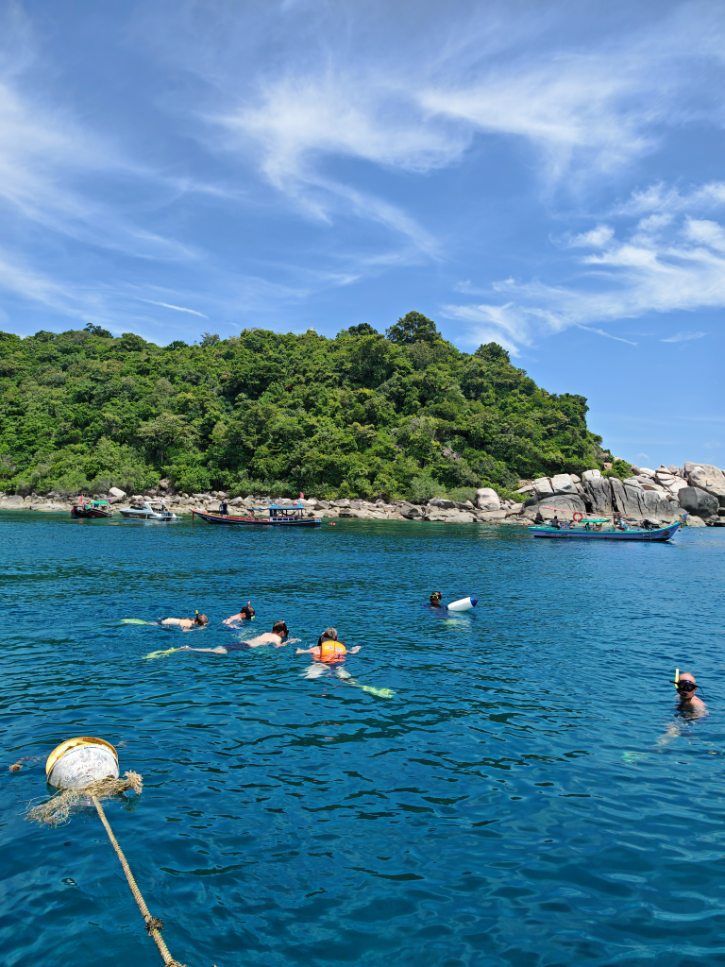
A tour with many stops can look better on paper, but too many stops often means a rushed, tiring day. More is not always better when each stop becomes a quick rush on and off the boat.
The overloaded-day problem
- Too much boarding and leaving
- Short beach time and rushed snorkeling
- Tired passengers and little flexibility
- More waiting time with large groups
Advertised stops can mislead
- Some stops are only pass-by photo spots
- Some are offshore, with no landing
- Some give you just 20 to 30 minutes on land
Your real time is shorter than it sounds
- Anchoring takes time
- Getting a big group on and off takes time
- The return-to-the-boat process eats into beach time
What a better itinerary looks like
- Fewer stops with more time at each
- A good balance of snorkeling, beach, and lunch
- Clear timing and realistic transfer distances
- A well-paced 3-stop tour often beats a rushed 7-stop one
6. Cheap Tours Can Come With Hidden Trade-Offs
A low price is tempting, but it can hide compromises in comfort, inclusions, safety, and service. Cheap does not always mean bad. The real issue is not knowing what is included, so always compare the full final price.
Common trade-offs on cheaper tours
- Bigger groups and older boats
- Limited shade and basic lunch
- Lower-quality snorkeling gear
- Fewer crew and weaker support
The extra charges that surprise people
- National park fees, often paid in cash
- Pickup from distant hotels
- Fins, towels, and photos
- Private pickup and special meal requests
National park fees to expect
These are typical foreign-visitor fees. Amounts can change, so confirm before you go.
- Phi Phi (Hat Noppharat Thara): around 400 THB per adult, plus small viewpoint fees
- Ao Phang Nga (James Bond Island): around 300 THB per adult
- Similan and Surin: around 500 THB per adult
- Ang Thong: around 300 THB per adult
- Koh Nang Yuan: a non-negotiable landing fee, around 250 THB
Questions to ask
- Does the price include national park fees and hotel pickup?
- Are lunch, water, gear, and insurance included?
- What is the cancellation policy and the maximum group size?
- Compare at least three operators before you choose
7. Safety Standards Should Be Checked Before Booking
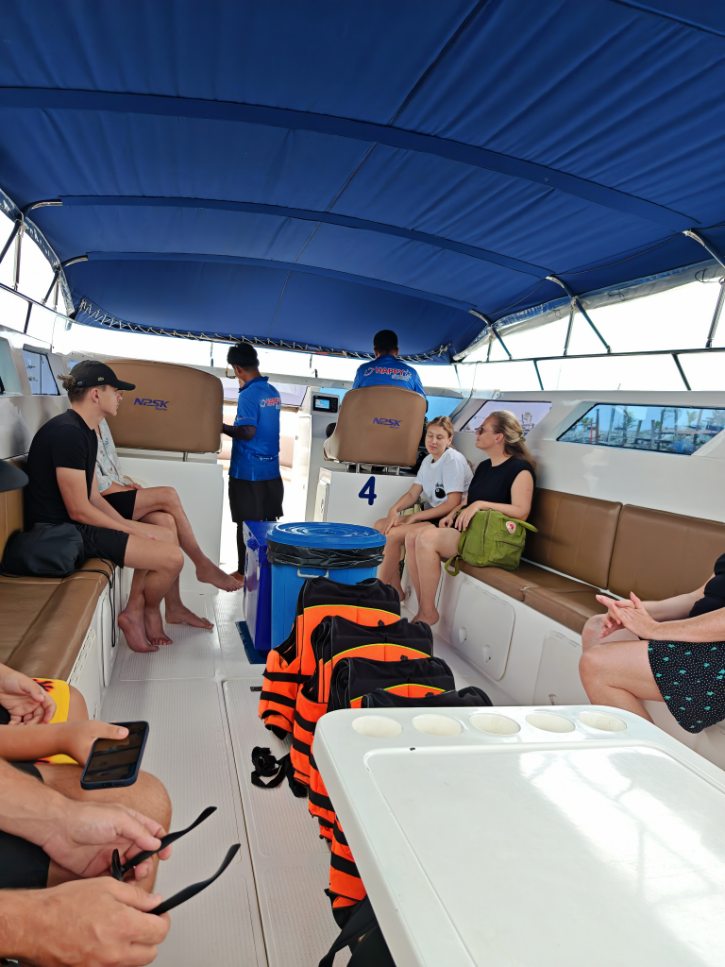
Safety is one of the most important parts of any tour, yet many tourists only think about it once they reach the pier. Thailand has marine safety rules and stricter boat checks after past accidents, but enforcement and operator quality still vary.
What good safety looks like
- Enough life jackets for every passenger
- A licensed operator and trained crew
- A boat that is not overloaded
- A safety briefing and visible first aid kit
Red flags to watch for
- No safety briefing or visible life jackets
- A boat that looks overloaded
- An operator who avoids safety questions
- A very cheap price with unclear standards
Emergency numbers to save
- Tourist Police: 1155 (English support, 24/7)
- National Medical Emergency: 1669
- Marine Police: 1196 (search and rescue)
Questions to ask
- Is the operator licensed and the boat registered?
- Are life jackets provided for everyone, for the full trip?
- What happens if sea conditions become unsafe?
- Is insurance included? If safety questions go unanswered, choose another provider
8. Seasickness Can Ruin the Day
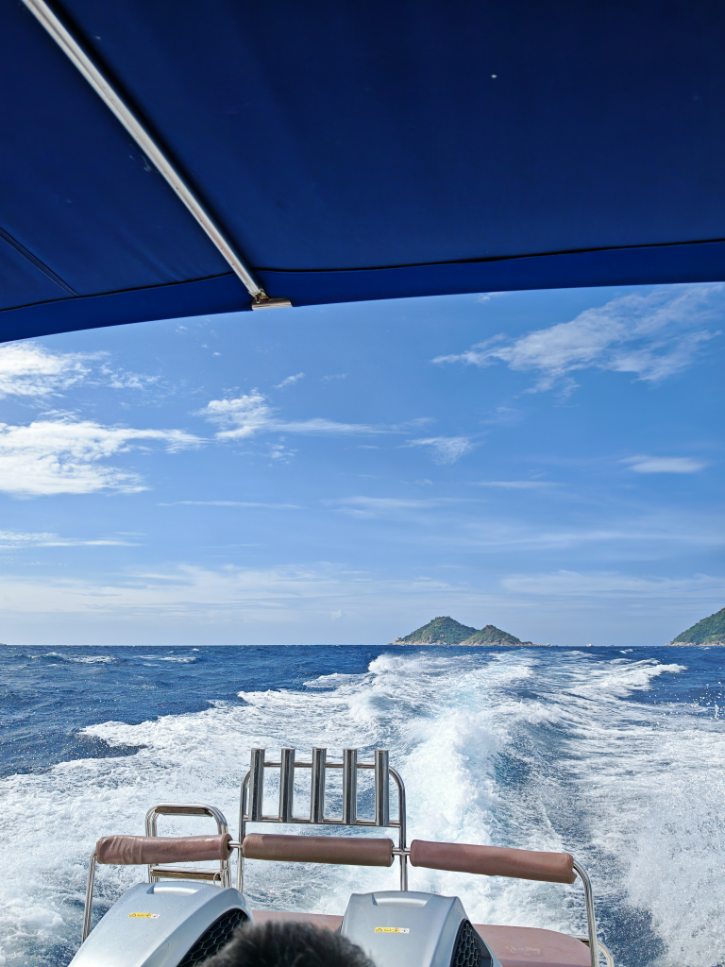
Seasickness is one of the most overlooked problems on these tours. It shows up most on speedboats, on rough-water days, and on longer open-sea routes.
The cause is simple. Your body feels movement that your eyes do not see, and that mismatch brings nausea and dizziness.
Why some tours are harder
- Speedboats can be very bumpy
- Open-sea crossings can be rough
- Smaller boats pass more movement to you
- Long rides make symptoms harder to manage
Gentler options
- Larger boats and ferry-style tours
- Catamarans and shorter routes
- Fewer-stop itineraries and calmer seasons
- Enclosed bay routes such as Phang Nga Bay
What makes it worse
- A heavy meal or alcohol before departure
- Lack of sleep and poor airflow
- Reading or scrolling on your phone
- Watching the moving waves too closely
Prevention tips
- Sit near the middle of the boat
- Face forward and look at the horizon
- Eat lightly and stay in fresh air
- Prepare motion sickness medicine before boarding, and ask a pharmacist first
9. Reviews Should Be Read Carefully
Reviews are useful, but star ratings and pretty photos only tell part of the story. A 4.8-star tour can still be wrong for you if the boat is too crowded, the pace too rushed, or the route a poor fit for your group.
Signs of weak or fake reviews
- Very positive language with no real details
- Generic comments that fit any tour
- Accounts with little or no history
- A sudden burst of similar five-star posts
What good reviews mention
- Boat type, name, and group size
- Departure and arrival timing
- Crowd levels and snorkeling visibility
- Hidden fees, life jackets, and how rushed it felt
Read recent reviews first
- Focus on the last three months where possible
- Choose reviews from your travel season
- Trust repeated complaints over one emotional review
Watch how operators reply
- Professional, helpful replies are a good sign
- Defensive or rude replies are a red flag
- Compare Google, TripAdvisor, and recent social posts
10. What Tourists Should Check Before Booking
Here is the short checklist that brings it all together. Run through it before you pay, and you will choose a much better tour.
Route and stops
- Which islands are included, and what kind of stops are they?
- How much time is spent at each one?
- Can the route change due to weather or closures?
Weather and boat
- Is this the right season for this coast?
- What type of boat is used, and is it suitable?
- Is there shade, a toilet, and comfortable seating?
Safety and costs
- Are life jackets and a safety briefing provided?
- Is the operator licensed and insured?
- Does the price include park fees, pickup, lunch, and gear?
Group size and traveler fit
- What is the maximum group size?
- Is the day too rushed, or is the route too rough?
- Is the tour right for children, older travelers, or non-swimmers?
Thailand’s islands are worth every bit of the trip. A little planning before you book is all it takes to make sure the day on the water lives up to the photos that made you want to go.