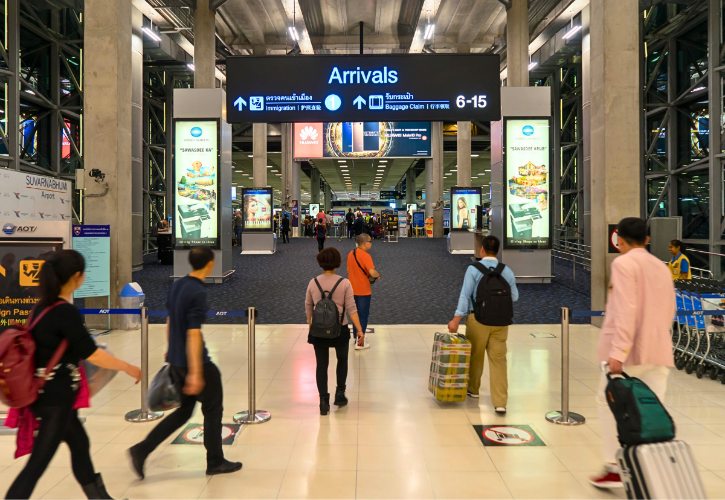
Thailand is one of the easiest and friendliest places you can travel. The food is amazing, the people are warm, and getting around is simple once you settle in.
But here’s the important part. A few rules in Thailand are enforced far more strictly than most visitors expect, and a small slip can turn into a big problem.
A little preparation before you fly saves you stress at the airport, at temples, and everywhere in between. Let’s walk through the ones that matter most.
1. Strict Visa Overstay Penalties
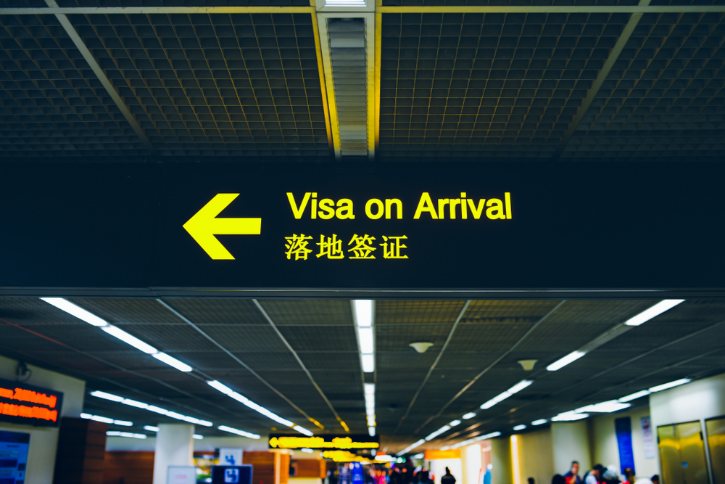
Overstaying in Thailand is not a small travel mistake. It is a serious immigration issue under the Immigration Act B.E. 2522, and border checkpoints now use biometric scanning that flags a passport instantly.
Follow the stay date Thai Immigration gives you on arrival, not your flight date, your visa validity, or your travel plan.
a. What Overstay Means
Most accidental overstays happen because travelers mix up two different things.
- Visa validity is the window in which your visa can be used to enter Thailand.
- Permitted length of stay is how long you may remain after entry. This is the date stamped in your passport as “Admitted Until”.
Staying past your “Admitted Until” date is an overstay, even if your visa is still valid. For example, the Destination Thailand Visa (DTV) has a five year validity but allows only 180 consecutive days per entry. Day 181 without an extension is an illegal overstay.
b. Permitted Stay Rules
Rules vary by nationality, so treat these as a starting point and confirm your own case.
- Nationals from around 93 countries can get a 60 day visa exemption on arrival for tourism, business, or urgent work.
- That exemption can usually be extended once for another 30 days at a local immigration office.
- Travelers on a Visa on Arrival or standard tourist visa must stick to their stamped dates.
c. Fines and Re-Entry Bans
The overstay fine is charged per day at 500 THB, capped at 20,000 THB.
The bigger risk is a re-entry ban, and the penalty depends on whether you surrender voluntarily or are caught inside the country. If you surrender at departure:
- Under 90 days: fine only, no ban, but recorded.
- 90 days to 1 year: capped fine, 1 year
- More than 1 year: capped fine, 3 years
- More than 3 years: capped fine, 5 years
- More than 5 years: capped fine, 10 years
If you are arrested, a 1 day to 1 year overstay means a 5 year ban, and more than 1 year means a 10 year ban. Those caught inside face court prosecution and an Immigration Detention Centre before deportation, and you pay for your own flight home. Repeated overstays can bring a permanent “undesirable alien” stamp.
d. If You Realize You’ve Overstayed
- For a short, accidental overstay, pay the daily fine on departure at the airport.
- If your overstay is long or near the 90 day threshold, do not just walk up to a normal terminal to leave.
- In that case, get professional legal counsel before you surrender, and contact immigration or your embassy if unsure.
e. Practical Advice
- Photograph your entry stamp on arrival and save the permitted stay date in your phone.
- Set a reminder about seven days before your final permitted day.
- Apply for any extension before your stay expires.
- Confirm rules with the Thai Immigration Bureau and your embassy before a long trip.
- Never plan to overstay on purpose, and don’t assume a day or two is fine.
2. Customs Limits Tourists Should Know Before Arrival
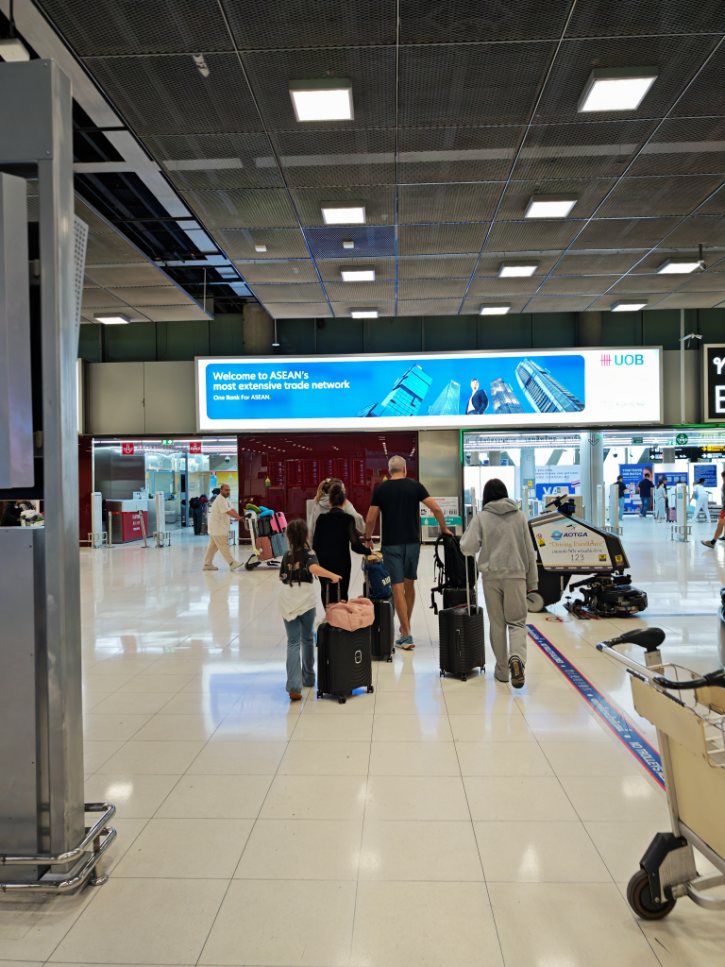
The Thai Customs Department enforces clear limits on what you bring in, under the Customs Act B.E. 2560. Getting it wrong can mean confiscation, heavy fines, or worse, so check this before you pack.
a. Duty-Free Allowance
- You get a duty-free personal allowance of up to 20,000 THB for personal or professional items, as long as they are not prohibited or restricted.
- This allowance applies per person.
- Travelers on a transit visa or Visa on Arrival may be limited to 10,000 THB
b. Alcohol and Tobacco Limits
Each passenger over the age of 20 may bring in:
- Up to 1 liter of alcohol.
- Up to 200 cigarettes, or 250 grams of loose tobacco.
Here’s the important part. Group travelers cannot pool their allowances. If one person carries a bag over their own individual limit, customs can prosecute that person for the entire amount. Going over leads to confiscation of the excess and fines calculated per pack.
c. Cash Declaration
There is no limit on how much currency you can carry, but there are reporting thresholds.
- Carrying foreign currency worth USD 20,000 or more requires a customs declaration.
- You may take up to 50,000 THB out of the country without declaring.
- If your destination is a neighboring country (Laos, Myanmar, Cambodia, Malaysia, or Vietnam), that Thai Baht limit rises to 500,000 THB.
d. Red Channel vs Green Channel
Use the Green Channel when you have nothing to declare: belongings under the allowance, under 1 liter of alcohol, under 200 cigarettes, no restricted items. Bags may still be randomly screened.
Use the Red Channel when carrying items over the allowance, commercial goods, controlled medicines, expensive new goods, or anything restricted or uncertain. When in doubt, take the Red Channel and ask. It is safer than guessing.
e. Restricted Goods and Tips
Some items are restricted or prohibited, including narcotics, vapes and e-cigarettes, weapons, counterfeit goods, wildlife and plant products, Buddha images, and antiques.
On Buddha images, fragments such as heads, hands, or feet cannot leave the country at all, and exporting a complete image needs a permit from the Department of Fine Arts.
Before you pack:
- Keep receipts for expensive electronics like phones, laptops, and cameras.
- Do not carry items for other people or combine allowances with friends.
- Declare anything you’re unsure about.
- Check customs.go.th and confirm medicine and vape rules first.
3. Prescription Medicine Rules Are Strict
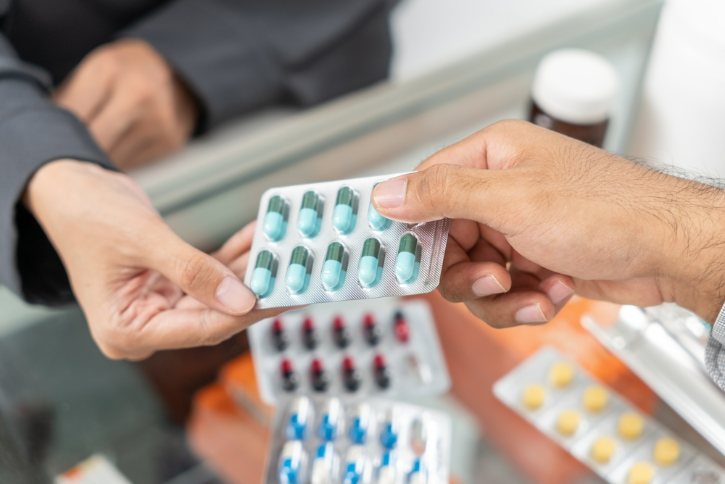
A prescription from home does not guarantee smooth entry. Some medicines that are normal for you may be controlled, restricted, or illegal in Thailand.
a. Normal Personal Medicine
For ordinary personal medicine, the safest habits are:
- Keep medicine in its original pharmacy-labeled packaging.
- Carry a copy of your prescription and dosage details.
- Bring only a reasonable personal supply, not bulk quantities.
Loose pills in unmarked containers can cause problems.
b. Controlled Medicine
Under Thai FDA rules, controlled drugs fall into schedules:
- Narcotics Schedule II (such as Codeine, Fentanyl, Morphine, Methadone): you may carry up to a 90 day supply, but you must get an official Form IC-2 permit online through the Thai FDA Traveler Portal at least 15 days before arrival.
- Psychotropics Schedule II, III, and IV (such as Alprazolam, Diazepam, Zolpidem, Methylphenidate, Phentermine): for stays up to 30 days, no permit but you must carry a valid prescription or physician’s certificate. For stays of 31 to 90 days, under Ministerial Regulation B.E. 2567 (2024), you need a pre-approved FDA permit before arrival.
So do not assume your sleeping, anxiety, ADHD, or strong pain medicine is automatically allowed.
c. The FDA Permit and Documents
Apply through the Thai FDA Traveler Portal well ahead, since approval must come through before you fly. Carry a physician’s letter in English that includes:
- Your full name and address, matching your passport.
- The medical condition being treated.
- The brand and generic name, dosage strength, and usage instructions.
- The total quantity
- The prescribing doctor’s name, address, and license number.
d. Declaring at Customs
If you carry Schedule II narcotics, declare them at the customs Red Channel on arrival. Present the actual medication, your approved FDA permit, and your supporting medical documents.
e. What to Avoid
- Do not bring loose pills in unlabeled containers.
- Do not carry large quantities without documents, or medicine for someone else.
- Do not assume home country legality means Thai legality.
- Double check the Thai FDA and your embassy websites before you travel.
4. Carry a Passport Copy for ID Checks
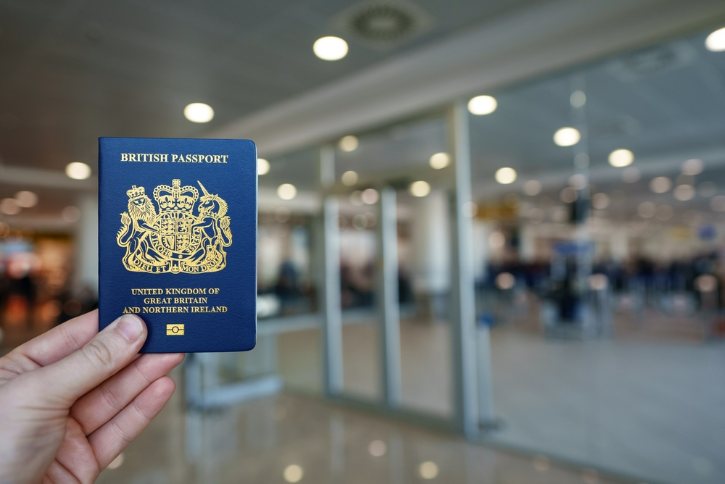
Under Thai law, foreign nationals are technically expected to carry identification at all times. The passport is your strongest ID, but carrying the original everywhere risks loss or theft. The smart move is to carry a good copy and keep the original safe.
a. Passport or Photocopy
- The original passport is the ultimate legal document.
- For everyday outings, a high-quality copy plus digital backups keeps you compliant while protecting the original.
- Some officials may still ask for the original in formal situations, so keep it reachable.
b. Why You May Need ID
You may be asked for identification at:
- Hotel check-in, since properties must report foreign guests to immigration.
- Routine police checks, especially in nightlife or transit areas.
- Domestic flights, intercity trains, and ferry bookings.
- Car or motorbike rentals, which also need a valid driving license.
- Hospitals and clinics before treatment.
c. What Copy to Carry
Save or copy your passport photo page, entry stamp page, visa page if applicable, and TM6 arrival record if you have one, plus your hotel address and emergency contact details. Keep both a printed copy and a phone copy backed up to the cloud, since batteries die and some officials won’t accept a digital copy.
d. When to Carry the Original
Bring the original passport for airport travel and domestic flights, border crossings, immigration offices, visa extensions, and other official procedures. The rest of the time, lock it in your hotel safe but keep it accessible for the moments you truly need it.
5. Respect the Thai Monarchy
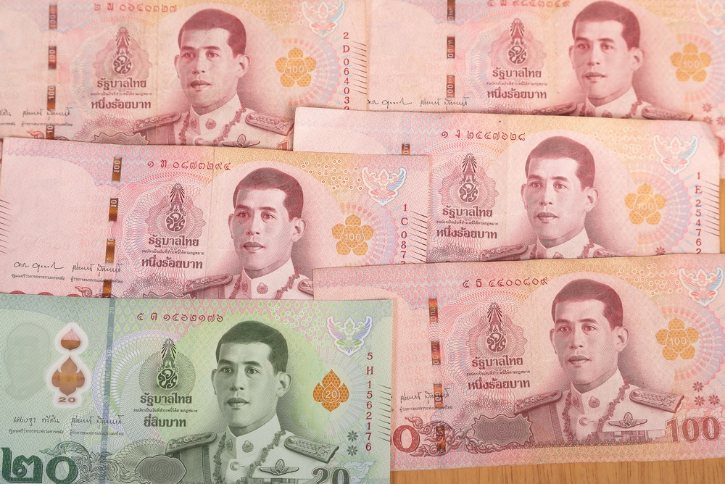
Respect for the Thai royal family is not just a social custom. It is a serious legal matter, and it applies to visitors too. Keep this one simple: be respectful, and stay out of the subject entirely.
a. The Lèse Majesté Law
Thailand has some of the world’s strictest lèse-majesté laws, mainly under Article 112 of the Thai Criminal Code.
- The law covers defamation, insult, threat, or disrespect toward the King, Queen, Heir-Apparent, or Regent.
- It applies to everyone within Thailand, regardless of nationality.
- Convictions can carry prison sentences of 3 to 15 years per count.
b. What to Be Careful About
Avoid public negative comments, jokes, memes, and arguments about the monarchy. This extends to social media posts, likes, and shares, even content posted before entering the country. Also avoid disrespect toward royal images and careless handling of Thai currency.
c. Everyday Situations
- Thai banknotes and coins carry the monarch’s image, so never step on money or stop a rolling coin with your foot.
- Royal portraits are displayed widely, so avoid dismissive gestures or mock photos near them.
- The Royal Anthem is sometimes played in public spaces and before movies. Standing quietly is the standard sign of respect.
d. Practical Advice
- Avoid discussing the monarchy negatively, online or in person, and do not share questionable content.
- Treat royal images and currency with respect.
- If the topic comes up, stay quiet and respectful. Breaking this rule can bring serious criminal consequences.
6. Sacred Temple Dress Codes
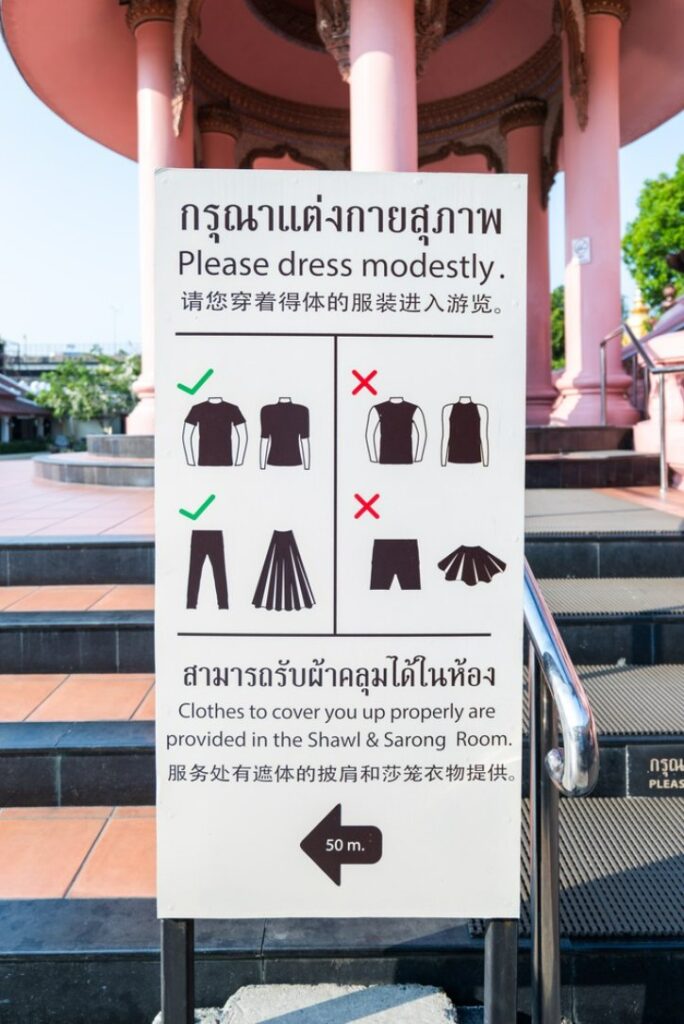
Temples and royal sites are active, revered spiritual places, not just photo stops. Dress inappropriately and you may be turned away at the gate. Enforcement varies, but modest clothing is always the safe and respectful choice.
a. The Core Dress Rule
For both men and women:
- Shoulders covered. No sleeveless tops, tank tops, spaghetti straps, or halter necks.
- Knees covered. No shorts, mini-skirts, ripped jeans, or tight athletic leggings.
- Clothing not see-through, and not too tight.
Long trousers, capris, or maxi-skirts are safest. Plain t-shirts are usually fine if they have no offensive graphics.
b. Grand Palace Example
The Grand Palace and Wat Phra Kaew in Bangkok enforce the strictest dress code, and gate staff inspect every visitor. Not allowed: sleeveless tops, shorts, mini-skirts, ripped clothing, and see-through or tight clothing.
c. What to Wear and Footwear
- Shirts with sleeves, long trousers or long skirts, and dresses covering the knees.
- Non see-through fabrics, plus a light scarf or sarong you can throw on.
- Slip-on shoes, since you will often need to remove your shoes before entering temple buildings.
d. Temple Behavior
- Remove hats and sunglasses indoors, keep your voice low, and phone on silent.
- Do not climb on or pose disrespectfully next to Buddha images. This is illegal and can lead to prosecution.
- When sitting, tuck your feet behind you and never point your soles at a statue or monk.
- Women should not touch monks or hand items directly to them.
- Keep any visible Buddha tattoos covered, as they can cause offense.
e. What to Avoid
- Do not assume every temple has the exact same rules, since enforcement varies by location.
- When unsure, dress modestly. It is always the safest and most respectful choice.
7. Alcohol Sale Timing Rules
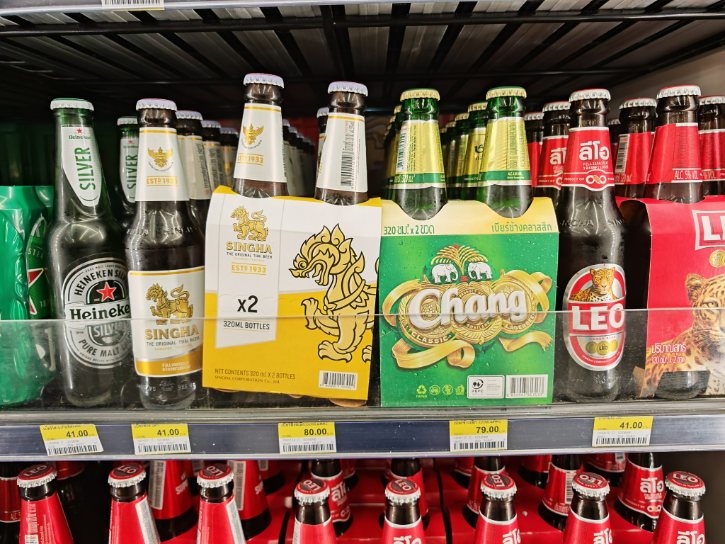
Thailand’s alcohol rules can change, so this is worth checking close to your trip. The good news is that a long-standing afternoon restriction has recently been relaxed.
a. Current Sale Hours
For decades, a 1972 decree banned retail alcohol sales between 2:00 PM and 5:00 PM. That has changed.
- After a trial that began in late 2025, the Ministry of Public Health amended the Alcoholic Beverage Control Act.
- Alcohol sales now run continuously from 11:00 AM to midnight at registered convenience stores, supermarkets, and licensed retailers.
- Sales outside those hours remain prohibited unless a specific exemption applies, such as within airports, hotels, and designated entertainment zones.
b. Venues and Drinking Age
Convenience stores, supermarkets, bars, and restaurants follow the standard licensed hours, so follow the rules of the venue you’re in. Be ready to show ID, and remember staff can refuse a sale if the rules do not allow it at that time or place.
c. Restricted Places and Days
Drinking alcohol is illegal in public parks, temples, schools, government offices, petrol stations, and public transport areas including trains and stations.
Alcohol sales are also banned nationwide for 24 hours on major Buddhist holidays (such as Makha Bucha, Visakha Bucha, and Asahna Bucha) and during national election periods. Because timing depends on official announcements, check closer to your dates.
d. Practical Advice
- Buy alcohol only from licensed venues and carry ID.
- Follow staff instructions, even if the timing confuses you.
- Do not drink in prohibited public places, and arrange safe transport
One heads-up. Consumers themselves can now face personal fines of up to 10,000 THB for drinking in licensed premises during restricted hours, so when a venue says it’s time to stop, stop.
8. Vaping and E Cigarette Rules
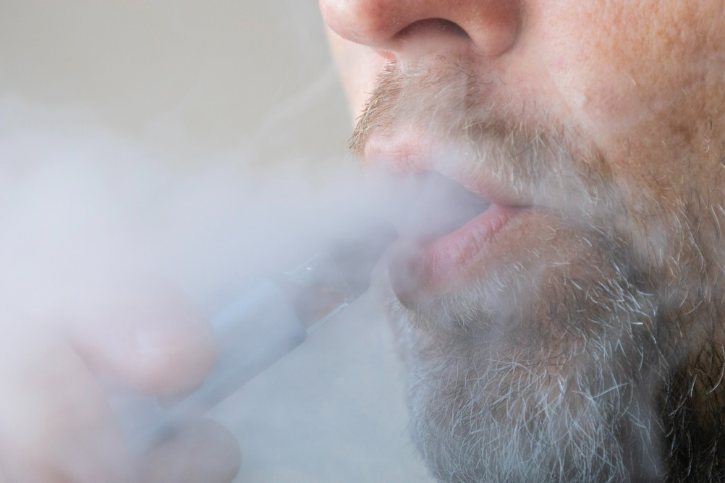
This is one of the easiest rules for tourists to misunderstand. Vaping may be normal back home, but Thailand bans it comprehensively. The ban covers importing, possessing, using, and selling, not just vaping in public.
a. Vapes Are Not Allowed
Under the Customs Act and Consumer Protection Board regulations, Thailand enforces a strict ban on vaping devices, heated tobacco systems (such as IQOS), and e-liquids.
b. What’s Banned
Bringing any of these into the country is illegal:
- Vape pens and disposable vapes.
- E-liquids, pods, and cartridges.
- Heated tobacco devices like IQOS.
- Vaping accessories and parts.
They are treated as prohibited goods at customs, and in plain terms, vapes are simply not allowed.
c. Possible Consequences
The law is actively enforced, especially in tourist and nightlife areas.
- Possession or use: immediate confiscation and heavy on-the-spot fines.
- Serious cases: formal arrest, detention, and prosecution.
- Importation: can carry jail sentences of up to 10 years.
d. Practical Advice
- Do not pack vape products when traveling to Thailand.
- Do not assume vaping in private is safe.
- Do not buy vapes from street sellers, even if you see them openly sold. That does not mean the law has changed.
- The simplest fix is to leave every device, disposable, and e-liquid at home. Penalties can be severe.
9. Cannabis Rules Tourists Should Understand
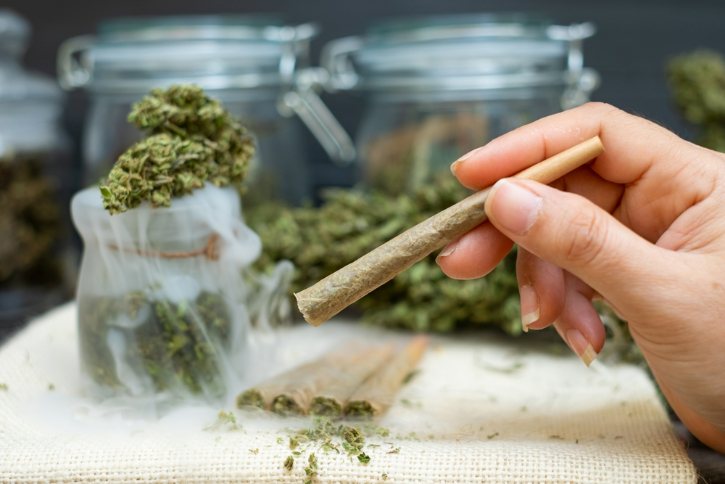
Thailand’s cannabis laws have shifted several times in recent years, so old advice is not reliable. Here’s where things stand now, and the key line is the difference between medical use and recreational use.
a. How the Law Changed
- Thailand moved from broad decriminalization in 2022 to a much more structured medical framework.
- The Ministry of Public Health enacted Ministerial Announcement B.E. 2568, which reclassified the cannabis flower as a “controlled herb” under the Thai Traditional Medicine Protection Act.
- Cannabis flower is now accessible only within that framework, under authorized healthcare professionals.
b. Recreational vs Medical
Under the current rules, recreational cannabis use is prohibited, and cannabis is available solely for medical and therapeutic purposes. Tourists can still legally buy and use products, but only through the medical framework:
- Medical consultation: to buy cannabis flower or products over 2% THC, you must consult a licensed Thai medical practitioner, traditional medicine practitioner, or pharmacist.
- Medical certificate: after a short health questionnaire, the practitioner can issue a temporary certificate, typically 300 to 600 THB, valid for up to 30 days.
- Licensed purchase: buy only from licensed dispensaries, which must record your passport details and link them to your certificate.
c. Tourist Restrictions
Even within the medical framework, some things are firmly off-limits.
- Importing cannabis plants, seeds, or products into Thailand is illegal for travelers.
- Exporting cannabis out of Thailand is illegal.
- Carrying cannabis across international borders can bring serious smuggling charges.
Also remember that something being openly sold does not make it legal for recreational use.
d. Penalties and Risks
- Smoking cannabis in public is illegal under the Public Health Act.
- Violators can face fines of up to 25,000 THB and prison sentences of up to three months.
- Consumption is meant to take place in private residences or designated private spaces.
e. Practical Advice
- Avoid buying, smoking, carrying, or exporting cannabis unless you have proper verified medical authorization in Thailand.
- If you are under formal Thai medical care, still follow the official rules and carry your documents.
10. Public Smoking Bans on Tourist Beaches
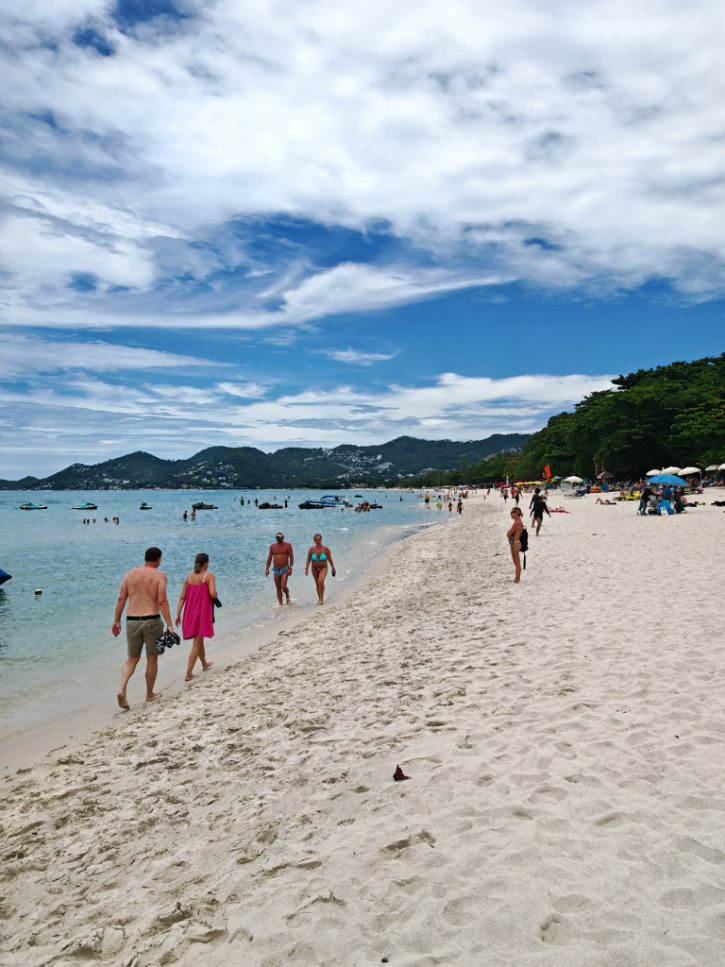
Thailand protects its beaches with strict smoking bans, tied to public health, cleanliness, and marine protection. If you smoke, this one is easy to break by accident, so know it before you hit the sand.
a. Where the Ban Applies
The Department of Marine and Coastal Resources enforces smoking bans on dozens of Thailand’s most famous beaches. Smoking on the sand, shoreline, or in active beachfront areas is prohibited. The ban covers well-known destinations, including:
- Phuket: Patong, Kata, Karon.
- Koh Samui: Chaweng, Bophut.
- Pattaya: Pattaya Beach, Jomtien.
- Hua Hin: Hua Hin Beach.
- Krabi and Phang Nga: Koh Lanta, Koh Phi Phi, Khai Nok.
b. Designated Areas
- Look for designated smoking zones, usually set further inland.
- These areas have proper cigarette butt containers.
- Avoid smoking directly on the sand or shoreline.
c. Penalties and Why the Rule Exists
Breaking the beach smoking ban is costly. Violators can face administrative fines of up to 100,000 THB, prison sentences of up to one year, or both. Littering filters or trash on a national beach or marine park carries penalties too. The rules exist to fight cigarette butt pollution, protect the marine environment, and support responsible tourism.
d. Wider Smoking Rules
The beach ban connects to Thailand’s broader smoking laws. Smoking is restricted in indoor public spaces, public transport, temples, parks, areas near building entrances, and boats. And remember, vaping is also illegal and may carry separate penalties.
e. Practical Advice
- Always look for local signs and use designated smoking areas.
- Never smoke directly on the beach, and never throw cigarette butts on the sand.
- Avoid smoking in parks, temples, transport areas, and boats unless clearly allowed.
- When in doubt, assume the beach itself is off-limits.