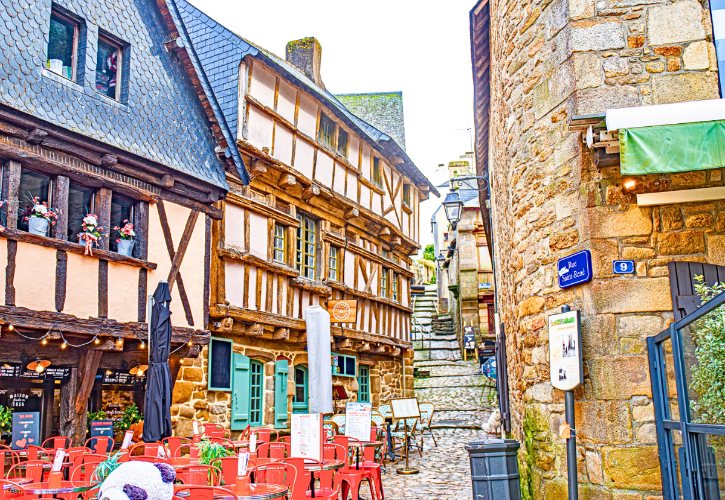
Paris is one of the world’s great cities. The Eiffel Tower, the Louvre, the café culture, the fashion, the romance. It earns every bit of its fame.
But Paris is not always the easiest or most relaxing choice. It can feel crowded, expensive, and fast paced.
Sometimes another part of France gives you better scenery, better food, more charm, and a slower, more local pace.
Here are five places that might suit your trip even better, depending on your style. 😊
1. Provence
a. Why You Might Pick Provence Over Paris
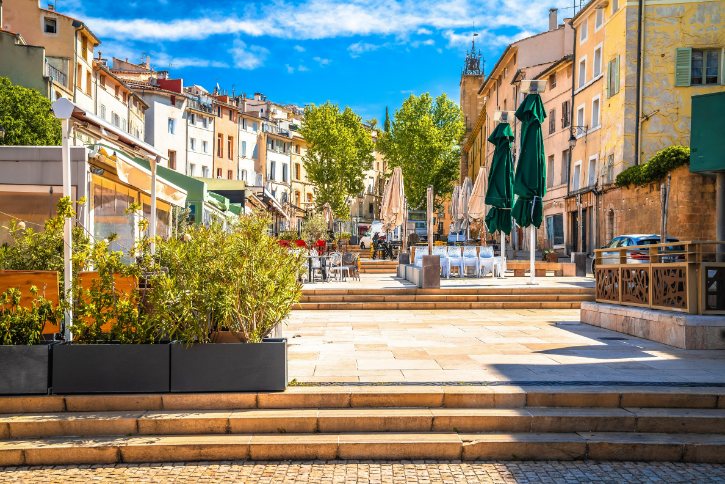
Provence is all about sunshine, slow village life, and open countryside. Think lavender fields, vineyards, Roman ruins, and long lunches under the trees.
Where Paris is dense, urban, and full of queues, Provence is open and unhurried. Your morning might be a quiet village market or sunrise in a hilltop village like Gordes, instead of a packed metro or a museum security line.
It suits people who love scenery, food, and relaxed exploring more than big museums and nightlife.
If your idea of a good day is wandering, tasting, and taking your time, this is your region. You trade grand landmarks for golden light, good wine, and the kind of afternoon that drifts by without a plan.
b. Who It’s Best For
Provence rewards travelers who slow down. It is especially good for:
- Slow travelers and couples
- Families with a car who like open-air days
- Photographers, food lovers, and road trippers
c. The Places Worth Your Time
You could easily fill a week here, but a few places stand out:
- Aix-en-Provence: a refined, walkable base of fountains, cafés, and markets, plus Paul Cézanne’s preserved hilltop studio, the Atelier Cézanne
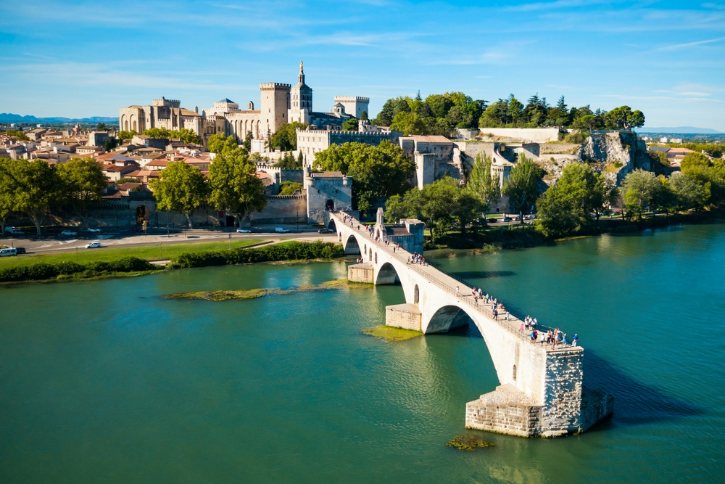
- Avignon: a grand medieval city on the Rhône, home to the Palais des Papes, Europe’s largest Gothic palace and a UNESCO site
- Arles: smaller and intimate, with a Roman amphitheatre, Van Gogh connections, and a lovely Saturday market
- The Luberon villages: Gordes for cliffside views, Roussillon for ochre cliffs, Lourmarin for café charm, and Les Baux-de-Provence for dramatic ruins
- The lavender plateaus of Valensole and Sault, the region’s most famous summer sight
- The Luberon Regional Nature Park: quiet trails and scenic drives, ideal for road trippers who like to wander
d. What to Eat
Provençal food is fresh and sun-soaked. It leans on olive oil, garlic, herbs, tomatoes, seafood, and goat cheese rather than the heavy sauces of Paris.
The real joy is the markets. Every town has its market day, and locals plan their week around it. Buy tapenade and cheese, then eat it on a bench in the sun.
Pull up a chair on a shaded terrace, order the dish of the day, and taste a local wine from the Ventoux or Luberon. Trust me, this is food you eat slowly. The whole region seems built around long, relaxed meals, and once you settle in, you will not want to hurry them.
e. Car or No Car
How you get around shapes your whole trip here, so plan this part early.
- Easy without a car: Aix-en-Provence, Avignon, and Arles, all linked by regional trains
- You’ll want a car for the Luberon villages, the lavender plateaus, and remote vineyards
- Roads are narrow and village parking is limited, so rent a car only for the parts of the trip that truly need it
f. How Long to Stay
Provence is a large region, not one compact city, so give it time. First timers can get a good taste in four nights. Road trippers and lavender lovers should lean toward a full week.
g. Good to Know
A few small things make a big difference in Provence:
- Book accommodation early if you are coming for lavender
- Do not try to see too many villages in one day
- Summers get very hot, so hydrate and watch for wildfire warnings on the trails
2. Strasbourg and Alsace
a. Why You Might Pick Alsace Over Paris
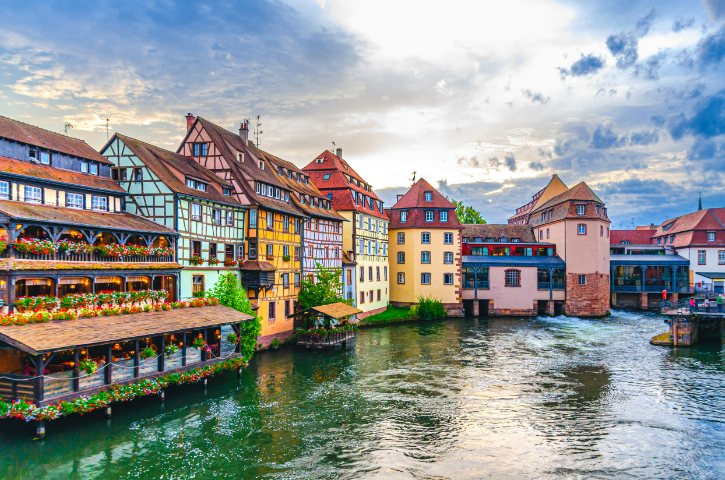
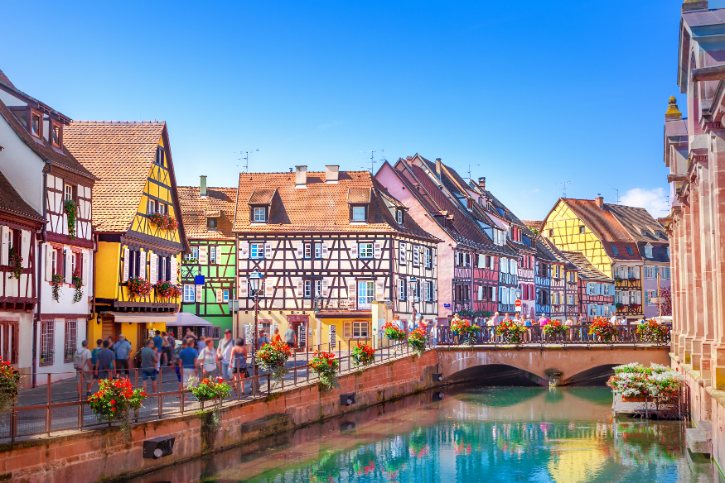
If you love half-timbered houses, romantic canals, and storybook streets, Alsace may win you over. It sits on the German border and has passed between France and Germany over the centuries, so you feel both cultures in the buildings, the signs, and the food.
The old towns of Strasbourg and Colmar are compact and pedestrian friendly, so they are easy and safe to explore on foot. Everything feels intimate and cozy where Paris feels grand and imposing.
The whole region rewards slow wandering, with a cake shop or a wine cellar around almost every corner. In December, it becomes one of Europe’s great Christmas destinations, when the old towns fill with lights, warm spices, and market stalls.
b. Who It’s Best For
This is a region for people who like charm over intensity. It suits:
- Christmas market and winter travelers
- Wine lovers, especially for local whites
- Couples and families who want a fairytale feel
- Slow walkers who like flat, compact old towns
c. The Places Worth Your Time
The two cities are the anchors, but the villages are the real magic:
- Strasbourg’s Grande Île and Neustadt, both UNESCO listed, anchored by the pink sandstone Gothic cathedral
- Petite France, the postcard district of canals and timbered houses, prettiest early morning or in the evening light
- The Vauban Dam, with a free rooftop terrace over the covered bridges
- The European Parliament, a modern contrast to Strasbourg’s medieval heart
- Colmar, a smaller, romantic town with its colorful “Little Venice” canals
- The Alsace Wine Route villages: Eguisheim, Riquewihr, Kaysersberg, Ribeauvillé, and Obernai
- Strasbourg’s Christmas market, the oldest in France and the reason the city calls itself the Capital of Christmas
d. What to Eat
Alsatian food is hearty and warming, a real blend of French and German. Try flammekueche, a thin tart with cream, onions, and bacon, or choucroute garnie, sauerkraut served with sausages and cured meats.
Save room for kougelhopf, a sweet crown-shaped bread. You’ll enjoy these in a cozy winstub, the traditional tavern, and the portions are generous.
This is comfort food at its best, meant for cold evenings and long, chatty dinners with a glass of local white. Nobody leaves an Alsatian table hungry.
e. Getting Around
Getting around Alsace is refreshingly simple:
- No car needed in Strasbourg or Colmar, thanks to trains and a clean tram network
- The wine villages are easy to reach by open-top shuttle or a guided tour
- A car only helps for deeper Vosges valleys or villages the shuttle does not reach
f. Good to Know
Keep these in mind before you book:
- Three to four nights is ideal, enough for Strasbourg, Colmar, and a few wine villages
- Book hotels very early for the Christmas season, when demand is huge
- Expect vehicle restrictions and bag checks at the market entry bridges, and go on weekday mornings for calmer streets
3. Lyon
a. Why You Might Pick Lyon Over Paris
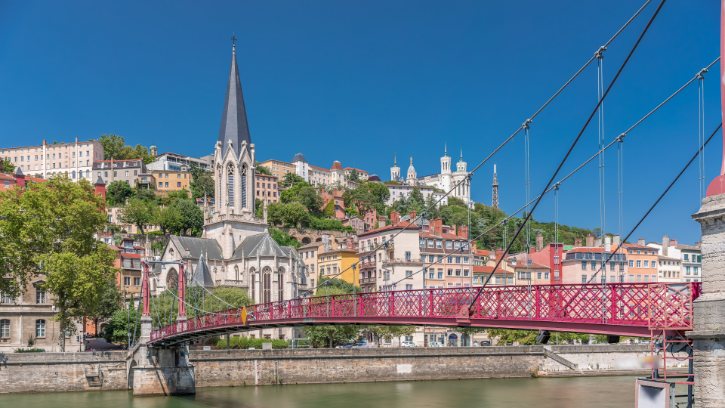
Lyon is for people who want a real city, but one that feels easier and more local than Paris. It sits where two rivers meet and is widely called the food capital of France.
It is not a hidden small town. Its charm is that it feels manageable and relaxed, while still offering Roman ruins, Renaissance streets, and serious museums.
Where Paris can feel sprawling and congested, Lyon has a compact core and a network you can figure out in a day.
Evenings here are made for the riverbanks, where locals gather along the Rhône and Saône as the light fades. It is a big city that never quite feels like hard work.
b. Who It’s Best For
Lyon is the pick for travelers who want a city that works around them:
- Food lovers, above all
- City explorers who want culture without huge crowds
- Travelers who like a real city with less tourist pressure
c. The Places Worth Your Time
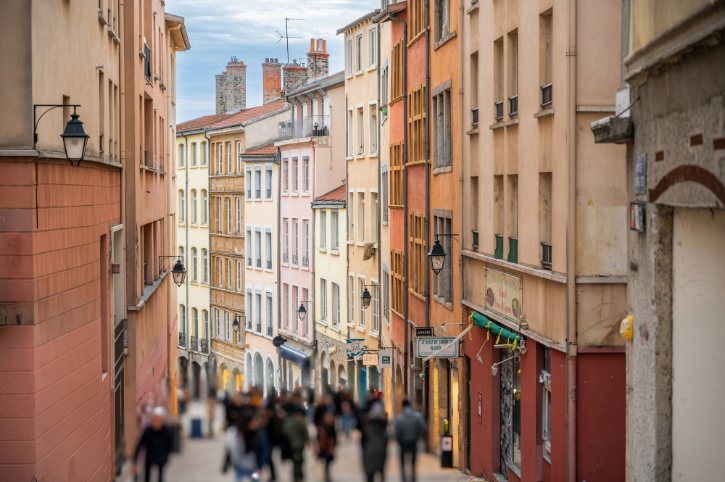
Lyon packs a lot into a walkable center. The highlights:
- Vieux Lyon, one of Europe’s best Renaissance quarters, laced with hidden passageways called traboules
- Fourvière hill, crowned by its ornate basilica, with Roman theatres and sweeping city views
- Presqu’île, the elegant center of grand squares and shopping streets
- Croix-Rousse, the creative old silk-weaving district on the hill
- Les Halles de Lyon Paul Bocuse, a temple to regional food
- Musée des Confluences, a striking modern museum of science and anthropology
- Parc de la Tête d’Or, a huge free park for a break from sightseeing
d. What to Eat
Food is the soul of Lyon, and the bouchon is where it lives. These traditional taverns serve hearty, meat-forward dishes, and the best ones carry an official certification seal.
Try quenelle de brochet, a light pike dumpling in a rich sauce, or salade lyonnaise with bacon and a poached egg.
The city takes food seriously without being fussy about it. Even a simple lunch can end up being a highlight of your whole trip, and eating well here takes far less effort than in Paris. This is a place where you plan your day around your next meal, and that is half the fun.
e. Getting Around
You will not need a car. Lyon’s metro, trams, and two funiculars make everything simple, and the hills are best tackled by funicular rather than on foot.
f. Good to Know
A little planning goes a long way in Lyon:
- Two to three nights covers the highlights, but stay longer if you are here for the food
- Book good bouchons ahead, especially on weekends
- In the traboules, stay quiet and respect residents, since many run through lived-in buildings. A guided walk helps you find the ones open to visitors
4. Normandy
a. Why You Might Pick Normandy Over Paris
Normandy is for travelers who value emotional history, dramatic coastlines, and a slower route through the north. This is a land of chalk cliffs, medieval abbeys, seaside towns, and deep World War II history.
It rewards a reflective, respectful pace, especially around the D-Day sites. It is a region that stays with you, part history lesson and part sea escape.
Because the sights are spread out, it is best explored by car or on a guided tour rather than rushed through. Give it room, and it turns into one of the most moving trips you can take in France.
b. Who It’s Best For
Normandy suits travelers who want meaning as well as scenery:
- History enthusiasts
- Families and reflective travelers who want meaningful sightseeing
- Coastal travelers who love small towns and scenic drives
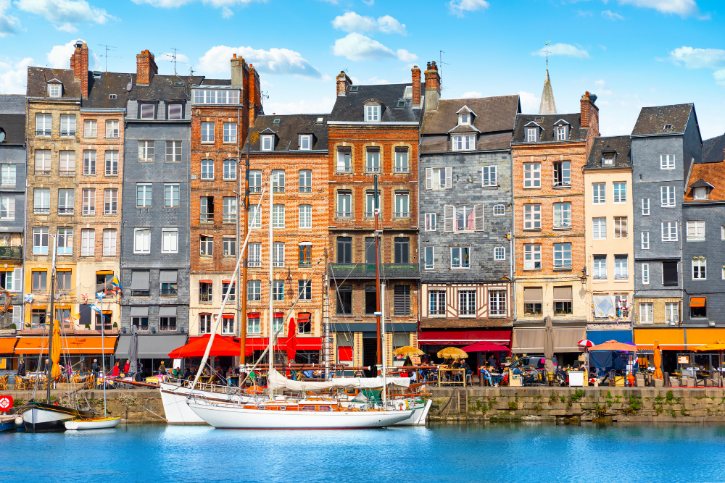
c. The Places Worth Your Time
The coast is the heart of it, but the towns are worth your time too:
- The D-Day landing beaches, including Omaha Beach and the moving American Cemetery at Colleville-sur-Mer
- Pointe du Hoc and Arromanches, where the scars and remnants of 1944 remain
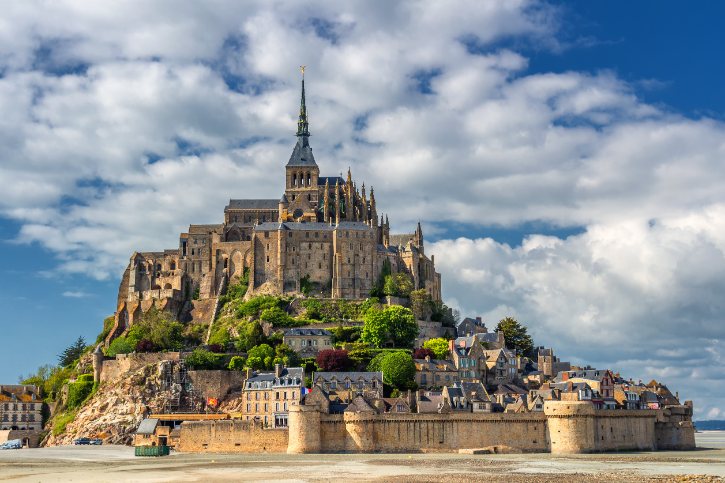
- Mont Saint-Michel, the medieval abbey on a tidal island, one of France’s great sights
- Bayeux, a charming, war-spared town and the best base for the beaches
- Rouen, a walkable city of Gothic architecture and Joan of Arc history
- Honfleur, a romantic port that inspired Monet
- Étretat, famous for its towering white chalk arches
d. A Note on the Bayeux Tapestry
One thing to plan around. The famous Bayeux Tapestry is not on view in its usual home right now.
The museum is closed for renovation until late 2027, and the tapestry itself is on loan to the British Museum in London. So do not build your Bayeux trip around seeing it during this period.
e. What to Eat
Normandy’s food comes from its pastures, orchards, and the sea. Expect rich cheeses like Camembert, Pont-l’Évêque, and Livarot, crisp apple cider and Calvados brandy, and fresh seafood like scallops and mussels.
It is rustic, creamy, and comforting, a real contrast to classic Paris dining. This is food that suits the climate, warming and generous, and best paired with a glass of cider. If you like cheese and cream, you will feel right at home.
f. Getting Around
Distance is the main thing to plan for in Normandy:
- Direct trains from Paris reach Rouen, Caen, and Bayeux
- Buses to rural sites like Omaha Beach and Étretat can be infrequent
- A car or a guided tour is the easiest way to cover the coast and the memorials
g. Good to Know
A few practical reminders before you go:
- Plan three to five nights, and do not cram the D-Day beaches and Mont Saint-Michel into one day
- Check tide times before Mont Saint-Michel, as spring tides can cut off access
- Stay on marked trails at Étretat, and keep a quiet, respectful manner at cemeteries and memorials
5. Brittany
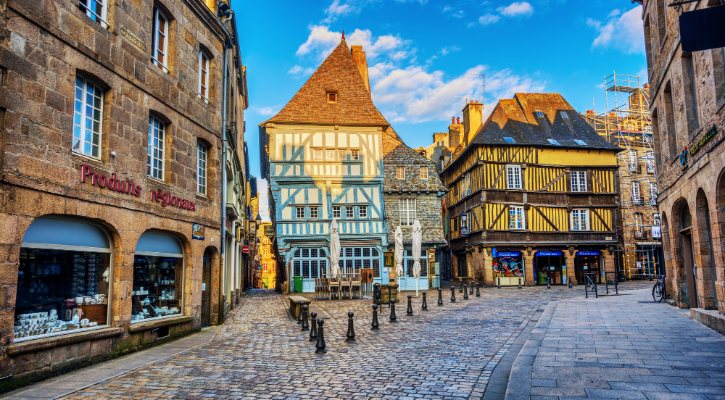
a. Why You Might Pick Brittany Over Paris
Brittany is for people who love wild coastlines, medieval walled towns, and fresh seafood. In France’s northwest, it has a strong Celtic identity shaped by the sea and its own traditions.
It feels completely different from Paris. Here it is all sea air, tides, coastal paths, crêpes, oysters, and stone villages.
It suits coastal hikers, seafood lovers, road trippers, and slow travelers. The pace is set by the tide and the weather, and that is exactly the charm. You come here to breathe, to walk, and to eat straight from the sea.
b. Who It’s Best For
Brittany is at its best for travelers who want the outdoors and real local flavor:
- Coastal hikers and seafood lovers
- Road trippers and families who want beaches and towns
- Fans of medieval towns and Celtic culture
- Slow travelers
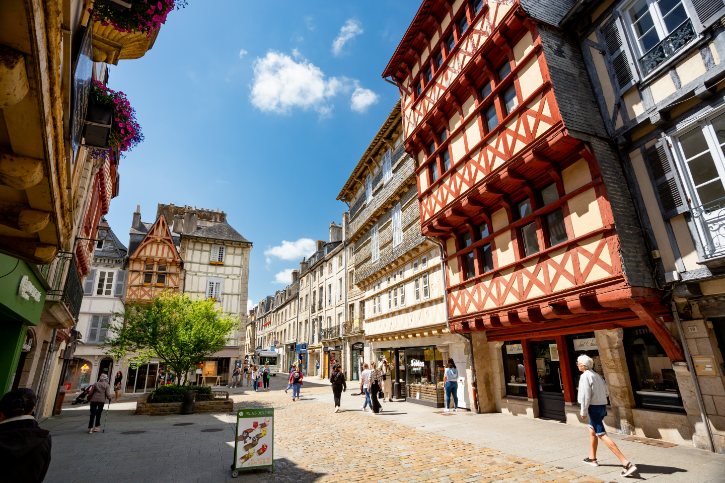
c. The Places Worth Your Time
There is a lot of coast to explore, so here are the standouts:
- Saint-Malo, a granite-walled corsair town and a great first-time base
- Dinan, a beautifully preserved medieval town with ramparts and a river port
- Cancale, France’s oyster capital, on the scenic Emerald Coast
- Carnac, home to thousands of prehistoric standing stones dating back to 4000 BC
- Concarneau, with its fortified island stronghold, the Ville Close
- Quimper, the cultural heart of western Brittany, known for its cathedral and ceramics
- Vannes and the Gulf of Morbihan, a pretty southern base with boat trips to peaceful islands
- The Pink Granite Coast and the GR34 coastal trail, best sampled in short, spectacular sections
d. What to Eat
Breton food is tied to the Atlantic and the land. The stars are galettes, savory buckwheat pancakes, and crêpes, sweet and often served with salted butter caramel.
Add fresh seafood platters, buttery kouign-amann pastry, and crisp cider served in a ceramic bowl. Cancale is the place for oysters, while Saint-Malo and Concarneau shine for coastal dining.
A crêperie meal is one of the simplest pleasures in France, and a bowl of cider makes it complete. It is honest, generous food, and it tastes even better after a windy walk along the coast.
e. Car or No Car
Brittany is bigger than it looks, so think about transport early:
- Easy without a car: Saint-Malo, Rennes, and towns on the train network, plus some day trips
- Easier with a car: Carnac, Concarneau, Locronan, Rochefort-en-Terre, and the far west
- Brittany is spread out, so do not treat it like one compact city
f. Good to Know
Keep these tips handy for a smoother trip:
- Give it five to seven nights if you want more than one coast, and pick one coast rather than racing across the whole region
- Always check the tides before coastal walks, beach visits, and boat trips, and be ready for fast weather changes
- Remember that Rochefort-en-Terre in Brittany is not the naval city of Rochefort further south