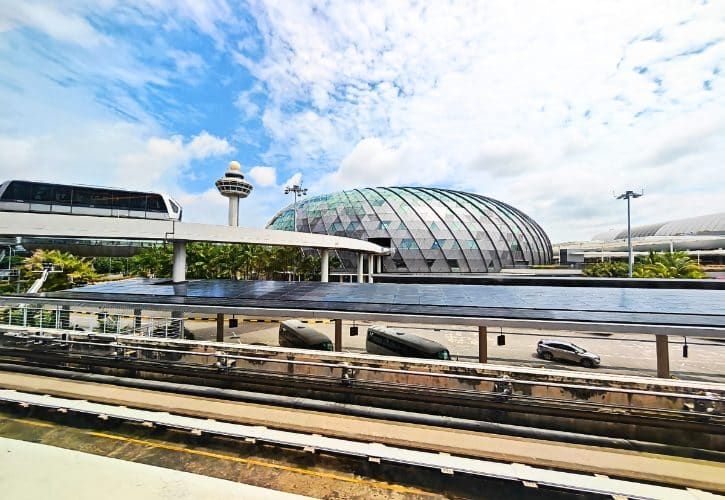
Singapore is one of the smoothest cities in Asia to explore. The airport moves fast, the trains are simple, and daily life just works.
Even so, a few local rules quietly shape your trip, from the moment you land to the food you eat, the transport you take, the parks you wander, and what you pack in your bag.
A little know-how ahead of time saves you money, delays, and small headaches. Here are ten things that are worth a bit of extra care. 😊
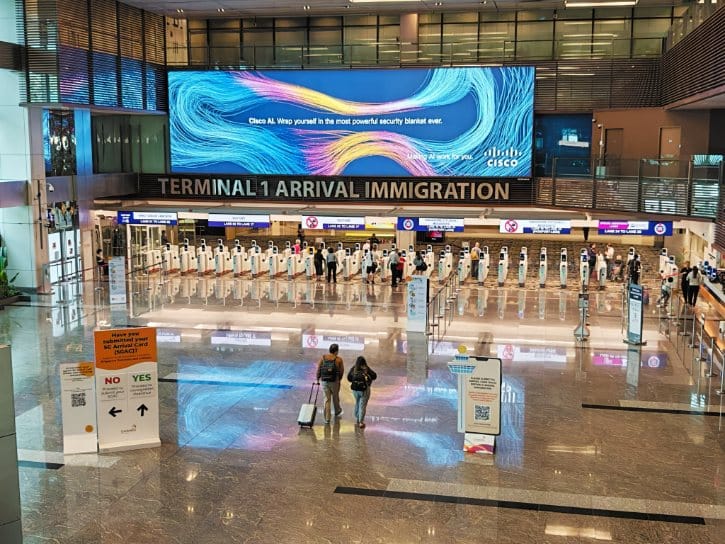
1. SG Arrival Card, Visa Rules, and Immigration Timing
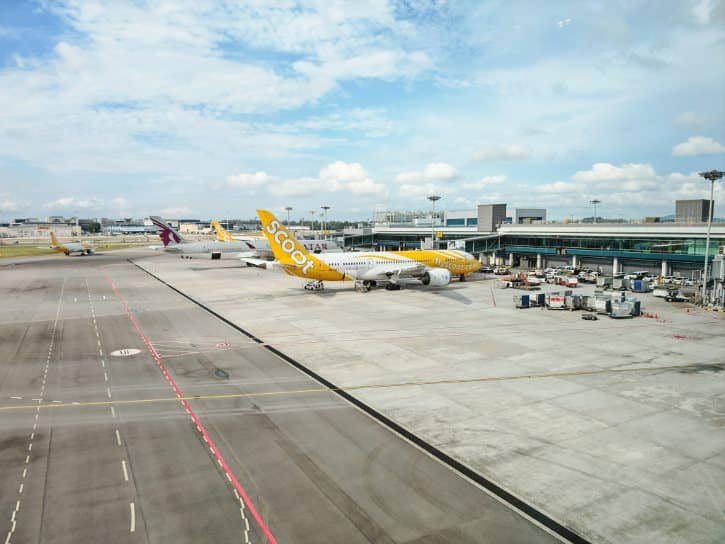
Your trip really starts before takeoff. A few minutes of prep keeps your arrival quick.
a. What the arrival card is
The SG Arrival Card (SGAC) with Electronic Health Declaration is a digital entry form that all foreign visitors must submit for immigration clearance. ICA uses it for identity checks and disease control.
The key thing to remember is that the SGAC is not a visa. Filing it does not guarantee entry, and it does not replace a visa if your passport needs one.
b. Who needs it
Almost every foreign visitor needs to file it. The only exemptions are travellers transiting through Changi without seeking immigration clearance, and residents entering through the land checkpoints at Woodlands and Tuas.
If you come from a visa required country, treat these as two separate jobs. You still need your visa from a Singapore Embassy or authorized agent, and you still need to file the SGAC. One does not cover the other.
c. When to submit
Timing counts. Submit the SGAC within three days before arrival, and that window includes your arrival day.
- If you land on 30 June, the window opens on 28 June.
- Filing too early is a common slip, so wait for that three day window.
- If your details change afterward, update the form.
d. Where to fill it in, and how to spot fakes
Use only the official channels, and both are completely free:
- The official ICA e-Service portal.
- The free MyICA
Some copycat websites charge a fee for this free service. A quick check keeps you safe:
- Make sure the address ends in .gov.sg.
- Look for the “A Singapore Government Agency Website” lock icon at the top left.
- The official link is https://eservices.ica.gov.sg/sgarrivalcard.
If a site asks you to pay to submit the card, it is not the real one.
e. What to prepare, and what happens if you skip it
Have these ready: your passport details, trip dates, accommodation details, and your health declaration info.
Arriving without a completed SGAC is not a disaster. You simply get moved out of the main queue to fill it in on your phone, then rejoin for clearance. That means avoidable waiting when you would rather be starting your holiday.
2. Customs Declarations, Red and Green Channels, Duty Free Limits, and GST Relief
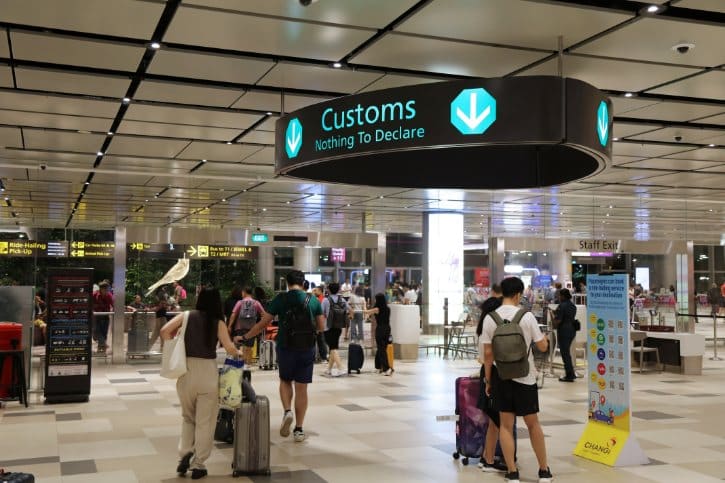
Carrying only personal luggage does not always mean “nothing to declare”. Knowing the channels keeps your arrival relaxed.
a. Red Channel or Green Channel
Singapore Customs is active at every checkpoint:
- Use the Red Channel for anything dutiable, taxable, controlled, restricted, or prohibited.
- Use the Green Channel only when you have nothing to declare.
Officers still run bag checks on Green Channel travellers, so it is not a way around the rules.
b. When you need to declare
You must declare newly bought items, including souvenirs, food, and gifts, once they pass the GST import relief limits. Those limits depend on how long you were away:
- Away 48 hours or more: relief capped at S$500.
- Away less than 48 hours: relief capped at S$100.
In practice: buy a designer handbag worth S$2,000 while away five days, and GST is worked out on the remaining S$1,500 (S$2,000 minus your S$500 relief). Keep your receipts for pricey items. Without one, Customs values the item using similar goods.
c. The alcohol allowance
To bring in duty free liquor, you must meet four conditions:
- Be at least 18 years old.
- Have spent at least 48 hours outside Singapore.
- Not be arriving from Malaysia.
- Use it for personal consumption
If you qualify, pick one combination:
- Option A: 1 litre spirits + 1 litre wine
- Option B: 1 litre spirits + 1 litre beer
- Option C: 1 litre wine + 1 litre beer
- Option D: 2 litres wine
- Option E: 2 litres beer
d. Tobacco has no allowance
This one surprises many visitors. There is no duty free concession and no GST relief for tobacco or cigarettes. Every tobacco item must be declared and taxed on arrival.
e. Pay early, walk through easily
You can declare and pay any duties or GST up to three days before arrival using the Customs@SG web application. Show your electronic receipt and stroll through the Green Channel.
f. Items people forget
If you are unsure, just ask an officer or take the Red Channel. Commonly overlooked items include:
- Alcohol above the allowance.
- Tobacco of any kind.
- New electronics bought overseas.
- Luxury goods over the relief limit.
- Goods carried for someone else.
3. Prohibited and Controlled Items in Your Bags
Some medicines and foods are normal at home but need a second look before Singapore. Think of this as a smart packing checklist, not a warning.
a. “Personal use” is not a free pass
Singapore has firm rules on medicines and food crossing the border. Carrying something just for yourself does not automatically make it allowed. A little checking before you pack goes a long way.
b. Medicines: check the ingredient, not the brand
The most useful habit is simple. Check the active ingredient, not only the brand name, because the same brand can hold different ingredients in different countries.
A standard three month supply of personal medication is fine without HSA approval, as long as it is legally prescribed and holds no controlled substances.
You do need to apply for online HSA approval at least two weeks before arrival if your medicine contains a controlled substance. Categories to check include:
- Opioids and strong painkillers: codeine, tramadol, or morphine based medicines.
- Psychotropics and sedatives: benzodiazepines, sleeping pills, and restricted anxiety medicines.
- ADHD stimulants: methylphenidate or similar.
- Restricted ingredients: certain cough syrups or cold medicines with pseudoephedrine or codeine.
A few ingredients, such as cannabis based products, are not allowed at all, so those cannot be brought in even with approval.
c. Getting approval and packing well
To apply, you usually upload:
- A digital copy of your prescription.
- A detailed doctor’s letter.
- Clear photos of the packaging showing the active ingredient and dosage.
When packing:
- Keep medicine in its original packaging.
- Keep the prescription label
- Bring only a reasonable personal quantity.
- Carry a doctor’s letter for important prescriptions.
- Keep anything you need mid-flight in your hand luggage.
If ever unsure, check the HSA guidance before you fly rather than at the airport.
d. Food brought for yourself
The Singapore Food Agency (SFA) allows small quantities of food for personal use. Current transitional limits are:
- Meat products: up to 5kg, only from SFA approved countries. Pork, beef, and poultry from Malaysia or Indonesia are not allowed.
- Seafood: up to 5kg, of which only 2kg may be frozen cooked crabmeat or prawn meat.
- Eggs: up to 30 shell eggs, only from approved territories.
- Processed foods and snacks: up to 5kg or 5 litres in total.
Commercially sealed, packaged snacks are generally much easier to clear than raw, fresh, or homemade items. Anything over the limits can be held or disposed of at the checkpoint, and you may pay the disposal cost.
e. Easy mistakes to avoid
- Bringing meat snacks like pork based bakkwa from Malaysia or Indonesia as gifts.
- Packing homemade food or fresh produce without checking.
- Carrying large quantities of food gifts.
- Bringing medicine without checking the active ingredient
4. Public Transport Payments and Tap In, Tap Out Mistakes
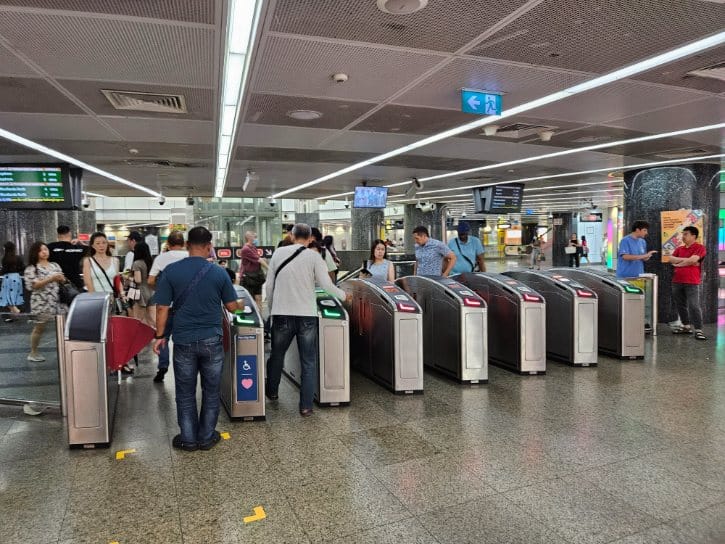
The MRT and buses are a joy once you learn one simple habit. Get the tapping right and everything falls into place.
a. How you pay
The network runs on the SimplyGo system, which records your tap in and tap out to work out a distance based fare. Your options:
- Contactless credit or debit cards.
- Stored value cards, like an EZ-Link card.
- The Singapore Tourist Pass for unlimited rides at a fixed daily rate.
Note that foreign issued contactless cards carry a small daily admin fee of S$0.60 for each day you use them.
A quick comparison:
- Foreign card: S$0.60 per day admin fee. Best for short visits with light travel. May also carry your bank’s foreign transaction fees.
- EZ-Link / stored value: no daily admin fee. Good for several days. Has a one time non-refundable card fee.
- Singapore Tourist Pass: no daily admin fee. Great for 1 to 3 busy days. Does not cover premium bus lines or the Sentosa Express.
b. The tapping rule that matters most
Always tap in and tap out with the exact same card or device. This is the single most important habit.
Common mistakes to avoid:
- Tapping in with a card but out with your phone or watch, even if they are linked. The system reads two unfinished trips.
- Using Apple Pay or Google Pay inconsistently across a journey.
- Tapping one card for more than one person. Each traveller needs their own
- Forgetting to tap out on buses.
If a trip is not recorded properly, the system may charge the maximum fare, so consistency saves money.
c. Bus and onboard manners
- Tap when you board, and tap again before you get off.
- Do not eat or drink
- Avoid blocking doors and aisles with bulky luggage.
- Skip durians and strong smelling foods, which are not welcome onboard.
d. Airport to city, and late nights
The MRT is a handy way into town. Still, a taxi or private hire car is often smarter when you are carrying heavy luggage, travelling with young children, or arriving after midnight, when trains have stopped. If you plan a late night out, check the last train times first so you are not stranded.
5. Taxis, Private Hire Cars, Airport Rides, and Cross Border Transport
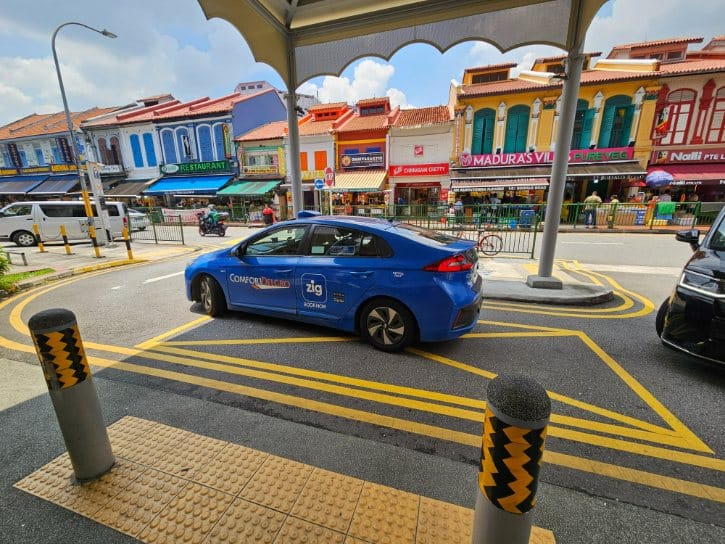
Getting a ride is easy once you know the fare parts and which vehicle to book.
a. What makes up a taxi fare
Metered fares can include several add-ons:
- Flag down (base) fare to start.
- Distance and time charges as you go.
- Location surcharge for trips from Changi Airport, Sentosa, or the CBD.
- Peak hour surcharge: a 25% premium on weekday rush hours (6:00 to 9:30 AM, and 6:00 PM to midnight).
- Late night surcharge: a 50% premium from midnight to 6:00 AM.
- Electronic Road Pricing (ERP) tolls through active gantries.
Knowing these means the final fare will not surprise you.
b. Taxis versus private hire cars
The two work differently, and mixing them up is common:
- Taxis can be flagged on the street, picked up at taxi stands, or booked by phone.
- Private hire cars (Grab, Gojek, Tada, Ryde) must be booked only through their apps. They cannot take street hails or wait at taxi stands.
- For a private hire car, use the designated pickup points at malls, hotels, and attractions.
So if you booked a Grab, do not wait at the taxi stand. Head to the app’s pickup point instead.
c. Airport rides and cross border trips
At Changi, follow the signs to the official taxi and pickup areas rather than accepting a ride from someone who approaches you.
For Malaysia, use licensed cross border taxis, which pick up at the Ban San Street Terminal and drop you anywhere in Malaysia. Booking an unlicensed cross border car is against the rules and best avoided.
d. Little confusions to sidestep
- Being surprised by an airport location surcharge.
- Hitting surge pricing on ride-hailing apps at busy times.
- Standing at the wrong pickup point at a mall or attraction.
- Accepting an unlicensed ride to Johor Bahru offered on social media or at a transport hub.
6. Cleanliness Rules, Littering, and Hawker Centre Etiquette
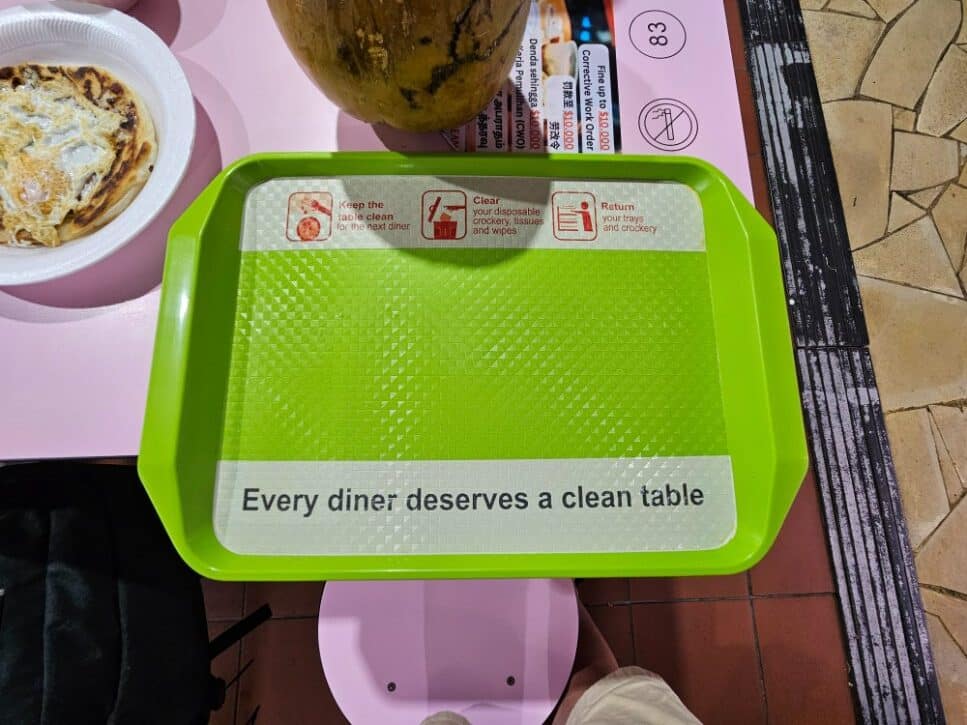
Singapore’s famously clean streets are part of the charm, and joining in is easy once you know the rhythm.
a. Small litter still counts
Littering is a fineable offence, and NEA uses plainclothes officers who can issue on the spot fines. The catch is that “litter” includes small things people drop without thinking:
- Cigarette butts.
- Tissue paper.
- Food wrappers.
- Plastic cups and drink bottles.
- Litter you simply let blow away.
The fix is easy: use the public bins, which are everywhere. A first time littering offence carries an immediate S$300 fine, which can rise to S$2,000, along with a Corrective Work Order to help clean public spaces.
b. Return your tray at hawker centres
At hawker centres, food courts, and coffeeshops, diners return their own trays and clear the table. It is part of the local culture. You should clear:
- Used plates, bowls, and crockery.
- Drinking glasses and cups.
- Table litter, such as used tissues, wet wipes, satay sticks, and food remnants like chicken bones or fish shells.
Not clearing your table brings a written warning the first time, a S$300 composition fine the second time, and court action for repeat cases.
c. How to eat like a local
- Look for the tray return stations, usually near the exits.
- Place trays on the correct Halal or non-Halal
- Do not leave used tissues or food waste
- Clear your table quickly during busy times so others can sit.
d. The “choping” system
If you see a packet of tissues or an umbrella on a table, that table is reserved. This is Singapore’s “choping” custom. So after grabbing your chicken rice, laksa, or plate of satay, find a free table or claim one yourself with tissues. It feels odd at first, then quickly becomes second nature.
7. Smoking, Vaping, and No Smoking Zones
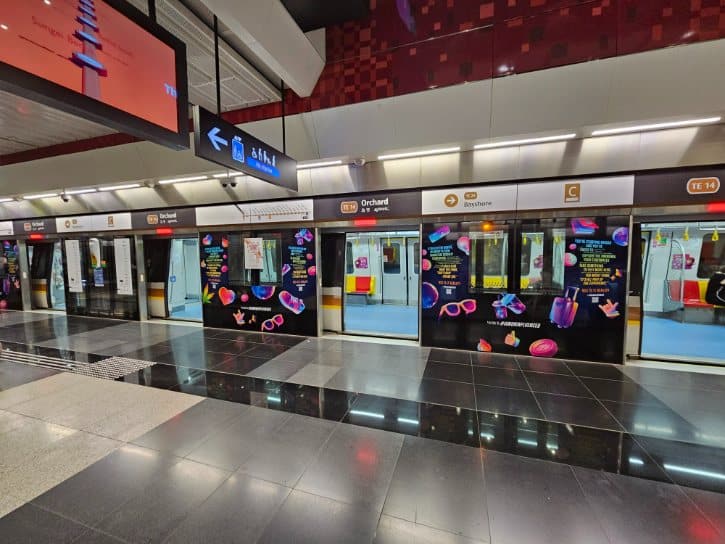
If you smoke, a little planning keeps things easy. And there is one clear rule on vaping every visitor should know before packing.
a. Where smoking is not allowed
Smoking is prohibited across most public areas, including:
- Public transport facilities, bus stops, and MRT stations.
- Covered walkways.
- Parks, gardens, and nature reserves.
- Beaches.
- Common corridors and public toilets.
It is also banned within 5 metres of any building entrance, exit, open window, or ventilation opening. So the hotel doorway and that shaded spot by the vents are off limits.
b. Orchard Road
Along Orchard Road, smoking is not allowed on the pedestrian sidewalks. Look instead for the yellow-box Designated Smoking Areas (DSAs) along the street. Tossing a cigarette butt on the ground counts as littering and is fined.
c. Vaping is not allowed at all
This is the big one. Importing, selling, owning, and using e-cigarettes, vaporisers, vape pods, and e-liquids is completely prohibited in Singapore.
- There are no exceptions for tourists.
- It applies even if the device is only in your luggage while transiting.
- Being caught with a vape can bring fines of up to S10,000 per device.
The simplest advice: leave all vaping products at home.
d. Quick reminders for smokers
- Do not smoke while walking along Orchard Road. Use a designated area.
- Do not smoke at the airport, hotel balcony, nightclub, beach, or attractions.
- Do not drop cigarette butts on the ground.
8. Attraction Tickets, Timed Entry, Closures, and Weather Sensitive Experiences
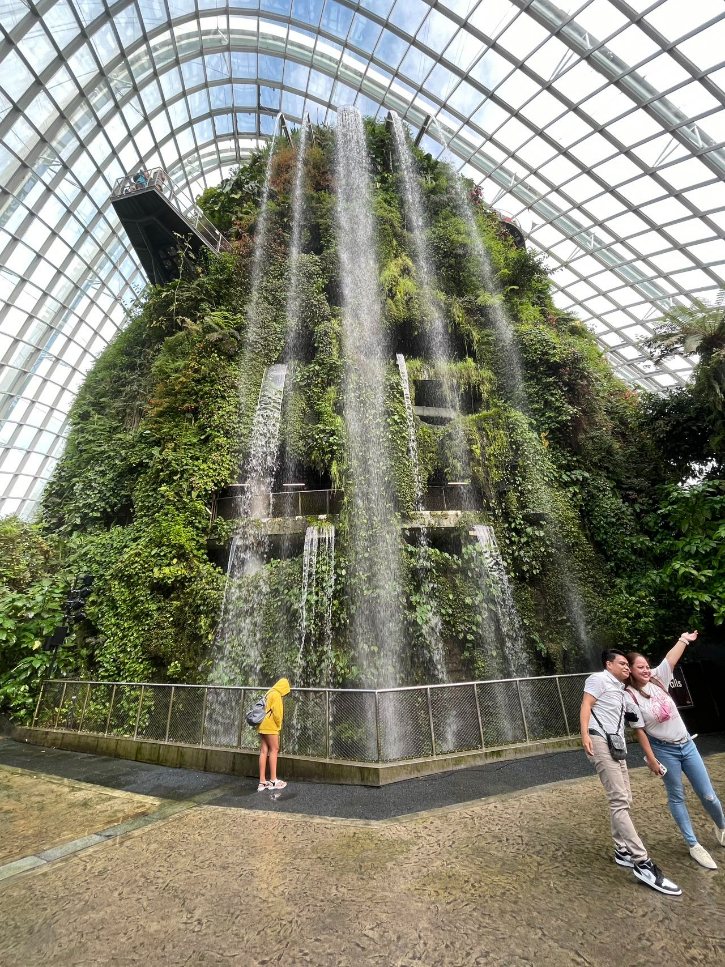
A little planning here means you spend the day enjoying the sights, not standing at a closed gate. A ticket is not always the same as guaranteed entry.
a. Book timed slots on official sites
Many popular attractions have daily capacity limits and may turn visitors away without a pre-booked slot. A common mistake is buying general admission from a reseller but forgetting to reserve a specific time on the official website.
Attractions that commonly need timed entry or advance booking include:
- Gardens by the Bay: the Flower Dome, Cloud Forest, and Supertree Observatory.
- Marina Bay Sands SkyPark Observation Deck.
- Mandai Wildlife Reserve: the Night Safari needs a specific entry window.
Shows and animal presentations often need a separate online seat reservation, so check that when booking.
b. Watch the calendar and the clock
- Last admission is not the same as closing time. It is often much earlier, so do not arrive right at closing.
- Some attractions close for monthly maintenance, so check the official calendar during the week of your visit.
c. Weather can pause outdoor fun
Outdoor experiences are suspended during heavy rain or lightning. This can affect:
- Outdoor skywalks and the Sentosa Cable Car.
- Rooftop observation decks.
- Outdoor shows and boat rides.
- Beach attractions.
Keep an indoor backup plan ready, like Jewel Changi or an indoor museum, so a sudden storm never wastes an afternoon.
d. What you can bring in
Most attractions do not allow large luggage, professional tripods, or drones. Pack light on attraction days to skip a trip back to a locker.
e. Simple planning tips
- Check the official website the same week you visit.
- Book timed tickets early on weekends, holidays, and school holiday periods.
- Do not schedule too many timed attractions back to back.
- Keep a rain plan in your back pocket.
9. Parks, Nature Reserves, Wildlife, and Beaches Rules
Singapore’s green spaces are a highlight, and they are even better when you know the simple rules that protect them.
a. Do not feed the wildlife
Feeding any wild animal is not allowed and carries fines of up to S$10,000. It changes how animals behave and can make them more aggressive. Animals you may meet include:
- Monkeys (macaques)
- Otters
- Monitor lizards
- Birds
If an animal comes close, stay calm, keep a safe distance, and avoid direct eye contact. Never carry visible food or plastic bags near monkeys, since they link plastic bags with food and may try to grab them.
b. Nature reserve etiquette
In reserves like MacRitchie, Bukit Timah, and the Southern Ridges:
- Stay on the designated trails.
- Do not remove plants, animals, shells, or natural materials.
- Keep noise low.
- Avoid unsafe or off-limits areas.
- Skip forest trails during thunderstorms.
c. Beaches
At Sentosa and other recreational beaches:
- Swim only in the designated safe zones.
- Check for active jellyfish or water quality alerts.
- Smoking is not allowed except within the marked yellow smoking areas.
d. Handy things to pack and remember
- Do not carry visible food near monkeys.
- Keep a safe distance from wildlife, and do not chase animals for photos.
- Bring water, insect repellent, and sun protection.
- Avoid forest trails during lightning.
These small habits keep spots like Botanic Gardens, East Coast Park, Sentosa, and Pulau Ubin enjoyable for everyone.
10. Weather, Haze, Dengue, Heat, and Outdoor Planning
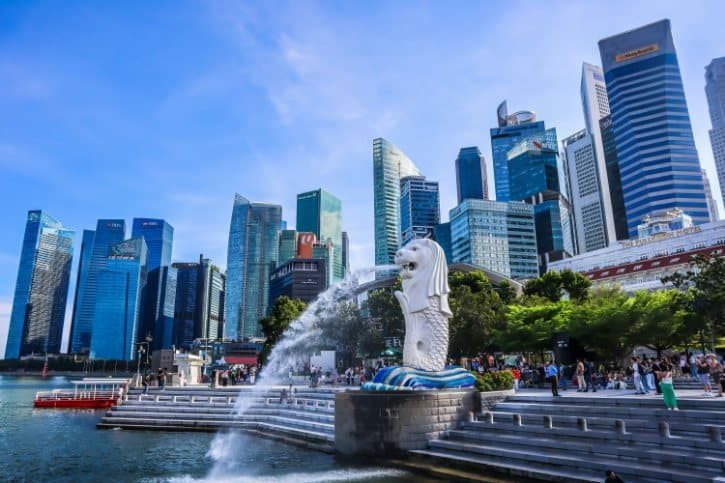
Singapore’s tropical weather is part of its charm. A little planning around the rain, heat, and mosquitoes keeps your outdoor days comfortable.
a. Check before you head out
Download the official NEA myENV app. It is the easiest way to plan your day, with:
- A 2 hour weather nowcast.
- Heavy rain
- Lightning risk
- PSI and PM2.5 readings for haze.
- Dengue cluster
A quick guide to the air quality (PSI) reading:
- 0 to 50:
- 51 to 100:
- Above 100: Unhealthy, so it is best to stay indoors.
b. Rain and lightning
Tropical rain can arrive fast and pause plans at places like Gardens by the Bay, the Marina Bay waterfront, Sentosa, the Southern Ridges, MacRitchie, outdoor observation decks, and boat rides.
During a lightning alert, head into a fully enclosed building or vehicle. Open pavilions, bus stops, and trees are not safe shelter.
c. Heat and hydration
- Plan high exposure activities like Merlion Park or the Southern Ridges for the early morning or late afternoon.
- Carry a compact umbrella or poncho.
- Wear sun protection.
- Drink plenty of water through the day.
d. Dengue and mosquitoes
Dengue is present year round, so a few simple steps help:
- Check the NEA dengue cluster maps to see if your hotel or planned stops sit in a higher risk area.
- Apply insect repellent with DEET or Picaridin, especially around nature reserves and outdoor hawker centres.