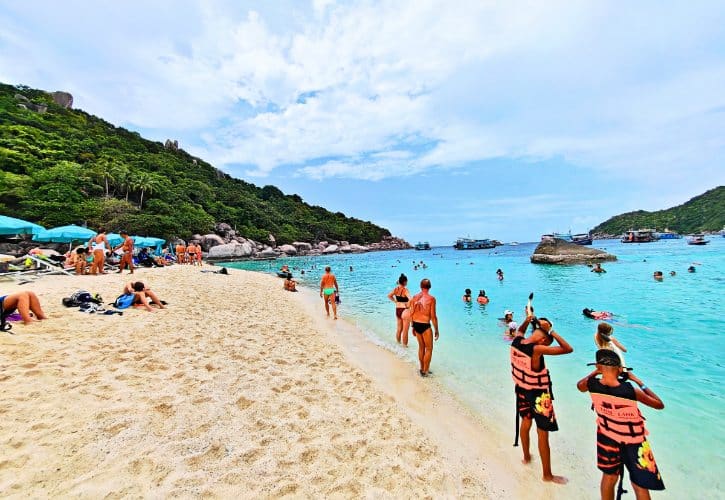
Booking an island tour in Thailand feels simple. You pick a beautiful island, pay online, and picture turquoise water and soft white sand.
But the sea keeps its own schedule, and a few small details can quietly shape your whole day. Most travelers never think about them until they are already at the pier.
The good news is that a little preparation makes everything smoother, and it starts well before you ever step onto the boat.
1. Weather and Sea Conditions
a. Why the sea matters more than the sky
Before you book anything, check the sea. Island tours depend on ocean conditions, not just the sunshine at your hotel. Clear skies onshore do not always mean calm water offshore, so the view from your balcony is not a safety report.
b. Thailand’s two sea systems
- Andaman Sea side: Phuket, Krabi, Phi Phi, Phang Nga, the Similan Islands, the Surin Islands, and Koh Lanta. Roughest during the southwest monsoon, roughly May to October.
- Gulf of Thailand side: Koh Samui, Koh Phangan, Koh Tao, and Mu Ko Ang Thong. Calmer in those months, with its own wetter, choppier spell later, typically October to December.
Rainy season does not stop tours. It just means the sea is less predictable, so stay flexible.
c. How rough weather changes your day
On a rough day, weather can affect your departure, snorkeling visibility, beach landings, the order of your stops, your route, and sometimes it forces a cancellation. These are safety decisions, not bad service.
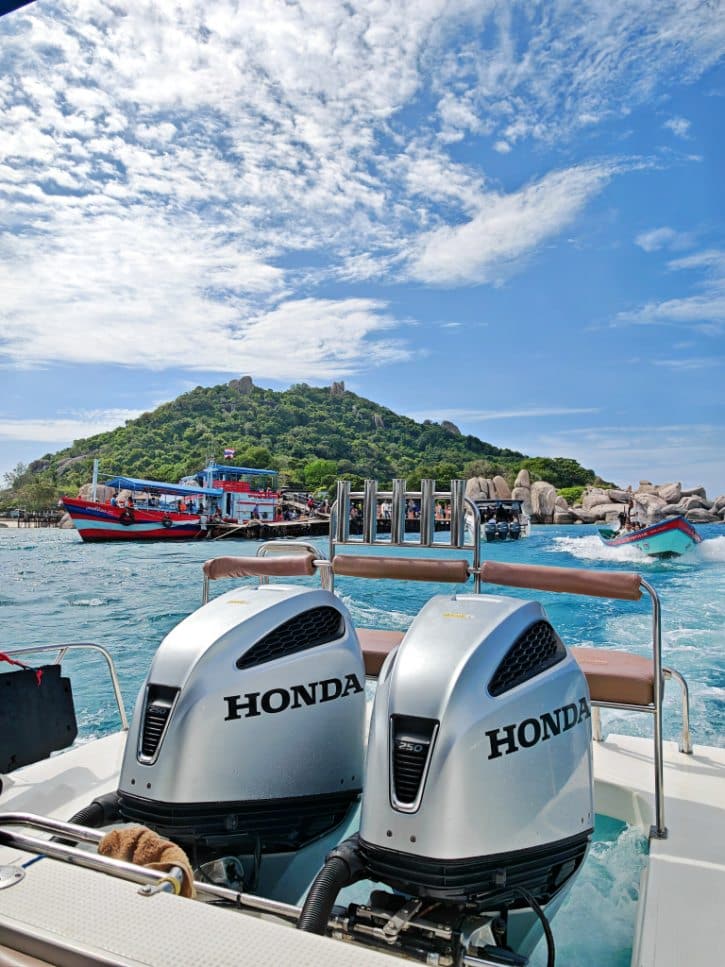
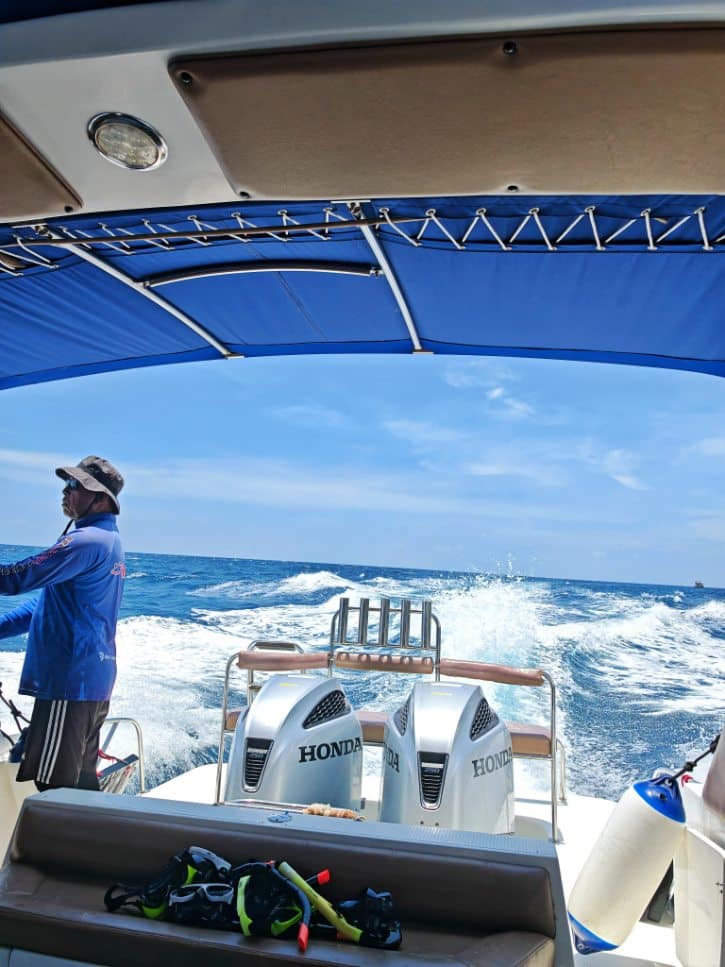
Speedboats and longtail boats sit low in the water, so strong wind and swell make the ride feel rough.
d. Questions to ask and signs to watch
Before you book, or before you leave the pier, ask your operator:
- What happens if the sea turns rough?
- Will the tour be cancelled, postponed, refunded, or rerouted?
- What type of boat will we use?
- Is this tour suitable for children, older travelers, pregnant travelers, or anyone prone to motion sickness?
At the pier, watch for strong wind, dark clouds, rough water, the crew changing the route, or sudden warnings. If warnings are active, accept the change. A rescheduled tour beats an unsafe one.
e. Check the forecast twice
The official source for marine forecasts is the Thailand Meteorological Department (TMD). Check it the night before your tour, then again on the morning of departure. Trust me, this small step is worth it.
2. Seasonal Closures and National Park Rules
a. Why some islands close
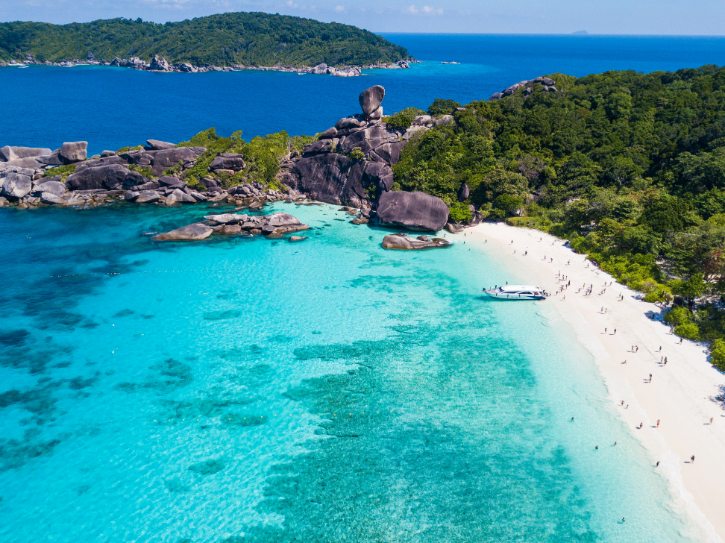
Some famous islands close for part of the year, so check before you book. The Department of National Parks, Wildlife and Plant Conservation (DNP) closes many marine parks to protect reefs and wildlife and to keep visitors safe during the monsoon. Entering a closed park is illegal, with no exceptions for private charters.
b. Current closure dates
- Mu Ko Similan (Similan Islands): May 16 to October 14.
- Mu Ko Surin (Surin Islands): May 16 to October 14.
- Maya Bay (Hat Noppharat Thara, Phi Phi Leh): August 1 to September 30.
- Tarutao National Park (Koh Lipe and nearby islets): June 1 to September 30.
Even when open, special rules apply. At Maya Bay, boats cannot enter or anchor inside the bay. You land at a floating pier in Loh Samah Bay and walk to the beach along a boardwalk, and swimming in the main bay is not allowed.
If a stop is closed, good operators reroute to other open islands.
c. The e-ticket system
From October 15, 2025, six major marine parks in southern Thailand switched to a digital e-ticket system, and cash payments and walk-ins are no longer accepted. Buy your e-ticket in advance through the official DNP app, such as QueQ, or have your licensed operator handle it. Foreign visitors must provide passport details.
The six e-ticket parks are:
- Hat Noppharat Thara, Mu Ko Phi Phi (including Maya Bay).
- Ao Phang Nga (including James Bond Island).
- Than Bok Khorani.
- Mu Ko Similan.
- Mu Ko Surin.
- Mu Ko Lanta.
d. Park rules and fees
Fees average around 400 to 500 baht for foreign adults and 200 to 250 baht for children, sometimes included in your tour price and sometimes paid separately, so ask first. Inside every marine park:
- Do not remove shells, sand, coral, or marine life.
- Do not fish or bring fishing gear on board.
- Do not bring single-use plastics or foam containers.
- Do not bring glass bottles or pets.
Environmental violations can carry fines of up to 100,000 baht, and operators who give false visitor details can be fined 5,000 to 100,000 baht.
e. Restricted zones and a quick tip
Near Pattaya, some islands such as Koh Khram, Koh Khram Noi, and Koh Rin are restricted military zones, and beach landings and anchoring there are not allowed.
Quick tip: Confirm your park’s status through official DNP updates, not just the tour company’s description.
3. What to Pack Before Getting on the Boat
a. Why packing right matters
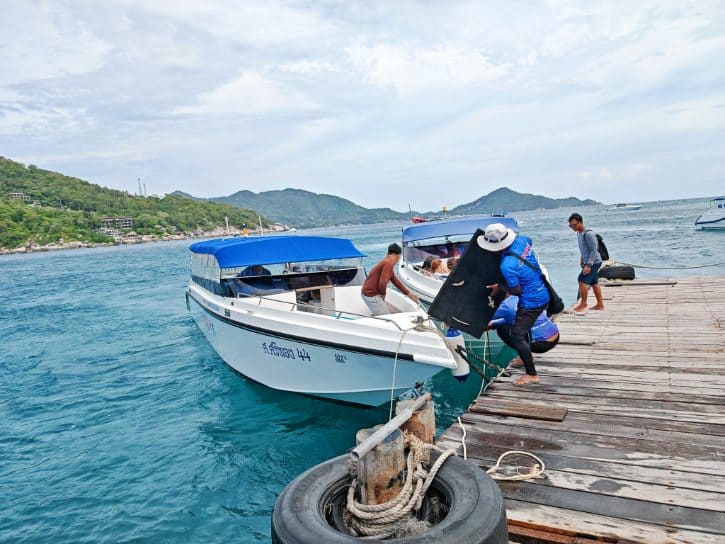
This is not a general Thailand packing list. Once the boat leaves, you may not reach shops, shade, medication, charging points, dry storage, spare clothes, or special food, so pack for a full day away from help.
b. Comfort and clothing
- Towel and a change of clothes.
- Light cover up, sunglasses, and a hat.
- Small fan, hair tie, and a plastic bag for wet clothes.
- Compact rain poncho, even in dry season.
- Sarong or light wrap.
c. Water and sun gear
- Swimsuit and a rash guard or UV shirt.
- Water shoes and your own snorkel mask if you prefer it.
- Waterproof pouch and a dry bag.
- Quick dry clothing.
- Reef safe sunscreen.
- Reusable water bottle and electrolyte tablets or rehydration salts.
d. Health, children, and park entry
For health, pack seasickness tablets, personal medication, antihistamines, pain relief, plasters, antiseptic wipes, and basic first aid items.
For children, bring extra snacks and water, spare clothes, child size sun protection, and a properly fitting life jacket if needed.
For park visits, carry cash in Thai baht, your booking confirmation, and a passport copy or clear digital scan where accepted.
e. What to skip, and one tip
Leave behind heavy luggage, expensive jewelry, large amounts of cash, glass bottles, alcohol, non waterproof electronics, and non reef safe sunscreen.
Most reputable tours include drinking water and a simple lunch, but if you have allergies or strict dietary needs, bring your own sealed snacks. Charge your phone fully too.
Quick tip: Pack the night before, so early pickups do not leave you without important items.
4. Sun, Heat, and Dehydration
a. Why the sun hits harder at sea
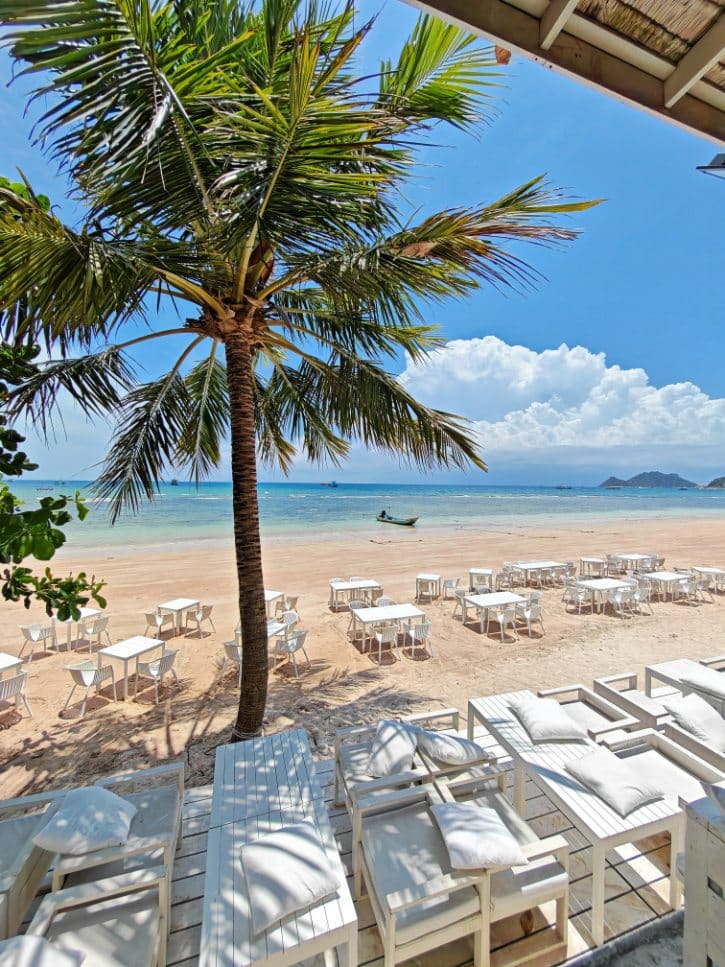
Open boats, reflective water, and white sand bounce extra light and heat onto you, and Thailand’s UV index often reaches the “extreme” level of 11 or higher in peak months.
A full day tour usually runs 8 to 10 hours, with little shade on remote islands, so you manage this yourself.
b. Thailand’s sunscreen rules
To protect the coral, Thailand bans certain sunscreen chemicals inside national parks, and using them can carry a fine of up to 100,000 baht. The banned compounds are:
- Oxybenzone
- Octinoxate
- 4-Methylbenzylidene Camphor
- Butylparaben
Use reef safe sunscreen instead, or rely on cover like a rash guard and hat. Many travelers find it easier to bring suitable sunscreen from home.
c. A simple sun protection routine
- Apply sunscreen at least 30 minutes before boarding.
- Reapply after swimming, sweating, or towel drying.
- Wear a hat and UV sunglasses.
- Wear a rash guard or long sleeve swimwear.
- Rest in the shade when you can.
d. A simple hydration plan
Drink before you feel thirsty, and bring enough water for each person. Use electrolytes when you sweat a lot, and go easy on alcohol before and during the trip, since it dries you out faster.
e. Warning signs and a tip
Know the early signs of heat trouble: headache, dizziness, nausea, heavy sweating, weakness, muscle cramps, or confusion. Watch children, older travelers, and anyone not used to tropical heat. If these signs appear, move the person to shade, give cool fluids, and let them rest.
Quick tip: Drink water on a schedule rather than waiting until you feel thirsty.
5. Water Shoes and Foot Protection
a. Why your feet need protection
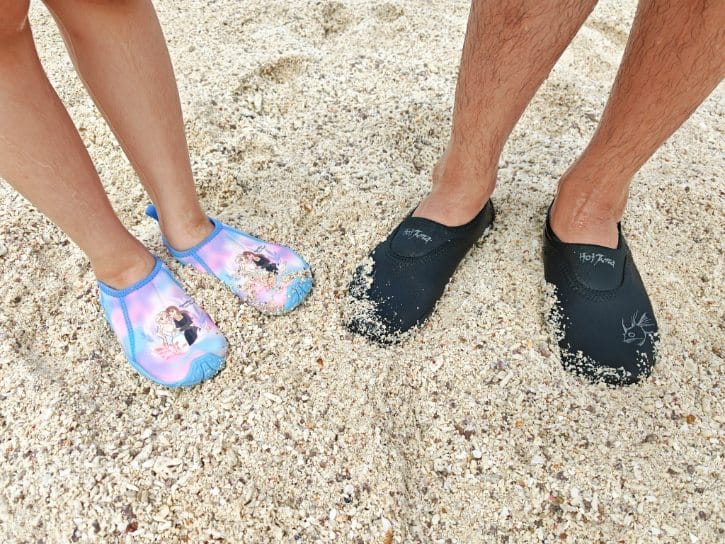
A good pair of water shoes is one of the most useful things you can bring, and one of the most overlooked. They protect your feet from sharp shells, jagged rocks, broken coral fragments, barnacle covered piers, and hot sand, and give you grip on slippery boat ladders and wet decks.
b. Where you will need them
- Wet beach landings and pier free boat exits.
- Longtail boat transfers.
- Rocky beaches and shallow reef areas.
- Slippery piers, boat ladders, and floating docks.
- Uneven beach paths.
There are also sea urchins in shallow rocky spots, and sometimes beached jellyfish or Portuguese Man o’ War on the sand.
c. What to look for and what to avoid
Flip flops slip off in moving water, leave your toes exposed, grip poorly on wet rocks, and float away during a landing. Look for water shoes that are:
- Lightweight and quick drying.
- Good grip with a secure, snug fit.
- Made of neoprene or thin rubber.
- Snug enough to stay on while snorkeling.
Avoid loose flip flops, heavy shoes, slippery sandals, and cheap last minute shoes bought on the island.
d. The one rule that still applies
Water shoes protect your feet, but they do not give you permission to step on coral, reefs, or marine life. Marine park laws ban any contact with coral, no matter what you are wearing.
e. A quick tip
Keep your water shoes in your day bag, not deep in your main luggage. You may need them at the first landing.
6. Dry Bags, Waterproof Cases, And Protecting Valuables
a. How things really get wet
Island tours are wetter than most people expect. Your gear ends up soaked from:
- Speedboat spray and rain.
- Wet boat floors.
- Boarding and stepping off the boat.
- Beach landings.
- Snorkeling and kayaking.
- Crowded boats and accidental splashes.
b. Water resistant versus waterproof
Water resistant gear handles light splashes; waterproof gear survives full submersion, which is what you want on a boat. Salt water is harsh and quickly damages phones, cameras, watches, charging ports, zippers, and power banks.
c. A simple protection setup
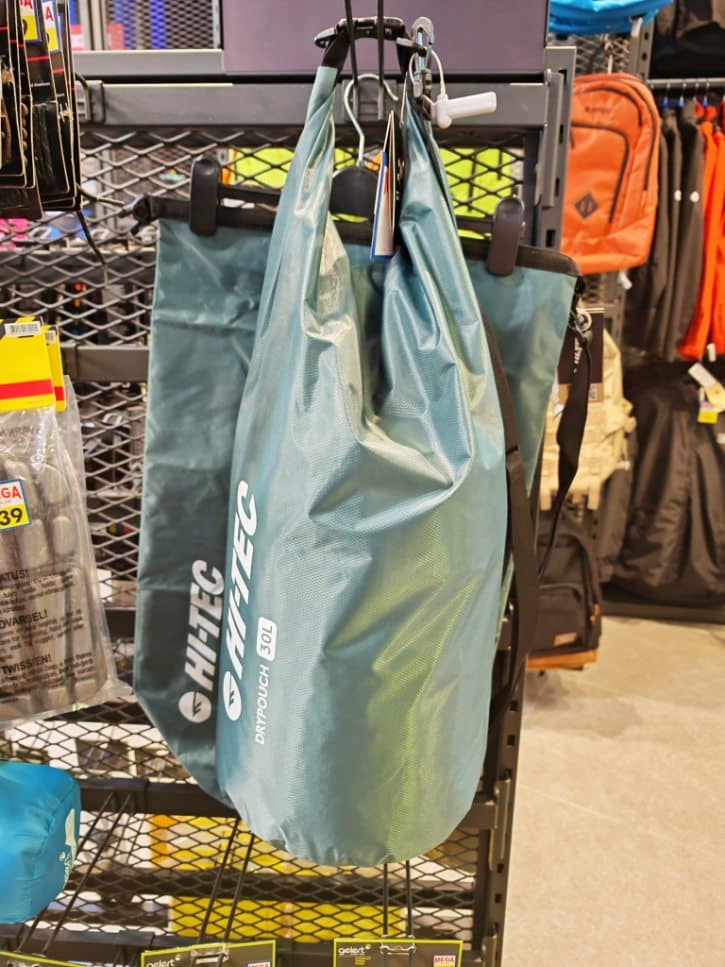
- A 10 to 30 litre roll top dry bag for your camera, wallet, passport copy, spare clothes, and important items.
- A quality waterproof phone pouch for your phone.
- Ziplock bags as a backup for small documents and medication.
Before your tour, test your pouch: put dry tissue inside, seal it, and submerge it. If the tissue stays dry, the seal is good.
d. What goes where, and how to handle your passport
Keep inside the dry bag: phone, wallet, cash, passport copy, medication, power bank, and dry clothes. Keep easy to reach: sunscreen, seasickness medicine, water, hat, sunglasses, and your booking confirmation.
Leave the original passport in the hotel safe and carry a clear copy or digital scan, unless the operator or park rule requires the original.
e. Good habits and a tip
Keep wet clothes separate from dry items, keep medication within reach, add a bright tag so you can spot your bag, and never leave valuables unattended while you swim.
Quick tip: Do a quick waterproof check before you leave the boat or enter the water.
7. Swimming Safety, Currents, and Life Jackets
a. Beautiful water is not always safe water
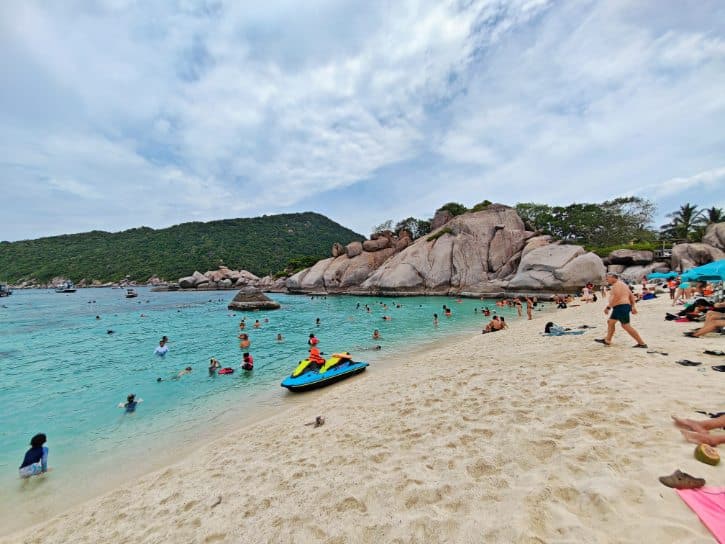
Clear water can still hide currents, sudden drop offs, waves, boat traffic, propellers, and simple tiredness. Many remote beaches have no lifeguards, so you are your own first line of safety.
b. Understanding rip currents
Rip currents are a real hazard, especially on Phuket’s west facing beaches such as Karon Beach during the southwest monsoon from May to October.
They pull away from shore and can move even strong swimmers into deep water.
Several tragic drownings at Phuket beaches in mid-2025 were a sad reminder of why the flags matter. Respect them, and you stay on the safe side of the day.
c. The Thai beach flag system
- Red: No swimming. Do not enter the water.
- Yellow: Strong swimmers only.
- Red and yellow together: Lifeguards on duty. Swim only between the flags.
- Green: Generally safe. Still stay aware and avoid boat lanes.
d. Life jackets and safe swimming habits
Under maritime safety rules from April 22, 2025, snorkelers must wear life jackets near coral reef areas, with the only exemption for those holding a valid freediving certification.
If caught in a rip current, stay calm, do not fight against it, and swim parallel to the shore until free, then angle back. A few more habits:
- Swim only where your guide says it is allowed.
- Do not swim behind boats, and stay clear of propellers.
- Do not drift too far from the group.
- Hold children’s hands during beach landings.
- Tell your guide if you are not a strong swimmer, and stop before you get exhausted.
e. Emergency numbers and a tip
Save 1669 for medical emergencies and 1155 for the Tourist Police.
Quick tip: Check the flags, signs, and your guide’s instructions before entering the water at every stop.
8. Snorkeling Rules, Coral Protection, and Marine Park Etiquette
a. The new rules, in plain terms
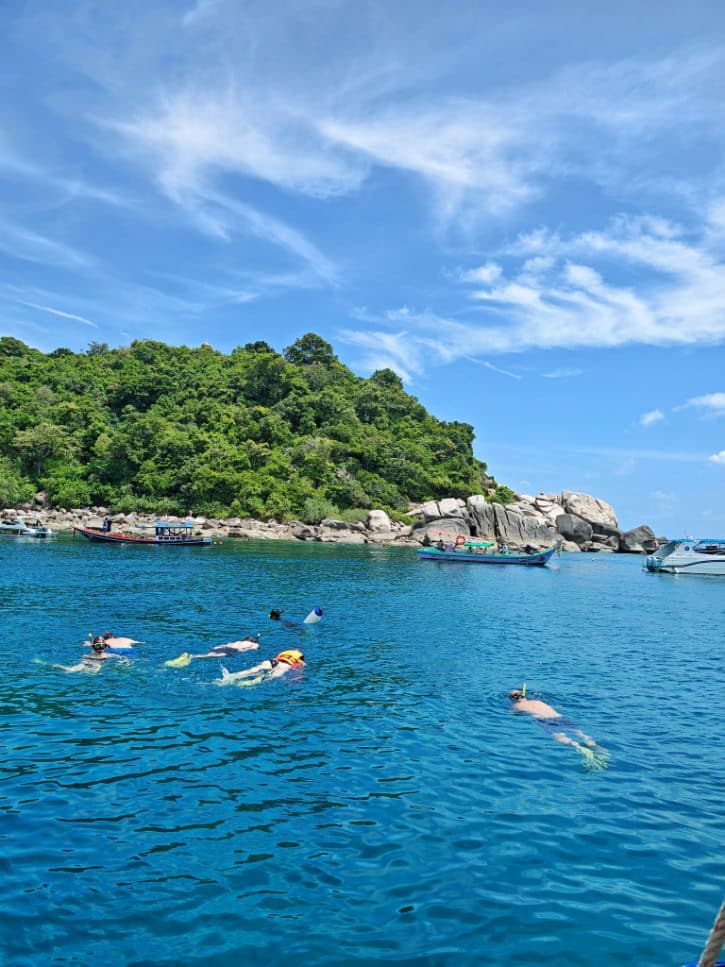
Thailand has tightened its snorkeling and diving rules to protect both you and the reef. New regulations under the Marine and Coastal Resources Management Act took effect on April 22, 2025, with a five year enforcement period.
b. What the rules require
- A certified dive supervisor or assistant on every trip.
- Life jackets for snorkelers near coral reefs.
- Snorkeling only where there is at least 2 metres of water above the coral.
- A proper safety briefing before anyone enters the water.
- A limit of one supervisor for every 20 snorkelers.
Commercial underwater “Sea Walker” tours are also banned inside coral zones.
c. What a good briefing covers
A proper briefing is a great sign of a responsible operator. It should explain where you can swim, how to use your fins safely, how far to stay from the coral, what not to touch, what to do if you get tired, and the emergency signals.
d. What not to do in the water
- Do not touch, stand on, or kick coral.
- Do not walk on the seabed in reef areas.
- Do not chase, feed, or touch marine animals.
- Do not stir up sand near coral.
- Do not throw food or trash into the sea.
- Do not collect shells, coral, sand, or marine life.
- Do not pick up animals for photos.
e. Why it matters, and a tip
Coral is fragile: it breaks easily, sediment can smother it, and feeding or touching marine life harms them and can put you at risk. Reef safe sunscreen protects the reef too.
Quick tip: If your operator skips the snorkeling safety briefing, treat it as a serious red flag.
9. Jellyfish, Sea Urchins, and Other Marine Life Warnings
a. Box jellyfish and their seasons
Box jellyfish are a seasonal concern. On the Andaman side, higher numbers appear from May to October. In the Gulf, especially around Koh Samui and Koh Phangan, the higher risk period runs from July to October.
A rash guard, long sleeve swimwear, or a stinger suit covers more skin and lowers your risk.
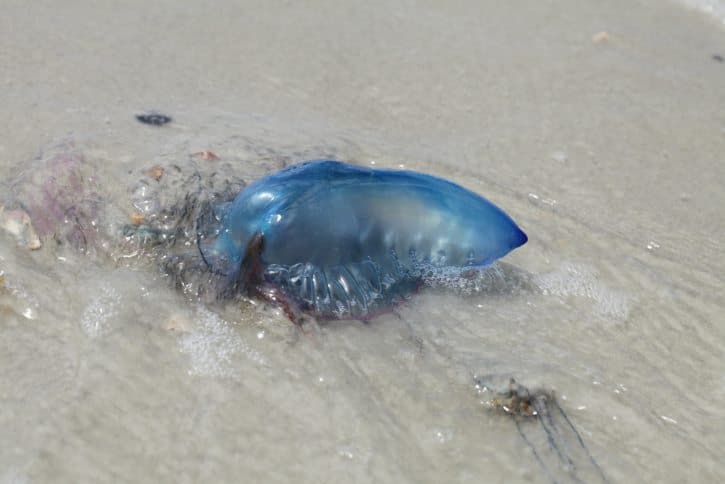
b. Portuguese man of war
In June 2026, the DNP issued alerts after the venomous Portuguese man of war washed ashore in Krabi’s national park waters, including Mu Ko Lanta National Park and Hat Noppharat Thara, Mu Ko Phi Phi National Park.
Affected areas saw red flags, swimming bans, and coastal patrols. A beached one can still sting, so report sightings and wear shoes on affected beaches.
c. Jellyfish safety and basic first aid
- Check the beach signs and follow the warning flags.
- Listen to guides and lifeguards.
- Do not swim when warnings are posted.
- Do not touch a jellyfish, even if it looks dead.
- Leave the water right away if you are stung.
If someone is stung, rinse the area with vinegar, do not rub or scrub the skin, and do not use fresh water. Seek emergency medical help for serious symptoms, and call 1669.
d. Sea urchins
Sea urchins are common on shallow reef flats and rocky areas. If you step on one, the brittle spines can break off inside the skin and cause pain and infection.
Water shoes help in safe walking areas, but the real solution is to avoid stepping on rocks and reefs underwater.
e. Wildlife on land, and a tip
At spots like Monkey Beach on Phi Phi, the macaques are used to people and can be aggressive. Never feed or approach them, since bites carry a risk of rabies and infection.
As a general rule, do not pick up starfish, sea cucumbers, crabs, shells with animals inside, or any marine life for photos.
Quick tip: Scan the beach, check the signs, and look at the flags before you enter the water at every stop.
10. Seasickness, Tiredness, and Personal Travel Insurance
a. Preventing seasickness before you board
Seasickness comes from a mismatch between what your inner ear feels and what your eyes see. Children, first time passengers, and anyone tired or prone to motion sickness may feel it more. A little planning helps:
- Eat a light meal about an hour before departure. Crackers, banana, or plain rice work well.
- Skip dairy, greasy food, and strong coffee if they bother you.
- Avoid alcohol the night before and the morning of the tour.
- If you use motion sickness medicine, take it per the label or your pharmacist’s advice, usually 30 to 60 minutes before boarding.
b. Staying comfortable on the boat
- Sit near the middle of the vessel, closer to the water line.
- Look at the distant horizon.
- Avoid reading or staring at your phone.
- Stay in the fresh air, away from fuel fumes and strong perfumes.
- Keep tissues or a small plastic bag handy, just in case.
c. Managing tiredness
A full day tour is more tiring than it looks, with an early pickup, long boat rides, bumpy sections, heat, and swimming.
Many tours run 8 to 10 hours, so try not to overplan the day before or after. Families with children, older travelers, pregnant travelers, and anyone with back, neck, mobility, or health concerns may do better with a shorter, gentler tour.
Because high speed boats vibrate hard, speedboat tours are not recommended for pregnant travelers or people with chronic back or neck issues. If you have any medical concerns, check with a doctor first.
d. Why travel insurance matters
Medical care in Thailand can be expensive if you are not covered, and the Ministry of Public Health has been reviewing proposals to require basic coverage for foreign visitors. Buy travel insurance before your trip, and make sure it includes:
- Emergency medical treatment.
- Medical evacuation, including sea or air evacuation from remote islands.
- Repatriation and trip cancellation.
- Water activities like snorkeling, scuba diving, kayaking, and speedboat tours.
Also check for common exclusions, such as alcohol related incidents, injuries from ignoring safety instructions, activities without proper certification, pre existing conditions, pregnancy, and high risk activities.
e. Keep it handy, and a final tip
Save these offline on your phone: your insurer’s emergency number, your policy number, a passport copy, your hotel address, and emergency contacts.
Keep your receipts, medical documents, and any police report for a claim. Save 1669 for medical emergencies and 1155 for the Tourist Police.
Quick tip: Check your insurance coverage before the tour, not after something goes wrong.