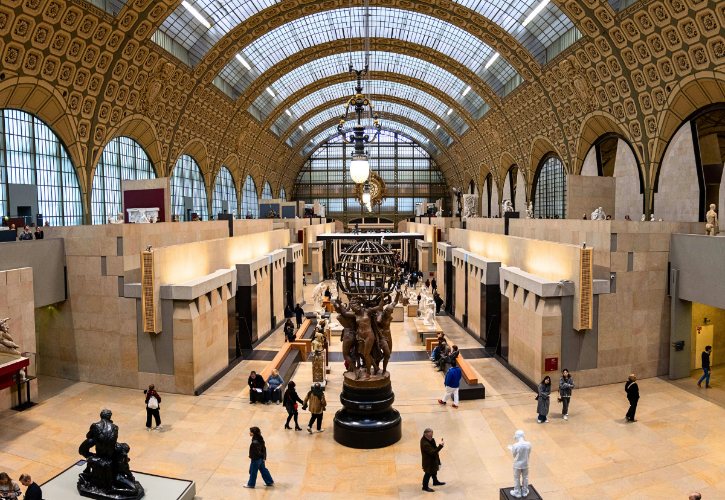
Paris is packed with world-famous museums, and that is exactly the problem. With limited days, long queues, huge collections, and that heavy museum fatigue, you simply cannot do them all well.
On a short trip, not every famous museum deserves an automatic spot on your list. Some give you a powerful experience in just an hour or two. Others are wonderful, but better saved for a longer or repeat visit. Here is how to choose wisely. 😊
1. Orangerie Museum
a. What It Is and Why It’s Special
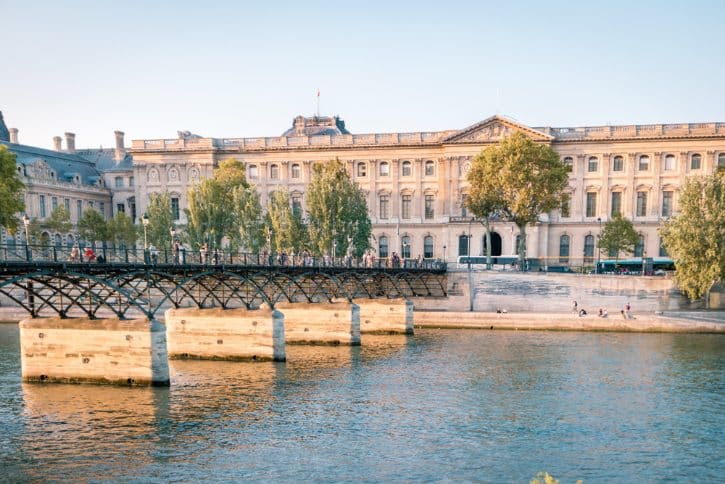
The building was originally built in 1852 to shelter the orange trees of the Tuileries Garden through winter. It was later turned into an art gallery, and today it sits in the southwest corner of the Tuileries Garden, right near Place de la Concorde.
You walk straight from the gardens of central Paris into a quiet, contemplative space. It feels compact, calm, and intimate, which is a refreshing change from the giant museums nearby.
b. Why It’s Worth a Stop
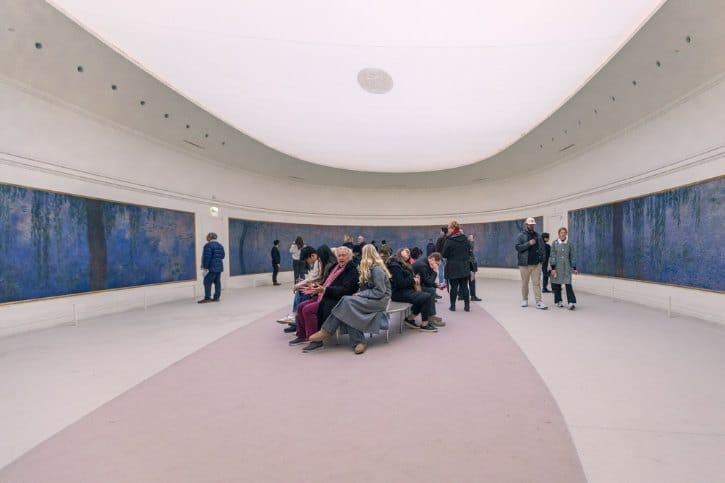
The main reason to come is Monet’s huge Water Lilies (Nymphéas) mural cycle. The museum was custom-built to hold it, with the paintings wrapped around two oval rooms on the ground floor.
Natural light pours in from skylights above, so as the weather outside shifts, the colors and reflections across the canvas seem to change with it. It is a living, breathing kind of art, and it gives you a powerful moment without losing half your day.
c. What to Look For
- The two oval Water Lilies rooms, immersive and peaceful
- The overhead natural light that gently shifts the colors through the day
- The Jean Walter and Paul Guillaume Collection downstairs, with paintings by Cézanne, Matisse, Picasso, Renoir, Modigliani, Soutine, and Rousseau
d. How Much Time You Need
- Quick visit: around 45 minutes to 1 hour
- Relaxed visit: around 1 to 2 hours
A nice rhythm is to soak in the Water Lilies rooms first, then explore the lower-level collection. Trust me, the Water Lilies rooms are not something you want to rush.
e. Good to Know and Nearby Spots
Photography is allowed for personal use without flash or tripods, and only small backpack-sized bags can come in with you. Because of its central spot, the Orangerie pairs easily with a walk:
- Tuileries Garden
- Place de la Concorde
- The Seine riverside
- Musée d’Orsay, just across the river
2. Orsay Museum
a. What It Is and Why It’s Special
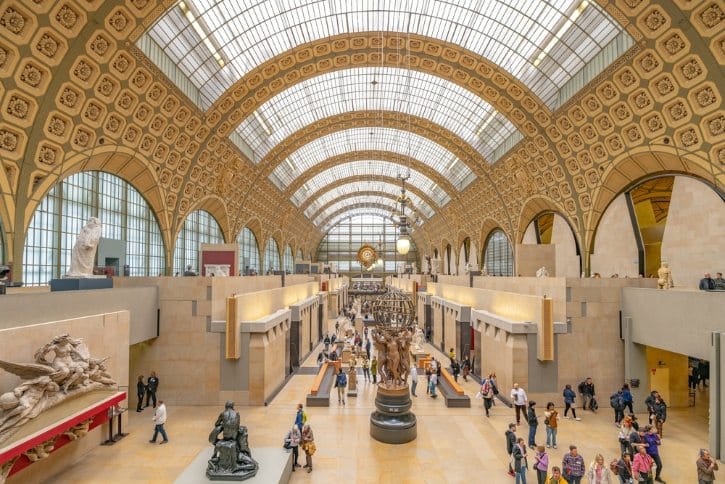
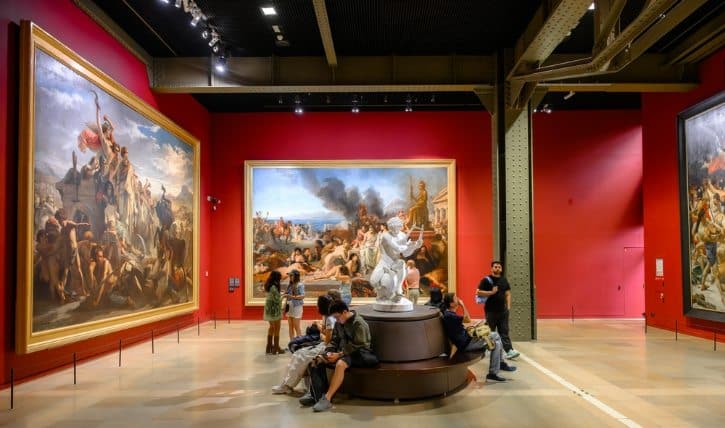
The Orsay lives inside a beautiful old Beaux-Arts railway station built for the 1900 World’s Fair. It covers fine art from 1848 to 1914, sitting neatly between the older classical works of the Louvre and the modern works of the Pompidou.
The building is part of the show. You get a soaring central nave, a giant station clock, and tall glass windows looking out over the Seine. It is the kind of place where the architecture alone makes you stop and look up.
b. Why It’s Worth a Stop
If you can visit only one major art museum in Paris, this is often the smartest choice. The Orsay feels more structured and far less tiring than the Louvre, and its highlights are wonderfully concentrated.
Its headline attraction is the world’s largest collection of Impressionist and Post-Impressionist paintings. You leave with a real sense that you have seen the best of it, rather than feeling lost in endless corridors.
c. What to Look For
- The fifth-floor Impressionist galleries, with Monet, Renoir, Degas, and Manet
- The Post-Impressionist spaces, including Van Gogh, Gauguin, and Cézanne
- The central nave and the famous clock windows
d. How Much Time You Need
- Focused highlights visit: around 1.5 to 2 hours
- Normal first visit: around 2 to 3 hours
If time is short, start with the Impressionist and Post-Impressionist highlights and do not try to see every room. A focused route beats wandering.
e. Good to Know and Nearby Spots
The museum’s reception areas are under renovation into 2028, but the galleries stay fully open throughout.
The important part is that you must book a timed-entry slot online, since arriving without one can mean long waits at the door. Check the official site close to your visit, as access rules during renovation can change.
Easy pairings nearby:
- Musée de l’Orangerie
- Saint-Germain-des-Prés
- Tuileries Garden
- A Seine river walk or cruise
3. Rodin Museum
a. What It Is and Why It’s Special
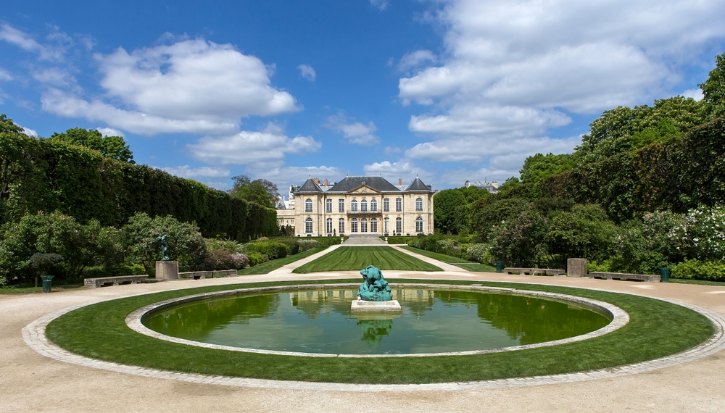
This is one of the most pleasant museums in all of Paris, and the reason is simple: it mixes sculpture, gardens, and a beautiful old mansion. You get art and fresh air at the same time.
The museum sits in the Hôtel Biron, an 18th-century mansion in the 7th arrondissement where Auguste Rodin once rented rooms and worked in his later years. He left his entire output to the French state, and the museum opened in 1919.
b. Why It’s Worth a Stop
The real star is the three-hectare sculpture garden, where large bronze works sit among trees, hedges, and water features. Seeing these pieces outdoors, in changing natural light, feels completely different from a normal indoor gallery.
It is calm, scenic, and easy to enjoy in a short window. The garden setting turns a museum visit into something closer to a relaxing walk, which makes it a lovely break in a busy itinerary.
c. What to Look For
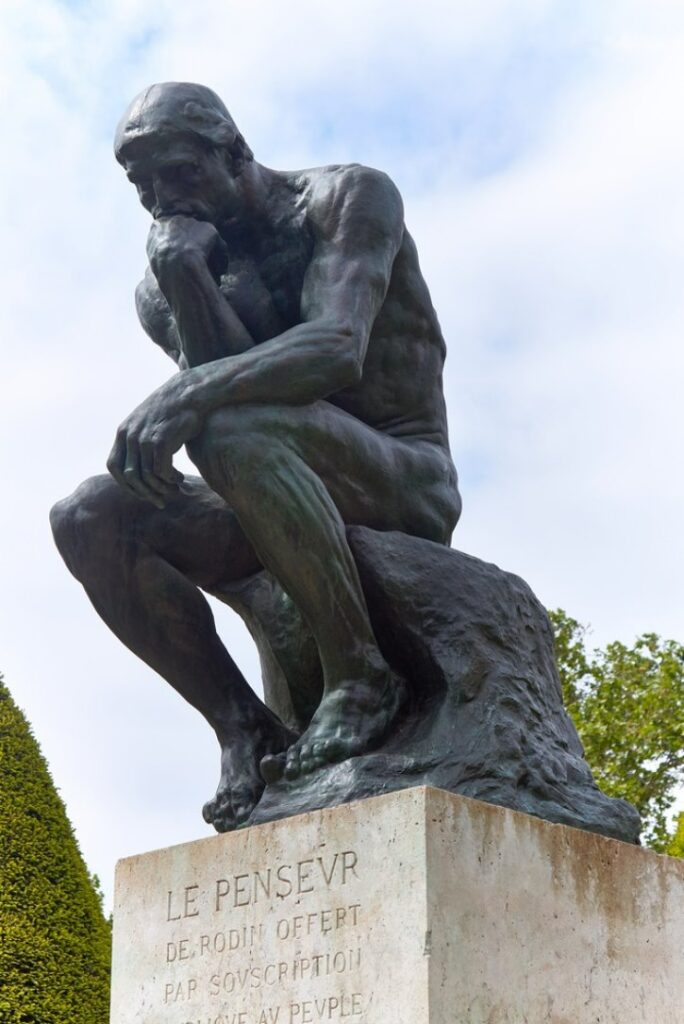
- The Thinker
- The Kiss
- The Gates of Hell
- The Burghers of Calais
- The Camille Claudel room inside the mansion, alongside Rodin’s drawings and plaster models
d. How Much Time You Need
- Full garden and mansion visit: around 1.5 to 2.5 hours
- A quick garden-focused stop can be shorter
Keep in mind that the garden is a big part of the experience, so weather matters here more than at most museums. A sunny day makes it magical, while steady rain takes away much of the charm.
e. Good to Know and Nearby Spots
Small backpacks are fine, but bulky bags go in the lockers. The mansion and gardens are fully wheelchair accessible. It pairs naturally with the sights right around it:
- Les Invalides and the Army Museum
- Napoleon’s Tomb
- The Eiffel Tower area
- Rue Cler for a bite to eat
Read More: The Best Left Bank Walking Route in Paris for One Beautiful Day
4. Carnavalet Museum
a. What It Is and Why It’s Special
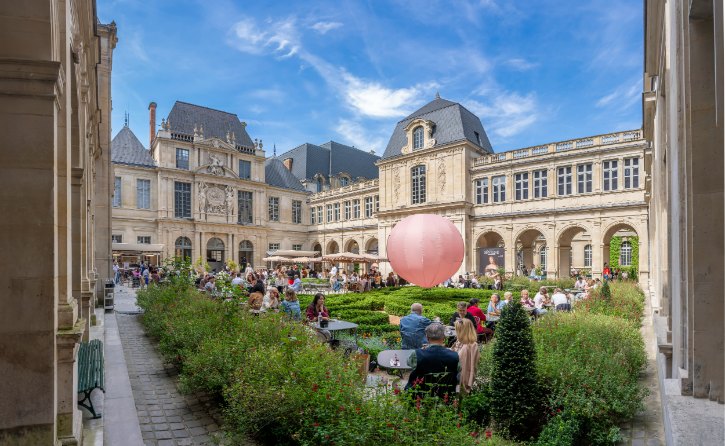
The Carnavalet is the official history museum of Paris, set in the lovely Marais district. After a five-year renovation finished in 2021, it now spreads more than 3,800 objects across two grand old mansions, the Renaissance-era Hôtel Carnavalet and the 17th-century Hôtel Le Peletier de Saint-Fargeau.
If you want to understand the city itself, not just its famous paintings, this is the museum for you. It tells the whole story of Paris.
b. Why It’s Worth a Stop
The exhibits run in order through time, from early settlements on the Seine and Roman Lutetia, through the French Revolution and the Haussmann transformations, all the way to modern Paris.
It is genuinely useful, especially before or after a Marais walk. You leave understanding Paris in a deeper way, and the different focus keeps your trip varied next to all the art museums.
c. What to Look For
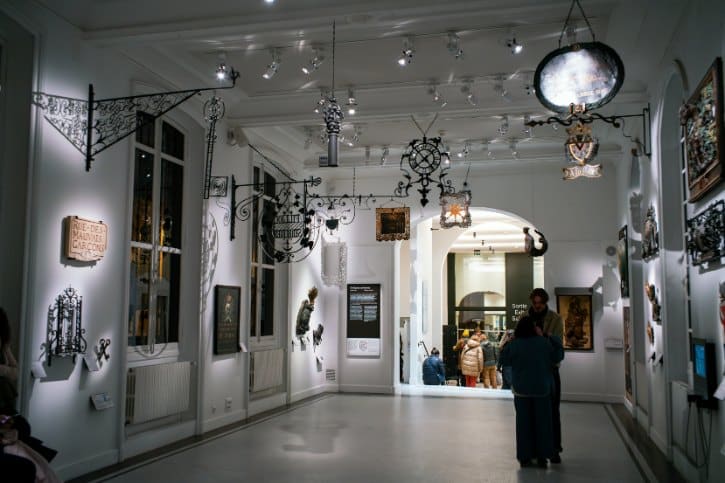
- The Sign Rooms, filled with old metal shop trade signs
- Extensive French Revolution artifacts
- Preserved period rooms, including Alphonse Mucha’s Art Nouveau Fouquet jewelry shop
- The grand courtyards, salons, and historic interiors
d. How Much Time You Need
- Quick highlights visit: around 1 to 1.5 hours
- Normal visit: around 1.5 to 3 hours
The collection is large, so if you are short on time, pick one theme, such as the Revolutionary-era rooms. The free official app offers five chronological audio-guided routes, which makes it easy to stay on track and not feel lost.
e. Good to Know and Nearby Spots
Photography is fine for personal use, but no flash or tripods. It is a great rainy-day option and a natural pairing with a Marais stroll:
- Place des Vosges
- Rue des Rosiers and the wider Marais
- Saint-Paul
- The Picasso Museum
Read More: The Best Route to Explore Le Marais on Foot
5. Petit Palais

a. What It Is and Why It’s Special
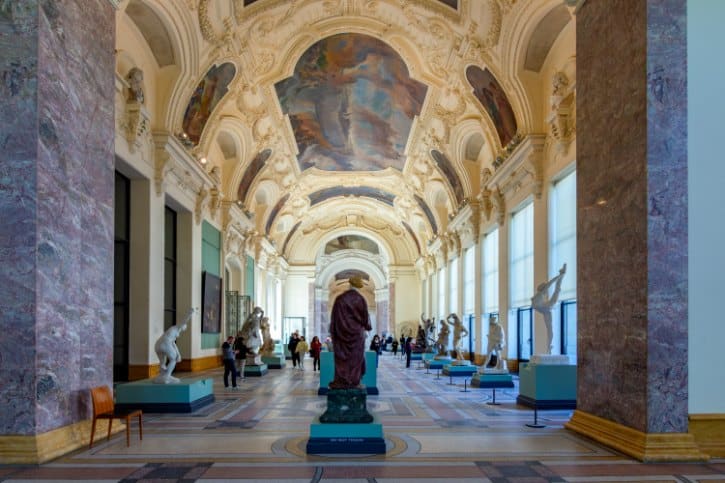
Built alongside the Grand Palais for the 1900 World’s Fair, the Petit Palais is a beautiful Beaux-Arts monument near the Champs-Élysées. It has a grand facade, fine ironwork, and a lovely semi-circular inner courtyard with a garden, mosaics, painted ceilings, and a quiet café.
Here is the fun part: it is one of the best-value museums in the city, and it gives you culture without the crowds of the big names.
b. Why It’s Worth a Stop
People often call it a “mini-Louvre” because of its range. The permanent collection covers antiquities, medieval pieces, Renaissance decorative arts, and a strong set of 19th-century French paintings.
It is low-stress, central, and flexible. You can pop in for half an hour or stay for two hours, and either way it feels rewarding. The building itself is worth the visit.
c. What to Look For
- 19th-century French paintings, including Delacroix, Courbet, Cézanne, and Monet
- The decorative arts and antiquities
- The architecture itself, with its mosaics and frescoed ceilings
- The peaceful inner courtyard and café
d. How Much Time You Need
- Very short stop: around 30 to 45 minutes for the building and courtyard
- Casual visit: around 1 hour
- Fuller visit: around 1.5 to 3 hours
Add a little time if you want to linger in the café or relax in the courtyard between sights.
e. Good to Know and Nearby Spots
Bags larger than 40 centimeters are not allowed inside. It is a great flexible stop on a Champs-Élysées or riverside walk:
- The Grand Palais
- The Champs-Élysées
- Pont Alexandre III
- Place de la Concorde and the Seine riverbank
6. Quai Branly Museum (Skip)
a. What It Is
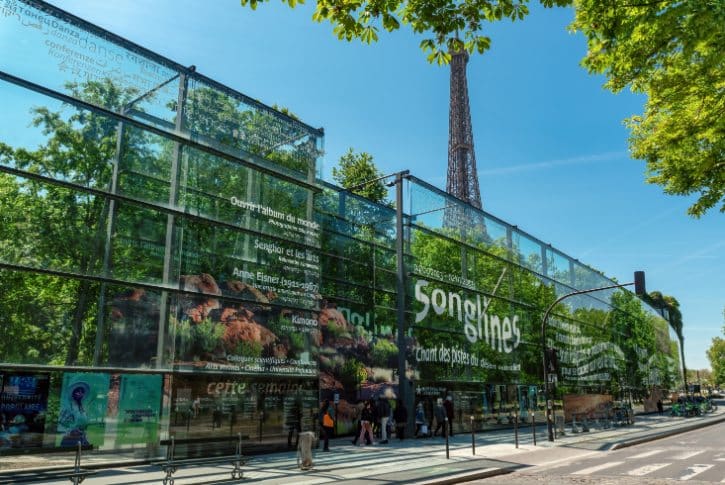
Designed by architect Jean Nouvel and opened in 2006, the Quai Branly sits along the Seine near the Eiffel Tower, wrapped in lush gardens.
It holds over 370,000 objects from the arts and civilizations of Africa, Asia, Oceania, and the Americas. It is a serious, impressive institution.
b. Why It Can Wait If Time Is Short
The focus is specialized, and it differs from the classic European art and French history that most first-time visitors come to Paris for. The building is also designed for slow, atmospheric exploration, with dim, ramp-driven pathways and a vast layout.
That makes it less suited to a quick highlights tour. With the Eiffel Tower right there competing for your time, short-stay visitors often save this one for a later trip.
c. Who Will Still Enjoy It
If you love world cultures, anthropology, or the art of Africa, Asia, Oceania, and the Americas, this museum can be a real highlight.
The Jean Nouvel architecture and the garden setting add to the appeal, and repeat visitors who have already seen the major Paris museums often appreciate something this different.
d. What to Look For and Time Needed
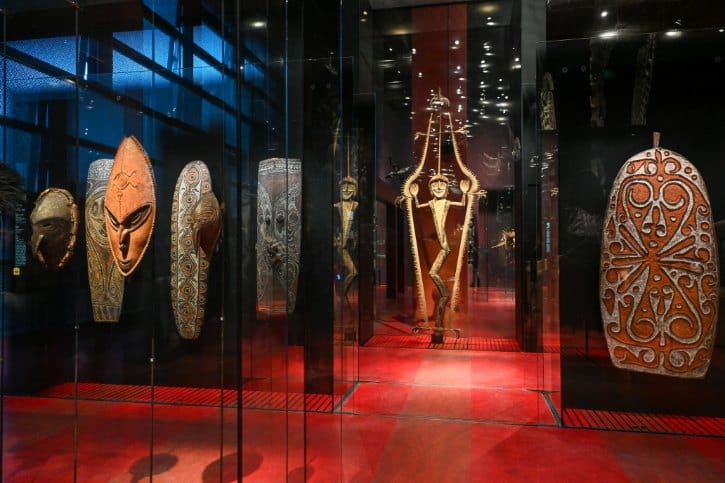
- The geographic sections covering Africa, Asia, Oceania, and the Americas
- The striking Jean Nouvel architecture and the surrounding gardens
- Plan for a proper, unhurried visit rather than a quick pass-through, since the layout rewards slowing down
e. Combine It With
- The Eiffel Tower
- Champ de Mars
- Trocadéro
- The Seine riverfront
My honest advice: go if the theme truly interests you, not just because it is near the Eiffel Tower. Cabin-sized bags and large backpacks are not allowed, but lockers are available.
7. Grévin Museum (Skip)
a. What It Is
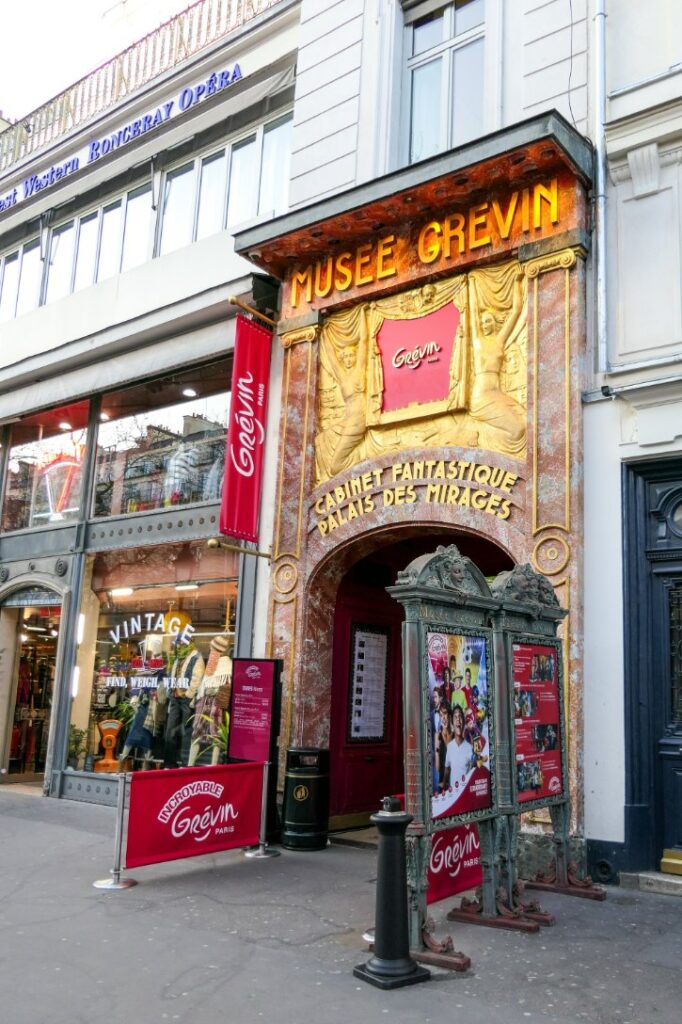
Found on Boulevard Montmartre, the Grévin is a historic wax museum founded in 1882. It features over 200 wax figures, from French historical figures and international celebrities to sports icons and fictional characters. Its Belle Époque interiors and the original Hall of Mirrors are the most charming part.
b. Why It Can Wait If Time Is Short
It is best understood as a fun entertainment attraction rather than a deep cultural institution. Similar wax museums exist in many big cities, so it offers less that is uniquely Parisian.
With photo opportunities as the main draw, short-stay visitors usually get more lasting value from the city’s art and history museums. For a tight schedule, that time often goes further elsewhere.
c. Who Will Still Enjoy It
If you are traveling with kids or teenagers, it can be a genuinely fun couple of hours. Pop culture and celebrity fans enjoy it too. It also works nicely as indoor entertainment on a rainy day, especially if you have already ticked off the major museums.

d. What to Look For and Time Needed
- The wax figures of French and international celebrities, sports stars, and fictional characters
- The Hall of Mirrors and the charming Belle Époque interior
- A typical visit runs about 5 hours
e. Combine It With
- The Grands Boulevards
- The historic covered passages
- The Palais Garnier area
Think of it as a bonus activity or a rainy-day backup, not a core Paris museum stop.
8. Louvre Museum (Skip)
a. What It Is
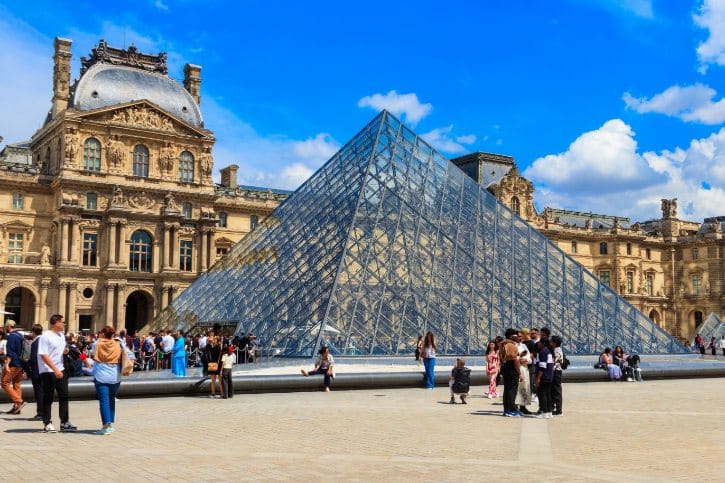
The Louvre is the largest art museum in the world, set inside a historic royal palace. Its collections span more than 9,000 years of human history and include the Mona Lisa, the Venus de Milo, the Winged Victory of Samothrace, and the grand Napoleon III Apartments.
Let me be clear right away: the Louvre is one of the greatest museums on earth. The reason it lands in this section has nothing to do with quality.
b. Why It Can Wait If Time Is Short
For a trip of three days or fewer, the Louvre is often best postponed. The museum is enormous, and a first visit really needs time, planning, and energy.
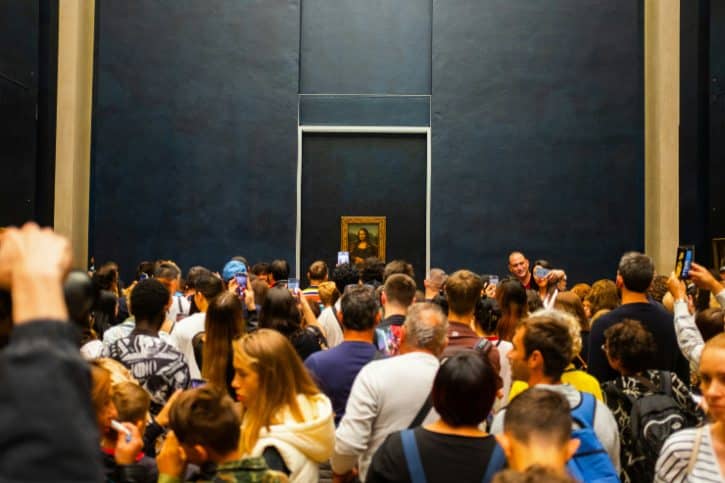
Crowds, long security queues, and the sheer scale can make a rushed visit stressful, and even a focused highlights route still takes several hours.
On top of that, the ongoing Louvre Nouvelle Renaissance renovation has led to periodic closures of major spaces, including the Islamic Art and Roman Antiquities galleries. This is a time-management call, not a knock on the museum.
c. Who Will Still Love It
For many art lovers, the Louvre is simply non-negotiable. If seeing the Mona Lisa in person is a lifelong dream, keep it.
Ancient history fans, sculpture lovers, and art-history enthusiasts may want to build their whole trip around it. And if you have four or more days, you can plan a comfortable, focused visit and enjoy every minute.
d. What to Look For and Time Needed
- The Mona Lisa, the Venus de Milo, and the Winged Victory of Samothrace
- The Egyptian, Greek, and Roman antiquities
- The Napoleon III Apartments, the palace architecture, and the glass Pyramid
- Focused highlights: at least a few hours; better first visit: half a day; serious art lovers: a full day or multiple visits
The single most important tip: do not try to see the whole Louvre in one short visit. That is exactly what turns a dream museum into an exhausting day.
e. Good to Know and Nearby Spots
Booking a timed slot online is strongly recommended year-round and required during the busiest stretches such as the summer holidays, so reserve ahead and check the live room status before you go, since renovation closures affect several wings.
If you only see it from outside, the Pyramid is free to admire and pairs beautifully with nearby walks:
- Tuileries Garden
- Palais Royal
- A Seine walk and Pont des Arts
- Musée de l’Orangerie
The Louvre is absolutely worth it. It just deserves a day when you have the time, energy, and plan to enjoy it properly.