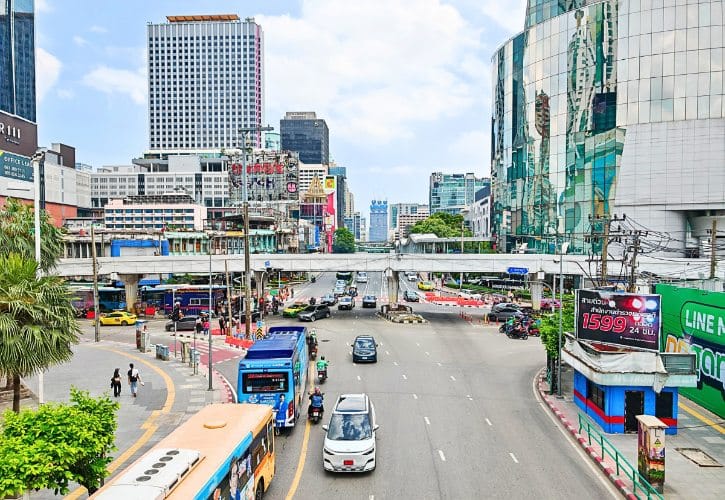
Thailand has a way of winning you over fast. The food, the beaches, the temples, and the warm welcome make it one of the easiest places in the world to fall in love with.
The good news is that almost every problem travelers run into here can be avoided with a little preparation.
This guide walks you through the small things that make a big difference, so you can spend less time worrying and more time enjoying the trip with confidence.
Let’s start the moment you land. 😊
1. Airport Arrival and First Day Safety
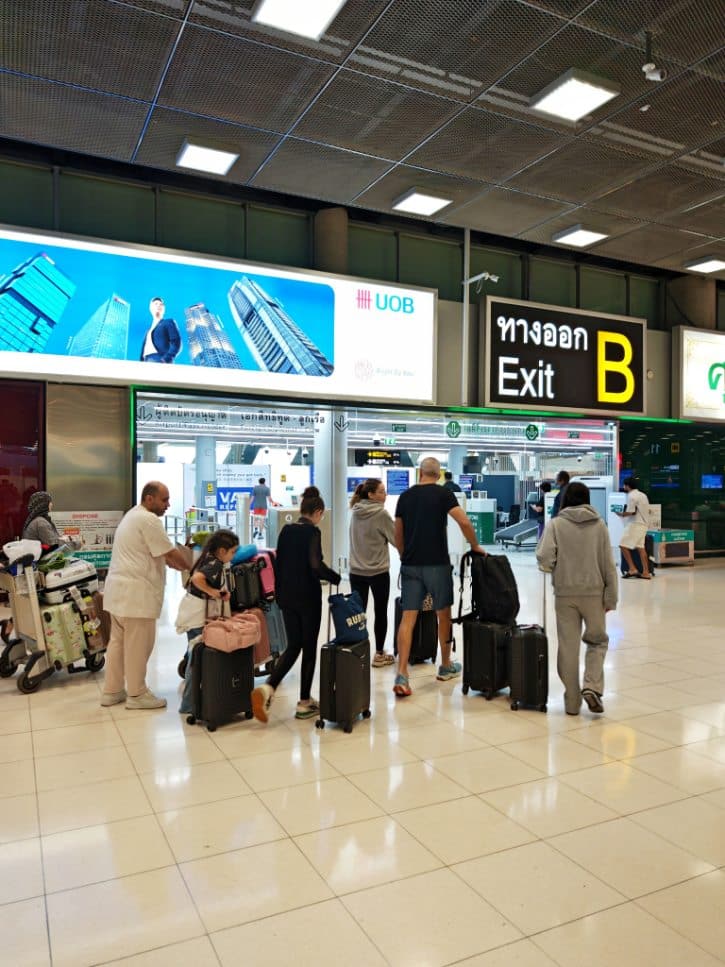
Your first twenty four hours in Thailand are when you are most likely to slip up, and it is not your fault.
You are tired from a long flight, the money looks unfamiliar, and you are juggling your passport, cash, cards, and luggage all at once.
That mix makes it easy to rush a decision you would normally think twice about.
So the goal on day one is simple. Get to your hotel safely, stay calm, and save the bigger plans for when you are rested.
a. Entry requirements and visa rules
- Passport validity: Your passport needs at least six months of validity left from the date you enter Thailand.
- Visa rules are changing: The broad 60 day visa free scheme that many nationalities enjoyed was approved for cancellation, and is being replaced with a tiered system where most eligible nationalities revert to a 30 day visa free stay by default.
- Why timing matters: If you plan to stay longer than 30 days, confirm whether the new rule is active before departure, so you know if you need a tourist visa in advance or an extension once you arrive.
- Onward travel and lodging: Officials and airlines may check your return or onward ticket and a confirmed accommodation address.
- Proof of funds: Immigration can ask you to show 20,000 THB per person or 40,000 THB per family.
b. The Thailand Digital Arrival Card (TDAC)
Every non Thai traveler entering by air, land, or sea must register for the Thailand Digital Arrival Card, which replaced the old paper form.
- When to do it: Submit it online within 72 hours before you arrive.
- Cost: It is completely free.
- The only official site: Use immigration.go.th and nothing else.
- Watch for fakes: Copycat websites charge travelers fees under a fake “Thailand ETA” label. There is no separate paid document, so ignore any site asking for money.
Do this before you fly and save the QR confirmation to your phone.
c. Getting from the airport safely
At any major airport (BKK, DMK, HKT, or CNX), skip anyone who walks up offering you a ride. The official options are right there and they are safer.
- Official taxis: Use the public taxi rank with the ticket kiosk, and keep the queue slip. It holds the driver details you need to report a problem or recover lost items. Airport taxis add a 50 THB surcharge plus any tolls.
- Ride apps: Grab and Bolt are legal in major cities. Phuket Airport has an official Grab pickup zone in the car park, and Chiang Mai has marked Grab zones at the exits.
- Trains and buses: At BKK, the Airport Rail Link runs into the city, while DMK is served by the SRT Red Line and public airport buses. Both are safe, predictable, and cheap. Phuket and Chiang Mai have public buses, minibuses, and pre booked hotel shuttles as good alternatives.
d. Money and ATM tips for day one
- Better rates: At Suvarnabhumi, head to the B Level near the Airport Rail Link, where booths like SuperRich 1965 and Happy Rich offer city level rates.
- ATM fees: Local banks charge a flat 220 THB fee for foreign card withdrawals, so take out fewer, larger
- Decline the conversion offer: If an ATM offers to charge you in your home currency, decline it, since the markup is steep.
- Avoid skimming: Stick to ATMs inside bank lobbies, malls, or airport terminals, and shield your PIN.
Keep some cash for day one, since street food, markets, and taxis often run on cash.
e. Before you land, and what not to rush
Save these offline on your phone: passport and visa documents, TDAC confirmation, hotel address in English and Thai, return flight details, travel insurance numbers, your bank’s emergency line, and your embassy contact.
On the first night, skip renting a scooter while jet lagged, heavy drinking, late night transfers with informal drivers, and island transfers booked too close to arrival. A calm first day sets the tone for the trip.
Read More: These 3 Incredible Hotels in Bangkok Have It All
2. Local Laws and Rules Tourists Should Not Ignore
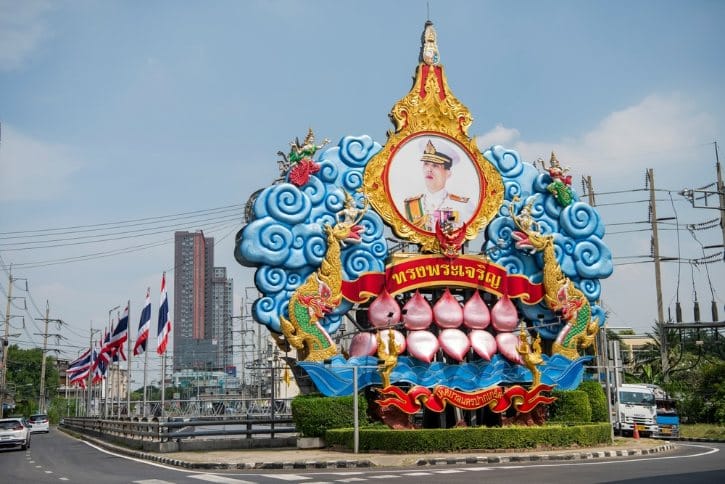
Thailand is welcoming, but it takes its laws and customs seriously, and “I didn’t know” is not accepted as an excuse. None of this should scare you. A little awareness keeps you on the right side of things.
a. Respect for the monarchy
It is a serious crime to defame, insult, or threaten the King, Queen, Heir apparent, or Regent.
- This applies to spoken words, written text, and anything online, including posting, sharing, liking, or commenting on critical content, memes, or news.
- Penalties are severe and can mean arrest, detention, and long prison sentences.
- Because Thai money carries the King’s image, handle it respectfully. Do not deface notes or step on a rolling coin to stop it.
b. Drugs and cannabis
- Hard drugs such as cocaine, heroin, ecstasy, methamphetamine, and LSD carry zero tolerance policies, with penalties up to life imprisonment or the death penalty.
- Cannabis was decriminalized in 2022 but the rules have since reversed. It is now legal for medical use only, with a prescription from a licensed Thai practitioner. Recreational use is illegal.
- Never buy from street dealers, and never carry packages for strangers.
c. Vaping and e cigarettes
This one surprises a lot of travelers. The import, possession, sale, and use of e cigarettes, vape pods, e liquids, and heat not burn devices are completely illegal in Thailand.
- They are treated as prohibited imports, so leave them at home.
- If found, you can face confiscation, fines, arrest, and deportation, with no exemption for personal use.
Read More: Thailand Entry & Exit: 7 Airport Rules Every Traveler Must Know
d. Smoking and alcohol
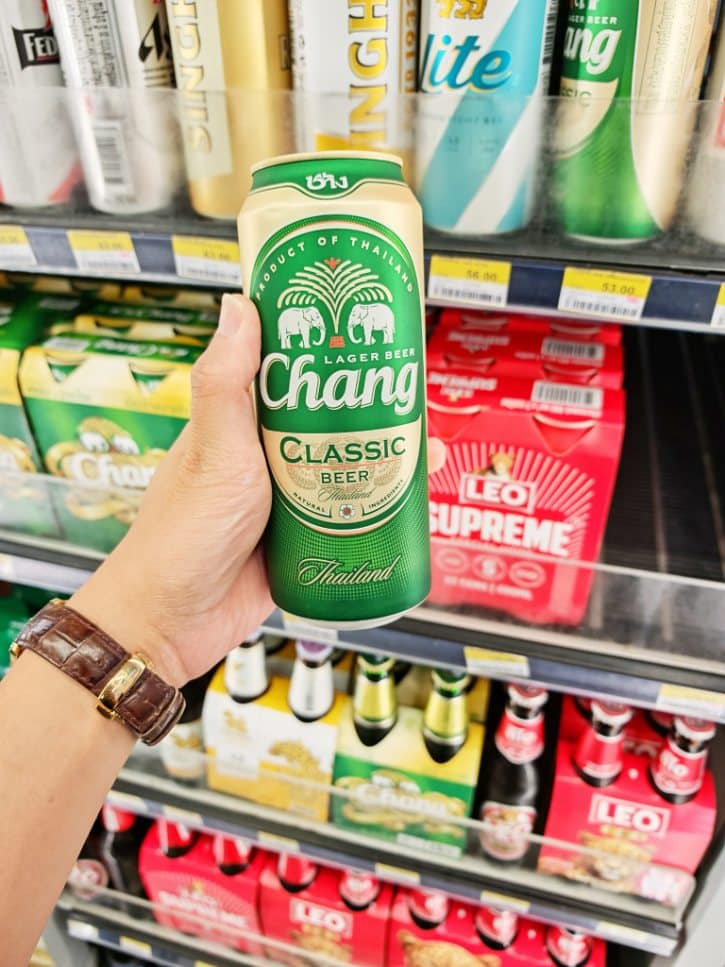
- Smoking is banned in indoor public venues, transport terminals, temples, and national parks. A beach smoking ban is enforced in spots like Phuket, Pattaya, and Koh Samui, with heavy fines.
- The legal drinking age is 20.
- Thailand recently removed its old mid afternoon sales gap, so registered shops and convenience stores can now sell alcohol continuously from late morning until midnight. Sales after midnight remain restricted in most shops.
- Alcohol sales are still banned on major Buddhist holidays, and rules can tighten around election periods, so check locally.
- Do not drink in temples, public parks, gas stations, or government property.
e. Temple etiquette and cultural respect
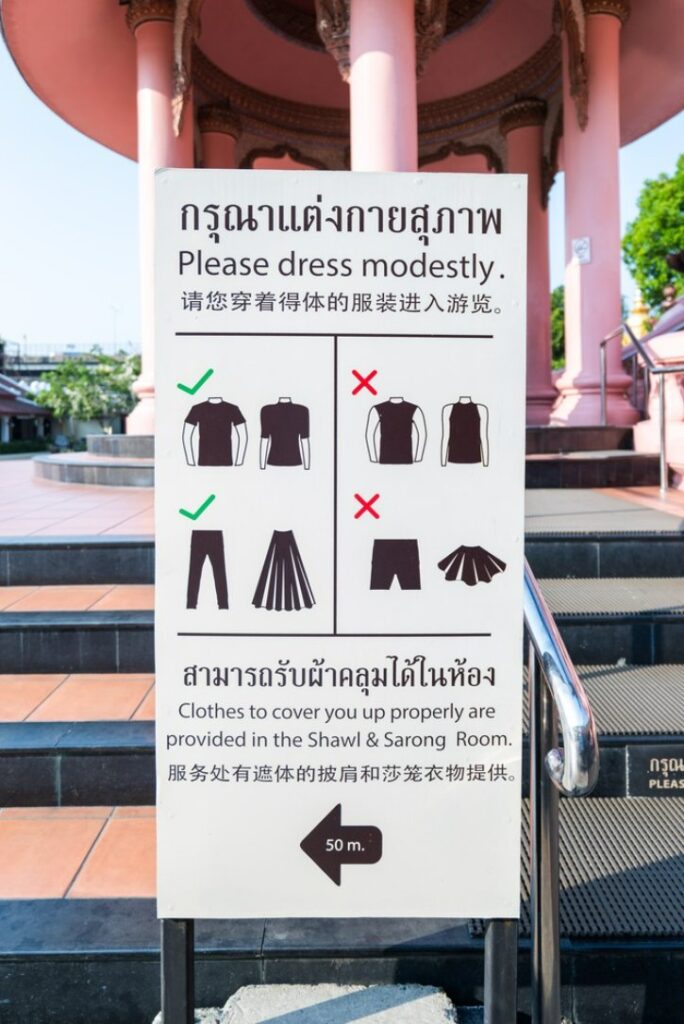
A few habits help you show respect anywhere you go:
- Dress modestly at temples and palaces. Cover your shoulders, chest, and knees. Sarongs are often available to rent at major sites.
- Remove your shoes before entering a temple chapel or a Thai home.
- The head is considered sacred and the feet are not, so never touch someone’s head and do not point your feet at people, monks, or Buddha images.
- Women must not touch monks or their robes, or hand items to them directly.
When unsure, follow what locals around you are doing, or simply ask. People appreciate the effort.
3. Taxis, Tuk Tuks, and Transport Safety
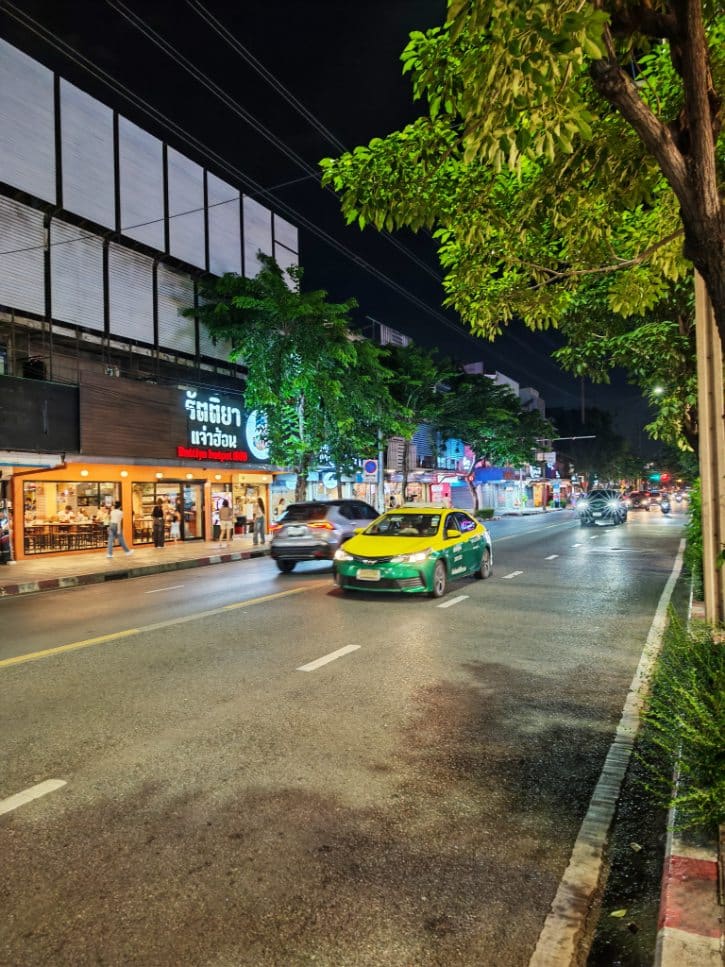
Getting around is easy once you know the small rules of the road.
a. Metered taxis
- The official fare starts at 35 THB for the first kilometer, with a small charge added in slow traffic.
- Make sure the meter is on before you leave. If a driver refuses or pushes a flat rate, just step out and wave down another.
b. Tollways
Expressway tolls are paid by you, the passenger. The driver will ask for cash before the toll, or you can pay at the booth. It is normal, just expect it.
c. Tuk tuks
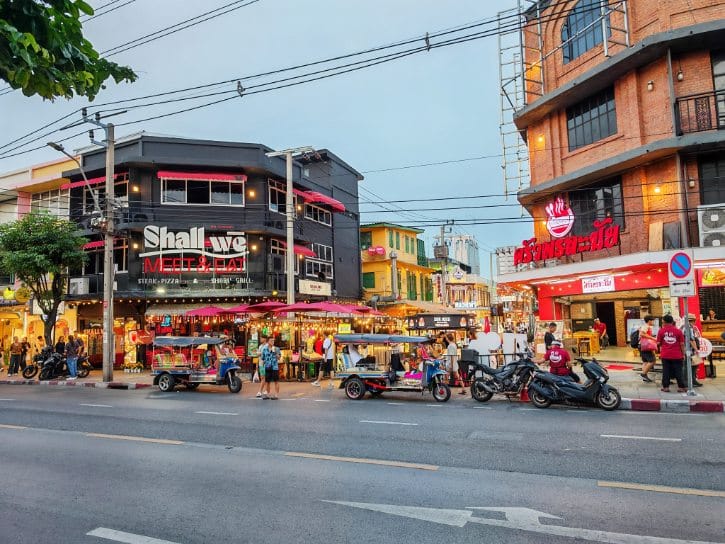
Tuk tuks have no meter, so agree on a price before you get in.
- Watch for the classic commission scam, where a driver outside a famous temple claims it is “closed today” and offers a suspiciously cheap city tour.
- These tours skip your real destinations and stop at gem shops, tailor shops, or souvenir stores where the driver earns a commission.
- If an offer does not match where you want to go, politely decline.
d. Public transit
Bangkok’s BTS Skytrain, MRT subway, and Airport Rail Link are safe, air conditioned, and immune to the city’s traffic jams, so during rush hours they are the smartest way to travel. Keep your bag zipped and held close in any open vehicle or near busy roads, to prevent drive by snatching.
e. Overnight buses and trains
On overnight trips, treat your valuables carefully. There have been reports of theft from bags stored in the under bus cargo hold while passengers sleep. Keep your passport, cards, electronics, and cash in your hand luggage and keep it with you in the cabin.
4. Scooter and Jet Ski Rentals
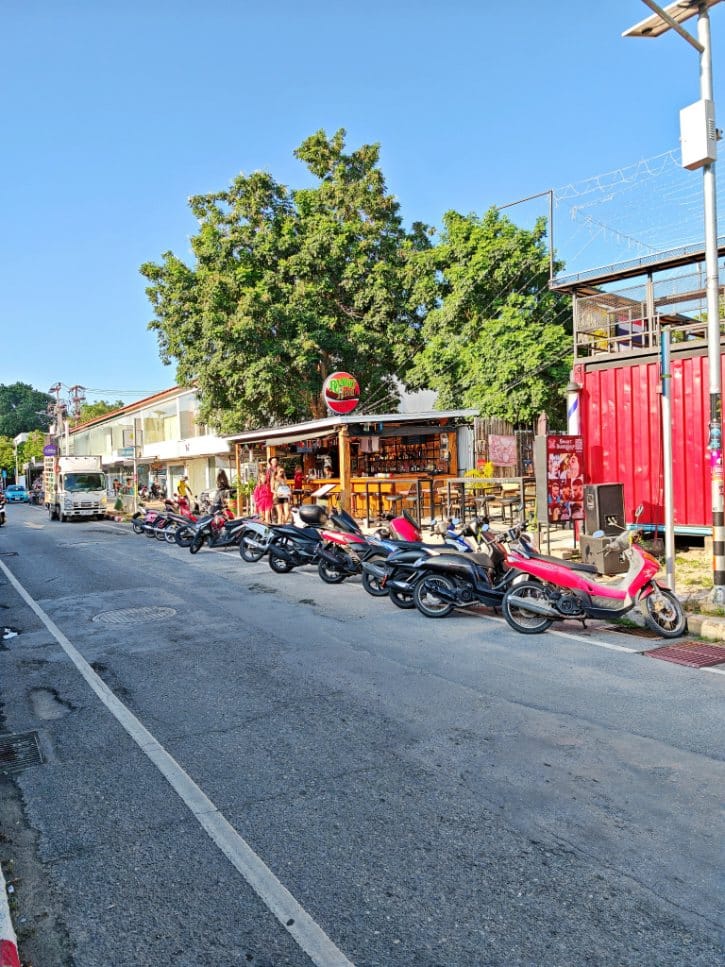
Scooters and jet skis cause more tourist headaches than almost anything else, mostly through accidents, insurance gaps, and damage disputes. A little caution here protects both your safety and your wallet.
a. Licence and insurance
- To legally ride any motorcycle in Thailand, including a small 125cc scooter, you need a motorcycle licence from home plus an International Driving Permit (IDP) with a motorcycle endorsement. A regular car licence is not enough.
- This matters for insurance. Most travel insurance will not pay out if you ride without the correct licence.
- Riding without a helmet, while drinking, or with too much cargo also voids coverage, leaving you to pay hospital and damage costs yourself.
b. Never hand over your passport
- Do not leave your original passport as a deposit, since some shops hold it hostage during a dispute and demand large payouts.
- Reputable shops will accept a photocopy of your passport page, a copy of your entry stamp, and a cash deposit (often around 3,000 to 5,000 THB).
c. Document the vehicle before you ride
Before you leave the shop, record everything:
- Take timestamped photos and videos of all sides of the scooter.
- Capture existing scratches, dents, tire wear, brake levers, and mirrors.
- Do it in front of the staff so there is no argument later.
- Keep the rental contract and the shop’s contact details.
d. Jet skis
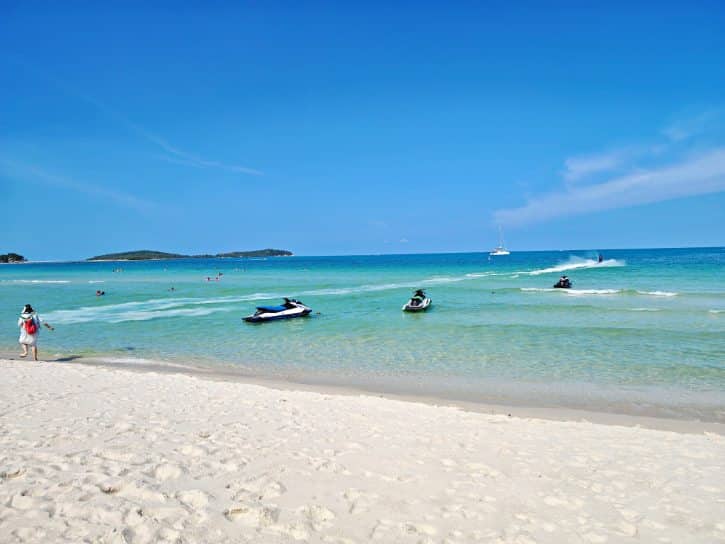
Jet ski scams have a long history along beaches like Pattaya, Kata, Karon, and Patong.
- A common move is to accuse you of causing pre existing damage and demand a large cash payment on the spot, sometimes with intimidation.
- Avoid informal beach touts. If you do rent, use a licensed, hotel vetted operator, get a written agreement, and photograph the entire hull before launching.
- If a dispute turns into pressure or threats, call the Tourist Police at 1155 rather than trying to settle it yourself.
If anything about a rental feels off, walking away is the safest choice.
5. Booking Boat Tours and Day Trips Safely
Island hopping is a highlight, but safety standards vary a lot between operators, so choosing well is most of the battle.
a. Pick a reputable operator
- Book through established agencies, reputable hotels, or certified operators who display their official Tourism Authority of Thailand (TAT)
- Look for clear contact details, a real booking channel, and a stated cancellation policy.
b. Check the boat before you board
- Confirm there are properly sized, undamaged life jackets for every passenger.
- Make sure the boat is not overloaded beyond its capacity.
- Visible signs of engine neglect, exposed fuel lines, or hull wear are your cue to walk away.
Read More: Thailand Island Hopping Tours: Essential Tips for Tourists
c. Who should skip the speedboat
High speed boats slam hard over rough water. Pregnant travelers, young children, elderly visitors, and anyone with back or spine issues should choose a larger, steadier catamaran or ferry instead.
d. Respect the weather
- The southwest monsoon (May to October) brings strong waves and storms to the Andaman side (Phuket, Krabi, Phi Phi).
- The northeast monsoon (October to December) can roughen the Gulf (Koh Samui, Koh Phangan, Koh Tao).
- Check updates from the Thai Meteorological Department or local port authorities. If a warning is issued, postpone, even if an operator insists it is fine. Responsible operators cancel for safety and refund you. Avoid booking a tight same day flight right after an island tour, since a weather delay can leave you stranded.
Read More:
6. Beach, Island, and Water Safety
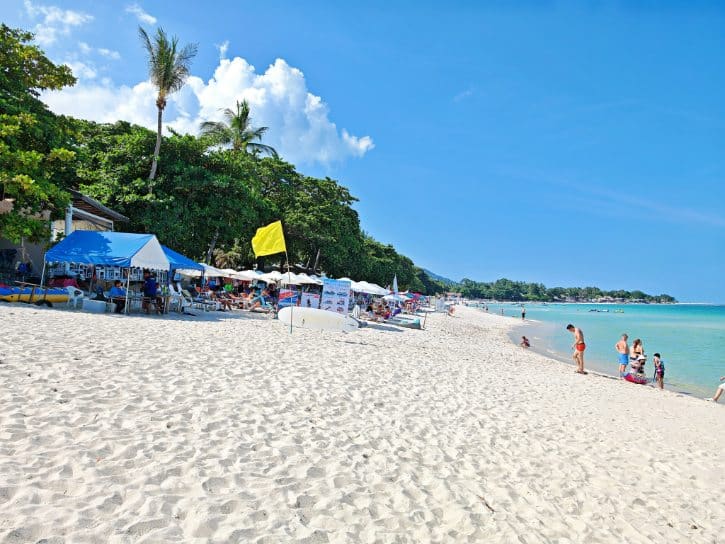
Thailand’s water is gorgeous, but clear and calm looking does not always mean safe.
a. Know the warning flags
Where lifeguards are present, they use a standard flag system. Many beaches have no lifeguards at all, so stay alert either way.
- Double red: Beach closed. Do not enter the water.
- Single red: High hazard. Swimming is prohibited.
- Yellow: Medium hazard. Swim with caution, and weak swimmers stay onshore.
- Green: Low hazard. Calm water, safe to swim.
- Purple or blue: Marine pests like jellyfish are active.
Never treat a red flag as a suggestion. It is there for a reason.
b. Rip currents
Monsoon winds create powerful currents that can pull even strong swimmers out fast.
- Spot them: Look for choppy, discolored, or debris filled water moving outward, or a gap in the breaking waves.
- If caught: Stay calm, float to save energy, and swim parallel to the shore to escape the channel. Never fight straight back against it. Once free, head in at an angle.
c. Jellyfish
Highly toxic box jellyfish are a seasonal risk, mainly in the rainy season from May to October.
- If stung, flush the area with vinegar for at least 30 seconds and get to a medical facility quickly. Never rinse with fresh water or rub sand on it, as that releases more venom.
7. Seasonal Weather and Natural Hazards
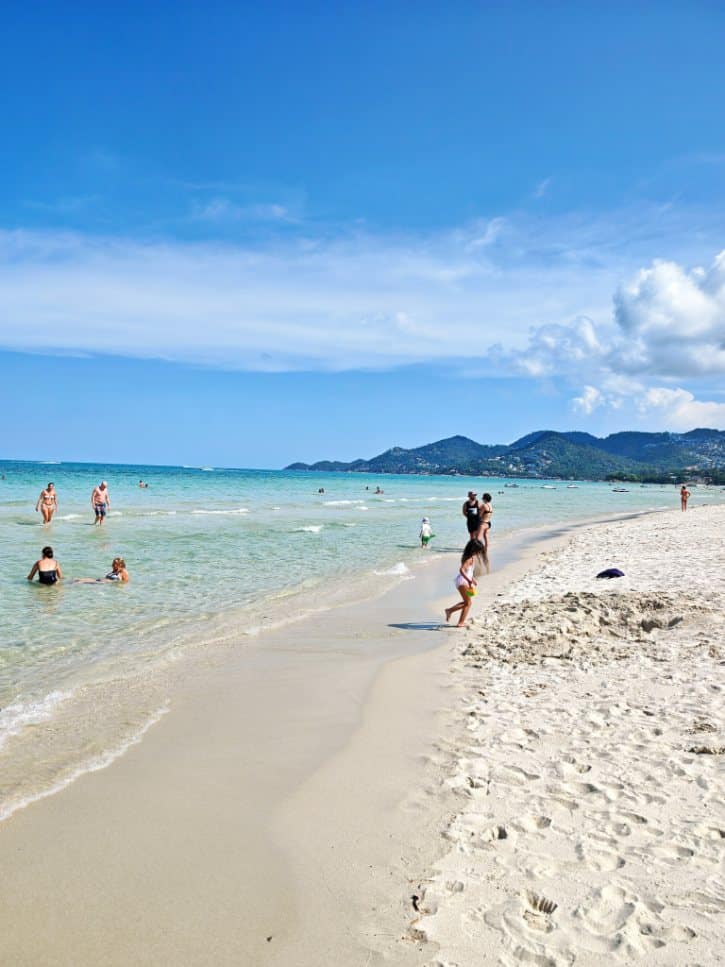
Thailand’s weather changes by region and season, so the smartest plans stay flexible.
a. The three seasons
- Hot season: March to May
- Rainy monsoon season: June to October
- Cool, dry season: November to February
Conditions vary a lot between Bangkok, the north, the Andaman coast, and the Gulf, so check the forecast for your specific region.
Read More: The Months to Avoid When Visiting Thailand Islands
b. Rainy season
The rains can bring flash floods, rough seas, ferry delays, and tour cancellations. When official warnings go out, follow them, keep your itinerary loose, and avoid tight flights right after island travel.
c. Northern haze and burning season
From roughly February through April, Northern Thailand (including Chiang Mai, Chiang Rai, and Mae Hong Son) has a serious agricultural burning season.
- Air quality can reach hazardous PM2.5 levels.
- If you have asthma or breathing sensitivities, monitor a real time AQI app and wear a high filtration mask such as an N95 during these months.
8. Street Food, Drinking Water, and Health Precautions
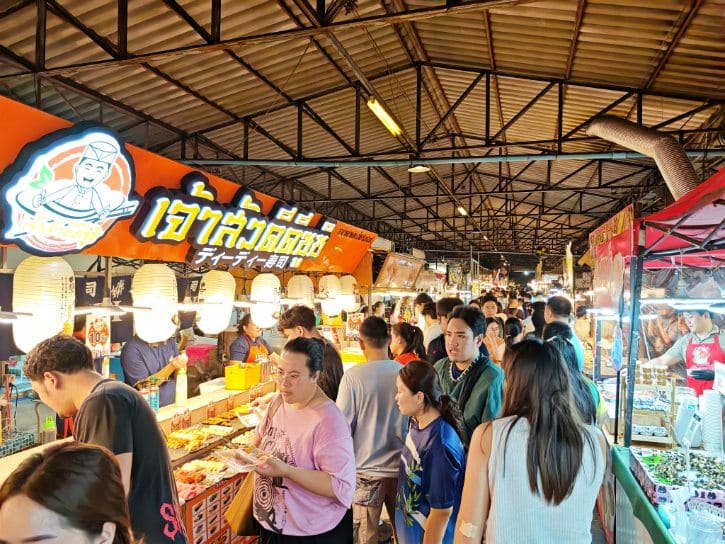
Here is the fun part. Thai street food is one of the highlights of any trip, and you absolutely should dive in. You just need a few simple habits to keep your stomach happy.
a. Choosing safer street food
- Pick busy, high turnover stalls with plenty of local customers.
- Favor food cooked fresh and hot in front of you.
- Skip pre cooked curries or raw seafood that have been sitting out uncovered in the heat.
b. Water and ice
- Tap water is not safe to drink. Use sealed bottled or filtered water, even for brushing your teeth.
- Commercially made ice is generally safe, and you can recognize it by the uniform cylinder shape with a hollow center. Be more cautious with crushed or hand shaved ice in remote rural spots.
c. Allergies
Thai cooking leans heavily on peanuts, shrimp paste, fish sauce, and soy, so cross contamination is common.
- If you have a serious allergy, carry a laminated translation card in Thai script that explains your restriction. A spoken English explanation can easily get lost in a busy kitchen.
d. Mosquito borne illness
Diseases like Dengue, Chikungunya, and Zika are spread by Aedes mosquitoes, which bite during the day.
- Use repellent with at least 20 to 30% DEET, picaridin, or IR3535.
- Wear protective clothing and choose screened or air conditioned rooms.
- Anti malaria medication is generally unnecessary except for deep jungle border areas.
e. Animal bites and rabies
Rabies is present in Thailand’s stray dogs and wild monkeys, so take any bite, scratch, or lick on broken skin seriously.
- Wash the wound with soap and running water for at least 15 minutes, then get to a clinic immediately for post exposure treatment (PEP). Do not wait.
9. Nightlife and Personal Safety
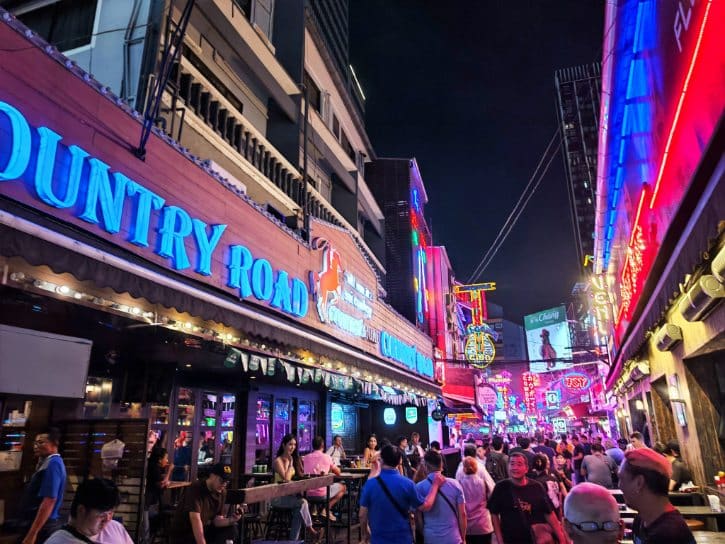
Thailand’s nightlife is a blast. Staying aware lets you enjoy it without the after midnight regrets.
a. Where to stay extra alert
Busy zones like Sukhumvit and Patpong in Bangkok, Bangla Road in Phuket, Walking Street in Pattaya, and the Full Moon Parties in Koh Phangan all reward a bit of street smarts.
Read More: 5 Safe Areas to Stay in Bangkok and 3 Areas Tourists Should Be Extra Careful With
b. Protect your drink
- Never leave your drink unattended or accept one from a stranger.
- Be wary of pre mixed buckets where you cannot see what went in.
- Stay with friends you trust, and watch each other for sudden, unexplained drowsiness, which can be a sign of spiking.
c. Bar bill scams
A common trick in entertainment districts is the inflated tab, with surprise service fees or overpriced “lady drinks”.
- Check the menu and prices before ordering, track what you drink, and pay each round as you go.
- If a dispute happens, stay calm and do not escalate. If it cannot be settled, pay and report the venue to the Tourist Police at 1155.
d. Street and authority scams
- Animal photo scams: Avoid street vendors offering photos with exotic animals like gibbons or slow lorises. These are illegal, harmful to the animals, and often end in a demand for a big fee.
- Fake police: Be cautious of anyone in plain clothes demanding instant cash for minor “offenses”. Real officers show ID and process fines at a station. If in doubt, ask to contact the Tourist Police at 1155 before handing over anything.
e. Getting home safely
Decide how you are getting back before you head out. Use a ride app, hotel transport, or an official taxi, leave anything you do not need at the hotel, and stay in lit, busy areas. If a place feels wrong, trust that and leave.
10. Essential Emergency Contacts for Tourists
a. Verified emergency numbers
- Tourist Police: 1155. Your best first call for scams, disputes, safety, and translation. Dispatchers speak several languages, including English, Chinese, Russian, Japanese, and Korean.
- Medical and Ambulance: 1669. National ambulance dispatch, mainly Thai with limited English.
- General Police: 191. Local police emergencies, primarily Thai.
- Fire Department: 199. Fire response, primarily Thai.
- Highway Police: 1193. Road accidents and breakdowns, limited English.
- Private Ambulance (Bangkok): 1724 or 1719. Fast private ambulance linked to major hospitals, with English support.
b. The “Thailand Tourist Police” app
The Tourist Police run a free app for visitors with 24/7 SOS calling, GPS tracking, and live chat translation in five languages. Set it up before you arrive.
c. International standard hospitals
For serious illness or injury, private hospitals offer English speaking staff and international patient teams.
- Bangkok: Bumrungrad International (+66 2 066 8888), Bangkok Hospital (+66 2 310 3000)
- Chiang Mai: Chiang Mai RAM Hospital (+66 53 920 300)
- Phuket: Bangkok Hospital Phuket (+66 76 254 425), Siriroj International Hospital (+66 76 361 888)
- Koh Samui: Bangkok Hospital Samui (+66 77 429 500)
- Pattaya: Bangkok Hospital Pattaya (+66 38 259 999)
Notify your insurance provider soon after admission so they can coordinate direct billing and approve major procedures.
d. Keep these documents offline
Store encrypted, offline copies on your phone:
- Passport photo page and Thai entry stamp
- TDAC confirmation and immigration receipt
- Travel insurance certificate and emergency numbers
- Hotel address in English and Thai
- Any rental contracts and vehicle inspection videos
- Your embassy or consulate contact
One last reminder: screenshot this emergency section before you fly. It takes ten seconds now and could save you a stressful scramble later.
Thailand really is one of the most rewarding places you can visit. Prepare a little, respect the local way of doing things, and the rest of the trip is yours to enjoy.