Bangkok is exciting, convenient, and full of great places to stay. But where you sleep shapes your whole trip.
The right area saves time, lowers stress, and makes the city easier to explore.
The wrong block brings noise, crowds, and transport headaches. This guide helps you pick a base with comfort, convenience, and realistic safety awareness in mind.
Let’s start with five areas that make life easy, then look at three you should approach with a little more care. 😊
1. Siam & Pathum Wan
a. Best for
- First-time visitors, shoppers, families, couples, and short-stay travelers.
- Solo travelers who prefer bright, busy streets, and anyone who wants Bangkok to feel easy rather than chaotic.
b. Why it is a good area to stay
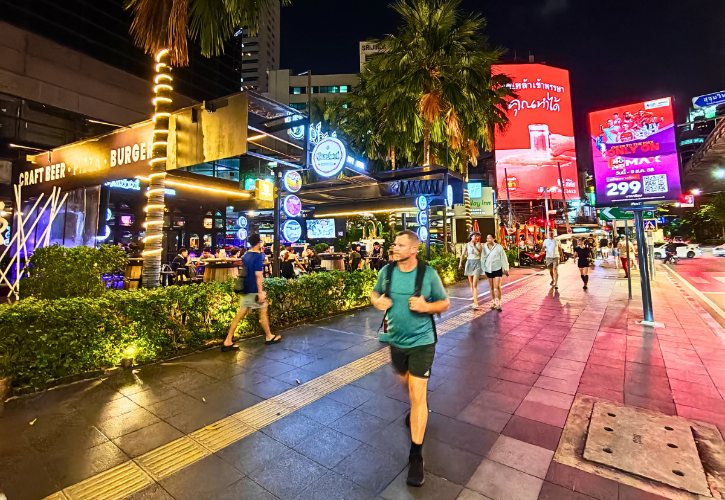
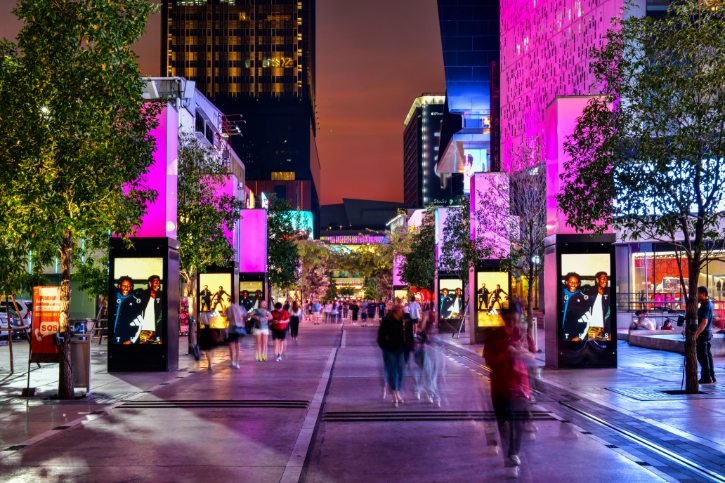
Siam and Pathum Wan is one of Bangkok’s most practical and tourist-ready bases. It is central, modern, and full of facilities, and Siam is a major BTS interchange where the Sukhumvit and Silom lines meet.
Malls, food courts, cafés, and major hotels sit close together, often linked by skywalks, so it works well in heat or rain. Just know the mood is commercial and busy, not local or historic.
c. Best hotel locations within the area
- Siam and the Ratchaprasong shopping zone, in the heart of it all.
- Chit Lom and Ratchadamri, close to shopping and upscale stays.
- National Stadium, Rama 1 Road, and Phetchaburi Road, near the main shopping district.
d. Transport access
BTS Siam is the major interchange between the Sukhumvit and Silom lines, with good links across the center and the Airport Rail Link via Phaya Thai.
MRT access is weak here, so if your sightseeing leans on the MRT, you may prefer Silom, Sathorn, Sukhumvit, Old Town, or Chinatown.
e. Nearby attractions, shopping, food, and nightlife
- Siam Paragon, Siam Center, MBK Center, and CentralWorld
- SEA LIFE Bangkok Ocean World, the Bangkok Art and Culture Centre, Jim Thompson House, and Erawan Shrine
Food runs from mall food courts to international dining, and evenings mean restaurants, cinemas, and rooftop bars. Nightlife is mild compared with Sukhumvit, Khao San Road, or Patpong.
f. Pros
- Excellent BTS access and a very central location.
- Easy for first-time visitors, and great for shopping and food.
- Convenient on rainy days, and well-lit in the evening.
g. Cons
- Crowded on evenings and weekends, and mall-heavy with less local feel.
- Traffic can be heavy, and central hotels can be expensive.
- The budget-backpacker scene is limited.
Read More: 17 Best Things to Do in Bangkok
2. Mid-Upper Sukhumvit
a. Best for
- Couples, solo travelers, and food lovers.
- Solo women who want convenience without staying inside nightlife streets.
- Café travelers, digital nomads, long-stay travelers, and families wanting serviced apartments.
b. Why it is a good area to stay
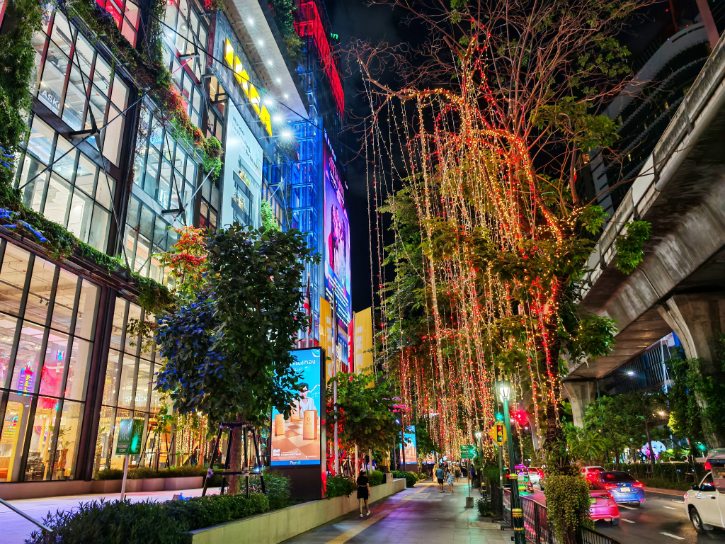
Mid-Upper Sukhumvit is one of Bangkok’s strongest areas for modern convenience, with restaurants, serviced apartments, cafés, malls, and easy BTS access.
It feels more livable than the rowdier Lower Sukhumvit pockets. Phrom Phong, Thong Lo, and Ekkamai are popular with tourists and expats, Asok connects the BTS and MRT, and On Nut offers better value on the same line.
c. Best hotel locations within the area
- Asok, for the BTS and MRT interchange.
- Phrom Phong, for malls, restaurants, and polished comfort.
- Thong Lo and Ekkamai, for cafés, bars, and strong dining.
- On Nut, for value and longer stays.
Book close to the BTS or MRT, and avoid landing too close to Nana Plaza or Soi Cowboy if you want a calm stay.
d. Transport access
Your BTS stations are Asok, Phrom Phong, Thong Lo, Ekkamai, and On Nut, with MRT Sukhumvit at Asok.
The BTS reaches Siam, the MRT reaches Silom and Chinatown, and the Airport Rail Link is reachable via Makkasan or Phaya Thai. During rush hour, the BTS beats taxis along Sukhumvit.
e. Nearby attractions, shopping, food, and nightlife
- Terminal 21, Emporium, EmQuartier, Emsphere, and Gateway Ekkamai
- Benjakitti Park and Benchasiri Park, plus the Thong Lo bar scene and Ekkamai markets
Nightlife here leans stylish, restaurant-focused, and rooftop-oriented, and is separate from the Lower Sukhumvit adult nightlife zones.
f. Pros
- Excellent dining and café scene, with a huge hotel range.
- Strong BTS and MRT access, especially around Asok.
- Many serviced apartments, plus nightlife access without sleeping inside nightlife streets.
g. Cons
- Traffic can be intense, and pavements are often narrow or uneven.
- Some hotels sit far down long sois, and Lower Sukhumvit can feel hectic late.
- Farther from the Grand Palace, Wat Pho, and Chinatown, and some areas skew pricier.
3. Silom & Sathorn
a. Best for
- Business travelers, couples, solo travelers, food travelers, and culture seekers.
- First-time visitors who want central access without staying in Siam.
b. Why it is a good area to stay
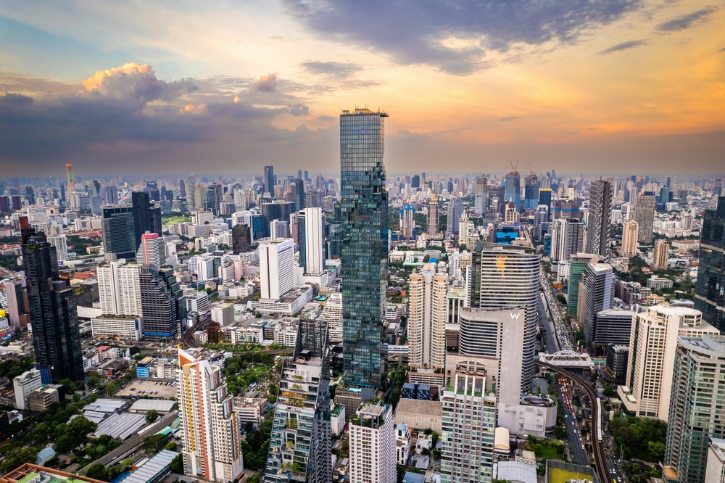
Silom and Sathorn is a balanced central area with good hotels, restaurants, rooftop bars, parks, BTS and MRT access, and easier routes toward the river and Old Town.
Silom is the mixed business, dining, and nightlife district, while Sathorn is more business-oriented and quieter.
It is less mall-heavy than Siam and less nightlife-intense than Lower Sukhumvit. One note: Patpong is a specific caution pocket, not a picture of the whole area.
c. Best hotel locations within the area
- Sala Daeng / Si Lom, for BTS and MRT convenience.
- Chong Nonsi, for business hotels and Mahanakhon access.
- Saint Louis and Surasak, for quieter hotel clusters.
- Saphan Taksin, for river access, and Convent Road or Sathorn Road for a calmer, upscale feel.
d. Transport access
BTS Sala Daeng and MRT Si Lom serve Silom, while BTS Saphan Taksin connects directly to Sathorn Pier and the Chao Phraya Express Boat. From here you reach Siam, Sukhumvit, Chinatown, Old Town, and the Riverside.
During peak traffic, mixing BTS, MRT, and the river beats a taxi.
e. Nearby attractions, shopping, food, and nightlife
- Lumpini Park, King Power Mahanakhon, and the Mahanakhon SkyWalk
- Bangkokian Museum, Sri Maha Mariamman Temple, Convent Road restaurants, and Lalai Sap Market
Patpong is nearby too, but we cover it separately. Nightlife ranges from casual bars to refined rooftops, hotel lounges, and LGBTQ-friendly venues.
f. Pros
- A strong BTS and MRT combination, plus good river access.
- A balanced location for first-time visitors, with excellent restaurants and rooftops.
- More varied and less mall-heavy than Siam, and more compact than Sukhumvit.
g. Cons
- Office traffic can be heavy, and Sathorn feels quiet in some blocks on weekends.
- Patpong may be too loud or pushy for some visitors.
- Luxury hotels can be expensive, and the area feels corporate on weekdays.
4. The Riverside
a. Best for
- Families, couples, luxury travelers, and romantic trips.
- First-time visitors focused on temples, and older travelers who prefer comfortable, quieter hotels.
b. Why it is a good area to stay
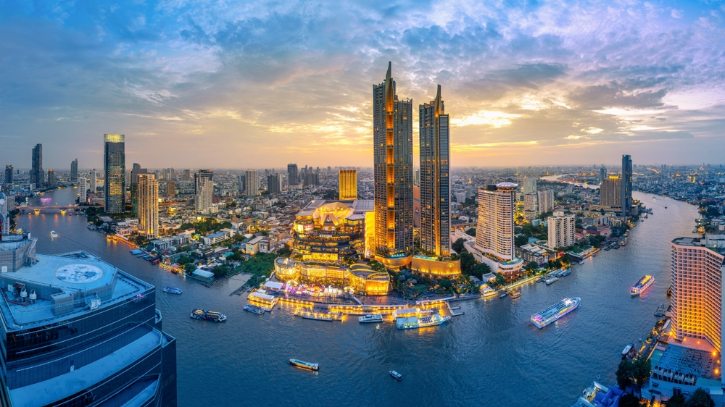
The Riverside along the Chao Phraya River is one of Bangkok’s most scenic and memorable places to stay, with river views, river breezes, hotel comfort, and calmer evenings.
The river is also a major sightseeing corridor, so many classic attractions are easier to reach by boat.
Riverside hotels often feel more relaxed than those in dense commercial districts, which makes this area especially strong for couples and families.
c. Best hotel locations within the area
- Near Sathorn Pier / Saphan Taksin, for the best transport connections.
- Around ICONSIAM, for riverfront shopping and dining.
- Charoen Krung and Talat Noi, for heritage streets and boutique stays, and Old Town piers for temple trips.
d. Transport access
Sathorn Pier connects with BTS Saphan Taksin, river boats link many sightseeing areas, and the BTS Gold Line connects Krung Thonburi to ICONSIAM.
MRT access depends on the exact spot, with useful stations at Sanam Chai, Hua Lamphong, Wat Mangkon, and Itsaraphap. Plan your late-night transport, since the boats do not run all night.
e. Nearby attractions, shopping, food, and nightlife
- The Grand Palace, Wat Pho, Wat Arun, Museum Siam, and Pak Khlong Talat flower market
- ICONSIAM, Asiatique The Riverfront, Charoen Krung galleries, riverside bars, and dinner cruises
Nightlife here is low-key and scenic, focused on hotel bars rather than clubs.
f. Pros
- Scenic and memorable, and excellent for temples and river sightseeing.
- Great hotel facilities and a calmer evening atmosphere.
- Strong for couples and families, and more relaxing than central road-based districts.
g. Cons
- Less convenient for Sukhumvit nightlife, and boat schedules need planning.
- Less BTS-connected than Siam, Silom, or Sukhumvit.
- Accommodation often leans luxury or boutique.
Read More: 12 Best Things to Do Along the Chao Phraya River in Bangkok
5. Old Town, Rattanakosin & Nearby Chinatown
a. Best for
- History lovers, culture seekers, food travelers, photographers, and walkers.
- Solo adventurers, repeat visitors, and budget-to-midrange travelers who prefer boutique stays.
b. Why it is a good area to stay
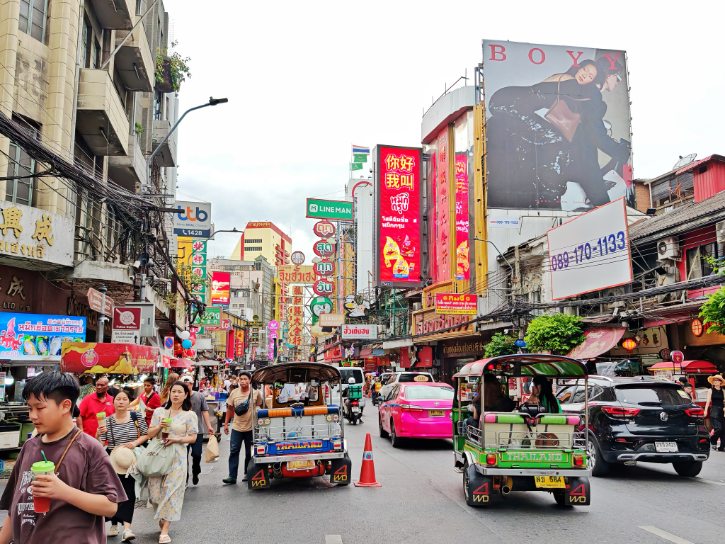
Old Town, Rattanakosin, and nearby Chinatown are best if you want temples, history, street food, markets, and a more atmospheric version of Bangkok.
Rattanakosin is the historical heart, close to the Grand Palace, Wat Phra Kaew, Wat Pho, and Wat Arun, while Chinatown is one of the city’s strongest food and market areas.
The MRT Blue Line has made both easier to reach. This area suits you if you want character and food over big-hotel convenience.
c. Best hotel locations within the area
- Rattanakosin and near Sanam Chai MRT, for Wat Pho and the Grand Palace.
- Near Sam Yot MRT, for old commercial streets and the Giant Swing area.
- Near Wat Mangkon MRT, for Chinatown and Yaowarat, or near Hua Lamphong and river piers for boat access.
For light sleepers, choose quieter guesthouses over noisy market-front rooms.
d. Transport access
Your key stations are MRT Sanam Chai for the Grand Palace, MRT Sam Yot for old commercial streets, MRT Wat Mangkon for Chinatown, and MRT Hua Lamphong for the Chinatown edge.
River piers include Tha Chang, Tha Tien, Ratchawong, Maharaj, and Phra Athit. Direct BTS access is limited, and traffic around Old Town can be heavy at peak hours.
e. Nearby attractions, shopping, food, and nightlife
- The Grand Palace, Wat Phra Kaew, Wat Pho, Wat Arun, Wat Saket, and the Giant Swing
- Yaowarat food street, Wat Traimit, Sampeng Market, Talat Noi, and Song Wat cafés
- Chinatown street food, roasted duck, dim sum, and night food stalls
Nightlife is casual and food-focused. Old Town nightlife is limited, and the area can get quiet early.
f. Pros
- The best access to historic sights, and excellent street food.
- A strong local atmosphere, great for photography and early temple visits.
- More character than the high-rise districts, and often more affordable than Siam or Sukhumvit.
g. Cons
- Less connected to the BTS, with hot, crowded, narrow streets.
- Fewer large-hotel facilities, and some areas get quiet late.
- Scam concentration around major temples requires awareness.
Read More: 17 Best Things to Do in Talat Noi in Bangkok
6. Caution: Khao San Road & Banglamphu
a. Why tourists may still visit or stay nearby
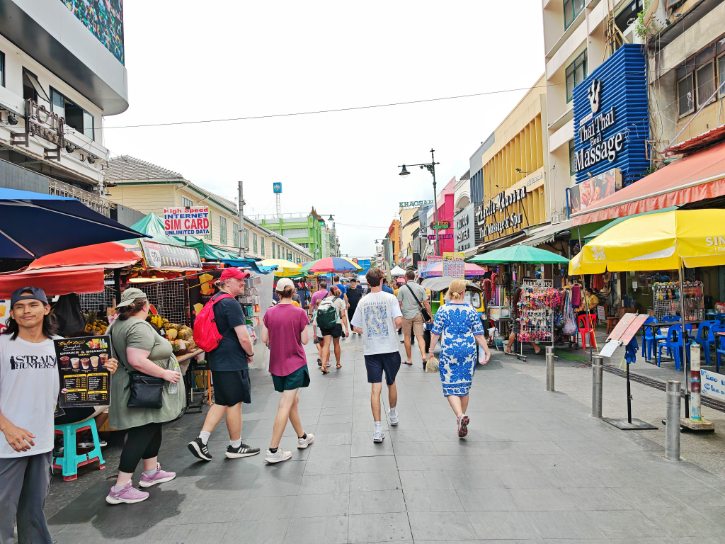
Khao San Road is one of Southeast Asia’s most famous backpacker streets, popular for its cheap rooms, hostels, social energy, bars and music, street food, tour agencies, and closeness to Old Town sights.
Banglamphu, the wider neighborhood, has a more local feel and quieter guesthouses.
Here is the important part: staying directly on Khao San Road is very different from staying one or two quieter streets away.
b. What makes the area more challenging
- Loud late-night music, dense crowds, and heavy sales pressure.
- Budget hotel quality that varies widely.
- No direct BTS or MRT, so you rely on taxis, tuk-tuks, buses, or river boats.
The party atmosphere makes the area less comfortable for families, light sleepers, and anyone with early plans. Stay directly on the strip, and poor sleep is a real issue.
c. When the area feels busiest or more uncomfortable
- Late evening, after 9 PM, and after midnight.
- Weekends, Thai public holidays, Songkran, New Year, and peak tourist season.
- Heavy-rain nights, when the narrow streets get harder to move through.
d. How to visit safely
- Treat it as a day or evening visit, not a home base, unless you want the party scene.
- Go earlier if you only want food and atmosphere, and keep valuables minimal.
- Do not leave your drink unattended or follow strangers.
- Plan your return ahead with Grab, use the river boat via Phra Athit Pier when practical, and set a budget before you enter.
e. Who should avoid staying directly in the area
- Families with children and light sleepers.
- First-time visitors who want BTS or MRT convenience.
- Couples wanting a calm stay, and anyone with early-morning tours or flights.
7. Caution: Lower Sukhumvit Around Nana Plaza & Soi Cowboy
a. Why tourists may still visit or stay nearby
Lower Sukhumvit has excellent transport, hotels, restaurants, malls, rooftop bars, and spas, and Nana and Asok sit on or near the BTS and MRT.
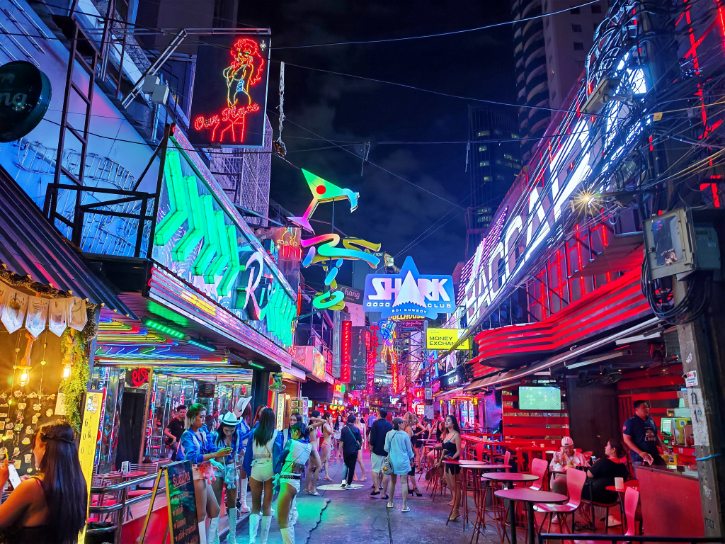
Some tourists visit Nana Plaza or Soi Cowboy out of curiosity. The focus here is specifically on those adult nightlife pockets, not the entire Sukhumvit area, and the exact street matters a lot.
b. What makes the area more challenging
- Adult nightlife venues, touts, and persistent invitations.
- Late-night crowds, loud streets, and bar-related pressure.
Some visitors feel uncomfortable walking through these streets, especially with family.
Around BTS Nana the atmosphere feels different from Phrom Phong or Thong Lo, and unaccompanied female travelers may notice more unsolicited attention.
Nana Plaza feels more chaotic, while Soi Cowboy is more compact and neon-lit. This area is not appropriate for children or family stays.
c. When the area feels busiest or more uncomfortable
- Late evening, after 9 PM, after midnight, and around bar closing times.
- Weekends and peak tourist periods.
- When walking with luggage at night, traveling with family, or near BTS Nana late.
d. How to visit safely
- Visit with a clear plan, and go with a friend rather than alone.
- Avoid venues without clear prices, and agree on bar charges before ordering.
- Keep drinks and belongings in sight, and do not accept drinks from strangers.
- Use the BTS or MRT while they run, then trusted ride-hailing late at night, staying on well-lit main roads.
e. Who should avoid staying directly in the area
- Families with children or teens, and nervous first-time solo travelers.
- Solo female travelers who want a relaxed, low-harassment environment.
- Light sleepers, couples wanting a calm stay, and wellness-focused travelers.
8. Caution: Patpong
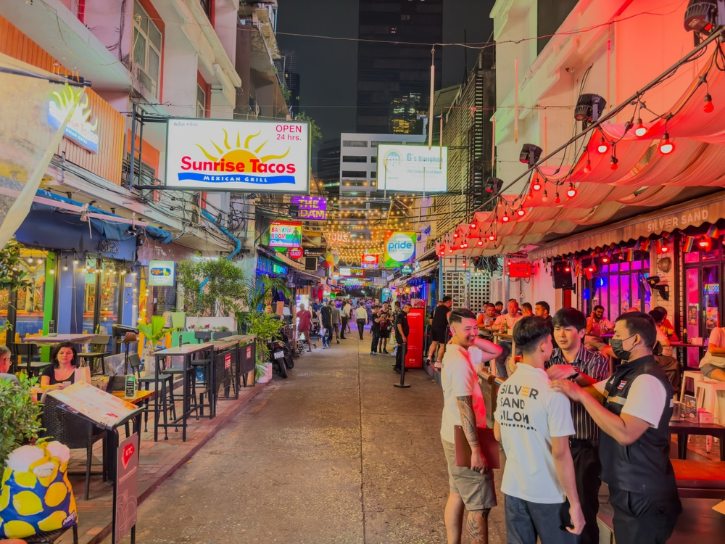
a. Why tourists may still visit or stay nearby
Patpong is a small nightlife pocket within the wider Silom and Sathorn area. Tourists may visit out of curiosity, for the night market, or because it sits close to hotels, BTS Sala Daeng, MRT Si Lom, restaurants, and Lumpini Park.
Remember, Patpong is not the same as all of Silom. Some travelers stay nearby for transport and dining, not for Patpong itself, and it is fairly walkable and contained.
b. What makes the area more challenging
- Adult nightlife, touts, and crowded market lanes.
- Tourist-focused selling, unclear venue pricing, and late-night noise.
Families may find the atmosphere uncomfortable, since market stalls and adult nightlife venues sit close together.
Patpong also has a long reputation for overcharging and aggressive door touts. The stalls themselves may be manageable, but bargaining pressure and inflated prices are common.
c. When the area feels busiest or more uncomfortable
- After dark, around 8 PM onward, on weekend evenings and public holidays.
- When the night market and nightlife crowds overlap, or when you are tired or carrying shopping bags.
During the daytime and early evening, it can feel like a normal Silom commercial street.
d. How to visit safely
- Treat Patpong as a short visit, not a default base, and stay on main, visible streets.
- Avoid following touts, and never enter a venue that cannot show a clear, itemized price menu upfront.
- Confirm prices before you order or buy.
- Keep your bag zipped and phone secure, go as a pair or group, and leave by BTS Sala Daeng, MRT Si Lom, or trusted ride-hailing.
e. Who should avoid staying directly in the area
- Families, younger travelers, and light sleepers.
- Solo female travelers who want a stress-free stay.
- Travelers who want a polished business-hotel feel, or who may book too close by mistake.