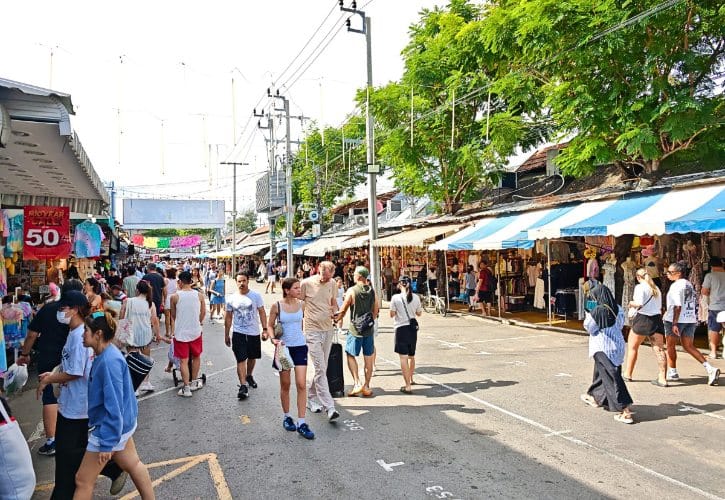
Thailand is one of the easiest places in the world to love. The temples glow, the street food sizzles, the beaches stretch out warm and bright, and the people are wonderfully kind.
The country welcomes visitors with open arms. A few local rules just work a little differently from home, so knowing them ahead of time keeps your trip smooth and worry free.
Here is a friendly guide to the things worth knowing before you go. 😊
1. Stay Away from Drugs, Vaping, and Illegal Substances

a. Why This One Tops the List
Thailand’s drug laws are strict, and they have changed quickly in recent years. The simplest way to stay relaxed about all of this is to steer clear of anything questionable.
Police do carry out checks in tourist areas, so it is best not to assume the rules are loose just because something seems easy to find.
b. Cannabis Has Changed
Cannabis was decriminalized in 2022, but the rules tightened again from June 26, 2025, when cannabis flower became a controlled herb. In plain terms, recreational use is no longer legal.
- You now need a Thai medical prescription to use cannabis with more than 0.2% THC.
- The minimum age is 20.
- An open shop does not mean it is legal, since unlicensed sellers are not allowed.
If you do see cannabis shops around, just know the rules are stricter than they look, and smoking it in public places like beaches or balconies is not allowed.
c. Hard Drugs and Vapes
Thailand has zero tolerance for hard drugs like cocaine, ecstasy, and methamphetamine, and the penalties are serious. The safest habit is simple: never carry bags or packages for anyone else.
Vapes surprise many visitors. E-cigarettes, vape liquid, pods, and devices like IQOS have been illegal since 2014. Checks happen at airports and on the street, so the easy move is to leave all vape gear at home.
d. If You Take Medication
Some everyday medicines back home are controlled here. To keep things smooth:
- Carry your prescription and keep medicine in its original packaging.
- Bring only a reasonable personal amount.
- For stronger controlled medicines, check the Thai FDA rules and apply for a permit before you travel.
e. The Easy Takeaway
Pack your own bags, skip the vapes, and say no to anything offered by strangers. Do that, and this whole category simply never becomes an issue.
Read More: 10 Things You Must Pack for a Thailand Trip and 3 to Avoid
2. Show Respect for the Thai Royal Family, Buddha Images, and Sacred Symbols
a. The Spirit Behind the Rules
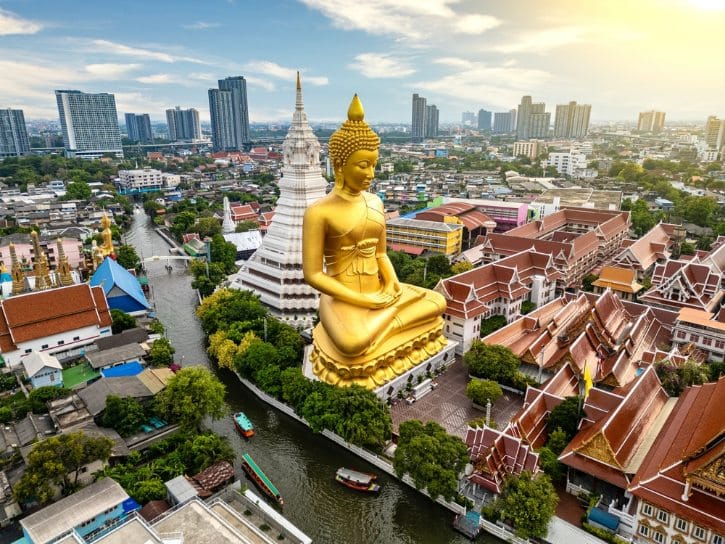
Thai people deeply respect their monarchy and their religion. Showing the same respect is easy and appreciated, and it keeps you on the right side of both culture and law.
b. The Royal Family
Thailand has a law that protects the King, Queen, Heir, and Regent from insults, and it applies to visitors too. This includes online posts.
- Avoid royal jokes, memes, and online comments.
- Treat banknotes and coins with care, since they carry the King’s portrait.
- Stand quietly during the Royal Anthem in cinemas and at ceremonies.
It sounds formal, but in practice it just means keeping the topic out of your jokes and social media.
c. Buddha Images Are Sacred
Buddha statues are objects of worship, not props. Please avoid climbing on them, hugging or kissing them, or posing in silly ways.
There are also export rules: taking Buddha images out of Thailand usually needs permission, so check before you buy a statue or antique. Small replica souvenirs are generally fine.
d. Everyday Respect
A couple of simple habits cover most situations:
- Do not point your feet at a Buddha image, a monk, or a shrine.
- Do not touch or move spirit houses, the little shrines outside homes and shops.
- If you have a Buddha tattoo, keep it covered in public.
e. Photos at Sacred Sites
Look for No Photography signs, especially inside temple halls. Skip funny poses, and never block worshippers or photograph people praying without asking. When unsure, just choose the more respectful option and you will be fine.
3. Follow Temple Etiquette Carefully
a. Temples Are Living Places
Temples are active places of worship, not only sightseeing stops. A little awareness makes you a welcome guest, and the staff are usually happy to guide you.
b. Dress Modestly
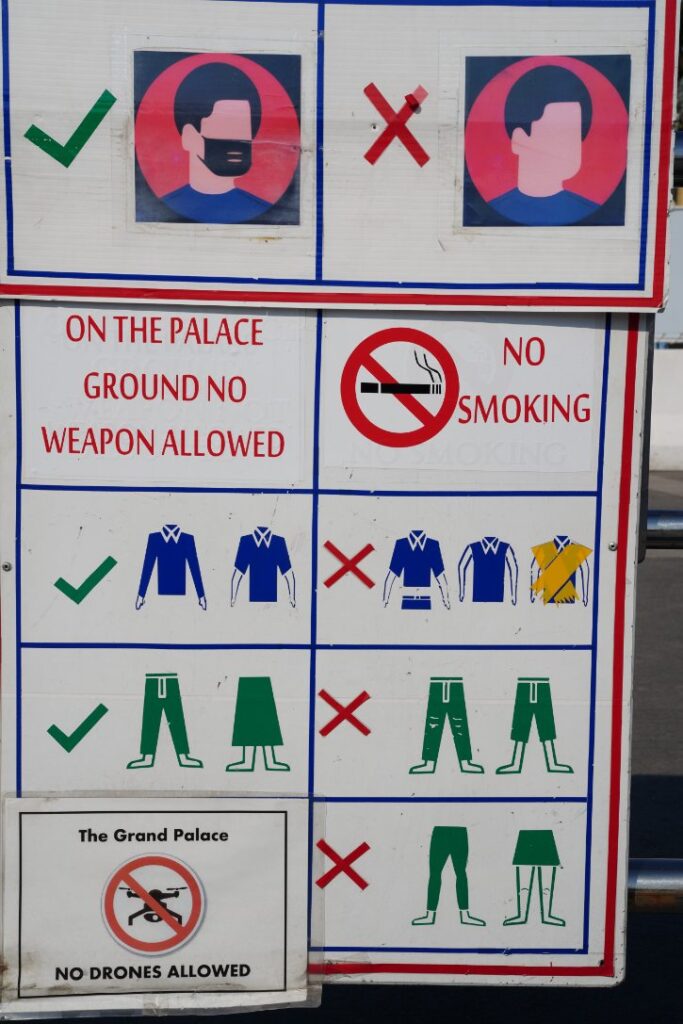
Temples expect covered shoulders and knees from everyone. Major sites like the Grand Palace and Wat Phra Kaew are strict and may turn away anyone underdressed. To stay ready:
- Carry a scarf, light wrap, or sarong.
- Wear slip-on shoes, since you remove footwear before entering temple buildings.
- Skip beachwear, gym wear, and anything very short or sheer.
c. Inside the Temple
Once inside, keep your voice low and your movements calm. Step over the raised threshold rather than on it.
When you sit, tuck your feet behind you so they do not point toward the Buddha image. If you are unsure, simply copy the posture of the people around you.
d. Around Monks
Monks are highly respected, so give them space and courtesy.
- Yield the path to a monk, and offer your seat on transport.
- Women should avoid touching a monk or his robes. To give an offering, place it on a cloth or pass it through a male companion.
- During morning alms-giving, keep your distance and ask before taking photos.
e. Offerings and Quiet Moments
Do not move incense, flowers, or candles for a better photo, and try not to block pathways. These are small courtesies, and they go a long way with monks and worshippers alike.
4. Mind Everyday Thai Etiquette in Public
a. Small Habits, Big Difference
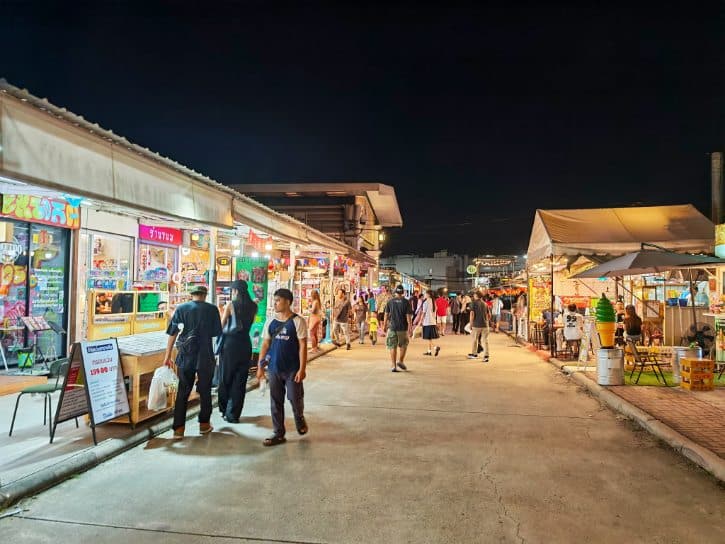
Much of Thai etiquette is quiet and built around respect and staying calm. None of it is hard, and getting it right makes daily life here feel friendly and smooth.
b. Heads and Feet
Thai culture sees the head as the most respected part of the body and the feet as the lowest.
- Do not touch anyone’s head, including a child’s.
- Do not point your feet at people, or rest them on chairs and tables.
These feel like small things, but locals notice and appreciate the care.
c. The Wai Greeting
The wai, with palms pressed together and a slight bow, is used for hellos, thanks, and apologies. You do not need to wai shop staff or vendors, since a warm smile and nod is plenty. If an elder or host offers you a wai, just return it politely.
d. Keeping a Cool Heart
Thai culture values harmony, often called jai yen, a “cool heart”. Shouting or arguing in public tends to make a situation worse. Even during a billing mix-up, staying calm, soft-spoken, and smiling is the fastest way to a good outcome.
e. Affection and Dress in Town
Daily life stays fairly relaxed but modest. Keep big public displays of affection low-key near temples, markets, and family areas.
And once you leave the beach, cover up before walking through shops, restaurants, and transport. A simple sarong or light shirt in your bag makes this effortless, and locals notice the courtesy.
5. Be Careful with Drinking, Smoking, and Public Behavior
a. Enjoy It, Just Stay Aware
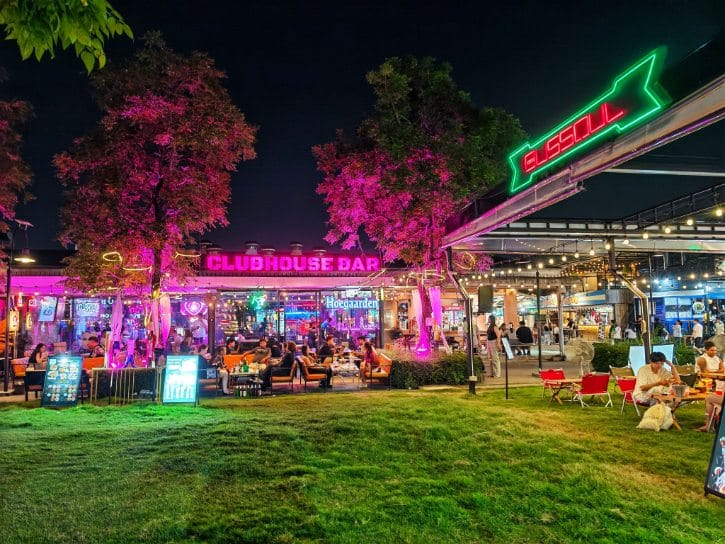
Thailand’s nightlife is famous and fun, and most nights out go perfectly. A few simple habits keep the good times rolling and help you get home safely.
b. Alcohol Hours and Dry Days
The rules were recently modernized, and shops can now sell alcohol from 11:00 AM to midnight. The legal drinking age is 20.
On certain Buddhist holy days and during elections, Thailand has Dry Days, when alcohol sales pause nationwide for 24 hours. These are easy to plan around once you know the dates, so it is worth a quick check during your trip.
c. Where Smoking Is Limited
Smoking has clear no-go zones:
- Indoor public places like restaurants, bars, malls, and airports.
- A small zone around building entrances.
- Tourist beaches and public parks, where fines apply.
Tossing a cigarette butt on the ground can also bring a fine, so use the bins.
d. Simple Drink Safety
A few easy habits keep nightlife trouble free:
- Buy drinks straight from the bartender.
- Do not leave your drink unattended.
- Politely skip drinks offered by strangers.
e. Getting Home Safely
Plan your ride back before you head out, stay with people you trust, and keep your hotel details handy. Reputable taxis, ride-hailing apps, and hotel transport are all easy options late at night.
Read More: 10 Crazy Nightlife Streets in Thailand
6. Do Not Treat Beaches or Public Places Like Private Spaces
a. Beaches Belong to Everyone
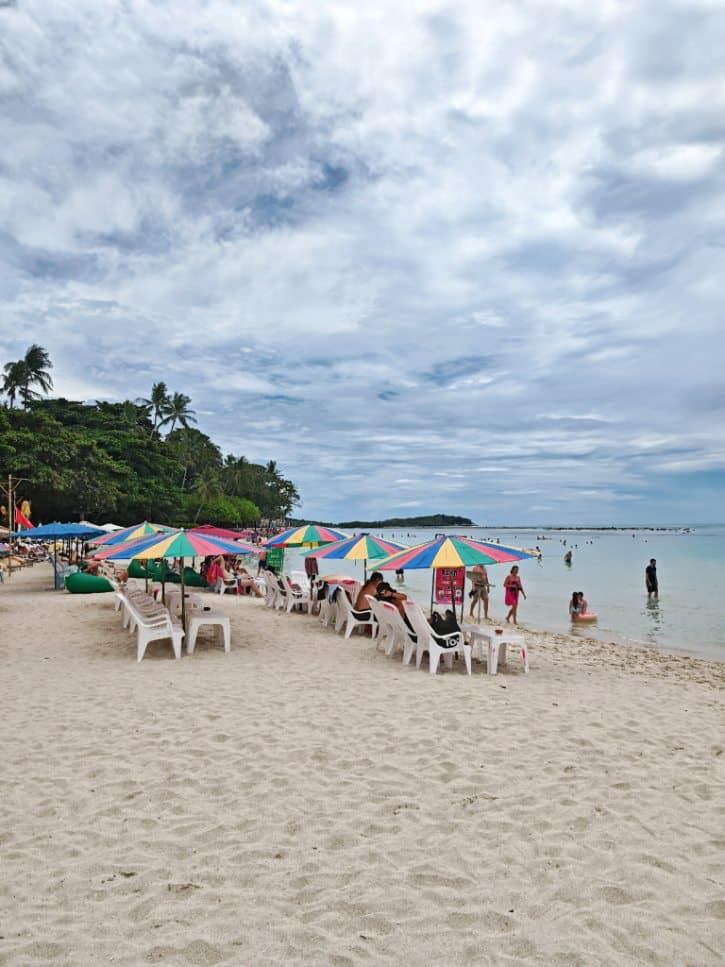
Thailand’s beaches feel relaxed, but they are shared by families, workers, and locals. Keeping that in mind makes you a welcome visitor wherever you go.
b. Cover Up Off the Sand
Swimwear is perfect on the beach or by the pool, but it is best to cover up elsewhere. Carry a sarong or light shirt for:
- Streets, shops, and markets.
- Taxis, ferries, and hotel lobbies.
Walking through town shirtless or in a bikini is seen as disrespectful, so a quick change makes everything easier.
c. Keep Private Moments Private
Public nudity and topless sunbathing are not allowed here, even on laid-back beaches. The same goes for intimate behavior in public.
A few recent cases on beaches and balconies led to fines and visa problems, simply because onlookers filmed and reported them. The easy fix is to keep romantic moments for private spaces, even in beach towns.
d. A Few Real Examples
Why does this matter so much? Mostly because onlookers tend to film and report what they see, and that has been costly for a small number of visitors:
- Phuket, April 2026: a couple was fined 5,000 THB each after a daytime act on the beach, and referred to immigration over their visas.
- Pattaya, early 2026: a couple was arrested after onlookers reported intimacy in the sea, which led to fines and deportation.
- Phuket, 2026: a couple faced arrest and visa cancellation over an act inside moving transport.
- Pattaya, 2025 to 2026: a balcony incident was tracked through viral footage, leading to fines.
These cases are rare, and they are completely avoidable. A little discretion is all it takes.
e. Noise, Litter, and a Friendly Rule
Shared spaces feel best when everyone keeps things tidy and calm.
- Keep noise down, especially at night and near families.
- Pack out your trash and use bins.
- Do not block paths or viewpoints for photos.
If you would not do it in a public family area back home, it is best to skip it here too. That single idea covers almost everything.
Read More: 10 Hidden Paradise Islands in Thailand Most Tourists Never Find
7. Check Taxi, Tuk Tuk, and Tour Prices Before You Agree
a. Most Drivers Are Honest
A handful of transport scams float around the busiest tourist spots, but they are easy to avoid. This is not about distrusting everyone, just knowing a few common patterns.
b. Taxis Made Simple
In cities like Bangkok, taxis should use the meter. If a driver refuses, politely step out and find another, since plenty of others are usually nearby.
Even easier, use ride-hailing apps like Grab or Bolt, which show the price upfront and record the route.
At airports, use the official taxi queue and expect a small standard surcharge.
c. Tuk Tuks
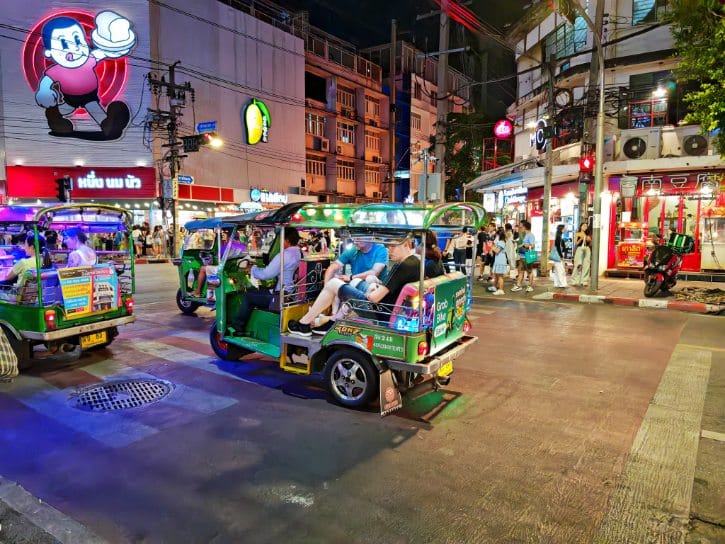
Tuk tuks have no meters, so agree on a firm price before you climb in. If a driver says a famous temple is “closed” and offers a cheap tour instead, it usually ends at souvenir or gem shops.
A friendly “no thanks” is all you need, and you can book real tours through licensed agencies.
d. Tours and Rentals
Before booking a tour, check what is included, such as pickup, park fees, gear, and reviews. For any rental, one firm rule keeps you safe:
- Never leave your original passport as a deposit.
- Offer a photocopy and a reasonable cash deposit instead.
- Take photos and videos of the vehicle before you use it.
e. A Few Quick Tips
Screenshot your bookings and agreed prices, keep receipts, and confirm what is included. A couple of minutes of checking saves any awkward moments at the end of a ride.
8. Do Not Rent a Scooter Without the Right Licence, Helmet, Insurance, and Proof
a. Tempting, But Worth a Pause
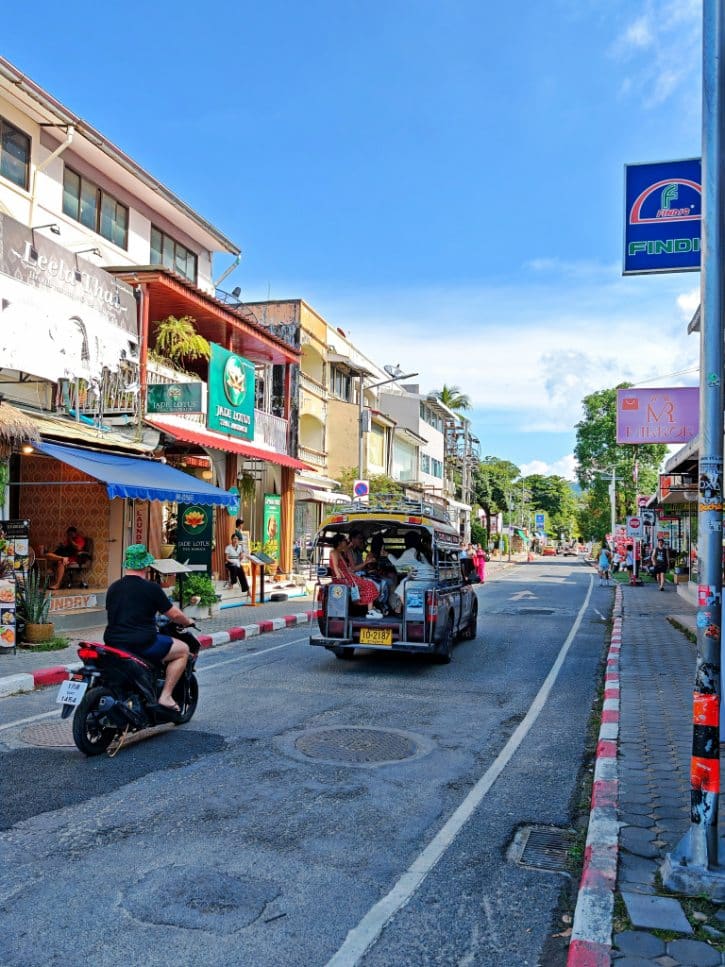
Renting a scooter looks cheap and easy, and it can be a lovely way to explore. It is also worth a little thought, because the right preparation makes all the difference.
b. The Licence You Need
To ride legally, you need a motorcycle licence from home plus an International Driving Permit showing the motorcycle category. A regular car licence does not cover scooters. Police run friendly checkpoints in tourist areas, and the right papers keep these quick and easy.
c. Insurance Is the Big One
This is the part that really matters. Most travel insurance will not cover a motorbike accident if you were riding without the correct licence, without a helmet, or after drinking. That could leave you paying medical costs yourself. So check your policy before you ride, and tick those boxes.
d. Helmets and Photos
Two simple habits protect you:
- Always wear a helmet, and make sure your passenger does too. It is about safety first, not just rules.
- Photograph the scooter before you ride, noting any existing scratches, so there are no surprises when you return it.
e. Easy Alternatives
If riding does not feel right, you have plenty of relaxed options, especially on islands:
- Grab and other ride-hailing apps.
- Taxis, songthaews (shared pickups), and private drivers.
- Ferries, local buses, and organized tours.
There is no pressure to ride, and these options are often just as fun.
9. Take Street Food, Hygiene, and Health Risks Seriously
a. Dive In with Confidence
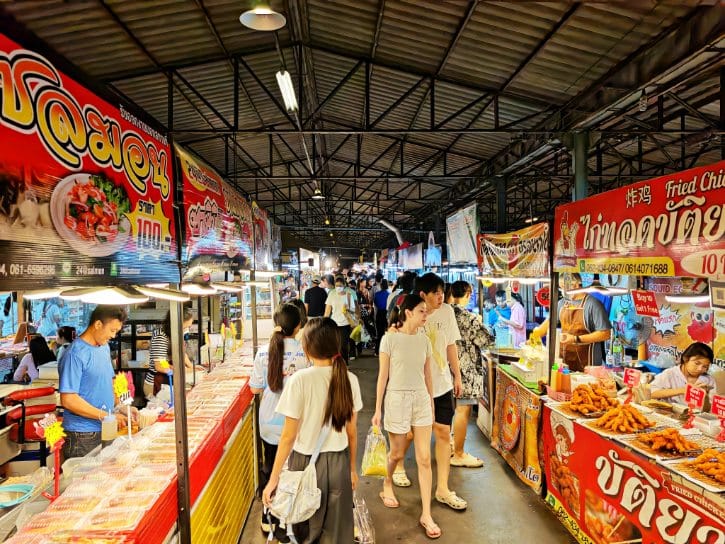
Here is the fun part. Thai street food is fresh, delicious, and generally very safe. The goal is simply to help you eat with confidence and feel great the whole trip.
b. Picking a Great Stall
A busy stall with lots of local customers is usually a great sign. Look for:
- Food cooked fresh and hot in front of you.
- Ingredients kept covered and tidy.
A simple rule covers most situations: cook it hot, peel it, boil it, or skip it.
c. Water and Ice
Stick to bottled or filtered water rather than tap water. The good news is that the common tube-shaped commercial ice is made hygienically and is fine, so your iced coffee is safe to enjoy.
d. Table Manners
Thai meals are social and shared. A few easy habits fit right in:
- Use the serving spoons rather than your own.
- The spoon does most of the work, with the fork pushing food onto it.
- Do not stand chopsticks upright in rice, since it resembles a ritual.
e. Simple Health Habits
A little prep keeps you feeling good. Pack mosquito repellent and use it around sunrise and sunset, since dengue can pop up in wetter months.
Avoid feeding or petting stray animals, and if you are ever bitten or scratched, wash the area and see a clinic promptly.
It is also smart to check recommended travel vaccines before you fly. A small kit with hand sanitizer, rehydration salts, sunscreen, and basic medicine covers most everyday needs, and private clinics are easy to find in tourist areas if you ever need one.
Read More: Thailand Isn’t as Unsafe as Many Tourists Think – Unless You Make These 10 Mistakes
10. Respect Beach, Wildlife, and Environmental Rules
a. Help Keep It Beautiful
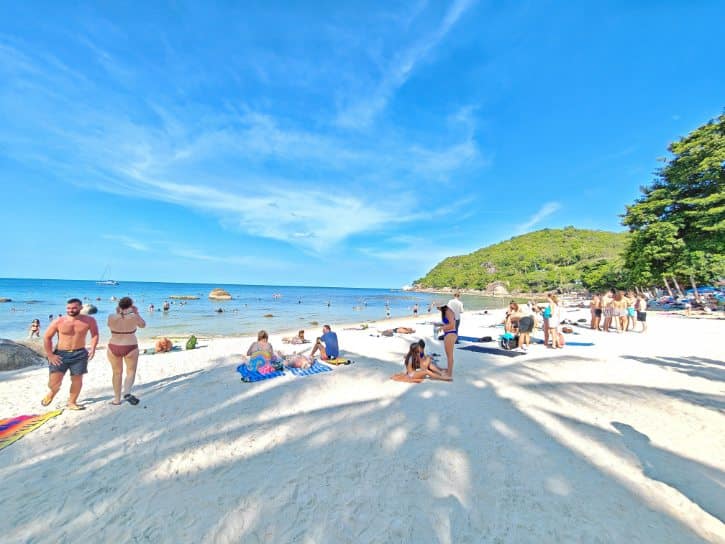
Thailand’s reefs, islands, and forests are a big part of its magic, and they are increasingly protected. A few easy choices help keep these places stunning for everyone who comes next.
b. Reef-Safe Sunscreen
Marine national parks ask visitors to use reef-safe sunscreen, since certain chemicals harm coral. Choose a mineral-based sunscreen with zinc oxide or titanium dioxide, or wear a UV rash guard. Rangers may check bags at popular parks, so it helps to pack the right one before you go.
c. Snorkeling and Diving
A few simple rules protect the reef and the wildlife:
- Do not touch or stand on coral.
- Do not chase or feed fish or turtles.
- Do not collect shells, coral, or sand.
Following your guide and keeping a gentle distance is all it takes.
d. Seasonal Closures
Some parks and islands close for part of the year to rest and recover. For example, the Similan and Surin Islands close from about mid-May to mid-October. A quick check of official announcements while planning helps you avoid surprises and book early where needed.
e. Kind Animal Tourism
For animal experiences, look for places that let animals roam freely and skip riding, shows, and chained photo ops. Responsible sanctuaries focus on watching animals enjoy a natural life. Choosing one of these makes for a better experience and a clearer conscience.
The simplest truth of responsible travel is this: leave each place as lovely as you found it, so the next traveler can fall in love with Thailand too.
Read More: These 10 Thailand Islands Have Crystal Clear Water and Pure Relaxing Vibes