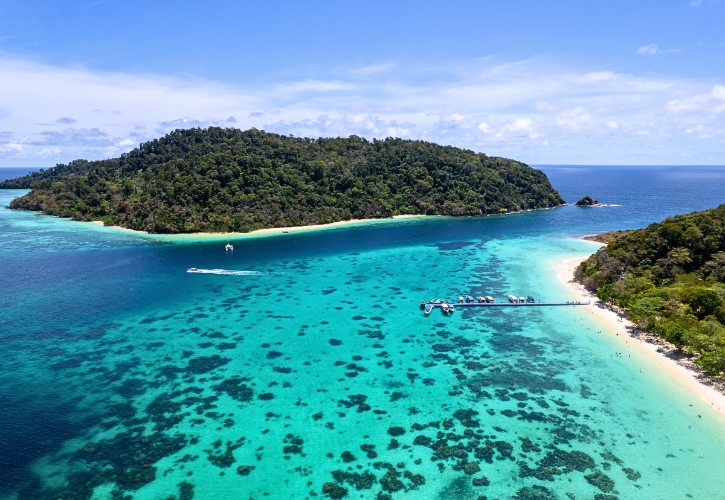
Most people picture Phuket, Koh Samui, Koh Phi Phi, or Koh Phangan when they think of Thai islands. But Thailand has many quieter places that never make the usual lists.
Some of these islands sit just a short boat ride from major travel hubs. Others ask for more planning, careful timing, and an extra ferry or two.
What they share is calmer beaches, clearer water, and a slower kind of island life.
If you want fewer crowds and more space to breathe, here are ten islands worth knowing about. 😊
1. Koh Phayam (Ranong)
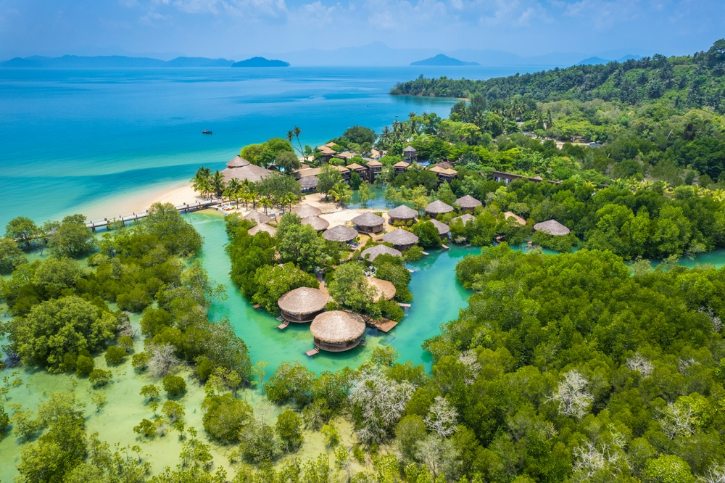
Koh Phayam is a relaxed Andaman island in Ranong Province, well away from the busy Phuket and Krabi circuits.
To be honest, it is not undiscovered. Backpackers and slow travelers already know it. Think low-key and rustic rather than untouched.
a. Best Things to Do
- Ao Yai (Long Beach): A three-kilometer crescent of fine sand, great for sunsets.
- Ao Khao Kwai (Buffalo Bay): A sheltered bay with calm swimming and mangrove channels for kayaking.
- Wildlife: Sea eagles, monitor lizards, and great hornbills live in the jungle.
b. When to Go
- Best season: Late November to late March.
- Avoid: June to September, when the monsoon limits boats and closes many places.
c. Where to Stay
Most stays are simple, fan-cooled bungalows on the beach. A few air-conditioned resorts exist, such as Buffalo Bay Vacation Club and Blue Sky Resort, but they are the exception. Pick Ao Yai for sunsets or Ao Khao Kwai for calm swimming.
d. Who It’s Best For
- Slow travelers, backpackers, couples, and nature lovers who want quiet beach days
e. Good to Know
Koh Phayam may feel too quiet if you want shopping, nightlife, or luxury, and it is spread out without a scooter.
2. Koh Yao Noi (Phang Nga)
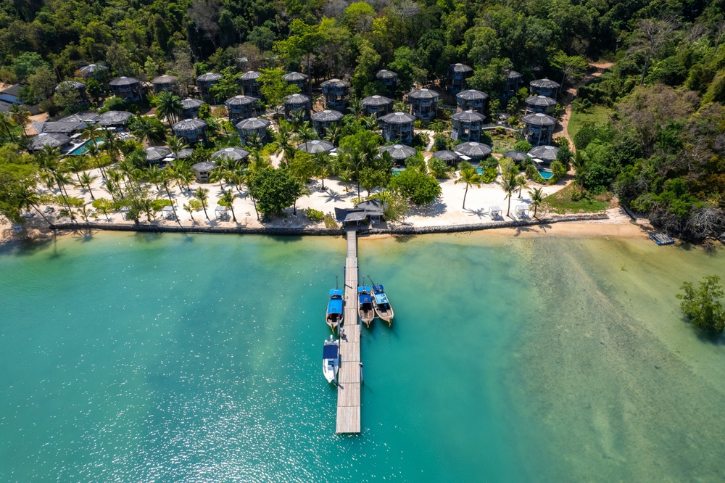
Koh Yao Noi sits in the middle of Phang Nga Bay, between Phuket and Krabi. It is easy to reach, yet it still feels like a quiet village. Its hidden feeling comes from atmosphere, not distance.
a. Best Things to Do
- Cycle or ride a scooter along quiet coastal roads through rice paddies, rubber plantations, and stilted fishing villages.
- Longtail boat tours into Phang Nga Bay, with limestone karsts, hidden lagoons, and the islet of Koh Nok.
- Rock climbing on secluded limestone walls at the northern tip.
b. When to Go
- Best season: November to April.
- Rainy months: Seas turn rough around June to October, which affects boat trips.
c. Where to Stay
Accommodation mixes rustic homestays and boutique luxury, such as the Cape Kudu Hotel. Decide whether you want to be near the pier, a beach, or a quiet inland spot.
d. Who It’s Best For
- Couples, families, slow travelers, and photographers who want calm without isolation
e. Good to Know
The beaches are tidal, and swimming can be impossible at low tide. This island is about calm, views, and local life, not postcard resort beaches.
3. Koh Yao Yai (Phang Nga)
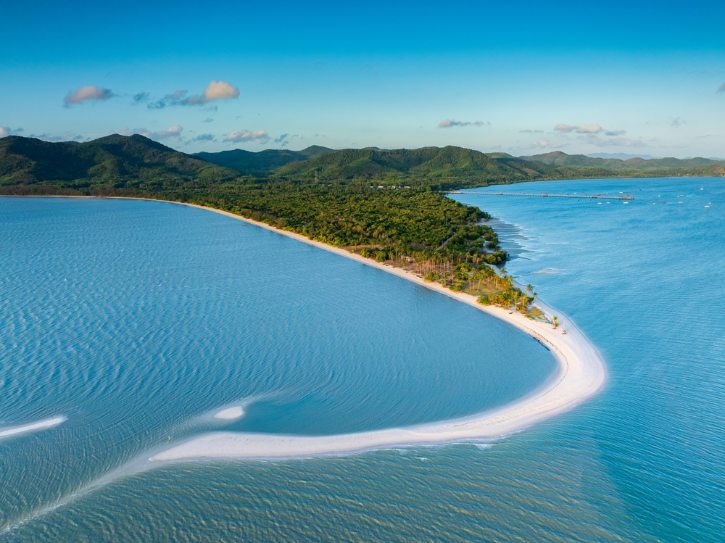
Koh Yao Yai is the larger, more spacious sister of Koh Yao Noi. It works well if you want a peaceful island near Phuket without the crowds. It is peaceful, but not completely untouched.
a. Noi or Yai? A Quick Guide
- Koh Yao Noi is smaller, more local, and better for cycling and culture.
- Koh Yao Yai is larger, with wider beaches, more space, and newer luxury options.
b. Best Things to Do
- Laem Haad Beach: A pointed sand peninsula forming a sandbar that shows best at low tide.
- Motorbike, quad-bike, and cycling tours through the quiet interior.
c. When to Go
- Best season: November to April.
- Wetter months: May to October can bring heavy swells, especially on the western beaches.
d. Where to Stay
Because the island is large, location matters.
- Anantara Koh Yao Yai: Ultra-luxury, 148 suites, about a 70-minute multi-modal transfer from Phuket airport.
- Santhiya Koh Yao Yai: A luxury teak resort with hillside pavilions and private seawater pools.
- Koh Yao Yai Village: A 4-star boutique option with rainforest bungalows and a private beach.
e. Who It’s Best For
- Couples, families, and resort travelers who want quiet beaches and space near Phuket
f. Good to Know
There are few walkable areas and few shops outside the resorts. You will need transport between beaches, and access varies with the tide.
4. Koh Kood (Trat)
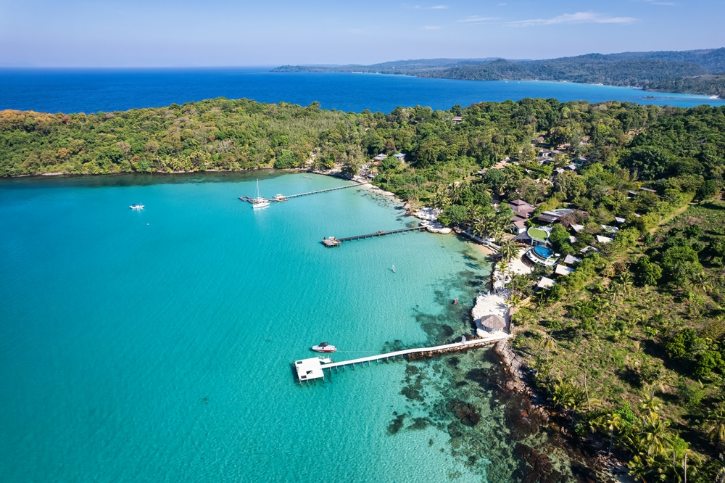
Koh Kood is one of Thailand’s most beautiful quiet beach islands, the fourth-largest in the country. It is not unknown anymore, but it stays far calmer and less party-focused than nearby Koh Chang. Expect clear water, waterfalls, and resort-style relaxation.
a. Best Things to Do
- Klong Chao Beach: A main beach with white sand and clear water.
- Waterfalls: Klong Chao and Huang Nam Keaw, reachable by short hikes.
- Kayak the Klong Chao mangroves, from the river out to the open sea.
- Koh Rang Reef: A protected marine park area for snorkeling and diving.
- Watch for sandflies, especially on Ao Phrao and near the river estuaries. Strong repellent or coconut oil helps.
b. When to Go
- Best season: November to April.
- Low season: June to September brings rough seas, and some places close.
- Peak months: December to February fill up, so book early.
c. Where to Stay
Hotels are spread out, so location matters.
- Budget: Medee Resort and See Far Resort.
- Mid-range boutique: Tolani Resort.
- Luxury: High Season Pool Villa & Spa on Klong Chao Beach.
d. Who It’s Best For
- Couples, honeymooners, families, and beach lovers who want comfort without a party scene
e. Good to Know
Koh Kood can feel pricey and spread out, so transport helps. Nights are quiet, and low season affects weather and restaurant openings.
5. Koh Mak (Trat)
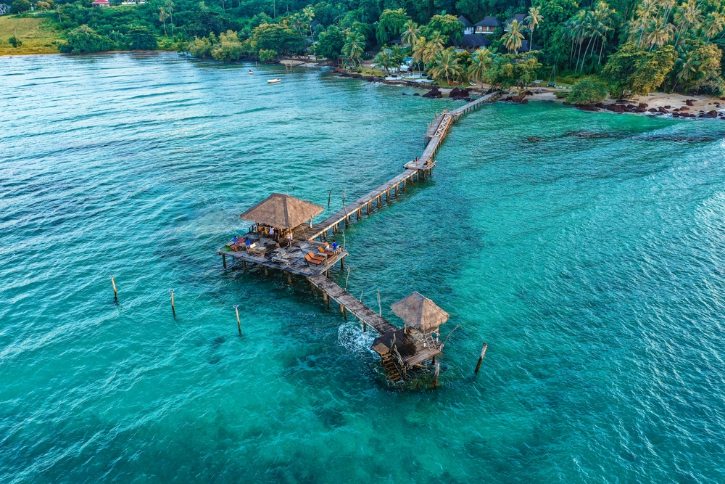
Koh Mak is a small, calm, star-shaped island sitting between Koh Chang and Koh Kood. Privately held by a few local families, it has no high-rises, no jet skis, and no loud nightlife. It is known as a model for low-carbon, community-directed tourism.
a. Best Things to Do
- Cycling: The flat island is one of the easiest places in Thailand to explore by bike.
- Electric golf carts: An easy way to get around if you would rather not cycle.
- Ao Suan Yai Beach, the Cinnamon Boardwalk, and kayaking the calm coast.
b. When to Go
- Most comfortable: November to February, with the wider dry season through April.
- Low season: May to October brings reduced ferries and adjusted resort operations.
c. Where to Stay
- Budget: Ao Kao White Sand, simple beachfront huts.
- Mid-range: Makathanee Resort, near the main pier and dining.
- Beachfront boutique: Seavana Beach Resort on Ao Suan Yai.
- Secluded luxury: Mira Montra Resort, pool villas in a quiet forested bay.
d. Who It’s Best For
- Couples, cyclists, solo travelers, and families who want calm
- Anyone using the island as a base for nearby side trips
e. Good to Know
Koh Mak can feel too sleepy if you want lots of activities or nightlife. For more dramatic nature, you may prefer Koh Kood.
6. Koh Kham (Trat)
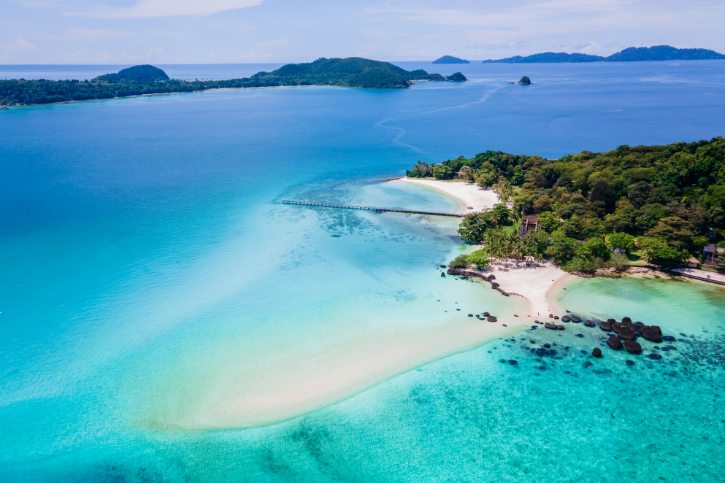
Koh Kham is a tiny, beautiful islet best enjoyed as a short side trip from Koh Mak, about one kilometer off its northwest coast. Please do not plan a whole trip around it. Think of it as a gorgeous half-day visit.
a. What to Know Before You Visit
- It is a day-trip destination. There are no hotels and no overnight stays.
- You stay on Koh Mak and come over for a few hours.
- Only a basic kiosk operates, on and off, so come prepared.
- You pay an entry fee on arrival, so bring cash.
b. Best Things to Do
- Swim and snorkel off the beach, enjoy the white sand and black rocks, and take photos.
c. When to Go
Mainly high season, roughly November to April, and access depends on weather. Do not assume you can visit year-round.
d. Who It’s Best For
- Photographers, couples, beach lovers, and snorkelers already staying on Koh Mak
e. Good to Know
Koh Kham is very small with limited facilities, and access can change with weather. It is not for travelers who need restaurants, toilets, or guaranteed entry.
7. Koh Wai (Trat)
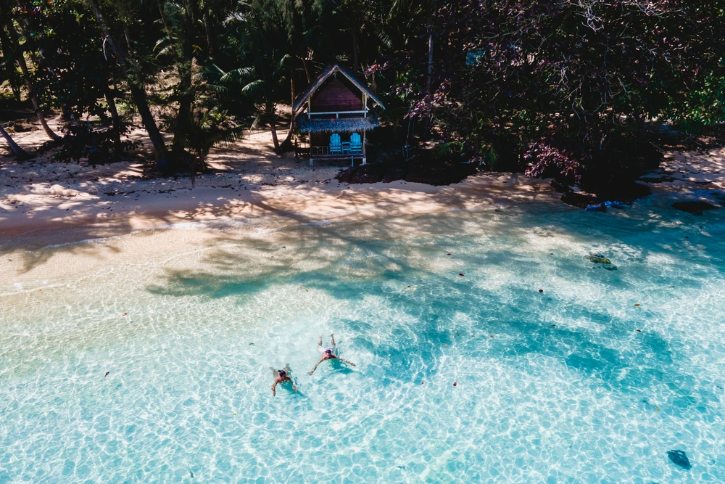
Koh Wai is a tiny, crescent-shaped island inside Mu Koh Chang National Park, made for simple beach life, snorkeling, and a true digital detox. It is one of the most basic, off-grid islands on this list, and it is not for everyone.
a. Best Things to Do
- Snorkel off the beach. A coral reef sits just 40 meters off the northern shoreline.
- Kayak the calm northern bays, with views to the Koh Chang archipelago.
b. When to Go
- Closed: June to September, due to dangerous seas.
- Open: Roughly October to May.
c. Where to Stay
Accommodation is simple and limited. The active bungalow options are basic:
- Good Feeling: Simple wooden bungalows with ensuite bucket-flush bathrooms. A preferred budget pick.
- Koh Wai Paradise: A long-running, highly rustic backpacker camp with shared bathrooms.
- Grand Ma Hut: Basic huts steps from the shallow house reef, with shared bathrooms.
d. Who It’s Best For
- Snorkelers, backpackers, off-grid travelers, and quiet couples who do not need Wi-Fi or luxury
e. Good to Know
Koh Wai is not for anyone who needs comfort, Wi-Fi, restaurants, easy transport, or medical care. Access is unreliable outside high season.
8. Koh Mook (Trang)
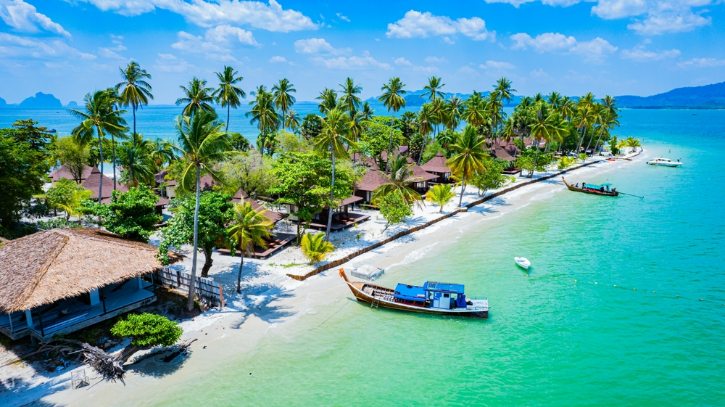
Koh Mook is a peaceful Trang island that mixes real local life with quiet beaches and one show-stopping highlight. Here is the key thing. Do not come only for the cave. It has a thriving Thai-Muslim fishing community that gives it genuine cultural texture.
a. The Emerald Cave (Tham Morakot)
This is the star attraction, but read the details first.
- Access: You swim through an 80-meter dark tunnel into a hidden lagoon ringed by cliffs.
- Safety: Life jackets and headlamps are mandatory.
- Tides: Entry works at low to mid-tide only.
- Crowds: Day-trip boats pack in from 10:00 AM to 2:00 PM, so arrange an early departure around 7:00 AM.
- Closure: The cave closes every year from May to October.
b. Other Best Things to Do
- Farang Beach (Hat Farang) for relaxing and sunset.
- Kayaking, local seafood, and the fishing village on the eastern side.
c. When to Go
- Best season: November to April.
- Always check tide times before planning the cave, and remember it closes May to October.
d. Where to Stay
- Budget: Jungle guesthouses and hostels near Farang Beach.
- Mid-range: Small beachfront bungalows and boutique resorts.
- Luxury: Sivalai Beach Resort, on the white sand of the eastern peninsula.
e. Who It’s Best For
- Couples, families, slow travelers, snorkelers, and kayakers who want local atmosphere with decent comfort
f. Good to Know
The cave gets crowded during day-trip hours, and some beaches are tidal. Rush in only for the cave and you miss the village life that is half the appeal.
9. Koh Ngai (Trang)
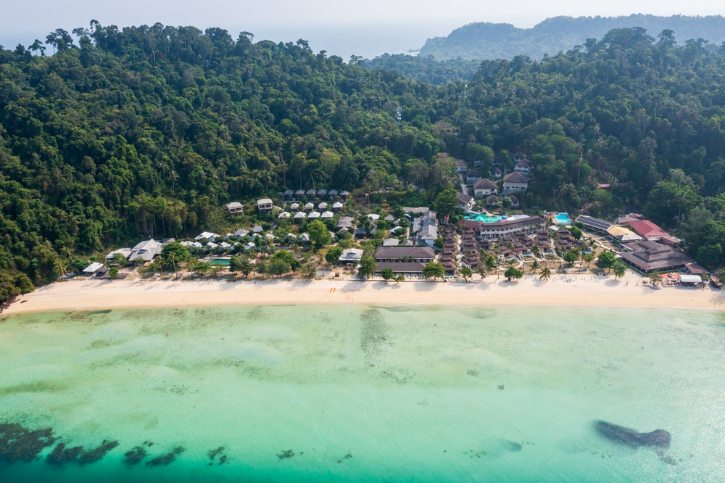
Koh Ngai is a quiet, resort-focused island built for beach time and snorkeling. It is peaceful rather than deeply local.
It is also spelled Koh Hai, which can cause booking confusion, but it is the same triangular island off the Trang coast.
a. Best Things to Do
- The long main beach with clear, shallow water and an intact house reef a short wade from shore.
- Kayaking the coastline, with the island as a base for Trang island-hopping.
b. When to Go
- Best season: November to April.
- Low season: Access and services may be reduced around June to September.
c. Where to Stay
Accommodation is almost all beachfront resorts.
- Budget-friendly: Koh Ngai Resort, SHA Extra Plus certified, with 98 rooms, a pool, and free kayaks. Koh Ngai Camping offers beachfront tents.
- Mid to high range: Thapwarin Resort, with wood and bamboo cottages.
- Green hotel option: Mayalay Beach Resort, with bamboo-and-palm bungalows.
d. Who It’s Best For
- Couples, families, beach readers, and snorkelers who want a calm resort stay
e. Good to Know
Koh Ngai may feel too quiet if you want markets, nightlife, or sightseeing, and low-season access can be limited.
10. Koh Rok (Krabi)
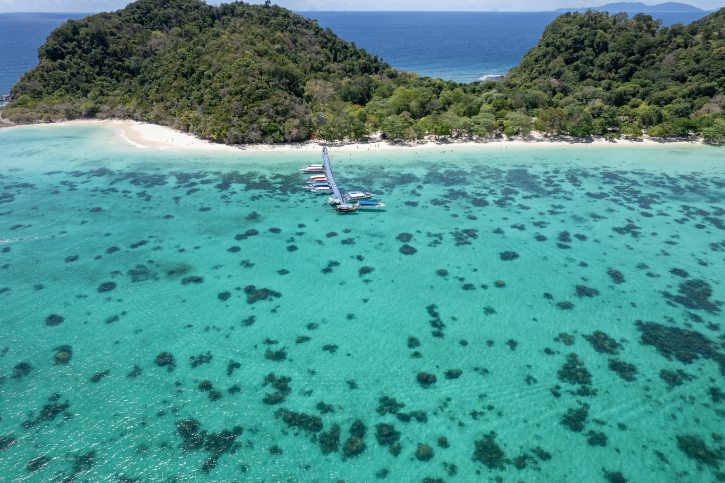
Koh Rok is the marine-park gem of this list, famous for clear water, coral reefs, and snorkeling. It is best understood as a protected day-trip destination, not a resort island.
The area is twin islands, Koh Rok Nok and Koh Rok Nai, split by a narrow channel inside Mu Koh Lanta National Park.
a. Why It Feels Hidden
- There is no regular public ferry, so most visitors arrive on organized tours.
- It is part of a protected marine national park.
- Seasonal closures protect the reefs and limit access.
b. Best Things to Do
- Snorkel the shallow channel between the twin islands, over clear turquoise water.
- Relax on the white sand beaches and enjoy the remote atmosphere.
- Visit the Koh Rok Waterfall on Koh Rok Nai, or combine with Koh Haa as a paired day trip.
c. When to Go
- Open: Mid-October to mid-May.
- Closed: Mid-May to mid-October.
- Best window: December to March, with the clearest visibility, though tours fill up fast.
d. Who It’s Best For
- Snorkelers, photographers, and nature lovers based on Koh Lanta or nearby Trang islands
e. Good to Know
Koh Rok is not for travelers who want year-round access or a resort experience. Weather and park closures can cancel trips, so treat it as a special day trip.