
Thailand welcomes millions of travelers every year, and most go home with nothing but good memories.
The country is friendly, well set up for visitors, and easier to explore than many people expect.
The travelers who run into trouble usually share one thing: a few careless choices that were simple to avoid.
A little awareness goes a long way. Here are the ten mistakes worth knowing before you go. 😊
1. Renting a Motorbike Without the Proper License or Experience
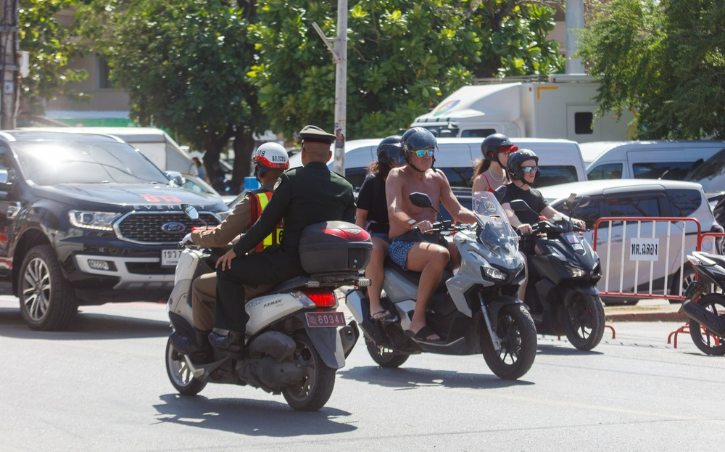
Renting a scooter feels like part of the Thailand experience, but traffic accidents are one of the biggest causes of serious injuries for tourists here.
A small mistake can become a legal, medical, and financial problem all at once, which is why this comes first.
a. Where scooters are everywhere
- Easy to rent in Phuket, Koh Samui, Chiang Mai, Pai, Koh Tao, and Krabi
- Convenient where buses and taxis are limited
b. The license rule many travelers miss
- A car license is not enough
- You need a motorcycle license from home plus an International Driving Permit that covers motorcycles
- Police run checkpoints in tourist areas, and riding without it can mean a fine
c. Insurance and the roads
- Most standard travel insurance excludes motorbike accidents
- Some specialist insurers cover smaller engines, but only with a valid license, a helmet, and no alcohol
- Roads bring left-side driving, fast traffic, loose sand, steep hills, and sudden rain
d. Before you ride, check
- Inspect the bike and film any existing damage
- Wear a good, properly fitted helmet
- Avoid riding at night, in rain, after drinking, or with little experience
e. Safer alternatives
- Ride-hailing apps, taxis, and hotel transfers
- Songthaews and organized tours
- Staying somewhere walkable
2. Choosing the Cheapest Boat, Ferry, Minivan, or Tour Without Checking Safety
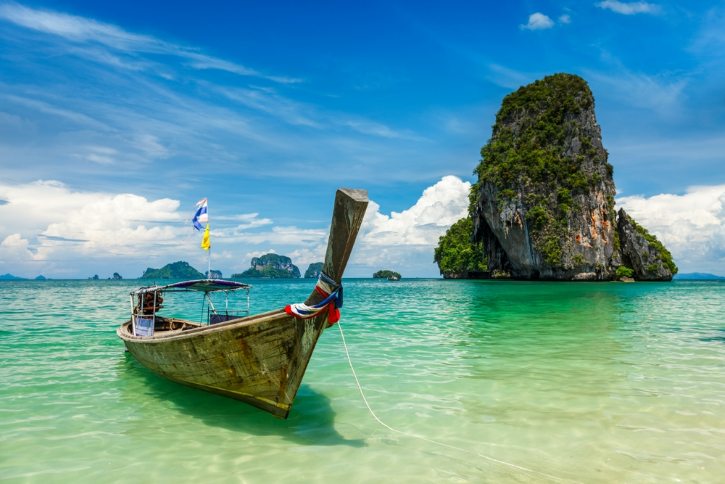
The lowest price is tempting, but with boats, ferries, minivans, and tours, cheap sometimes means corners are cut on safety, maintenance, or staffing. A few minutes of checking is worth it.
a. On the water
- Some low-cost operators overload boats or skip working life jackets
- A few sail through rough weather to avoid losing income
b. On the road and on tours
- Cheap minivans are sometimes linked to speeding, fatigue, and missing seatbelts
- Weaker adventure operators may use worn gear or untrained guides
c. What to check before booking
- Reviews that mention safety
- Whether life jackets are provided and used
- Whether the operator cancels in bad weather
- Clear hotel pickup, a safety briefing, and proper licensing
- Whether the company is licensed and well established
- Whether insurance is included, and what it covers
d. Warning signs to walk away from
- Rushed or skipped briefings
- Damaged equipment
- Overloaded boats or vans
- Vague pricing and pushy staff
e. The simple rule
- A slightly higher price for a well-reviewed operator is usually money well spent
3. Ignoring Beach Flags, Monsoon Seas, and Adventure Safety Warnings
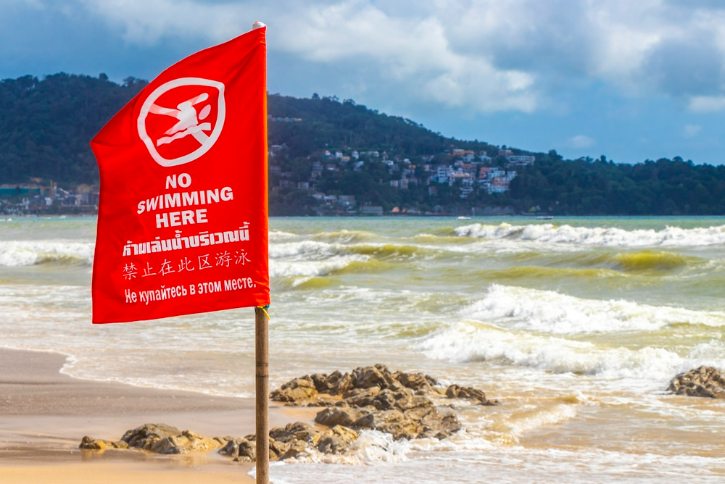
Thailand’s beaches are beautiful, and most beach days are safe. Trouble starts when calm-looking water hides a strong current, especially during the southwest monsoon, roughly May to October, along the Andaman Coast near Phuket, Krabi, and Koh Lanta.
a. The hidden danger
- A rip current is a narrow channel that pulls quickly away from shore
- It often looks calm and flat, which is what makes it dangerous
b. What the flags mean
- Red: high danger, stay out
- Double red: water closed, lifeguards cannot safely help
- Red and yellow: supervised zone, swim between the flags
- Yellow: caution, strong swimmers only
- Green: safe to swim with normal care
- Red and white: get out now, usually a storm
- Purple: dangerous marine life nearby
c. If you get caught in a current
- Stay calm and float to save energy
- Swim sideways along the shore, not straight back against the pull
d. Before any water activity
- Check the weather and sea conditions
- Ask your hotel or a local operator
- Wear a life jacket on boats and snorkeling trips
- Avoid swimming alone or after warnings are posted
e. After heavy rain
- Skip waterfalls, rivers, and caves, which can turn into fast, powerful currents
4. Treating Monsoon Rain, Flooding, and Bad Weather Like a Small Problem
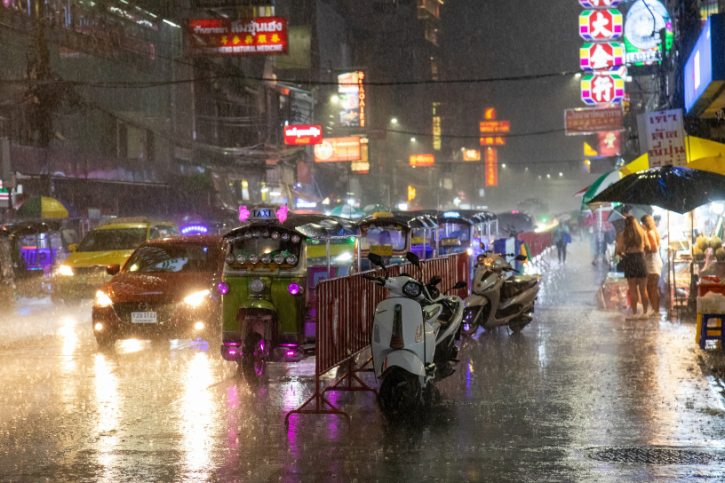
Rainy season is often just a short afternoon shower, and wet-season travel can be lovely. But heavy rain can also bring flooding, landslides, and canceled transport, so plan with a little flexibility.
a. Rain by region
- Bangkok and central: roughly late June to early October
- Northern (Chiang Mai, Pai): roughly May to October
- Andaman (Phuket, Krabi): roughly April to November, wettest in September and October
- Gulf islands (Koh Samui, Koh Phangan, Koh Tao): later, around October to December
- Eastern (Koh Chang): roughly May to October
b. What weather can disrupt
- Ferries and island transfers, sometimes stranding travelers
- Domestic flights and road travel
- Trails, waterfalls, caves, and low-lying areas
c. Don’t book tight connections
- Avoid an island ferry and an international flight on the same day
- One storm can break that chain and cause a missed flight
d. Plan with buffers
- Add a full day between islands and onward flights
- Check alerts from the Department of Disaster Prevention and Mitigation
- Use dry bags and flexible bookings
- Avoid caves, waterfalls, and remote trails after heavy rain
e. The takeaway
- Wet-season Thailand is still a great trip with flexible plans and a little patience
5. Trusting Every Taxi, Tuk-Tuk, or “Friendly Local” Offer Near Tourist Areas
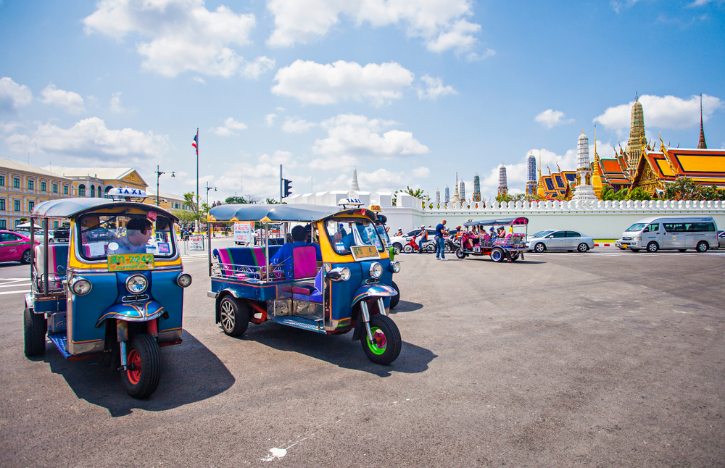
Thai hospitality is genuine, and most people you meet are kind. But around busy tourist spots, a few practiced schemes use taxis, tuk-tuks, and overly helpful strangers. Knowing the pattern is usually enough.
a. The “attraction closed” trick
- Near the Grand Palace, Wat Pho, or Wat Arun, someone says the site is closed
- They offer a cheap tuk-tuk that ends at a tailor or gem shop, where staff push a sale
b. Other common situations
- Drivers who refuse the meter and quote a high flat fare
- Unlicensed airport drivers charging too much
c. Taxis and tuk-tuks done right
- Ask for the meter before getting in
- Agree the tuk-tuk fare first and say “no stops”
- Step out politely if a driver refuses
d. Getting around safely
- Use trusted apps like Grab, Bolt, or LineMan
- Match the license plate before boarding
- At airports, use official stands, the rail link, or a hotel shuttle
e. If a dispute happens
- Do not argue
- Call the Tourist Police at 1155 for help in English
6. Letting Your Guard Down in Nightlife Areas
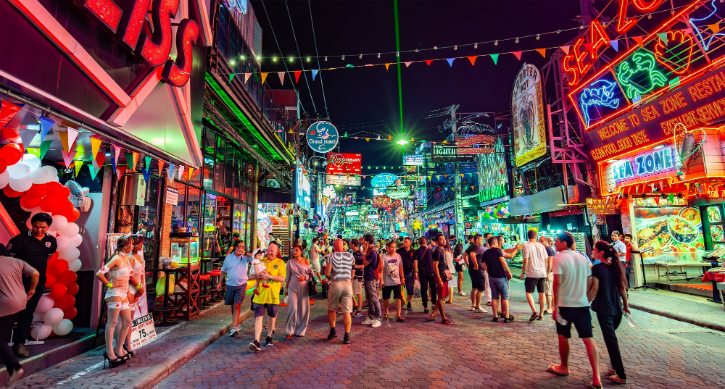
Thailand’s nightlife is fun, and a night out is part of the trip for many people. Risks mostly appear when travelers drink too much, separate from friends, or stop paying attention.
a. Where to stay alert
- Busy areas like Bangkok, Pattaya, Phuket, and Koh Phangan, especially late at night
b. The main risks
- Drink spiking, particularly at large parties and crowded clubs
- Counterfeit spirits that can cause serious poisoning
- Theft when distracted, and inflated bar bills at pushy venues
c. Smart habits for a night out
- Stay with trusted companions
- Watch your drink being made and never leave it unattended
- Decline drinks or food from strangers
- Plan your ride back before you get tired
d. Money and documents
- Carry only the cash and one card you need
- Leave your passport locked at your accommodation
- Keep your phone charged
e. If something feels wrong
- Sudden vision problems, severe nausea, or confusion need attention
- Call 1669 for medical help, or 1155 for the Tourist Police
7. Carrying Money, Cards, and Passports Carelessly in Crowded Places
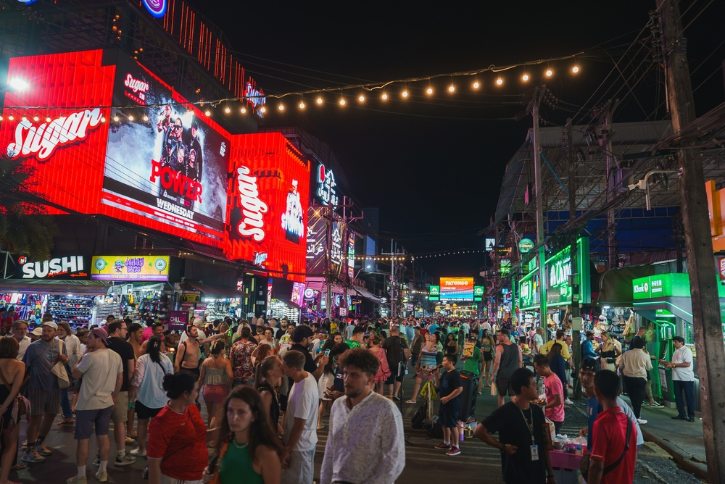
Petty theft like pickpocketing and bag-snatching can happen in crowded spots. It is usually a crime of opportunity, so small daily habits make you a much harder target.
a. Where to be more alert
- Markets and night markets, like Chatuchak or Chinatown (Yaowarat)
- Bus and train stations, ferries, and piers
- Busy temple entrances, shopping areas, and public transport
b. Habits to avoid
- Carrying all cash and cards in one wallet
- Keeping a passport in a back pocket or open bag
- Leaving bags on chairs, beaches, or scooters
- Storing valuables in luggage placed under long-distance buses
- Showing large amounts of cash in public
c. Smarter daily routines
- Keep your passport locked away and carry a copy or digital backup
- Split cash and cards and keep one backup card separate
- Use a crossbody bag worn at the front, kept zipped
d. ATM safety
- Use machines inside banks or malls
- Check the card slot and cover the keypad
e. If something is stolen
- Call the Tourist Police at 1155 for a report
- You will need it for an embassy replacement and any insurance claim
8. Leaving Your Passport as a Deposit for Rentals
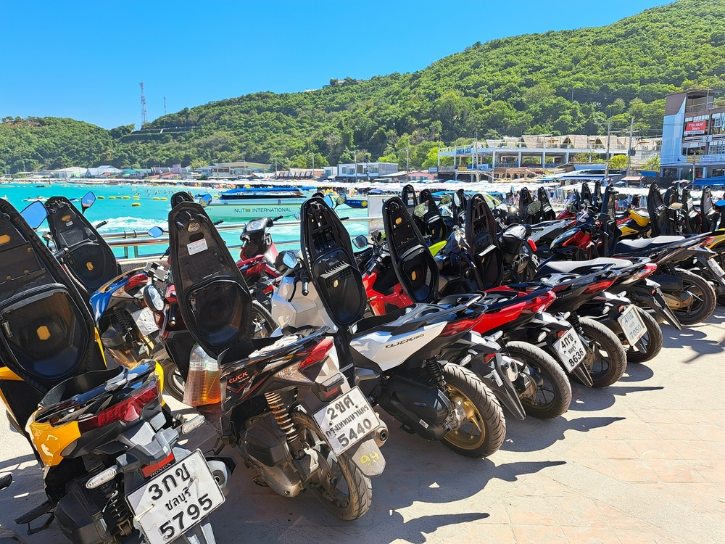
When you rent something in Thailand, like a scooter, a motorbike, a car, a jet ski, or even beach gear, the shop will often ask for a deposit. That part is normal.
The problem is when they ask to hold your original passport instead of money. It is a common request, but it is one worth firmly turning down, because it can leave you stuck during a dispute.
a. Why it is risky
- Your passport remains your government’s property, and you are expected to keep control of it
- You are also expected to carry your passport, or a valid copy, with you in Thailand
b. The rental damage scam
- When you return the bike or item, the shop claims you caused damage that was often already there
- They then refuse to hand back your passport until you pay an inflated repair bill
c. Offer a deposit instead
- Hand over a photocopy of your passport plus a reasonable cash deposit, and ask for a receipt
- Use a credit card deposit if the shop accepts one
- Walk away to another shop if they insist on keeping the original
d. Protect yourself on every rental
- Photograph and film the item from every angle before you take it, ideally with staff present
- Get a written agreement that notes any existing wear
e. A line that works
- Politely but firmly say: “I can leave a copy, but I cannot leave my passport.”
9. Drinking Tap Water or Using Ice Without Thinking

Thailand’s food is wonderful, and street stalls, cafés, and night markets are a highlight of any trip. A little common sense around water and hygiene lets you enjoy all of it with confidence.
a. The water rule
- Tap water is not for drinking directly
- Stick to sealed bottled, filtered, or purified water
- Brushing teeth with tap water is usually fine, but sensitive stomachs should use bottled
b. The truth about ice
- Most ice in restaurants and busy stalls is factory-made and safe
- Recognize it by the neat cylindrical shape with a hollow center
- Be cautious with crushed ice from large blocks, since those blocks are often dragged along the ground and handled in unhygienic ways, which can contaminate the surface
c. Eating well and safely
- Choose busy stalls with high turnover, where food is fresh.
- Prefer dishes cooked fresh and served hot.
- Be careful with raw seafood, pre-cut fruit, and food left sitting out.
- Use hand sanitizer before you eat.
d. Extra care after flooding
- Water supplies can be affected during and after floods, so take more care then
- Otherwise, relax and enjoy the food
10. Traveling Without Insurance, Emergency Numbers, or a Backup Plan
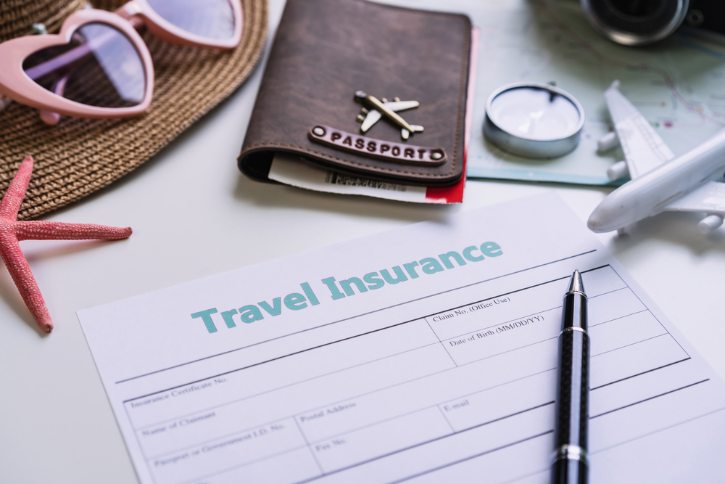
This final point ties everything together. Almost every problem in this article becomes easier to handle when you have insurance, a few key numbers, and a simple backup plan ready before you go.
a. Why insurance matters
- Thailand’s private hospitals are excellent but usually do not bill foreign insurance directly
- They expect payment upfront or a guarantee from your insurer
b. What your policy should cover
- Medical treatment, hospital stays, and emergency evacuation
- Trip interruption and lost belongings
- Any activities you plan, such as motorbike riding, diving, or hiking
- Check the fine print, since many plans exclude bikes and adventure sports
c. Emergency numbers to save
- Tourist Police: 1155
- Ambulance: 1669
- Private ambulance: 1724 or 1719
- General emergency: 191
- Highway Police: 1193
- Disaster and flood alerts: 1784
d. Your backup plan
- Keep digital and printed copies of your passport, visa, insurance, and bookings
- Save embassy details and carry one backup card separately
- Use offline maps and save your address in Thai and English
- Share your itinerary with someone you trust