
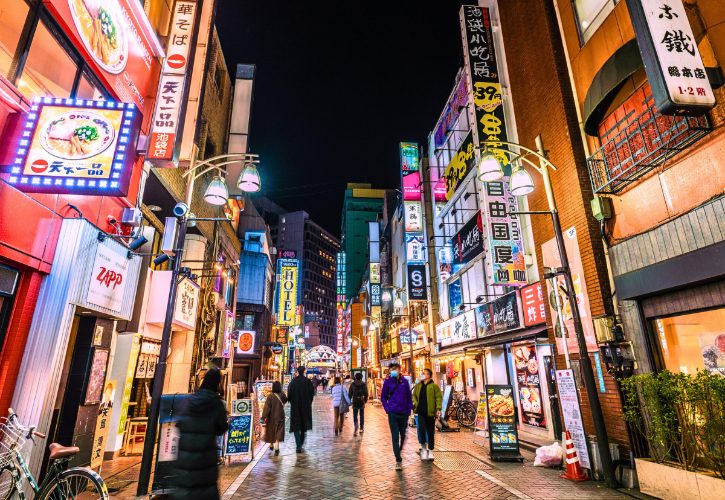
Picking where to stay in Tokyo is weirdly hard. Hotels that look “central” turn out to be expensive.
The train map looks like a plate of spaghetti. And a neighborhood that seems convenient on paper can still leave you exhausted every single night.
If you want a base that’s calmer, easier to use, and gentler on your budget, Ikebukuro deserves a serious look.
It’s a major hub that most first-timers skip, but seasoned travelers keep coming back to. Here’s exactly why it works. 😊
1. Why This Area Quietly Solves the Biggest Travel Problems
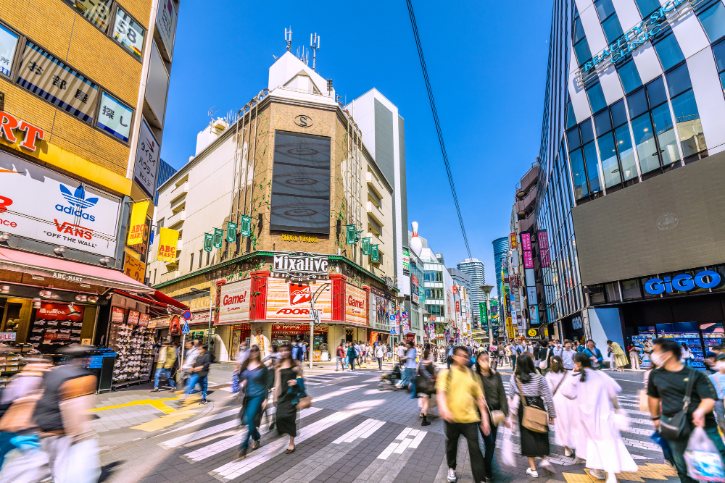
In Tokyo, your hotel isn’t just where you sleep. It’s your daily reset button. The right base makes your whole trip smoother in three practical ways.
It protects your budget. When you’re not locked into one narrow “tourist-only” hotel cluster, you get more choices. More property styles, more room types, and more flexibility around weekends or last-minute changes.
It keeps your days simple. Tokyo is incredible, but it’s huge. Every extra transfer and every “how do we get home?” moment adds up. A base that’s easy to navigate takes away that low-level stress you feel multiple times a day.
It lowers friction for everything else. Meeting friends, doing day trips, dropping shopping bags at the hotel mid-afternoon, changing plans when it rains. All easier when your base just works.
Ikebukuro checks all three boxes. It behaves like a real, working Tokyo neighborhood and a transportation powerhouse at the same time.
Official Tokyo visitor resources describe it as dynamic and down-to-earth, with major shopping, food, and entertainment complexes. You’re not staying in a dead zone where you have to ride a train just to eat well.
And because it’s a giant rail hub, you can build a very efficient daily rhythm. Head out in the morning, come back easily to rest or recharge, then head out again at night
All without feeling like you’re constantly fighting Tokyo’s size. That kind of flexibility changes the entire feel of a trip.
2. Why Ikebukuro Is More Affordable
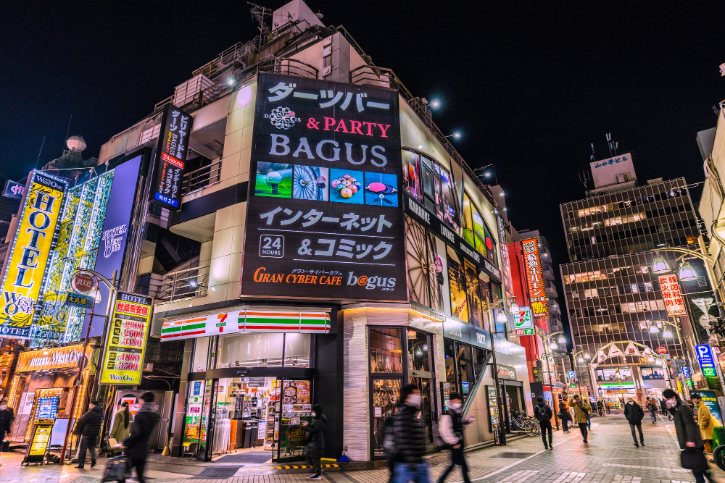
Let’s be honest. No Tokyo neighborhood is “cheap”, and hotel prices shift constantly based on the season, day of the week, and how far ahead you book.
What Ikebukuro offers, consistently, is better value.
It’s a major commercial and transport district with a wide spread of accommodation types right around the station.
Large full-service hotels, hotels connected to big shopping complexes, and practical city hotels, all within walking distance.
When a neighborhood has that many properties clustered around one hub, travelers benefit. More availability, more options that actually fit your needs, and less pressure to overpay just to get something acceptable.
In plain English, it’s easier to find a hotel that matches your priorities here. Whether that means bigger rooms, better family setups, or quieter floors, you’re choosing from a deeper pool.
That’s why many travelers find Ikebukuro “more affordable” in the way that matters most. You land a stay that feels worth what you paid.
3. Why It’s Easier to Navigate
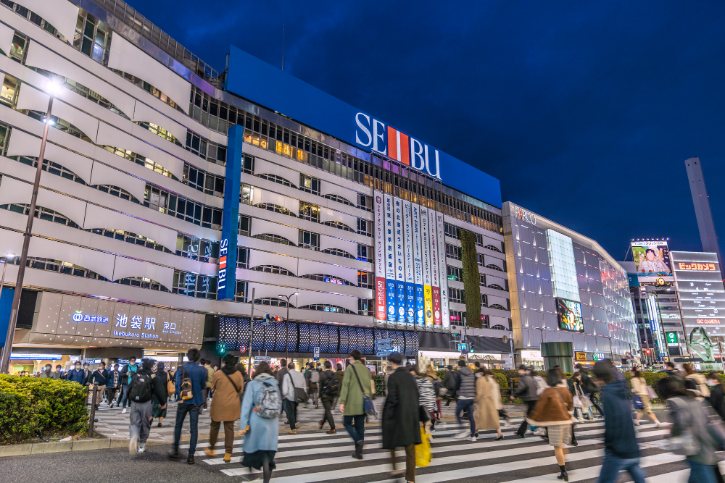
Ikebukuro works so well as a base because of one place: Ikebukuro Station.
It’s one of Tokyo’s major terminal stations, serving multiple rail companies with a large number of exits. Here are the lines you’ll actually use:
a. JR Lines
- Yamanote Line gives you a direct loop to Shinjuku, Shibuya, Tokyo Station, and Ueno. Trains run frequently all day.
- Saikyo Line is a fast north-south link. It runs direct to Shibuya and continues toward Omiya.
- Shonan-Shinjuku Line connects you to Yokohama and beyond, with no transfer needed.
b. Tokyo Metro Lines
- Marunouchi Line runs direct to Tokyo Station and Ginza.
- Yurakucho Line heads southeast toward Toyosu and Shin-Kiba.
- Fukutoshin Line runs direct to Shibuya, with through-service continuing all the way to Yokohama.
c. Private Railways
- Seibu Ikebukuro Line heads west toward Chichibu and the mountains.
- Tobu Tojo Line heads northwest toward Kawagoe.
The big advantage here is redundancy. If one line has a delay, you almost always have a second option.
For example, if the Yamanote Line is disrupted, you can take the Fukutoshin Line to Shibuya or the Marunouchi Line to Tokyo Station instead. That kind of backup plan is rare, even in Tokyo.
4. How to Get From the Airport to Ikebukuro
Getting from either airport to Ikebukuro is straightforward. Here are your best options.
a. From Narita Airport (NRT)
Most Narita Express (N’EX) trains no longer run directly to Ikebukuro. They now typically end at Shinjuku or continue toward Yokohama. But you still have two solid routes:
- Train (Keisei Skyliner + Yamanote Line): Take the Skyliner from Narita to Nippori Station. From there, transfer to the JR Yamanote Line, which is just six stops to Ikebukuro. Total travel time is typically under one hour. This is the fastest rail option.
- Airport Limousine Bus (direct, very luggage-friendly): Buses run from Narita Airport to Ikebukuro, stopping at Sunshine City Prince Hotel and the Sunshine City Bus Terminal. The trip takes about two hours. No transfers needed, but travel time depends on traffic. It is a good option if you have heavy luggage, with no stairs, no station changes, and bags stored under the bus.
b. From Haneda Airport (HND)
Haneda is closer to central Tokyo, and the airport limousine bus makes Ikebukuro easy to reach.
- Direct bus (Airport Limousine Bus): Runs from Haneda Terminals 1, 2, and 3 to multiple stops in Ikebukuro, including the West Exit (about 55 minutes), Hotel Metropolitan (about 60 minutes), and Sunshine City (about 80 minutes).
- Train (requires one transfer): Take the Keikyu Line to Shinagawa, then transfer to the JR Yamanote Line to Ikebukuro. Or take the Tokyo Monorail to Hamamatsucho, then switch to the Yamanote Line. Either way, you’ll need one transfer.
c. Which Option Is Best?
- Heavy luggage? The direct airport bus. No transfers, less walking, bags stowed underneath.
- Nervous about transfers? Pick the fewest decisions. From Narita: Skyliner to Nippori to Yamanote. From Haneda: Monorail to Yamanote. One clear transfer each.
- Want speed and predictability? Trains are more consistent than roads during busy periods.
5. Great Day Trips From Ikebukuro With Direct Train Access
One of Ikebukuro’s best features is how easily you can escape the city for a day. These picks are direct or very simple from Ikebukuro, and each one proves you won’t feel stuck in one corner.
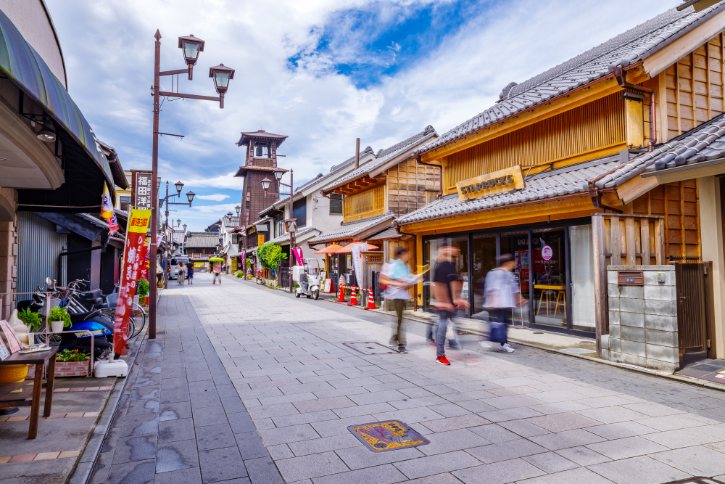
Kawagoe: Historic warehouse-style streets and great street snacks. About 30 minutes, direct (Tobu Tojo Line). Perfect for first-timers wanting something historic without complicated planning.
Chichibu: Nature, shrines, and an escape-from-the-city atmosphere. About 80 minutes on the limited express, direct (Seibu Railway). Best for hikers and scenery lovers.
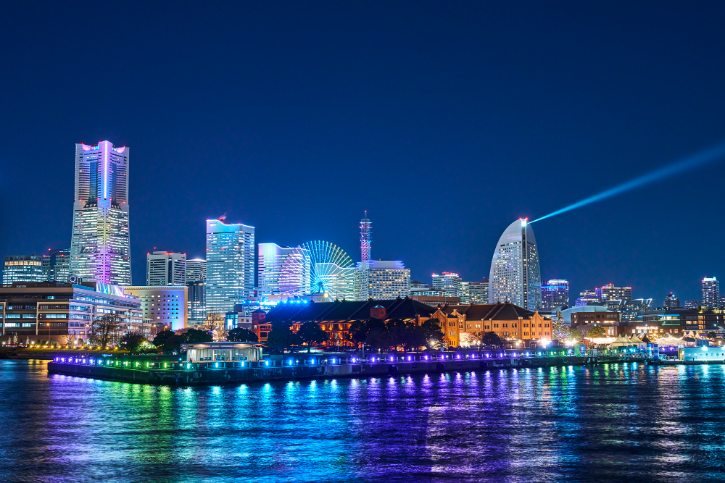
Yokohama: Harbor-city energy, waterfront views, and easy-to-navigate attractions. About 40 minutes, direct (JR Shonan-Shinjuku Line, some services run through directly). Great for a coastal-feeling day.
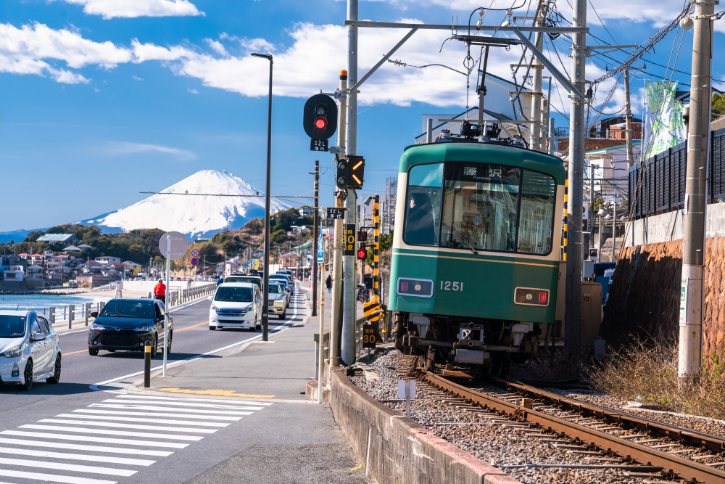
Kamakura: Classic temples and shrines with deep historic atmosphere. About 65 to 70 minutes, direct (JR Shonan-Shinjuku Line, some services run through directly). Best for history lovers wanting a temple day.
6. What It Feels Like to Stay in Ikebukuro
Think of Ikebukuro as a neighborhood where Tokyo feels usable.
During the day, it’s energetic but practical. Big department stores, everyday shopping, cafes, and that “I can handle my whole day within a few blocks” convenience. You won’t feel like you’re stuck in a quiet residential area with nothing nearby.
At night, the area doesn’t turn off. Dining streets and entertainment buildings stay lively, but everything still feels straightforward. You can eat well near your hotel, pick up essentials, and get back easily without turning every evening into a project.
Worth knowing: Ikebukuro’s east and west sides have distinct personalities. That matters when choosing your style of stay.
7. Things to Do in Ikebukuro
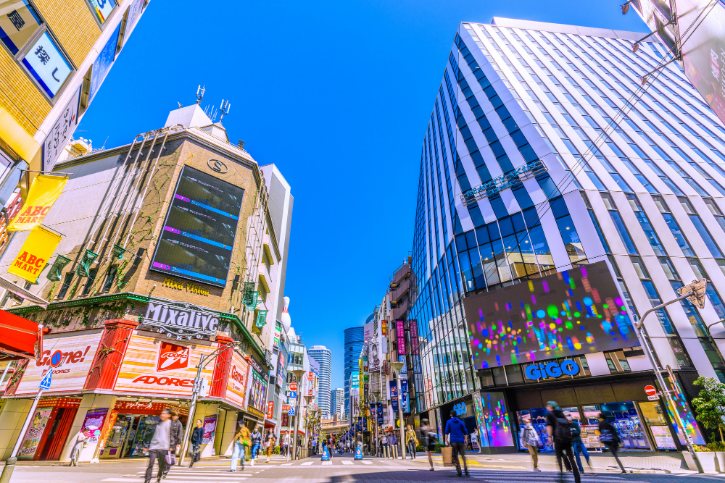
You don’t have to treat Ikebukuro as “just a bed”. There’s enough to fill a whole day here, especially if you need to recover from jet lag or want a lighter-paced afternoon.
- Sunshine City: Shopping, restaurants, an aquarium, and observation options. Can easily absorb a rainy afternoon.
- Hareza Ikebukuro: A modern culture-and-entertainment cluster for performances and events. Great evening plan without crossing the city.
- Tokyo Metropolitan Theatre: Performing arts right near the station for a cultural night out.
- animate Ikebukuro Flagship Store: A major anchor for anime and manga fans, and one reason many choose this neighborhood specifically.
- Department stores and station-adjacent shopping: Major stores flank the station, and exits feed directly into shopping complexes. Shop, eat, and be back at your hotel in minutes.
8. Where to Stay in Ikebukuro
Ikebukuro is not “one vibe”. The east and west sides feel different, and picking the right one makes a real difference.
a. East Side: Everything in One Place
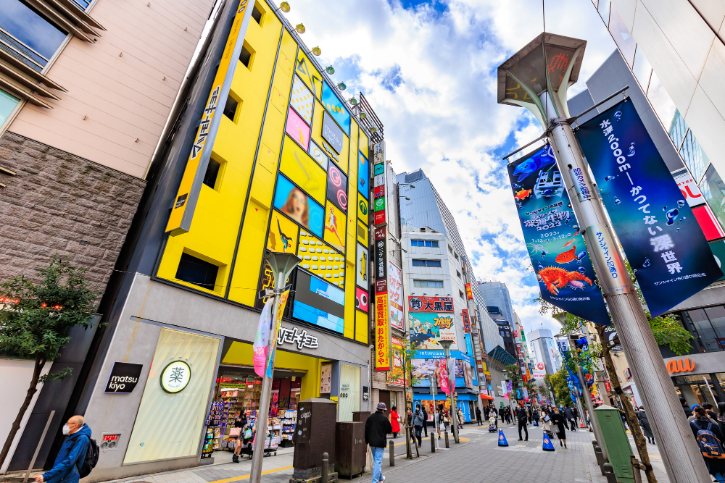
Connected to Sunshine City and dense shopping corridors. Also lines up well with airport bus stops.
Best for: First-time visitors who like big, clearly landmarked complexes. Shoppers who want to drop bags quickly. Families wanting a one-stop entertainment-and-dining zone.
b. West Side: Culture and a Different Pace
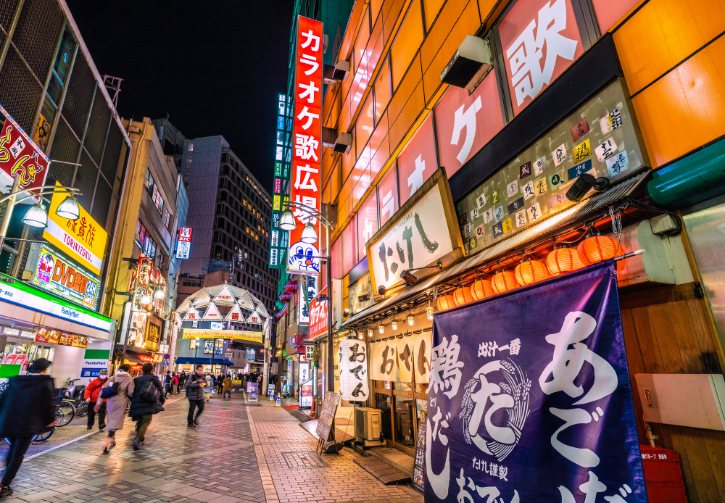
Connected to public spaces like Nishiguchi Park and cultural venues. The atmosphere feels more “commuter Tokyo” than “theme-park Tokyo”, which many repeat visitors actually prefer.
Best for: Travelers planning theatre nights. People who prefer parks and public plazas over malls. Anyone wanting a calmer feel while staying close to the hub.
c. The Simplest Rule for First-Timers
If you’re nervous about navigation, choose a hotel with a straight-line walk to one of Ikebukuro’s clear anchors: a large hotel listed as an airport bus stop, or a major complex like Sunshine City.
Even if the station feels huge on day one, your “home path” becomes automatic fast. Trust me, that makes a bigger difference than you’d think.
Related Posts

Photo Credit:
Photos by PIXTA