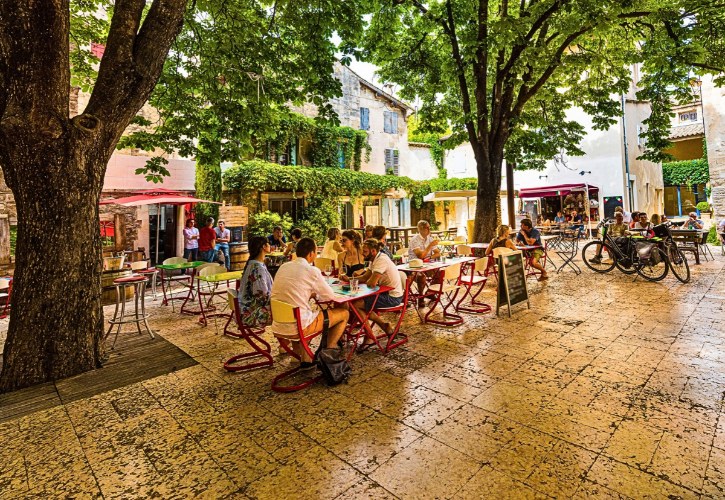
Picture a town where sunlight fills the stone lanes almost every day of the year, the same light that once drew Vincent van Gogh to the hills nearby.
In Saint-Rémy-de-Provence, 2,000 years of history, living art, and easy village life all fit inside one small, walkable center.
If you love beauty, culture, and a slower pace, this is the French art of living you can actually step into. 😊
1. Wander Through the Beautiful Streets of the Old Town
a. Step Into the Medieval Core
The center grew up inside a ring of old town walls, and that circular shape still shapes your walk. The wall is gone now, replaced by shaded boulevards circling a tight knot of narrow lanes.
b. The Streets and Squares to Seek Out
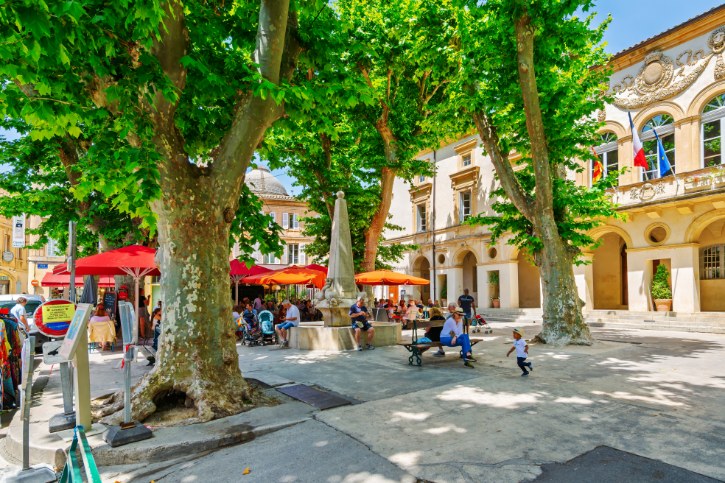
- Place Favier: a calm square with the Renaissance Hôtel Mistral de Mondragon and the Musée des Alpilles.
- Place Jules-Pélissier: home to the Town Hall, near the main church.
- Place de la République: the biggest, liveliest square, and the stage for the market and festivals.
- Rue Carnot and Rue Lafayette: the streets lined with galleries and makers.
- Fontaine Nostradamus: a handsome old fountain honoring the town’s most famous son.
c. The Small Details That Make It
Let the lanes surprise you, with their 15th and 16th-century townhouses, painted shutters, and a quiet corner or shaded fountain around almost every turn.
2. Experience One of Provence’s Finest Markets
a. Why Wednesday Is the Day to Arrive
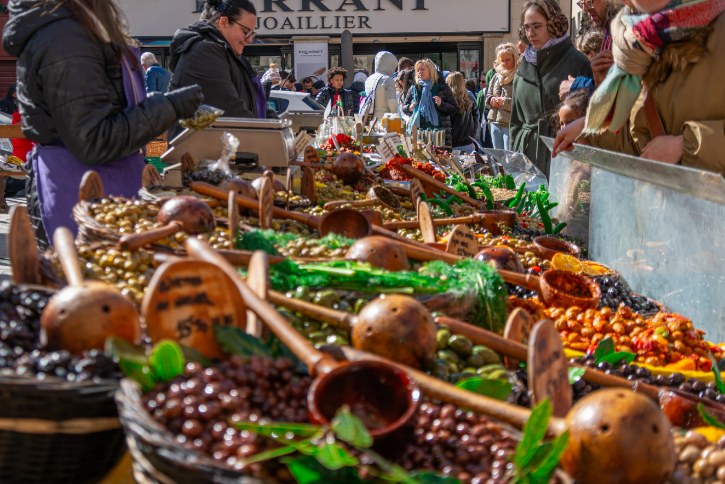
Every Wednesday morning, year-round, the Grand Marché Provençal turns the town into one of the best market days in the region. Head for Place de la République and the streets around it, where the stalls spill colorfully through the historic center.
b. What to Fill Your Basket With
- Seasonal fruits, vegetables, and aromatic herbs from the garrigue
- Farm cheeses, charcuterie, and regional sweets
- Tapenades and olive oils from local Salonenque and Grossane olives
- AOP Les Baux-de-Provence wines, with real roots in this soil
c. Two Quieter Markets Worth Catching
- Marché des Producteurs: Saturday mornings on Avenue de la Résistance, a smaller growers’ market.
- Marché nocturne des Créateurs: Tuesday evenings in summer, when artisans fill the squares.
- One tip: the Wednesday market pauses during the September village festivals, so check first.
3. Step Into Van Gogh’s World at Saint-Paul-de-Mausole
a. A Monastery With Two Lives
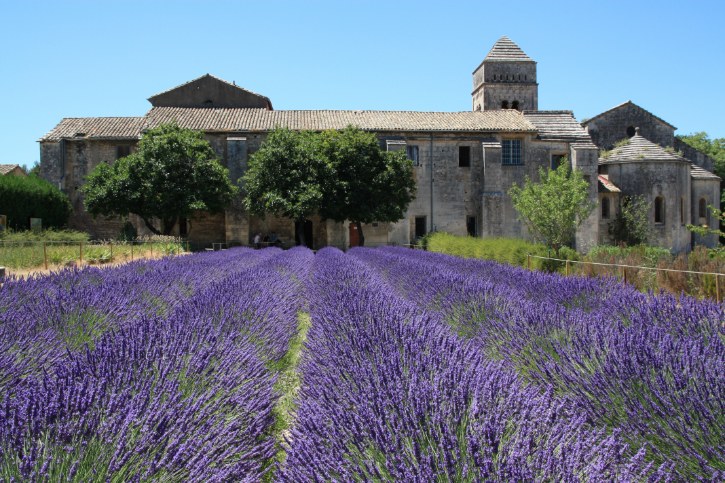
Just south of town, Saint-Paul-de-Mausole joins an 11th and 12th-century Romanesque cloister with a later history of psychiatric care. It is still an active healthcare site, so you explore the cultural areas while patient spaces stay private.
b. The Year That Shaped a Painter
- Van Gogh admitted himself here for treatment after his crisis in Arles, and stayed about a year.
- In that time he made about 150 paintings, a remarkable burst of work.
- Among them is The Starry Night, the view over his wheat field, painted from memory by day.
c. What You Can Actually See
- The Romanesque cloister and its flowering courtyard
- The church façade and a garden statue of Van Gogh
- Rooms on the hospital’s story and a reconstructed bedroom
- The walled garden that gave him irises, poppies, ivy, and pines
- No original paintings hang here, but faithful reproductions stand where he worked
4. Follow the Trail Through the Landscapes He Painted
a. A Short Walk Into His World
- A signposted self-guided route called Promenade dans l’univers de Van Gogh (A Walk into the World of Van Gogh)
- About 1.5 km (1 mile) and roughly 1 hour, with 19 reproductions of works he made in Saint-Rémy
- 19 reproductions of works he made in Saint-Rémy
- A leaflet from the Tourist Office on Place Jean Jaurès, plus the “Van Gogh Natures” app
- Each panel paired with extracts from his own letters
b. The Stops Inside Town
The walk starts in the center before heading south. Early stops like Self portrait and Almond blossom are studio works, while The Road Menders shows real outdoor work on a town boulevard.
c. Where the Paintings Meet the Land
Heading south along Avenue Pasteur, the countryside lines up with the canvases:
- Olive groves: Olive trees with the Alpilles in the background, Women Picking Olives
- Wheat and cypresses: A Wheatfield with Cypresses, The Reaper
- Rocky ground: The Ravine (Les Peiroulets)
- Limestone landmarks: Mont Gaussier and Le Rocher des Deux Trous
d. How It All Fits Together
His focus widened over the year, moving from the walled garden out to the open orchards and foothills. His letters show the light reshaping his palette, a pine trunk turned “pink and purple”, the hills in yellow, green, and violet.
5. Discover More Artistic Heritage at Musée Estrine
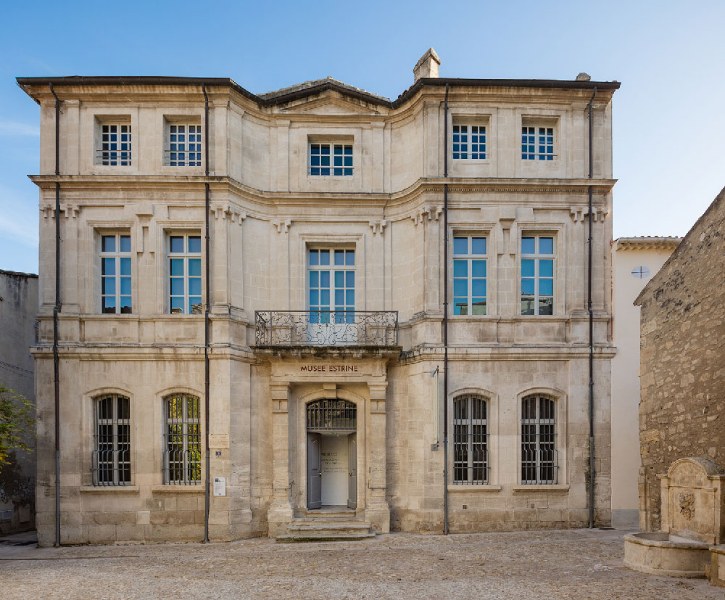
a. A Mansion Worth the Visit
The museum fills Hôtel Estrine, an 18th-century mansion once built to house the seat of the judicature of the Princes of Monaco. It later earned national Musée de France recognition.
b. The Art Inside
- A focus on 20th and 21st-century painting and graphic arts
- Albert Gleizes, a Cubism pioneer, with more than 30 works in two rooms
- The world’s largest collection of André Marchand, around 130 works
- Works by Bernard Buffet, Mario Prassinos, and Ossip Zadkine
c. Getting Closer to Van Gogh
- A dedicated Van Gogh Interpretation Center
- Built around his letters, historical photographs, and audio-visual displays
- Shows no original paintings, but works beautifully as context for the monastery and trail
6. Explore the Ancient City of Glanum and Les Antiques
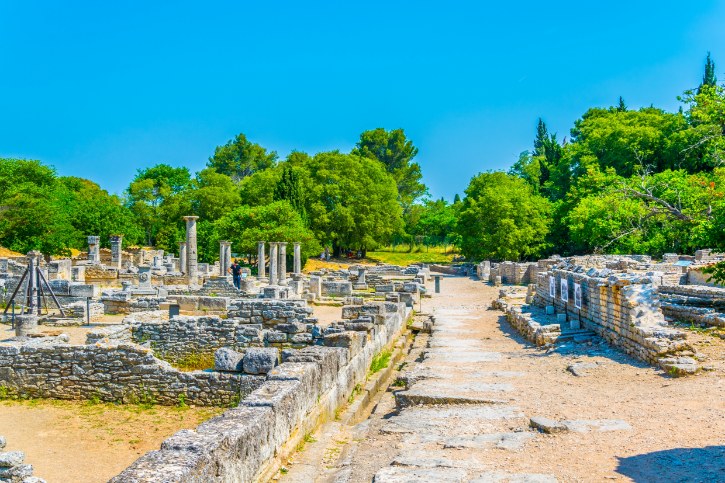
a. An Ancient City in Layers
Lying in a valley at the edge of the Alpilles, Glanum began as a Gallic settlement built around a sacred spring famed for healing waters. It later became a Roman city, and only part is uncovered, so Gallic and Roman layers sit side by side.
b. The Two Roman Monuments
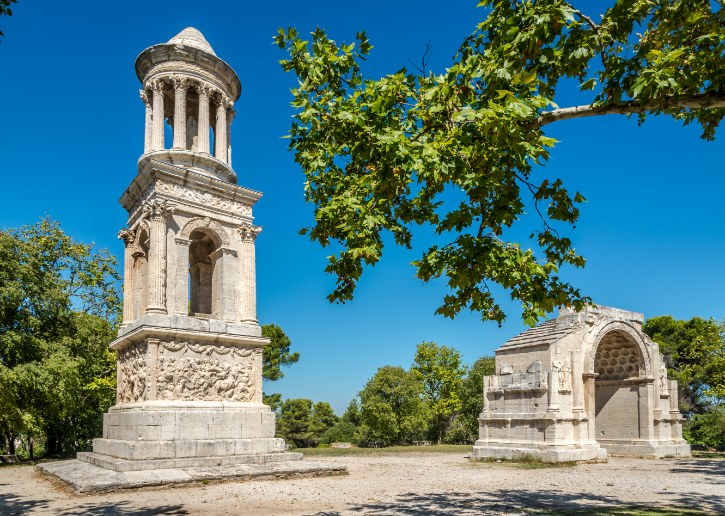
Just outside the old city stand two preserved monuments, together called Les Antiques:
- Mausoleum of the Julii: a limestone tower about 17 metres (56 ft) tall, one of the best-preserved Roman funerary monuments anywhere.
- Triumphal Arch: carved with Julius Caesar’s conquest of Gaul, and fruits and foliage of plenty.
c. Walking the Ruins
- The Sacred Spring, with stone steps still reaching the water
- The Forum, the public baths, and the council chamber
- Roman townhouses and earlier Gallic homes side by side
- Temples and the paved main street that linked it all
7. Uncover the History in the Town’s Old Buildings
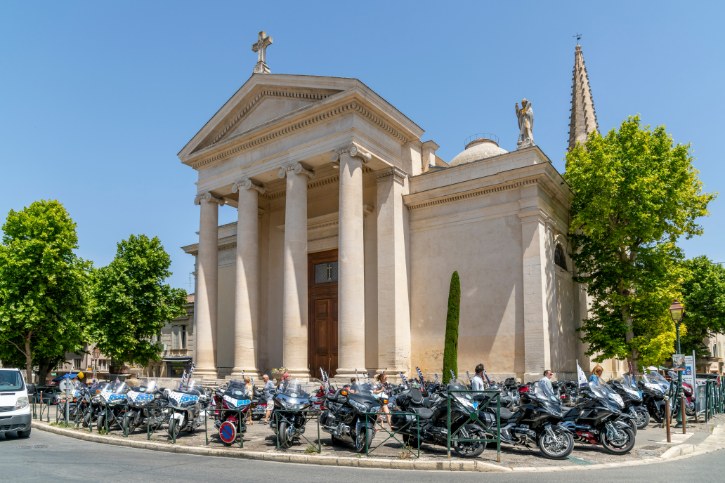
a. The Church That Echoes Rome
The Collégiale Saint-Martin on Boulevard Marceau was rebuilt in the 1820s in a neoclassical style by the architect Michel Penchaud, after the older church collapsed. Its Gothic bell tower survives from the original, and its large, renowned organ draws players to the summer Organa festival.
b. The Town Hall and Its Famous Son
- The Hôtel de Ville sits on Place Jules-Pélissier.
- Nostradamus, the town’s most famous son, was born here in 1503.
- You can see his birthplace at 6 Rue Hoche from the outside.
- The Fontaine Nostradamus sits on a narrow lane on Rue Nostradamus.
c. Two Grand Old Townhouses
- Hôtel de Sade (1 Rue du Parage): a layered residence now showing finds from Glanum.
- Hôtel Mistral de Mondragon (1 Place Favier): a Renaissance mansion, now the Musée des Alpilles.
d. Gateways and Fountains
The old town walls once ringed the center, and a gateway was cut through them in the 1700s. You can still spot wall fragments and an arched gate tucked among the lanes, quiet reminders of the town’s defensive past.
8. Learn About Traditional Provençal Life at Musée des Alpilles
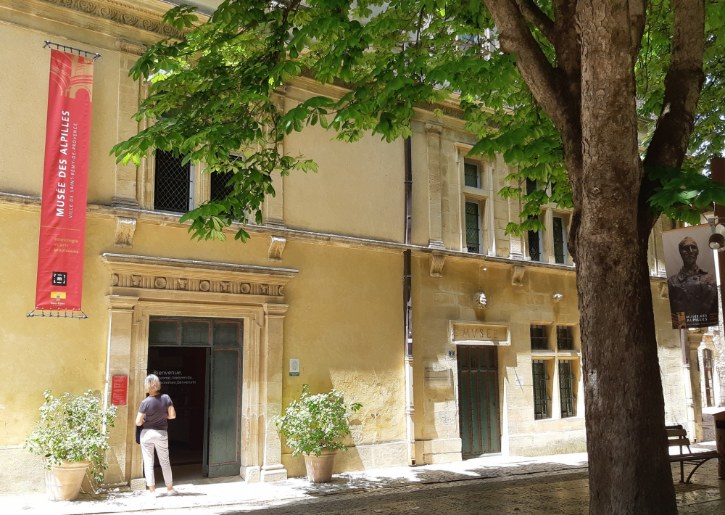
a. A Window Into Rural Life
Set inside the Renaissance Hôtel Mistral de Mondragon, this museum preserves the natural and everyday heritage of the Alpilles, showing how farmers and artisans shaped the land.
b. What’s on Display
- Fossils of the Hypselosaurus dinosaur that once roamed here
- Traditional Provençal costumes and Camargue bull-fighting culture
- Tools and trade stories of teasel, opium poppy, and seed cultivation
c. The Art Connection
- You’ll meet Van Gogh and Albert Gleizes, who both created celebrated work in Saint-Rémy
- Set alongside the everyday trades and crafts that shaped the region
- A chance to see past pretty façades into the working past of the Alpilles
9. Browse Art Galleries and Independent Artisan Shops
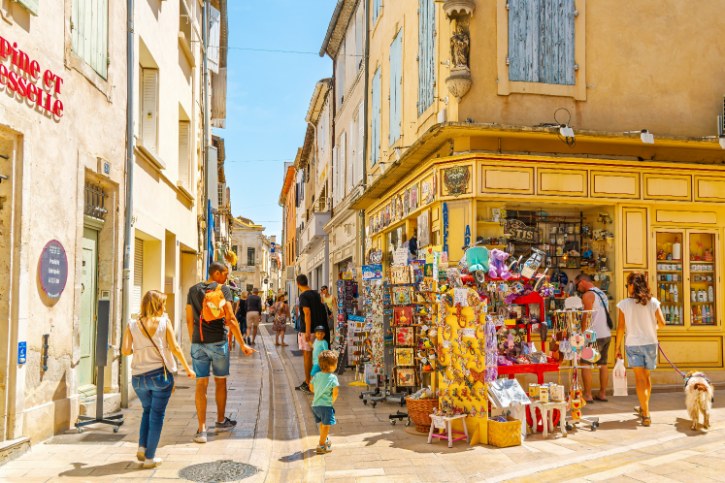
a. A Town That Still Draws Artists
Saint-Rémy has pulled in painters and sculptors for generations, and its center still holds an active community of galleries and working studios. The two streets to focus on are Rue Carnot and Rue Lafayette.
b. Galleries Worth Stepping Into
- La Caravane des Créateurs (4 Rue Carnot): a year-round cooperative run by the makers themselves.
- Vinturi Gallery (55 Rue Carnot): an art gallery of lively, movement-filled paintings.
- Galerie Les Antiques (36 Rue Lafayette): Provençal landscapes and sculpture.
c. Shopping for the Real Thing
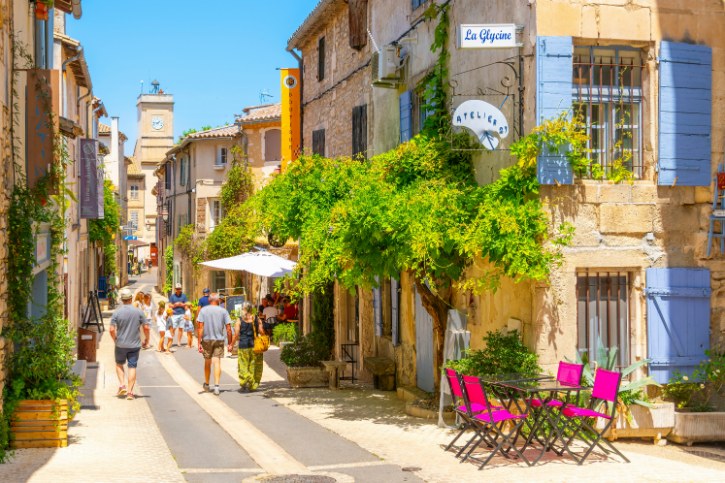
- Look for hand-sculpted santons figurines and other local crafts
- Buy from maker-run cooperatives to tell real work from imported souvenirs
- Catch the Tuesday evening makers’ market for a summer open-air showcase
10. Savor the Flavors of Provence and Its Olive Oils
a. The Flavors That Belong Here
Local cooking is built on Salonenque and Grossane olives, green and black tapenade, and wild thyme and rosemary from the garrigue. Coastal dishes like salade niçoise and bouillabaisse belong to the Nice coast, so treat olives, herbs, and tapenade as the true home flavors.
b. Where the Olive Oil Comes From
- Moulin du Calanquet (in Saint-Rémy): an active estate known for its oils and jams.
- L’Atelier de l’Olive (in Saint-Rémy): a shop with a tasting bar for olives and oils.
- Moulin Cornille (in nearby Maussane-les-Alpilles): a historic mill with an olive exhibition.
- Moulin CastelaS (near Les Baux-de-Provence): known for mill tours and acclaimed tapenades.
c. What to Taste and Take Home
- Local olives, tapenades, and HVE-certified olive oils
- Regional cheeses, charcuterie, and AOP Les Baux-de-Provence wines
- A simple olive oil tasting with good bread on a shaded square
- Heads-up: black olives from Nyons and calissons from Aix actually come from outside the area
11. Escape Into the Landscapes of the Alpilles
a. The Scenery Around You
Saint-Rémy sits on the northern flank of the Alpilles, a white limestone range likened to an overturned boat keel. Just south of town, crags rise above garrigue scented with thyme, olive groves, and vineyards.
b. A Protected Natural Playground
- The Parc naturel régional des Alpilles protects 51,000 hectares across 16 towns.
- It records around 1,000 plant species and 150 nesting bird species.
- Flagship birds include Bonelli’s Eagle and the Egyptian Vulture.
- A signed network of marked trails crosses the massif.
c. Easy Ways to Enjoy It
- A gentle walk to the Lac de Peïroou reservoir
- The short, scenic Van Gogh Trail
- Cycling routes supported by the park’s hospitality network
- Remember that massif access is restricted in high summer for fire prevention
d. The Views Worth the Climb
- Mont Gaussier, looking over the olive groves
- Le Pas de l’Aigle and Le Rocher des Deux Trous near town
- Tour des Opies, an old fire lookout, with clear-day views across the massif
12. Slow Down and Live the French Art of Living
a. Settle Into the Pace
The whole point here is to stroll without hurry along shaded boulevards and fountain squares. Choose Place Favier for quiet and Place de la République for life and bustle.
b. The Celebrations to Time a Visit Around
- Fête de la Transhumance: Whit Monday, when flocks move toward the mountains.
- Feria and the August 15 Procession: Camargue horses and a wagon drawn by 50 heavy horses.
- Organa organ concerts at the Collégiale Saint-Martin.
- Village festivals in September, when the Wednesday market shifts.
c. Living Like a Local
- Place de la République is the town’s real heart, for markets and warm summer evenings
- The lifestyle is simple, friendly chats with vendors and unhurried meals in shaded gardens
d. One Last Thought
What sets Saint-Rémy apart is how easily ancient history, living art, wild nature, and slow daily life share one small town. Put the phone away, linger on a shaded square, and let the light and the local rhythm decide your day. You will find a rare and restful corner of Provence.