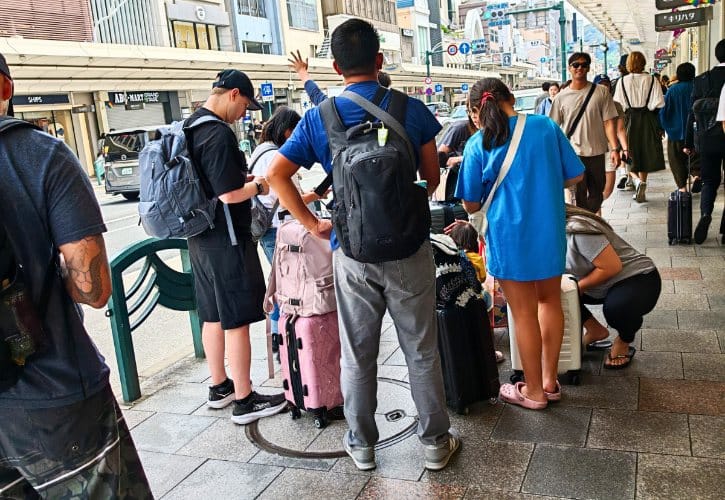
Osaka and Kyoto are as captivating as ever, but the way you travel through them has quietly shifted. Even if you visited not long ago, some of the rules you remember have already moved on.
A few recent updates can shape your plans in small but real ways, and they are easy to miss if you are not looking for them.
Here are the 10 things worth knowing before your next trip.
1. Osaka Has Frozen New Airbnb Style Rentals
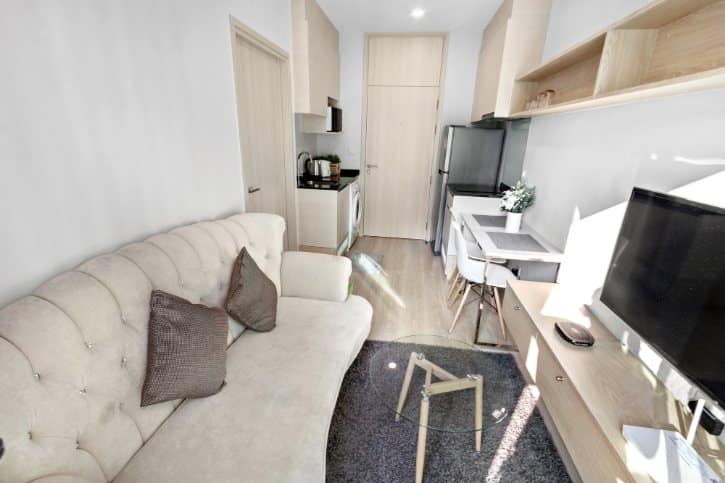
If you love staying in apartment style lodging, this one matters. Osaka has tightened its rules on private short term rentals, the kind often booked through Airbnb.
First, a quick word on the term. Minpaku means private short term rental accommodation, a popular alternative to traditional hotels.
a. What changed
- On May 29, 2026, the Osaka City government suspended all new applications for Special Zone Private Lodging (known as tokku minpaku).
- Under the National Strategic Special Zone system, set up in 2014, Osaka was exempt from Japan’s national rental law, which caps short term rentals at 180 days per year.
- That special status let approved properties run all year, which is why Osaka ended up hosting over 90% of all special zone short term rentals in the country.
- The freeze came after a sharp rise in complaints. In fiscal year 2024, the city logged 399 formal complaints about noise, improper garbage disposal, and clashes in residential areas, double the year before.
- Osaka City, along with 29 other municipalities in Osaka Prefecture, stopped taking new applications.
Here is the important part. This is not a full ban. It only stops new applications.
- Existing certified properties can keep operating legally.
- Those legal stays still have to charge Osaka’s standard municipal accommodation tax.
b. How it affects you
- Fewer new listings will appear, so legal private lodging gets harder to find.
- The market now leans more toward licensed hotels and certified operators.
c. What to do
- Look for a valid municipal registration or certification number on the listing page.
- Avoid uncertified or illegal rentals, since they carry a real risk of sudden cancellation.
- Lean toward licensed hotels, traditional ryokan, or certified serviced apartments.
- During busy seasons, keep a fully refundable backup hotel booking, just in case.
Do not assume every Airbnb style stay is illegal. Plenty are still perfectly legal. You just need to check.
Read More:
2. Hotel Taxes Are Going Up in Osaka and Kyoto
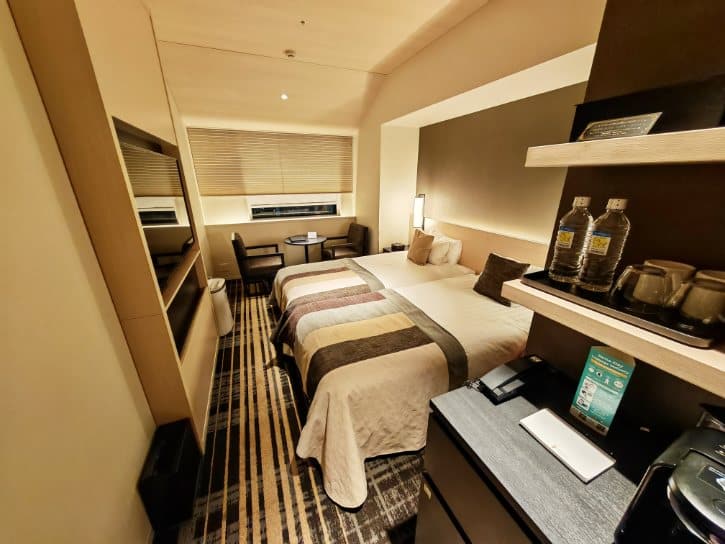
Both cities have updated their accommodation taxes, and for some travelers, hotel stays now cost more.
Two things to know up front:
- This tax is charged per person, per night, not per room.
- It is separate from the room price and from normal consumption tax, so it often appears at check in or check out.
a. What changed
- Osaka updated its rates and lowered its tax free threshold on September 1, 2025. Stays are now exempt only if the room rate is under ¥5,000, down from under ¥7,000. That brings more budget stays into the taxable range.
- Kyoto brought in a steep five tier system on March 1, 2026. There is no exempt category, so even a budget room under ¥6,000 carries a ¥200 nightly tax per person.
- In both cities the tax applies to hotels, ryokan, and licensed minpaku rentals.
- In Kyoto, children are also taxed if their stay carries a charge. Children sharing a parent’s bed at no extra cost are exempt at some major hotel chains.
b. The rate tables
Here is how the two cities compare, per person, per night, based on the room rate:
- Under ¥5,000: Osaka exempt, Kyoto ¥200
- ¥5,000 to ¥5,999: Osaka ¥200, Kyoto ¥200
- ¥6,000 to ¥14,999: Osaka ¥200, Kyoto ¥400
- ¥15,000 to ¥19,999: Osaka ¥400, Kyoto ¥400
- ¥20,000 to ¥49,999: Osaka ¥500, Kyoto ¥1,000
- ¥50,000 to ¥99,999: Osaka ¥500, Kyoto ¥4,000
- ¥100,000 and above: Osaka ¥500, Kyoto ¥10,000
Notice how Kyoto’s top tiers climb fast on luxury rooms, while Osaka stays flat at ¥500.
c. How it adds up
A few simple examples:
- Budget traveler: A guest in an Osaka hostel at ¥8,000 a night pays just ¥200 nightly.
- Luxury guest in Kyoto: A couple in an ultra luxury suite priced at ¥120,000 a night pays ¥10,000 per person, per night. That is ¥20,000 a night, or ¥140,000 for a one week stay, added straight to the bill.
A small per night tax can grow quickly once you multiply it across people and nights.
d. What to do
- Check whether the tax is included in your booking quote. Most online booking engines do not include it.
- Set aside cash or card to pay it directly at the property.
Read More:
3. Large Suitcases Are Not Welcome on Kyoto City Buses
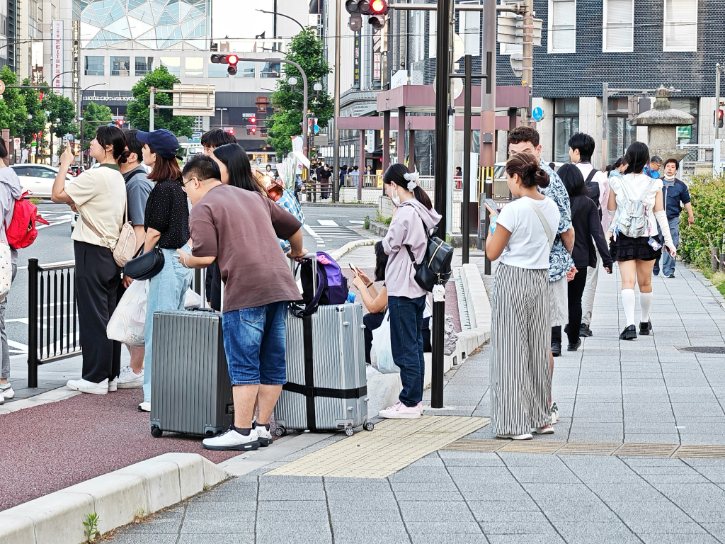
Kyoto now strongly discourages travelers from bringing big suitcases onto its city buses.
To be clear, there is no legal fine here. But it is an actively enforced transport restriction, so it can still affect your day.
a. Why this exists
Kyoto’s city buses are packed with local commuters, elderly residents, and school children. Big luggage causes real problems:
- Blocks aisles and doors.
- Slows down boarding.
- Creates safety hazards on crowded buses.
This matters most right after check out or just before check in, when you are still carrying everything.
b. What is actually enforced
- Over 90% of Kyoto’s city buses now display an exterior decal of a suitcase marked with a red X.
- Drivers and transit staff are authorized to deny boarding to passengers carrying obstructive baggage.
- This affects large hard shell suitcases, multiple bulky bags, and oversized hiking backpacks.
- Crowding is worst on routes from Kyoto Station to sightseeing hubs like Gion, Kiyomizu-dera, and Arashiyama.
c. Smarter ways to move your bags
Kyoto wants you to travel hands free, and the city makes it easy:
- Use the official Hands-Free Kyoto delivery and storage service.
- Drop bags at Kyoto Station counters such as Crosta Kyoto and have them forwarded to your hotel for same day delivery.
- Ride Kyoto’s two subway lines instead, since they are far more spacious.
- Take a taxi when moving between accommodations.
- If you do carry a backpack on board, hold it in front or on your lap rather than on your shoulders.
4. Gion Is Cracking Down on Private Alleys
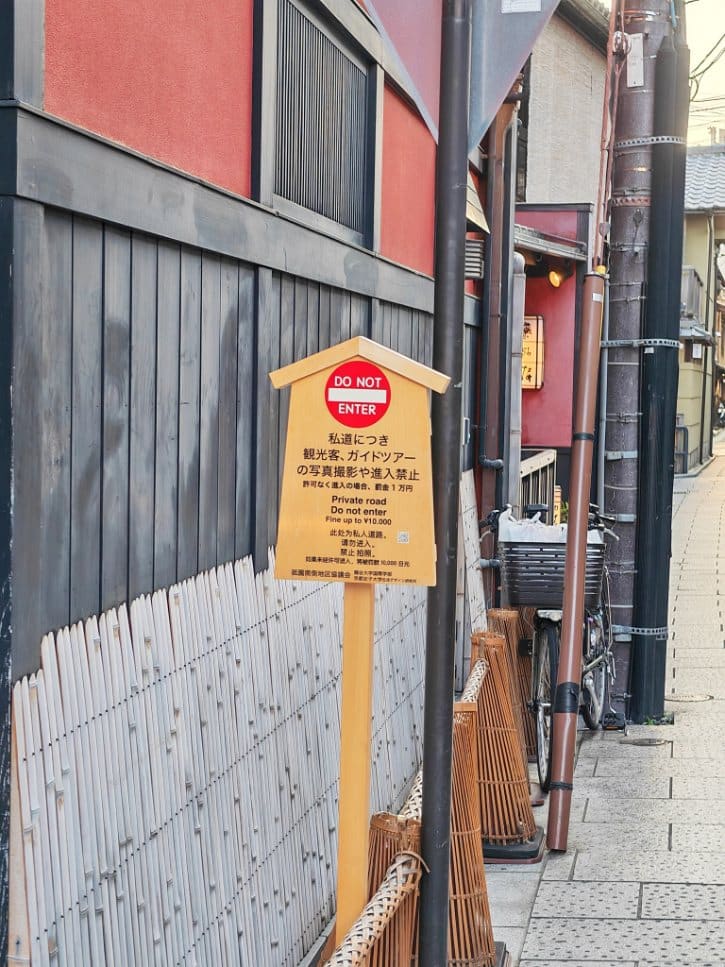
Let me clear up a common myth first. Gion is not closed to tourists. The crackdown is about private lanes, not the whole district.
a. What changed
- Kyoto authorities and the Gion neighborhood council have stepped up enforcement of entry and photography bans on private streets (shido).
- This is a response to tourists crowding residential paths, entering private property, and harassing working geiko and maiko for close up photos.
- Wandering into these private alleys is now strictly prohibited, with an on the spot fine of ¥10,000.
b. Where the rule applies
- It covers private residential lanes and narrow side alleys branching off the main streets, especially around Hanamikoji-dori.
- It affects all tourists, walking tour groups, and photographers.
c. What stays open
Plenty of Gion is still fully yours to enjoy:
- The main Hanamikoji Street.
- Yasaka Shrine.
- Gion Corner.
- Public restaurants and streets throughout the area.
d. Signs and fines
- Watch for multilingual signs with warning text and a camera icon crossed by a red slash, posted at the entrances of restricted lanes.
- Step into a quiet residential alley for a photo and you can be stopped by community patrols, property owners, or local authorities, and handed a ¥10,000 citation.
e. How to visit respectfully
- Stay on the main public streets.
- Never cross a sign marking a private road or no entry.
- Never chase, corner, or touch geiko and maiko.
- Do not take close up photos without clear consent.
- To see traditional geisha performances the right way, book tickets for authorized public dances or formal cultural experiences arranged through licensed ryokans.
5. Damaging Bamboo and Heritage Sites Is Now Treated as a Crime
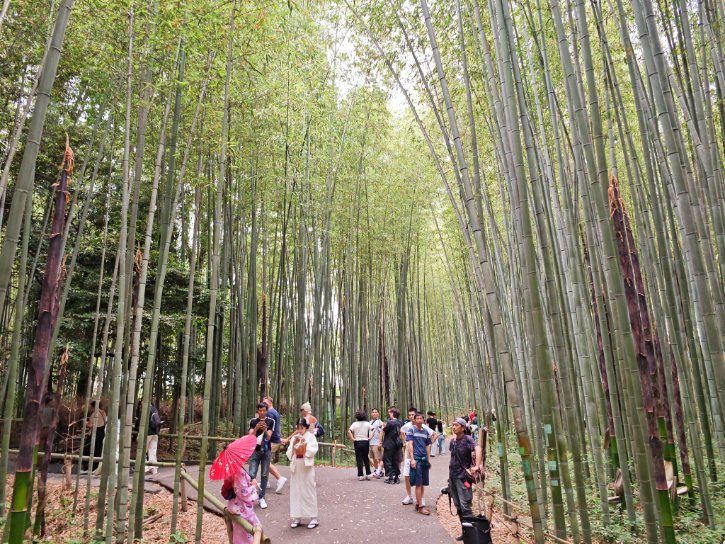
This is not just about manners. Kyoto is now taking damage at its cultural sites seriously, and the consequences are real.
a. What changed
- Kyoto authorities and police have adopted a strict enforcement policy against property damage and vandalism at historical, natural, and heritage sites.
- This follows repeated incidents at the Arashiyama Bamboo Grove, where hundreds of historic bamboo stalks were permanently scarred by tourists carving names, initials, dates, and symbols into the bark.
- Under Japanese criminal law, these actions are prosecuted as property damage and vandalism, with the possibility of formal arrest, criminal charges, and heavy financial restitution.
b. Where it applies
This covers all visitors, local and international, across Kyoto’s:
- UNESCO World Heritage sites.
- Bamboo groves.
- Zen gardens.
- Sacred temple grounds.
c. Why it matters
- Carving into living bamboo can damage or kill it.
- To repair the landscape, the city has had to cut down dozens of badly vandalized stalks, which thins out the grove.
- Carve initials into a living bamboo stalk or scratch graffiti into a temple structure, and you will not just be scolded. You can be detained by patrols or police and put through formal legal proceedings.
d. How to visit responsibly
- Stay strictly on marked stone paths and boardwalks.
- Never step past wooden fences, ropes, or bamboo barriers.
- Never touch, deface, or lean on fragile historic materials.
- For a calm, crowd free experience, visit at sunrise or early morning.
6. Smoking on the Street Can Get You Fined in Osaka and Kyoto
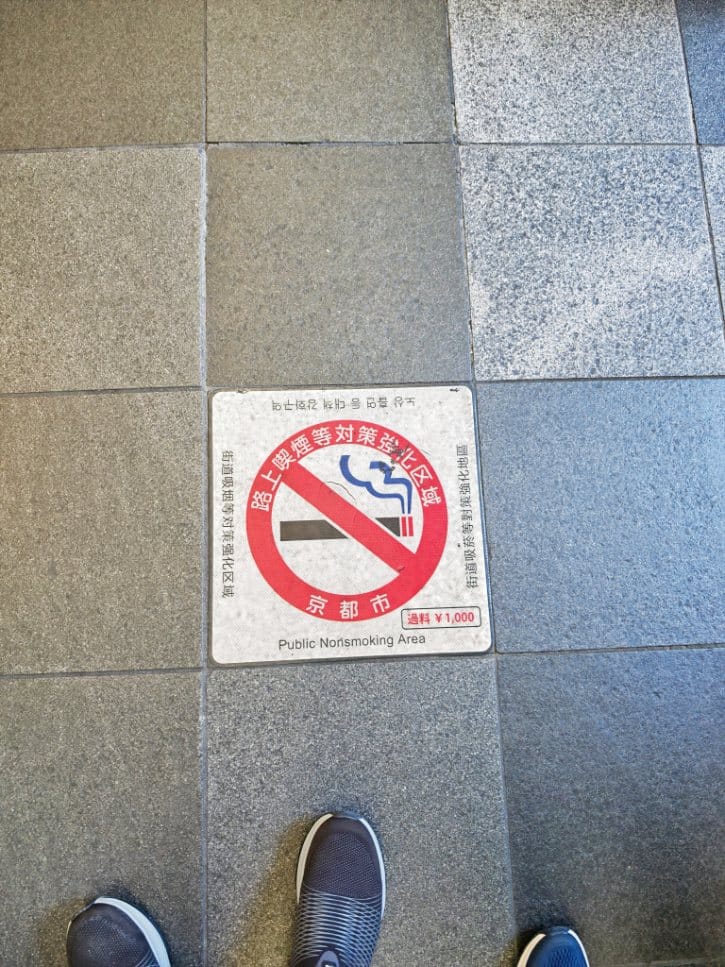
Heads up if you smoke or vape. Outdoor smoking is not automatically allowed in these cities, and tourists are not exempt.
a. What changed
- Osaka brought in a full citywide street smoking ban on January 27, 2025. It expanded the ban from a few tourist wards to every public street, plaza, and park.
- Kyoto enforces similar strict bans across its central districts and historical preservation zones.
- Break the rule in either city and you face an immediate, non negotiable ¥1,000 fine.
b. Vapes count too
- The rules also cover heated tobacco devices and vapes, which are treated the same as regular cigarettes under these local ordinances.
- Light up on a sidewalk in Osaka’s Shinsaibashi shopping district or near Kyoto’s Kiyomizu area, and uniformed enforcement officers who patrol these zones can fine you ¥1,000 on the spot.
c. Where you can smoke
Smoking is allowed only in:
- Indoor smoking rooms in hotels, restaurants, and department stores.
- Designated outdoor smoking booths, marked by distinct blue signage.
Osaka is building over 140 of these designated smoking zones for residents and visitors.
d. What to do
- Never smoke or vape while walking or standing in open public space.
- Look for official smoking booths, or ask hotel staff where the nearest one is.
7. Bicycle Fines Are Now Real Under the Blue Ticket System
Planning to rent a bike in Kyoto or Osaka? Japan’s bicycle enforcement just got much stricter.
a. What changed
- The National Police Agency introduced the Blue Ticket system (officially the Traffic Violation Notice System) for cyclists, effective April 1, 2026.
- Before this, police mostly handed out informal warning leaflets. Now they can issue formal on the spot fines, much like the rules for cars.
- It applies to cyclists aged 16 and older, including tourists on rental bikes, on all public roads, paths, and sidewalks nationwide.
b. What gets you a ticket
You can be pulled over and fined for things like:
- Checking your phone while riding.
- Riding on the wrong side of the road.
- Running a red light.
- Failing to stop at a marked intersection.
c. Blue ticket vs red ticket
- A Blue Ticket is a fixed fine for minor offenses.
- A Red Ticket is for more serious cases, such as cycling under the influence of alcohol. It skips the administrative fine and goes straight to criminal prosecution.
- Repeat offenders who collect multiple Blue Tickets within a set period are legally required to attend bicycle safety training.
d. What to do
- Obey all signals, stop signs, and direction markings.
- Never hold or look at your phone while pedaling.
- Turn your headlight on after sunset.
- Park only in designated municipal parking lots. Bikes left on sidewalks or near stations get impounded, and you pay a retrieval fee to get them back.
8. Visa Fees Are Rising for Some Travelers
Here is the good news first. Many tourists will not be affected by this at all.
a. What changed
- From July 1, 2026, Japan’s Ministry of Foreign Affairs has raised its official visa application fees.
- Single entry visas jumped fivefold, from ¥3,000 to ¥15,000.
- Multiple entry visas rose from ¥6,000 to ¥30,000.
b. Who actually pays
This affects:
- Travelers from countries without a visa waiver agreement with Japan.
- People applying for long term study, work, or specialized residency
It does not affect:
- Tourists from visa exempt countries, including the United States, United Kingdom, Canada, Australia, EU nations, and Singapore, for short term tourism of up to 90 days, since they do not need a visa at all.
For example, a citizen of a non exempt country applying for a single entry tourist visa pays the ¥15,000 consular fee, on top of any charges from third party application centers.
c. A possible future change
Japan is discussing a proposed electronic travel authorization system for currently visa exempt travelers, similar to systems in the US and Europe. For now this is only under discussion, not active, and no fee has been confirmed.
d. What to do
- Check the official Embassy of Japan website for your country to confirm whether you need a visa.
- If you do, budget for the higher fee and apply two to three months ahead, since expedited service is generally not available.
- Remember that agency service charges are separate from the official fee.
9. The Departure Tax Is Tripling
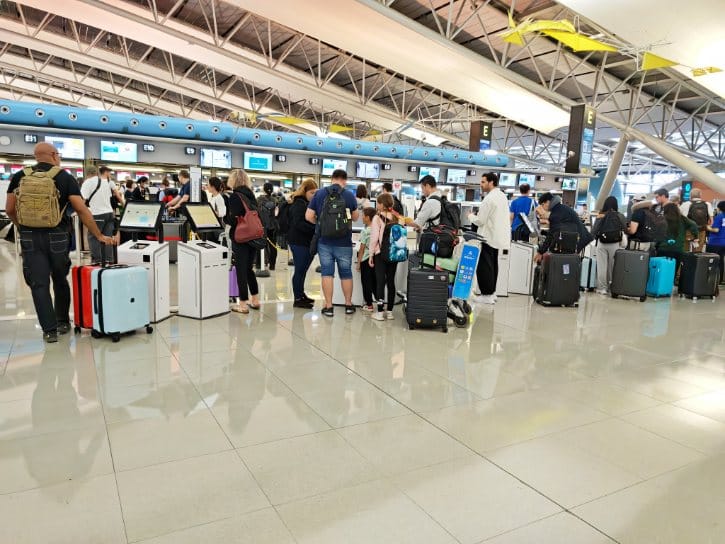
When you leave Japan, you pay a small exit tax. From mid 2026, it costs more. This one is nationwide, not an Osaka or Kyoto tax.
a. What changed
- Japan raised its International Tourist Tax, often called the Sayonara Tax, effective July 1, 2026.
- First introduced in 2019 at ¥1,000, it has now tripled to ¥3,000 per person.
- The money funds national tourism efforts like overtourism measures, airport upgrades, historical restoration, and multilingual digital resources.
b. Who pays and who does not
- It applies to all departing travelers aged two and older leaving Japan by air or sea, no matter the nationality, visa status, or cabin class.
- This includes everyone flying out of Kansai International Airport (KIX), the main gateway for Osaka and Kyoto.
- Exemptions apply to infants under two, and to transit passengers who connect through a Japanese airport and leave within 24 hours without clearing immigration.
c. How much more it costs
- A family of four leaving KIX on or after the effective date now pays ¥12,000 total, compared to ¥4,000 before.
- The jump adds up fastest for families and groups.
d. What to do
- You usually do not pay this separately at the airport, since it is bundled into your ticket price.
- There is a transition rule. The old ¥1,000 rate still applies if your ticket was issued on or before June 30, 2026, even if you depart later.
- Review your airfare receipt to confirm the correct amount, especially if you rebook around the changeover date.
10. Tax Free Shopping Is Getting a Major Overhaul
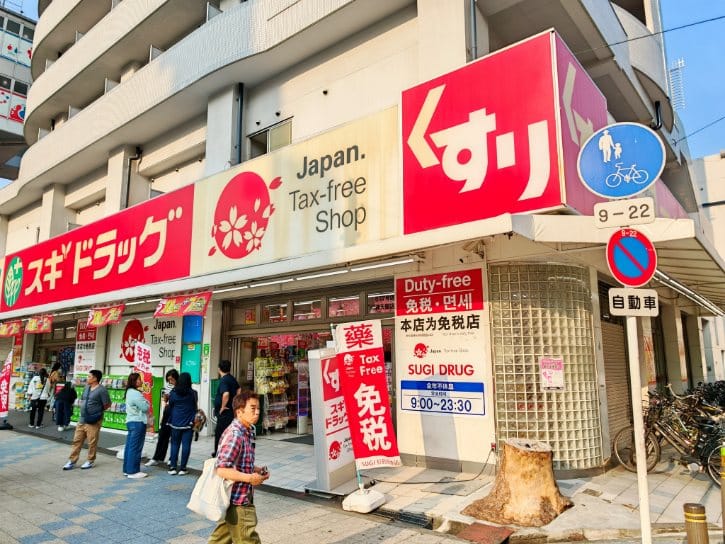
If you love duty free shopping in Japan, read this carefully. The whole system is changing, and it affects your airport timing, your receipts, and how you pack.
a. What changed
- From November 1, 2026, Japan switches from an instant register discount model to a pay first, refund at departure
- The change is meant to stop consumption tax fraud and illegal resale of tax free goods.
- The new system also scraps the old split between “general goods” and “consumables”, removes the sealed plastic packaging requirement, and ends the ¥500,000 daily purchase limit on consumables.
b. Old system vs new system
Old system (until October 31, 2026):
- Tax exemption: instant discount at the register
- Consumables packaging: sealed plastic bags required, cannot open
- Consumables limit: ¥500,000 daily limit per store
- Product categories: split into “general goods” and “consumables”
- Using items in Japan: banned for consumables
New system (from November 1, 2026):
- Tax exemption: pay full price in store, refund at airport customs
- Consumables packaging: sealed bag requirement abolished
- Consumables limit: daily purchase limit abolished
- Product categories: category distinction removed
- Using items in Japan: opening items allowed, but exit verification still required
c. How it works now
- You pay the full tax inclusive price at the register.
- You keep all your receipts, digital or physical.
- You show your goods and receipts to customs at the airport before departure.
- You then claim your 10% refund in cash or back to your card.
For example, buy ¥80,000 of electronics and cosmetics in Osaka and you pay ¥88,000 in store. To get the ¥8,000 refund, carry the items to KIX, present your passport and receipts at the customs refund counter, and have the goods verified before you board.
One more catch. Items shipped directly to your home address from the store no longer qualify for the standard on site airport refund under the new cargo rules.
d. What to do at Kansai International Airport
- Keep all receipts together in a dedicated travel pouch.
- Allow extra check in time at KIX for customs verification.
- Most importantly, show tax free goods to customs before you put them in checked luggage, or your refund can be denied.