
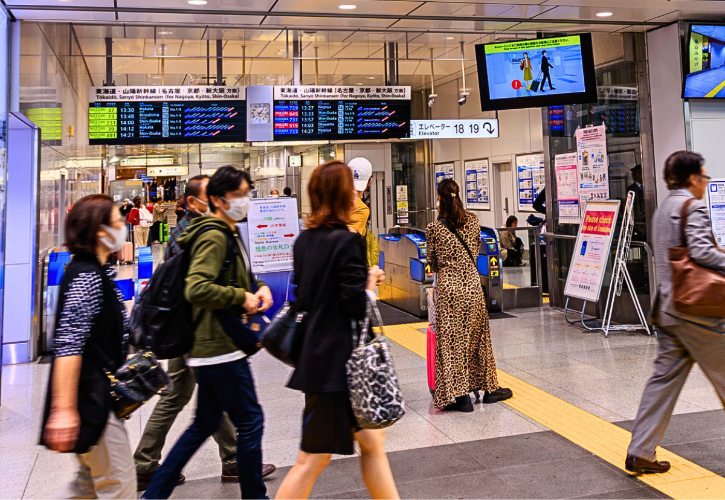
Japan’s trains are famous for good reason. They are fast, they run on time, and the whole system is beautifully organized.
But for a first-time visitor, a single trip can still feel confusing, because it may involve several railway companies, different ticket types, a few train categories, separate reservation systems, and even luggage rules.
Get one small thing wrong and it can cost you money, a missed train, a surprise charge, luggage trouble, a long stand, or a stressful transfer.
Let’s walk through the mistakes so you can skip them. 😊
1. Assuming the Nationwide JR Pass Is Always Worth Buying
a. Why it is no longer an automatic buy
For years, the nationwide Japan Rail Pass felt like a default purchase for any multi-city trip. That has changed. A major price restructuring by the JR Group reshaped the math, so today the pass is one option to calculate, not an easy money-saver.
b. What the pass is
The pass is sold for consecutive calendar days, in 7-day, 14-day, and 21-day versions, in Ordinary (standard) and Green Car (first class). Because the clock runs on days in a row, the value drops fast when your long-distance trips are spread out with local sightseeing in between.
c. What it covers, and what it does not
The pass covers almost all JR Shinkansen, limited express, rapid, and local trains, plus the Tokyo Monorail, the JR West Miyajima Ferry (not the ¥100 visitor tax), and local JR city buses. It does not cover:
- Municipal subways
- Private railways such as Odakyu, Tobu, Kintetsu, or Hankyu
- Non-JR airport express lines
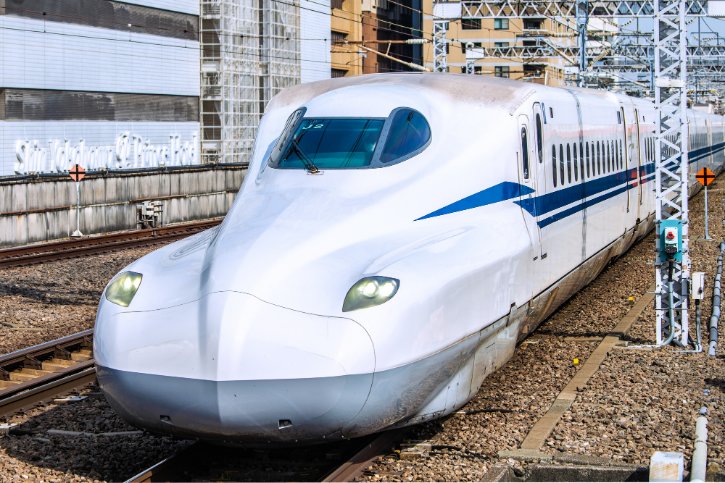
- The Nozomi and Mizuho trains
d. Consider a regional pass instead
Because the nationwide pass is pricey, regional passes are often smarter for a focused trip.
On March 14, 2026, JR East merged its older passes into an expanded JR EAST PASS (5 days ¥35,000, 10 days ¥50,000).
Other strong options include the JR West Kansai-Hiroshima Area Pass (5 days, ¥17,000, and it includes Nozomi between Osaka and Hiroshima) and the Hokuriku Arch Pass (7 days, ¥35,000). To use any pass, you need a “Temporary Visitor” entry stamp in your passport.
e. How to decide
Do not guess. List every planned long-distance trip and compare:
- Individual JR fares
- The nationwide pass price
- Any relevant regional pass
- Private railway and subway costs the pass will not cover
- Extra Nozomi or Mizuho tickets you would need
Add up only the journeys a pass would actually cover, for the exact consecutive days you would travel. Buy it only if that total beats the pass price. For a region-focused trip, check the regional passes first.
2. Buying Only the Basic Fare and Missing a Required Supplementary Ticket
a. The layered ticket system
Japanese tickets come in layers. Paying for the distance from A to B does not automatically buy you a seat on a faster train, a reserved seat, or a premium carriage.
b. Fare plus surcharge
Every JR trip starts with the Basic Fare (joshaken), based on distance. Local asnd rapid trains usually need only this.
But a Shinkansen or Limited Express (Tokkyu) also needs a Limited Express Surcharge Ticket (tokkyuken). Reserved seats, Green Car, and premium GranClass each add their own charge on top.
You may get two paper tickets or one combined booking, so keep both papers together if you have them.
c. Your IC card does not cover it all
Tapping a Suica, Pasmo, or ICOCA only pays the basic fare. It does not buy the limited express surcharge. Board a Shinkansen or premium express with just an IC tap and you can be asked to pay the difference or leave the train. Two private examples to remember:
- Odakyu Romancecar to Hakone needs the basic fare plus a separate Romancecar surcharge. Digital “ticketless” surcharges run ¥50 cheaper than paper (as of October 2025).
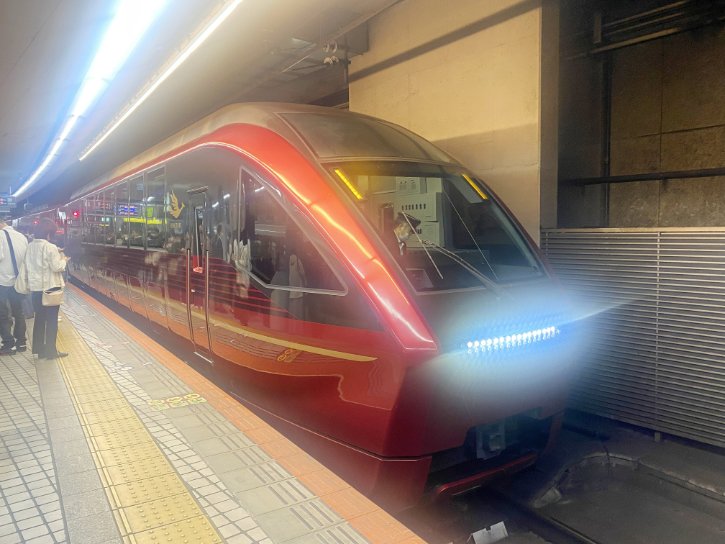
- Kintetsu premium trains like the Hinotori or Shimakaze need the basic fare plus a limited express and special car surcharge.
d. How the transfer gates work
Moving from a regular JR line to the Shinkansen means using the dedicated Shinkansen transfer gates. How you pass depends on what you hold:
- Two paper tickets: stack them and insert both together. The gate returns them on the far side.
- IC card plus paper Shinkansen tickets: insert the paper tickets first, then touch your IC card.
- SmartEX linked to your IC card: just touch that one card. The local fare comes off the card, the Shinkansen fare goes to your linked credit card.
e. Before you board
Confirm your purchase includes the basic fare, the train surcharge, any seat reservation, and any class charge. On paper, look for the tokkyuken (特急券) sitting next to the joshaken (乗車券).
3. Confusing Local, Rapid, Express, and Limited Express Trains
a. Categories describe stops, not lines
Train “categories” describe stopping patterns and speed, not separate rail lines. Board the wrong one and you can fly past your station or owe a surcharge you did not expect.
b. The usual order, most stops to fewest
- Local (Futsu): no surcharge, stops at every station, slowest.
- Rapid (Kaisoku): no surcharge, skips minor stations, faster overall.
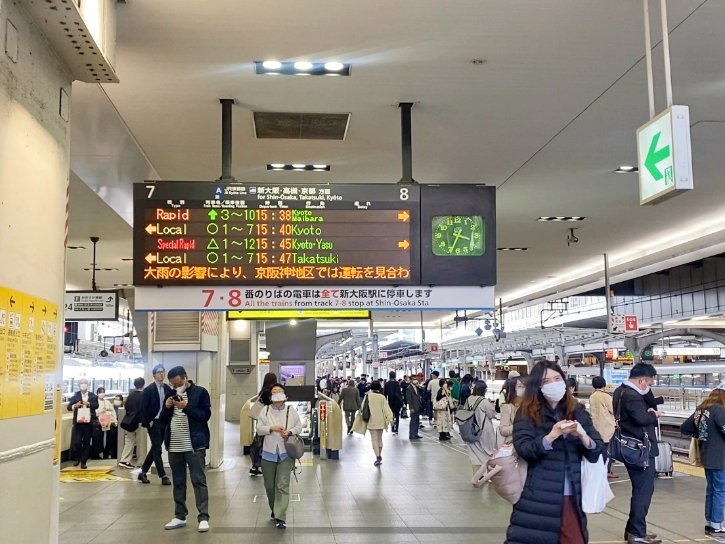
- Special Rapid (Shin-Kaisoku): no surcharge, skips most middle stops, common on JR West around Kobe, Osaka, and Kyoto.
- Express (Kyuko): surcharge depends on the operator, stops at major hubs.
- Limited Express (Tokkyu): surcharge on JR and some private lines, fastest regular service, with premium carriages and reserved seating.
c. The private railway twist
On JR, a Limited Express always needs a surcharge. On private lines, the same words can mean different things.
Hankyu, Hanshin, Keio, Tokyu, and Keikyu run surcharge-free Limited Express trains. A Hankyu Limited Express from Osaka-Umeda to Kyoto-Kawaramachi is a flat ¥410.
But Kintetsu, Odakyu, Tobu, and Keisei charge mandatory surcharges for their premium fleets, like the Skyliner or Spacia.
d. A simple example
Imagine one line with stations A through E. A Local stops at all five. A Rapid stops at A, C, and E. An Express stops only at A and E. All three head to E, but if you want Station B, only the Local gets you there.
e. It happens for real
On the JR West Kyoto and Kobe Line, a Special Rapid races Osaka to Kyoto in about 30 minutes but skips small stations. If you are going to a minor stop like Yamazaki, you need a Local, even when a Special Rapid is leaving from the next platform first.
f. Before you board
Never choose a train by direction, line color, platform, or destination alone. Check the service category and the actual stop list, and confirm whether a surcharge applies.
4. Boarding the First Train Heading in the Right Direction Without Checking Its Stops
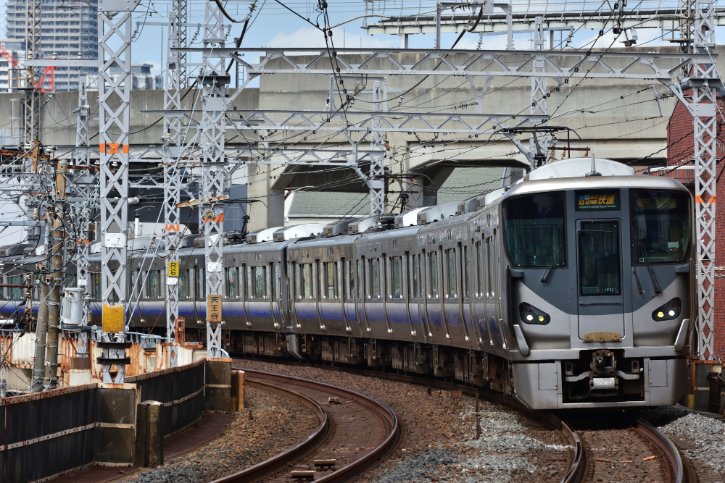
a. The right direction is not enough
You can pick the right line and direction and still board the wrong train, because it may skip your station, split onto another route, stop short, or slide onto another company’s tracks.
b. Five things to check first
Before you step on, confirm the service category, the final destination, the departure time, the platform, and whether your station is on the stop list. That short pause saves a lot of grief.
c. When one train becomes two
At Osaka Station, the Kansai Airport Rapid and Kishuji Rapid leave coupled as one 8-car train, then split at Hineno Station:
- Cars 1 to 4 go to Kansai International Airport
- Cars 5 to 8 go toward Wakayama
Board the wrong cars for a flight and you head into Wakayama with no fix after Hineno. On coupled trains, check the small side display on your exact carriage.
d. Through-services quietly change the rules
Some trains run straight from one company’s line onto another’s without stopping. It saves a transfer, but the fares and rules can shift mid-journey.
A subway on the Osaka Metro Sakaisuji Line can run onto the Hankyu Kyoto Line, and if you only paid the subway fare, the gate at your destination will flag the difference. This is why a map app’s destination pin alone can mislead you.
e. Read the platform board
Those electronic boards above the platform show the departure time (trains can leave under two minutes apart), the category and destination (often color-coded), the number of cars and boarding marks on the floor, and any split notices.
Match the exact departure time and destination before you board, and never step on just because the train is moving the right way.
5. Not Understanding Shinkansen Services, Especially Nozomi, Hikari, and Kodama
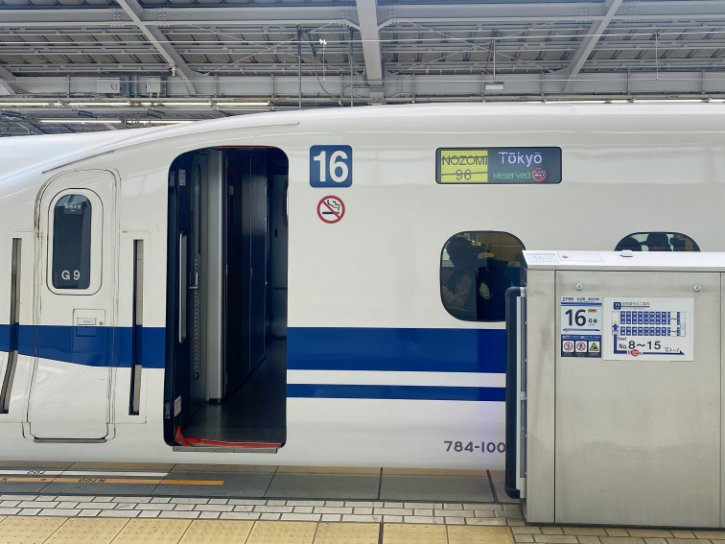
a. Same line, different services
On the Tokaido and Sanyo Shinkansen, Nozomi, Hikari, and Kodama are service types on the same line, not separate lines. They share the tracks but stop very differently.
b. The three services
- Nozomi: fastest, major hubs only (Tokyo, Shinagawa, Shin-Yokohama, Nagoya, Kyoto, Shin-Osaka, on to Hakata). About 2 hours 15 minutes Tokyo to Kyoto. Needs a surcharge with the pass.
- Hikari: middle option, all Nozomi stops plus some regional cities. About 2 hours 40 minutes. Fully covered by the pass.
- Kodama: slowest, stops at every station. About 3 hours 45 minutes. Fully covered.
c. When each one makes sense
Picking a Kodama for Tokyo to Kyoto can add roughly 90 minutes, since it stops everywhere.
But Kodama is genuinely useful for smaller stops like Atami or Odawara, which the faster Nozomi skips. Also remember that stops can vary between departures, so check your exact train’s stop list.
d. Other lines use other names
The Nozomi, Hikari, Kodama system belongs only to the Tokaido and Sanyo lines. Elsewhere:
- Tohoku and Hokkaido: Hayabusa (fastest, all-reserved), Yamabiko, Nasuno.
- Hokuriku: Kagayaki (fastest, all-reserved), Hakutaka, Asama.
- Kyushu: Mizuho (fastest, needs an upgrade with the pass), Sakura, Tsubame.
e. Before you book
Choose your Shinkansen by the exact stations it serves, the travel time, the transfers, and whether your ticket or pass covers it. With a standard JR Pass for Tokyo to Kyoto, filter for Hikari to skip the ¥4,960 Nozomi surcharge.
6. Ignoring Seat Classes and Reserved Versus Non Reserved Cars
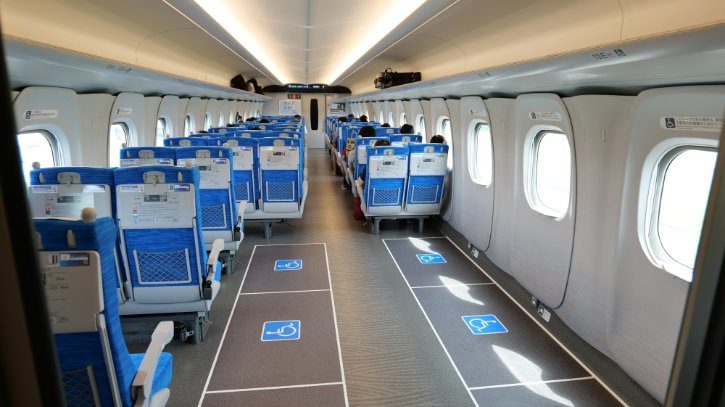
a. Choosing the train is only half of it
You also need the right carriage, and you need to know whether your seat is reserved. Get it wrong and you could be moved, charged more, or left standing for hours.
b. The three main seating tiers
- Non-Reserved (Jiyuseki): usually Cars 1 to 3 on Tokaido Shinkansen. First come, first served. If the car is full, you stand.
- Ordinary Reserved (Shiteiseki): your seat is guaranteed, so no anxious platform queue.
- Green Car (Midori-no-sha): business class, marked by a green four-leaf clover, with wider 2+2 seating and a quieter cabin. Every Green Car seat is reserved.
c. A couple of special cabins
Some Nozomi trains have S Work Cars (Car 7) set up for laptops and calls. Standard S Work seats cost no extra, but upgraded S Work P Seats add ¥2,000 (as of January 2026).
Select Tohoku and Hokuriku trains offer GranClass, an ultra-premium 1+2 cabin with meals and drinks. Neither is bookable on a standard JR Pass without paying the extra charges.
d. If you miss your reserved train
Do not assume you can always take the next one. With a standard reserved ticket or a JR Pass booking, you can ride the non-reserved cars of any later train the same calendar day on the same route, with no refund for the lost reservation.
But on all-reserved trains like the Hayabusa or Narita Express, there are no non-reserved cars, and you may only stand in a later train’s vestibule, not take a seat.
e. Before you pay
Confirm the class (Ordinary or Green), whether it is reserved or non-reserved, the train number and time, and your carriage and seat number. Then match your carriage number to the markings painted on the platform.
7. Traveling Without Seat Reservations During Peak Seasons or on All Reserved Trains
a. Crowded is not the same as all-reserved
There is a big difference between a train that is simply packed and one where every seat must be reserved. Arriving early helps with the first. It does nothing for the second.
b. The three big travel peaks
Huge numbers of people travel during these windows, so dates fill fast:
- Golden Week: late April into early May (often around April 24 to May 6)
- Obon: mid-August (often around August 7 to August 16)
- New Year: late December into early January (often around December 25 to January 5)
Exact dates shift each year, so always check before you travel.
c. What happens to Nozomi at peak times
During these periods, all Nozomi trains on the Tokaido and Sanyo Shinkansen go 100% reserved, with no non-reserved cars. A non-reserved ticket only lets you stand in the vestibule, not sit.
Hikari and Kodama keep their non-reserved cars, but they get packed, with queues forming well before departure.
d. Trains that are all-reserved year-round
Some tourist trains are all-reserved every day. The Fuji Excursion (Shinjuku to Kawaguchiko) has no non-reserved cars. If it sells out, a “Seat-Unassigned Ticket” lets you sit only in seats showing a red overhead light, and you must stand if it turns yellow or green.
The Narita Express is also fully reserved, so get your seat assignment before the gates.
e. A smart backup
If the Fuji Excursion is booked out, take a JR Chuo Line Azusa or Kaiji limited express from Shinjuku to Otsuki, then transfer to the local Fujikyu Railway Line to Kawaguchiko.
One easy transfer, lower cost, and it bypasses the sold-out direct train. For the three big peaks, book the day reservations open (30 days ahead). For all-reserved trains, reserve at least two weeks out.
8. Bringing Oversized Luggage on the Shinkansen Without the Correct Reservation
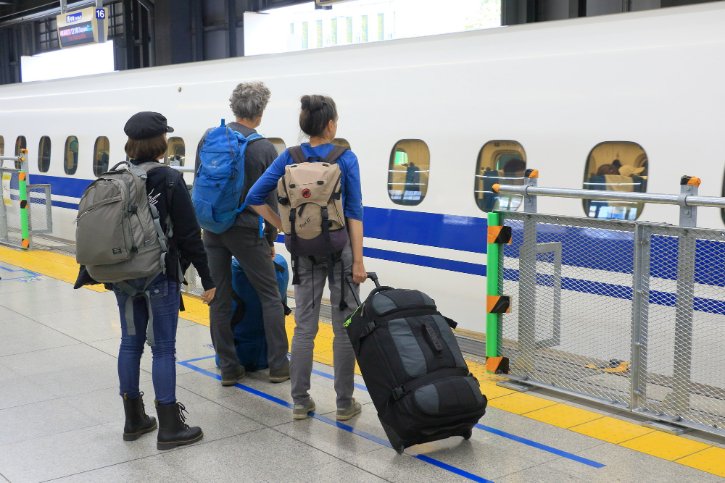
a. It is a rule, but not everywhere
Some Shinkansen lines require a reservation for large suitcases. The catch is that it does not apply on every line, so know your route.
b. Where it applies
The oversized-baggage reservation system runs on the Tokaido, Sanyo, Kyushu, and Nishi-Kyushu Shinkansen, operated by JR Central, JR West, and JR Kyushu.
c. The size tiers
Add up the length, width, and height, including wheels and handles:
- Up to 160 cm: no reservation. Store it on the overhead rack or in your footwell.
- 161 cm to 250 cm: reservation required. You must book a “Seat with an Oversized Baggage Area” or an oversized baggage compartment.
- Over 250 cm: not allowed onboard. It must be shipped by a delivery service.
Weight is capped at 30 kg per item, with a maximum of two large bags per person.
d. How the reservation works
When booking on SmartEX, JR West online, or at a ticket office, choose a “Seat with an Oversized Baggage Area”. These sit in the last row of certain reserved carriages, and there is no extra fee.
Non-reserved cars do not have these spaces, so oversized bags are effectively banned there. If your trip uses more than one Shinkansen, book a baggage-friendly seat for each leg.
e. The catch on measuring
Skip the reservation with a 161 to 250 cm bag and you face a ¥1,000 penalty per bag, and the crew moves your suitcase out of sight.
Watch the boundary: a 28-inch case measuring 75 + 50 + 35 sits exactly at 160 cm, but real wheels and a packed, bulging face easily push it to 162 cm.
Also note that the northern JR East lines (Tohoku, Joetsu, Hokuriku) have no reservation requirement, so always check your operator.
f. Before you leave home
Measure every large bag with a tape, wheels and handles included. Identify your operator and route. If the bag is 161 to 250 cm on a Tokaido, Sanyo, or Kyushu line, book an oversized baggage seat for each segment.
9. Taking Heavy Suitcases onto Commuter Trains During Rush Hour
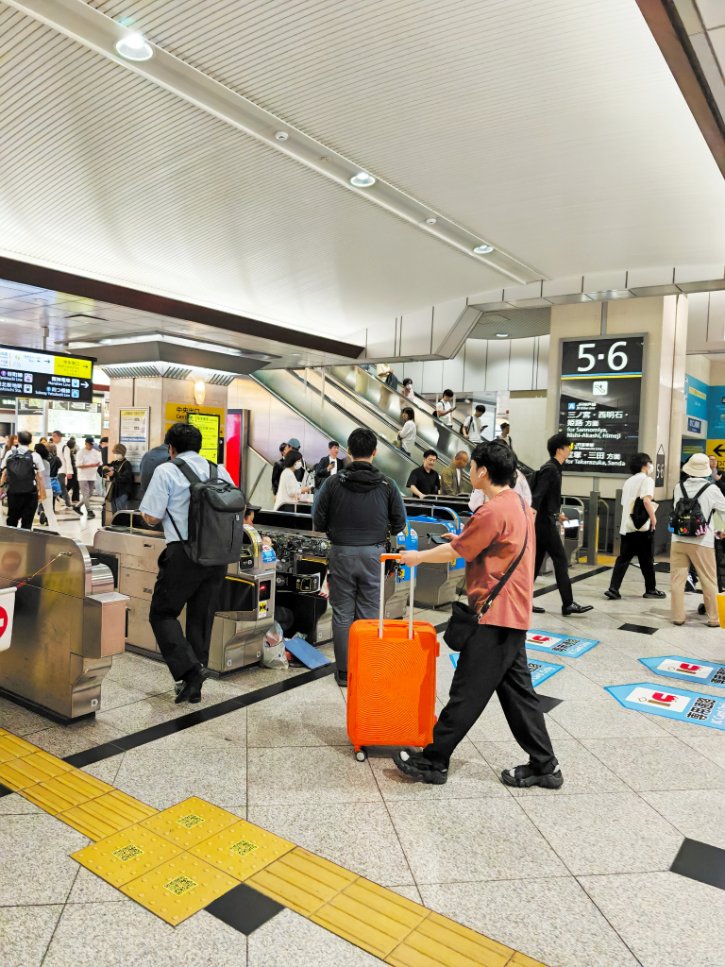
a. A different problem from the Shinkansen rule
This one is about the real space, safety, and etiquette trouble of dragging a big suitcase onto a packed city train, not a formal reservation.
b. What rush hour is really like
Lines like the JR Yamanote in Tokyo or the Osaka Loop are built to move crowds. On weekday mornings, roughly 7:30 AM to 9:00 AM, they routinely run at over 150% capacity, with bench seating and no luggage racks. Crowding varies by city, line, direction, and day, so treat those times as a strong guide, not a fixed rule.
c. Why a big bag causes trouble
Push a 25 kg suitcase into that crush and you block the doors, stop others boarding and exiting, create a hazard if the train brakes, and risk bumping people. It is also seen as a clear breach of transit etiquette, which creates friction fast.
d. A quick word on backpacks
Even smaller bags have etiquette. On a crowded train, wear your backpack on the front of your body, hold it low by your shins, or place it on the overhead rack.
e. Better ways to move your bags
- Luggage forwarding (Takuhaibin): Yamato Transport (the “Black Cat”) delivers hotel to hotel. For roughly ¥2,500 to ¥3,000 per bag, a suitcase can go Tokyo to Kyoto within about 24 hours, so you carry only a daypack.
- Airport express trains: for airports, skip commuter lines in favor of the Keisei Skyliner or Narita Express (Narita), the Tokyo Monorail or Keikyu Airport Line (Haneda), and the JR Haruka or Nankai Rapi:t (Kansai), all built for luggage.
f. Plan the luggage journey too
Leave after the morning peak, arrive before the evening peak, forward your big case a day ahead, use elevators even on a longer route, and pick direct routes with fewer transfers. The fastest commuter route is rarely the easiest one with a large suitcase.
10. Underestimating Large Stations, Complicated Transfers, and Exit Numbers
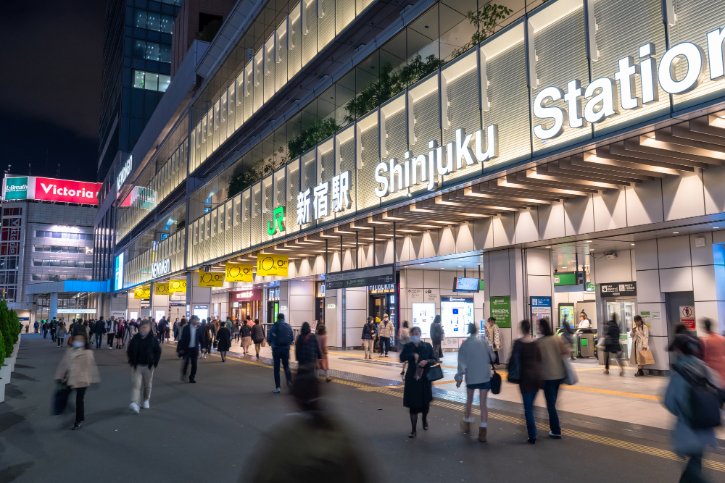
a. Arriving is only part of the job
Reaching the right station is one thing. Inside, you may still need to find the correct company, concourse, platform, transfer gate, and street exit.
b. One name, many companies
Big terminals are not single buildings run by one operator. Shinjuku alone has over 200 exits and serves JR East, Tokyo Metro, Toei Subway, Odakyu, and Keio.
A JR to Odakyu transfer can mean crossing floors and passing through separate gates, so always identify the operator, not just the line.
c. Use the station codes
Subways use a helpful code: a letter for the line, a colored ring, and a number. For example, M in a red ring with 17 marks Shinjuku on the Tokyo Metro Marunouchi Line. These codes sidestep the language barrier, though not every operator uses the same format.
d. The 60-minute transfer window
Some Tokyo Metro and Toei transfers make you exit the gates, walk through a passage, and enter the other line, all within 60 minutes.
With paper tickets, use the orange transfer gates and keep the returned ticket. With an IC card, the grace period is automatic, but go over 60 minutes and the system charges two base fares instead of one transfer fare. This is a Tokyo Metro rule, so do not assume it applies everywhere.
e. Why app transfer times can lie
Route apps assume an optimal pace with no bags. A “3-minute transfer” at Tokyo Station is fine for a light-footed local but tough for a visitor with luggage.
Some platforms sit five floors underground, which can take 10 to 12 minutes to reach, and rush-hour crowds slow everyone. Build in realistic navigation time.
f. Watch your exit
Exits are numbered (A1, B6, Marunouchi North). Take the wrong one at a giant station and you can end up across a highway or far from your hotel, and re-entering usually means paying a fare again.
Before you go underground, save a screenshot with the operator, line, platform, station code, direction, and exit number.
Never plan transfers under 15 minutes at big terminals with luggage or children, and when unsure, ask station staff before passing through the wrong gate.
Related Posts

Photo Credit:
Photos by PIXTA