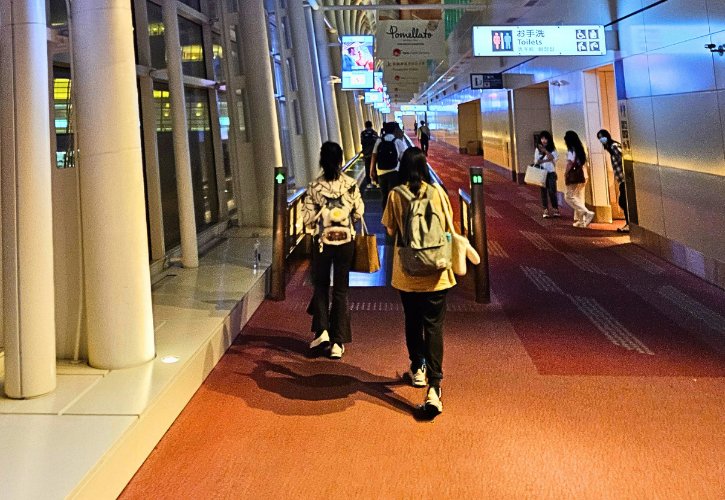
Japan is one of the easiest countries in the world to fall for. It is safe, clean, and famously efficient, and getting around is usually simple once you settle in.
But that smooth surface hides a few tricky spots. A small booking mistake or a badly timed train can turn a dream day into a stressful one.
A little planning before you go makes all the difference. Here is what experienced travelers wish they had known first.
1. Popular Restaurants Can Have Very Long Queues
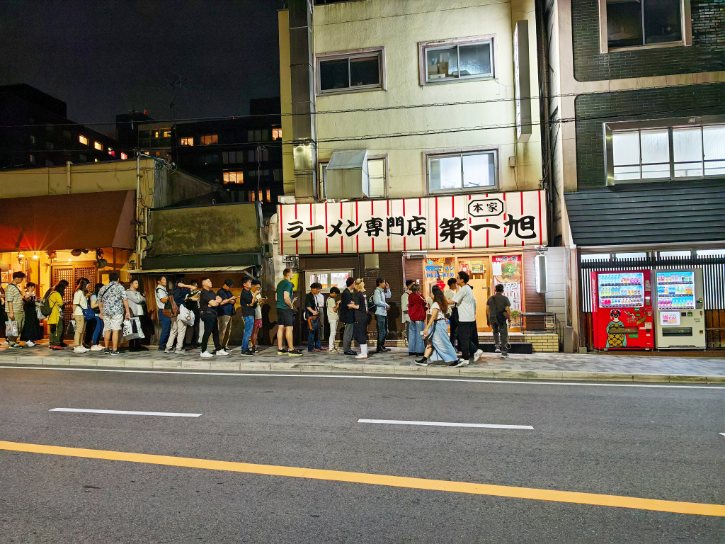
Food is one of the best parts of any trip to Japan. Just do not assume every highly rated place will be easy to enter. Many are tiny, often with only 6 to 12 counter seats, and small rooms plus social media fame add up to long lines.
a. Two Types of Restaurants
- Reservation-required: fine dining, Michelin-starred restaurants, omakase sushi counters, traditional kaiseki ryotei, and themed character cafés. These almost never accept walk-ins.
- Queue-based: casual spots such as ramen shops, udon counters, teishoku restaurants, tonkatsu joints, and department store dining halls. These usually rely on walk-in lines. Many use a ticket machine at the door or hand out numbered tickets, called seiriken, that give you a return time.
b. Where Lines Get Long
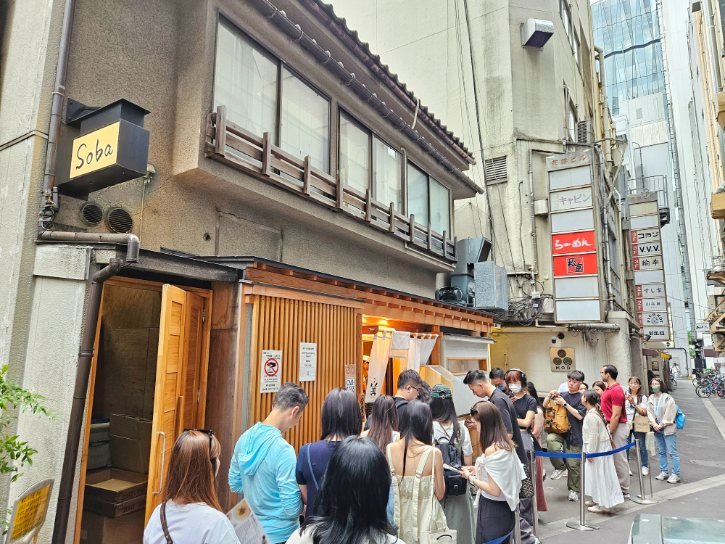
- Tokyo: Shinjuku, Shibuya, Ginza, Tsukiji Outer Market, and Tokyo Station dining. Waits often pass 60 minutes, and ramen and fluffy pancake cafés go viral fast.
- Osaka: Dotonbori, Namba, and Kuromon Market see big dinner rushes for okonomiyaki, takoyaki, and kushikatsu.
- Kyoto: Nishiki Market, Gion, Pontocho, and Arashiyama. Places here are often tiny, set in old wooden buildings, strict about reservation times, and quick to close once the day’s ingredients sell out.
c. Booking Platforms Worth Knowing
- TableCheck: mid-tier to high-end and hotel restaurants. Most bookings are free, with a credit card for cancellation guarantees.
- Tabelog (multilingual): a huge nationwide database, about 440 yen per seat. Scores above 3.5 signal a strong restaurant.
- OMAKASE: high-end sushi, kaiseki, and tempura, about 390 yen per seat.
- Pocket Concierge: Michelin-starred and luxury dining, often with full prepayment.
- TABLEALL: ultra-exclusive counters, often around 8,000 yen per seat.
d. Ways to Skip the Longest Lines
- Eat lunch before 11:30 AM or after 1:30 PM, and dinner before 6:00 PM.
- Use department store dining floors (depachika) and underground food plazas for quality meals with shorter waits.
e. Best Restaurant Strategy in Japan
- Pick just a few must-eat restaurants and reserve them when you can.
- Check each place’s queue or reservation rules before you go.
- Keep a couple of backups close by, and stay flexible for the rest of your meals.
2. Know Which Attractions Must Be Booked in Advance
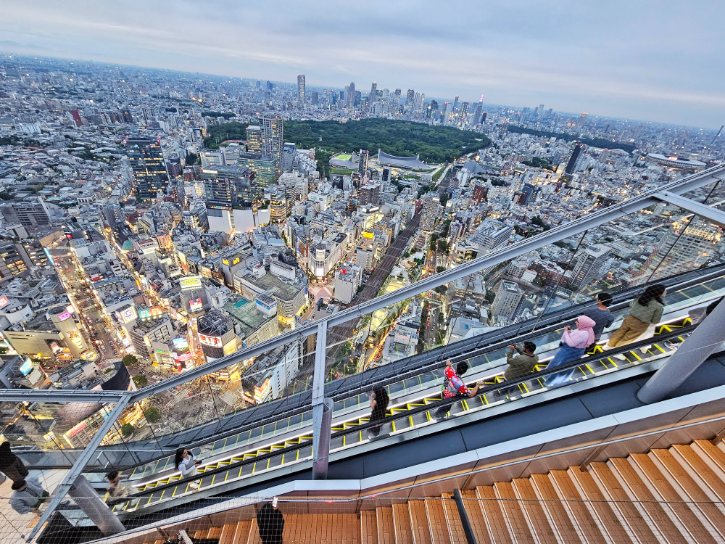
Many of Japan’s top attractions no longer allow simple walk-up entry. Modern systems use timed entry, advance ticket releases, lotteries, apps, and name matching, and popular dates sell out. Here is where many first-time visitors get caught, so plan these before you fly.
a. Tokyo
- Studio Ghibli Museum: Tickets open on the 10th of each month at 10:00 AM JST for the following month, via the Lawson Ticket platform. Entry is timed, and the ticket name must match the lead traveler’s passport.
- Tokyo Disney Resort: Tickets go on sale daily at 2:00 PM JST for dates exactly 60 days later, through the official app or sellers such as Klook. Pricing is dynamic.
- SHIBUYA SKY: Tickets release exactly 14 days ahead at midnight JST, tied to a set date and time. Sunset slots go fastest.
- teamLab Planets (Toyosu): Tickets release 2 to 3 months ahead. No tickets are sold on-site.
- teamLab Borderless (Azabudai Hills): Standard online advance booking for this permanent venue, with limited same-day tickets.
b. Osaka
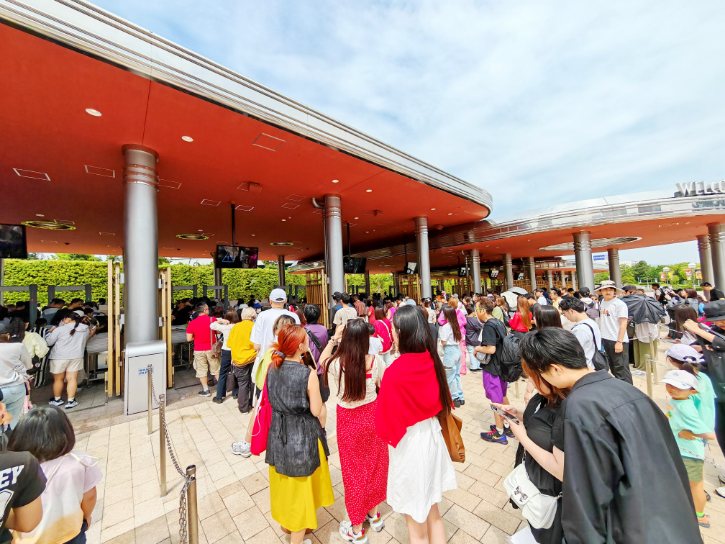
- Universal Studios Japan: Studio Passes open 2 months ahead. Express Passes are in high demand and sell out fast, and one guarantees entry to Super Nintendo World and the Harry Potter area. Without one, you request timed entry through the USJ app inside the park.
c. Kyoto
- Nintendo Museum: Entry uses a lottery that opens 3 months ahead, with any leftover slots sold first-come, first-served about 2 months out, via the official site with a free Nintendo Account.
- teamLab Biovortex Kyoto: a teamLab digital art venue that uses timed entry with advance online booking through the official teamLab ticket store. Reserve ahead, since popular dates and time slots sell out.
- Katsura Imperial Villa: Online applications open 3 months ahead on the 1st of the month, via the Imperial Household Agency portal, with walk-in slots at 8:40 AM for any leftover spaces. You join a guided tour, the minimum age is 12, and you must show a valid passport at the gate.
d. Do Not Leave These Until Arrival Box
Sort these before you fly: the Ghibli Museum, Nintendo Museum, Tokyo Disney Resort, Universal Studios Japan and Super Nintendo World access, SHIBUYA SKY sunset slots, teamLab attractions, Katsura Imperial Villa, and popular character cafés.
3. Japan’s Train System Is Excellent, but Stations Can Be Confusing
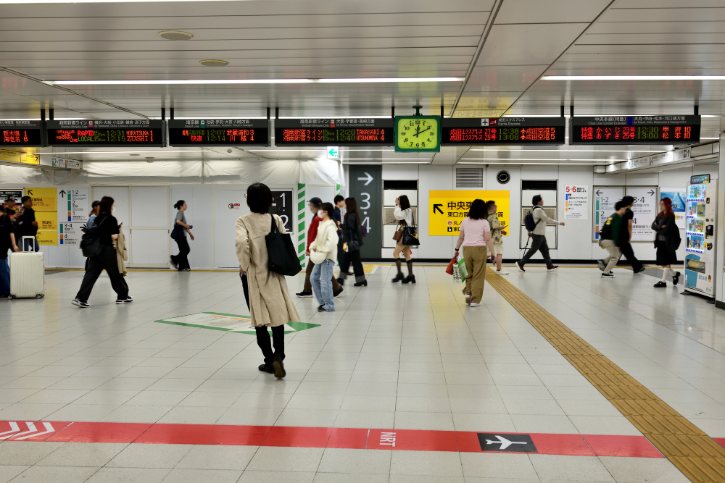
Japan’s trains are fast, frequent, and reliable. Still, the system can confuse first-time visitors, and it helps to know why. Many public and private companies share the same stations, but each keeps its own ticket gates, rules, and platform areas.
a. Why Stations Confuse First-Timers
- Big stations like Tokyo, Shinjuku, and Osaka feel like underground cities, and GPS often fails below ground.
- Map apps regularly underestimate how long it takes to walk between lines.
- Switching from a JR line to a private subway often means leaving one set of gates and walking to another operator’s gates.
- One platform can serve local, rapid, express, and limited express trains. Always check the destination sign so you do not board a train that skips your stop.
b. What to Check Before Every Train Ride
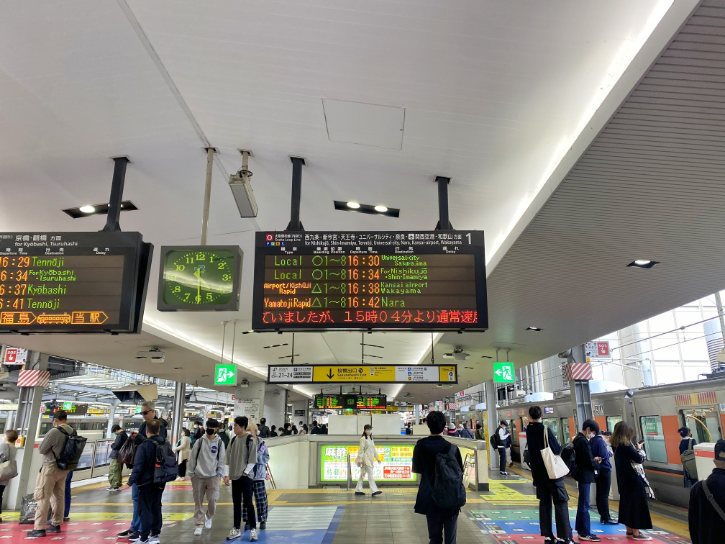
- Railway company and line name.
- Train type: local, rapid, express, or limited express.
- Direction, platform, and departure time.
- Transfer station and walking route.
- Ticket type, and whether a surcharge or seat reservation is needed.
- Exit number at your destination, and the last train time if returning late.
c. IC Cards and Getting Around
An IC card is the easiest way to pay for trains, subways, and buses. Here are the main options:
- Suica or PASMO (regular): valid 10 years with a 500 yen refundable deposit. Sold at JR East and Tokyo Metro machines.
- Welcome Suica (physical): valid 28 days, no deposit, but unused money is not refunded. Made for short-term visitors, sold at Narita and Haneda airports.
- Tourist PASMO: valid 28 days, no deposit, non-refundable. Sold at Haneda and Narita private railway counters and major subway hubs.
- Mobile Suica or PASMO: a digital card in Apple Wallet for iPhone and Apple Watch. It works well with foreign credit cards, so set it up before you travel.
- ICOCA (JR West): valid 10 years with a 500 yen deposit. A good choice if you start in Osaka, Kyoto, or western Japan.
All of these cards work across Tokyo, Kyoto, Osaka, and Fukuoka. One important point: IC cards only cover the base fare. Shinkansen and limited express trains need a separate ticket.
d. Tokyo Stations
Tokyo Station hosts JR East, JR Central, Tokyo Metro, and several Shinkansen lines. Shinjuku Station is the busiest in the world, with over 200 exits, so navigate by exit name and number rather than the general station area.
e. Osaka Stations, the Names Trap
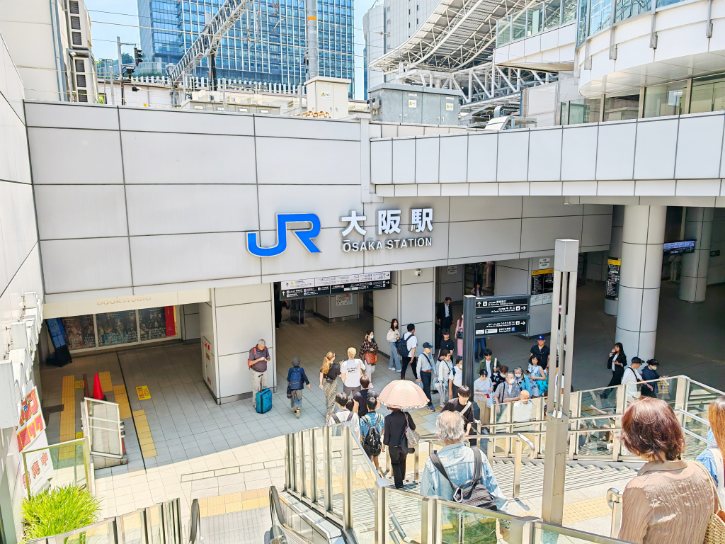
Osaka’s station names catch many visitors out, and learning them saves real confusion.
- Osaka Station (JR) and Umeda Station (Hankyu, Hanshin, Osaka Metro) sit in the same area but use completely different gates.
- Namba, Osaka-Namba, JR Namba, and Nippombashi are separate hubs on different lines.
- Shin-Osaka is the only Shinkansen station, several kilometers north of the central shopping districts.
This matters when you pick a hotel, meet a friend, transfer trains, or head to Kansai International Airport.
f. Getting Around Kyoto
Kyoto uses a grid layout, so you often mix JR trains, subway, private railways, buses, taxis, and walking. The current 1,100-yen Subway and Bus One-Day Pass encourages you to use the subway (the Karasuma and Tozai lines) as your main route, taking buses only for the final stretch.
4. Large Luggage Can Make the Trip Much More Difficult
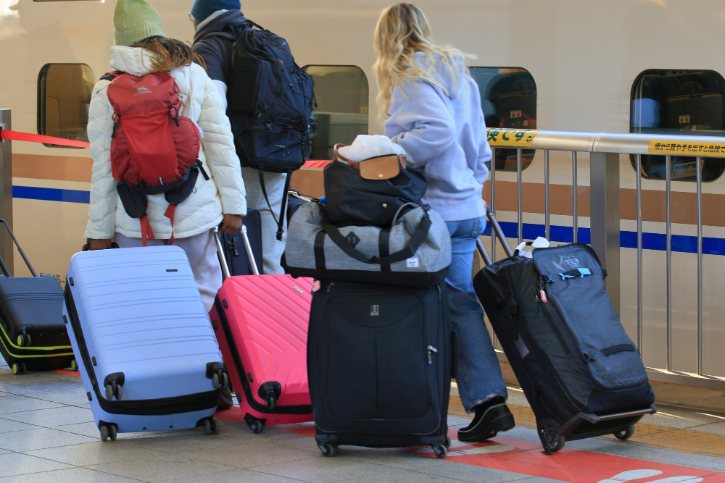
Japan is far easier when you travel light. Big suitcases cause trouble in crowded stations, on rush-hour trains, along narrow old streets, and on Kyoto’s city buses.
a. The Shinkansen Oversized Baggage Rules
These rules are strictly enforced on the Tokaido, Sanyo, Kyushu, and Nishi Kyushu Shinkansen lines. Size is measured by adding the three sides together.
- Under 160 cm: no reservation needed, and it is free. Use the overhead racks, the footwell, or deck baggage spaces.
- 160 cm to 250 cm: a reservation is required, and it is free if you book the oversized baggage space in advance. Board without one and you pay a 1,000 yen fee.
- Over 250 cm: not allowed on board at all. You must use a luggage delivery service.
The weight limit is up to 2 bags per person, each up to 30 kg. Measure your suitcase before you leave home.
b. Local Trains and Kyoto Buses
Regular commuter trains have no dedicated luggage racks, so avoid rush hour with big bags and never block doors or aisles. In Kyoto, large suitcases are restricted on city buses, and drivers regularly turn away travelers carrying them.
c. Luggage Delivery Services (Takkyubin)
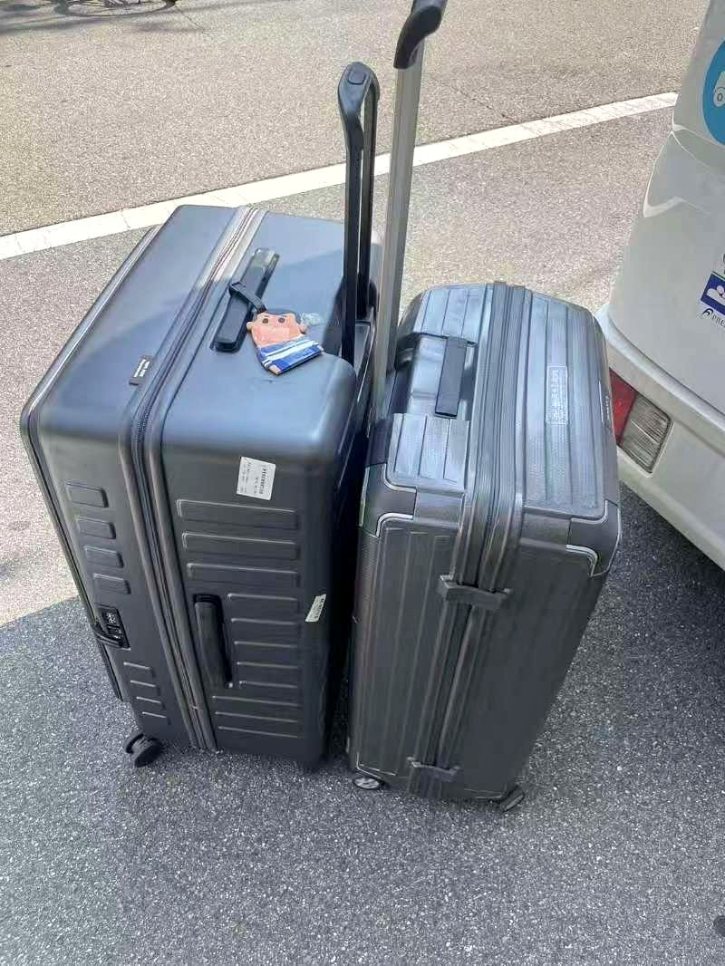
Forwarding your bags is one of the best moves you can make in Japan.
- Yamato Transport and similar services ship luggage airport-to-hotel, hotel-to-airport, or hotel-to-hotel between cities, such as Tokyo to Kyoto. Delivery is usually within 24 hours, and most hotel front desks help with the form.
- Crosta Kyoto, inside JR Kyoto Station, offers same-day delivery to local hotels. Drop bags before 2:00 PM and they arrive after 5:00 PM, from around 1,500 yen per item.
- Klook lets you book luggage delivery and storage online in advance, which is handy to arrange before you arrive.
d. Other Storage Options
Coin lockers fill up quickly at busy stations, so do not rely on them as your only plan. Services like ecbo cloak let you store bags in local shops.
e. Best Luggage Plan Box
- Use one medium suitcase plus a small daypack instead of one very large suitcase.
- Measure your bag before taking the Shinkansen, and reserve oversized space when it is 160 cm to 250 cm.
- Forward large bags between cities with Takkyubin.
- Keep suitcases off Kyoto city buses.
- Sightsee with just a day bag.
5. Know How to Find and Visit a Clinic
Japan’s healthcare is excellent, but it helps to understand how care works before you need it, since not every clinic speaks English and payment often works differently from home.
a. Bringing Medication into Japan
Make sure your medicines follow the Ministry of Health, Labour and Welfare (MHLW) rules.
- No paperwork needed for up to a 30-day supply of most prescription medicines, or up to a 60-day supply of over-the-counter drugs such as ibuprofen.
- An import certificate (Yunyu Kakunin-sho) is required if you bring more than a 30-day supply of a prescription drug, or devices like insulin pens. Email your regional bureau at least two weeks before you travel.
- Some medicines are banned. Stimulant-based drugs such as Adderall and dexamphetamine are illegal in Japan, even with a valid foreign prescription, and bringing them can lead to arrest.
Always check the official rules for your own medication before departure.
b. Book Ahead, Do Not Wait Until You Feel Unwell
Here is something many visitors miss. The international clinics that offer English support are popular, and they often fill up completely. Sometimes the next open appointment is a few days away.
So if you really want to see a doctor, book in advance where you can, or ask your hotel’s front desk to call ahead for you.
It is worth having them phone the clinic before you set out, since it may be fully occupied that day, and a quick check saves you a wasted trip across the city.
Do not wait until you already feel unwell to start looking, since that delay can cost you a day or two.
c. Clinics That Welcome International Visitors
A few clinics are known for helping international travelers. Save the ones near your area before you go.
Tokyo:
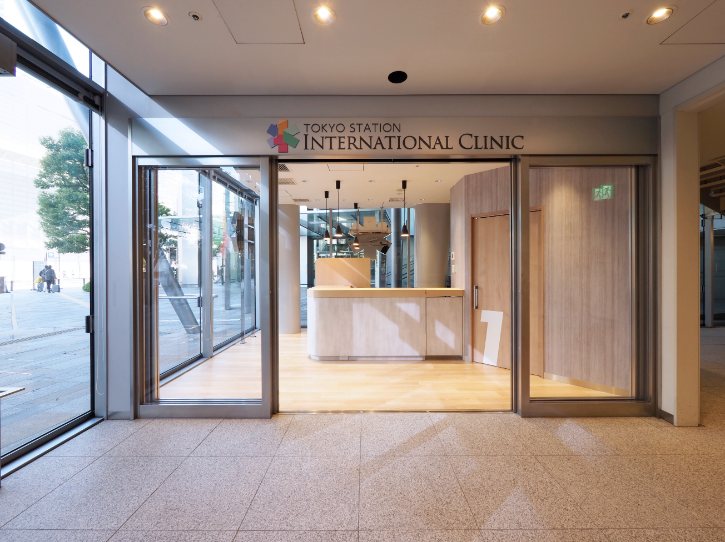
- Tokyo Station International Clinic: general medicine and minor injuries, with English and Chinese support. Walk-ins accepted, but appointments come first.
- Sendagaya International Clinic: general practice with English, Chinese, and Spanish support. Online booking preferred, with cashless billing possible through certain insurers.
Osaka:
- International Clinic Osaka: outpatient care led by emergency physicians, plus telemedicine and hotel visits. Book by WhatsApp.
- Okita Clinic: general practice and travel medicine. Now by appointment only, with no same-day walk-ins.
Kyoto:
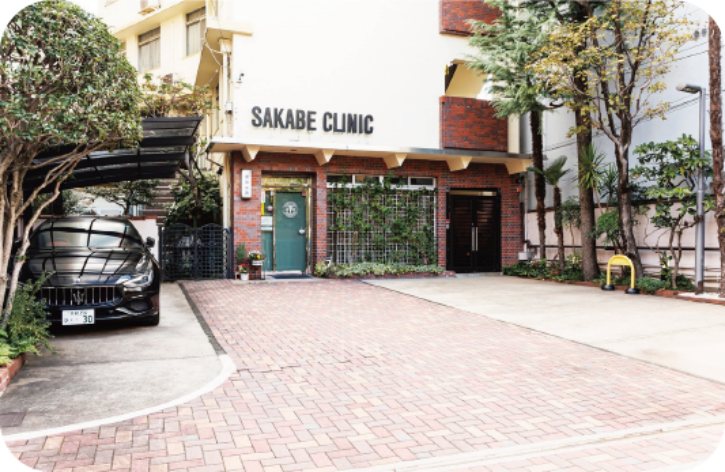
- Sakabe International Clinic: general practice with English and Chinese support. Mornings need appointments, evenings accept walk-ins.
- Takeda Hospital: a large acute-care hospital near Kyoto Station, with 24-hour emergency care and English, Chinese, and Korean interpreters.
- Kyoto Clinic: a walk-in clinic near Kawaramachi for acute problems like flu and stomach pain, accepting international credit cards.
d. In an Emergency
For serious problems such as chest pain, severe breathing difficulty, or heavy bleeding, dial 119 right away for an ambulance. Do not delay urgent care.
e. Payment and Travel Insurance
Some clinics ask for full payment upfront, and credit cards are not accepted everywhere, so carry some cash.
Direct insurance billing is not guaranteed, though a few clinics can bill certain insurers directly. Keep your receipts and medical documents so you can claim reimbursement later.
f. Clinic Plan Before Japan Checklist
- Travel-insurance emergency number and policy ID.
- Your allergy, condition, and generic medication list in English.
- Saved clinic options for Tokyo, Osaka, and Kyoto.
- A reminder to book ahead or ask your hotel for help.
- Emergency number 119.
6. Know How to Navigate Japan’s Crowds
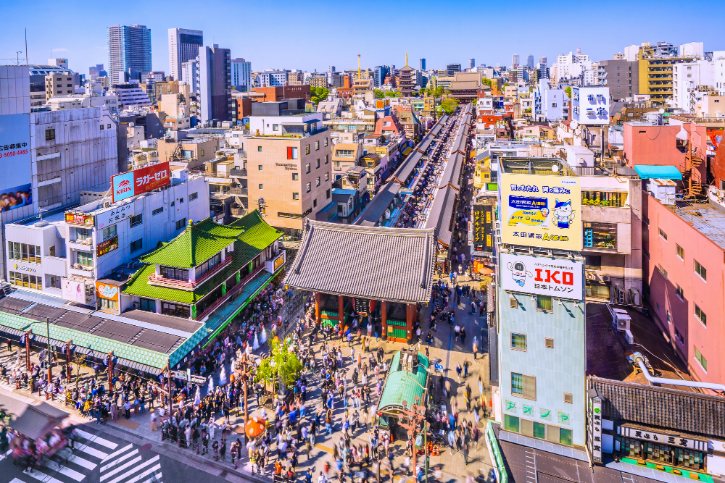
Japan is not crowded everywhere. But certain cities, sightseeing areas, train lines, restaurants, seasons, and time slots can feel overwhelming.
Japan is one of the most popular destinations in the world, with visitor numbers and tourist spending near record highs.
Overall arrivals may rise or dip from year to year, but the busiest corridors stay packed either way, and the pressure is strongest in Tokyo, Osaka, and Kyoto.
a. Tourist Crowds
The heaviest crowding gathers around viral social media spots, which pull big crowds into small historic areas never built for it.
Watch for these hotspots:
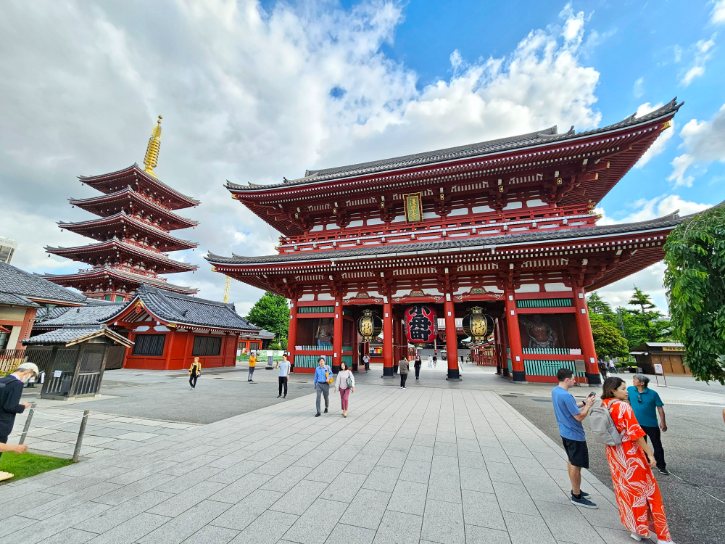
- Tokyo: Shibuya Crossing, Asakusa and Senso-ji, Harajuku and Takeshita Street.
- Osaka: Dotonbori, Namba, Shinsaibashi, Kuromon Market, Shinsekai.
- Kyoto: Fushimi Inari, Arashiyama Bamboo Grove, Kiyomizu-dera, Ninenzaka, Sannenzaka, Gion, Nishiki Market.
b. Commuter Crowds
On weekdays, Tokyo and Osaka fill up during rush hour, roughly 7:30 AM to 9:00 AM and 5:30 PM to 7:00 PM. You get packed trains, crowded platforms, and slow elevator queues, and moving through it with luggage is very hard.
c. Domestic Holiday Crowds
Japanese travelers take their own trips during set peak periods, when Shinkansen seats, hotels, and theme parks sell out weeks ahead. Check your dates against these before you book:
- New Year, late December to early January.
- Golden Week, late April to early May.
- Obon, mid-August.
- Silver Week, late September.
- Long weekends and school holidays.
- Cherry blossom season and autumn foliage season.
d. Overtourism and Local Etiquette
Some cities have brought in strict rules. In Gion, photography is banned on private alleys such as Kosode-Koji, with fines up to 10,000 yen, to protect working geiko and maiko.
In Shibuya, a year-round street drinking ban runs around JR Shibuya Station between 6:00 PM and 5:00 AM.
Wherever you go, follow the basics. Do not block narrow streets, do not stand in roads for photos, do not eat while walking, and never photograph geisha without permission.
e. Simple Ways to Beat the Crowds
- Visit famous outdoor spots early. Arriving at Fushimi Inari, Arashiyama Bamboo Grove, or Senso-ji before 7:30 AM gives you a calm, quiet experience.
- Use Kyoto City’s live tools, including its Tokyo Station International Clinic and live cameras of spots like Togetsukyo Bridge.
- Spend part of your trip outside Tokyo, Osaka, and Kyoto.
f. Crowd Strategy Box
- Check Japanese holidays before you book anything.
- Visit the busiest outdoor places early, before 8:00 AM.
- Avoid rush-hour trains when carrying luggage.
- Plan each day by neighborhood.
- Leave room for delays, and keep a backup spot nearby.
- Follow local rules in residential and cultural areas.
7. The Two “Secret” Windows When Japan Is Actually Peaceful
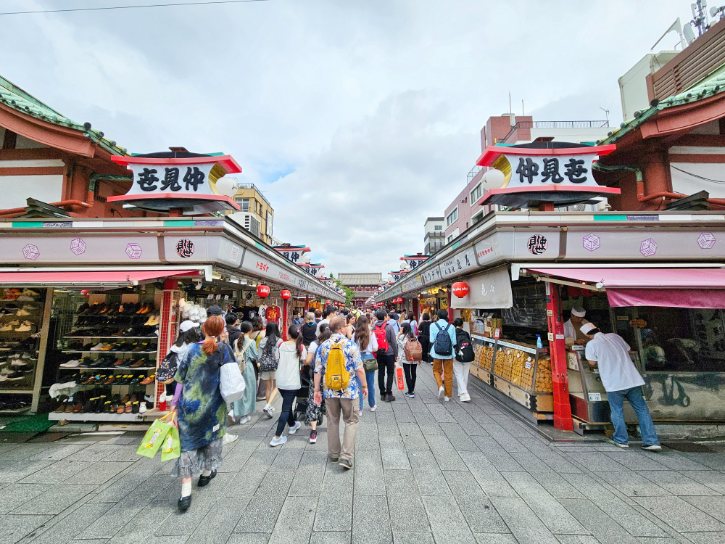
Japan is never truly empty. But if you care more about fewer crowds than perfect weather, two periods stand out as calmer for sightseeing. Both feel gentler than cherry blossom season, autumn foliage, Golden Week, Obon, New Year travel, and major festivals.
a. Window 1: Mid-January Through February
This is a quiet window for city exploration, right after the New Year holiday rush settles down.
Possible benefits:
- Temples, botanical gardens, and museums see far fewer weekday visitors.
- It becomes much easier to explore areas like Kyoto’s Higashiyama district or Tokyo’s historic sites.
Important exceptions:
- Lunar New Year falls around mid-February and brings a wave of regional travelers, with sudden crowd spikes in city centers and airports.
- Winter resorts stay busy, especially Hokkaido during the Sapporo Snow Festival and Nagano’s alpine resorts.
- Expect cold weather, shorter daylight, and the chance of snow-related transit delays in the north.
In short, this window is calmer for city sightseeing, especially on weekdays and away from the big snow destinations.
b. Window 2: June Through Mid-July
This window lines up with Japan’s traditional rainy season, called Tsuyu. That is exactly why many travelers avoid it, and why it can feel quieter.
Possible benefits:
- Fewer visitors than in cherry blossom or autumn foliage seasons.
- Gardens and temples, like Kyoto’s moss temples and its hydrangeas, look lush and beautiful in the rain.
- A good fit if you carry an umbrella and enjoy indoor spots such as museums, malls, and tea ceremonies.
Important exceptions:
- Hokkaido is largely unaffected by Tsuyu, so it stays drier and busy.
- Okinawa’s rainy season usually ends by late June, after which beach crowds surge there while the mainland is still wet.
- Heat and humidity climb sharply into July, and school holidays begin around mid-July, so theme parks fill quickly.
In short, June through mid-July is an underrated time for slower travel, best for travelers comfortable with rain, humidity, a flexible schedule, and indoor backup plans.
A little preparation on these seven points goes a long way. Sort them before you fly, and Japan becomes the easy, wonderful trip it is meant to be. 😊