France is one of the easiest countries in the world to travel around. Trains run smoothly, cities are walkable, and signs in English are common in tourist areas.
Still, the wrong packing choices can quietly turn a smooth trip into a stressful one.
A few small items can make your days easier, and a few common mistakes are worth knowing before you zip up your suitcase.
Take a few minutes to read through the list below before you start packing. 😊
1. A Light Jacket or Layering Piece
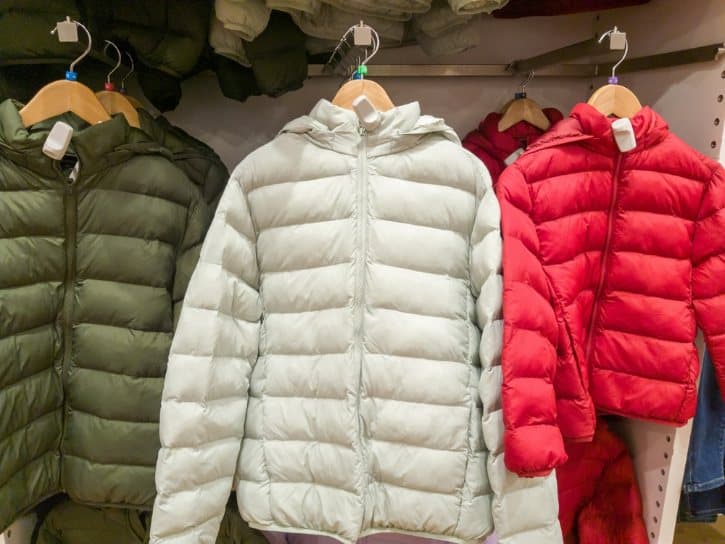
A light jacket is one of the most useful things you can bring to France, no matter the season.
a. Why You Will Need It
French weather changes a lot depending on where you go and the time of day.
Outside of summer, Paris mornings and evenings often feel noticeably cooler than the afternoon, and the weather can shift quickly throughout the day.
Coastal areas like Normandy and Brittany get steady sea breezes year-round, while mountain regions and northern France stay cooler for most of the year.
You will likely feel the temperature drop in places like:
- Outdoor cafés in the early evening
- Train rides and open-air platforms
- Museums and churches with thick stone walls
- Air-conditioned shops and restaurants
- Windy viewpoints and rooftops
b. What to Pack
Pick something light that fits easily in your day bag. Good options include a lightweight jacket, a soft cardigan, a thin fleece, a denim jacket, or a trench-style layer. Choose a neutral color so it matches most of your outfits.
c. Seasonal Tips
- Spring and autumn: A light jacket is essential almost every day
- Summer evenings: Bring a thin layer for breezy nights or cool restaurants
- Winter: A light jacket alone is not enough. Use it as a middle layer under a warmer coat
2. A Compact Travel Umbrella or Rain Jacket
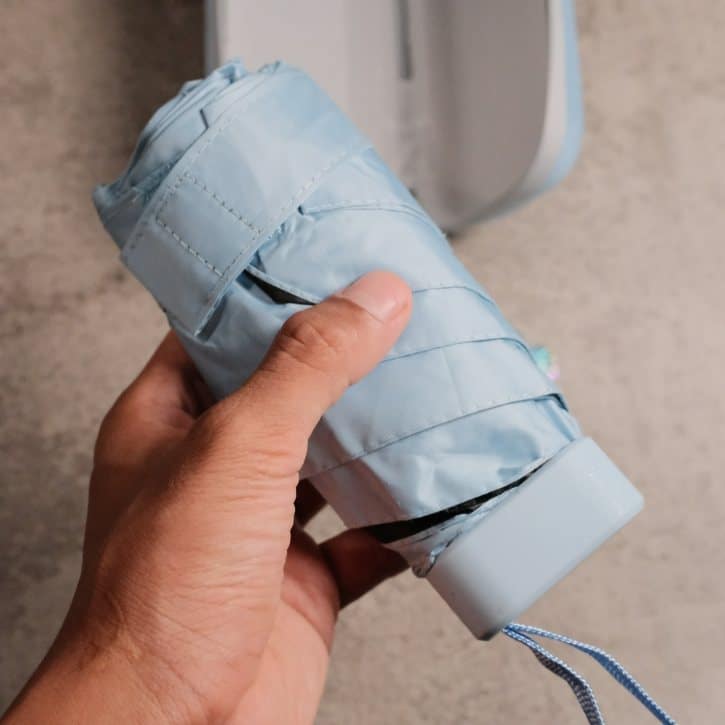
Rain can show up at any time in France, especially in Paris, Normandy, Brittany, and during spring and autumn.
a. Why It Matters
You will spend long hours outside walking between attractions, markets, cafés, and train stations.
A sudden shower can soak your clothes and cut your day short. Umbrellas near tourist spots are often pricey, and the cheap ones break easily in the wind.
b. What to Choose
- A small, wind-resistant umbrella that fits in your day bag
- A packable rain jacket if you prefer to keep your hands free
Skip large umbrellas. They are awkward on busy sidewalks, in the Metro, and on crowded buses.
c. Family and Group Travel
If you are traveling with family, each person should have their own light rain item. Sharing one umbrella in a downpour rarely works well.
d. Protect Your Essentials
Keep these items safe from rain:
- Phone and camera
- Paper tickets and museum passes
- Passport copies
A simple rain item can save a full day of sightseeing from being ruined.
3. Anti-Theft Crossbody Bag
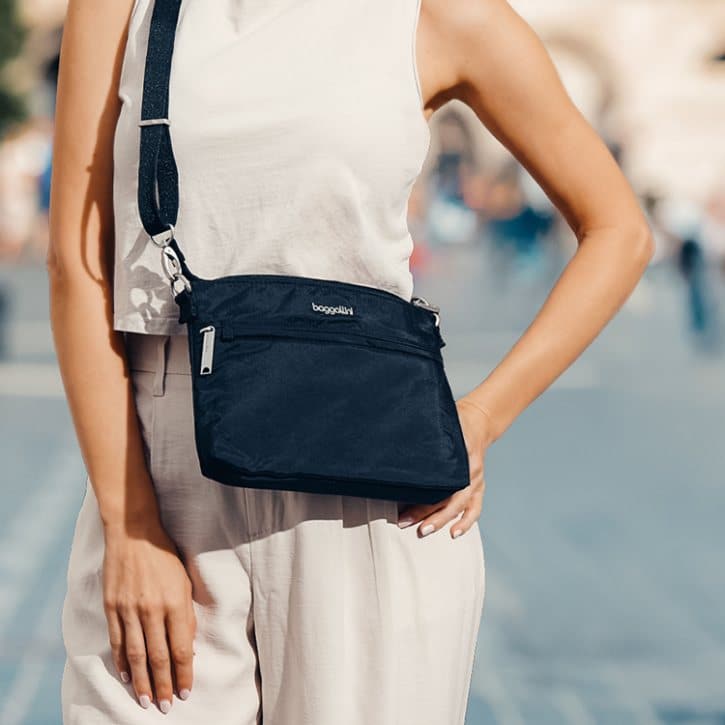
A secure crossbody bag is one of the smartest choices you can make for daily sightseeing in France.
a. Why It Helps
Busy spots like the Paris Metro, train stations, popular landmarks, and outdoor markets are common areas where pickpockets operate.
This is not a reason to feel nervous about France, just normal city awareness.
A crossbody bag worn in front is more secure than a backpack or open tote.
b. What to Look For
Choose a bag with features that make it harder for someone to reach in quickly:
- Strong zippers that close fully
- Inner compartments to organize cards and cash
- Slash-resistant straps for extra peace of mind
- RFID pockets for cards and passports
- Hidden pockets for emergency cash
Go for a medium-small size rather than a bulky bag.
c. How to Wear It
- Keep the bag in front of you in crowded places
- Make sure the zipper faces your body
- Do not store all your cards and cash in one spot
d. Passport Tips
You will need to carry ID in France, but you do not always need the actual passport on you.
Many travelers leave the passport in the hotel safe and carry a photocopy or phone scan during the day.
4. Small Amount of Euros in Cash
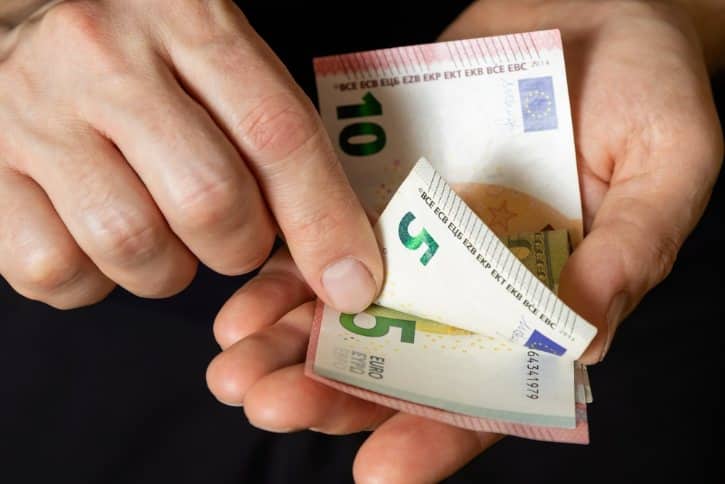
France is mostly card-friendly, but a small amount of cash still comes in handy.
a. When Cash Is Useful
You may need coins or small notes for:
- Small bakeries and corner cafés
- Local markets and street vendors
- Public toilets, which sometimes charge a small fee
- Luggage lockers at train stations
- Tips for small services
- Rural areas where card readers may not work
- Shops with minimum card limits, often between €1 and €15
b. How Much to Bring
Keep it small. A few small notes and coins are usually enough for a day:
- Bring small notes like €5 and €10
- Keep some €1 and €2 coins for toilets and small purchases
- Avoid large notes like €100 or €200
c. Smart Cash Habits
- Keep your daily cash separate from backup cash
- Use a secure wallet or an inner pocket
- Do not show large amounts of cash in public
For very large sums (€10,000 or more in cash or equivalent value), French and EU rules require you to declare it at customs. For a normal holiday, you will be nowhere near this limit.
5. Universal Travel Adapter and Multi-Port Charging Hub
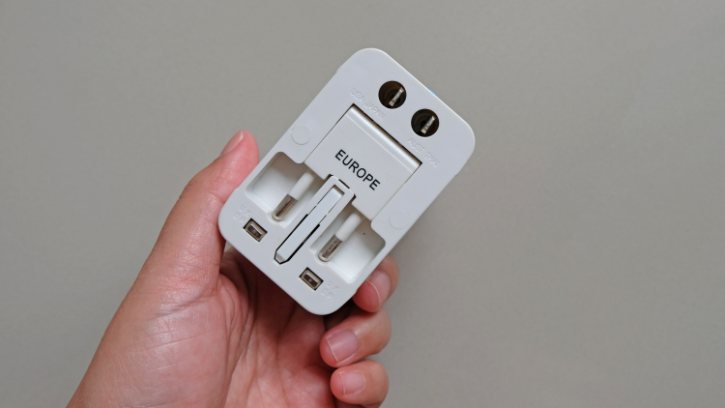
You will rely on your phone all day in France, so a good charging setup matters.
a. France Plug Basics
France uses 230V, 50Hz electricity with Type C and Type E plugs (two round pins). If you are traveling from the US, UK, Australia, Canada, New Zealand, Singapore, or Japan, you will need a plug adapter.
b. Adapter vs. Voltage Converter
These are two different things:
- A travel adapter changes the shape of the plug only
- A voltage converter changes the actual electrical voltage
Most modern phone, tablet, and laptop chargers are dual voltage (look for “INPUT: 100-240V” on the label). These only need a plug adapter.
However, single-voltage items like some hair dryers or curling irons can be damaged without a proper converter. Check the label before you pack.
c. Why a Multi-Port Charger Helps
Many French hotels, especially older or boutique ones, have very few wall sockets. A multi-port USB-C and USB-A charging hub lets you charge your phone, power bank, headphones, and camera from one outlet.
d. Packing Tips
- Confirm the adapter fits Type C and Type E sockets
- Choose a compact adapter
- Pack all the cables you need
6. Portable Power Bank
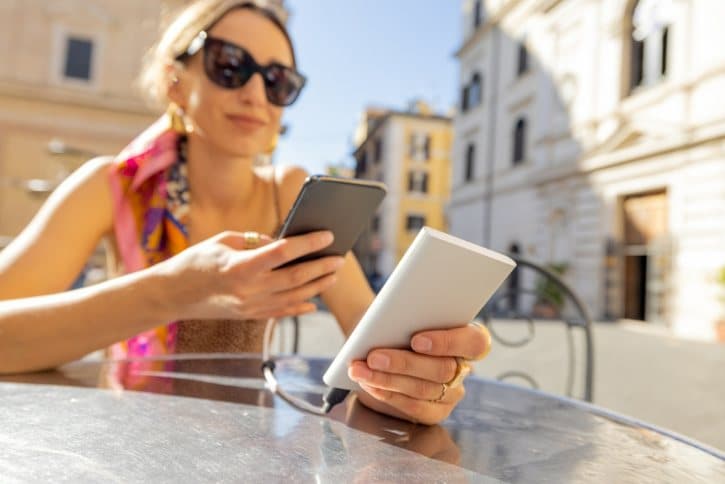
A power bank is one of those items you do not appreciate until your battery hits 5% on the way back to the hotel.
a. Why You Will Need One
You will use your phone for almost everything in France:
- Maps and walking directions
- Train and Metro tickets
- Translation apps
- Photos and videos
- Ride apps
Long sightseeing days drain a phone battery fast. If your tickets or booking QR codes are saved on your phone, a dead battery can become a real problem.
b. What to Pack
- A compact power bank that can charge your phone at least once fully
- The correct charging cable for your phone
c. Daily Habits
- Charge the power bank fully each night
- Keep it in your day bag, not in checked luggage
- Top up your phone during long lunch breaks or train rides
d. Airline Rules
Power banks must always go in carry-on baggage, never in checked luggage. Airlines like Air France enforce strict rules based on battery capacity:
- Up to 100 Wh: Allowed in carry-on with no approval
- 100 Wh to 160 Wh: Allowed with airline approval, usually 2 per person
- Over 160 Wh: Not allowed on passenger flights
Most travel-friendly power banks fall under 100 Wh. Make sure the capacity is clearly printed on the device, or security may take it from you at the airport.
7. A Personal Pharmacy Kit
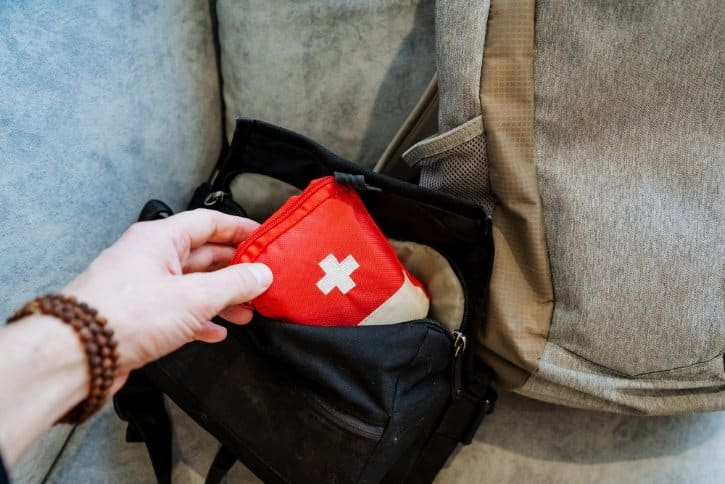
A small medicine kit can save you a lot of time and stress on a France trip.
a. Why It Helps
France has excellent pharmacies, but brand names, packaging, language, and rules can differ from what you are used to.
Some medicines sold over the counter at home require a prescription in France. Pharmacy hours can also vary, especially on Sundays and in small towns.
b. What to Pack
Keep it small and personal-use only:
- Personal prescription medicine (in original packaging)
- Pain relief such as paracetamol or ibuprofen
- Allergy tablets
- Motion sickness tablets for boats, buses, and winding roads
- Stomach medicine for upset tummies or indigestion
- Plasters and blister patches (your feet will thank you)
- Antiseptic wipes for small cuts and cleanups
- Any other regular medication you take
c. Smart Packing Habits
- Keep medicine in its original packaging with the label
- Carry prescriptions or doctor’s notes for important medicines
- Avoid mixing loose pills in random containers
- Keep essential medicine in your carry-on bag
d. Special Note on Strong or Controlled Medicine
If you take controlled, narcotic, psychotropic, or unusual prescription medicines, check official France customs, embassy, or airline guidance before you travel.
8. Small Pack of Tissues

Tissues are one of those tiny items most travelers forget, but you will reach for them all the time.
a. Why They Matter
Public toilets in France do not always have toilet paper. This is more common at older sites, rural stops, train stations, and outdoor attractions.
You will also use tissues for:
- Quick cleanups during meals or picnics
- Runny noses, especially in cool or windy weather
- Spills at outdoor cafés
- Wiping hands during train rides
- Travel with kids, who always need a tissue
b. How to Pack
- Keep a pocket-size pack in your day bag
- Pack a few extra packs in your suitcase
- Pair them with hand sanitizer or wet wipes
No need to pack a large tissue box. Tissues are especially handy on day trips outside big cities, where facilities can be more basic.
9. Foldable Shopping Bag
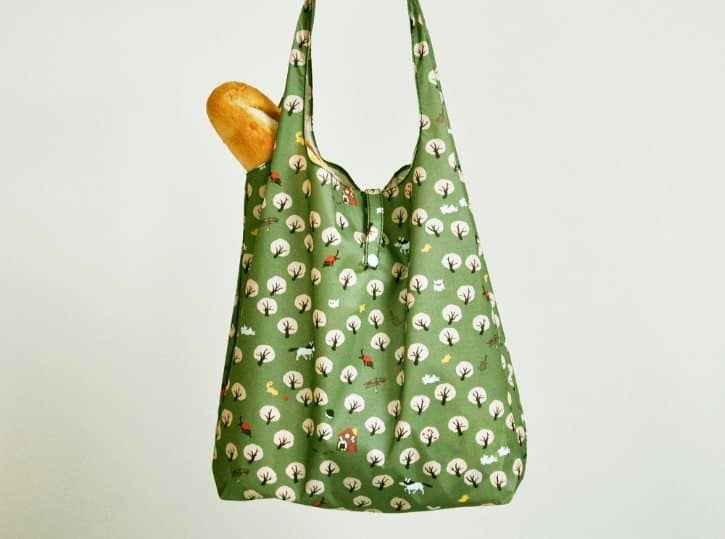
A foldable shopping bag is one of the smallest items you can pack, but it makes daily life in France much easier.
a. Why You Will Use It
You will pick up small purchases throughout the day:
- Pastries from a local bakery
- Bottled water and snacks
- Souvenirs
- Groceries and produce from markets
- Pharmacy items
France has strict rules on single-use plastic bags. Most shops do not provide them or charge a fee for reusable ones.
b. What to Look For
- A lightweight bag that folds into a small pouch
- Strong handles that can carry groceries or a bottle of wine
- A bag that fits inside your crossbody bag or backpack
c. Smart Uses
- Market visits for fresh produce and bread
- Picnics in parks or by the river
- Carrying an extra layer if the weather changes
A foldable shopping bag is not a secure bag. Keep valuables like your wallet, phone, and passport in your zipped crossbody bag, not in the tote.
10. Laundry Bag
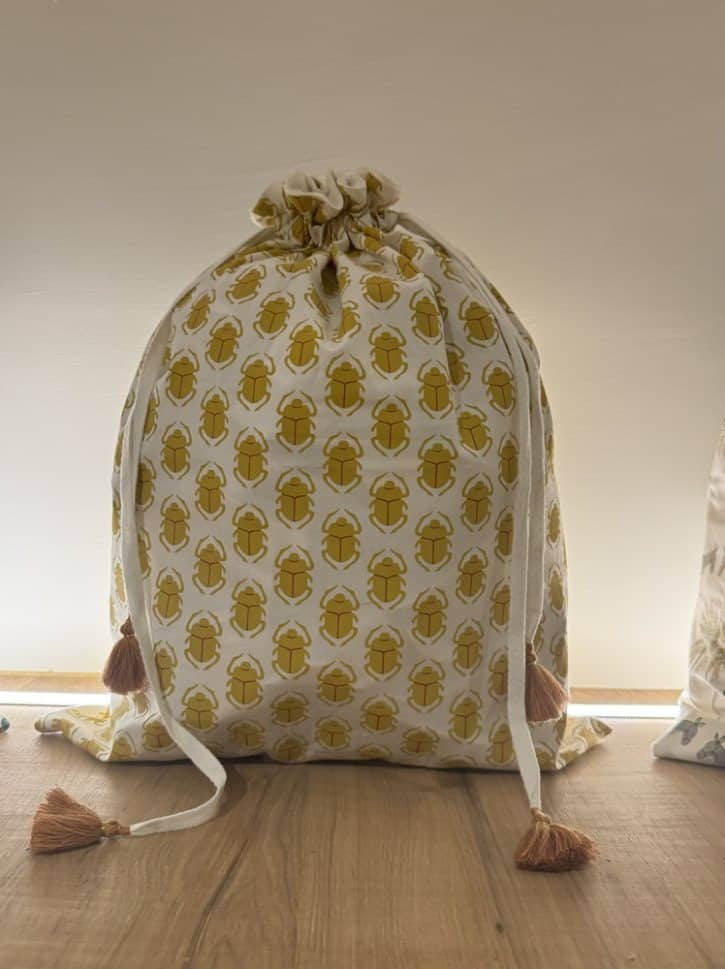
A laundry bag sounds boring, but it makes a real difference on longer France trips.
a. Why You Need One
France trips often involve a lot of walking, hotel changes, and full sightseeing days. Without proper separation, dirty clothes mix with clean ones, and your suitcase starts to smell.
This is especially useful for:
- Families traveling with kids
- Summer trips when you sweat more
- Longer trips of a week or more
- Multi-city itineraries
b. What to Pack
- A lightweight fabric laundry bag
- A packing cube or drawstring bag also works
- A smaller pouch for underwear or socks
c. Laundry Options in France
- Hotel laundry service (convenient but pricey)
- Laundromats (called laveries automatiques) are common in cities
- Sink washing for small items like socks and underwear
d. Daily Habits
- Keep dirty clothes separate from clean ones at all times
- Do not store damp clothes for long
- Choose a breathable bag to reduce odors
11. Avoid: Expensive Jewelry
a. Why Skip It
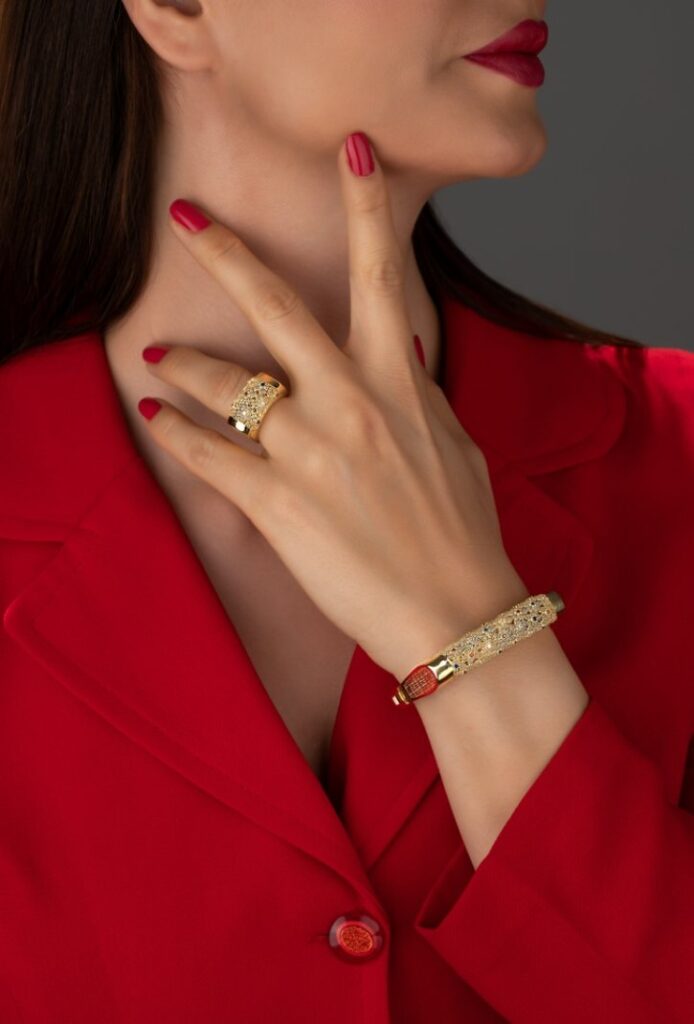
Expensive jewelry is rarely needed for a normal France holiday. Wearing visible high-value items in busy tourist areas can attract unwanted attention.
Crowded spots like the Paris Metro and popular landmarks are not the place for a flashy watch or designer necklace.
b. Better Choices
- Leave sentimental and high-value pieces at home
- Wear simple, low-profile accessories instead
- Avoid expensive watches in crowded settings
- Skip large statement pieces for daily sightseeing
c. If You Do Bring Valuables
- Check your travel insurance to see what is covered
- Use the hotel safe, and double-check it works
- Never pack valuable jewelry loose in checked luggage
- Keep a record of serial numbers or photos for insurance purposes
12. Avoid: Open Tote Bags
a. Why It Is Risky
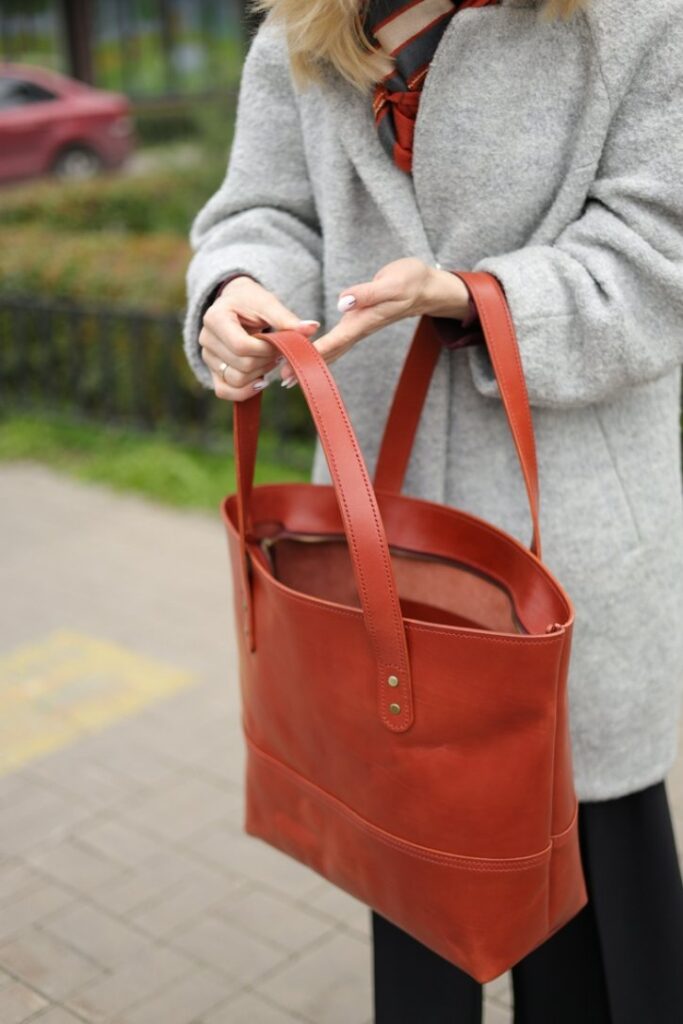
Open totes have no zipper, which means anything inside is easy to reach.
In crowded spaces like Metro stations, markets, queues, and museums, items can fall out or be lifted without you noticing.
A tote on one shoulder also gets uncomfortable after a few hours of walking.
b. Better Alternatives
- Use a zipped crossbody bag as your main day bag
- If you bring a tote, save it for groceries or souvenirs only
- Never put valuables in an open tote
c. What Not to Put in a Tote
- Passport and ID
- Wallet and cards
- Phone
- Train tickets and museum passes
- Cash
A foldable tote is still useful for shopping or carrying an extra layer. Just do not use it for the things you cannot afford to lose.
13. Avoid: Restricted, Unlabeled, or Excess Medicine

a. Why It Matters
French customs has clear rules on bringing medicine into the country.
The rules depend on the type of medicine, the quantity, whether you have a prescription, and where you are coming from.
Loose pills or large unexplained quantities can raise questions at customs or airport security.
b. Smart Packing Habits
- Keep medicine in its original packaging with the label intact
- Carry prescriptions or doctor’s notes for important medicines
- Bring only a reasonable personal-use amount
- Never carry someone else’s prescription medicine
- Keep medicine separate from supplements and loose tablets
- Pack essential medicine in your carry-on bag
c. Special Care for Strong or Controlled Medicine
For controlled, narcotic, psychotropic, sedative, or strong painkiller medicines, check the rules carefully before you travel:
- French customs (Douanes) official guidance
- Your country’s embassy in France
- Your airline’s medicine and carry-on rules
d. What to Avoid
- Loose pills in unmarked containers
- Excess quantities beyond personal use
- Unlabeled bottles with no name or dosage
- Medication that is not yours
Packing medicine the right way saves you from delays, questions at customs, or confiscation.