
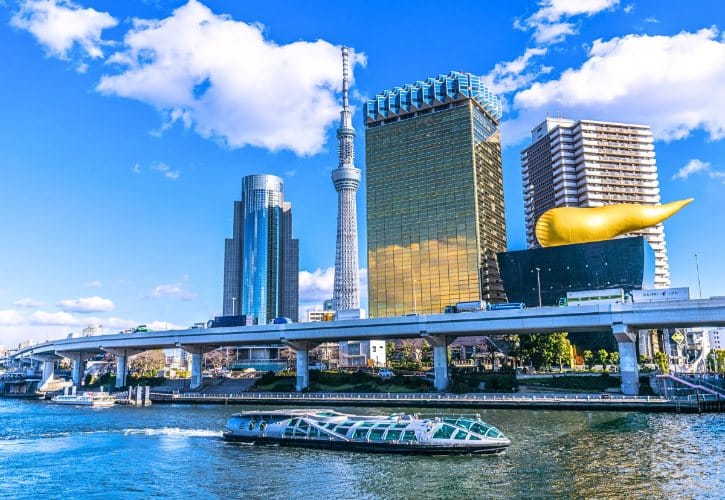
Tokyo has a reputation as one of the world’s most expensive cities, but that reputation is only half true.
With a few smart choices, you can visit without feeling squeezed by your budget.
Food, transport, hotels, and attractions are often more manageable than first-time visitors expect.
The real reason Tokyo feels expensive is rarely Tokyo itself. It is usually a handful of planning mistakes that quietly add up. Avoid these, and the city becomes a much friendlier destination for your wallet. 😊
1. Booking Travel During Japan’s Peak Domestic Holiday Weeks
Why this mistake gets expensive
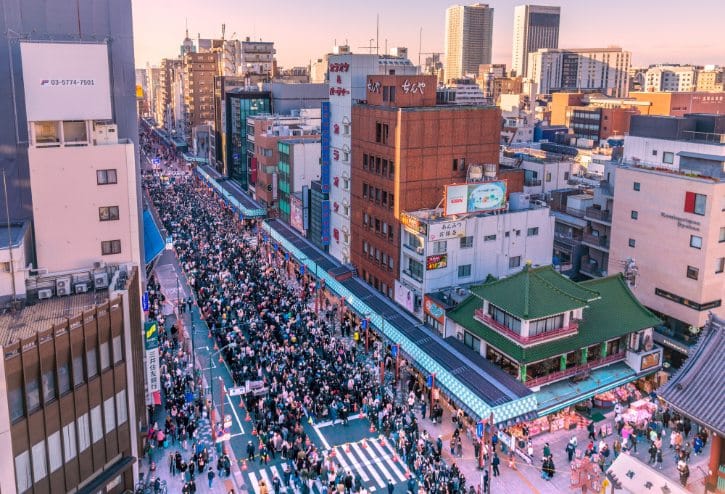
When millions of Japanese travelers move at the same time, hotel prices rise and availability drops. You end up competing for the same rooms, trains, restaurants, and attractions.
Peak periods you should know
- Golden Week, late April to early May. The busiest domestic week of the year.
- Obon, mid-August, with a travel peak around August 8 to 16.
- New Year (Oshogatsu), December 29 to January 3. Many shops and restaurants close.
- Cherry blossom season, late March to early April. Demand surges from both local and global travelers.
- Silver Week in mid-September, autumn foliage weekends, and the Christmas period.
How this affects the whole trip
Peak weeks push up more than hotel rates. Shinkansen seats sell out early, popular restaurants get harder to book, attractions feel packed, and day-trip towns get crowded.
What you should do instead
- Check Japan’s public holiday calendar before locking in dates.
- Compare flexible travel dates across a two or three week window.
- Book refundable hotels early if you must travel during a busy season.
Useful practical tip
Traveling just before or just after a peak week often gives you similar weather, fewer crowds, and noticeably lower prices.
2. Choosing the Wrong Area to Stay
Why location matters in Tokyo
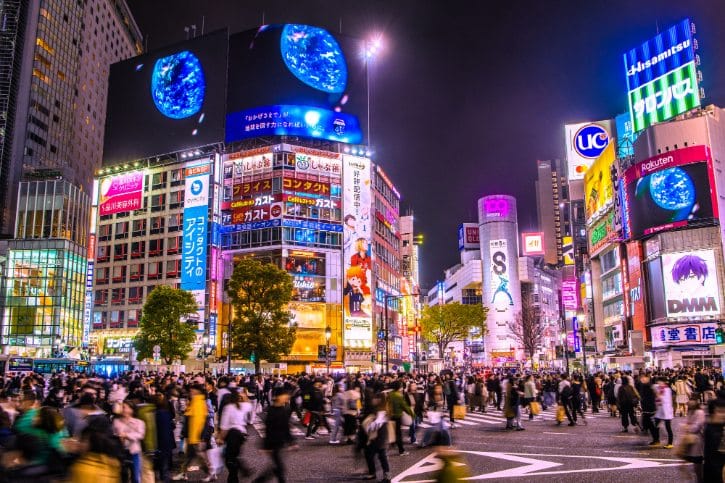
Tokyo is huge, and the city runs on its trains. A cheap room far from your plans costs you in daily fares, lost time, and the risk of a late-night taxi.
Expensive areas versus practical areas
Famous areas like Ginza, Shinjuku, Shibuya, and Tokyo Station are convenient but pricey. Three better-value options:
- Strong transport, Yamanote Line access, and a direct route to the airport via the Keisei Skyliner.
- A traditional area with a long history of budget-friendly hotels.
- A major transport hub similar to Shinjuku but usually cheaper.
Match the area to your travel style
- Ueno suits museum lovers, families, and airport-heavy schedules.
- Asakusa suits travelers who like a slower, traditional pace.
- Ikebukuro suits shoppers and food lovers who want strong west-side connections.
Check station access, not just the neighborhood name
Before booking, confirm the exact walking distance to the nearest station, which lines stop there, and whether the station has elevators or escalators for luggage.
What you should do instead
Pick your area based on your itinerary, your airport route, and the places you plan to visit most. A slightly more expensive but well-located hotel often saves money overall.
3. Booking Hotels Too Late or Too Early Without Research
Why timing matters
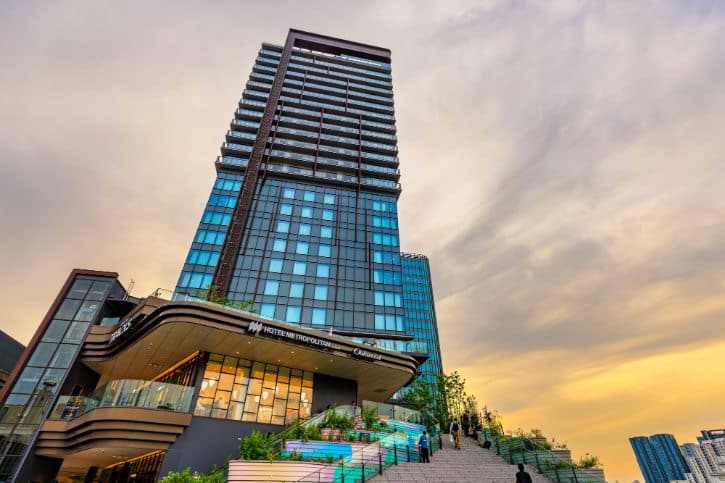
Booking too late often leaves you with high prices, small rooms, or awkward locations. Booking too early without research can lock you into a hotel that does not match your final itinerary.
Room size matters in Tokyo
Standard business hotel rooms in Tokyo are usually 15 to 18 square meters. Before booking, check:
- The exact room size and bed dimensions.
- Whether a large suitcase can open fully.
- The bathroom layout, which is often compact.
What you should compare
- Location and walking distance to the nearest station.
- Direct or simple access to your airport.
- Nearby food, laundry, and convenience stores.
- Reviews that mention noise.
- Whether breakfast is included or charged separately.
Practical strategy
Use a two-step booking method. First, reserve a refundable, well-reviewed hotel early to lock in a fair price. As your travel date gets closer and your itinerary firms up, recheck options and switch only if you find something clearly better.
4. Paying for Hotel Breakfast Without Comparing Options
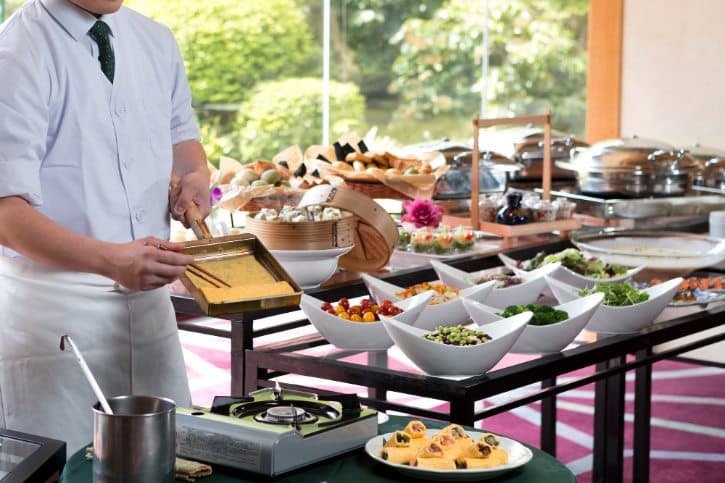
Why this quietly raises the trip cost
Hotel breakfast can add ¥1,500 to ¥3,000 or more per person per day. Over a week, for a couple or family, that is a real expense most travelers accept without comparing.
When hotel breakfast is worth it
- Very early starts before local places open.
- Bad weather days.
- Families with young children.
- Hotels with strong, well-reviewed buffets.
When it may not be worth it
- You plan to leave early and explore.
- You enjoy local cafés or bakeries.
- You want flexibility in your morning routine.
Affordable alternatives
- Convenience stores for onigiri, sandwiches, fruit, yogurt, and coffee, often around ¥400 to ¥600
- Gyudon chains like Matsuya, Yoshinoya, and Sukiya, with hot Japanese breakfast sets for about ¥350 to ¥600.
- Café chains like Doutor and Komeda, with morning sets for ¥400 to ¥700.
- Local bakeries (pan’ya) for fresh pastries and curry bread.
Practical tip
“Breakfast included” is not automatically the better deal. A room-only rate plus a local breakfast often gives you better value and more flexibility.
5. Not Using Convenience Stores and Supermarkets Smartly
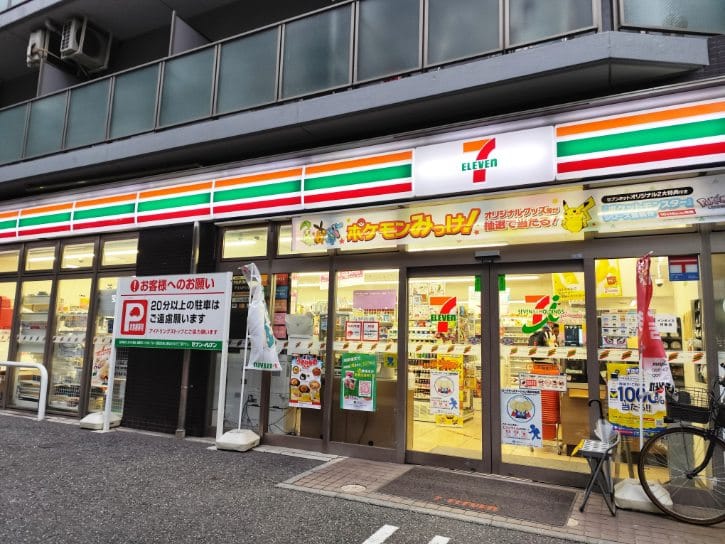
Why this saves money
Coffee, snacks, drinks, and light lunches add up fast at sit-down restaurants. Using convenience stores and supermarkets in a smart way keeps the food budget steady without making the trip feel restrictive.
Convenience stores versus supermarkets
- Convenience stores (konbini) are quick and everywhere. Great for breakfast, snacks, and drinks on the go.
- Supermarkets are better for bigger meals, fresh fruit, bulk drinks, and prepared dishes for evenings at the hotel.
Evening discounts
Supermarkets often discount prepared food starting around 6:30 PM to 7:30 PM. Look for these sticker markers:
- 半額 (hangaku) means 50% off.
- 割引 (waribiki) with a number means a percentage off, such as 2割引 for 20% off.
- 円引 (yen biki) means a yen amount off, such as 100円引 for 100 yen off.
Practical tip
Use convenience stores for breakfast and snacks, supermarkets for evenings at the hotel, and save restaurant spending for meals that really feel worth it, such as ramen, sushi, tempura, or an izakaya night.
Read More: 10 Must-Try Foods at 7-Eleven in Japan
6. Taking Taxis Too Often
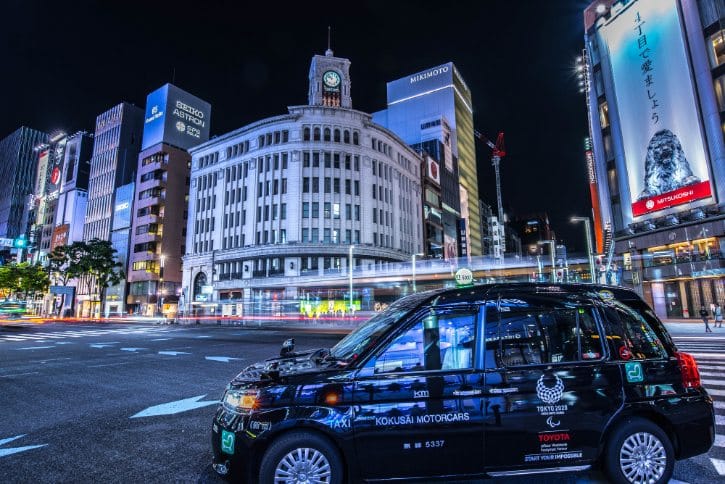
Why taxis get expensive fast
The base fare is around ¥500 to ¥600 for the first kilometer, then about ¥100 for every additional 232 to 300 meters. A subway trip under ¥300 can easily run ¥4,000 or more by taxi in traffic.
When taxis make sense
- Late nights after the trains have stopped.
- Heavy rain or bad weather.
- Tired or very young children.
- Heavy luggage between nearby hotels.
- Short rides split among three or four people.
The late-night issue
Tokyo trains do not run 24 hours. Most lines stop around midnight, and taxis charge a 20% surcharge between 10:00 PM and 5:00 AM. If you plan a late night, check the last train before heading out.
What you should do instead
Plan most days around the train and subway network, and keep taxis for moments that really need them.
7. Buying the Wrong Train Pass
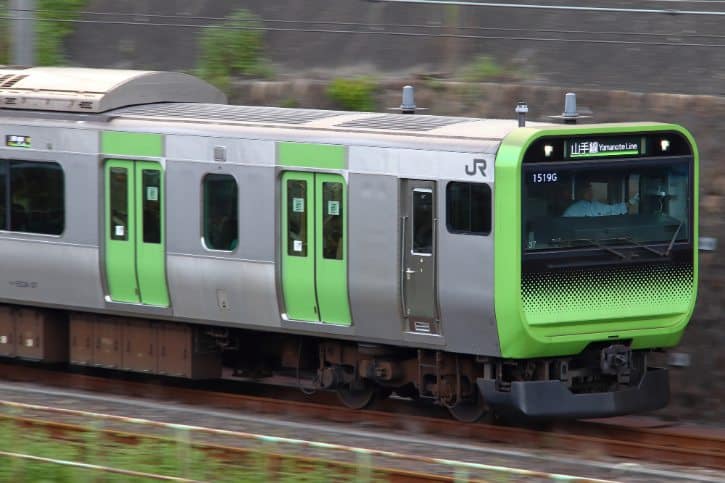
IC cards versus passes
- IC cards like Welcome Suica or PASMO are tap-and-go cards. They do not give big discounts, but they work across nearly all trains, subways, buses, vending machines, and convenience stores.
- Discount passes give unlimited rides, but only on specific networks.
When a pass may help
The Tokyo Subway Ticket covers Tokyo Metro and Toei Subway lines:
- 24-hour ticket: ¥1,000
- 48-hour ticket: ¥1,500
- 72-hour ticket: ¥2,000
Since single subway fares run from ¥180 to ¥330, you usually need around four covered rides per day for the pass to pay off.
When a pass may not help
A subway pass falls short if your sightseeing focuses on JR Yamanote stops such as Shinjuku, Shibuya, Harajuku, and Akihabara, since the Tokyo Subway Ticket does not cover JR lines.
The JR Pass mistake
The nationwide Japan Rail Pass is designed for long-distance Shinkansen travel between cities. For a Tokyo-only trip, it is almost always a waste of money.
What you should do instead
Build a rough daily route first, then check whether a pass actually fits. For many Tokyo-only trips, a pay-as-you-go IC card is the most practical option.
8. Ignoring Luggage, Coin Locker, and Airport Transport Costs
Why luggage creates extra costs
Crowded trains, long station passages, and missing elevators make big suitcases stressful. Many travelers then fall back on taxis or paid storage that was never in the original budget.
Coin locker costs
Coin lockers usually run ¥300 to ¥500 per day for small lockers and ¥700 to ¥1,000 per day for larger ones. They clear at midnight, so one extra day can mean another full charge.
Airport transport choices
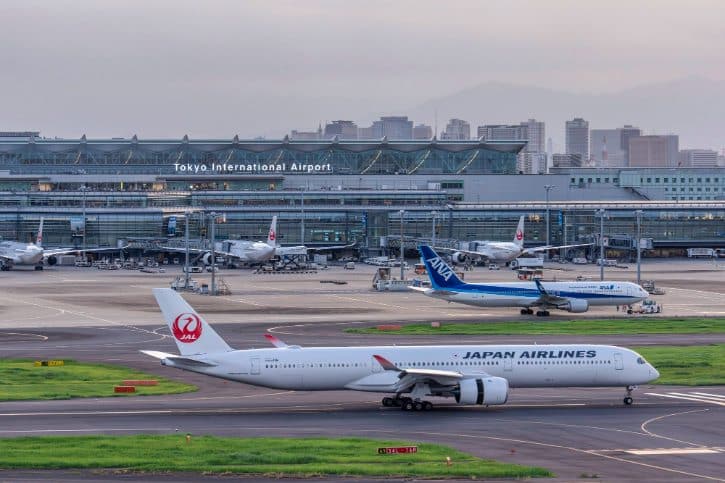
From Haneda Airport:
- Tokyo Monorail, around ¥490 to ¥660.
- Keikyu Airport Line, around ¥300 to ¥410.
- Limousine Bus, around ¥1,300 to ¥1,500, easier with big bags.
From Narita Airport:
- Keisei Skyliner, around ¥2,580 to Nippori and Ueno.
- Narita Express (N’EX), around ¥3,140 to Tokyo Station or Shinjuku.
- Keisei Limited Express, around ¥1,400, slower but very affordable.
- Limousine Bus, around ¥3,600, stress-free with heavy luggage.
A taxi from Narita can cost ¥22,000 to ¥30,000, which is rarely worth it.
Luggage delivery
Services like Yamato Transport (Ta-Q-Bin) are useful for families or large bags. Local hotel-to-hotel delivery is roughly ¥2,170 to ¥3,160 depending on size, with airport delivery around ¥3,290 per bag.
What you should do instead
Before confirming a hotel, check airport routes, station exits, elevator access, and coin locker options near the hotel.
9. Visiting Too Many Paid Attractions Without Planning
Why this gets expensive
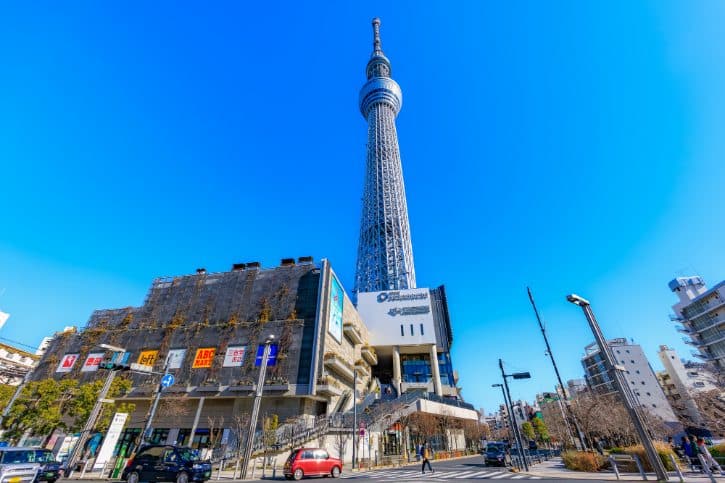
Tickets to observation decks, theme parks, museums, and digital art exhibits often run ¥2,000 to ¥8,000 or more per person. Stack several in one day and your trip total climbs fast.
Free and low-cost Tokyo experiences
- Walking districts like Akihabara, Harajuku, and Shimokitazawa.
- Senso-ji in Asakusa and Meiji Jingu near Harajuku, both free to enter.
- Ueno Park and Sumida River walks.
- Department store basement food floors (depachika).
- The Tokyo Metropolitan Government Building observatories, around 202 meters up, free to enter, with free projection mapping shows in the evening.
Avoid overlapping experiences
You do not need several observation decks, multiple themed museums, or two similar digital art exhibits in one short trip. Choose one or two of each kind so they feel more memorable.
Book the right attractions in advance
Popular paid attractions, including theme parks and certain observation decks, often need advance booking. This helps you lock in lower official prices, skip long queues, and avoid marked-up resellers.
Practical tip
A good rhythm is one main paid highlight per day, plus free or low-cost neighborhood exploration around it.
10. Not Planning Day Trips Carefully
Why day trips can increase the budget
Trains, local buses, entry fees, meals, and coin lockers can easily add ¥5,000 to ¥15,000 per person to a single day trip.
Choose the right day trip for your schedule
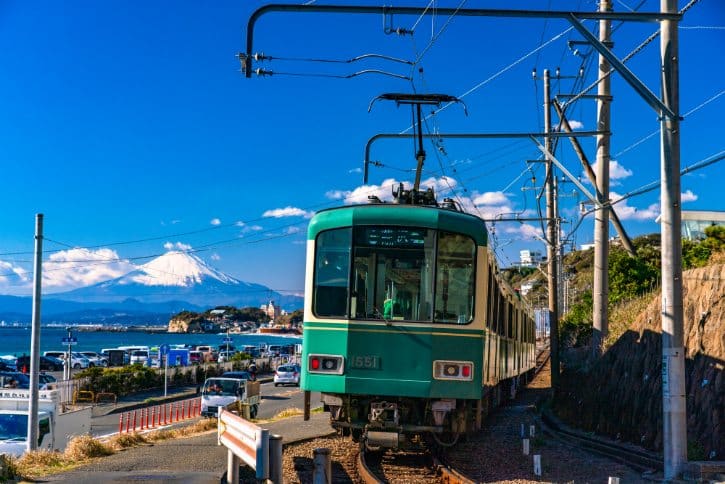
- Kamakura and Enoshima, around 60 minutes away, with the Great Buddha and coastal scenery.
- Hakone, around 85 minutes away, known for hot springs and Mount Fuji views on clear days.
- Nikko, around 120 minutes away, with Toshogu Shrine and Kegon Falls.
- Kawagoe (Little Edo), 30 to 50 minutes away, with Edo-period streets.
- Yokohama, 20 to 40 minutes away, with Chinatown and the Minato Mirai waterfront.
Check transport passes carefully
Useful regional passes include:
- Odakyu Enoshima-Kamakura Freepass, around ¥1,640 for one day from Shinjuku.
- Odakyu Hakone Free Pass, around ¥6,000 for two days.
- Tobu NIKKO PASS World Heritage Area, around ¥3,000 for two days from Asakusa.
- Tobu Kawagoe Pass Premium at around ¥1,200, or Seibu Kawagoe Pass at around ¥1,000.
Compare each pass against the normal round-trip fare plus the local transport you actually plan to use.
Weather and season matter
Weather can make or break some day trips, especially Mount Fuji viewpoints, Hakone, Enoshima, and outdoor temple or foliage spots. Cloud cover can fully hide Mount Fuji.
What you should do instead
Plan each day trip around realistic travel time, opening hours, the return route, and expected weather. Leave one or two Tokyo days unscheduled so you can swap a day trip to a better weather day or simply rest.
Related Posts

Photo Credit:
Photos by PIXTA