
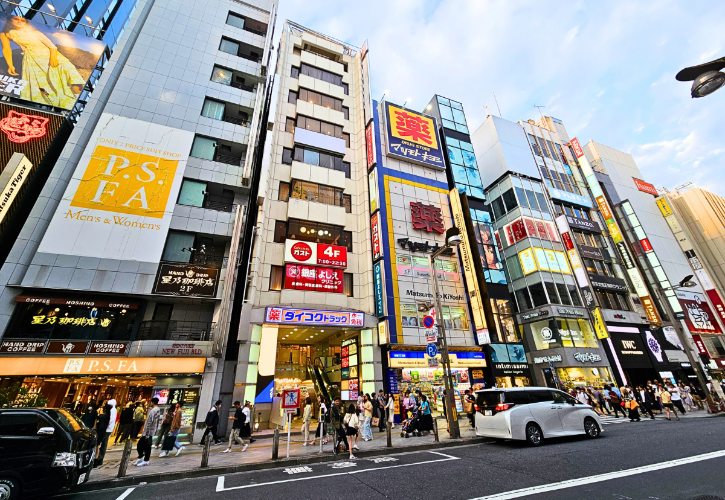
Planning where to stay in Tokyo? The city is one of the safest, easiest big cities for visitors, yet your hotel area still shapes comfort, noise, walking routes, transport, and how restful your nights feel.
The right base makes a calm, smooth trip, whether you are a first time visitor, traveling with family, as a couple, or on a budget.
So which neighborhoods are worth booking, and which call for a little extra care? Let’s walk through all eight below.
1. Asakusa
Old Tokyo Charm with a Calm, Walkable Base
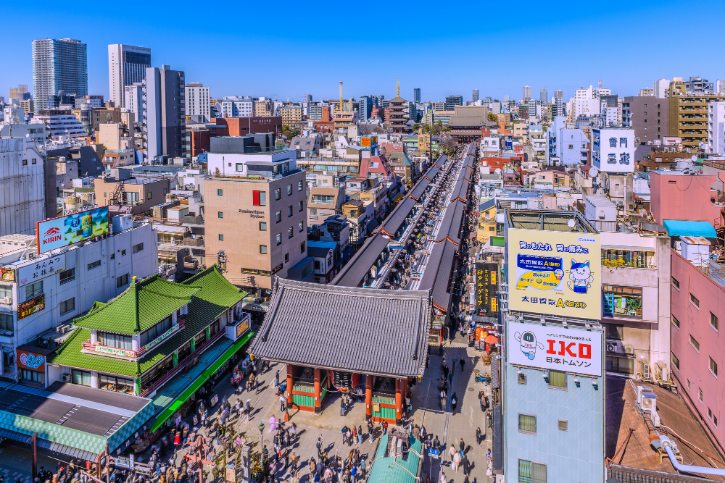
Asakusa is traditional, scenic, and easy to enjoy. You get historic temples, river walks, and local food, with a calmer mood than Tokyo’s busiest districts. It is a lovely base if you want culture rather than nightlife.
a. Why Asakusa Is a Good Place to Stay
Asakusa centers on Sensoji Temple, Kaminarimon Gate, the Nakamise shopping street, and the Sumida River. The old buildings and merchant streets give it a strong cultural feeling, and the flat layout makes it simple to walk.
Because local life focuses on daytime sightseeing, the streets feel relaxed after dark.
Just remember Asakusa sits on the east side, so long days in Shibuya, Harajuku, or western Tokyo mean longer trips. Even so, it is a comfortable base for first timers.
b. Best Suited For
- First timers who want a traditional Tokyo feel
- Families, couples, and older travelers who like calm, walkable streets
- Cultural travelers and photographers
- Budget and mid range travelers
c. Transport and Connectivity
A quick note: four different stations share the name “Asakusa Station”, run by different companies, so check which one is closest to your hotel.
- Tokyo Metro Ginza Line: Ueno in about 5 minutes, Ginza about 16 minutes, Shibuya about 33 minutes
- Toei Asakusa Line: Haneda in about 50 minutes, Narita in about 65 minutes
- Tobu Skytree Line: direct to Tokyo Skytree and on to Nikko
- Tsukuba Express Asakusa Station: a separate building about 600 meters west, with Akihabara in about 4 minutes
The Tsukuba Express does not accept standard subway passes. Reaching Shinjuku takes about 25 to 30 minutes with a transfer at Kanda or Nihonbashi.
d. Day and Night Atmosphere
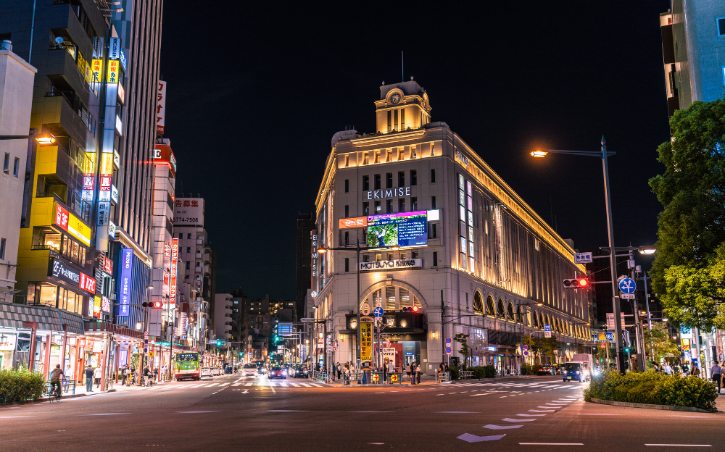
By day, Asakusa is lively, photogenic, and crowded with temple visitors and food stalls. In the early evening, the pace slows, and the lit up temple and river views make for a gentle stroll.
Late at night the streets turn very quiet, and many shops close early, so dining is limited. Stay near the main station or a brightly lit street for an easy walk back, and visit the temple grounds early to beat the crowds.
e. Practical Hotel Location Tips
- Book within about a 5 minute walk of the eastern station cluster
- Spots near Kaminarimon, Sensoji, Tobu Asakusa Station, or the river side suit first timers
- Check the exact station and exit, not just “Asakusa” in the hotel name
- Avoid quiet residential side streets if you arrive late with heavy luggage
Read More:
2. Ueno
A Practical, Well Connected Hub for Families and First Timers
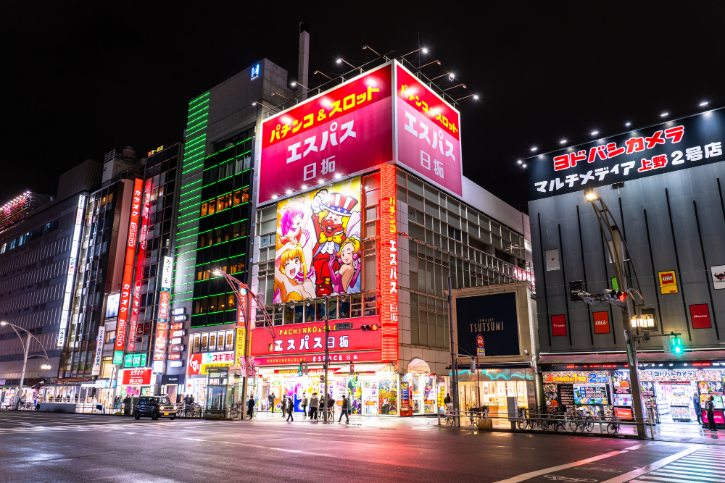
Ueno is practical, lively, and very well connected. It is busier than Asakusa but still easy to manage, with museums, parks, a zoo, food streets, shopping, good value, and strong train access in one place.
a. Why Ueno Is a Good Place to Stay
Ueno is a major rail junction with JR lines, several subways, and direct bullet trains. Its biggest advantage is the fast, direct Keisei Skyliner to Narita Airport.
The district blends the green space of Ueno Park with the lively old market energy of Ameyoko. Hotels usually cost less than in Ginza or central Tokyo, so you get convenience and value together.
b. Best Suited For
- First timers and families who want easy transport
- Museum, art, and history lovers
- Travelers using Narita Airport
- Budget and mid range travelers
c. Transport and Connectivity
Ueno is three connected hubs: JR Ueno, Keisei Ueno, and Tokyo Metro Ueno.
- JR Ueno: the Yamanote and Keihin-Tohoku lines reach Tokyo Station, Akihabara, Shinjuku, and Shibuya
- Keisei Ueno: the Skyliner reaches Narita Terminal 2 and 3 in as little as 41 minutes, the fastest airport rail link in the country
- Tokyo Metro Ginza and Hibiya lines for central Tokyo, plus Okachimachi Station nearby
Ueno is handy for JR East bullet trains heading north and west, such as the Tohoku, Joetsu, and Hokuriku lines. The Tokaido Shinkansen to Kyoto and Shin-Osaka does not stop here, so for those cities you transfer at Tokyo Station or Shinagawa first.
d. Day and Night Atmosphere
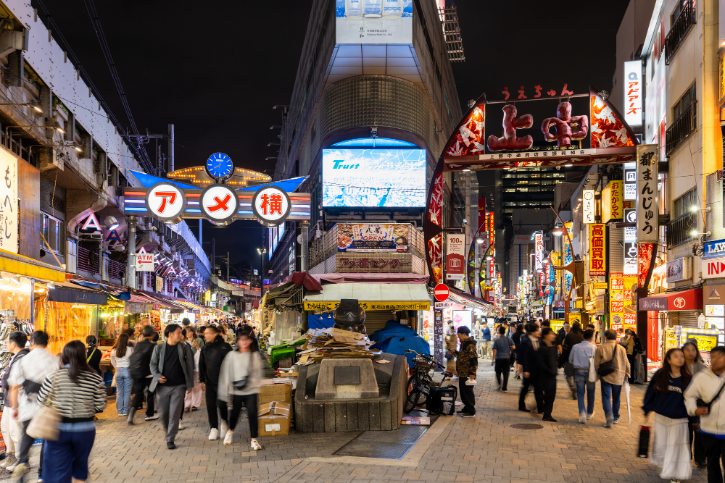
By day, Ueno is active and family friendly around the park and museums, while the Ameyoko side buzzes with shoppers. In the early evening, the lanes under the rail tracks become a lively open air dining strip.
The area is practical and safe, but some backstreets near the southern entertainment pockets, or toward Uguisudani, can feel a little rough late at night compared with the quiet park side.
e. Practical Hotel Location Tips
- For a peaceful night, choose the northern, park facing side of JR Ueno or near the Iriya Exit
- For fast airport access, stay near the JR Hirokoji Exit or Keisei Ueno
- Hotels around Ameyoko are lively and convenient but busier
- Arriving from Narita with heavy bags, pick a flat, direct path from Keisei Ueno
3. Ginza
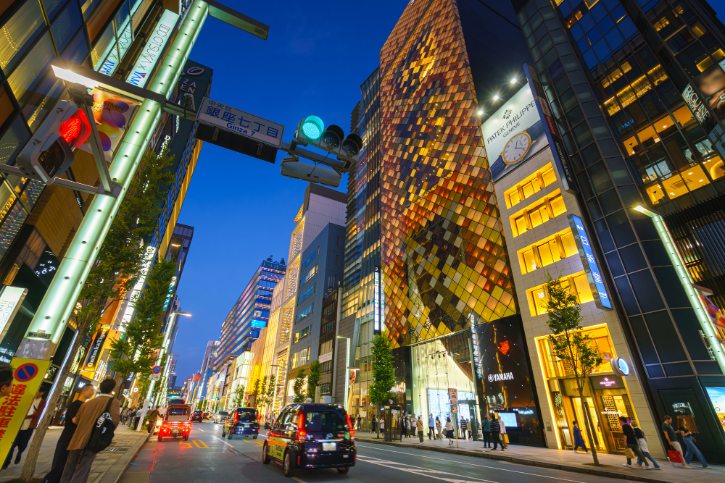
Polished, Upscale, Central, and Comfortable
Ginza is one of Tokyo’s most comfortable and elegant bases. Picture clean, wide streets, department stores, fine dining, and easy transport. It costs more, but it is very convenient if you value comfort and peace of mind.
a. Why Ginza Is a Good Place to Stay
Ginza is famous for department stores, luxury brands, fine restaurants, and wide, beautiful streets. The whole area feels clean, organized, and easy to walk.
It sits in the heart of central Tokyo, within walking distance of Tokyo Station, Yurakucho, Hibiya, Marunouchi, the Imperial Palace area, the Kabukiza Theatre, and the Tsukiji Outer Market.
That central position makes it a calm, low stress base, though it costs more than Ueno, Asakusa, or Nippori.
b. Best Suited For
- Couples and luxury travelers who want an elegant base
- Families who value cleanliness and a secure setting
- First timers who want a central, premium stay
- Business travelers and Shinkansen users
c. Transport and Connectivity
- Ginza Station: the Tokyo Metro Ginza, Marunouchi, and Hibiya lines, with direct links to Shibuya, Shinjuku, Roppongi, Ueno, and Akihabara
- Higashi Ginza Station: about 300 meters east, with direct Haneda access in about 50 minutes, plus Tsukiji and Asakusa
- Ginza Itchome Station: on the Tokyo Metro Yurakucho Line
- Yurakucho Station: about 500 meters west, on the JR Yamanote and Keihin-Tohoku lines
- Tokyo Station, the hub for all bullet trains, is a short walk or a 3 minute taxi ride away
d. Day and Night Atmosphere
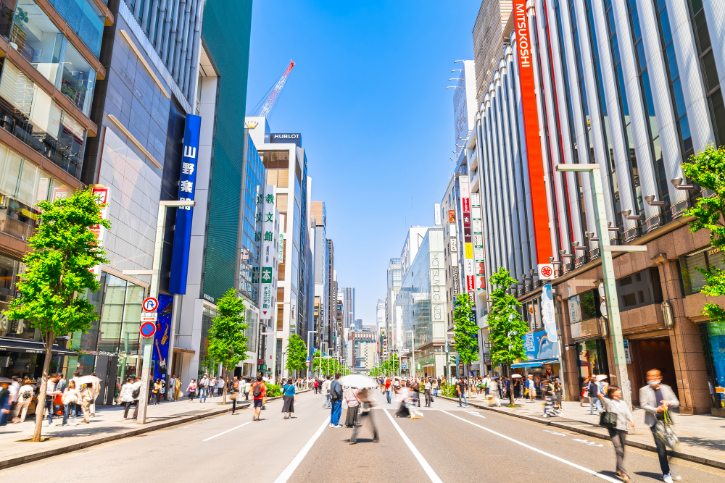
By day, Ginza is elegant and busy. On weekends and holidays, the main Chuo Dori closes to cars and becomes a pedestrian street, sometimes called Hokosha Tengoku, from noon to 5pm in winter (October to March) and until 6pm in summer (April to September).
In the evening, the district is beautifully lit and refined. Late at night it grows very quiet as shops close, making it one of the most peaceful central bases in Tokyo.
e. Practical Hotel Location Tips
- Near Ginza Station or the Ginza Yonchome intersection gives the best shopping and dining access
- The Yurakucho side is handy for JR access and casual food
- The Higashi Ginza side is quieter and good for the Kabukiza and Tsukiji
- Watch for hotels using “Ginza” in the name but sitting far from the core
Read More: Top 17 Things to Do in Ginza
4. Shinjuku (But Avoid Kabukicho Side)
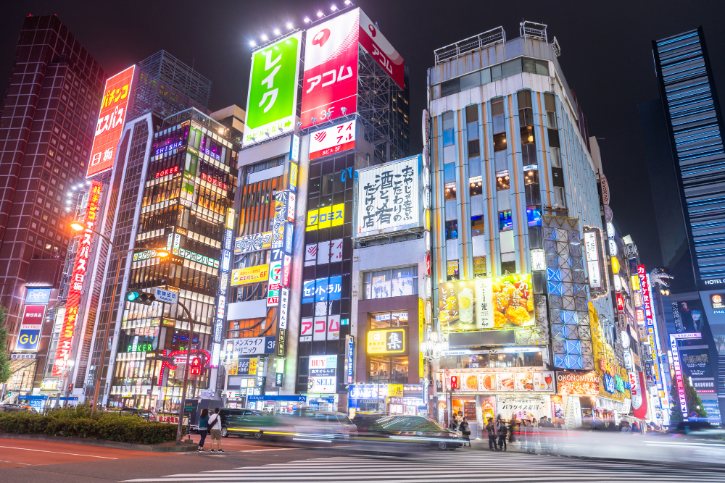
Tokyo’s Best Transit Hub, but Choose the West or South Side Carefully
Shinjuku is one of Tokyo’s most convenient areas, but hotel location really matters. The west side, south side, and Nishi Shinjuku feel very different from Kabukicho and the east side nightlife zone. For peaceful evenings, choose the calmer sides.
a. Why Shinjuku Is a Good Place to Stay
Shinjuku Station is the world’s busiest railway station, with direct, fast access to almost every major district and day trip spots like Hakone, Kamakura, and Mount Fuji.
The area is packed with department stores like Isetan and Takashimaya, endless dining, and stunning views.
As a base, it gives maximum transport efficiency. But it is huge and crowded, so the wrong side of the station, or a hotel deep in nightlife streets, can feel overwhelming. The west or south side keeps things calm.
b. Best Suited For
- First timers who want maximum transport convenience
- Day trippers to Mount Fuji, Hakone, or the western suburbs
- Shoppers, food lovers, and business travelers
- Solo and repeat visitors who do not mind crowds
c. Transport and Connectivity
- Shinjuku Station: JR lines, Tokyo Metro, Toei Subway, Odakyu, and Keio lines, plus nearby Seibu Shinjuku
- Tochomae Station (Toei Oedo Line) and Nishi Shinjuku Station (Tokyo Metro Marunouchi Line) let you skip the main station crowds on the west side
- Shinjuku Sanchome Station on the east side for shopping
- The south side connects to Busta Shinjuku, the main expressway bus terminal, for Mount Fuji, airports, and regional cities
One key tip: the station has over 200 exits, and walking between them underground can take more than 15 minutes. Confirm the exact exit closest to your hotel before you arrive.
d. Day and Night Atmosphere
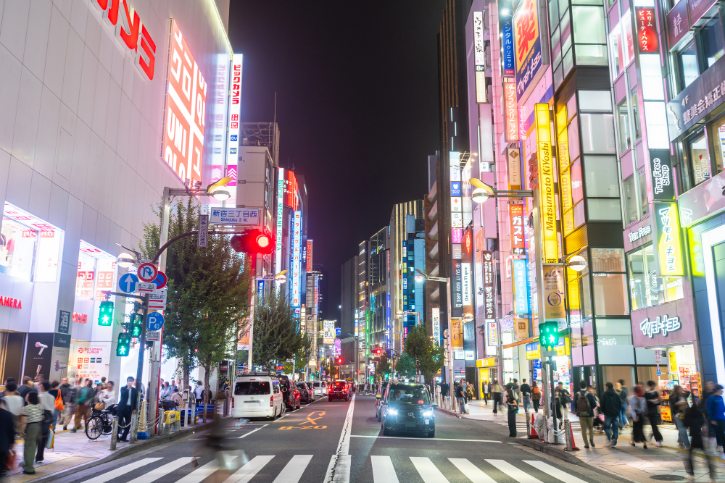
By day, Shinjuku is a massive hub of commuters, shoppers, and office workers, and it lights up with neon in the evening.
Late at night the two sides differ. The west and south sides become peaceful and business focused, with wide quiet streets.
The east side, especially Kabukicho, stays loud and nightlife heavy until early morning. Treat Kabukicho as a place to visit with awareness, not the same as all of Shinjuku.
e. Practical Hotel Location Tips
- Better areas include Nishi Shinjuku, the west side, the south exit area, and near Tochomae, but not deep in nightlife streets
- If you want quiet, avoid hotels inside Kabukicho or next to entertainment streets
- Check the walking route from the station, not just the distance
- Save your hotel address in both English and Japanese, and plan your route before arrival
Read More: 17 Best Things to Do in Shinjuku with My Perfect Itinerary
5. Nippori & Nishi-Nippori
A Quiet, Affordable, Local, and Airport Friendly Base
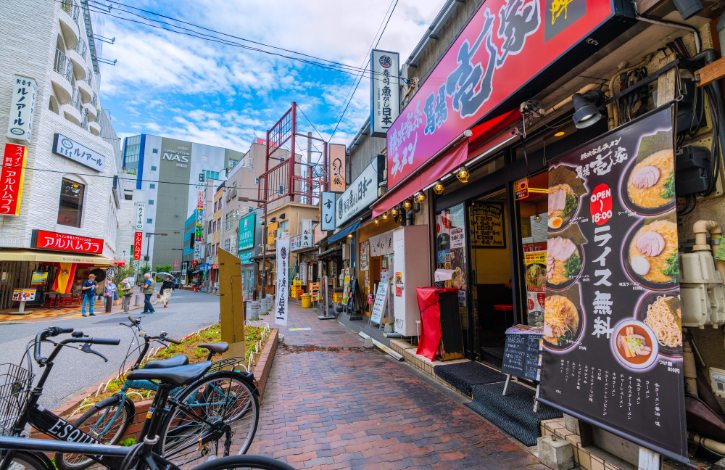
Nippori and Nishi Nippori are underrated, quiet, and very practical. You get a local feeling, old Tokyo charm, lower prices, calm evenings, and excellent airport access. Think of them as a quieter alternative to Ueno that stays well connected.
a. Why Nippori and Nishi Nippori Are Good Places to Stay
Nippori Station sits right on the JR Yamanote Line, so getting around the city is easy. Its best feature is the direct, non stop Keisei Skyliner to Narita Airport.
The area borders Yanaka, one of Tokyo’s most historic neighborhoods, known for traditional shopping streets and quiet temples.
Hotels and meals cost noticeably less than in central Tokyo, so it is great value for travelers who want calm rather than nightlife.
b. Best Suited For
- Travelers using Narita Airport
- Budget travelers, solo travelers, and repeat visitors
- Quiet seekers, photographers, and slow travelers
- Families who prefer calm evenings
c. Transport and Connectivity
- Nippori Station: the JR Yamanote, Keihin-Tohoku, and Joban lines, the Keisei Line, and the Nippori Toneri Liner
- The Keisei Skyliner reaches Narita in 36 minutes, and you can transfer to the JR Yamanote Line in under two minutes
- Tokyo in about 11 minutes and Akihabara in about 7minutes from Nippori
- Nishi Nippori Station: a short walk north, adding the Tokyo Metro Chiyoda Line for direct trips to Otemachi, Hibiya, and Omotesando
A standard trip to western Tokyo takes about 20 to 25 minutes on the Yamanote Line.
d. Day and Night Atmosphere
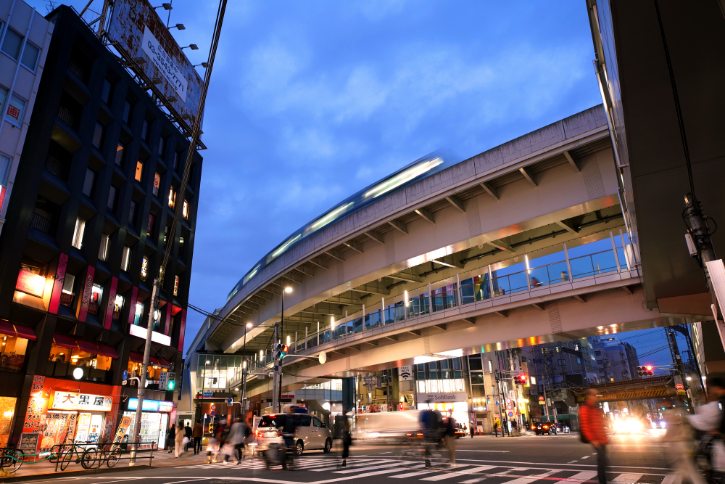
By day, the area is peaceful and nostalgic, with people strolling Yanaka Ginza or browsing fabric in the Textile Town. In the early evening, it stays quiet, with locals dining at neighborhood bakeries and casual eateries.
Late at night the streets are very quiet. Because it is mostly residential, dining options are limited compared with Shinjuku or Ueno. It is calm and restful, but if you want nightlife, plan to take the train elsewhere and come back.
e. Practical Hotel Location Tips
- For Narita airport trains, stay close to Nippori Station
- For Chiyoda Line access, stay close to Nishi Nippori
- Choose hotels with clear, well lit routes from the station
- Avoid the quiet residential alleys of Yanaka if you arrive late, and check elevator access if you have luggage
6. Extra Careful: Kabukicho (Shinjuku)
Japan’s Most Famous Entertainment District
Kabukicho is Tokyo’s famous neon nightlife district. You can visit, but treat it differently from a normal hotel neighborhood. The caution is mainly about late night visits, touts, unclear prices, and where you stay. You do not need to fear Kabukicho, just stay aware.
a. What the Area Is Known For
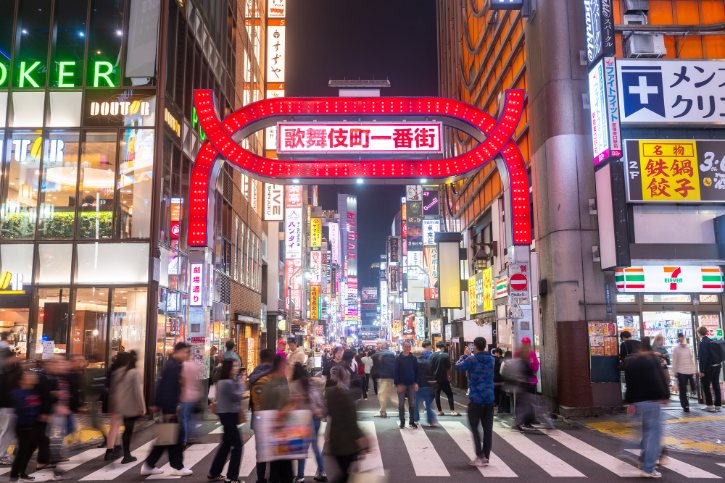
Kabukicho is known for huge neon signs and a dense mix of restaurants, bars, karaoke, and theaters. Landmarks include the red Kabukicho Ichibangai gate, the giant Godzilla Head on the Hotel Gracery, and the tall Tokyu Kabukicho Tower, with the tiny alleys of Golden Gai and Omoide Yokocho nearby.
b. Why Tourists Should Be More Aware Here
Kabukicho is generally safe from violent crime. The main concerns are financial and scam related.
- Touts, called kyakuhiki, target foreign tourists with promises of cheap drinks.
- Overcharging scams, known as bottakuri, lead visitors to hidden bars, then hand over a huge bill.
- Host club debt schemes are now restricted by rules from June 2025 that ban hosts from using manipulation or threats to push clients into debt.
c. When Tourists Should Be Extra Careful
- Late in the evening and after the last train
- Around bars, clubs, and narrow side streets
- When strangers invite you into venues
- When tired, alone, or carrying valuables
Daytime and early evening are very different from late night nightlife.
d. Common Issues Tourists May Want to Avoid
- Street touts offering deals, which are illegal and often lead to scam venues
- Bars without clear, printed prices and entry fees
- Paying by card in small, unreviewed basement venues
- Arguments over inflated bills, since police can legally detain people for up to 23 days
e. Practical Safety Tips
- Ignore touts and pick your own venue using trusted reviews
- Walk on bright, busy main streets, not back alleys
- Keep your spending in check and your card in sight when paying
- If there is a dispute, go to the nearest police box (koban) or call 110
f. Is It Still Okay to Visit?
Yes. Many tourists come for photos, food, lights, and landmarks, and daytime or early evening is fine for a short visit. It is simply better as a place to visit than a place to choose for a peaceful hotel stay.
g. Should Tourists Avoid Staying There Completely?
Not completely, but it is not the best pick for families, first timers, or anyone wanting quiet nights.
A hotel inside core Kabukicho means passing noisy streets and touts each time you leave. If you choose the area anyway, check the exact street and noise reviews first.
h. Safer Nearby Alternatives
- Nishi Shinjuku, the west side
- The south exit side of Shinjuku
- Shinjuku Sanchome, but not deep inside nightlife streets
7. Extra Careful: Roppongi (Nightlife District)
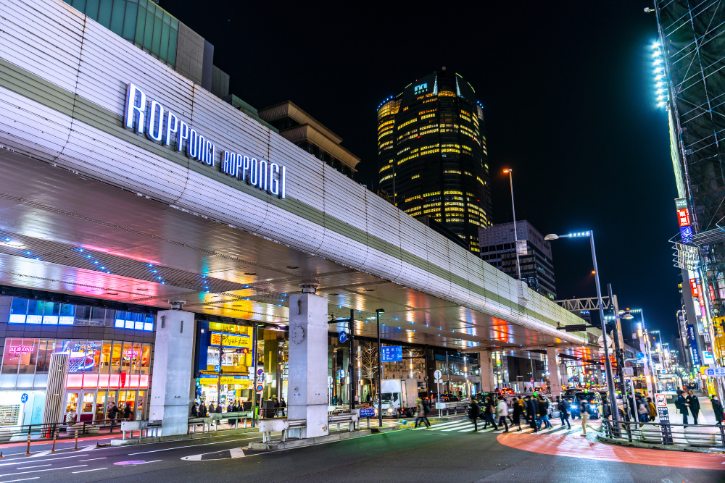
Art, Dining, Luxury Complexes, and Late Night Nightlife Risks
Roppongi has two sides. By day it offers art, dining, luxury complexes, embassies, and an international feeling. By night it becomes a busy nightlife hub. The caution is mostly about late night venues, touts, overcharging, drink safety, and how you handle your cards.
a. What the Area Is Known For
Roppongi is famous for big culture and shopping complexes, including Roppongi Hills, Tokyo Midtown, the Mori Art Museum, the National Art Center Tokyo, and the Tokyo City View observation deck. Roppongi Crossing is the busy central junction, and the area has a strongly international feeling.
b. Why Tourists Should Be More Aware Here
Roppongi is wealthy and secure by day. But official advice from several governments, including the UK Foreign Office and the US State Department, warns about crime targeting foreigners in late night drinking spots.
Some clubs and bars, often linked to touts near Roppongi Crossing, target tourists with drink spiking, then run up fraudulent card charges or steal a wallet. These problems belong to certain nightlife settings, not the daytime sightseeing.
c. When Tourists Should Be Extra Careful
- Late at night and after the last train
- Around Roppongi Crossing, nightlife streets, bars, and back streets
- When strangers or promoters invite you into venues
- When leaving a venue late or walking alone
d. Common Issues Tourists May Want to Avoid
- Pushy invitations from touts, or strangers leading you to a venue
- Unclear prices, cover charges, and overcharging
- Drink spiking and unattended drinks
- Card fraud, or being led to an ATM to settle a disputed bill
e. Practical Safety Tips
- Decide where you are going first, and use reputable, well reviewed places
- Do not follow touts, and keep a polite but firm “no”
- Keep your drinks and belongings with you, and never leave a drink unattended
- Check the bill, watch your card or pay with cash, and leave while trains still run
f. Is It Still Okay to Visit?
Yes. Roppongi is great for museums, city views, shopping complexes, dining, and early evening walks. The caution mainly applies to late night nightlife streets and venues, not the area as a whole.
g. Should Tourists Avoid Staying There Completely?
Not necessarily. Some hotels near Roppongi Hills, Tokyo Midtown, or quieter nearby streets are comfortable and secure. For a peaceful stay, avoid hotels right beside nightlife streets. Families and first timers may prefer a calmer base.
h. Safer Nearby Alternatives
- Ginza, for a polished central base
- Akasaka, a refined business and dining area
- The Kamiyacho area near Tokyo Tower, for a quieter spot nearby
8. Extra Careful: Ikebukuro (North and West Exits)
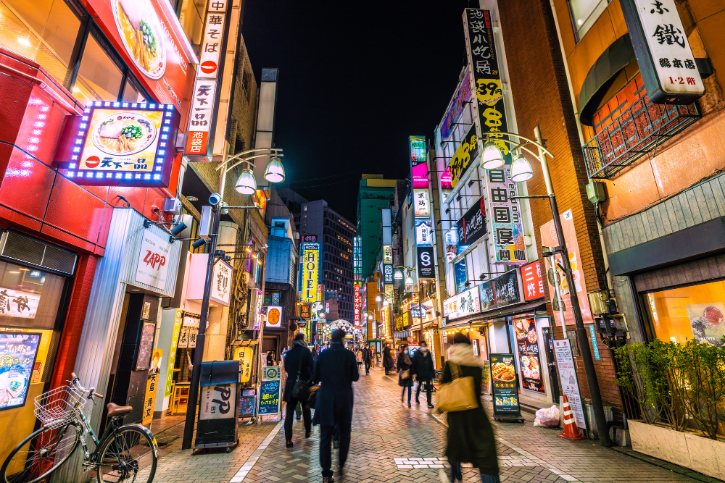
A Major Shopping and Transport Hub with Nightlife Pockets to Choose Carefully
Ikebukuro is a big hub for transport, shopping, food, anime, manga, and entertainment, and it is generally safe and enjoyable. The sides of the station feel very different. The family friendly east side around Sunshine City contrasts with the north and west exit nightlife pockets, where you should take more care late at night.
a. What the Area Is Known For
Ikebukuro Station is one of Tokyo’s largest railway terminals, anchored by giant department stores. The district is famous for anime and manga culture, centered on Otome Road, hobby shops, themed cafes, and the huge Sunshine City complex on the east side. The west exit has dining streets, and the north exit has late night streets.
b. Why Tourists Should Be More Aware Here
The east side around Sunshine City is very useful for tourists. The north and west exit areas have more late night venues and side streets.
- The north exit is a dense entertainment district with hostess bars, adult clubs, love hotels, and drinking spots.
- Late at night, these exits see persistent street touting toward adult venues or unclear bars.
- Following touts into unreviewed backstreet bars can lead to sudden, large fees.
c. When Tourists Should Be Extra Careful
- Late at night and after the last train
- Around the north exit and west exit side streets
- When promoters or touts approach you
- When alone, carrying luggage, or hunting for cheap accommodation without checking the street first
d. Common Issues Tourists May Want to Avoid
- Touts and street invitations into unknown bars
- Unclear nightlife pricing
- Accepting drinks from strangers
- Confusing exits that lead into adult entertainment corridors
e. Practical Safety Tips
- Use main station exits and main roads, and avoid following touts
- Choose restaurants yourself rather than accepting street invitations
- Check hotel streets on a map and read recent reviews mentioning noise
- For a calmer stay, choose hotels near the east exit or Sunshine City side
f. Is It Still Okay to Visit?
Yes. You do not need to avoid Ikebukuro as a whole. The east side around Sunshine City, with its department stores, anime shops, aquarium, restaurants, and shopping streets, is useful and safe. The caution mainly applies to the north and west exit nightlife pockets late at night.
g. Should Tourists Avoid Staying There Completely?
Not entirely. Ikebukuro can still be convenient and good value. Just avoid booking blindly around the north exit side streets if you want a calm stay. The east exit or Sunshine City side is better for a calmer base.
h. Safer Nearby Alternatives
- The Ikebukuro east side near Sunshine City, close to major department stores and main roads
- Ueno, for value and transport convenience
- Nippori, for a quieter local base
- Sugamo and Komagome, quiet residential neighborhoods on the Yamanote Line with easy access to central Tokyo
Related Posts

Photo Credit:
Photos by PIXTA