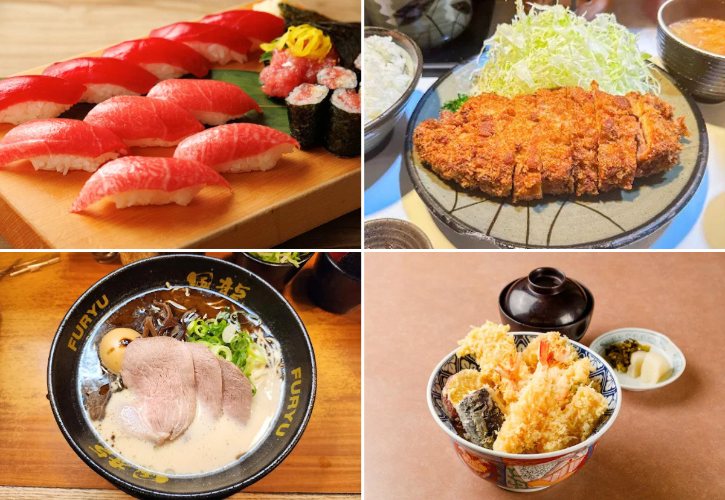
Shinjuku is one of Tokyo’s best neighborhoods for food.
You can find ramen, sushi, yakiniku, tempura, tonkatsu, gyukatsu, tsukemen, udon, and all kinds of casual comfort food within walking distance.
The food scene here covers everything from huge ramen bowls and smoky grilled meat to handmade noodles, crispy cutlets, fresh sushi, and classic tempura.
Whether you want something quick and filling or a proper sit-down meal, Shinjuku has a spot for you. 😊
1. Ramen Jiro Shinjuku Kabukicho
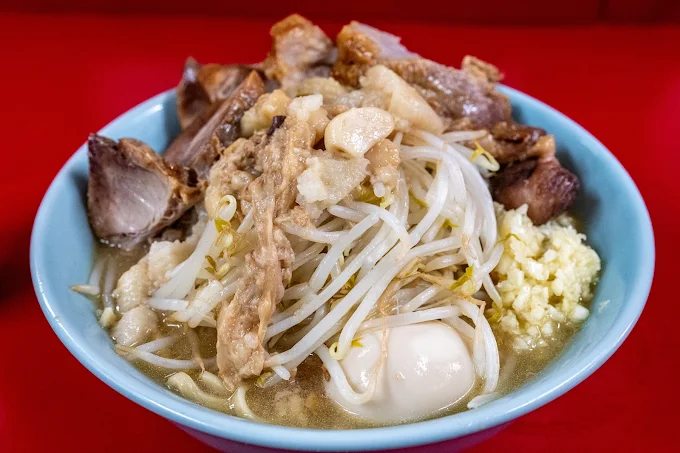
Best for a huge, heavy, extremely filling ramen bowl.
What It Is
- A bold, heavy ramen built around a high-sodium, emulsified tonkotsu pork broth that is oily, garlicky, and intensely savory.
- The noodles are thick, flat, and chewy, completely different from standard thin ramen noodles.
What You Get
- Thick-cut pork chashu, a towering pile of blanched cabbage and bean sprouts, freshly pressed garlic, and rich pork back fat.
- You can customize your bowl by requesting more vegetables (yasai), garlic (ninniku), pork fat (abura), or soy seasoning (karame). “Mashi” means extra, “Mashi-Mashi” means double.
Why Visit
- This is not a light meal. It is designed for serious eaters who want a massive, deeply filling bowl.
- The bold, unapologetic flavor and enormous portions make it one of the most memorable ramen experiences in Shinjuku.
- If you enjoy heavy, savory food and want a challenge, Ramen Jiro delivers like nothing else.
2. Soushi Menya Musashi
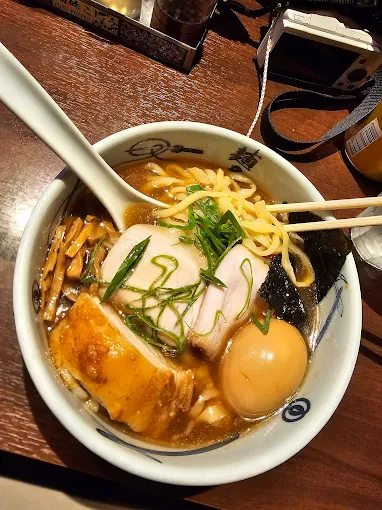
Best for a famous Shinjuku ramen shop with rich, satisfying flavor.
What Makes It Special
- Known for its double-broth technique. The soup blends a long-simmered pork and chicken stock with a savory seafood broth infused with bonito flakes and dried sardines.
- The result is a polished, aromatic broth with rich depth and smoky marine undertones.
What to Order
- Thick, elastic wheat noodles that hold the heavy broth well.
- The signature kakuni, slow-braised pork belly chunks with a tender, butter-like texture.
- First-time visitors should try the “Ajitama Ramen” or the tsukemen (dipping noodles).
How It Differs from Ramen Jiro
- More polished and balanced. Less extreme in portion size and heaviness.
- The double-broth style gives it layered complexity that Jiro does not aim for.
- A strong choice for travelers who want a reliable, satisfying ramen meal without the overwhelming intensity of Jiro.
3. TOKYO SUSHI ITAMAE SUSHI Shinjuku Toho Building
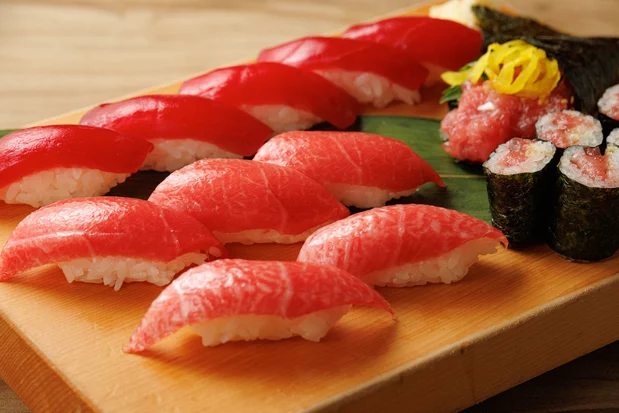
Best for approachable sushi in central Shinjuku without a luxury omakase feel.
What It Offers
- Premium domestic bluefin tuna sourced directly from “Ishiji”, a well-known Toyosu Market wholesaler.
- Cuts range from lean akami to richly marbled chutoro at more accessible prices than high-end sushi bars.
- The menu includes nigiri sets, seasonal sashimi, fresh sea urchin, and creative sushi rolls.
Dining Style
- Spacious and modern, much more comfortable for families and groups than the tiny counters at traditional sushi shops.
Budget Tip
- While the overall pricing is competitive, premium seafood items carry higher market costs.
- Check individual menu prices before ordering luxury à la carte options so you can manage your budget.
- Nigiri sets are a practical way to enjoy a variety of fish without overspending.
4. Yakiniku En Shinjuku
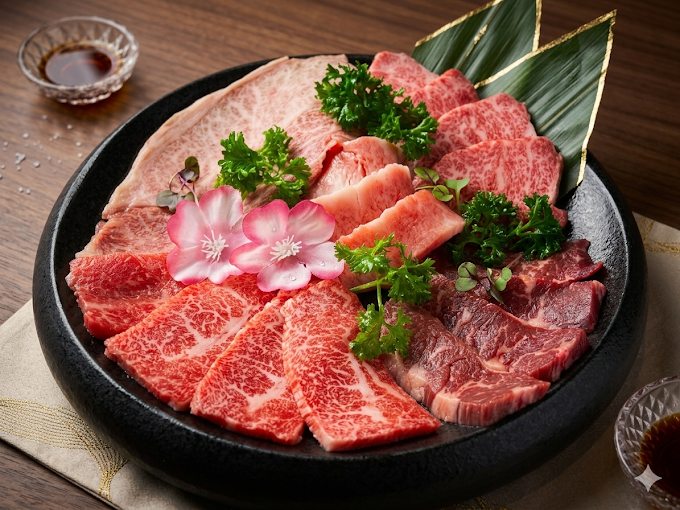
Best for grilled meat and a fun yakiniku dinner experience.
What You Get
- High-quality cuts including premium kalbi, loin, tongue, harami (skirt steak), black wagyu, and a wide selection of hormone (offal).
- You grill each piece yourself over a table-top grate, letting the fat render and char for a rich, smoky aroma.
Signature Dish
- Tsubo Kalbi. A long strip of short rib marinated for a full day in a sweet-savory secret sauce, cooked whole on the grill, and cut with shears at the table.
Who It Is For
- Groups, couples, and meat lovers who want a fun, interactive dinner.
- The combination of dipping sauces, rice, soups, and side dishes makes it a complete meal.
- The smoky aroma and charred edges on each piece of meat are part of what makes yakiniku so enjoyable.
Budget Tip
- Ordering continuous à la carte premium wagyu can add up quickly. Set menus or pre-selected meat platters are a practical way to control costs.
5. Afuri Karakurenai Shinjuku Subnade
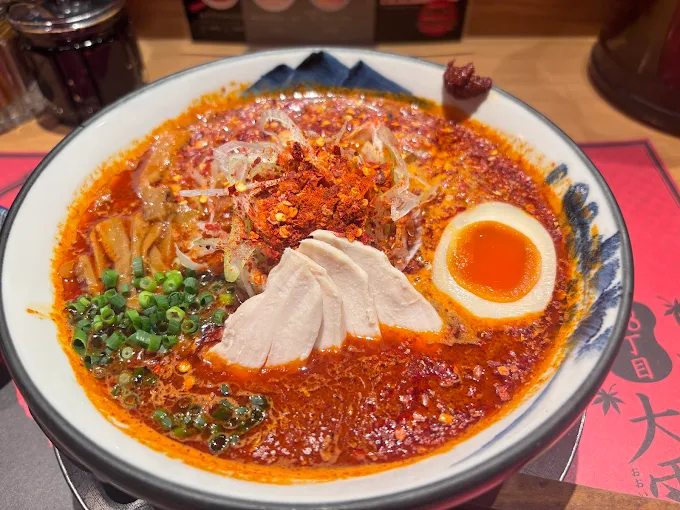
Best for modern spicy ramen with yuzu and lighter flavors.
What Makes It Different
- The base is AFURI’s signature clear chicken broth, lifted with fresh Kochi yuzu juice, international chili peppers, and aromatic sansho pepper.
- The result is a clean, bright, citrus-forward bowl that delivers layered heat without feeling oily or heavy.
Menu Highlights
- Spice levels from 0 to 8, plus an extreme level 28 “Yuzu Karakurenai Ramen”.
- Thin noodles kneaded with sansho pepper, topped with braised pork, green onions, and bamboo shoots.
- Rainbow Vegan Ramen made with vegetable broth and lotus root noodles for vegetarian diners.
How It Compares
- Lighter and brighter than the pork-heavy bowls at Ramen Jiro and Hakata Furyu. A good choice if you want ramen but do not want to feel weighed down.
6. Hakata Furyu Shinjuku East
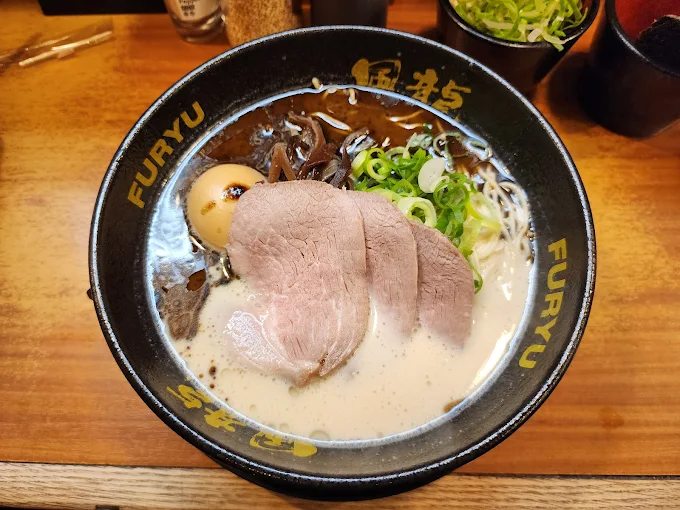
Best for classic Hakata-style tonkotsu ramen.
What to Expect
- A creamy, opaque pork bone broth that is slow-simmered for deep, satisfying flavor.
- Ultra-thin, straight wheat noodles that cook quickly to an al dente bite.
- Classic toppings include pork chashu, green onions, and wood ear mushrooms (kikurage).
Free Noodle Refills
- Each bowl comes with up to two free noodle refills (kaedama). You can choose your preferred noodle firmness, from soft to extra firm.
- Table condiments include garlic, sesame seeds, and spicy takana (pickled mustard greens).
How It Compares
- Less massive and extreme than Ramen Jiro.
- More tonkotsu-focused than the double-broth of Menya Musashi.
- Richer and more pork-driven than the lighter, citrusy AFURI.
- A reliable choice for travelers who specifically want classic, creamy tonkotsu ramen in Shinjuku.
7. Tempura Shinjuku Tsunahachi Souhonten
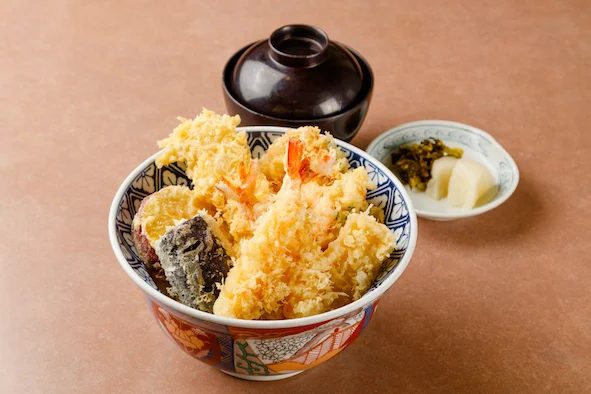
Best for classic tempura with a traditional Shinjuku feel.
What Makes It Stand Out
- Established in 1924. Skilled artisans fry premium seafood and seasonal vegetables directly in front of diners.
- The exclusive use of pure, premium sesame oil gives each piece a nutty aroma and a lightweight, golden crust.
What to Order
- Tiger prawns, squid, seasonal vegetables, conger eel (anago), and mixed tempura fritters (kakiage).
- Served as elegant set meals or over rice as tendon (tempura rice bowl).
- The classic “Akane” set is a balanced introduction for first-time guests, with freshly fried items alongside rice, miso soup, and pickles.
Why Visit
- A proper sit-down Japanese meal beyond ramen and sushi.
- Crispy, freshly fried food that is satisfying without feeling heavy.
- The traditional atmosphere and skilled artisans make it a dining experience, not just a meal.
8. Ramen Hayashida Shinjuku Shop
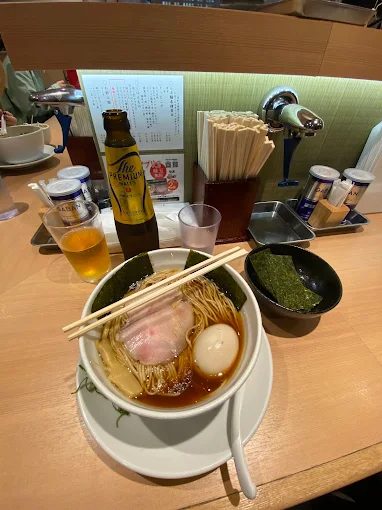
Best for refined ramen with deep, carefully layered flavor.
What Makes It Special
- A clean, golden-clear shoyu (soy sauce) ramen built on high-quality duck bones and whole Daisen chickens.
- The broth is deeply savory, aromatic, and rich in umami but stays remarkably light and clean.
What to Order
- Thin, smooth wheat noodles paired with pork and chicken chashu, bamboo shoots, and a seasoned egg with a bright-orange yolk.
- The signature “Tokusei Shoyu Ramen” or the “Nodoguro Soba”, which uses a luxurious blackthroat seaperch stock for concentrated seafood umami.
How It Compares
- More refined and elegant than the rustic intensity of Ramen Jiro.
- More polished than Hakata Furyu’s comfort-focused tonkotsu.
- Less spicy and modern than AFURI.
- Focuses on ramen rather than Fuunji’s dipping-noodle style.
9. Gyukatsu Motomura
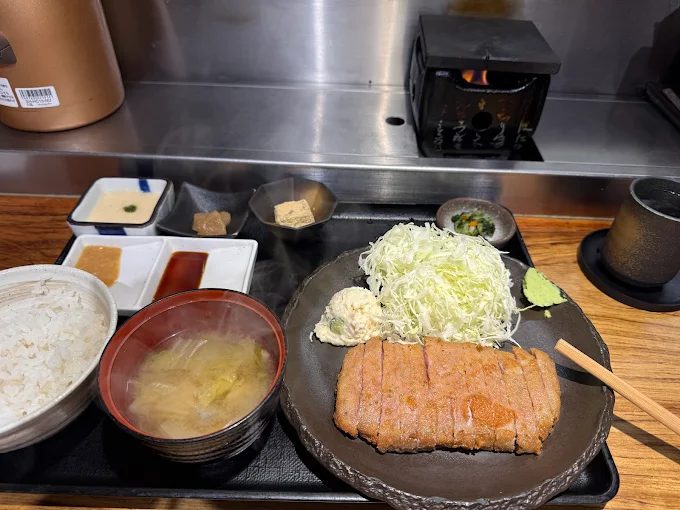
Best for crispy beef cutlet served with a hot stone.
What Gyukatsu Is
- Deep-fried beef cutlet, different from the pork-based tonkatsu. A wagyu beef cutlet coated in ultra-fine breadcrumbs and flash-fried for just sixty seconds, leaving it golden and crispy outside, tender and rare inside.
The Experience
- Each seat gets a personal hot stone grill. You sear slices of the rare beef to your preferred doneness, creating a rich aroma and juicy texture.
- The set includes barley rice, shredded cabbage, potato salad, miso soup, pickles and dipping sauces (wasabi soy, rock salt, mountain wasabi).
Why Travelers Love It
- Easy to understand, fun to eat, photogenic, and filling.
- A great change of pace from ramen and sushi.
- The interactive hot stone element makes it feel like a unique experience, not just another meal.
10. Tonchinkan
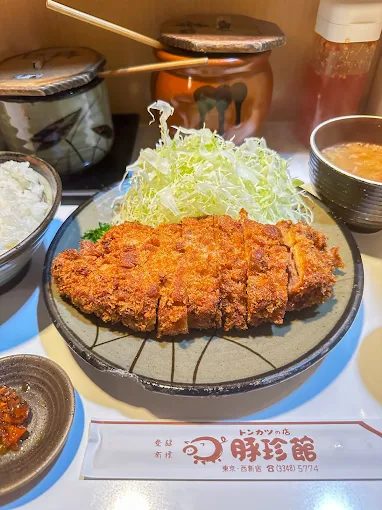
Best for classic pork tonkatsu in Shinjuku.
What It Serves
- Deep-fried pork cutlet, one of Japan’s most beloved comfort foods. Tonchinkan has been a West Shinjuku fixture since 1977.
- Rosu Katsu (loin): Thick, juicy, and richer with more fat.
- Hire Katsu (fillet): Leaner, softer, and more delicate.
How It Differs from Gyukatsu Motomura
- Tonchinkan focuses on pork cutlet, fully cooked with a thick crispy coating. Motomura focuses on beef cutlet, served rare and seared on a hot stone.
- Different meats, different textures, different experiences.
Who It Is For
- Anyone who wants a filling Japanese comfort meal.
- Great for people who like fried cutlets and want something hearty but not ramen.
- The unlimited rice and cabbage refills make it especially satisfying for hungry travelers.
11. Fuunji
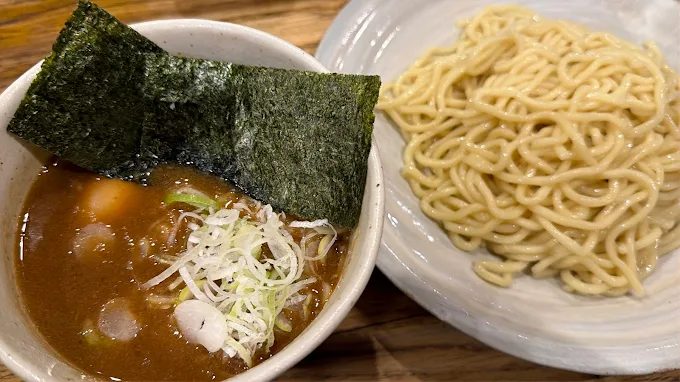
Best for rich tsukemen and one of Shinjuku’s most famous dipping noodle experiences.
What Tsukemen Is
- Thick, chewy noodles served cold on a separate plate and dipped into a concentrated, hot broth. Related to ramen, but the eating experience is completely different.
What Makes Fuunji Special
- Freshly boiled noodles are shocked in ice-cold water for a firm, elastic bite.
- The dipping broth is cooked for over fourteen hours, blending rich chicken with a concentrated seafood dashi of kelp, bonito flakes, and sardines.
- Topped with a dense mound of aromatic fish powder. The broth is thick, savory, smoky, and clings perfectly to each noodle strand.
Soup-Wari
- After finishing your noodles, you can dilute the remaining broth with hot dashi stock from a shared pitcher on the counter.
- This turns it into a soothing soup, a satisfying way to close out the meal.
Why It Deserves Its Own Spot
- Tsukemen is a completely different eating experience from ramen. The concentrated broth, cold noodles, and dipping style create something you will not find at any of the ramen shops listed above.
12. Udon Shin
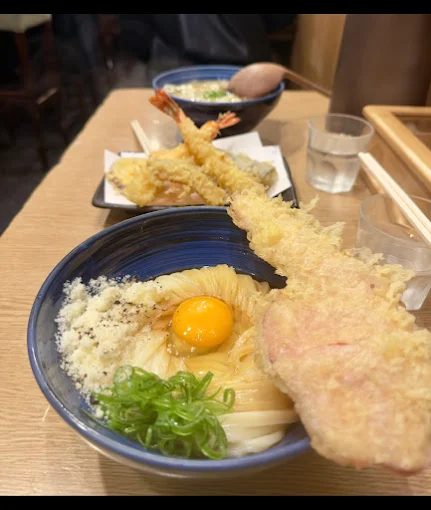
Best for handmade udon and chewy noodle texture.
What Sets It Apart
- The team kneads, cuts, and boils the dough fresh every day, adjusting preparation times based on daily temperature and humidity for the ideal chewy, bouncy bite.
- Udon noodles are thicker, chewier, and cleaner in flavor compared with the thin wheat noodles used in ramen.
Popular Dishes
- Cold zaru udon paired with crispy tempura.
- Carbonara-style udon topped with butter, black pepper, soy sauce, and a rich raw egg yolk.
- Hot, cold, and dipping styles available.
How Udon Differs from Ramen and Tsukemen
- Thicker noodles with a chewier, bouncier texture.
- Cleaner, more subtle wheat flavor.
- Often simpler but very satisfying.
Why It Is a Great Final Stop
- After heavy ramen broths and bold tsukemen dips, a bowl of clean, chewy handmade udon feels refreshing and grounding.
- A reminder that some of the best food in Japan is also the simplest.