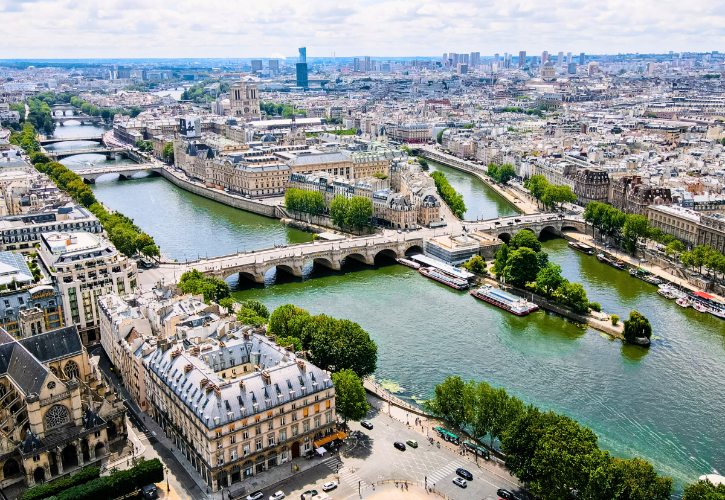
Île de la Cité is the historic heart of Paris, but it is much more than just Notre-Dame.
This small island in the Seine holds quiet river corners, royal history, Gothic architecture, hidden views, and peaceful places that most visitors rush past.
Walking through these 10 spots will help you experience the island properly, not just snap a quick photo and leave. 😊
1. Square du Vert-Galant
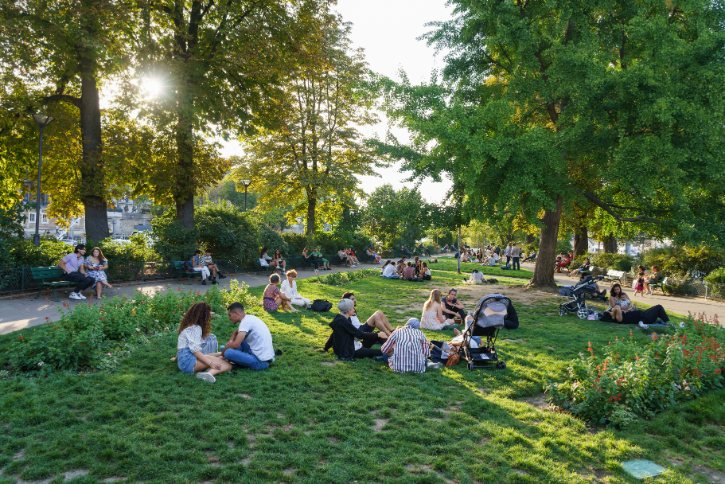
Start your walk at the western tip of the island, where the land narrows into a peaceful triangle of trees and riverbanks.
This small park sits about seven meters below street level, so once you walk down the steps, the city noise fades and the river feels close enough to touch.
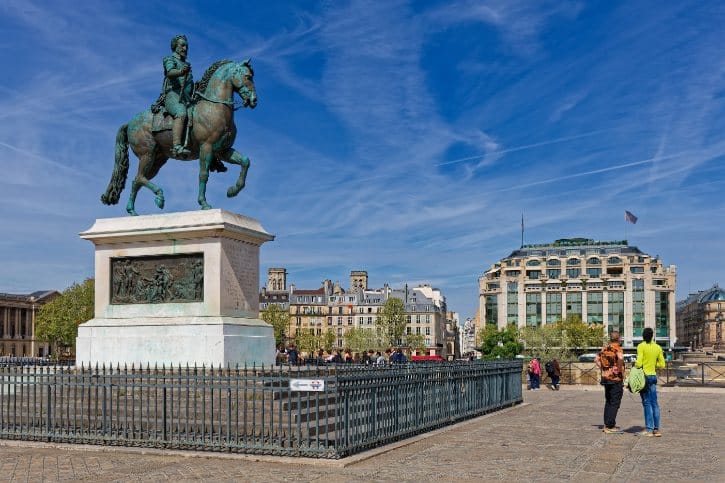
The name comes from a nickname for King Henri IV, roughly meaning “Green Gallant”, a playful nod to his charm and energy even in his later years.
What to Do
- Walk to the very tip where the river splits around the stone banks
- Sit on a bench and enjoy wide views of the Seine, the Louvre, and the Pont des Arts
- Watch riverboats pass by at close range
- Pause here before heading into busier areas
What to Notice
- The lower riverside position that makes this spot feel hidden from the city above
- Mature trees, including a beautiful weeping willow
- A small plaque near the entrance marking the site where Jacques de Molay, the last Grand Master of the Knights Templar, was executed in 1314
Most people rush right past this park. That is a mistake. From here, head back up the steps to Pont Neuf.
2. Pont Neuf
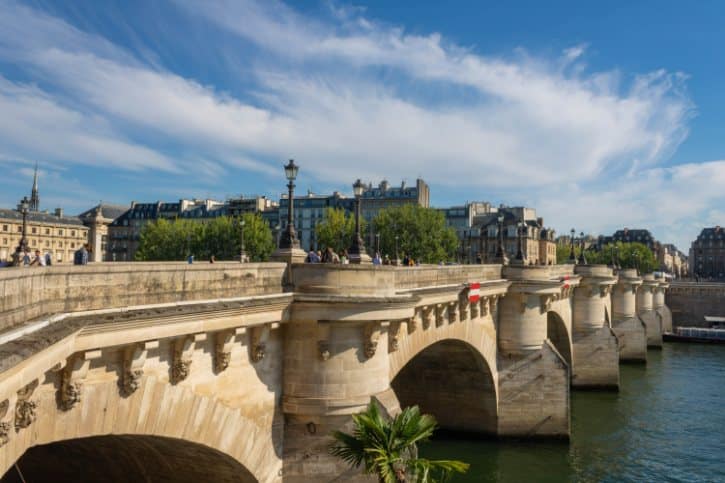
Pont Neuf means “New Bridge”, but it is actually the oldest standing bridge across the Seine in Paris.
Built between 1578 and 1607, it was the first Paris bridge made entirely of stone, the first with no houses on top, and the first with raised sidewalks for pedestrians.
What to Do
- Walk slowly across and enjoy views in every direction
- Look east toward the Conciergerie walls and Notre-Dame towers
- Look west toward the modern skyline along the river
- Spot Square du Vert-Galant below from the bridge
What to Notice
- The 12 stone arches spanning the river in two sections
- Around 381 to 385 carved stone faces called mascarons along the edges, each showing a different grotesque expression
- The equestrian statue of Henri IV, the first royal statue placed on a public street in France
As you cross, look for a narrow entrance behind the Henri IV statue. That leads into Place Dauphine.
3. Place Dauphine
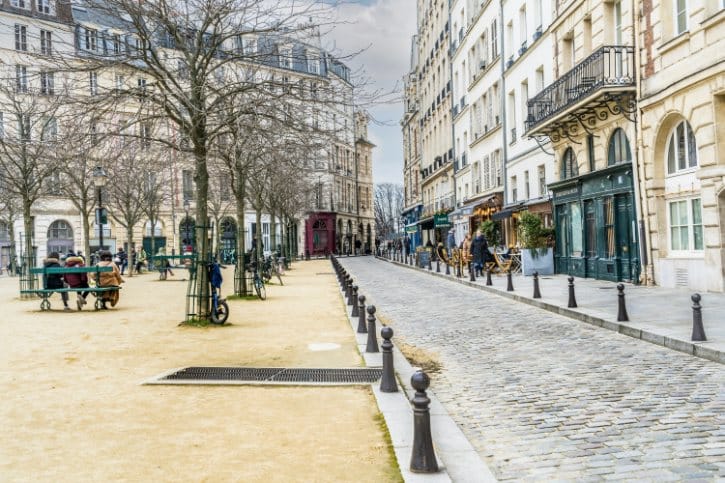
The entrance from Pont Neuf is narrow and easy to miss, but step through and you find a quiet, tree-shaded square that feels completely different from the grand landmarks nearby.
Created in 1607 by Henri IV, this was one of the first planned residential squares in Paris.
What to Do
- Take a slow walk through the cobblestone courtyard
- Sit at one of the small cafés along the edges
- Use this spot as a quiet break between sightseeing stops
What to Notice
- The triangular shape following the natural outline of the island’s tip
- Two original 1607 stone pavilions framing the western entrance
- Chestnut trees and the sound of pétanque balls in the courtyard
- Small cafés and galleries on the ground floors
Place Dauphine is not a dramatic attraction. It is a calm pause before the heavier history waiting along the Quai de l’Horloge.
4. Quai de l’Horloge
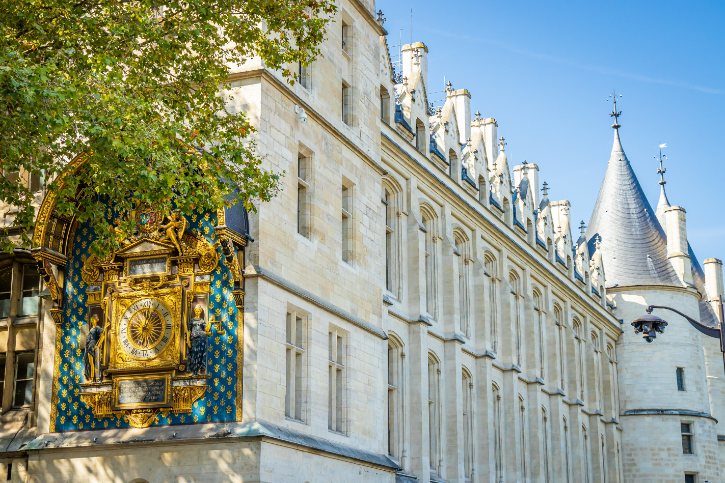
Most people treat this stretch as just a connecting path, but it deserves more attention.
Walking east along the northern embankment, you pass beneath the fortified walls of the former royal palace and encounter the oldest public clock in Paris, installed in 1370 under King Charles V.
What to Do
- Walk along the embankment and take in views across the Seine to the Right Bank
- Look for the gilded clock face on the tower, restored in 2012
- Photograph the dramatic exterior of the Conciergerie
What to Notice
- The gilded clock dial against a blue background with fleurs-de-lis
- Two stone figures beside the clock representing Law and Justice
- The contrast between the quiet western end of the island and the institutional weight of this area
- Views across to the Théâtre du Châtelet and the Hôtel de Ville
This walk builds a natural transition from the peaceful first half of the route toward the Conciergerie.
5. Conciergerie
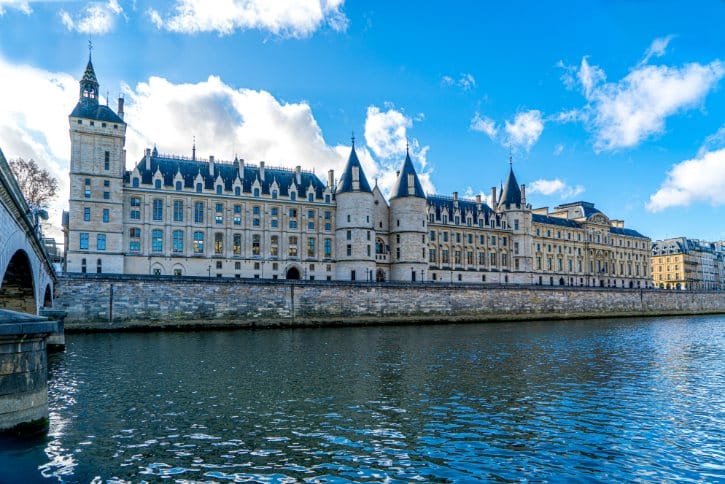
This is where the island’s history turns darker. Originally part of the main royal palace, this building became a prison and courthouse after the court moved to the Louvre.
During the French Revolution, it held thousands of prisoners, including Marie-Antoinette, before their trials.
What to Do
- Explore the Salle des Gens d’Armes, a massive Gothic hall nearly 70 meters long with 64 stone pillars
- Walk through the Prisoners’ Corridor with its recreated cells
- Visit the Marie-Antoinette memorial chapel, built on the site of her final cell
- See the Hall of Names listing 2,780 people sentenced to death
What to Notice
- The sheer scale of the Gothic halls, among the largest secular Gothic spaces in Europe
- The contrast between royal grandeur and Revolutionary-era grimness
- The heavy, somber atmosphere that sets this space apart from everything else on the island
Best For
- History lovers, French Revolution readers, and travelers who want more than beautiful views
Visit the Conciergerie before Sainte-Chapelle. The contrast between the two is one of the most powerful experiences on the island.
6. Sainte-Chapelle
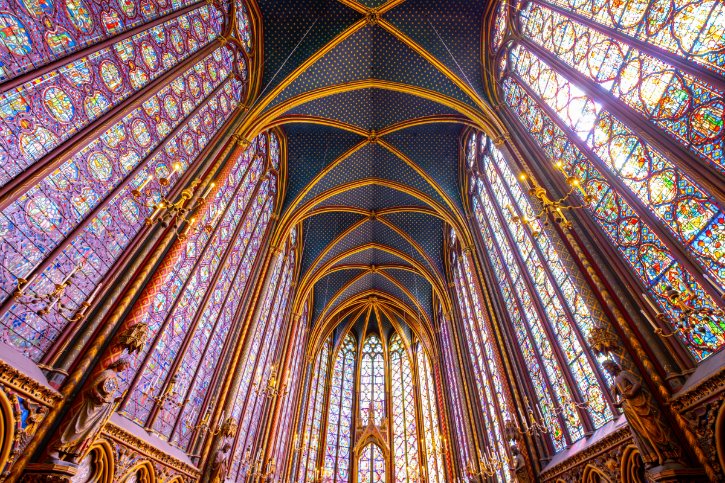
If the Conciergerie carries the heaviest mood on Île de la Cité, Sainte-Chapelle carries the lightest.
Built by King Louis IX and completed in 1248, this chapel was designed to house sacred relics, including the Crown of Thorns.
Do not judge it by its modest exterior. The magic happens inside.
What to Do
- Step into the upper chapel and look up at 15 enormous stained-glass windows, each 15 meters high
- Stand still and let the colors wash over the space
- Look for the 1,113 individual biblical scenes across 670 square meters of glass
- Visit on a sunny day if you can, as light transforms the experience
What to Notice
- The contrast between the lower chapel (simple, built for staff) and the upper chapel (soaring, built for the king)
- Deep reds and blues in the southern windows
- Royal symbols in the glass, including the fleur-de-lis and Castilian castles
- The Rose Window on the western wall depicting the Apocalypse
Sainte-Chapelle shows what medieval builders achieved when they used stone and iron to set light free rather than contain it. After the Conciergerie, it feels like stepping into a different world.
Read More: 10 Breathtaking Churches in Paris You Can’t Miss
7. Marché aux Fleurs Reine Elizabeth II
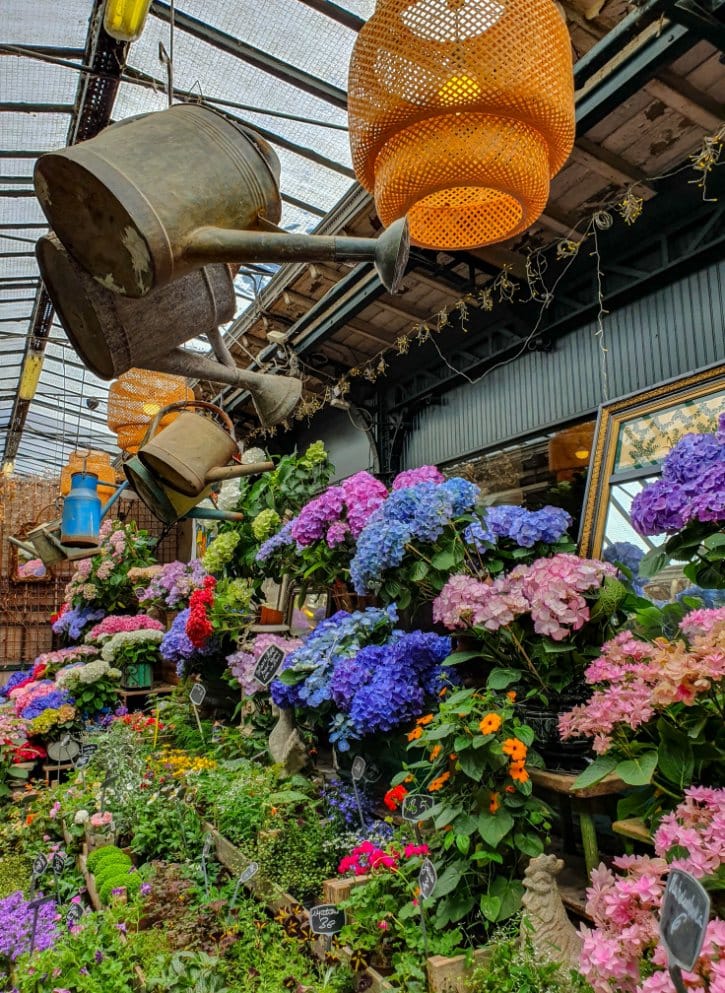
After the intensity of Gothic architecture, this stop offers something completely different.
This flower market on Place Louis Lépine has been part of island life since 1808, featuring wrought-iron pavilions from the early 1900s with more than 15 independent sellers.
The market was renamed in 2014 in honor of Queen Elizabeth II, following her state visit to mark the 70th anniversary of D-Day.
What to Do
- Browse the flower stalls and enjoy the seasonal colors
- Walk through the sheltered pavilions
- Look for the two historic Wallace Fountains tucked into the alleys
What to Notice
- The wrought-iron and glass pavilions from the 1920s
- Seasonal plants that peak in spring and summer but stay charming year-round
- The softer, more colorful mood compared to the stone-heavy surroundings
This is not a major attraction. It works best as a short, atmospheric pause between Sainte-Chapelle and the Archaeological Crypt.
8. Archaeological Crypt of Île de la Cité
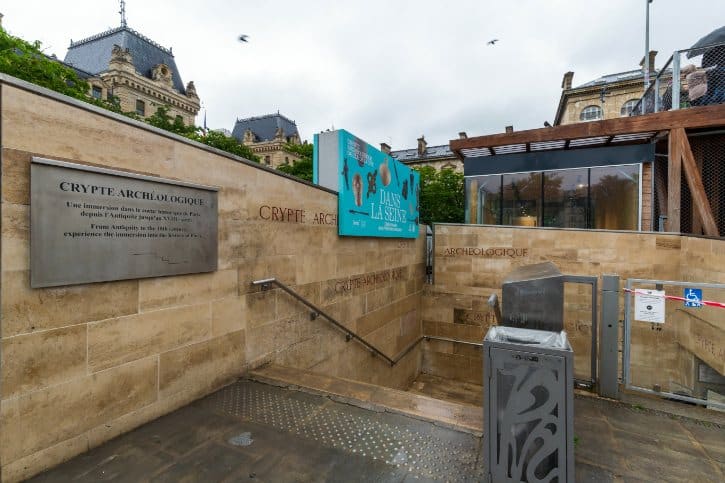
Most visitors walk across the square in front of Notre-Dame without realizing what lies beneath their feet.
Discovered by chance in 1965 during excavations for a parking garage, this 2,000-square-meter crypt reveals nearly 2,000 years of history, making it the largest archaeological crypt in Europe.
What to Do
- Walk through layers of history from Roman walls to medieval streets to 19th-century infrastructure
- See the 4th-century city wall foundations built to defend against invasions
- Find traces of the medieval Rue Neuve Notre-Dame, the old street leading to the cathedral
- Use the interactive 3D models to visualize lost neighborhoods
What to Notice
- The powerful contrast between modern Paris above and ancient remains below
- Remains of a Roman bathhouse with its underfloor heating system
- Foundations of the Hôtel-Dieu hospital, which served Paris for nearly a thousand years
Best For
- History lovers, repeat Paris visitors, and anyone who wants to understand the island beyond its surface
Visiting the crypt before seeing Notre-Dame gives the cathedral much deeper meaning.
9. Notre-Dame Cathedral
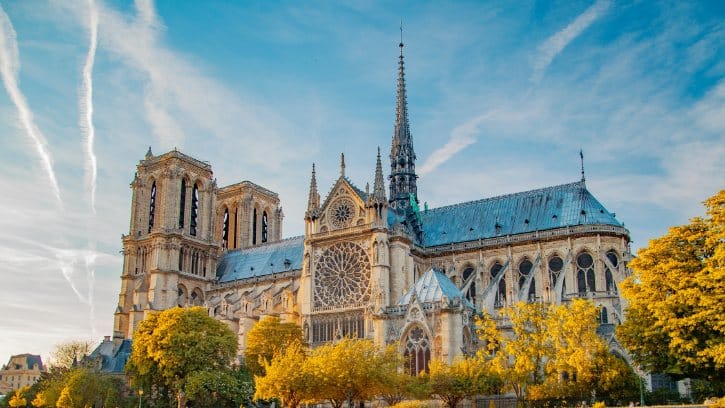
Notre-Dame is the most famous landmark on Île de la Cité and the emotional high point of the walk.
After the devastating fire of April 2019, the cathedral underwent a five-year restoration and officially reopened on December 8, 2024.
The interior is fully restored, the towers are open again, and the Grand Organ with over 8,000 pipes is once again filling the nave.
What to Do
- Admire the west façade with its three sculpted portals and the Great Rose Window
- Walk around the entire exterior, not just the front
- View the 13th-century flying buttresses on the sides and rear
- Step inside to see the restored interior in its original pale stone color
- Check if tower access is open for panoramic views
What to Notice
- The restored spire, a faithful reconstruction topped with its golden cross and rooster
- How different the cathedral looks from the side and rear compared to the classic front view
- The Rose Windows, both from outside and inside
- The emotional weight of a building standing strong again after a global effort to save it
Important Tip
Do not only take one photo from the front and move on. Walking around Notre-Dame is one of the best things you can do on this island. The flying buttresses, the apse, the side views: they all reveal details most visitors miss.
10. Pont Saint-Louis
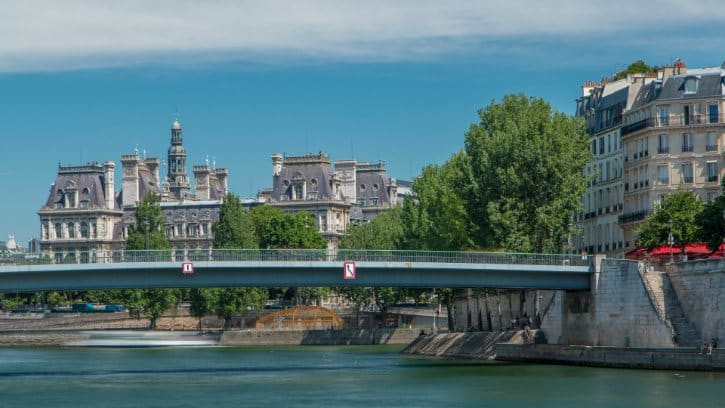
The walk ends on a small pedestrian bridge connecting Île de la Cité to Île Saint-Louis.
This modern steel bridge opened in 1970, though crossings have existed at this spot since 1634.
Because it is reserved for pedestrians and cyclists only, the bridge has a relaxed, open-air feeling, often with street performers adding live music to the scene.
What to Do
- Pause in the middle and look back toward Notre-Dame
- Enjoy one of the best views of the cathedral’s eastern apse and flying buttresses
- Watch riverboats on the Seine below
- Continue across to Île Saint-Louis for quieter streets and famous Berthillon ice cream
What to Notice
- The view back to Notre-Dame, showing the full complexity of the Gothic structure from this angle
- The contrast between the busy landmark areas behind you and the calmer island ahead
- Views north toward the Hôtel de Ville and the Right Bank
Pont Saint-Louis gives you a moment to stop, look back, and take in everything you have just walked through.
Whether you continue exploring or simply rest on the bridge and watch the sunset over the cathedral, this is the perfect ending to one of the best walks in Paris.