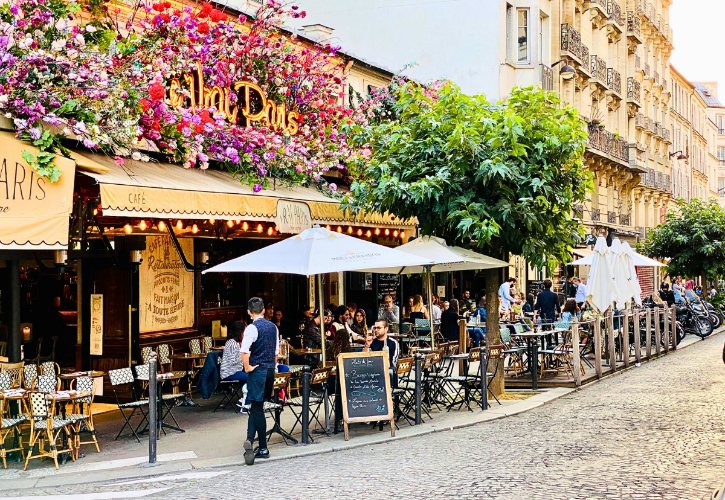
Eating in Paris can feel exciting, but small details often shape the whole experience.
Things like opening hours, menus, seating, service style, and hidden costs can easily catch you off guard if you do not check them in advance.
The good news is that a little preparation goes a long way.
Once you know what to look for before stepping inside, your meal in Paris feels calmer, smoother, and far more enjoyable.
1. Not Checking the Opening Hours Before Going
a. What Tourists Usually Miss
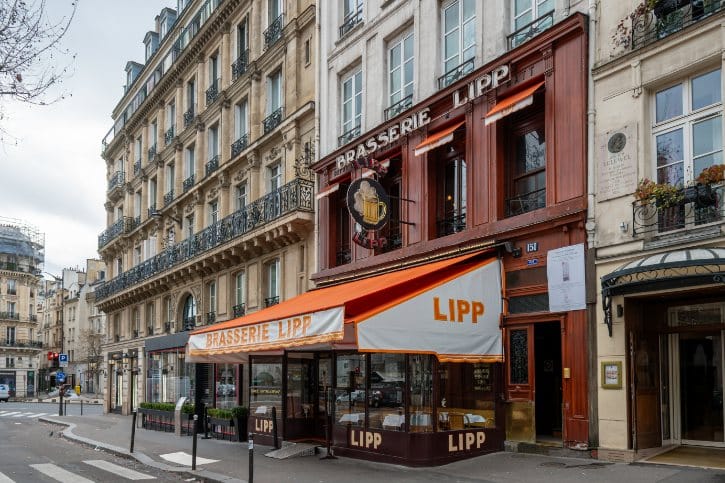
Many Paris restaurants do not serve food all day. They run on stricter schedules than restaurants in other countries, with fixed lunch and dinner windows that close in between.
Lunch service usually runs from around 12:00 PM to 2:30 PM, while dinner often begins around 7:00 PM to 7:30 PM and ends by 10:30 PM. Outside of those hours, the kitchen is often fully closed.
Some places also close completely on Sundays, Mondays, or public holidays. Tourists who walk in at 3:00 PM or 6:00 PM hoping for a hot meal often find locked doors and empty dining rooms.
b. What to Do Before You Go
- Check the restaurant’s hours on Google Maps, its official website, or its Instagram page before heading out.
- Confirm both the lunch and dinner service times
- Look for the phrase service continu if you want a place that serves food all day without a break.
- Try a café instead of a restaurant when you need food outside standard meal times, since cafés tend to have more flexible hours.
c. Why It Matters
Checking hours in advance saves you from walking across the city only to find the kitchen closed. Trust me, this small step can save you a lot of stress and wasted time.
2. Walking In Without Checking If a Reservation Is Needed
a. A Common Walk-In Problem
Many well-loved Paris restaurants are small and fill up quickly, especially at dinner. Popular bistros, places near major attractions, and well-reviewed spots often need advance booking.
Tourists often expect to walk in freely, particularly on weekends, and end up being politely turned away. A few restaurants reserve a small number of walk-in seats, but those tend to fill within minutes.
b. How to Avoid Being Turned Away
- Check if the restaurant accepts online reservations before you visit.
- Book ahead for dinner, weekend meals, or any spot that appears often in travel guides.
- Aim to book popular bistros one to two weeks ahead, and Michelin-starred or trending venues three to four weeks in advance.
- If no booking is available, arrive ten to fifteen minutes before the service opens.
- For smaller neighborhood spots, a phone call is often the most reliable way to book.
c. Why It Matters
A quick check on reservations stops you from being turned away, especially when you have built your day around a specific meal. This small step can make the whole evening feel easier.
3. Ignoring the Menu Before Sitting Down
a. The Menu Is Already on Display
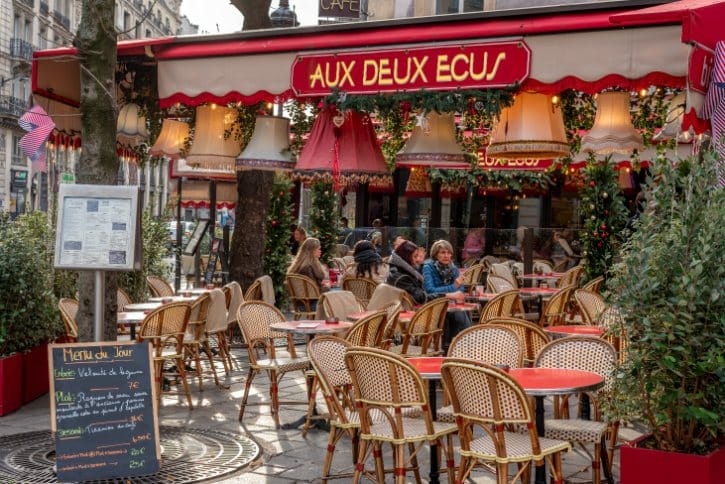
Most Paris restaurants display a printed menu outside the entrance, and they are legally required to do so. The daily specials, called the ardoise (slate board), are often posted on an easel or wall near the door.
Tourists sometimes sit down first and only then realise the food, ingredients, or prices are not what they expected. By that point, leaving feels awkward.
b. What to Check Before Stepping Inside
- Read the posted menu carefully before walking in.
- Look at the dishes, prices, and any fixed-price menu options.
- Make sure the restaurant actually serves the kind of food you want.
- A short, focused menu with five to seven options per course is usually a good sign of fresh, seasonal cooking.
- Be cautious with multi-page menus offering many international cuisines, as these often signal volume over quality.
c. Why It Matters
Reading the menu first lets you pick a place that fits your taste, budget, and mood before you commit to a seat. It is one of the simplest ways to avoid disappointment.
4. Not Understanding the Difference Between a Café, Bistro, Brasserie, and Restaurant
a. Each Venue Is Different
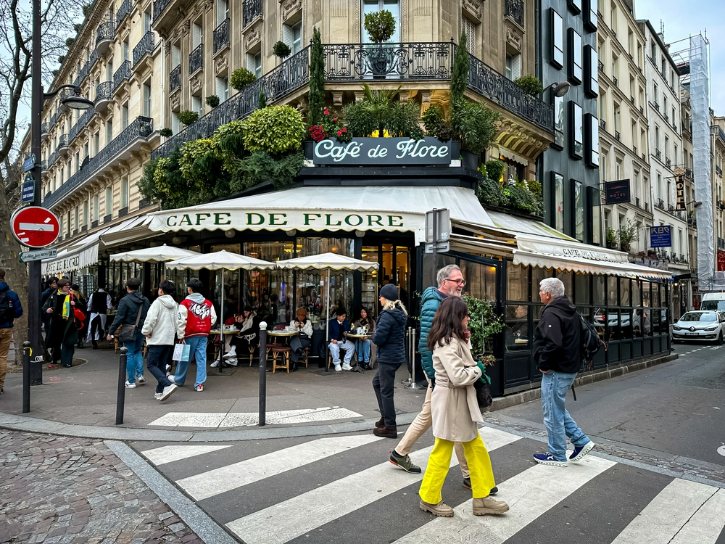
Tourists often treat every dining spot in Paris as the same, but each type has its own style, menu, and pace. Walking into the wrong type of venue for the occasion is a common reason meals feel disappointing.
b. A Simple Guide to Each Type
- Café: Best for coffee, light snacks, breakfast, or people-watching. Open continuously throughout the day with a casual feel.
- Bistro: Small, cozy, and focused on traditional French home cooking like steak-frites or coq au vin. Opens only for lunch and dinner.
- Brasserie: Larger and livelier, with longer hours and a broader menu that includes seafood platters and French classics. Great for flexible dining times.
- Restaurant: More formal, with fixed lunch and dinner windows. Best for a planned, sit-down meal where reservations are usually expected.
c. Why It Matters
Knowing the difference helps you match your expectations to the venue. Choosing a café when you want a long three-course dinner, or a formal restaurant when you want a quick bite, almost always leads to a mismatch.
5. Sitting Down Without Checking the Prices
a. Prices Vary More Than You Think
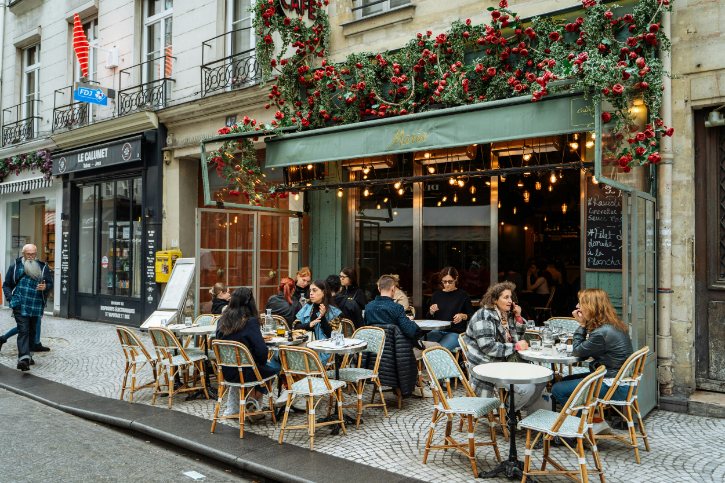
Paris restaurants cover a wide pricing range, and the way a place looks is not a reliable guide. Areas with heavy tourist traffic often charge much more for the same quality of food.
Some visitors only notice the cost after ordering, and the bill arrives much higher than expected. Drinks, desserts, sides, and extras can quickly push the total up.
b. How to Stay in Control of Your Budget
- Read the posted prices outside before entering.
- Check the cost of main courses, drinks, and any set menu options.
- Compare a few nearby restaurants briefly if the prices feel unclear.
- A fixed-price menu (formule) at lunch is often one of the best value choices in Paris.
- Do not assume a casual or simple-looking restaurant will automatically be cheap.
c. Why It Matters
Checking prices before sitting down helps you avoid bill shock and pick a place that fits comfortably within your budget.
6. Choosing a Restaurant Only Because It Is Near a Famous Attraction
a. Why Location Alone Can Mislead You
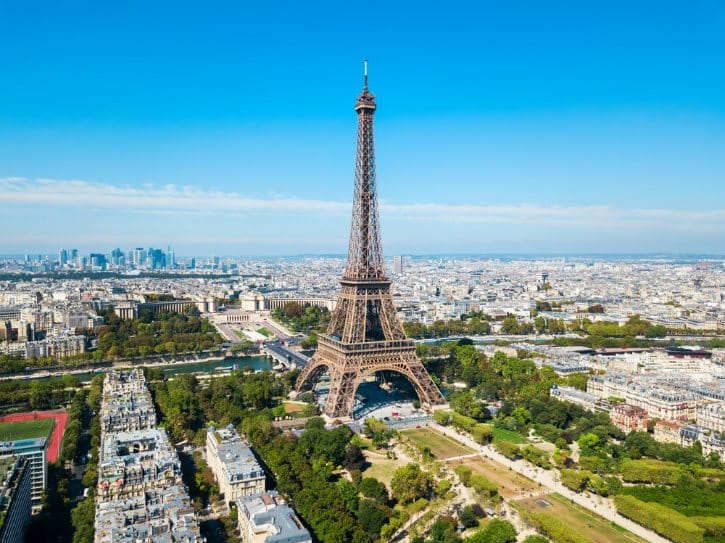
Restaurants right next to landmarks like the Eiffel Tower, the Louvre, Notre-Dame, and the Champs-Élysées are built around tourist foot traffic rather than repeat local customers. That often means higher prices and less consistent food.
When you are tired and hungry after a long day of sightseeing, it is easy to default to the closest option. But convenience often comes at the cost of quality.
b. How to Find Better Meals Nearby
- Walk two to three streets away from any major attraction before choosing where to eat.
- Read recent online reviews carefully, not just the top-rated ones.
- Look for places where locals are eating, not only tourists.
- Avoid restaurants where staff stand outside trying to pull pedestrians in. This is rarely a sign of quality.
- A landmark view is fine if you choose it on purpose, but understand you are paying for the scenery, not the food.
c. Why It Matters
Stepping a few minutes away from the busiest tourist zones often gives you a better, more genuine meal without much extra effort.
7. Not Checking If the Restaurant Has an English Menu or Staff Who Can Help
a. Not Every Place Translates the Menu
Many authentic Paris bistros and neighborhood spots write their menus only in French, often by hand on a chalkboard. Without preparation, deciphering handwritten French food terms can feel stressful.
Most staff in central Paris speak some English, but assuming they will translate everything without a polite greeting first comes across as rude.
b. Simple Ways to Prepare
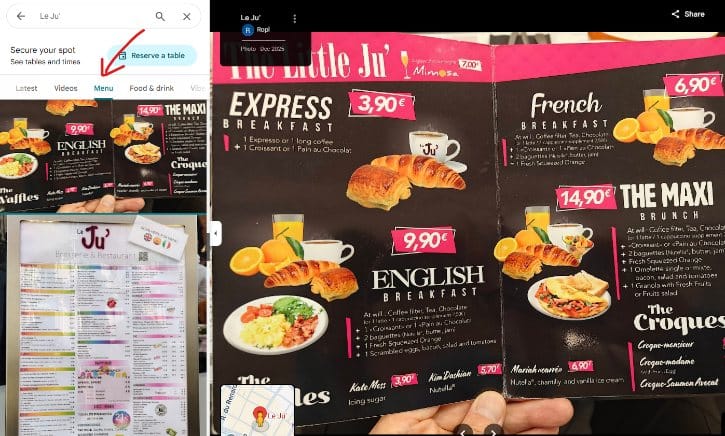
- Look up photos of the menu on Google Maps or social media before visiting.
- Keep a translation app ready on your phone for the table.
- Learn a few basic French food words in advance.
- Greet the staff first, then politely ask: “Bonjour, vous avez un menu en anglais, s’il vous plaît?” (Hello, do you have an English menu, please?)
- A small effort in French goes a long way and usually makes the whole meal feel friendlier.
c. Why It Matters
This small bit of preparation gives you more confidence walking in and helps you avoid ordering something you did not actually want.
8. Forgetting That Paris Service Style May Feel Different
a. The Pace Is Slower on Purpose
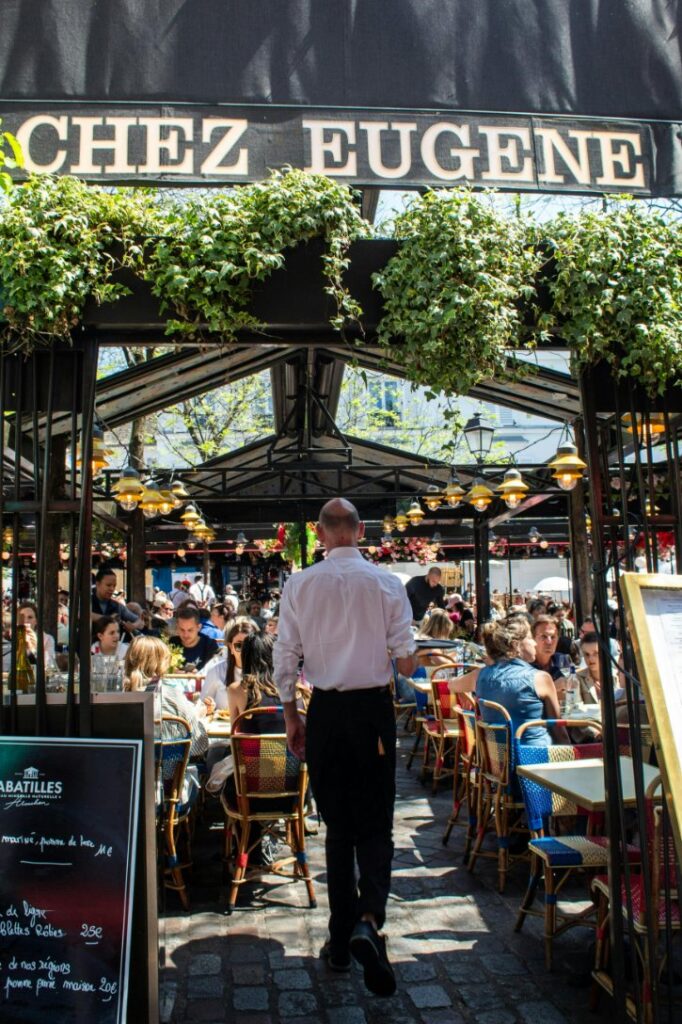
Service in Paris is generally slower and less hands-on than what many travelers expect. Waiters give you space and will not constantly check on the table or rush you through your meal.
This relaxed pace is intentional. Dining in France is seen as something to enjoy slowly, not finish quickly. Some tourists mistake this style for indifference, but it is meant as respect for your time.
Also, the bill will not arrive automatically. You have to ask for it when you are ready.
b. How to Feel Comfortable With the Pace
- Expect a slower meal and enjoy the rhythm rather than fighting it.
- When you are ready to leave, ask for the bill politely: “L’addition, s’il vous plaît”.
- Always start interactions with a warm “Bonjour” during the day or “Bonsoir” in the evening.
- End with a sincere “Merci” when you leave.
c. Why It Matters
Understanding the local pace makes the meal feel relaxing instead of confusing. Once you get used to it, you may even enjoy it more than the faster service back home.
9. Not Checking the Seating Rules Before Entering
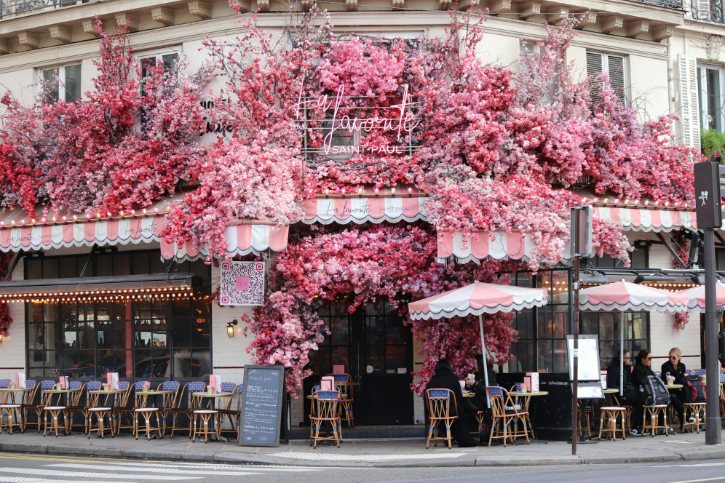
a. Do Not Seat Yourself
Many Paris restaurants expect you to wait near the entrance until a staff member shows you to a table. Walking in and sitting down on your own is seen as impolite and can set the wrong tone for your meal.
Cafés feel more casual, but even there, it is safer to check first. Tables are often placed close together, which is normal in Paris and not something to find off-putting.
Outdoor terrace seating sometimes has its own rules. Bare tables may be reserved for drinks only, while fully set tables with cutlery and glasses are for full meals.
b. How to Enter With Confidence
- Pause at the entrance and wait to be greeted by a staff member.
- Make eye contact, smile, and ask politely: “Bonjour, une table pour deux, s’il vous plaît” (Hello, a table for two, please). Adjust the number as needed.
- Check terrace table settings before sitting, or ask staff if it is available for dining.
- Do not worry about closely-spaced tables. That is simply part of dining in Paris.
c. Why It Matters
Following the entry etiquette helps you avoid small but noticeable mistakes and starts your meal on a calm, confident note.
10. Not Knowing What Is Included in the Bill
a. Understanding the Final Bill
Many tourists arrive unsure about service charges, tipping, water, bread, and other extras. The rules in France are actually quite friendly, once you know them.
A 15% service charge (service compris) is already included in the listed menu prices by law. The price you see is the price you pay.
Tipping is appreciated but not expected the way it is in some other countries. Be aware that in tourist areas, some servers may claim service is not included to push for a double tip, but this is not true.
Tap water and bread are also free by law, but only if you ask the right way.
b. Practical Bill Tips
- The service charge is already in the price, so an extra tip is fully optional.
- For casual meals, rounding up the bill or leaving 1 to 2 euros is plenty.
- For exceptional service at high-end spots, 5% to 10% in cash is generous.
- Ask for free tap water with: “Une carafe d’eau, s’il vous plaît”.
- Enjoy the complimentary bread, but check the bill for any specialty bread, butter, or oil charges.
- Always review the itemised bill (l’addition) before paying.
c. Why It Matters
Understanding how the bill works helps you avoid confusion, overpaying, and the awkwardness of not knowing what is expected when it comes to tipping.
Final Tips Before Choosing a Paris Restaurant
A few simple habits can shape every Paris meal into something easy and enjoyable.
- Planning: Check opening hours and reservation needs online before heading out.
- Arrival: Greet staff with a warm “Bonjour” or “Bonsoir” before anything else.
- Selection: Read the posted menu outside, look for short focused menus, and check prices.
- Ordering: Ask politely for an English menu if needed, and request “une carafe d’eau” for free tap water.
- Payment: Wave gently to ask for “l’addition” when ready, and remember service is already included.
Dining in Paris does not need to feel intimidating. With a few simple checks and a bit of respect for local habits, every meal can feel relaxed, authentic, and one of the best parts of your trip.