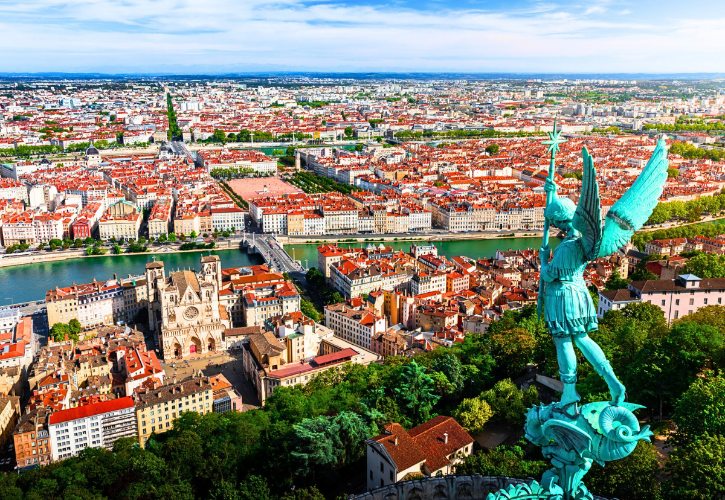
Lyon is one of those French cities that surprises you at every turn.
You will find Roman ruins on one hill, a glowing basilica on another, and Renaissance streets packed with some of the best food in Europe down below.
Between the murals painted across building walls, the elegant squares, and the relaxed café culture, Lyon gives you a mix of history, art, and everyday French life that few cities can match.
Here are 15 of the best spots to visit in Lyon when you go. 😊
1. La Croix-Rousse
a. Why It Stands Out
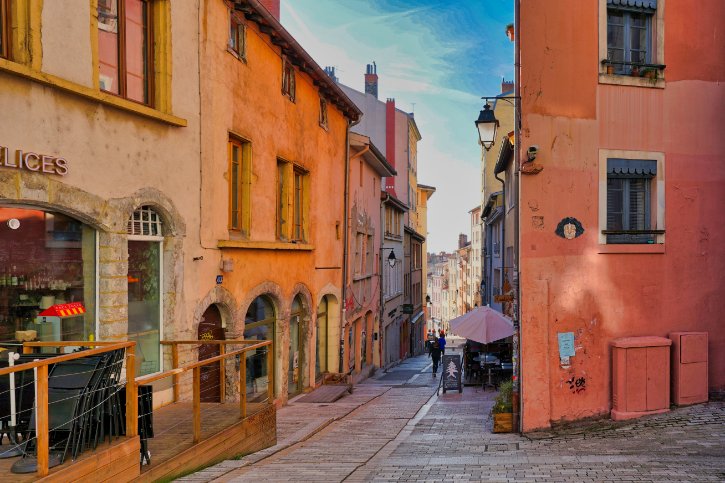
- One of Lyon’s most character-filled neighborhoods, built on a steep hill with a creative, independent atmosphere.
- Once called “the hill that works”, it was the heart of Lyon’s silk industry. The skilled weavers here were known as the canuts.
b. What to See
- Sloping streets, stone staircases, and narrow paths that open up to panoramic views over the rooftops.
- Artisan workshops, independent cafés, small galleries, and street murals tucked into quiet corners.
c. Key Details
- The buildings have unusually high ceilings and tall windows, originally designed to fit the massive Jacquard looms the weavers used.
- The architecture was built for work, giving it a very different feel from the ornate houses in Vieux Lyon.
d. Best For
- Travelers who enjoy walking through residential neighborhoods and discovering local character rather than just visiting monuments.
e. Good to Know
- Croix-Rousse is best explored slowly. The more you walk, the more the neighborhood reveals itself.
2. Mur des Canuts
a. Why It Stands Out
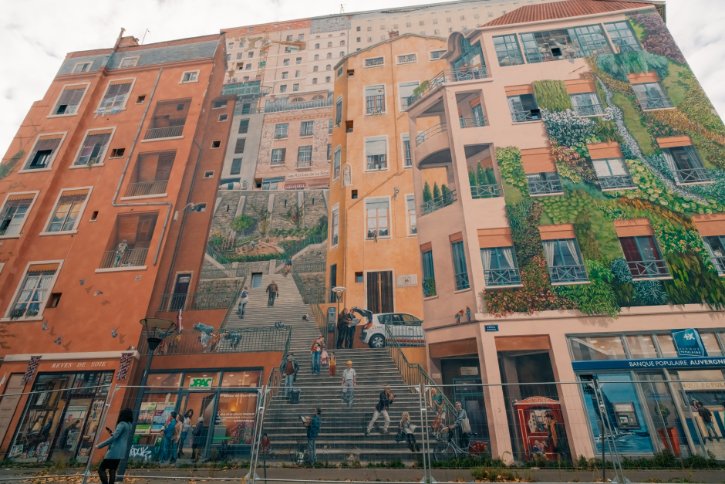
- One of Lyon’s most famous murals and one of the largest painted walls in Europe, covering about 1,200 square meters.
- Uses a trompe-l’œil technique that makes a flat wall look like a real neighborhood scene.
b. What to See
- A painted stone staircase climbing between pastel apartment buildings in the Croix-Rousse style.
- Everyday figures, a small Guignol puppet theater, and Vélo’v public bicycles placed casually in the scene.
c. Key Details
- Created in 1987 by the local art collective CitéCréation.
- Updated twice (1997 and 2013) so the painted figures age and details evolve with the real neighborhood.
d. Best For
- Anyone interested in street art, trompe-l’œil painting, or visual storytelling connected to working-class history.
e. Good to Know
- This section focuses on public art. The neighborhood atmosphere and silk-worker history are covered in the Croix-Rousse section above.
3. Parc de la Tête d’Or
a. Why It Stands Out
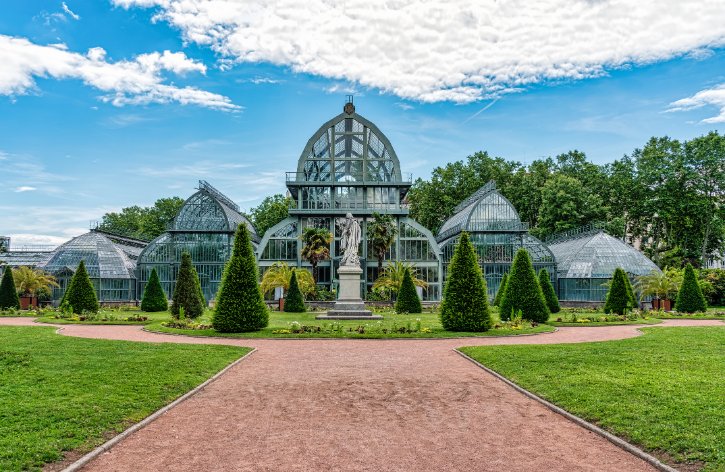
- Lyon’s largest green space at 105 hectares, and the perfect contrast to the city’s dense historic streets.
- It gives you a softer, slower side of Lyon that you will not find in the old quarters or museums.
b. What to See
- A 17-hectare lake where you can relax by the water or rent a pedal boat.
- A botanical garden with over 20,000 plant species and the International Rose Garden, which blooms beautifully in spring and summer.
c. Key Details
- The botanical garden, zoological park, and rose garden are all free to visit.
- The zoo features a three-hectare African Savanna area with giraffes, zebras, and antelopes.
d. Best For
- Travelers who need a break from museums and busy streets. Even an hour here recharges you for the rest of your sightseeing.
e. Good to Know
- This is not just “a nice park”. It adds real balance to a Lyon itinerary and helps you experience the city beyond architecture and history.
4. Fresque des Lyonnais
a. Why It Stands Out
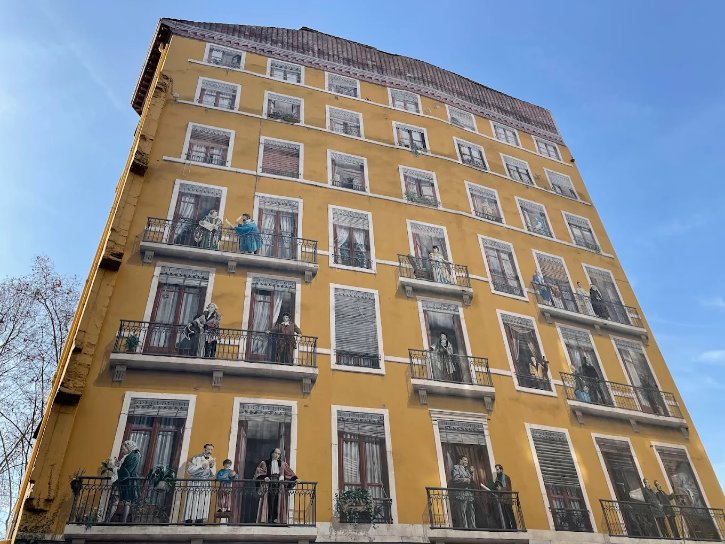
- A tribute to the specific people who shaped Lyon’s identity over 2,000 years, painted at the corner of Rue de la Martinière and Quai Saint-Vincent.
- Features 30 notable Lyonnais figures using trompe-l’œil, with a completely different focus from Mur des Canuts.
b. What to See
- Painted balconies and windows where famous figures appear to step into everyday street life.
- Saint-Exupéry with the Little Prince, the Lumière brothers, chef Paul Bocuse, physicist Ampère, and poet Louise Labé.
c. Key Details
- Historical figures appear in upper windows. Modern figures are painted at street level, as if joining present-day Lyon.
- Painted between 1994 and 1995 by CitéCréation, covering 800 to 1,200 square meters.
d. Best For
- Visitors who enjoy learning about a city’s famous figures through public art.
e. Good to Know
- Mur des Canuts focuses on community identity. Fresque des Lyonnais focuses on civic pride and individual achievement. Together, they show two sides of Lyon’s mural tradition.
5. Place des Terreaux
a. Why It Stands Out
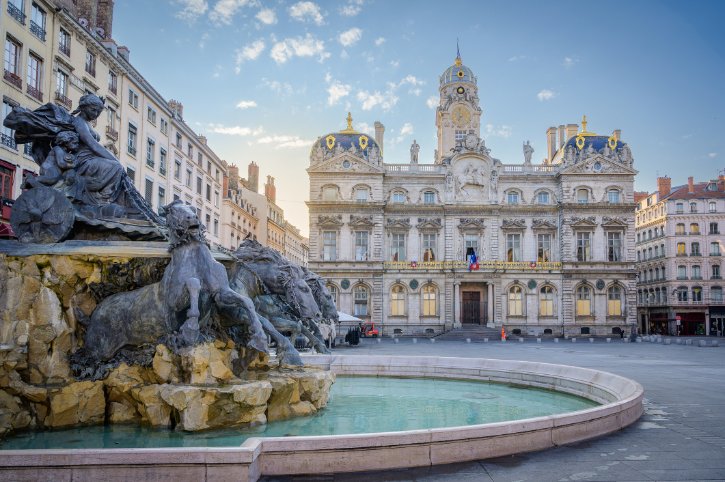
- One of Lyon’s grandest squares, marking the transition from creative neighborhoods into formal civic landmarks.
- A focal point of public life for centuries, sitting in the heart of the Presqu’île.
b. What to See
- The Hôtel de Ville (City Hall), a striking 17th-century building dominating one side.
- The Fontaine Bartholdi, sculpted by the same artist who designed the Statue of Liberty.
c. Key Details
- The fountain was originally made for Bordeaux but purchased by Lyon after Bordeaux rejected it due to cost. Installed in 1892.
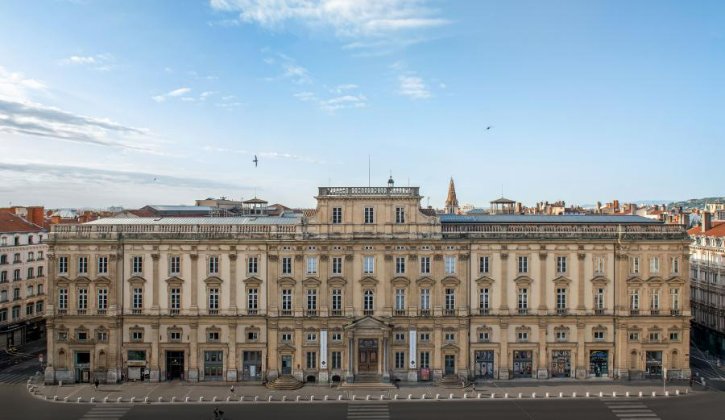
- The Palais Saint-Pierre, housing the Musée des Beaux-Arts, fills another side of the square.
d. Best For
- A great starting point for exploring Lyon’s cultural center, with café terraces perfect for sitting and taking in the architecture.
e. Good to Know
- The square connects naturally to the Musée des Beaux-Arts, making it an easy transition to the next stop.
6. Musée des Beaux-Arts de Lyon
a. Why It Stands Out
- Widely considered the most important art museum in France outside of Paris, covering 7,000 square meters across 70 rooms.
- Housed inside the former Saint-Pierre Abbey, a 17th-century Benedictine convent.
b. What to See
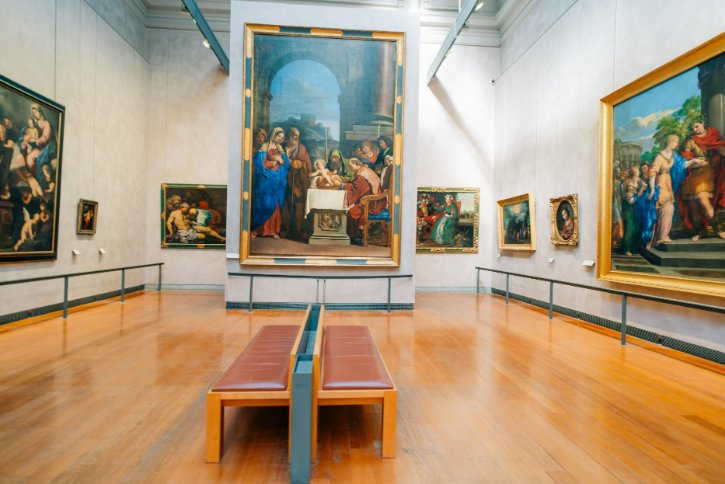
- Paintings by Rubens, Rembrandt, Monet, Matisse, and Picasso spanning the Middle Ages to the 20th century.
- Ancient artifacts from Egypt, Greece, and Rome, plus sculptures by Rodin in the former abbey church.
c. Key Details
- Became a public collection in 1803 when over 100 masterpieces were sent from the Louvre.
- The Cloister Garden is a peaceful courtyard shaded by old trees and one of the quietest spots in Lyon.
d. Best For
- Art lovers, history-minded visitors, and anyone who wants a quieter indoor experience after walking the streets.
e. Good to Know
- The coin and medal collection alone holds around 50,000 items. Even a short visit reveals how deep Lyon’s cultural life runs.
7. Les Halles de Lyon Paul Bocuse
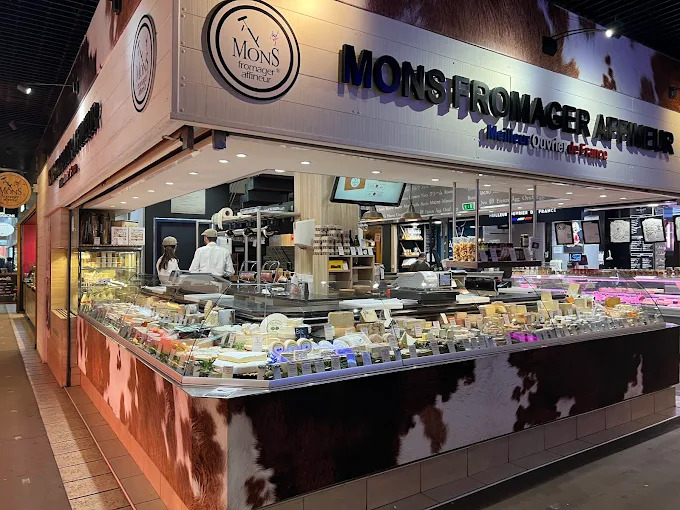
a. Why It Stands Out
- The best place on this list to understand why Lyon is called a capital of French gastronomy.
- Renamed in 2006 to honor Paul Bocuse, the chef who put Lyon’s culinary identity on the world stage.
b. What to See
- Over 50 specialty food vendors, many holding the prestigious Meilleur Ouvrier de France
- Saint-Marcellin cheeses, Rosette de Lyon charcuterie, fresh oysters, quenelles, pink praline tarts, and Beaujolais wines.
c. Key Details
- Operating since 1859, now located in the Part-Dieu district.
- You can browse, taste at counters, or sit at small market restaurants for a full meal.
d. Best For
- Food lovers and anyone curious about Lyon’s culinary culture. Even if you are not hungry, walking through is an experience.
e. Good to Know
- Les Halles is not only about eating. It is a concentrated window into why food matters so deeply to Lyon’s identity.
8. Vieux Lyon / Old Town
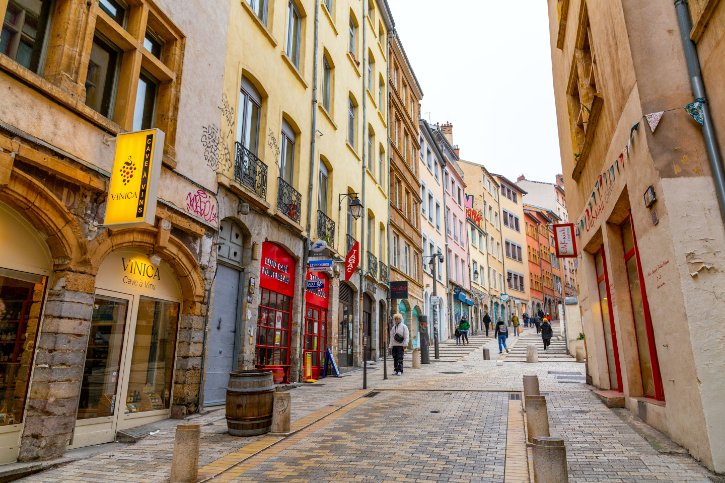
a. Why It Stands Out
- The historic heart of Lyon and one of Europe’s largest preserved Renaissance districts, designated a UNESCO World Heritage site in 1998.
- Wealthy Italian, German, and Flemish merchants built grand headquarters here during the 15th to 17th centuries.
b. What to See
- Narrow cobblestone streets lined with tall façades in warm hues of ochre, pink, and terracotta.
- Traditional bouchons, artisan shops, courtyards, and the Saint-Jean Cathedral.
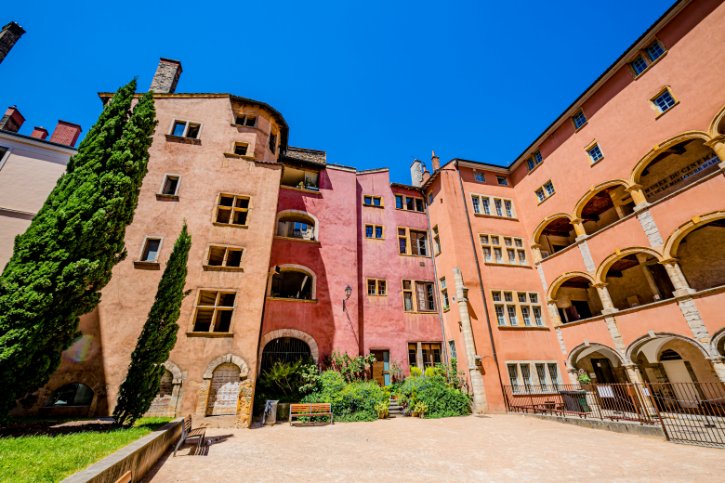
c. Key Details
- Divided into three parishes: Saint-Paul (commercial), Saint-Jean (aristocratic), and Saint-Georges (craftsmen).
- Saved from demolition in 1962 by André Malraux, making it France’s first protected historical zone.
d. Best For
- Anyone who wants to feel centuries of Lyon’s history by walking through its most atmospheric streets.
e. Good to Know
- This is the main historic anchor of the article. It sets up the next section about the traboules hidden behind the doors you will pass.
9. Traboules of Rue du Bœuf
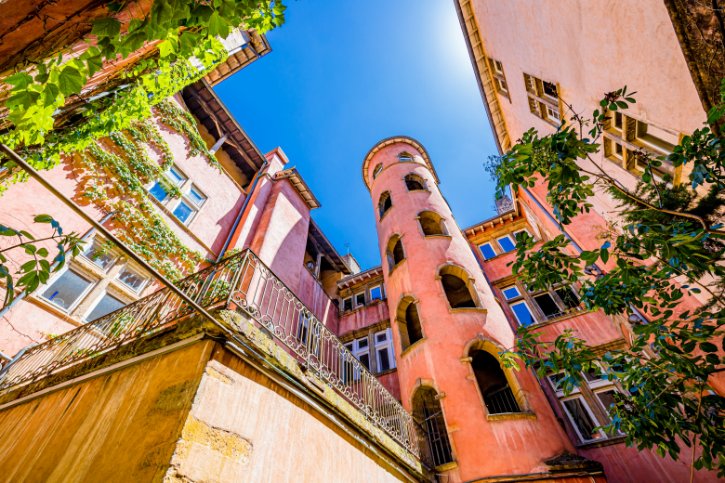
a. Why It Stands Out
- The traboules are covered passageways cutting through buildings, connecting parallel streets through courtyards and spiral staircases.
- Built as early as the 4th century, they were later used by silk merchants and by the French Resistance during World War II.
b. What to See
- La Longue Traboule: enter through a green door at 27 Rue du Bœuf and pass through five Renaissance courtyards, four buildings, and a stone staircase before emerging at 54 Rue Saint-Jean.
c. Key Details
- Rue du Bœuf is a 188-meter cobblestone street lined with preserved 16th-century merchant homes.
- The word “traboule” comes from the Latin trans-ambulare, meaning “to pass through”.
d. Best For
- Travelers who love discovering hidden layers of a city. Lyon’s traboules are among the best-preserved and most accessible examples you will find.
e. Good to Know
- Many traboules pass through residential buildings. Keep your voice down and respect private spaces.
10. Basilica of Notre-Dame de Fourvière
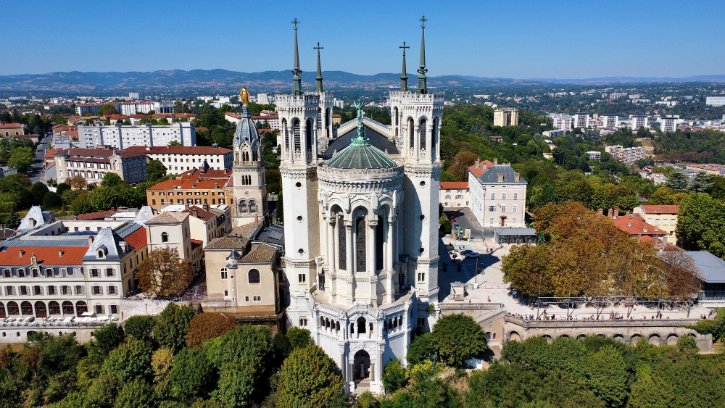
a. Why It Stands Out
- Lyon’s most recognizable landmark, standing on top of Fourvière Hill, historically called “the praying hill”.
- Built between 1872 and 1884, funded entirely by public donations as a thank-you for protecting the city during the Franco-Prussian War.
b. What to See
- An interior covered in gold-leaf mosaics, Carrara marble, pink Italian granite, and stained-glass windows.
- Panoramic views from the esplanade over Lyon’s red rooftops, stretching to the French Alps on a clear day.
c. Key Details
- Blends Romanesque, Gothic, and Neo-Byzantine styles. Its four octagonal towers earned it the local nickname “the upside-down elephant”.
- Below the main sanctuary lies the quieter Crypt of Saint Joseph.
d. Best For
- Everyone visiting Lyon. The basilica works as a visual, historical, and architectural highlight all in one stop.
e. Good to Know
- Do not visit only for the view. The architecture and interior art are worth your time, and the Roman ruins are just a short walk away.
11. Rue de la République & Rue Victor Hugo
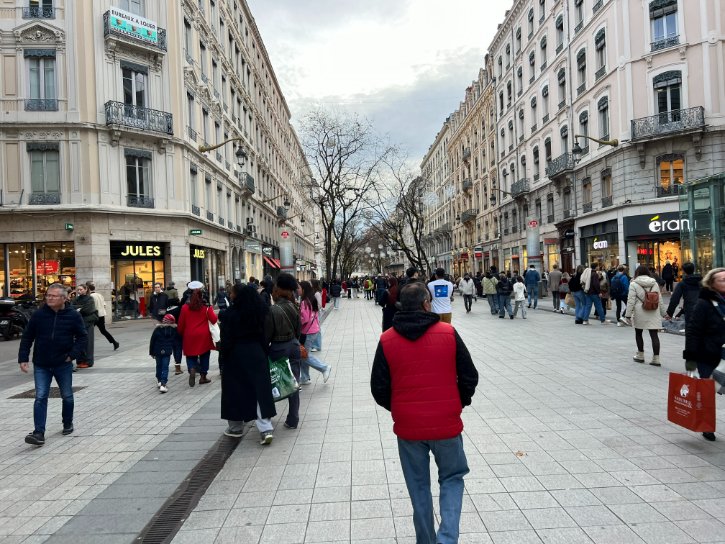
a. Why It Stands Out
- Together they form one of the longest pedestrian shopping districts in Europe, running through the Presqu’île.
- They show a more modern, elegant rhythm of daily Lyon life compared to the medieval quarters.
b. What to See
- Rue de la République runs over one kilometer from Place de la Comédie to Place Bellecour, lined with grand 19th-century façades.
- Rue Victor Hugo continues south with a more relaxed atmosphere and the tree-shaded Place Ampère.
c. Key Details
- Both streets reflect Lyon’s 19th-century transformation under Prefect Claude-Marius Vaïsse, who brought Haussmann-style grandeur to the city.
d. Best For
- A casual break between sightseeing, a central walk, or simply feeling Lyon’s everyday city life.
e. Good to Know
- These streets contrast nicely with the narrow medieval lanes of Vieux Lyon. Together, they show how Lyon blends old and modern.
12. Gallo-Roman Museum of Lyon-Fourvière
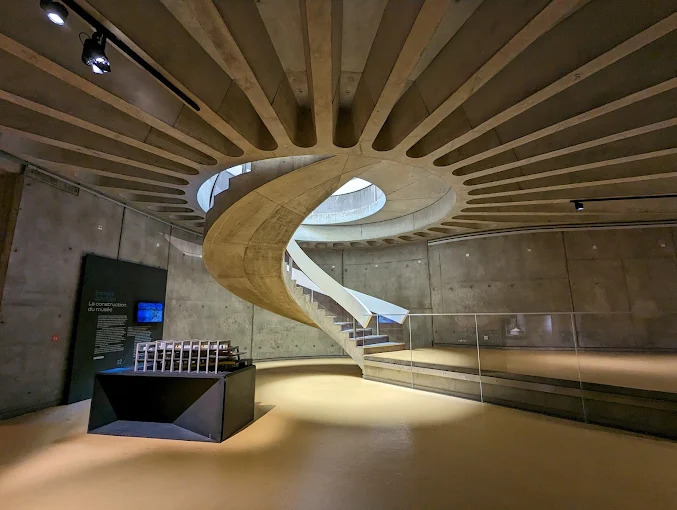
a. Why It Stands Out
- Before the Renaissance streets and silk weavers, Lyon was Lugdunum, a Roman city founded in 43 BC as the capital of Roman Gaul.
- This museum (officially called Lugdunum) is the best place to understand that ancient chapter.
b. What to See
- A dramatic concrete spiral ramp descending through the collections, with large windows framing the outdoor Roman theatres.
- The Lyon Tablet (Tabla Claudiana), a bronze tablet recording Emperor Claudius’s speech in 48 AD supporting Gallic participation in the Roman Senate.
c. Key Details
- Designed by Bernard Zehrfuss in 1975, the entire building is buried into the slopes of Fourvière Hill, almost invisible from outside.
d. Best For
- History lovers curious about what Lyon looked like 2,000 years ago.
e. Good to Know
- The museum provides historical context. The Ancient Theatre next door gives you the physical outdoor experience. Visit both.
13. Ancient Theatre of Fourvière
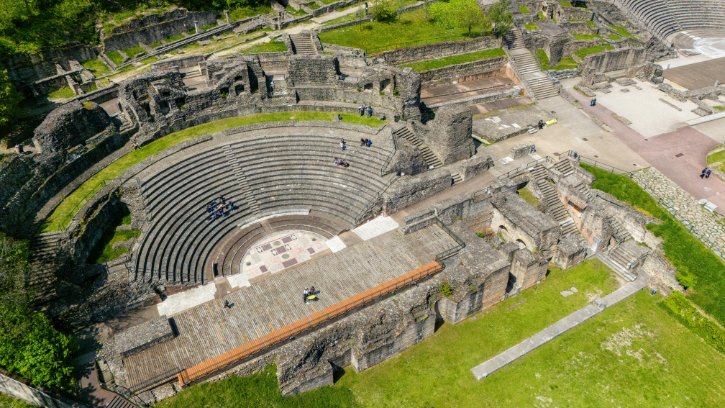
a. Why It Stands Out
- The Ancient Theatre and neighboring Odeon let you physically stand inside Lyon’s Roman past. The Grand Theatre is the oldest Roman theatre in France, built around 15 BC.
b. What to See
- Stone seating tiers climbing up the hillside, with a diameter of 108 meters and capacity for over 10,000 spectators.
- The Odeon’s remarkable geometric floor paved with colored marbles from Greece, Egypt, and Asia Minor.
c. Key Details
- Abandoned after the 3rd century and used as a quarry, then carefully excavated in the 20th century.
- Today it hosts the Nuits de Fourvière performing arts festival every summer.
d. Best For
- Anyone who wants to feel the scale and atmosphere of ancient Roman life, not just read about it behind glass.
e. Good to Know
- Walking across the ancient stone seating is something photographs do not fully capture. If you visit Fourvière, do not skip this.
14. Place Bellecour
a. Why It Stands Out
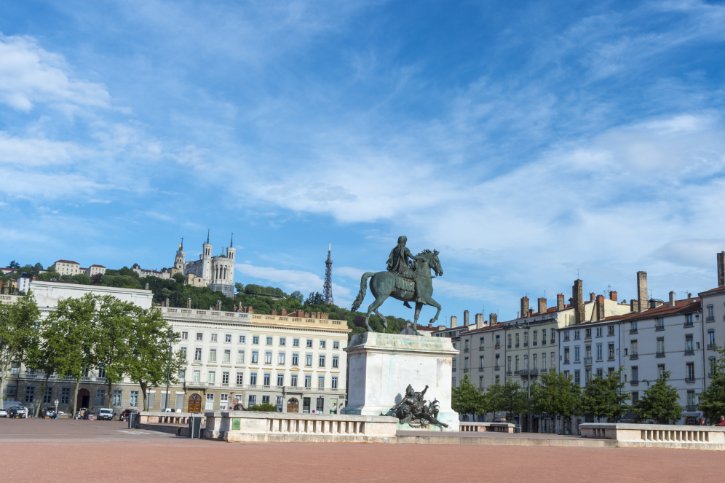
- Lyon’s largest public square and one of Europe’s biggest pedestrian plazas at 62,000 square meters.
- Works as the city’s main orientation point, connecting Vieux Lyon, Fourvière, and the central shopping streets.
b. What to See
- A bronze equestrian statue of King Louis XIV at the center, installed in 1825, depicting the king riding bareback in classical Roman style.
- Clear views toward Fourvière Hill and the basilica rising to the west.
c. Key Details
- The statue replaced an earlier version melted into military cannons during the French Revolution.
- The square houses the main ONLYLYON tourist pavilion for visitor information.
d. Best For
- Getting your bearings in Lyon. From here you can mentally map the entire city center.
e. Good to Know
- Locals call the classic meeting spot “under the horse’s tail”. If someone suggests meeting at Bellecour, now you know where to stand.
15. Musée des Confluences
a. Why It Stands Out
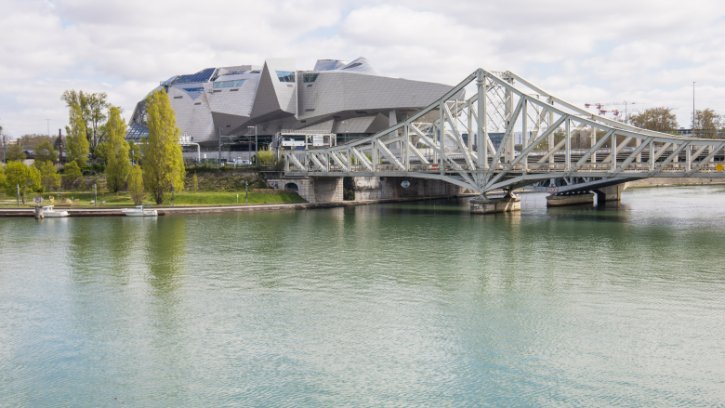
- Sits where the Rhône and Saône rivers meet, a bold modern contrast to everything else on this list.
- Designed by Austrian firm Coop Himmelb(l)au with three parts: a concrete Plinth, a glass Crystal entrance, and a floating metal Cloud housing the exhibitions.
b. What to See
- Four permanent exhibitions titled Origins, Species, Societies, and Eternities, covering humanity, natural science, and cosmic history.
- The striking architecture itself, which makes a strong visual impression from the riverside.
c. Key Details
- A science and anthropology museum exploring broad themes across cultures and time periods.
- Located in the Confluence district, representing Lyon’s modern urban development.
d. Best For
- Travelers interested in science, anthropology, or modern architecture.
e. Good to Know
- The perfect final stop. After silk-worker neighborhoods, Renaissance streets, Roman ruins, and grand squares, this museum proves Lyon is still building forward.