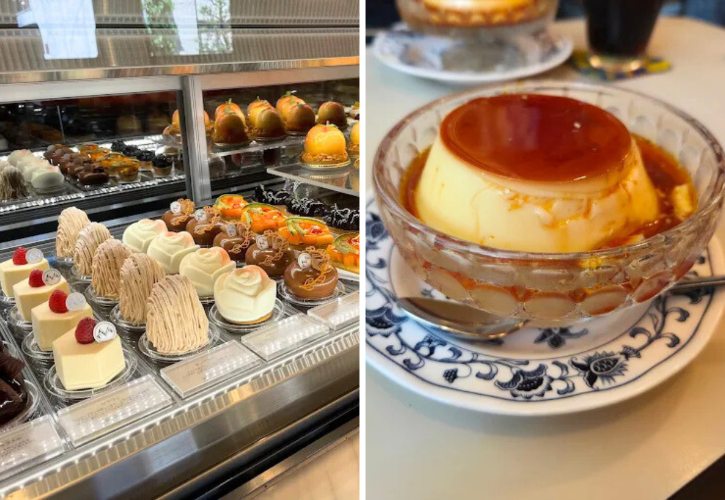
Tokyo is one of the best cities in the world for anyone with a sweet tooth. From old-school Japanese confections to beautifully crafted French-style pastries, the city takes dessert seriously.
You’ll find everything here, from a tiny kissaten (traditional coffee shop) serving homemade custard pudding to sleek late-night parfait bars designed for grown-ups.
The variety is staggering, and the attention to detail at every level is what makes Tokyo’s dessert scene truly world-class.
Whether you love classic flavors or want to try something completely new, these 10 spots are absolutely worth your time.
1. Mont St.Clair
a. Why It’s Worth Visiting
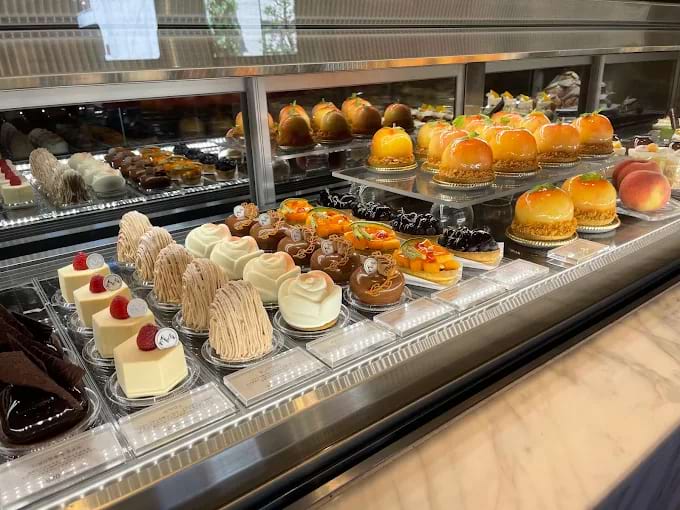
Mont St.Clair is a refined pâtisserie in the charming Jiyugaoka neighborhood, led by celebrated pastry chef Hironobu Tsujiguchi.
This isn’t a trendy pop-up or a gimmick shop. It’s a serious cake destination built on precision and seasonal ingredients.
The display case alone is worth the walk. Visitors consistently praise the quality of the cakes, and the shop has earned a loyal following for good reason.
b. What to Try
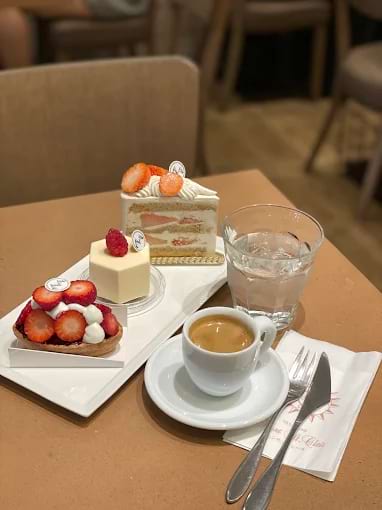
C’est la Vie (year-round, signature) layers white chocolate sweetness with raspberry acidity and crunchy feuilletine.
Strawberry Puff (spring) is filled with soft cream and large, fresh strawberries.
Orange Chiboust (autumn) is loved for its caramelized top and citrus-forward flavor.
Location:
Google Maps
2. Shiro-Hige’s Cream Puff Factory
a. Why It’s Worth Visiting
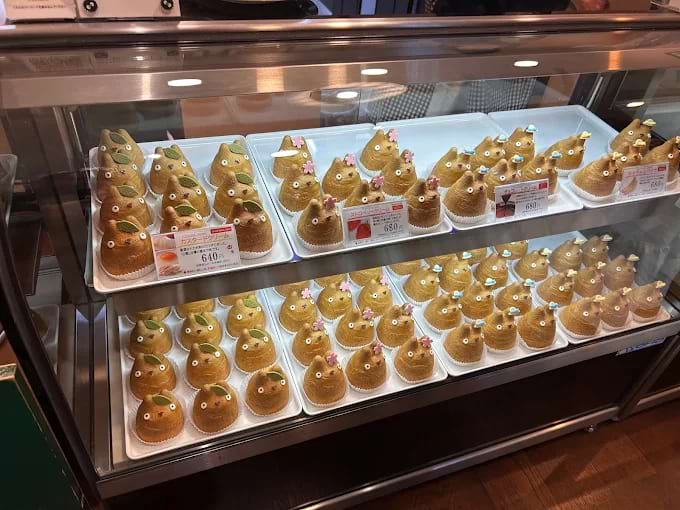
This is the only bakery in Japan officially authorized by Studio Ghibli to make Totoro-shaped treats.
The shop is owned by Kyoko Miyazaki, the sister-in-law of director Hayao Miyazaki.
The main Setagaya (Daita) branch feels like stepping into a Ghibli film, with a bakery on the first floor and a cafe called TOLO Coffee & Bakery upstairs.
The Kichijoji branch is smaller and takeout only, perfect if you’re visiting the nearby Ghibli Museum.
The cream puffs are made once daily in the morning. Once they sell out, that’s it for the day. Go early or call ahead.
b. What to Try
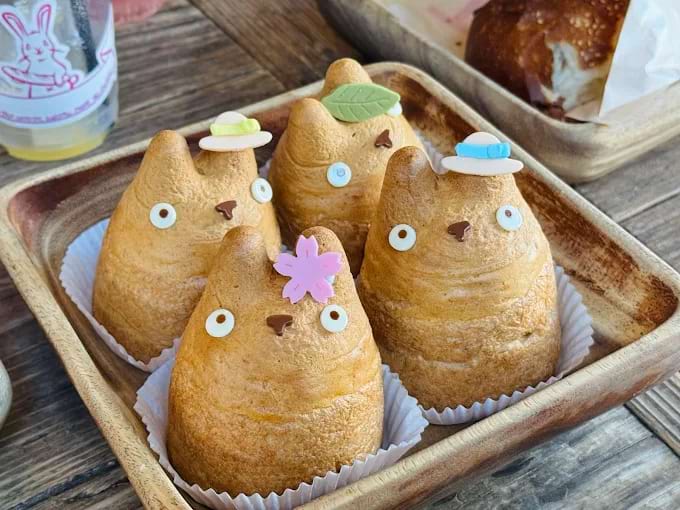
Totoro-style cream puff, chocolate (year-round, signature) has a rich, satisfying filling that pairs well with the light choux shell.
Totoro-style cream puff, custard (year-round) is the classic option. Smooth, simple, and hard to go wrong with.
Strawberry Cream (Jan to Jun, sakura accessory) uses Wakayama strawberries in a refreshing pink cream.
Raspberry and Cream Cheese (Oct to Dec) offers a citrusy punch balanced by rich cream cheese.
Location:
Google Maps
3. Parfaiteria beL
a. Why It’s Worth Visiting
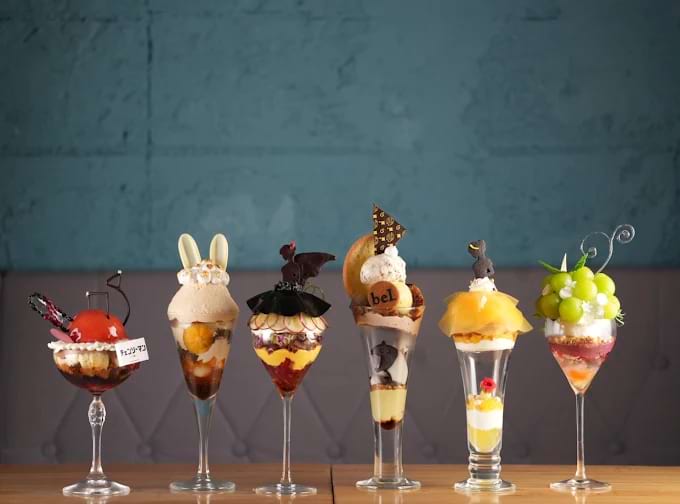
Parfaiteria beL is at the center of Tokyo’s “Shime Parfait” culture, a Sapporo-born trend where you end a night out with a beautifully crafted parfait instead of another drink.
With branches in Shibuya and Shinjuku, it’s designed for a nighttime crowd with moody lighting and a mature atmosphere.
What sets these parfaits apart is balance. The team uses acidity, bitterness, and layered textures instead of relying on heaps of whipped cream.
Every component is made in-house, and some parfaits contain alcohol. Expect to pay around 1,980 to 2,800 yen per parfait.
b. What to Try
Pistachio and Praline features pistachio gelato, Valrhona 70% cocoa chocolate gelato, and bamboo charcoal meringue.
Strawberry and Crane (Ichigo ni Tsuru) is a stunning seasonal creation with sake-infused gelato, raspberry beet cream, and chocolate feathers.
Bride of the Chestnut (autumn) layers Mont Blanc cream, marron glace, coffee jelly, and a sharp cassis sorbet.
Location:
Google Maps
4. HARBS
a. Why It’s Worth Visiting
HARBS has been a beloved name in Japan since opening in Nagoya in 1981.
The brand is known for enormous cake slices cut from 24cm (roughly 9.5-inch) cakes that are somehow still light and satisfying.
The secret is minimal use of additives and stabilizers, which gives the cream its smooth, delicate texture.
Freshness is non-negotiable. Every cake is handmade and delivered to branches on the same day. Nothing is frozen.
Fruit-heavy cakes are only assembled when the fruits reach peak ripeness.
You’ll find HARBS in prime locations like Lumine Est Shinjuku and Shibuya Hikarie.
b. What to Try
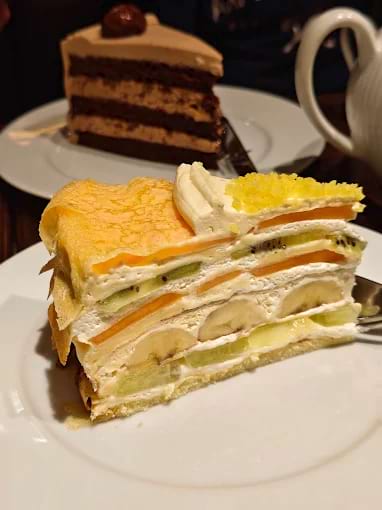
Fresh Fruit Mille Crepes is the star. Six layers of thin crepes filled with fresh whipped cream and seasonal fruits. The cream is famously light and non-greasy.
Banana Cream Pie is a rarity in Japan’s strawberry-dominated dessert world, with thick custard, banana chunks, and a flaky pie crust.
Marron Cake (autumn/winter) layers chestnut and sweet potato cream on white sponge with a hint of rum.
The Iced Royal Milk Tea pairs perfectly with the rich cream of the cakes.
Location:
Google Maps
5. Shirotae
a. Why It’s Worth Visiting
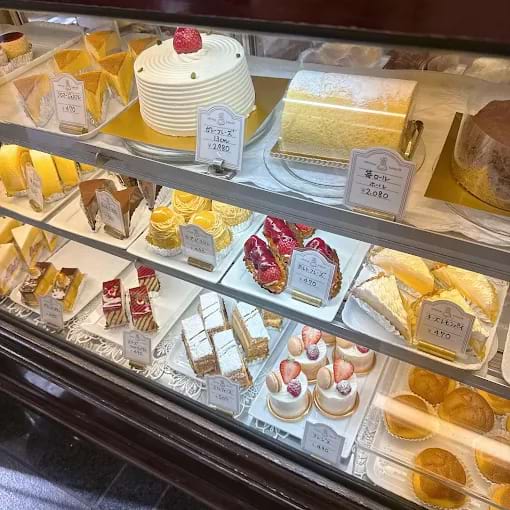
If you love cheesecake, Shirotae is a must. This traditional confectionery shop has been in Akasaka since 1976 and feels like stepping into another era, with dark wood interiors and vintage decor.
It’s a multi-time Tabelog “Hyakumeiten” award winner, placing it among Tokyo’s top 100 sweets shops.
Portions are smaller and denser than modern patisseries, but the concentrated flavors more than make up for it.
Prices are outstanding, often between 300 and 500 yen per slice. Note: cash only, about 18 seats, and takeout is much faster than dining in.
b. What to Try
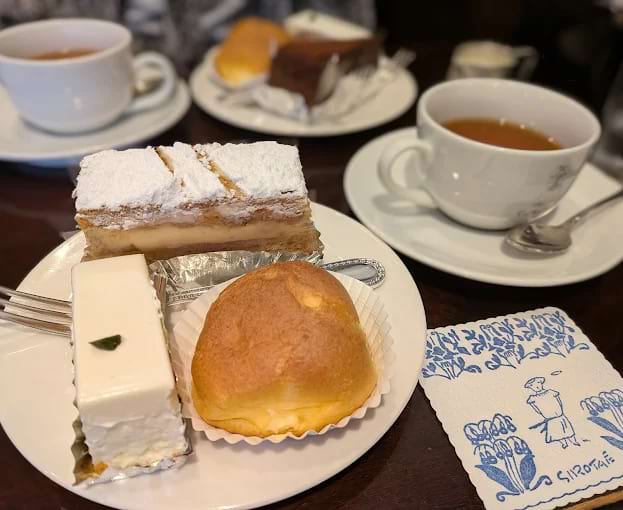
Rare Cheesecake is the legendary item. Unlike fluffy souffle cheesecakes, this unbaked version is thick, creamy, and close to gelato in consistency. Expect a powerful punch of cream cheese and yogurt tang over a buttery biscuit base.
Cream Puffs sell out by the afternoon. Buttery, flaky shells with dense, egg-rich custard inside.
Chocolate Chestnut Cake (seasonal) pairs dark chocolate with rich chestnut paste.
Location:
Google Maps
6. Hekkelun
a. Why It’s Worth Visiting
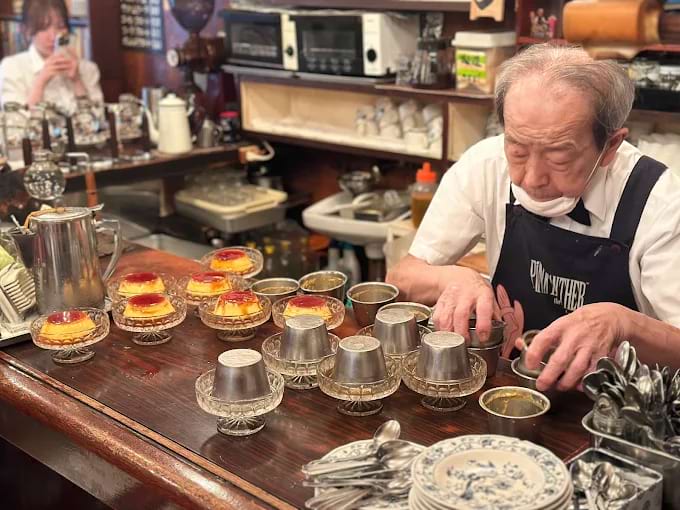
Hekkelun is a traditional kissaten in Minato City run by the same elderly couple for over 50 years.
The star is the Jumbo Pudding, and the master’s preparation is part of the show. He doesn’t use thermometers or scales, relying entirely on decades of intuition.
The interior is pure Showa nostalgia with siphon coffee makers and soft lighting.
b. What to Try
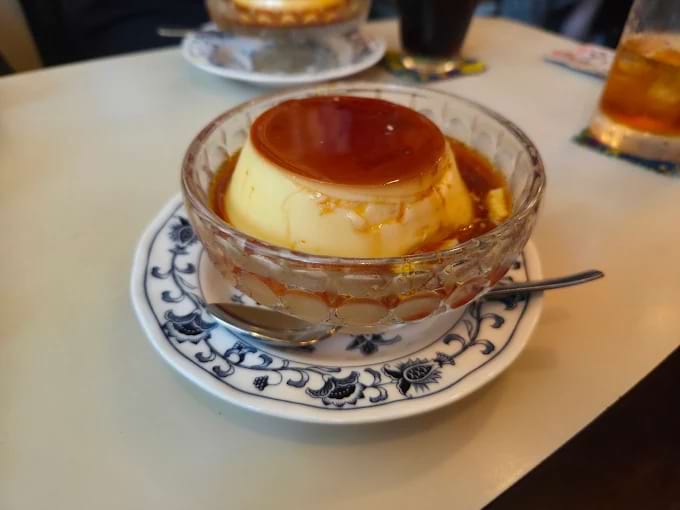
Jumbo Pudding (Purin) is a large, firm custard topped with bitter caramel sauce. Steamed, silky, and roughly 2.5 times the size of a standard pudding.
Siphon Coffee is brewed individually and pairs perfectly with the pudding’s sweetness.
Egg Sandwich is a surprisingly good savory option, fluffy and well-seasoned.
Location:
Google Maps
7. Patisserie ease
a. Why It’s Worth Visiting
Patisserie ease represents the new generation of Tokyo desserts. Located in the revitalized Nihonbashi Kabutocho district, it’s led by Chef Keisuke Oyama, who trained at Michelin-starred restaurants.
The space blends exposed concrete with sage green facades and houseplants.
With only seven counter seats, the dine-in experience is intimate.
Some desserts come with a side of sauce or jelly you pour yourself, so the flavor shifts as you eat.
b. What to Try
Amazon Cacao Tiramisu hides a tangy fruit sauce under a white chocolate dome. Breaking it open is part of the fun.
Hyuganatsu Mille-feuille features crisp pastry with a Japanese citrus cream and a springy citrus jelly on the side.
Location:
Google Maps
8. Chacha Futatsume
a. Why It’s Worth Visiting
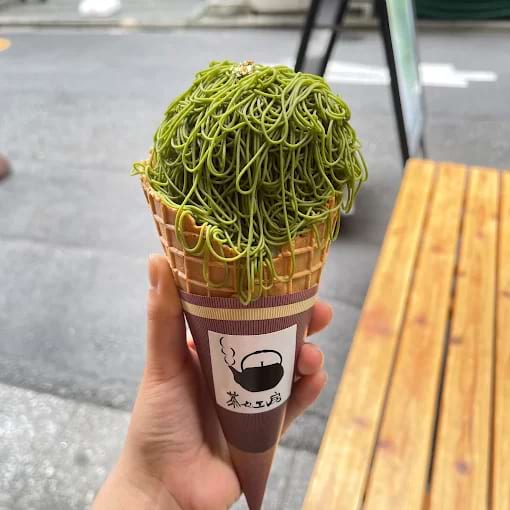
Chacha Futatsume has become a viral landmark in Asakusa for its Matcha Mont Blanc in a cone.
The real draw is the “Squeezing Spectacle”, where staff extrude vibrant green matcha chestnut paste like thin noodles directly onto the dessert in front of you. They actually encourage you to film it.
Tucked down a narrow alley near Senso-ji Temple, the shop has about ten seats, so most people grab and go.
b. What to Try
The Signature Matcha Mont Blanc Cone layers green tea chestnut paste, sweet red bean paste, sponge cake, lemon marmalade, and mascarpone cream inside a waffle cone, topped with matcha noodle swirls, a green tea cookie, and gold leaf.
Priced around 1,400 yen, and honestly it’s big enough to share between two.
The cake layers can feel slightly dry, but the variety of textures and flavors in each bite keeps things interesting and engaging.
Location:
Google Maps
9. Suzukien Asakusa
a. Why It’s Worth Visiting
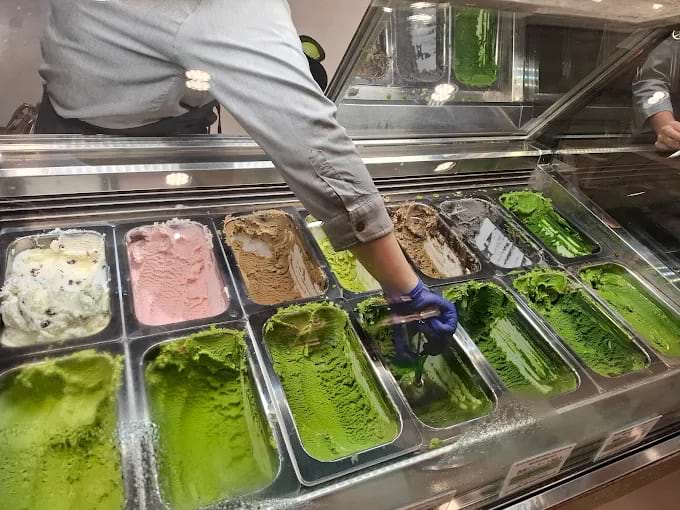
Suzukien is a historic tea wholesaler established in 1853 that partnered with Shizuoka-based Nanaya to create a 7-level matcha gelato system.
You choose your intensity from Level 1 (standard matcha ice cream) all the way to Level 7, the richest matcha gelato in the world.
Located near Senso-ji Temple, the shop draws big crowds with numbered tickets during peak hours.
As a genuine tea merchant, Suzukien delivers authentic matcha flavor with sophisticated umami, not harshness.
b. What to Try
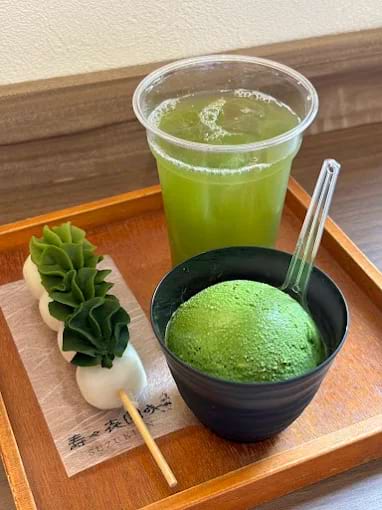
Premium No. 7 is the most popular, with a deep umami flavor for serious matcha lovers. It’s intense, almost like eating pure matcha.
No. 3 (Standard) offers a balanced harmony of matcha bitterness and Hokkaido milk sweetness. A great starting point if you’re unsure which level to pick.
Double Scoop Combination of Level 7 with Hojicha or Genmaicha provides an excellent palate-cleansing contrast. This is what frequent visitors tend to recommend.
Four Types of Matcha An-Dango is a skewered treat with four different levels of matcha sweetness on a single stick, often served with sencha tea.
Black Sesame and Dainagon Azuki are great non-matcha alternatives for those who prefer traditional Japanese flavors.
Location:
Google Maps
10. Coffee Shop Pinocchio
a. Why It’s Worth Visiting
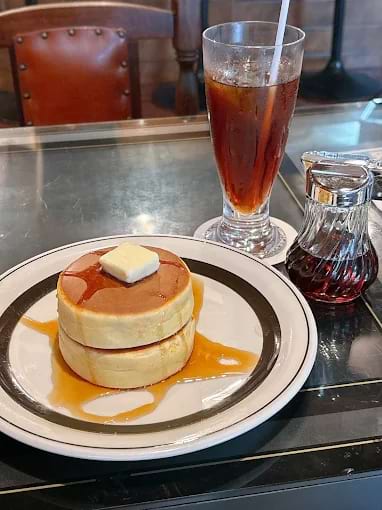
In the residential neighborhood of Itabashi, Coffee Shop Pinocchio has been famous for one thing for over 40 years: ultra-thick, griddle-cooked hotcakes.
These are not modern souffle pancakes. They’re dense, sturdy, and cooked slowly on a copper griddle for a golden crust and fluffy interior.
The shop is family-run with about 34 seats, listed on Tabelog’s “Top 100 Cafes”. Each pancake is made to order, so expect a wait. If they sell out, the shop closes early. Typically closed on Wednesdays and Thursdays.
b. What to Try
Signature Hotcakes are two thick discs topped with melting butter and maple syrup on the side. Crispy outside, fluffy inside. Trust me, these are worth the trip out of central Tokyo.
Neapolitan Pasta is a classic kissaten dish with spaghetti in a savory ketchup-based sauce. It’s a fun retro bite if you want something savory before your pancakes.
Pizza Toast is a popular brunch item for early morning visitors.
Classic Coffee brewed to match the hearty pancakes. Order it as a set for the full experience.
Location:
Google Maps