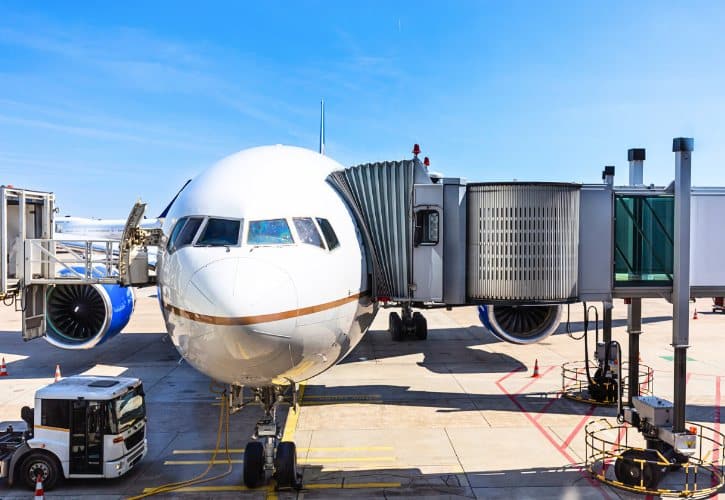
Paris is still one of the best cities in the world to visit. That has not changed.
But some important travel details have changed, and you need to know about them before you start planning your trip.
From updated costs and attraction closures to transport disruptions, new border checks, and an exciting theme park opening, this guide covers five things every traveler should check before heading to Paris in 2026.
1. Paris Tourist Tax Has Increased
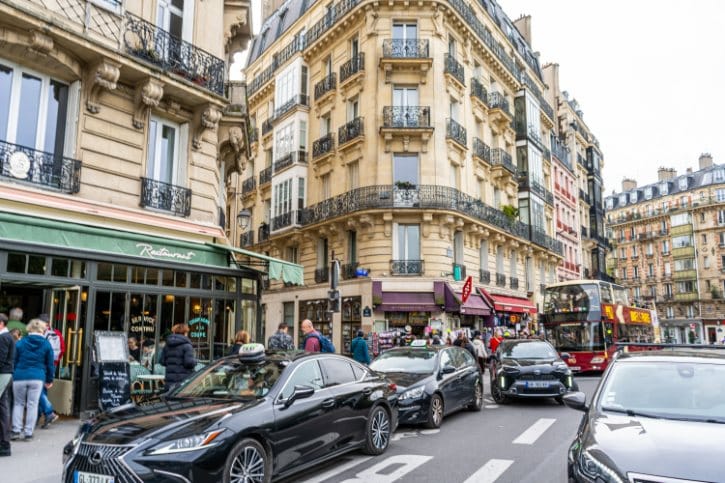
Every visitor staying overnight in Paris is required to pay a tourist tax (known locally as the taxe de séjour).
The city has introduced significantly higher rates. If you have not visited recently, the amount may be more than you expect.
What It Is
- The tourist tax is a compulsory nightly fee collected by the City of Paris.
- It funds tourism infrastructure, public transport networks, and environmental sustainability projects.
- It is separate from hotel room charges and is often not included in the price shown on booking platforms.
How It Is Charged
- The tax is charged per adult, per night. Children under 18 are exempt.
- The amount depends on the official star rating of your accommodation.
- Higher-category and luxury properties are charged at higher rates.
Rates at a Glance (All rates are per adult per night)
- Palace hotels: €15.93
- 5-star hotels and furnished rentals: €11.70
- 4-star hotels and furnished rentals: €8.45
- 3-star hotels and furnished rentals: €5.53
- 2-star hotels and furnished rentals: €3.25
- star hotels, B&Bs, and youth hostels: €2.60
- Campsites (3 to 5-star): €1.95
- Campsites (1 to 2-star): €0.65
What Catches Travelers Off Guard
- An unclassified flat priced at €150 per night can result in roughly €10 per person in nightly taxes. That is actually higher than the rate for a classified 4-star hotel.
- A property that looks cheaper online may not be cheaper once local taxes and fees are added.
- On a multi-night stay, couples and groups can end up paying hundreds of euros more than the advertised total.
How to Budget for It
- Look for separate line items labeled “city tax”, “tourist tax”, or “taxe de séjour” before confirming your booking.
- Some hotels collect the tax at check-in or check-out rather than through the booking platform. A few may require cash.
- Always budget extra rather than assuming the displayed price is your final cost.
- Calculate the tax per person across every night of your stay so there are no surprises.
2. Centre Pompidou Is Closed Until 2030
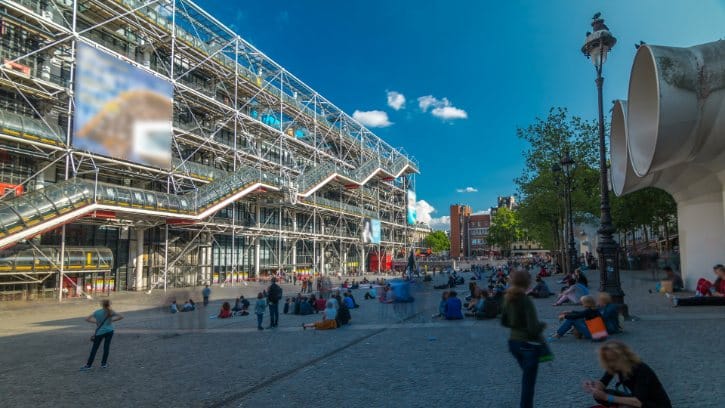
The Centre Pompidou, one of the most famous modern art museums in the world, is not currently open for a normal visit.
If it is on your Paris itinerary, you need to update your plans before you go.
Why It Is Closed
- The main building in the Beaubourg district closed on September 22, 2025, for a major five-year modernization program.
- The work includes complete asbestos removal, lift replacements, and corrosion treatment.
- Reopening is officially projected for 2030.
Why This Matters for Your Trip
- Many older Paris guides and blog posts still list the Centre Pompidou as a standard sightseeing stop.
- First-time visitors following pre-2026 itineraries may arrive to find the building closed.
- Trust me, this is worth checking before you go. Do not rely on any travel plan written before the closure began.
Where the Art Went
- Under the “Constellation” initiative, thousands of works from the collection are traveling to regional French museums and international venues.
- Major temporary exhibitions are being hosted at alternative Parisian landmarks such as the Grand Palais.
- Modern and contemporary art has not disappeared from Paris. It has simply moved.
Alternative Museums to Visit
- Musée d’Orsay: The world’s finest Impressionist and Post-Impressionist collection. Best for lovers of Monet, Van Gogh, and Degas.
- Musée de l’Orangerie: Home to Monet’s monumental Water Lilies murals. Best for a peaceful, focused museum visit.
- Palais de Tokyo: Europe’s largest contemporary art center, known for bold and experimental installations. Best for avant-garde art fans.
- Fondation Louis Vuitton: A striking Frank Gehry building hosting prestigious temporary exhibitions. Best for architecture lovers and contemporary art fans.
- Musée Picasso Paris: Dedicated to the paintings, sculptures, and archives of Pablo Picasso. Best for visitors who want a deep dive into one iconic artist.
How to Plan Around It
- Check current exhibition calendars and any temporary partner locations before you travel.
- Book timed-entry tickets online for popular museums to avoid long queues.
- Do not assume the closure means there is less art to see. Paris still has world-class alternatives.
3. Major Summer Metro Closures Are Planned
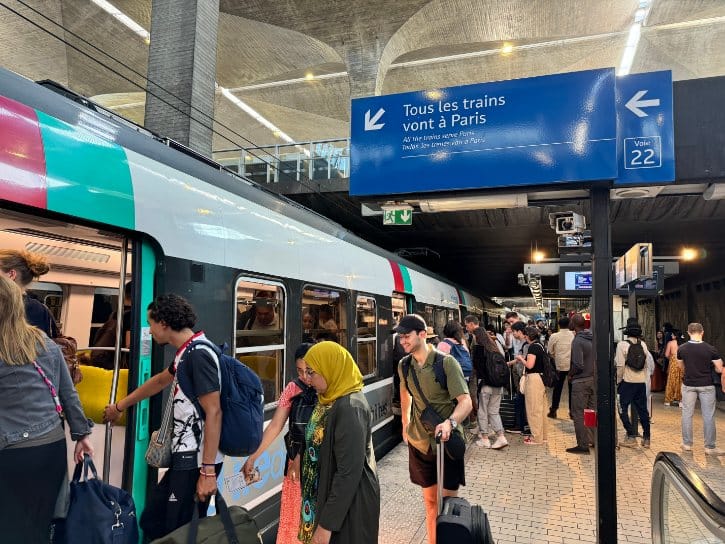
Paris public transport is normally one of the easiest ways to get around the city.
But during the summer of 2026, planned modernization works will cause temporary disruptions across several Metro, RER, and train lines between June and August.
What Is Happening
- The transit authority Île-de-France Mobilités is carrying out a major modernization program across the network.
- Several Metro lines, RER lines, and regional trains are affected by full, partial, or weekend closures.
- The disruptions are temporary, but they can affect routes to airports, train stations, popular sightseeing spots, and Disneyland Paris.
Key Lines Affected
- RER B (airport line): Suspended between Gare du Nord and several southern stations from July 25 to August 16. This heavily affects transfers to CDG Airport and connections toward Orly.
- RER C (Versailles line): Interrupted westward from Gare d’Austerlitz from July 15 to August 22. This directly affects travel to the Palace of Versailles.
- RER A (Disneyland line): Targeted closures from June 29 to August 30 affecting travel to Disneyland Paris.
- Metro Line 4: Closed between Les Halles and Vavin from July 6 to July 24, interrupting a key central route.
- Metro Line 12: Closed between Jules Joffrin and Concorde from July 16 to July 26, cutting direct access between Montmartre and central Paris.
- Metro Line 13: Partial closures from July 6 to August 17, with full Sunday morning closures on selected dates.
- Metro Line 8: Long-term modernization from July 22, 2026, through April 2027, with targeted station closures.
Getting to Versailles During the Closure
- The RER C will not run to Versailles during its closure period.
- Take the Transilien N line from Gare Montparnasse to Versailles-Chantiers as an alternative.
- Or take the Transilien L line from Gare Saint-Lazare to Versailles-Rive Droite.
How to Stay Updated
- Check official transport updates close to your travel date, not weeks in advance.
- Use the Bonjour RATP or Île-de-France Mobilités apps each morning before leaving your hotel.
How to Avoid Problems
- Build a 30 to 45-minute buffer into your schedule when heading to airports, train stations, timed museum entries, or dinner reservations.
- Plan backup routes using buses, walking, taxis, rideshare services, or alternative Metro and RER lines.
- The issue is not that Paris transport is unreliable. The issue is that some specific routes may not work as expected during construction. Flexibility is your best tool.
4. Biometric Border Checks (EES) Are Now Live
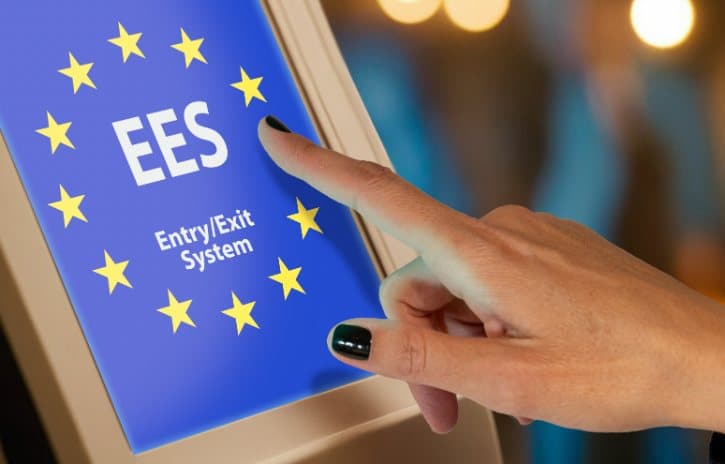
If you are a non-EU traveler visiting France, there is a new border process you need to know about.
The EU Entry/Exit System (EES) is now fully operational and replaces the old system of passport stamping with digital registration.
What EES Is
- EES is an automated digital system that records non-EU travelers entering and leaving the Schengen Area.
- It became fully operational on April 10, 2026, following a phased rollout that began in late 2025.
- It completely replaces physical passport stamps.
Who It Applies To
- All non-EU and non-Schengen short-stay travelers (up to 90 days within a 180-day period).
- This includes visa-exempt nationals from countries such as the United States, Canada, the United Kingdom, and others.
- EU and Schengen-area citizens are not affected.
What Happens at the Border
- You will be asked to provide biometric data, including a high-resolution facial scan and a scan of four fingerprints.
- Children under 12 are exempt from fingerprinting but still require a facial scan.
- Your biometric data is stored in a secure centralized system for three years.
Where It Applies
- EES registration happens at external Schengen borders only, including international airports, the Port of Dover, and Eurostar terminals.
- It does not monitor or affect your daily movement within Paris after you arrive.
- Once you are inside the Schengen Area, your Paris itinerary is not affected.
How to Prepare
- Arrive earlier than usual at airports, ferry terminals, Eurostar terminals, and border checkpoints.
- Keep your passport and travel documents ready and easily accessible.
- Expect first-time registration to take longer than a standard passport check.
- Avoid booking tight connections when entering or leaving the Schengen Area.
- Families and groups should allow extra time because each traveler is processed individually.
- EES is unlikely to affect your daily plans in Paris, but it can affect your arrival and departure. The advice is simple: leave more time at the border.
5. Disney Adventure World Is Now Open

Here is the most exciting update in this article. The second theme park at Disneyland Paris has been completely transformed, and it is now open.
If you are a Disney fan, a family with kids, or someone who visited the old park and found it lacking, this one is worth your attention.
What Has Changed
- On March 29, 2026, the park formerly known as Walt Disney Studios Park officially reopened as Disney Adventure World.
- Backed by a €2 billion expansion, the park has nearly doubled in size.
- It has been completely reimagined with immersive themed environments.
World of Frozen
- The headline attraction is World of Frozen, a life-sized recreation of the Kingdom of Arendelle.
- You can explore a 118-foot-tall North Mountain, Elsa’s Ice Palace, and Arendelle Castle.
- The land features Frozen Ever After, a family boat ride with advanced animatronics and projection mapping.
- The Nordic Crowns Tavern serves Scandinavian-inspired cuisine.
Adventure Way and Adventure Bay
- Adventure Way is a new promenade featuring a Tangled-themed spinning gondola ride and themed gardens with hand-crafted bronze statues.
- The promenade leads to Adventure Bay, a 7.5-acre lake that hosts the “Disney Cascade of Lights” nighttime spectacular.
- The show combines choreographed fountains, water projections, and drone technology.
Getting There
- Disneyland Paris is in Marne-la-Vallée, about 32 kilometers east of central Paris.
- The park is accessible by RER A, but check schedules carefully. Planned summer works can affect travel times.
- Plan it as a full-day trip, not a quick side stop.
How to Plan Your Visit
- Book tickets and restaurant reservations in advance. Demand has surged since the expansion opened.
- If you want to dine at The Regal View Restaurant, reserve your table well ahead of time.
- Check park hours, ticket availability, and attraction status on the official Disneyland Paris website before you go.
- Book early during school holidays, weekends, and peak seasons.
- This is the biggest positive change at Disneyland Paris in years, but popularity means higher demand. Plan ahead rather than deciding at the last minute.
Plan Smarter, Enjoy Paris More
None of these updates should stop you from visiting Paris. The city is still one of the world’s best places to explore, eat, and experience culture.
You just need to plan a little smarter. Budget for additional costs like the tourist tax.
Allow extra time for transport and border checks. Keep your itinerary flexible enough to adjust if a Metro line or museum is not available as expected.
And check official sources close to your travel date rather than relying on older guides.
Paris is absolutely worth it. A little preparation goes a long way. 😊