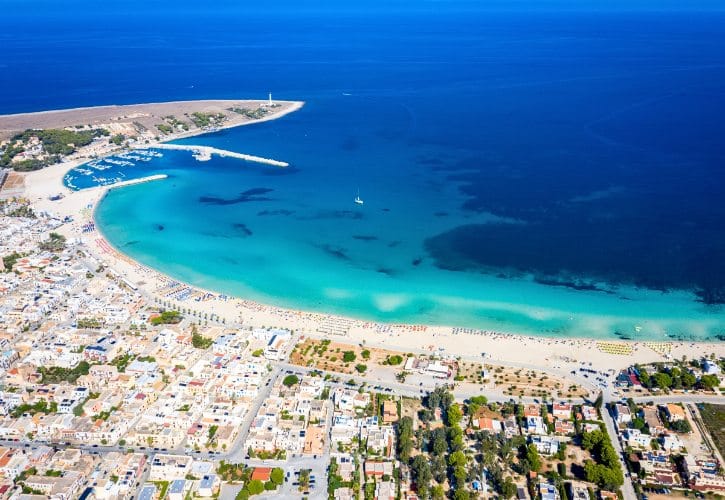
Sicily rewards anyone willing to drive it. In one loop you roll from volcanic cities to golden Baroque towns, ancient Greek temples, tiny fishing harbors, misty mountain villages, and clear blue water.
The scenery, the food, and the local character keep changing as you go, and many of the stops sit only about 30 minutes to an hour apart.
A few legs run longer, and they earn every extra minute. Here is how the journey unfolds. 😊
1. Catania
a. A City Rebuilt in Black and White
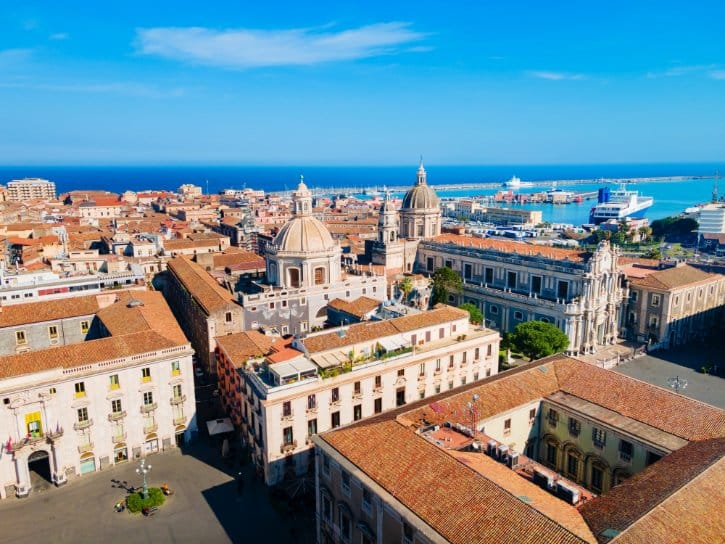
Flattened by an earthquake in 1693, Catania was rebuilt with wide, quake-resistant streets and joined the UNESCO Late Baroque Towns of the Val di Noto. Its signature look comes from one contrast: dark lava stone from Etna set beside pale limestone.
b. The Sights That Anchor the Old Center
- Piazza del Duomo, the beating heart of the historic core.
- The Cathedral of Sant’Agata, blending an old Norman apse with a grand later façade.
- The Elephant Fountain (locals call it u Liotru), a lava-stone elephant topped with an Egyptian obelisk.
- Via Etnea, the long straight avenue that seems to aim right at the volcano.
c. Where You Feel the Real Catania
- Castello Ursino, a 1200s fortress left stranded inland after Etna’s lava pushed the coast out in 1669.
- A’ Piscarìa, the historic fish market below the cathedral square, loud with the chant of fishmongers.
- Ice tables piled with swordfish, tuna, sea bream, and octopus.
- Side alleys selling salted cod, wild fennel, and local greens.
d. Living in the Shadow of Etna
- Mount Etna rises about 30 kilometers north and shapes everything here.
- Its black basalt paves the avenues and darkens the walls.
- Life beside an active volcano has bred an easygoing local spirit.
- Even the food shows it, like pasta alla Norma with fried aubergine and salted ricotta.
e. The Road South
Leaving the volcanic streets, you cross a plain of blood orange groves. The bright limestone of the southeast takes over, setting the tone for Syracuse.
2. Syracuse & Ortigia
a. An Island Stacked with History
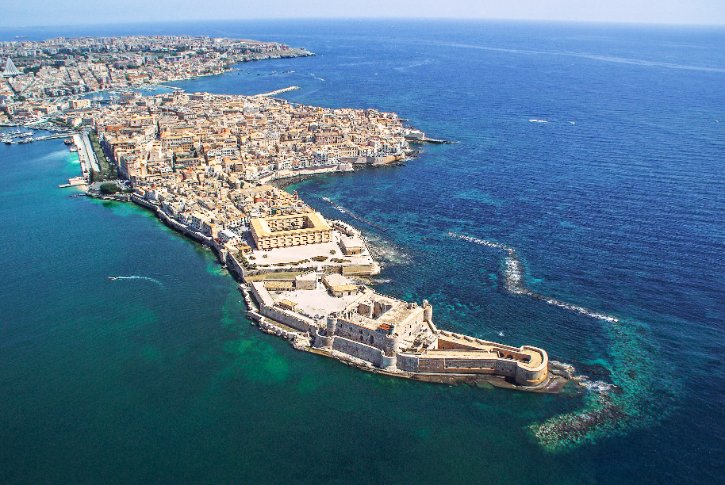
Ortigia is the small limestone island where ancient Syracuse began in 734 BC. It is barely a square kilometer, linked to the mainland by two short bridges, yet it holds Greek, medieval, and Baroque layers piled on top of each other.
b. What to See on Ortigia
- Piazza Duomo, a curved pedestrian square, one of the loveliest in Sicily.
- Syracuse Cathedral, built into an ancient temple, with Doric columns of the Temple of Athena still in its walls.
- The Temple of Apollo, the oldest known stone Doric temple in Sicily.
- The old Jewish Quarter (Giudecca), a tangle of stone lanes and iron balconies.
c. The Great Archaeological Park
- The Greek Theatre, carved into the hillside in the fifth century BC, among the largest to survive.
- The Roman Amphitheatre, built later for gladiator fights and animal hunts.
- The Latomie, huge old quarries that once held captured Athenian soldiers.
- The Ear of Dionysius, an ear-shaped cave that carries the faintest whisper across the chamber.
d. The Spring of Arethusa, Fact and Myth
- The myth tells of a nymph turned into an underground stream, which is pure poetry.
- The verified part is real too: this is a natural freshwater spring.
- It is one of only two places in Europe where wild papyrus grows on its own.
e. Reading the City as You Walk
- Watch for ancient columns hiding inside newer buildings.
- Follow the honey-colored stone as it glows in the late sun.
- Drift down to the harbor, where the light off the water is hard to beat.
f. Turning Inland
From the sea-worn feel of Syracuse, you head inland toward a Baroque town where every street looks composed on purpose. That is Noto.
3. Noto
a. The Baroque Town Built from Scratch
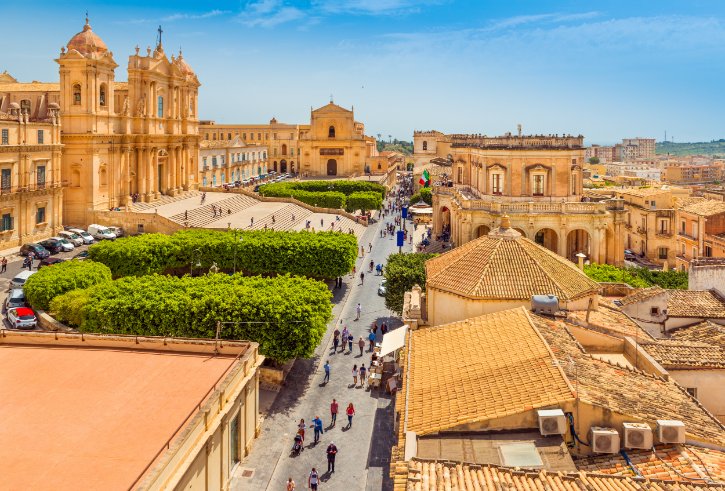
After the 1693 earthquake, a brand-new Noto was laid out downstream on a gentle slope. Building fresh let planners design the whole town at once, and three wide avenues run east to west so the streets catch sunlight all day. It is a key part of the UNESCO Val di Noto listing.
b. The Must-See Monuments
- Porta Reale, the grand stone arch that marks the entrance.
- The Cathedral of San Nicolò, crowning a sweeping staircase in the main square.
- Palazzo Ducezio, the town hall, with its graceful curved loggia.
- Palazzo Nicolaci, famous for balconies held up by carved horses, mermaids, and lions.
c. The Details Worth Slowing Down For
- The soft golden limestone, easy to carve into flowers and figures.
- The balconies and their expressive stone supports.
- The staircases that turn plain entrances into small stage sets.
- The way the big monuments line up along the main street.
d. Stone That Changes with the Light
- At midday, the town looks pale and chalky.
- By late afternoon, the same stone warms into deep amber and honey.
- Time your walk for that golden hour and the whole place seems to glow.
e. Down to the Water
From Noto’s formal streets, the road drops toward the sea. The grand scale falls away and you reach a small, relaxed fishing village. That is Marzamemi.
4. Marzamemi
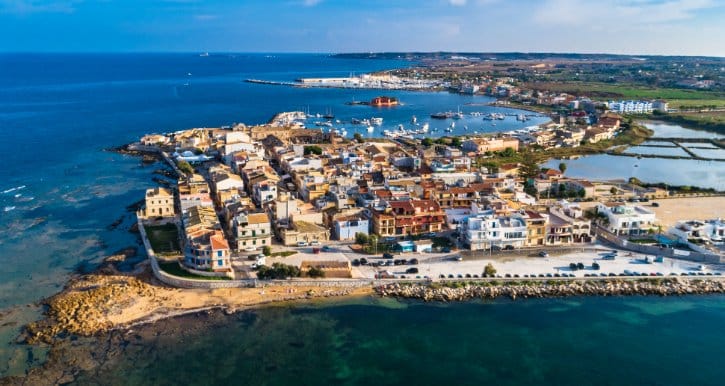
a. An Old Tuna Village Frozen in Time
Marzamemi is a beautifully preserved fishing village on Sicily’s southeastern tip, and its Arabic name hints at the island’s maritime past. Its heart is Piazza Regina Margherita, framed by the old tonnara (the tuna works) and two small churches.
b. Flavors Built on Tuna
- Bottarga, salted and dried tuna roe, shaved over pasta.
- Mosciame, thin slices of wind-dried tuna loin.
- Ventresca, tender tuna belly preserved in olive oil.
- Sweet cherry and date tomatoes from nearby Pachino, paired with local fish and capers.
c. Time by the Water
- The village wraps around two small old harbors.
- Open-air tables line the eastern pier at the water’s edge.
- It is a fine spot to settle in with seafood and watch the boats.
d. Wild Coast Nearby
- Vendicari Nature Reserve sits just north, a separate protected area, not part of the village.
- It guards salt pans, rocky headlands, and sandy coves.
- It is an important rest stop for migrating flamingos and herons.
- Look for the ruins of an old tonnara with a tall brick chimney.
e. Climbing Away from the Coast
Leaving the shore, the road turns inland and climbs. Flat greenhouse plains give way to deep limestone gorges and terraced hills, leading to the canyon town of Modica.
5. Modica
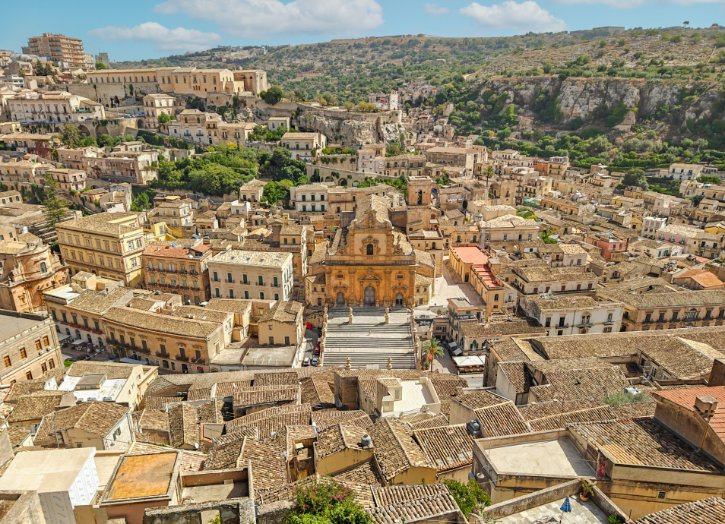
a. A Town Poured into a Ravine
Modica is one of the most dramatic towns of the Val di Noto, part of the same UNESCO group. It grew inside steep limestone ravines, so the whole place seems to cling to the rock, with hundreds of staircases stitching it together.
b. Upper Town, Lower Town
- Modica Bassa (Lower Modica) sits on the valley floor, with elegant palazzi and the lively Corso Umberto I.
- Modica Alta (Upper Modica) climbs the cliffs above, a maze of alleys and stairways.
- The viewpoints up top look over rooftops, balconies, and church domes stacked one above the other.
c. The Cathedral on the Cliff
- The Duomo di San Giorgio rises from the upper town, a masterwork of Late Sicilian Baroque.
- You reach it by a theatrical staircase of 250 steps.
- The façade climbs in three tiers with the bell tower built into the front.
- The whole building seems to lift upward as you approach.
d. Chocolate Made the Old, Cold Way
Modica is known across Europe for Cioccolato di Modica, which carries protected IGP status.
- The cocoa is worked at low temperatures, so it never fully smooths out.
- The sugar crystals stay whole, giving a matte look and a brittle snap.
- The texture is grainy and crumbly before the cocoa flavor comes through.
- Try a few flavors side by side, from plain to cinnamon to chili.
e. The Pleasure of Going Slow
Climb the stairways, rest at the viewpoints, and stop for chocolate as you go. The hill-town scenery keeps building as you leave, setting you up for Ragusa Ibla.
6. Ragusa Ibla
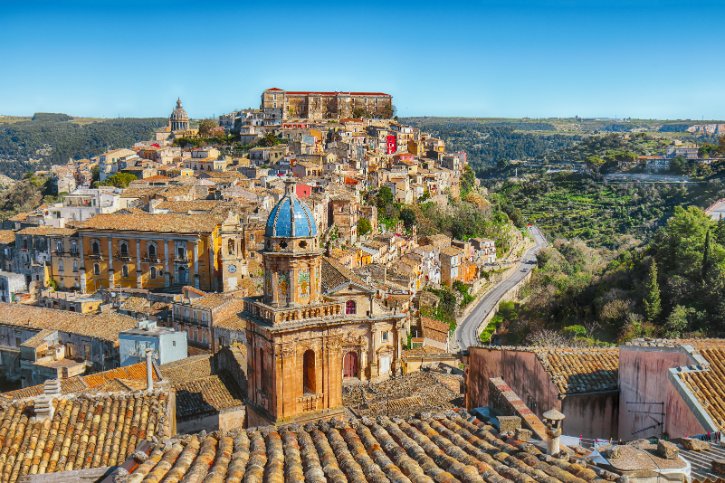
a. One Town, Two Souls
After the 1693 earthquake, Ragusa split in two. The merchant class built a new grid-planned town on the plateau, Ragusa Superiore, while the old nobility rebuilt on the ancient ridge below, Ragusa Ibla. Ibla is the one most people fall for.
b. The Walk Down and the Duomo
- More than 300 steps drop from the upper town toward Ibla, opening wide views.
- The Duomo di San Giorgio stands at the center, reached by a flight of 54 steps.
- The architect set the church at an angle on purpose, for a more dramatic approach.
- Inside you find a neoclassical dome and stained glass telling the story of Saint George.
c. Lanes, Palaces, and a Quiet Garden
- Palazzo Cosentini, known for its dramatic carved corner balconies.
- The Giardino Ibleo, a peaceful park at the tip of the ridge.
- Tall palms and cypress trees shading three small historic churches.
- Panoramic views out over the gorge and river valley.
d. Where Ibla Shows Off
The best views come as you move through Ibla on foot. Turn a corner and the whole stone town suddenly stacks up in front of you, clinging to its hillside. It never quite looks the same twice.
e. Tastes of the Pastureland
- Ragusano DOP, a firm aged cheese from the milk of local Modicana cattle.
- Granita made with toasted carob and Avola almonds, served with warm brioche.
- Any café on the main square is a fine place to settle in.
f. The Long Drive Inland
Now comes the longest inland leg so far, roughly an hour and three quarters northwest, into central Sicily’s wheat country and its Roman past. Your goal is Piazza Armerina.
7. Piazza Armerina
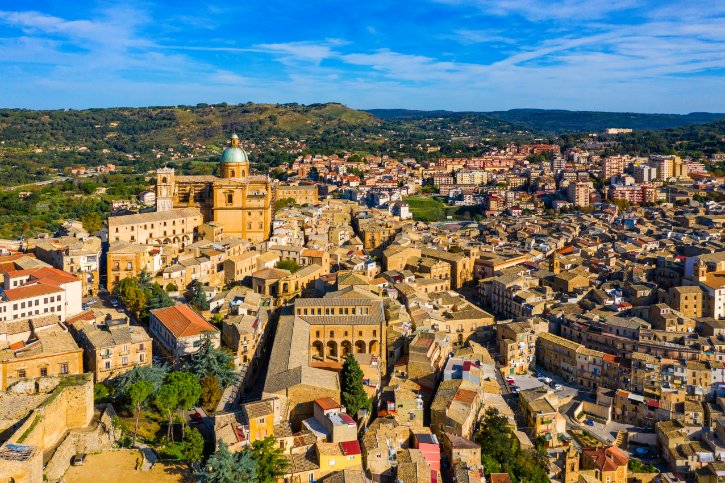
a. A Roman Villa Saved by Mud
A few kilometers from town lies the Villa Romana del Casale, a UNESCO World Heritage Site and one of the finest Roman villas anywhere. Built in the early fourth century AD, it was buried by a medieval landslide for centuries, which is exactly why it survived so well until excavations began in the 1950s.
b. The Mosaics You Cannot Miss
- The Corridor of the Great Hunt, showing hunters capturing lions, elephants, and rhinos to ship to Rome.
- The Chamber of the Ten Maidens, the famous “Bikini Girls”, running, throwing the discus, and lifting weights.
- The dining hall and mythological rooms, with scenes like the Labors of Hercules.
- Over 3,500 square meters of floor mosaics in all, laid by master craftsmen from North Africa.
c. How You See It
- Raised walkways let you look straight down onto the ancient floors.
- You never step on the mosaics themselves.
- The town of Piazza Armerina sits on a hill above, worth a short look.
- Its cathedral holds a revered old Byzantine-style icon of the Madonna.
d. A Change of Historical Pace
After all those Baroque towns, this stop pulls you into the Roman world and the quiet farmland of the interior. From here the road runs southwest as the ridges turn to dry hills and the great Greek temples of the southern coast come into view.
8. Agrigento
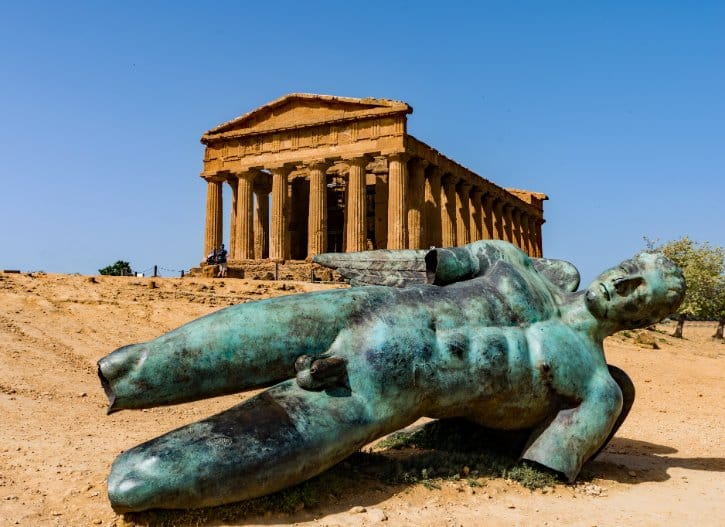
a. The Ridge of Ancient Temples
The Valley of the Temples is one of the most important Greek sites in the world and part of a UNESCO listing. It marks ancient Akragas, once among the richest Greek cities. Despite the name, it is not a valley: the temples line a high ridge, built to be seen by ships far offshore.
b. The Temples to Walk Among
- Temple of Concordia, one of the best-preserved Greek temples standing, saved by later use as a church.
- Temple of Juno, high on the eastern ridge, with stones still scorched from an ancient siege.
- Temple of Heracles, the oldest here, with several columns raised again in the 1920s.
- Temple of Olympian Zeus, a giant now fallen, once held up by huge figures called Telamons.
c. A Landscape of Olives and Almonds
- Ancient olive and almond trees, some hundreds of years old, spread across the ridge.
- In late winter the almond blossom turns everything pink and white.
- The Giardino della Kolymbethra, an old reservoir, is now a lush garden of citrus and rare fruit.
d. Making Sense of the Site
- A nearby museum holds an original Telamon and many finds from the ridge.
- One reassembled Telamon now stands upright again at the Zeus temple.
- At about 7.7 meters tall, it gives you a real sense of the original scale.
e. Off to the White Cliff
A short drive west brings you to something completely different: a natural white cliff dropping straight into the sea. That is the Scala dei Turchi.
9. Stair of the Turks (Scala dei Turchi)
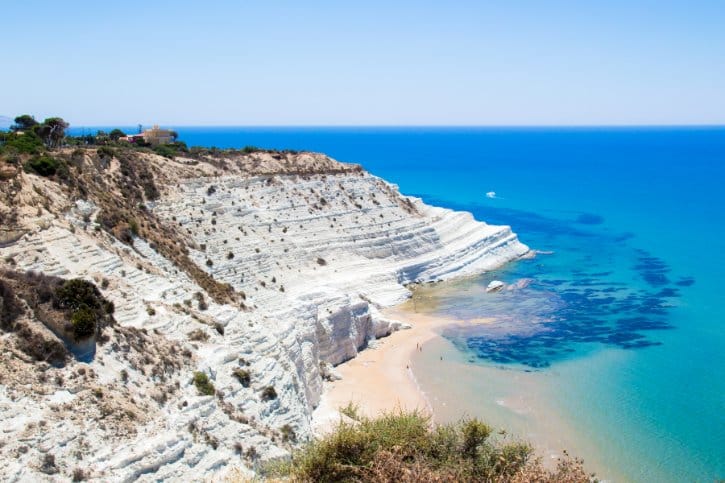
a. Why the White Cliff Glows
The Scala dei Turchi is a striking white cliff of soft marl, eroded by wind and waves into smooth, stepped terraces that look like a staircase to the sea. The bright white against turquoise water is the whole point, and by late afternoon it softens into ivory and warm rose.
b. What You Can and Cannot Do Now
- For years, crowds climbed and sat on the cliffs, badly eroding the fragile marl.
- Because of that damage, plus landslide risk, free climbing has been closed off.
- You can no longer walk freely across the white staircase.
- Access runs through a regulated pass system, with small timed groups on a controlled boardwalk.
c. The Best Ways to See It
- The public belvedere on the coastal road, built where an illegal hotel once stood.
- Nearby beaches like Lido Rossello and Punta Grande, which look onto the terraces.
- Authorized boat trips from San Leone or Porto Empedocle, showing the whole cliff from the water.
d. Westward Along the Coast
The finest views never required climbing at all. From here the road heads west, a longer hop closer to an hour and a quarter, toward the wide ruins of Selinunte.
10. Selinunte
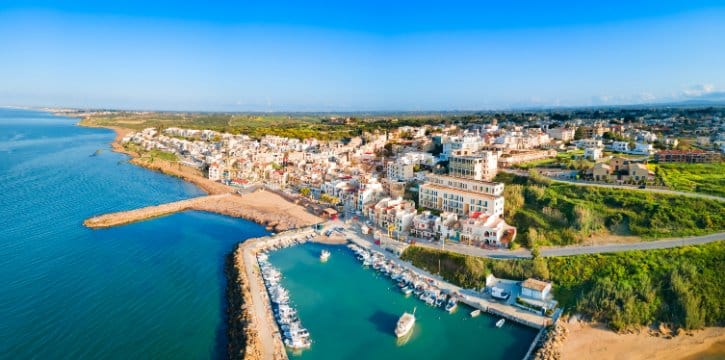
a. Europe’s Vast Greek City by the Sea
The Archaeological Park of Selinunte is one of the largest in Europe, spread over more than 270 hectares by the sea. Once the westernmost Greek city in Sicily, it sprawls across hills and valleys, so it feels like walking through a whole lost city rather than a single ridge.
b. The Main Areas to Explore
- The Acropolis, on a plateau above the sea, with temples, walls, streets, and drains.
- The Eastern Hill, home to a cluster of huge temples.
- The residential quarters, once laid out on a grid for tens of thousands of people.
- The Gaggera Hill, across the river, with ancient sanctuaries.
c. Temples Known by Letters
No inscriptions survive to confirm which gods were honored here, so archaeologists use letters.
- Temple E, re-erected in the 1950s, one of the finest Doric temples in the region.
- Temple F, older, once screened off with stone barriers.
- Temple G, among the largest ever attempted in the Greek world, never finished.
- Temple C, up on the Acropolis, with columns raised again against the sky.
d. A Wilder Kind of Ruin
The ruins sit right on the coast, so the temples, sky, and water come together in a way that feels wilder and more open than Agrigento. From here the trip turns north into the mountains, a longer drive of about an hour and a half, ending with a steep climb to Erice.
11. Erice
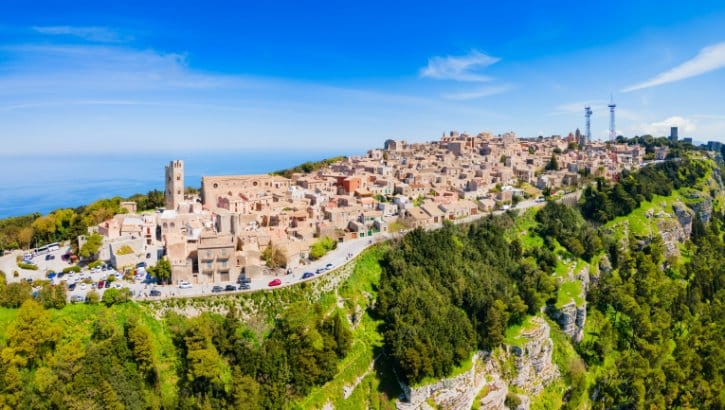
a. A Medieval Town Above the Clouds
Erice sits high on a mountain peak, about 750 meters above the coast near Trapani. While the plains stay warm, the town is often wrapped in a cool mist the locals call the Veil of Venus. You enter through a medieval gate into narrow flagstone lanes framed by ancient walls.
b. The Castle and Its Ancient Roots
- The Castello di Venere stands at the far edge of the peak, a Norman castle of the 1100s and 1200s.
- It rests on the foundations of a much older sanctuary.
- Tradition ties the spot to the goddess Venus, and earlier to Astarte.
- The surviving walls, cisterns, and stonework are what archaeologists have actually uncovered.
c. Views That Stretch to the Islands
- Down over the curved port of Trapani.
- Across the coastal salt pans.
- Toward Mount Cofano and the sweep of the coast.
- Out to the Egadi Islands floating on the horizon.
d. Sweets from the Old Convents
- Genovese Ericina, a warm, crumbly pastry filled with lemon-scented custard.
- Almond and marzipan sweets, shaped into fruits and delicate forms.
- Both trace back to the town’s old convents, where nuns once made pastries to support their communities.
e. A World of Its Own, Then Down to the Beach
Between the height, the mist, and the long views, Erice feels quiet and a little mysterious. Coming down the mountain, the mood shifts to beaches and clear water at San Vito Lo Capo.
12. San Vito Lo Capo
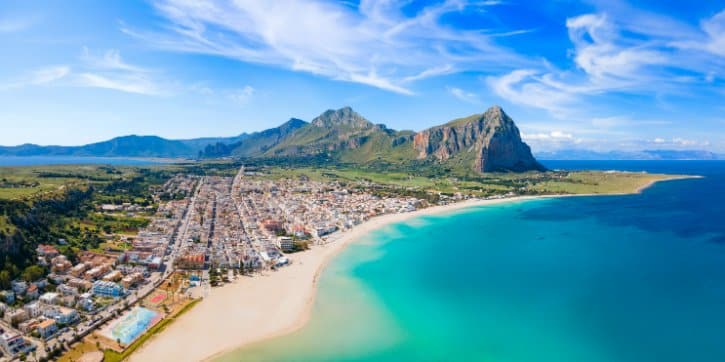
a. A Beach Under a Mountain Wall
San Vito Lo Capo curves around a wide bay at the tip of a limestone peninsula. Its signature view is the white-sand beach set against the sheer wall of Monte Monaco. The shape of the bay keeps the water calm and shallow, in shades of turquoise and aquamarine.
b. More Than a Beach Town
- Low whitewashed buildings with flat roofs and bright bougainvillea, hinting at North Africa.
- The Santuario di San Vito, a fortress-church that once protected pilgrims and fishermen.
- Thick walls and battlements that show how coastal defense shaped the town.
c. Wild Reserves on the Doorstep
- Zingaro Nature Reserve, about ten kilometers south, Sicily’s first reserve, reached only on foot.
- Monte Cofano Reserve, across the gulf, built around a triangular limestone headland.
- Both sit outside the town itself, so plan them as separate trips.
d. The Home of Sicilian Couscous
- Here it is cuscùs alla trapanese, made with seafood rather than meat.
- The grains are rolled by hand and steamed over a fragrant fish broth.
- It is served with rockfish, grouper, and red shrimp, scented with saffron and wild fennel.
- The town celebrates it each September with an international couscous festival.
e. Simple Pleasures, Then the Hills
Swim, look up at the mountain behind the beach, and eat couscous once the sun drops. From here the route heads inland toward the hills above Palermo, where Sicily’s Arab-Norman heritage takes over at Monreale.
13. Monreale
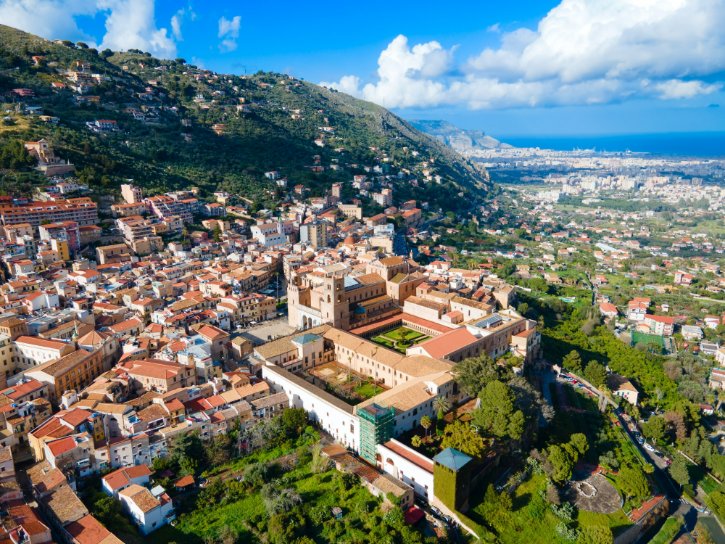
a. One Cathedral Worth the Climb
Monreale sits on a hillside above Palermo, built around one thing: the Cathedral of Monreale, begun in 1174 by King William II. It belongs to the UNESCO Arab-Norman Palermo and the Cathedrals of Cefalù and Monreale, and ranks among Europe’s most important medieval monuments.
b. Walls of Gold
- Christ Pantocrator, a huge image of Christ filling the main apse.
- Old Testament scenes across the upper walls, from the Creation to Noah’s Ark.
- Scenes from the life of Christ along the nave and aisles.
- Two royal votive panels: King William II crowned by Christ, and the king offering the cathedral to the Virgin Mary.
- One of the largest, most complete sets of gold Byzantine-style mosaics in the Christian world.
c. Where Three Cultures Meet
- Romanesque and Norman structure in the bones of the building.
- Byzantine mosaic art covering the walls.
- Islamic-influenced details in the pointed arches, inlaid floors, and patterned apse.
d. The Cloister Next Door
- A square courtyard lined with slender paired marble columns.
- Shafts alternating between plain marble, carved patterns, and mosaic inlay.
- Carved capitals, each one different, showing biblical scenes and playful figures.
- A quiet corner fountain with a column carved to look like a palm tree.
e. The View and the Way Down
From the terraces behind the cathedral, you look over the Conca d’Oro, with Palermo spreading toward the sea. From this hilltop monument, the road drops into Sicily’s biggest and most layered city.
14. Palermo
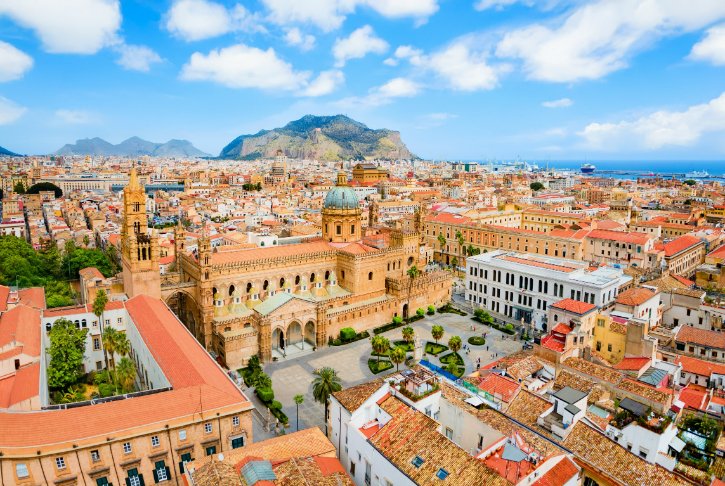
a. The Island’s Most Layered City
Palermo is the capital and the most complex city on the island, shaped by wave after wave of rulers. That mix is exactly what makes it fascinating, and several of its monuments carry the same Arab-Norman UNESCO status you met in Monreale.
b. The Chapel That Steals the Show
Inside the Norman Palace sits the Cappella Palatina, consecrated in 1140 and perhaps the most memorable thing in the city. Byzantine gold mosaics cover the walls, and the ceiling is an Islamic wooden muqarnas painted with courtly scenes. That blend of Christian, Byzantine, and Islamic art in one room is found nowhere else in Western Europe.
c. Monuments That Read Like a Timeline
- Palermo Cathedral, founded in 1185 on the site of a mosque, mixing four eras, with royal tombs inside.
- Quattro Canti, an eight-sided Baroque crossroads framed by four curved façades.
- Piazza Pretoria, with its large Renaissance fountain crowded with mythological figures.
- Teatro Massimo, a grand neoclassical opera house, the largest in Italy.
d. Markets That Feel Like a Souk
- Sellers shouting their goods in a rhythmic chant at Ballarò and Il Capo.
- Canvas tarps shading stalls of swordfish, cuttlefish, wild greens, and citrus.
- Open grills sending up smoke from roasting street food.
e. Street Food with a Story
- Panelle, crisp chickpea-flour fritters in a soft roll.
- Sfincione, a thick, spongy focaccia with tomato, onion, cheese, and anchovy.
- Arancine, deep-fried rice balls stuffed with meat ragù and peas.
- Pane con la Milza, a spleen sandwich for the more adventurous.
f. Toward a Quieter Coast
Palermo is loud, busy, and layered, worlds apart from Sicily’s calm little towns. The road now follows the northern coast east toward a small seaside town beneath a giant rock. That is Cefalù.
15. Cefalù
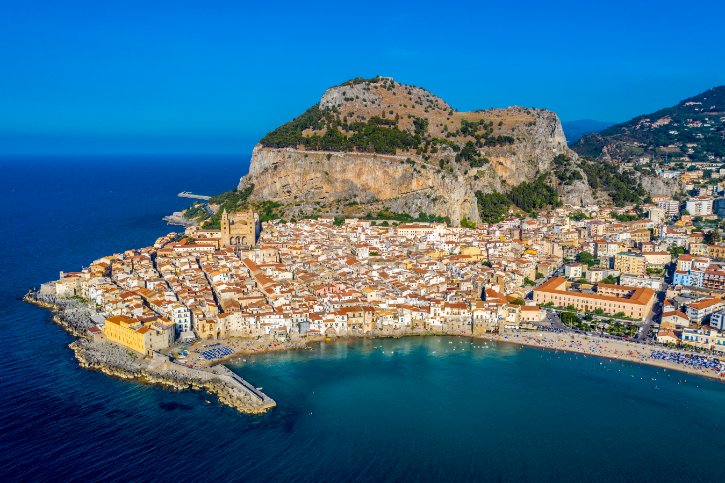
a. A Town Wedged Between Rock and Sea
Cefalù is squeezed onto a narrow strip of land between the sea and a huge limestone headland called La Rocca. The old center keeps its medieval street grid, with paved lanes, stone archways, and houses whose back walls drop straight into the waves.
b. The Cathedral and Its Golden Christ
- A twelfth-century Cathedral, part of the same Arab-Norman UNESCO
- Founded in 1131 by King Roger II, with a Norman face framed by twin towers.
- Apse mosaics finished in 1148 by Byzantine masters.
- A Christ Pantocrator that predates Monreale’s and, to many eyes, is more refined.
c. Corners That Reward Slow Steps
- Corso Ruggero, the main spine of the old town.
- The Lavatoio, a medieval wash house where cold spring water still pours through stone basins.
- Porta Pescara, an old sea gate framing the little fishing harbor.
d. Climbing La Rocca
- The trail passes old walls and the remains of a very ancient temple.
- At the top stand the ruins of a Norman castle.
- The views over the red roofs and along the coast are the reward.
- On clear days you can spot distant islands out at sea.
e. Beach Town, but Different
Cefalù pairs a lively historic town with an easy sandy beach right beside it, a different feel from San Vito’s wild coast. From here the trip runs a long way east, close to two hours through tunnels and viaducts, toward Messina.
16. Messina
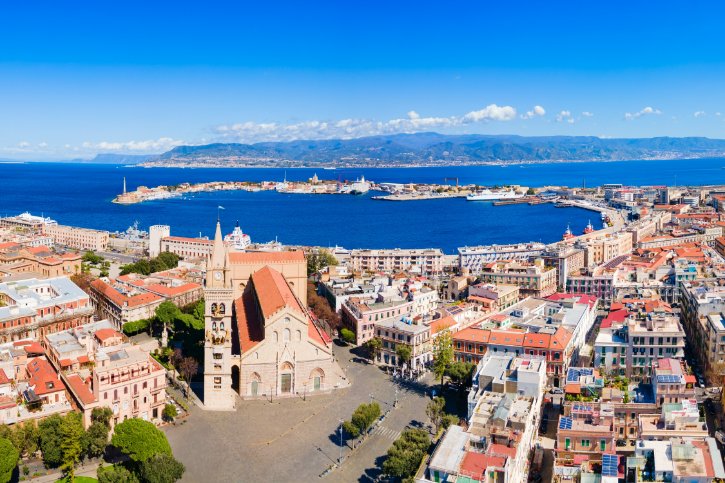
a. The Gateway Rebuilt from Disaster
Messina sits on the narrow Strait of Messina, the island’s main sea gateway for thousands of years. A catastrophic earthquake in 1908 and its tsunami destroyed most of the old city, so the rebuilt Messina has wide boulevards and lower buildings, a very different look from Sicily’s older cities.
b. The Cathedral and Its Living Clock
- The Duomo, first consecrated in the late 1100s and carefully rebuilt after 1908.
- Its tall bell tower, home to a famous astronomical clock.
- A midday show of about twelve minutes: a lion waves the flag, a rooster crows, and figures move to music.
- Show up just before noon to catch it.
c. The Fountain and the Founder
- The Fountain of Orion, carved in 1553 by a pupil of Michelangelo.
- It rises in tiers of white marble, crowned by Orion, the mythical founder.
- River gods, nymphs, and tritons circle the base.
d. The Strait and Its Old Legends
Messina’s identity is tied to the strait, one of the narrowest points between the island and the mainland. Its clashing currents inspired the ancient tales of Scylla and Charybdis, born from very real swirling waters. From viewpoints above the city, you can watch the ferries cross to mainland Italy.
e. Reasons to Linger
- Pignolata, small fried pastry pieces glazed half in chocolate and half in lemon.
- Focaccia Messinese, a thick flatbread with endive, anchovy, tomato, and cheese.
- Coffee granita with cream, served with a brioche and famously good here.
The last leg runs south along the Ionian coast, under an hour, with Mount Etna reappearing to point you toward Taormina.
17. Taormina
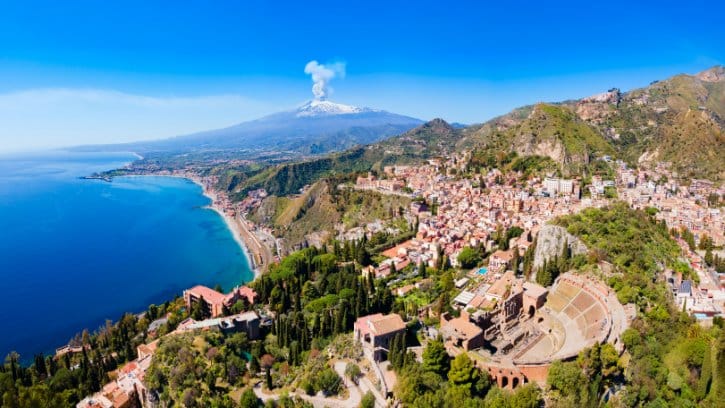
a. A Balcony Above the Ionian Sea
Taormina perches on a natural terrace high above the sea, about 200 meters up. Its mix of sea cliffs, gardens, ancient ruins, and views toward Mount Etna made it a favorite of writers and artists for generations. The town runs along one pedestrian street, Corso Umberto I, between two old stone gateways.
b. The Theatre with the Perfect View
The star sight is the Teatro Antico, the second-largest ancient theatre in Sicily. The Greeks built it in the third century BC using the slope of the hill, and the Romans later expanded it. Through the broken arch of the old stage wall, you look out to the sea and the cone of Mount Etna. Few settings match it.
c. Strolling the Historic Center
- Corso Umberto I, lined with shops, cafés, and old façades.
- Piazza IX Aprile, a panoramic terrace with a clock tower and a Baroque church.
- Palazzo Corvaja, a medieval palace blending Arab, Norman, and Gothic touches.
- Villa Comunale, an English-style garden with quirky brick follies and coastal views.
d. Down to Isola Bella
- A small rocky islet in a protected cove at the base of the cliffs.
- Joined to the pebble beach by a thin strip of sand you walk across, which vanishes at high tide.
- A protected nature reserve since 1998, home to a rare local lizard.
- The surrounding waters are popular for swimming and snorkeling.
- Reaching the beach is free, and only the small villa museum on the islet charges a ticket.
e. A Fitting End to the Loop
Taormina is popular and it knows it, so expect crowds and a polished feel. Even so, it earns its fame. Ancient theatre, medieval lanes, gardens, sea views, and a smoking volcano on the horizon all in one place make a fitting way to close the loop back toward Catania.