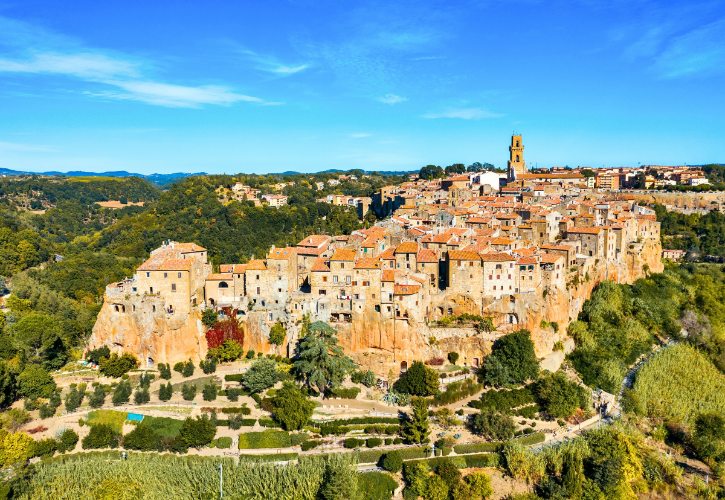
Tuscany might be the easiest place in Italy to explore by car. The towns sit close together, and many of these 17 stops are just 30 minutes to 1 hour from the next, so you can see a lot without long days behind the wheel.
You start among the grand Renaissance cities, then roll into medieval hill towns, walled villages, vineyards, and quiet countryside.
Along the way the scenery keeps shifting, from busy art cities to steaming thermal springs, volcanic cliffs, and the soft golden valleys of the south.
Every stop has its own look, its own food, and its own story. Here’s the best part: the journey feels relaxed and flexible, so you can linger where you love it and move on when you are ready. 😊
1. Florence
a. Where the Renaissance Began
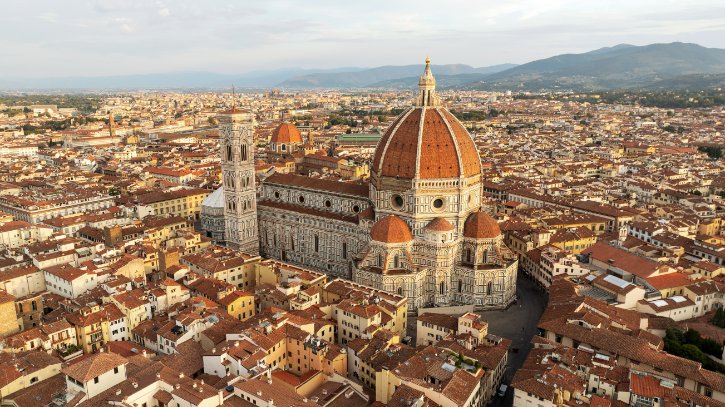
Florence is where the Renaissance was born, and you feel it the moment you arrive. The old center earned UNESCO World Heritage status in 1982, and it shows how a medieval town grew into the home of early modern art and ideas. Everywhere you look, there is another famous dome, palace, or statue waiting for you.
b. The Monuments You Cannot Skip
- Cathedral of Santa Maria del Fiore: begun in 1296 and crowned by Brunelleschi’s huge dome, built without wooden supports.
- Giotto’s Bell Tower: a tall Gothic tower wrapped in colorful marble, started in 1334.
- Baptistery: famous for Ghiberti’s gilded bronze doors, praised as the “Gates of Paradise”.
- Palazzo Vecchio and Piazza della Signoria: the fortified heart of the old republic, ringed by open-air sculptures.
- Ponte Vecchio: the medieval bridge lined with gold and jewelry shops since the 1590s.
c. Art Treasures Worth the Wait
- Michelangelo’s David: carved from a single block of marble, now at the Accademia.
- Uffizi Gallery: works by Botticelli, Leonardo, Raphael, and Caravaggio under one roof.
- Palazzo Pitti and Boboli Gardens: a grand palace with classic Renaissance gardens.
- Santa Croce: the resting place of Michelangelo, Galileo, and Machiavelli.
d. Climb Up for the Classic View
When you need a break from the crowds, head to Piazzale Michelangelo on the hillside. From here you get the full skyline, with the dome and bell tower rising above the rooftops. Trust me, it is the photo you will want most.
e. Eat and Shop Like a Local
- Try bistecca alla fiorentina, a thick steak grilled over coals and served rare.
- Browse the San Lorenzo and Sant’Ambrogio markets for local flavors.
- Pour a glass of Chianti Classico with your meal.
- Explore the Oltrarno for leather, marbled paper, and bookbinding workshops.
2. Lucca
a. A Walled City Made for Slow Walks
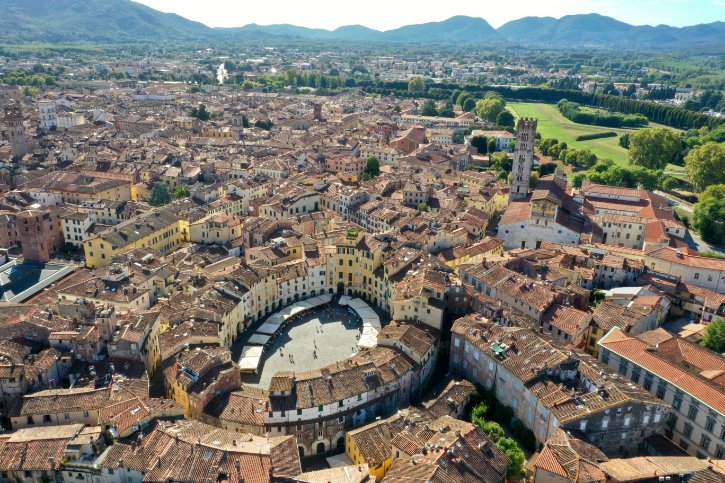
Lucca feels calm and welcoming after busy Florence. It is a human-sized town wrapped inside a complete ring of old walls, perfect for easy strolls and quiet corners. You will want to slow your pace here.
b. Walk or Cycle the Famous Walls
- The Renaissance walls run about 4.2 kilometers around the center.
- They were never actually tested in battle, so they survived intact instead of being torn down.
- In the 1820s they were turned into a tree-lined promenade.
- Today you can walk or cycle the full loop under shady trees, with rooftops on one side and old moats on the other.
c. The Sights Inside the Walls
- Piazza dell’Anfiteatro: an oval square built on a Roman amphitheater.
- Torre Guinigi: a 14th-century tower with oak trees growing on its roof.
- Cathedral of San Martino: holds a delicate marble tomb with a sleeping dog carved at the feet.
- San Michele in Foro: topped by a tall marble statue of Saint Michael slaying a dragon.
d. A City of Music and Good Food
Lucca was the birthplace of composer Giacomo Puccini, and you can still catch concerts year-round in its churches. For food, look for tordelli lucchesi, a filled pasta in meat sauce, and buccellato, a traditional sweet aniseed and raisin bread that has been a Lucca specialty for centuries.
3. Pisa
a. More Than Just a Leaning Tower
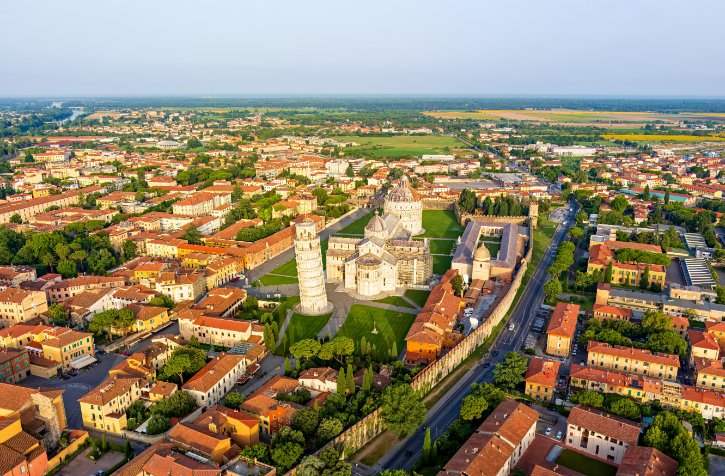
Pisa grew rich as a sea power, and that money built one of Italy’s most striking squares. The famous tower is only part of the story, so give yourself time to see the rest.
b. The Monuments of the Miracle Square
- The Piazza dei Miracoli became a UNESCO site in 1987.
- Four white marble monuments stand together on a green lawn.
- The Cathedral set the striped Pisan Romanesque style and holds a glowing mosaic by Cimabue.
- The Baptistery is the largest in Italy, with amazing acoustics.
- The Camposanto is a cloistered burial ground filled with old sarcophagi and frescoes.
c. The Story Behind the Famous Lean
- The Leaning Tower was built as the cathedral bell tower, starting in 1173.
- It began tilting almost at once because of soft ground underneath.
- Work stretched across nearly 199 years before it was finished.
- Repairs in the 1990s reduced the lean to a safer angle.
- Climb the nearly 300 steps to the top and you will feel the tilt shift under your feet.
d. Wander Beyond the Square
Do not rush away after your tower photo. Stroll the Arno riverfront, admire the small Gothic church of Santa Maria della Spina, and pass through Piazza dei Cavalieri with its finely decorated palace. The university keeps the streets lively and young.
4. Volterra
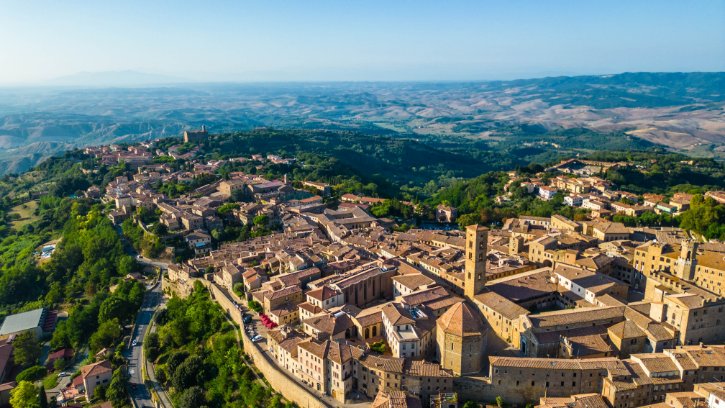
a. An Ancient Hilltop With Deep Roots
Volterra sits high on a lonely ridge between two valleys, and its roots run far deeper than the Renaissance. Long before Rome, this was a leading Etruscan city, and it still feels older and more rugged than the coast you just left.
b. Traces of the Etruscan Past
- Porta all’Arco: an Etruscan gateway from the 3rd to 2nd century BC, topped by three worn stone heads.
- Museo Etrusco Guarnacci: home to more than 600 carved funeral urns.
- Ombra della Sera: a famous slim bronze statue of a boy from the 3rd century BC.
- Roman Theatre: a later Roman ruin on the northern slope, clearly separate from the Etruscan remains.
c. The Living Art of Alabaster
- The local stone is a soft gypsum formed millions of years ago.
- It comes in shades from translucent white to amber and grey.
- The craft faded in the Middle Ages, then returned in the late 18th century.
- You can still watch artisans carve and polish it in workshops around town.
d. The Heart of the Medieval Town
Take time to wander the old center on foot. The Palazzo dei Priori, finished in 1257, is the oldest surviving town hall in Tuscany, and its tower later inspired Florence’s Palazzo Vecchio. Nearby you will find the Romanesque cathedral and an octagonal baptistery.
5. San Gimignano
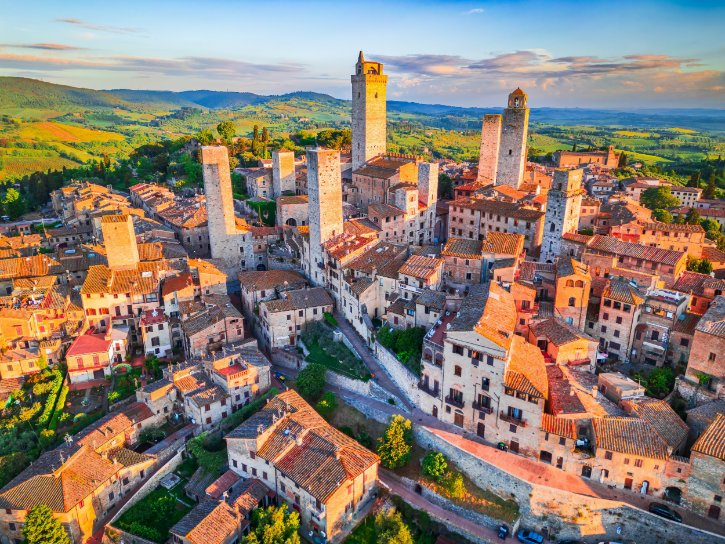
a. The Town of Medieval Towers
San Gimignano is impossible to mistake. Its skyline bristles with tall stone towers, and you can spot them long before you arrive. The whole town feels like a step back in time.
b. The Story of the Skyline
- Wealthy families built tall tower houses to show off their power.
- At its peak, up to 72 towers once stood here.
- Hard times after the plague spared them from later demolition.
- Fourteen towers still stand today.
- The historic center earned UNESCO status in 1990.
c. The Squares and Their Treasures
- Piazza della Cisterna: a triangular square built around an old travertine well.
- Piazza del Duomo: the civic and religious center, framed by towers.
- Collegiate Church: filled with vivid 14th-century frescoes, including a dramatic Last Judgement.
- Torre Grossa: the tallest tower, with wide views from the top.
d. Local Flavors to Seek Out
Before you leave, taste what the land produces. The hills around town make Vernaccia, a crisp white wine that was the first in Italy to earn DOC status. San Gimignano has also grown prized saffron by hand since the 13th century.
6. Monteriggioni
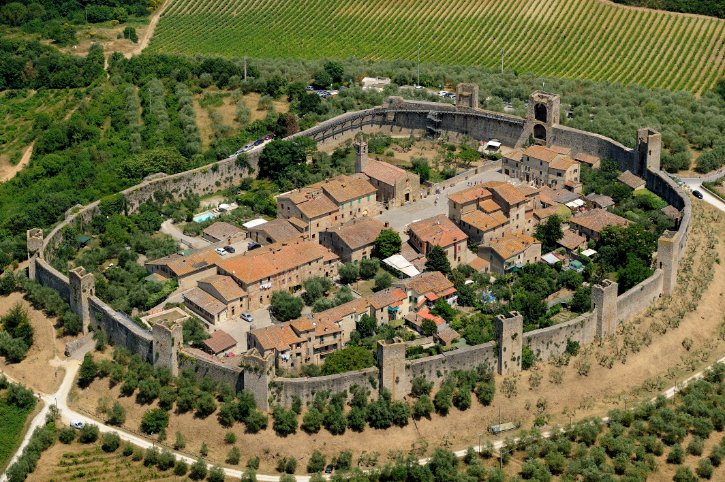
a. A Tiny Town With a Perfect Ring of Walls
Monteriggioni is small, but its circle of walls makes it one of the most charming stops on the route. It was built purely for defense, not trade, and that simple purpose still shapes everything you see.
b. Built to Guard a Border
- It was founded in the early 13th century by Siena to block Florence.
- A round wall runs about 570 meters around the hilltop.
- 14 towers stand along it, all facing outward.
- Two gates point in opposite directions, toward Siena and toward Florence.
c. Life Inside the Fortress
- The main square, Piazza Roma, is open and unpaved, with a central well.
- The simple Church of Santa Maria Assunta dates to 1219.
- There are no grand palaces, since only soldiers and storehouses once filled it.
- Footbridges let you walk sections of the walls for views over the vineyards.
d. A Place Famous in Poetry
For such a small village, Monteriggioni carries real fame. The poet Dante compared its crown of towers to a ring of giants in his Inferno, and it also served as a resting point for pilgrims on the old Via Francigena.
7. Siena
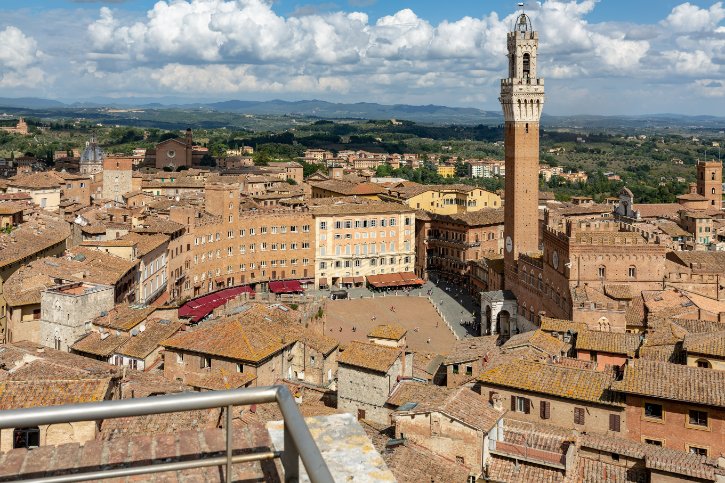
a. A Gothic City Frozen in Time
Siena is the high point of medieval Tuscany. Its beautifully preserved center, listed by UNESCO, spreads across three ridges that slope down to one great square. For centuries it was Florence’s fierce rival, and that proud spirit is still alive today.
b. The Shell-Shaped Main Square
- Piazza del Campo is a sloping, fan-shaped square divided into nine sections.
- The grand Palazzo Pubblico lines its lower edge.
- The tall Torre del Mangia rises above it for sweeping views.
- The civic museum inside holds powerful frescoes on good and bad government.
c. A Cathedral Like No Other
- The Duomo is one of the great works of Italian Gothic design.
- Bold black and white marble bands run inside and out.
- The floor is made of 56 inlaid marble panels, created by around 40 artists between the 14th and 16th centuries.
- It holds works by Nicola Pisano, Pinturicchio, Donatello, and the young Michelangelo.
d. The Palio and the Contrade
Siena’s living soul is its 17 historic neighborhoods, each with its own symbol and fierce pride. Their rivalry explodes twice a year in the Palio, a wild bareback horse race run around the Campo. Even outside race days, you will feel the neighborhood loyalties everywhere you walk.
e. Classic Sienese Flavors
- Pici: thick hand-rolled pasta, often served with wild boar sauce.
- Panforte: a dense, chewy spiced cake.
- Ricciarelli: soft almond biscuits dusted with sugar.
8. Abbazia di San Galgano
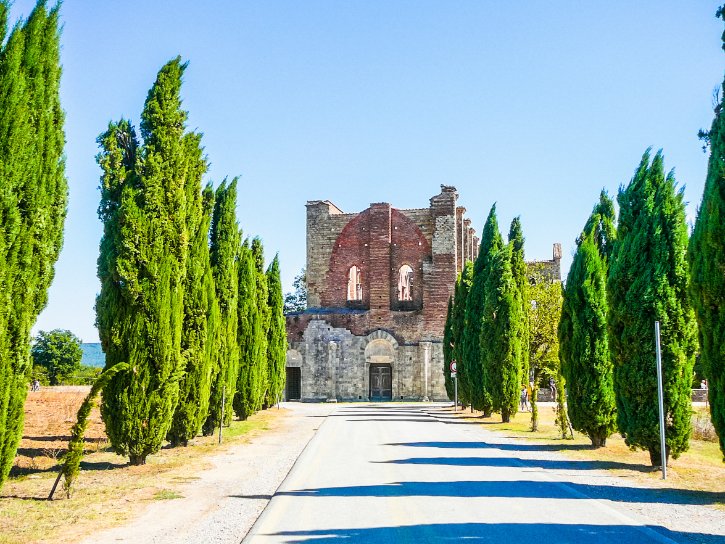
a. A Roofless Abbey in the Fields
Few places feel as peaceful as this open-air abbey. It sits alone in a quiet valley, with no roof overhead, just light, stone, and silence. You will remember the stillness long after you leave.
b. The Rise and Fall of the Abbey
- It was built between 1218 and 1288 by Cistercian monks from the abbey of Casamari.
- It was the first major Gothic religious building in Tuscany.
- It declined after plague and raids in the 14th century.
- Its roof was sold off, the bell tower collapsed, and the church was abandoned.
- Today the open nave and tall arches frame the sky above you.
c. The Real Sword in the Stone
- On the hill above sits a small round chapel over the grave of Saint Galgano.
- Legend says the knight thrust his sword into a rock, where it turned into a cross.
- You can still see the sword in the stone, protected under a shield.
- Later studies found the metal and shape match the 12th century, though they do not prove the miracle.
d. Why the Setting Feels So Special
The surroundings are a big part of the magic here. The abbey stands in open countryside, among fields and wooded hills, with the older hermitage of Montesiepi sitting on the rise just above it. It is a lovely place to slow down and simply take it in.
9. Saturnia
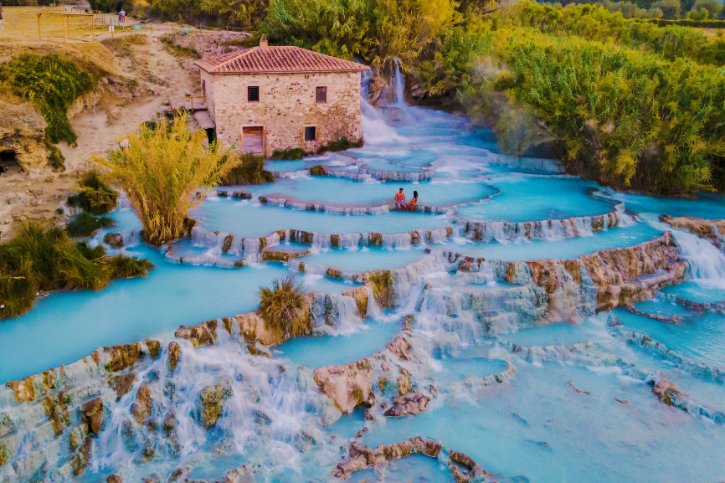
a. Hot Springs Straight From the Earth
Saturnia is all about warm water bubbling up from deep underground, set in the wide open Maremma countryside. It is one of the most relaxing stops you will make on the whole trip.
b. Bathing in the Natural Pools
- The Cascate del Mulino are free, natural thermal cascades.
- The water rises at a steady warm temperature all year.
- Over time it has carved soft, layered pools in the travertine rock.
- It is rich in minerals that give it a smooth, soothing feel.
c. An Ancient Village and Its Legend
- The hilltop village is one of the oldest inhabited sites in Italy.
- Legend says the god Saturn released the springs with a lightning bolt.
- In real history, it was an Etruscan town and later a Roman colony.
- You can still spot Roman remains, including an old gate and paved road.
d. Country Food and Slow Living
The wider Maremma gives Saturnia a slow, rural mood. This is open grazing land, and the kitchens reflect it. Look for acquacotta, a simple vegetable broth thickened with bread, and wild boar stew, best enjoyed with a glass of local red wine.
10. Pitigliano
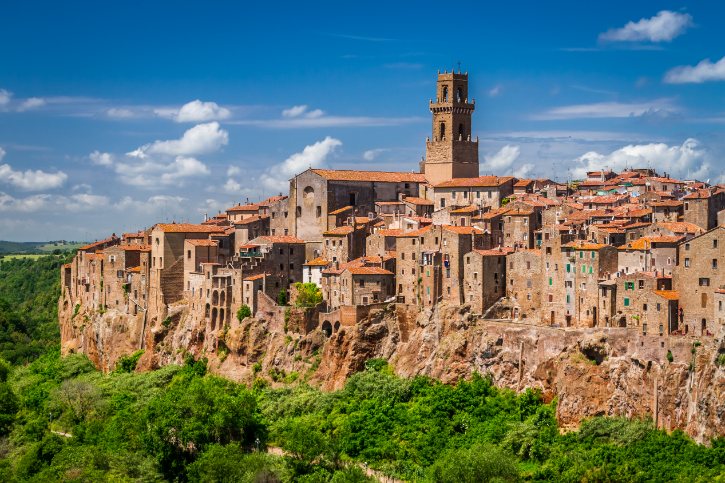
a. A Town Carved From the Cliffs
Pitigliano is one of the most dramatic sights in Tuscany. Perched on a steep spur of volcanic rock, the town looks almost carved from the cliff itself. The first view as you approach is unforgettable.
b. The Heritage of “Little Jerusalem”
- The town is nicknamed “Little Jerusalem” for its long Jewish history.
- When others faced ghettos, its rulers welcomed Jewish families.
- It stayed a tolerant refuge for many years.
- A restored quarter preserves a 16th-century synagogue, a ritual bath, and a kosher bakery.
c. Mysterious Etruscan Roads
- The Vie Cave are deep lanes cut into the rock by the Etruscans.
- Some drop more than 20 meters while staying only a few meters wide.
- They are lined with ancient tombs and carvings.
- Walking through one, with high walls on both sides, is a strange and memorable experience.
d. The Sights in Town
- Fortezza Orsini: a fortress of medieval origin, reworked by the Orsini family in the 1500s, now home to a museum.
- Acquedotto Mediceo: a tall arched aqueduct from the 1630s.
- Cathedral of Saints Peter and Paul: fronted by a grand Baroque facade.
e. A Pastry With a Story
Do not leave without trying sfratto, a long stick-shaped pastry filled with walnuts and honey. Its unusual shape recalls a hard chapter in the town’s history, which ties the food directly to Pitigliano’s Jewish past.
11. Bagno Vignoni
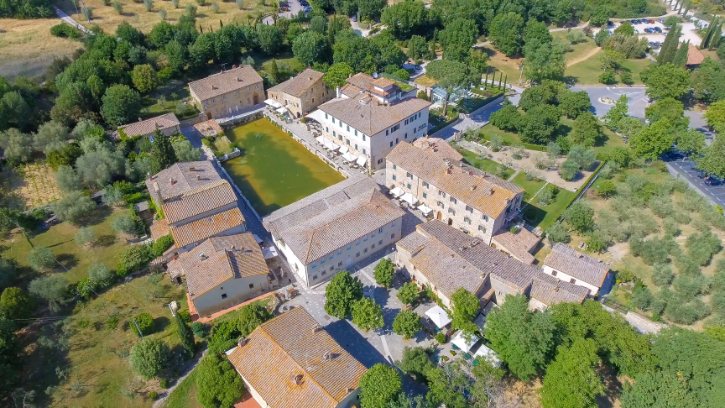
a. A Village With a Pool at Its Heart
Bagno Vignoni is tiny, but it has one of the most surprising centers in Tuscany. Instead of an ordinary square, the middle of the village is a large steaming pool. You will not find anything else quite like it.
b. The Thermal Basin in the Center
- The Piazza delle Sorgenti is a big rectangular stone basin from the early 16th century.
- It is fed by deep volcanic springs rising warm and mineral-rich.
- The steaming surface reflects the old stone buildings around it.
- Having a pool where you expect a piazza is what makes this place so unusual.
c. The Old Mills Below the Square
- The Parco dei Mulini sits on the cliff edge below the village.
- Warm water once flowed through stone channels to power mills carved into the rock.
- Because the springs never froze, these mills ran all year.
- Please note: bathing in the central basin is not allowed, since it is a protected historic monument. For a proper soak, use the dedicated thermal spa in the village.
d. A Favorite Stop for Pilgrims and Nobles
This little village was an important stop on the Via Francigena, where travelers came to take the waters. Famous visitors over the centuries included Saint Catherine of Siena, Pope Pius II, and Lorenzo de’ Medici.
12. San Quirico d’Orcia
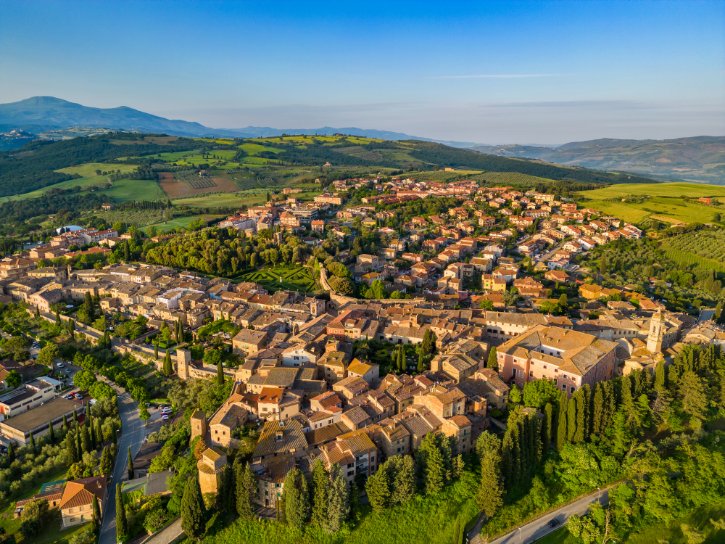
a. Classic Val d’Orcia Scenery
San Quirico d’Orcia sits in the heart of the Val d’Orcia, the rolling landscape many people picture when they dream of Tuscany. The whole area is a UNESCO-listed cultural landscape, and the views are everything you hope for.
b. A Town Shaped by Pilgrims
- It grew as a fortified stop on the Via Francigena, recorded over a thousand years ago.
- Old perimeter walls still frame the town.
- The main church blends Romanesque and Gothic styles.
- Its finest feature is a trio of carved stone doorways, one attributed to Giovanni Pisano.
c. A Hidden Renaissance Garden
- The Horti Leonini is a formal garden created around 1581.
- Clipped boxwood hedges form neat geometric patterns.
- A cypress-lined staircase climbs to a grove of old oaks.
- An outdoor sculpture show has been held here since 1971.
d. The Countryside Around You
Take time to enjoy the gentle surroundings. The area produces fine olive oil and simple local pasta, and nearby stands the tiny Chapel of the Madonna di Vitaleta, framed by cypress trees in one of the most photographed views in all of Tuscany.
13. Montalcino
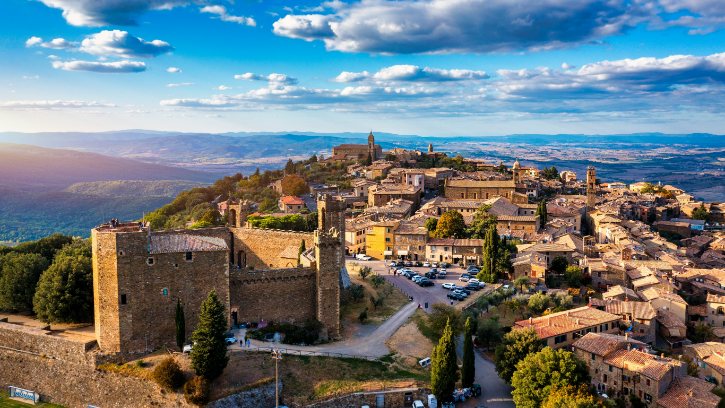
a. Home of a World-Famous Wine
Montalcino crowns a ridge surrounded by woods, olive groves, and some of the most celebrated vineyards in Italy. Its name is known to wine lovers everywhere, and the setting alone is worth the climb.
b. What Makes Brunello Special
- Brunello di Montalcino is made only from Sangiovese grapes grown around the town.
- It carries Italy’s top wine classification.
- It ages for several years before it is released.
- You can enjoy the wine culture simply by sipping a glass with a view.
c. The Fortress on the Hill
- The five-sided Fortezza was built in 1361.
- It still has old walls, a keep, and angled bastions.
- Exiled Sienese families once held out here after Siena fell.
- From the top you get wide views across the countryside.
d. The Old Town and Its Surroundings
Wander the steep streets to Piazza del Popolo, with its slender bell tower. A little way out of town stands the beautiful 12th-century Abbey of Sant’Antimo, well worth a short detour, though it lies just outside Montalcino itself.
14. Pienza
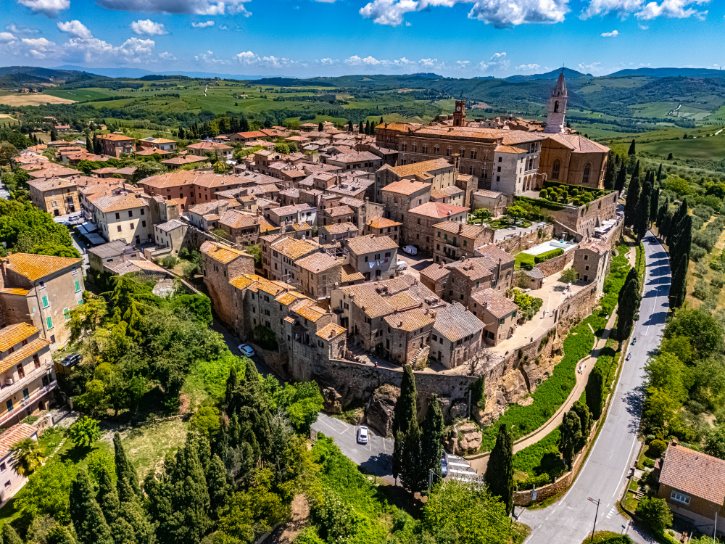
a. A Renaissance “Ideal City”
Pienza is a small jewel of Renaissance design. Once a humble village, it was rebuilt in just a few years by Pope Pius II around a single bold idea, and it later earned UNESCO status. It feels thoughtfully made from end to end.
b. The Perfectly Planned Center
- The central square was shaped as a clever trapezoid to feel larger.
- Around it stand the Cathedral, the pope’s own palace, and the town hall.
- Everything was arranged in careful harmony.
- It is one of the finest examples of Renaissance town planning anywhere.
c. Famous for Its Cheese
- Pecorino di Pienza is made from the milk of local sheep.
- The wild pastures give it rich, herbal flavors.
- You can find it fresh, ripened, or well aged.
- It is deeply tied to the town’s identity, so be sure to taste it.
d. Small Streets Full of Charm
The real pleasure here is slow, curious walking. Look for the romantic street names created during the town’s redesign, such as Via dell’Amore, the street of love, and enjoy the sweeping views across the valley from the town’s edge.
15. Montepulciano
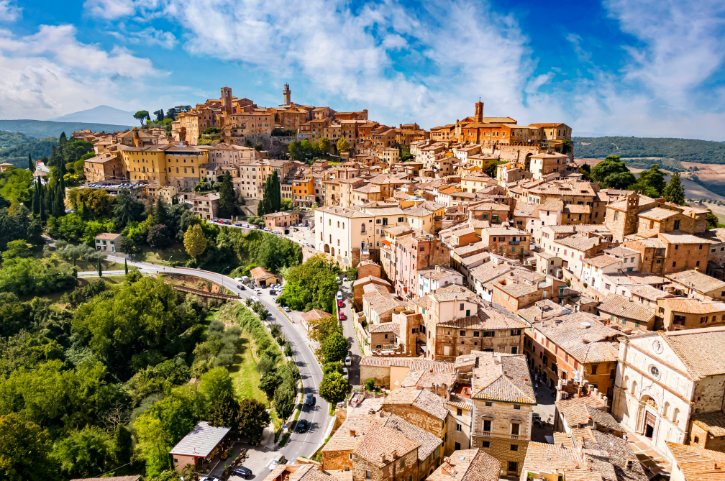
a. A Tall Town of Wine and Grand Palaces
Montepulciano is a handsome town perched high on a ridge, known for both its noble architecture and its noble wine. The steady climb through its streets is part of the fun, so wear comfortable shoes.
b. Understanding Vino Nobile
- Vino Nobile di Montepulciano is made within the town, mainly from Sangiovese.
- It carries top wine status and a long history of praise.
- Do not confuse it with Montepulciano d’Abruzzo, a different grape from another region.
- Deep cellars carved under the town store the wine in huge oak casks.
c. The Grand Central Square
- Piazza Grande sits at the very top of the town.
- The town hall’s battlements echo Florence’s Palazzo Vecchio.
- Its tower offers views as far as Lake Trasimeno.
- The square also holds the Cathedral and a carved well with heraldic animals.
d. The Temple Below the Town
Just outside the walls, surrounded by olive groves, stands the Tempio di San Biagio. Built in the early 16th century, it is a masterpiece of Renaissance design, with a central dome and a graceful setting that makes the short walk down to it well worth your time.
16. Cortona
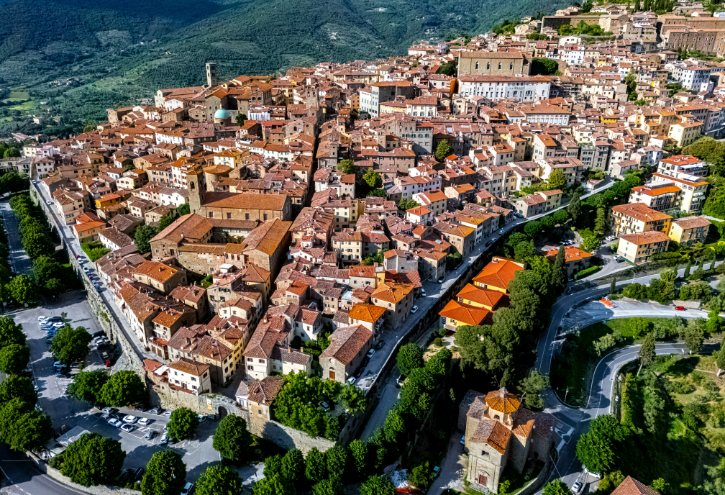
a. An Etruscan Town With a View
Cortona rises steeply up a mountainside, with sweeping views and a past that reaches deep into the Etruscan age. Its oldest walls are built from massive ancient stone blocks that still stand today.
b. Ancient Treasures to Discover
- The hilltop looks out over a wide valley and a distant lake.
- The MAEC museum holds a rare bronze chandelier and an inscribed Etruscan tablet.
- The tablet is one of the longest surviving Etruscan texts in the world.
- Ancient burial mounds lie in the valley floor below.
c. Great Art in the Old Center
- Piazza della Repubblica: the lively main square on the old Roman forum.
- Diocesan Museum: home to Fra Angelico’s glowing Annunciation.
- It also holds works by Luca Signorelli, who was born in Cortona.
- These links to famous artists are a real point of local pride.
d. Climbing to the Top of Town
Make your way up the steep lanes to the Basilica of Santa Margherita and the hilltop fortress. The effort pays off with some of the best panoramas on the entire route, along with quiet corners and local olive oil to enjoy.
17. Arezzo
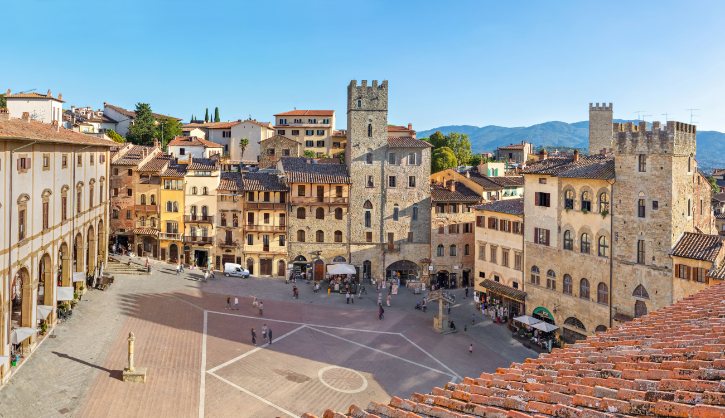
a. A Fitting Final Stop
Arezzo makes a perfect place to end the journey. It is a city of great art and skilled craft that still feels relaxed and lived-in, with far smaller crowds than Florence or Siena. You can slow right down here.
b. A City of Art and Craft
- Arezzo is famous for goldsmithing, antiques, and fine arts.
- It is closely linked to the artist Giorgio Vasari, born here in 1511.
- Piazza Grande hosts Italy’s oldest antiques fair and a historic jousting tournament.
- The whole center rewards slow, unhurried exploring.
c. The Masterpiece Frescoes
- Inside the Basilica of San Francesco, Piero della Francesca painted a famous fresco cycle.
- It was created in the mid-15th century and is admired for its light and perspective.
- The city also holds works by Cimabue and Pietro Lorenzetti.
- Each one is well worth seeking out as you explore.
d. Views and Everyday Life
Finish by climbing to the 16th-century Medici Fortress, which crowns the upper town with wide views over the mountains. Down in the streets, antique shops, cafes, and quiet squares let you soak up everyday Tuscan life one last time, a gentle close to a rich journey.