France is easy to love and easier to enjoy when you arrive ready. A little preparation goes a long way here, smoothing out the small things so your trip runs the way you pictured it.
When you know how things work on the ground, you move with confidence and spend your days on what you actually came for. Here is what matters most before you go. 🙂
1. Plan Around Strikes, Holidays, and Sudden Disruptions
France runs smoothly most of the time, but a holiday, a long weekend, or a sudden strike can quietly change your plans. A little awareness of the calendar and the news keeps you from losing a precious day.
a. The Holidays That Quietly Close the City
France has eleven national public holidays, and a few of them change what you can do on the day.
- Labour Day (May 1) is the big one. Most workers get the day off, so major museums like the Louvre and Orsay, the Palace of Versailles, shops, and banks close, and transport runs reduced service.
- Christmas Day and New Year’s Day bring wide closures of sites and restaurants.
- Bastille Day (July 14) runs transport on a Sunday schedule, with road closures and security zones in central Paris for the parade and fireworks.
- In the eastern Alsace-Moselle region, two extra local holidays apply: Good Friday and Saint Stephen’s Day (December 26).
Before you lock in a museum day or a day trip, check that site’s opening hours for your exact date, since schedules shift by holiday and by city.
b. Watch Out for Long “Pont” Weekends
When a holiday lands on a Tuesday or Thursday, many French workers take the nearby Monday or Friday off too. This is called faire le pont, and it turns a single holiday into a long weekend that fills the roads and rails.
- Ascension Day always falls on a Thursday, so it reliably creates a four-day break.
- These weekends fill trains, raise prices, and book out hotels across Normandy, Brittany, the Loire Valley, and Provence.
- To spot a busy weekend, check the holiday calendar against the French school vacation schedule. When both overlap, reserve early.
c. How Strikes Hit Trains and Flights
Strikes (grèves) are a regular part of French life, especially on the national railway (SNCF), the Paris transit network (RATP), and at airports. The good news is that you usually get warning, because staff must give notice before walking out.
- Timetables and cancellations normally appear a day or two ahead.
- Check SNCF Connect for trains and the RATP portal for Paris metro and buses.
- When air traffic controllers strike, airlines may be told to cancel a share of flights at Charles de Gaulle and Orly.
d. Know Your Refund Rights When Travel Stops
If your trip is disrupted, European rules protect you, so you are rarely left out of pocket. For a cancelled flight, you are owed either a full refund or a seat on the next available flight, plus meals and a hotel if the delay runs long.
For trains delayed or cancelled by more than an hour, you can claim a full refund or switch to another departure at no extra cost, and SNCF guarantees fee-free changes on tickets hit by strikes. The simple habit that saves you is to keep travel days flexible and always hold a backup route in mind.
e. The October Unrest and What It Means for You
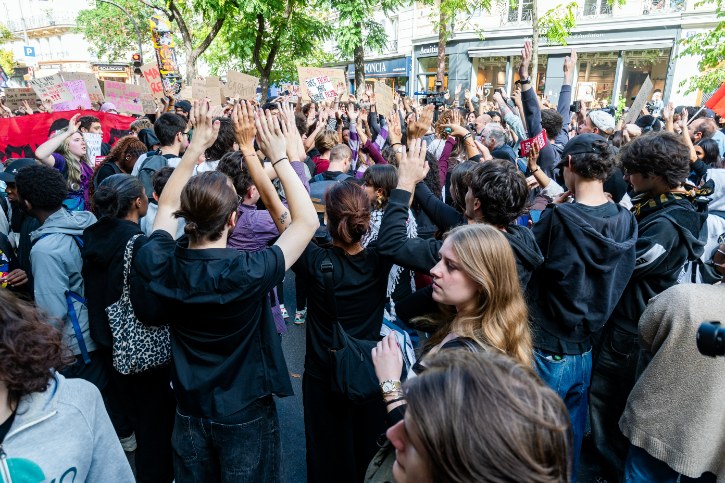
In October 2026, large protests over the rising cost of living swept across France, with huge marches in Paris and other cities. Most were peaceful, but some turned into rioting and looting after dark.
- Town halls were set alight in cities including Limoges, a tourism office was burned in Lyon, shops were looted in Marseille, and the famous Place de la République in Paris was damaged.
- More than a thousand people were arrested over the weekend, and city centers saw heavy disruption.
The lesson for you as a visitor is simple. Protests can flare up fast, often on weekends and around central squares. Follow local news, avoid large crowds and demonstrations, and keep your schedule loose enough to change course.
2. Sort Your Documents and Accommodation Proof
Most entry problems come down to paperwork you could have prepared at home. A passport that meets the rules, proof of where you are staying, and evidence you can fund your trip cover almost everything a border officer may ask.
a. Get Your Passport Rules Right
What you need depends on where your passport is from.
- Non-EU travelers (such as the US, Canada, UK, and Australia): your passport must have been issued within the last ten years and stay valid at least three months beyond your departure date.
- EU, EEA, and Swiss citizens: you are exempt and can use a national ID card or passport.
- Visa-required nationalities: apply for a Schengen Visa (Type C) through the official France-Visas portal before you travel.
b. The 90-Day Limit You Cannot Ignore
If you are visa-exempt and from outside the EU, you can stay in France and the wider Schengen Area for up to 90 days within any 180-day period.
- The count looks backward, so on any given day you cannot have used more than 90 days over the previous 180.
- This trips up people who hop in and out of Europe, because earlier visits still count toward the total.
- Overstaying can bring fines, removal, and trouble on future trips, so track your days and leave a margin.
c. Prove Where You Are Staying
Border officers can ask to see where you will sleep, so bring the right paperwork for your situation.
- Hotel or rental: carry your booking confirmation covering the whole stay.
- Staying with friends or family: an informal invitation is not enough. Your host must get an official attestation d’accueil from their local town hall before you travel, and the original is mailed to you to show at the border.
d. New Biometric Checks at the Border
France now uses a digital border system that records non-EU travelers instead of stamping passports by hand.
- At major airports, ferry ports, and international rail stations, you give a facial photo and fingerprints, and the system logs your entries and exits.
- A separate online pre-travel approval for visa-exempt visitors is planned as a future step. It is not required yet, so watch for official updates before your trip.
- EU, EEA, and Swiss citizens, and long-stay residents, are exempt from the biometric registration.
3. Plan Your Airport Transfers Before You Land
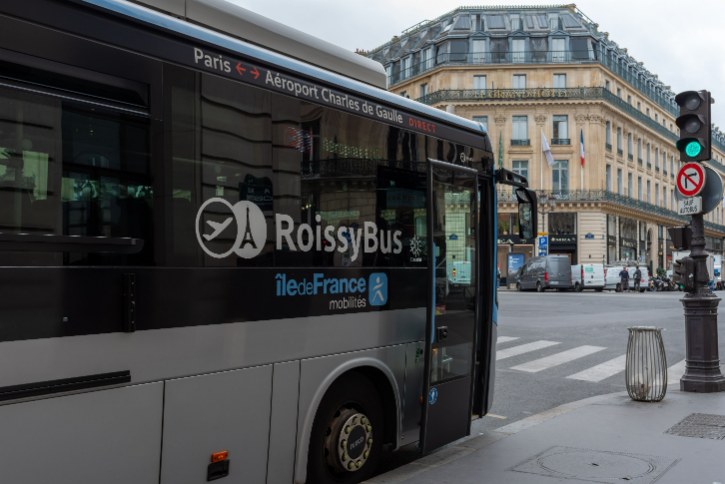
Knowing how you will reach your bed before you step off the plane removes the one decision you least want to make while jet-lagged. Each city has a clear best option, and the main risk is letting a stranger choose for you.
a. Getting Into Paris From Its Three Airports
Paris has three airports, and each one connects to the city differently.
- Charles de Gaulle (CDG): the RER Line B train reaches central Paris in about 30 to 40 minutes, and the RoissyBus runs to Opéra.
- Orly (ORY): Metro Line 14 runs direct to the center in around 25 minutes, with the OrlyBus as a backup.
- Beauvais (BVA): sits far north and mainly serves budget airlines. The official shuttle bus is your best value, since taxis into Paris are very expensive.
b. Trains and Trams in Other Cities
Most major French airports have a simple link into town, so you rarely need a taxi outside Paris.
- Nice: Tram Line 2 runs to the center, stopping at Jean Médecin and the port.
- Lyon: the Rhônexpress tram-train to Lyon Part-Dieu station.
- Marseille: the airport shuttle bus (line A1, formerly line 91) to Saint-Charles station.
- Bordeaux: Tram Line A into the center, past Hôtel de Ville and Place de la Bourse.
- Toulouse: the airport shuttle (Navette Aéroport) runs direct to Matabiau station, and Tram T2 links the airport to the center.
Services thin out late at night, so if you land after about 23:30, check the last departure or plan on a licensed taxi.
c. Avoid the Taxi Traps
Unlicensed drivers who approach you inside the terminal are one of the most common traveler problems at Paris airports, and they are easy to sidestep.
- Use only the official taxi ranks outside baggage claim, where fares are regulated and often fixed for the city center.
- Ignore anyone offering a ride from inside the building. These cars have no meter and often charge far more.
- Keep walking until you reach the marked rank, even if someone is persistent.
d. When to Book a Transfer Ahead
Arranging a ride in advance is worth it in certain cases.
- You arrive late at night, travel with young children, or carry a lot of luggage.
- You are staying outside the city center.
- Ride-hailing apps like Uber, Bolt, and FreeNow, and official taxi dispatch services such as Taxis G7 in Paris, pick up from set zones in the airport parking, not the quick drop-off lanes, so know where to meet your driver.
4. Learn How Paris Metro Tickets Really Work
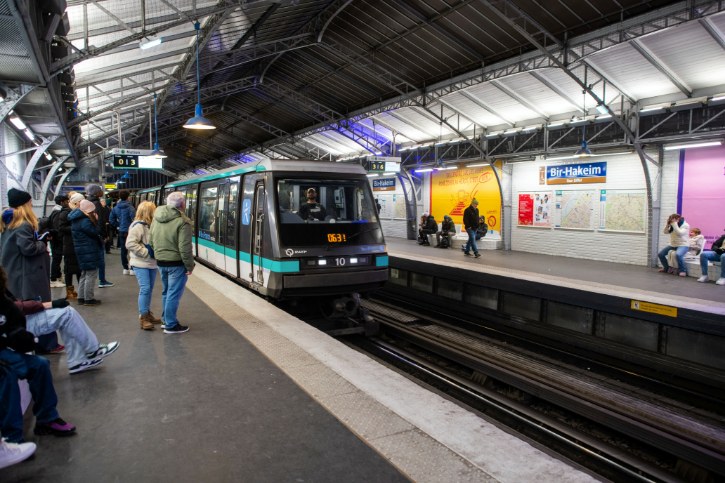
Paris has quietly replaced its old ticket system, and the habits from a few years ago no longer apply. Get the basics right and the network is cheap, fast, and simple to use.
a. Paper Tickets Are a Thing of the Past
The old green paper tickets have been phased out and are no longer sold or accepted. You now travel using a contactless Navigo Easy card or a digital ticket stored on your phone. The main thing to unlearn is the assumption that you can still buy a paper carnet or share a ticket, because neither works the way it used to.
b. Why the Navigo Easy Card Helps
The Navigo Easy is a reusable contactless card made for visitors.
- You buy it once for a small fee at any station counter or machine, then load single tickets or day passes onto it.
- One rule matters most: one card per person. You cannot tap a single card through the gate for your whole group.
c. Your Phone Can Be Your Ticket
You can store and tap tickets straight from your phone using the official transit apps, which is handy if you would rather not carry a card.
- This works on compatible iPhone and Android devices through apps like Île-de-France Mobilités and Bonjour RATP.
- Important catch: a normal bank card cannot be tapped directly at the gate. You must load a proper transit ticket first.
d. Always Validate, or Pay the Fine
Validating your ticket correctly is how you avoid penalties, and inspectors check often.
- Tap in when you enter a station and at every transfer.
- On RER and suburban trains, you must tap both on the way in and on the way out. Forgetting to tap out can trigger a fine.
- If you cannot show a valid ticket when asked, you pay on the spot.
e. Taxis and Vélib’ Bikes
For shorter hops, you have two easy options beyond the metro.
- Licensed taxis must accept cards for any fare. A green roof light means available, red means taken.
- Vélib’ shared bikes are rented through an app. Riding on the sidewalk or using headphones while cycling both carry fines, so stay on the road and keep your ears clear.
5. Know the Different French Train Types
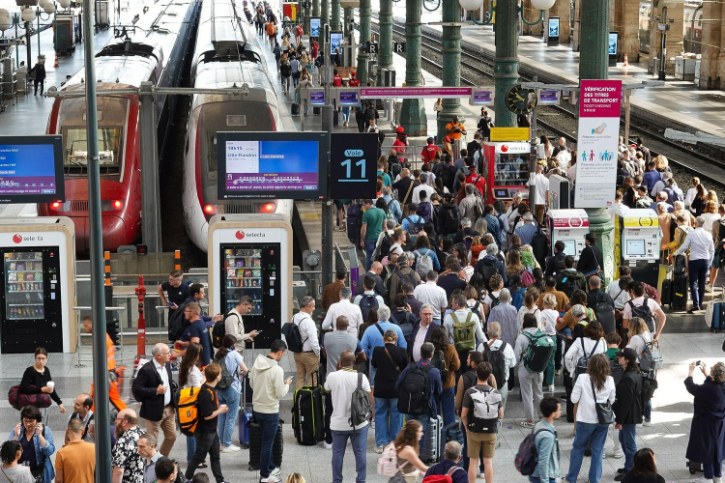
France has one of the best rail networks in Europe, but it is really several networks with different rules. Matching the train to your journey saves you money and keeps you from boarding the wrong service.
a. High-Speed TGV: INOUI Versus OUIGO
France’s high-speed trains run under two brands that feel very different.
- TGV INOUI is the full-service option, with first and second class, Wi-Fi, power outlets, a food car, and flexible tickets. It mostly leaves from central Paris stations.
- OUIGO is the budget version. It is cheaper but stricter, with single-class seating, no food service, tight luggage limits, and non-refundable tickets.
- OUIGO often departs from outer suburban stations, so always check which station you need before the day of travel.
b. Intercités for Longer Classic Routes
Intercités trains cover long-distance routes that skip the high-speed lines.
- Daytime services connect cities like Paris to Clermont-Ferrand and Toulouse, usually with required seat reservations.
- Overnight sleeper trains link Paris to far-off places like Nice and Lourdes, with reclining seats or shared sleeping berths, and reservations are required.
c. TER for Small Towns and Countryside
TER regional trains are how you reach smaller towns and scenic spots, such as Nice to Monaco or the Loire châteaux near Tours.
- Seating is open, with no assigned seats.
- A ticket is usually good for any TER on that route during the same day.
- Almost all TER tickets are digital now. If you do have a paper one, keep it ready to show the conductor, since the old yellow stamping machines have largely been removed.
d. Transilien Around Paris
The Transilien network is the suburban rail that fans out from central Paris stations.
- It reaches day-trip favorites like Versailles, Fontainebleau, and Provins.
- It uses the same regional ticket system as the metro for many trips, so it feels like an extension of the city network.
e. Crossing the Border by Train
Several operators connect France to its neighbors, and the experience depends on the destination.
- Eurostar runs to London through the Channel Tunnel, with passport checks and airline-style security before boarding. It also links Paris to Brussels and Amsterdam.
- TGV Lyria serves Switzerland, and other services reach Germany, Italy, and Spain.
- Trips within the Schengen Area usually have no border checks, while trips outside it do.
6. Understand Train Booking, Seats, and Luggage
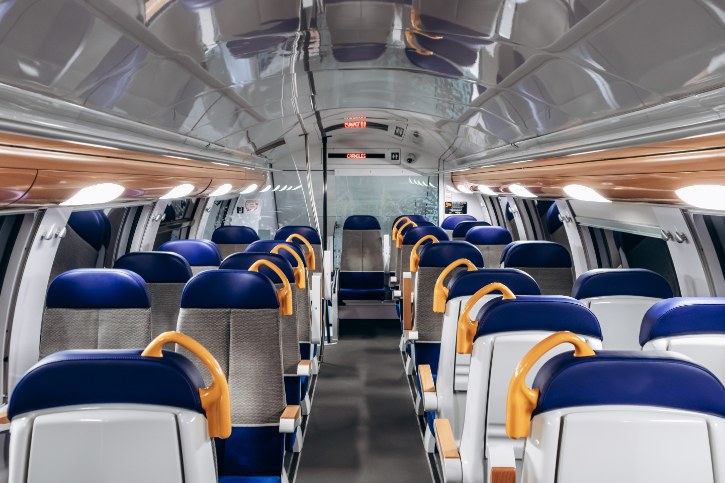
A French train ticket is not quite like a plane ticket, and the differences catch people out at the gate. Book at the right time, know when a seat is assigned, and tag your bags.
a. Book Early for the Best Fares
On high-speed and intercity trains, prices rise as seats sell, so early booking saves money.
- High-speed and Intercités tickets usually open a few months ahead.
- OUIGO can open even earlier.
- Regional TER fares are fixed and do not rise with demand.
- Buy through the official SNCF Connect platform, and be aware that some resellers add fees.
b. When a Seat Reservation Is a Must
Whether you need a reserved seat depends on the train, and boarding the wrong one can mean a penalty.
- Required: TGV INOUI, OUIGO, and most Intercités trains. Your ticket shows your coach and seat number.
- Open seating: TER and Transilien, where you take any free seat.
- Pass holders using Interrail or Eurail still need a paid reservation on high-speed trains.
c. Know Your Luggage Limits
French trains, especially OUIGO, enforce luggage rules at the gate.
- TGV INOUI and Intercités: up to 2 large bags (each max 70 x 90 x 50 cm) plus 1 piece of hand luggage (40 x 30 x 15 cm) per person. The fine is €50 per excess or oversized bag, and €150 if your bags block a corridor.
- OUIGO: 1 cabin bag (max 55 x 35 x 25 cm) plus 1 small bag (36 x 27 x 15 cm) in the standard fare. Extra or oversized bags cost a fee, from about €5 in advance up to €20 at the station.
- TER: no fixed limit as long as bags fit the racks, and bikes usually travel free.
- Every bag should carry a label tag with your name and contact details. Unlabeled or unattended bags can trigger security action.
d. Boarding Closes Earlier Than You Expect
Train boarding in France is punctual, so give yourself a comfortable buffer rather than cutting it fine. Platform numbers appear on the big departure boards only about 15 to 20 minutes before departure, and on high-speed trains the access gates close two minutes before the train leaves, which means latecomers are simply turned away.
Your phone’s QR ticket is scanned at the platform gate, so have it ready before you reach the barrier and keep an eye on the board for last-minute platform changes.
7. Book the Attractions That Sell Out
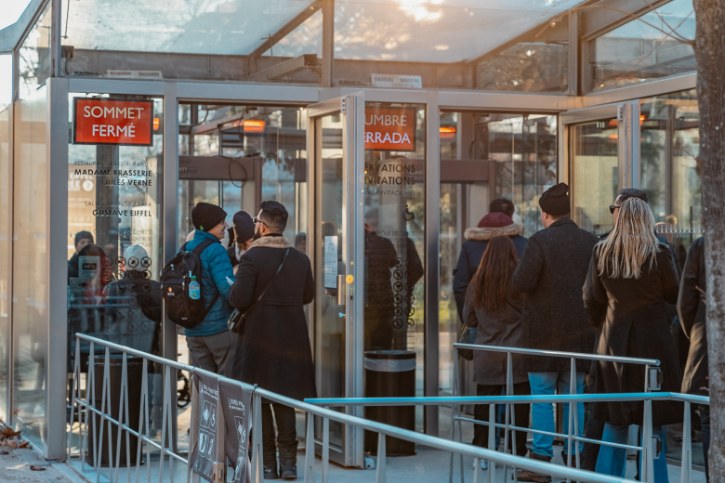
Many of France’s headline sites now run on timed entry, and turning up on the day can cost you hours or a wasted trip. A handful of advance bookings is the difference between a smooth day and a frustrating one.
a. Reserve the Big Icons Ahead
The most famous sites manage crowds through timed booking, and showing up without a plan can cost you hours.
- Eiffel Tower: booking online ahead is strongly advised, and summit slots sell out fast in high season. Same-day counter queues can run two to three hours.
- Palace of Versailles: a timed-entry reservation is required for everyone, even for free-entry visitors, and you choose a set arrival slot.
b. The Louvre and Orsay Need Timed Slots
Paris’s two giant museums both use timed-entry tickets, so booking your slot online before you go is the safe move.
- The Louvre sells time-slotted tickets, and in busy periods a reservation is required for everyone, including free-entry visitors. Walk-ins are often turned away, and it closes on Tuesdays.
- The Musée d’Orsay strongly recommends booking a timed slot, since reserved visitors skip the longest queues. It closes on Mondays.
c. Smaller Sites Still Fill Up
Even lesser-known monuments often need planning.
- Sainte-Chapelle requires timed reservations for everyone because of security screening.
- The Arc de Triomphe, Conciergerie, and Panthéon offer timed-entry tickets, and booking ahead saves you the queue. Walk-ins are usually still possible, especially in quieter seasons.
- The Centre Pompidou is closed for a multi-year renovation, with key works shown at partner museums instead.
d. Theme Parks and Date Registration
Big parks control numbers by the day, so read your ticket terms carefully.
- Disneyland Paris uses dated tickets, and even pass holders must reserve their visit date online, since entry is not guaranteed without it and the parks can fill to capacity.
- Parc Astérix rewards early booking and requires reservations in peak periods.
e. Special Shows Need Separate Tickets
Temporary exhibitions and major events usually sit outside your normal museum ticket.
- Big shows at venues like the Grand Palais or the Fondation Louis Vuitton need their own timed, often non-refundable tickets.
- Check official event calendars before you fix your days, and buy only from legitimate sellers.
8. Master the Rules of Driving in France
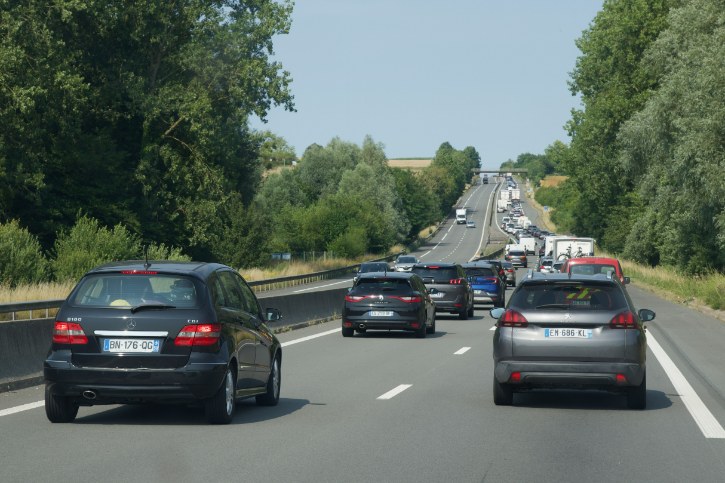
A car opens up the countryside, but French roads come with rules and zones that surprise first-time visitors. Knowing them keeps your trip fine-free and your deposit intact.
a. The Road Rules That Catch Visitors Out
France drives on the right, and a few rules surprise first-time visitors.
- Speed limits drop automatically in rain. Motorways fall from 130 to 110 km/h, and city centers are often 30 km/h.
- Priorité à droite means traffic joining from your right can have priority where there are no signs or signals.
- The blood alcohol limit is low, and even lower for newer drivers.
- Headphones and earbuds while driving are banned, and only built-in hands-free systems are allowed.
- You must carry a reflective vest inside the car and a warning triangle.
b. The Licence and Documents You Need
Your home licence may not be enough on its own.
- EU and EEA licences are accepted as they are.
- Non-EU drivers usually need an International Driving Permit or a certified French translation alongside their licence.
- Rental firms generally ask for a minimum age, a year of driving experience, and a credit card in the main driver’s name.
c. Low-Emission Zones and Crit’Air Stickers
Many French cities now limit older, more polluting vehicles, and foreign cars are not exempt. Cities including Paris, Lyon, Marseille, Strasbourg, and Rouen run low-emission zones where every car must display a Crit’Air sticker, including vehicles registered abroad.
Order the sticker only from the official government website, and check a city’s current rules before you drive in, since restrictions vary by city, day, and vehicle age. Driving without the right sticker risks a fine.
d. Tolls, Fuel, and Free-Flow Motorways
French motorways are mostly toll roads, and payment is going digital.
- Pay by card, cash, or an electronic tag at booths.
- On newer free-flow motorways there are no barriers. Cameras read your plate, and you must pay online within a set time or face a surcharge.
- At automated fuel pumps, you need a chip-and-PIN card. Green nozzles are petrol, and yellow or black are diesel.
e. Insurance and What to Do in a Breakdown
Know your cover and the safety drill before you set off.
- Basic rental insurance often carries a large excess, which you can reduce with extra cover or certain credit cards.
- If you break down on a motorway, put on your vest, step behind the barrier, and use the orange emergency phones placed every two kilometers, or the official assistance app.
- The Europe-wide emergency number is 112.
9. Prepare for Healthcare and Emergencies
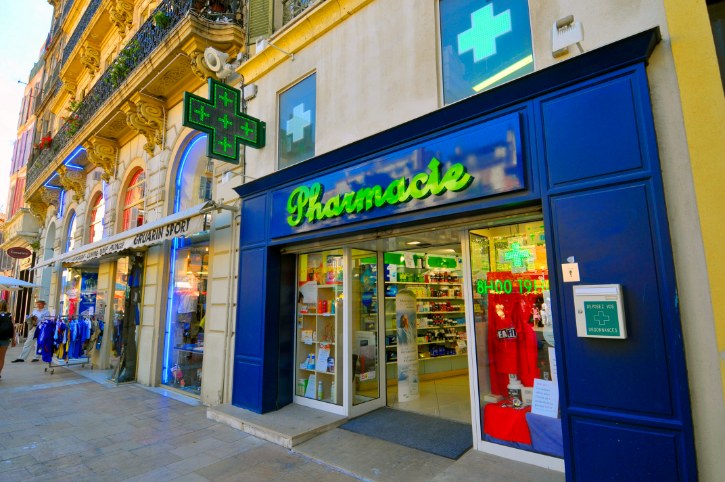
Healthcare in France is excellent but not free for visitors, so a little preparation protects both your health and your wallet. Know who pays, where to get help, and which number to call.
a. You Pay for Your Own Care
Tourists do not get free public healthcare in France, so expect to pay up front and claim back later.
- Non-European visitors pay the full cost of doctor visits, tests, and hospital care, so strong travel insurance covering hospital treatment and repatriation is well worth having.
- EU, EEA, and Swiss visitors can use the EHIC, and UK visitors the GHIC, for state-covered care.
- Even with those cards, you usually pay first and reclaim part of the cost afterward.
b. Pharmacies Do More Than You Expect
French pharmacies are a useful first stop for minor problems, and the pharmacist can often save you a doctor’s visit.
- A pharmacie, marked by a green cross, is the only place that sells medicines, even basic pain relief. Supermarkets cannot.
- Pharmacists are highly trained and can advise on minor illnesses and recommend remedies.
- Outside normal hours, a rotating duty pharmacy stays open, and you can find it posted in any pharmacy window or by calling 3237.
c. A Small Medicine Kit Worth Packing
Carrying a few basics saves you a clinic trip for small issues. These are sold without a prescription at French pharmacies, though brand names differ.
- Pain and fever: paracetamol (sold as Doliprane) and ibuprofen.
- Allergies: cetirizine or loratadine.
- Upset stomach: loperamide and oral rehydration salts.
- Motion sickness and a basic antiseptic for small cuts.
If you take regular prescription medicine, bring enough for your whole trip plus a few extra days, and keep it in its original packaging.
d. The Emergency Numbers to Memorize
Save these before you go, because France uses separate lines for different needs.
- 15 for medical emergencies.
- 17 for police.
- 18 for fire and rescue.
- 112 is the Europe-wide number that works in any language and connects you to the right service.
- When you call, give your exact location and say whether anyone is hurt. Dispatchers can arrange translation.
10. Check Customs and Medicine Rules Before Packing
What you carry matters as much as what you declare. Medicines in particular can be fine at home yet restricted in France, so a quick check before you pack avoids trouble at the border.
a. Bringing Your Medicines In
France lets you bring medicine for personal use, within limits.
- Non-prescription medicines are allowed up to a three-month supply for personal use.
- Prescription medicines can match your full treatment length, and you should carry the prescription if the amount is large.
- Keep everything in its original packaging with the label. Loose pills in unmarked containers can be seized.
b. Controlled Drugs Need Paperwork
Some medicines that are normal at home are tightly controlled in France.
- Strong painkillers, sedatives, and similar drugs usually need an official certificate or a valid prescription to bring in.
- The rules differ depending on whether you arrive from inside or outside the Schengen Area.
- Cannabis, even where prescribed abroad, is treated as an illegal drug unless it is a specific approved medicine.
If your medicine might be restricted, check its status with the authorities before you fly.
c. What to Declare at the Border
Most travelers walk straight through the green “nothing to declare” channel, but a few things must be declared or left behind. Getting these wrong risks fines or confiscation.
- Cash: declare 10,000 euros or more, counting all currencies and items such as traveler’s checks.
- Goods over the limits: amounts of alcohol, tobacco, or general shopping above the duty-free allowances from outside the EU must be declared, with duty or VAT to pay.
- Banned foods: meat and dairy brought from outside the EU are not allowed and will be confiscated.
- Controlled medicines: take these through the red channel with your prescription and a doctor’s note ready.
- Ordinary personal medicines and everyday belongings in normal amounts need no declaration.